


Guides/A Riffiter guide
Side-long songs: 18 tracks that took up a whole side of the record
One song, one side of vinyl, nothing else on it. From Dylan's Nashville all-nighter in 1966 to Godspeed's first double LP in 2000.
A side-long song fills an entire side of a vinyl LP by itself, usually running between 11 and 32 minutes. This guide collects 18 of them in release order, from Bob Dylan's "Sad Eyed Lady of the Lowlands" (Blonde on Blonde, 1966) and Love's "Revelation" through Kraftwerk's "Autobahn" (1974) to Godspeed You! Black Emperor's "Storm" (2000).
The rule for this list is strict. The song has to own its side of the original LP outright, with nothing else sharing the groove, not even a thirty-second link. That rules out some famous long songs. Genesis put "Horizons" in front of "Supper's Ready", so the second side of Foxtrot belongs to two tracks. "Marquee Moon" runs ten minutes but closes a side that already holds three other songs. Thick as a Brick is one piece cut in half across both sides, which is a different trick, and the one-track album is a different list.
What's left is a form with a short life. It needed the LP to be treated as a statement rather than a bag of singles, which happened around 1966, and it lost most of its point once the CD removed the wall at the end of side one. A 12-inch side holds about twenty minutes before the cutting engineer starts giving up volume and bass to fit more in, so anything past that (Eno at 30, Miles at 32) was a fight with the format as well as a piece of music.
Sorted by release date. Every entry links to the track itself, so rate the song, not just the album it sits on.
- 1
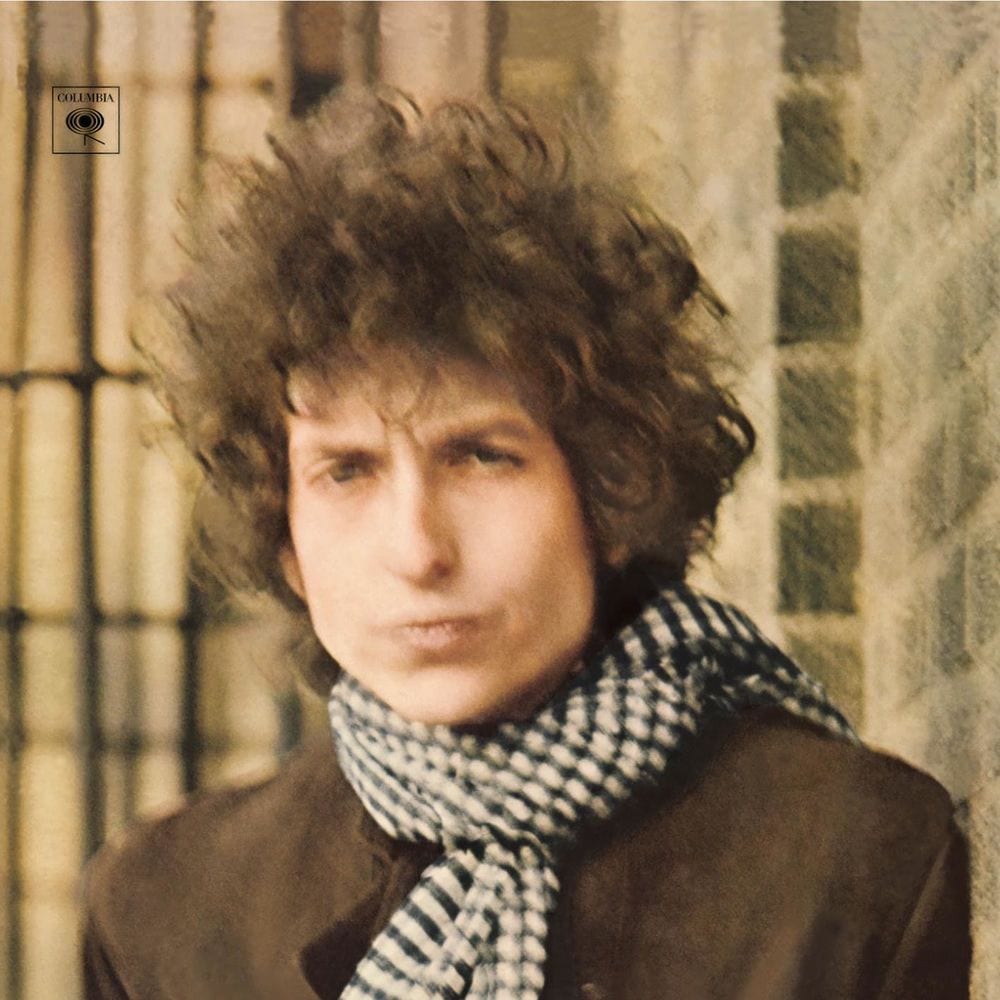
Sad Eyed Lady of the Lowlands
Be the first to rateSide four of Blonde on Blonde (Columbia, June 1966), a little over eleven minutes, and five months ahead of Love's "Revelation" below. The session at Columbia's Nashville studio started at 6 pm on February 15; Dylan sat writing lyrics for hours while the session players killed time with ping-pong, then counted them in around 4 am. The fourth take is the record. Most writers hear it as a wedding song for Sara Lownds, whom he had married about three months earlier, and for eleven minutes the band keeps building toward a climax that never arrives.
- 2
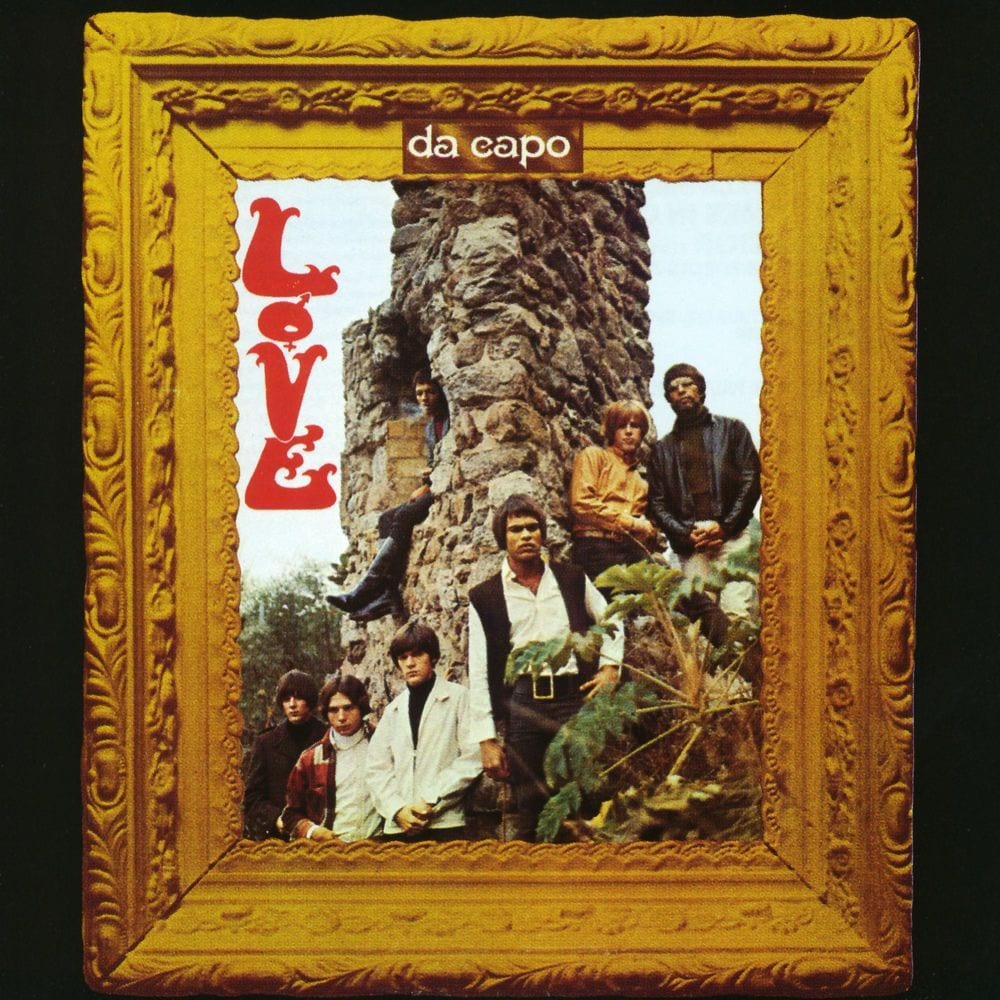
Revelation
Be the first to rateDa Capo (Elektra, November 1966) puts six short, nearly perfect songs on side one and then gives side two to a nineteen-minute jam the band used to play live as "John Lee Hooker". Guitarist Johnny Echols said it could last an hour on stage; producer Paul Rothchild cut roughly 45 minutes of tape down to size and spliced Alban Pfisterer's Bach-quoting harpsichord onto both ends. Arthur Lee later called it the worst song he ever made. He had a point, but this is where the indulgent side-two blowout became a thing rock bands were allowed to do.
- 3
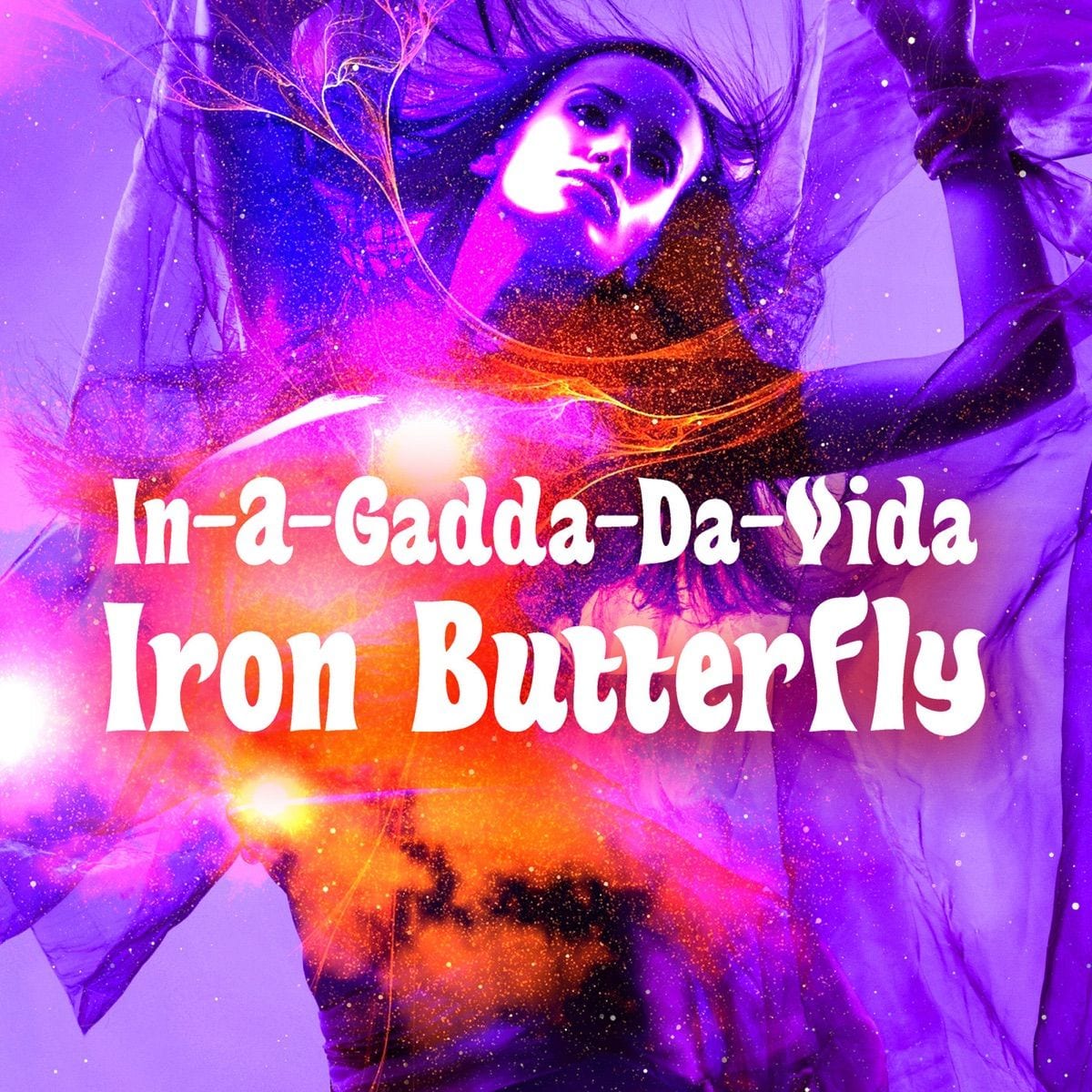
In-A-Gadda-Da-Vida
Be the first to rateSeventeen minutes across side two of Iron Butterfly's 1968 album on Atco. Drummer Ron Bushy's version of the story is that Doug Ingle wrote it after a gallon of wine and slurred "In the Garden of Eden" into the title. The 2:52 single edit reached No. 30 on the Hot 100, the band's only top-40 hit, and the album climbed to No. 4. It is the dumbest record on this list and more fun than about half of it, Bushy's two-and-a-half-minute drum solo included.
- 4
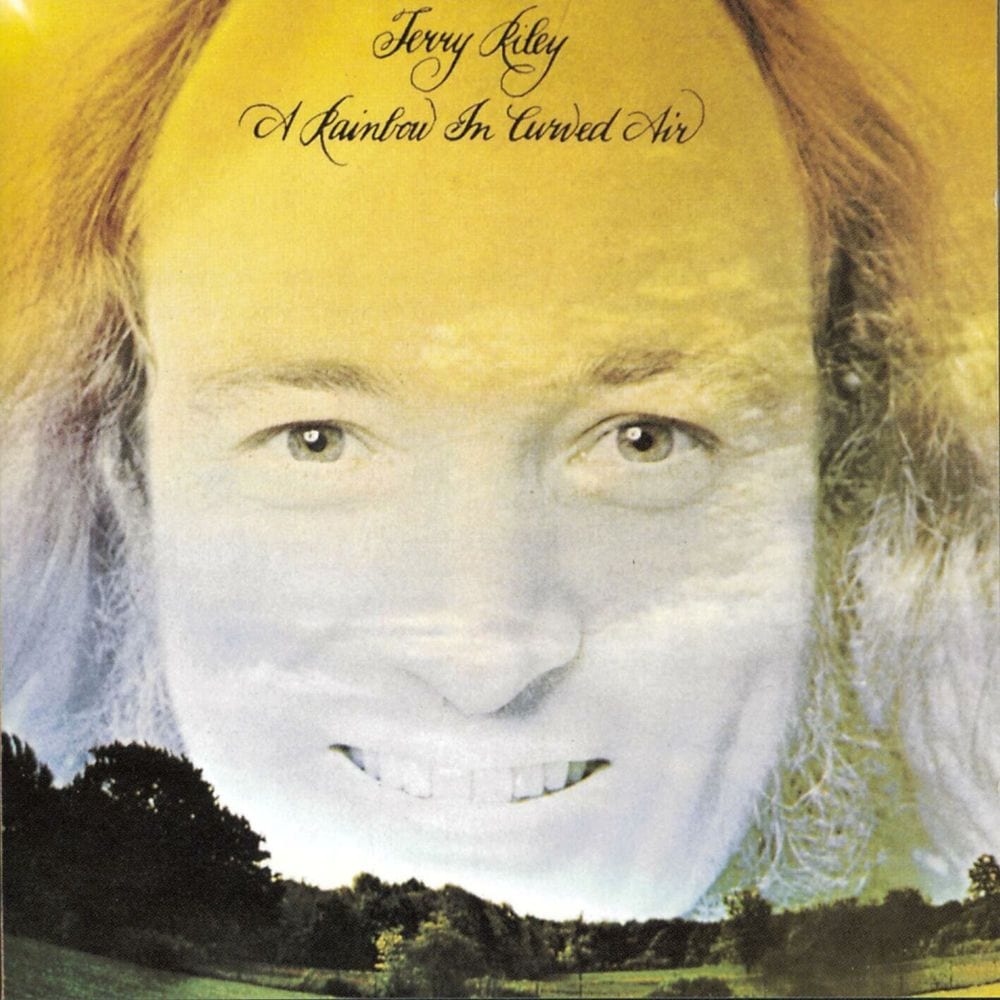
A Rainbow in Curved Air
Be the first to rateSide one of Terry Riley's 1969 album for CBS, 18:39 of Riley overdubbing himself on electric organ, two electric harpsichords, dumbek and tambourine, running modal patterns until they start to shimmer. Pete Townshend took the organ idea for "Baba O'Riley", whose title is half a nod to Riley, and the British band Curved Air named themselves after the record. The flip, "Poppy Nogood and the Phantom Band", is a side-long tape-delay saxophone piece, so the whole LP qualifies twice over.
- 5
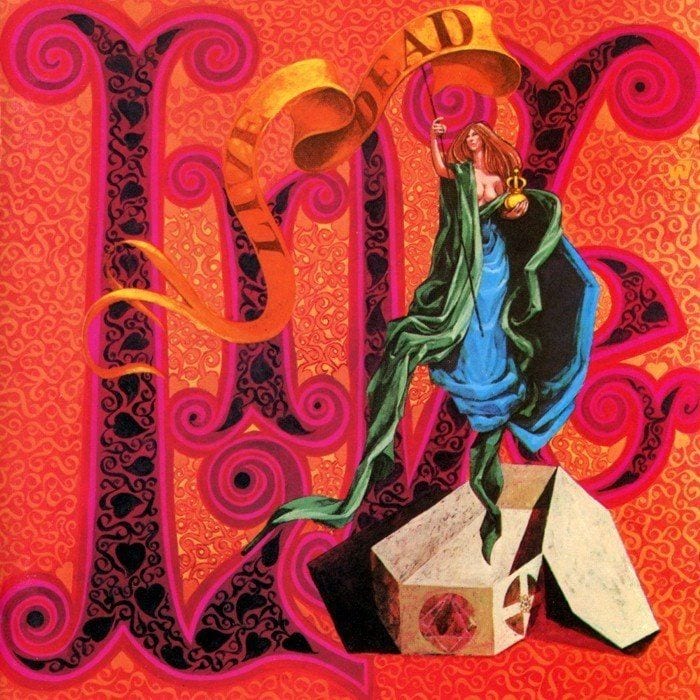
Dark Star
Be the first to rateAll of side one of Live/Dead (Warner Bros.-Seven Arts, November 1969), 23 minutes taken from the Fillmore West on February 27, 1969. It was among the first live rock albums recorded on 16-track, and that clarity matters for a performance this quiet: Garcia and Lesh spend long stretches circling the melody without ever landing on it. If you have never understood why people trade Grateful Dead tapes, this is the one to try before you give up.
- 6
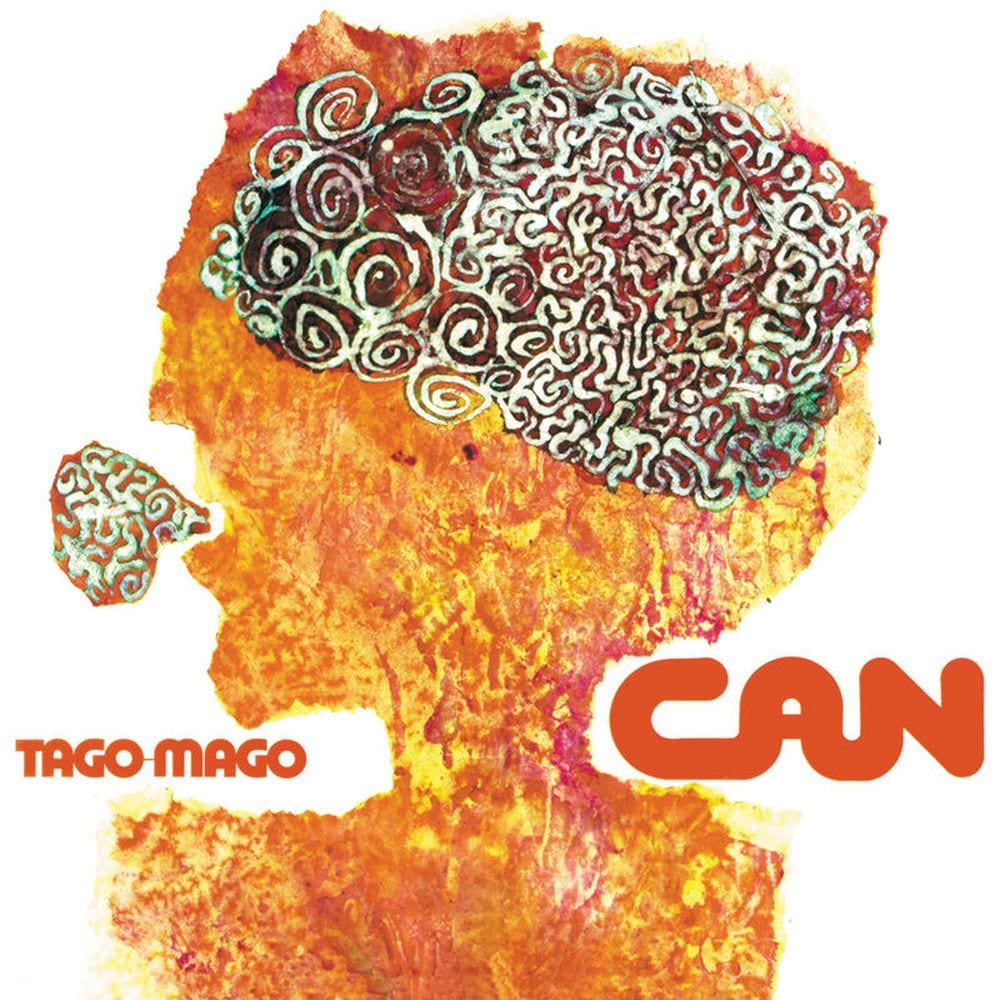
Halleluhwah
Be the first to rateSide two of Tago Mago (United Artists, 1971), the double LP Can built out of jams at Schloss Nörvenich. Jaki Liebezeit plays close to the same groove for eighteen and a half minutes while Holger Czukay's tape edits shift everything around it, and Damo Suzuki drifts in and out of the mix. Forty-five years later A Tribe Called Quest used its piano on "Lost Somebody", their elegy for Phife Dawg.
- 7
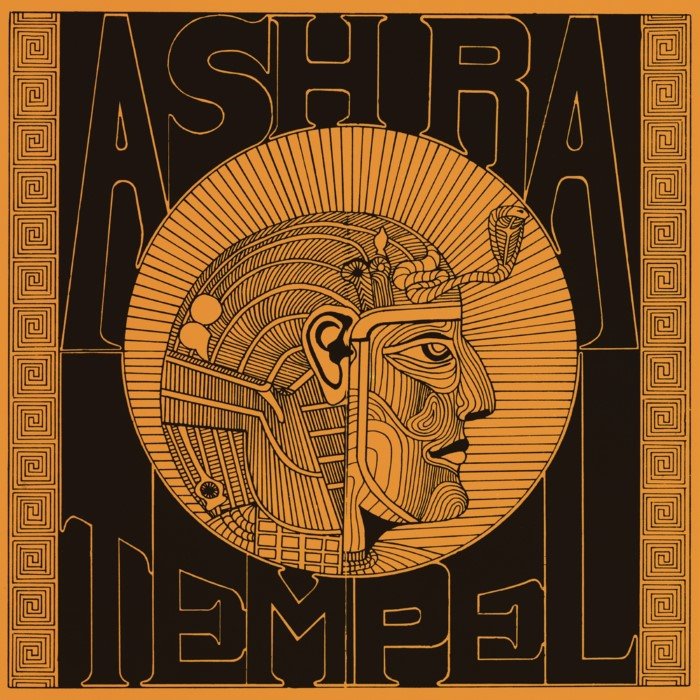
Amboss
Be the first to rateSide one of Ash Ra Tempel's debut (Ohr, June 1971), recorded in a single day, 11 March 1971, with Conny Plank engineering. Klaus Schulze is the drummer here, before his solo records, and Manuel Göttsching's guitar starts as drift and ends as a wall of noise. Göttsching later made E2-E4 (released 1984), which is in some ways the same long patient build played on a drum machine.
- 8
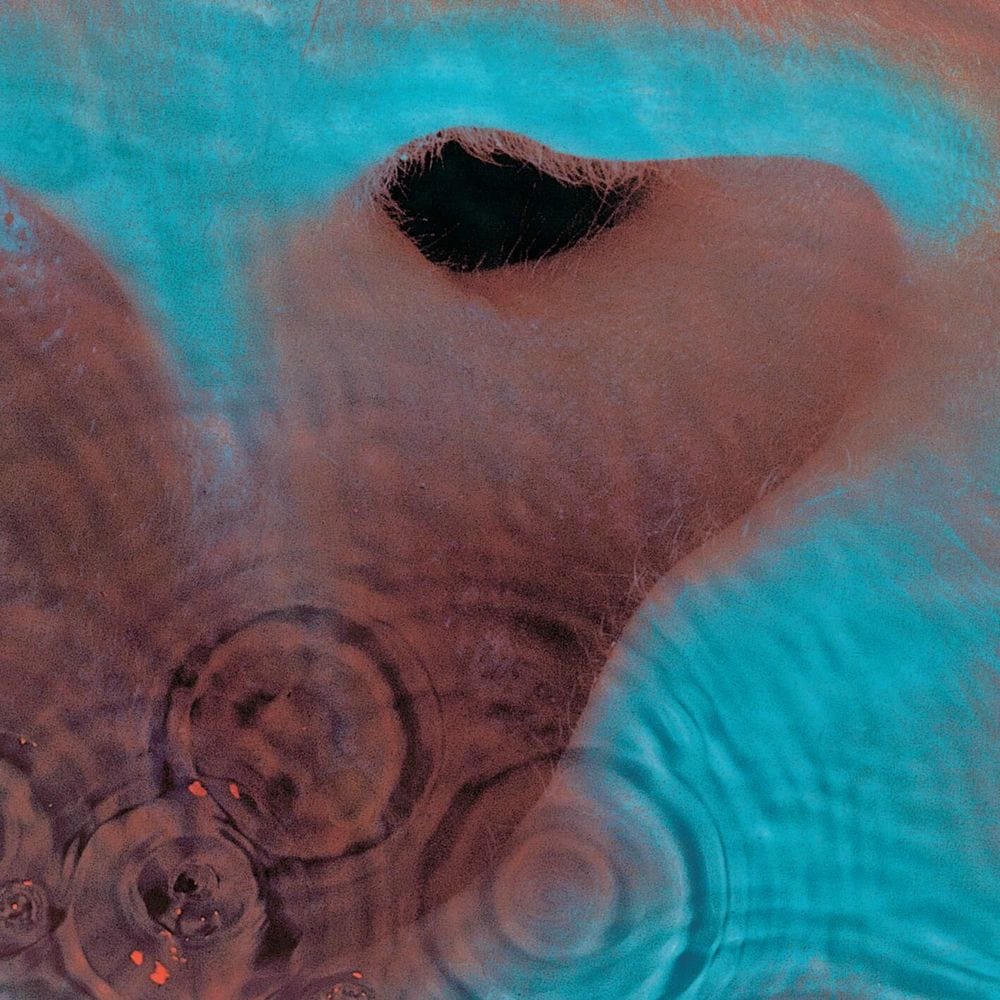
Echoes
★ 5.0 · 1Side two of Meddle (Harvest, 1971), 23 and a half minutes. The opening ping is Richard Wright's grand piano fed through a Leslie speaker and a Binson Echorec, found by accident early in the sessions; the screeching in the middle is David Gilmour's wah pedal plugged in backwards. This is the best thing Pink Floyd recorded before The Dark Side of the Moon, and a fair number of fans would drop the word "before".
- 9
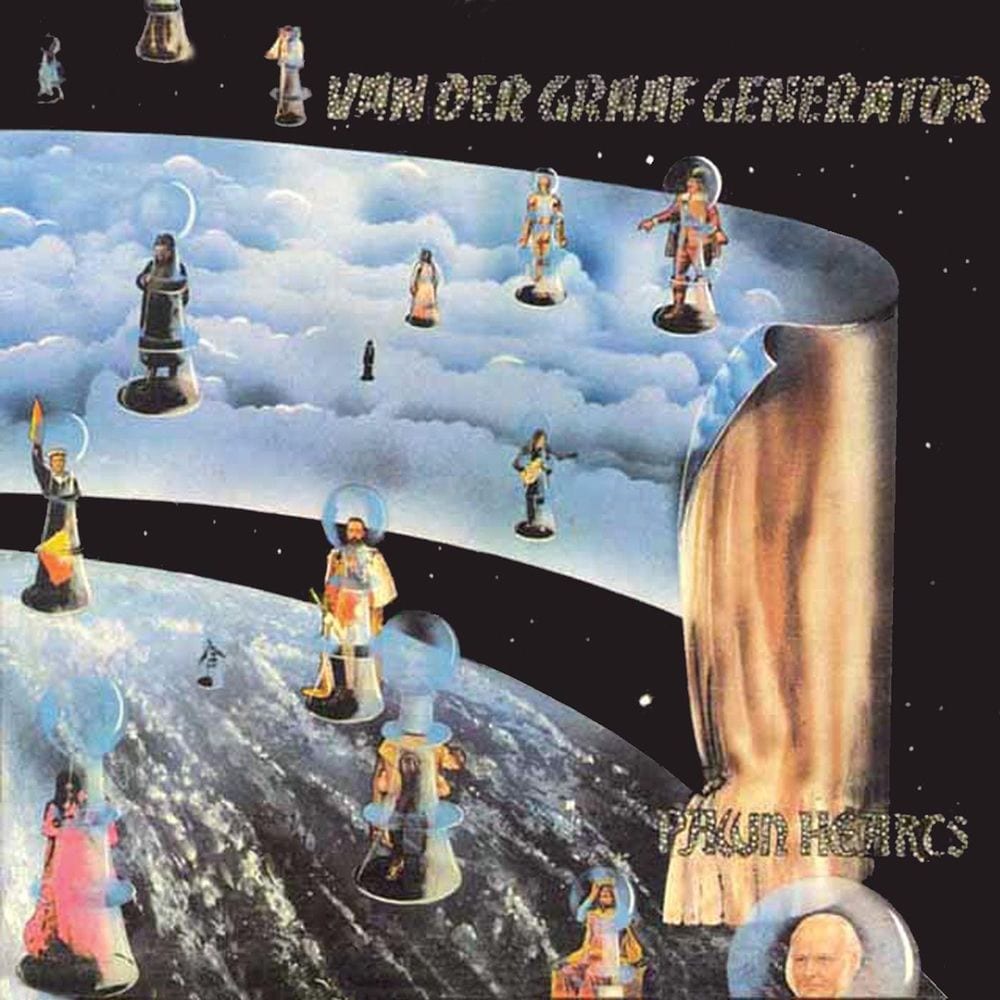
A Plague of Lighthouse Keepers
Be the first to rateSide two of Pawn Hearts (Charisma, November 1971), 23 minutes assembled at Trident from sections two to five minutes long, which Hugh Banton and producer John Anthony spliced together at the end of the sessions. Peter Hammill plays a lighthouse keeper coming apart, a role his voice was built for, and Robert Fripp sits in on guitar. Of the British prog epics here it is the one that still sounds properly unhinged.
- 10
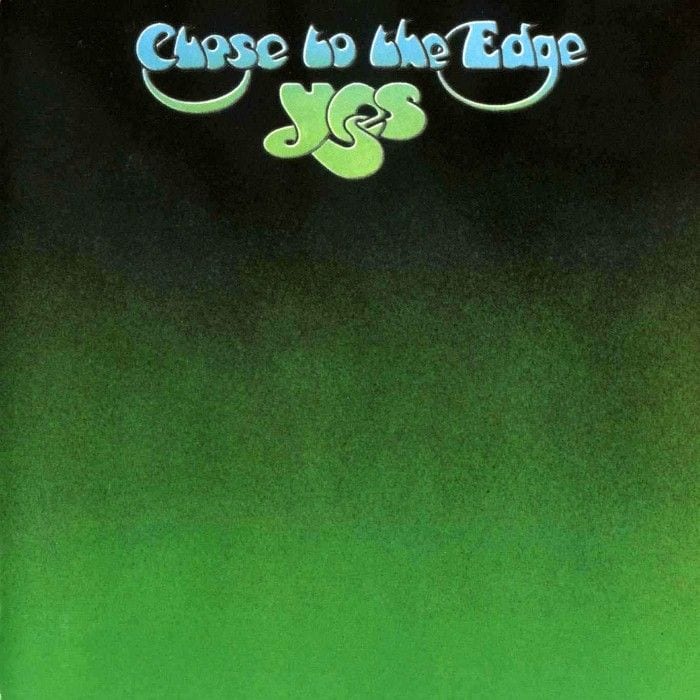
Close to the Edge
Be the first to rateSide one of Yes's 1972 album on Atlantic, 18:43 in four movements that Jon Anderson tied to Hermann Hesse's Siddhartha. It opens on birdsong and running water, then the whole band plays at once for about a minute before the song itself turns up. If you need one listen to decide whether the prog suite was worth it, use this one: it's long because the structure needs the room, and the return of the main theme near the end is earned.
- 11
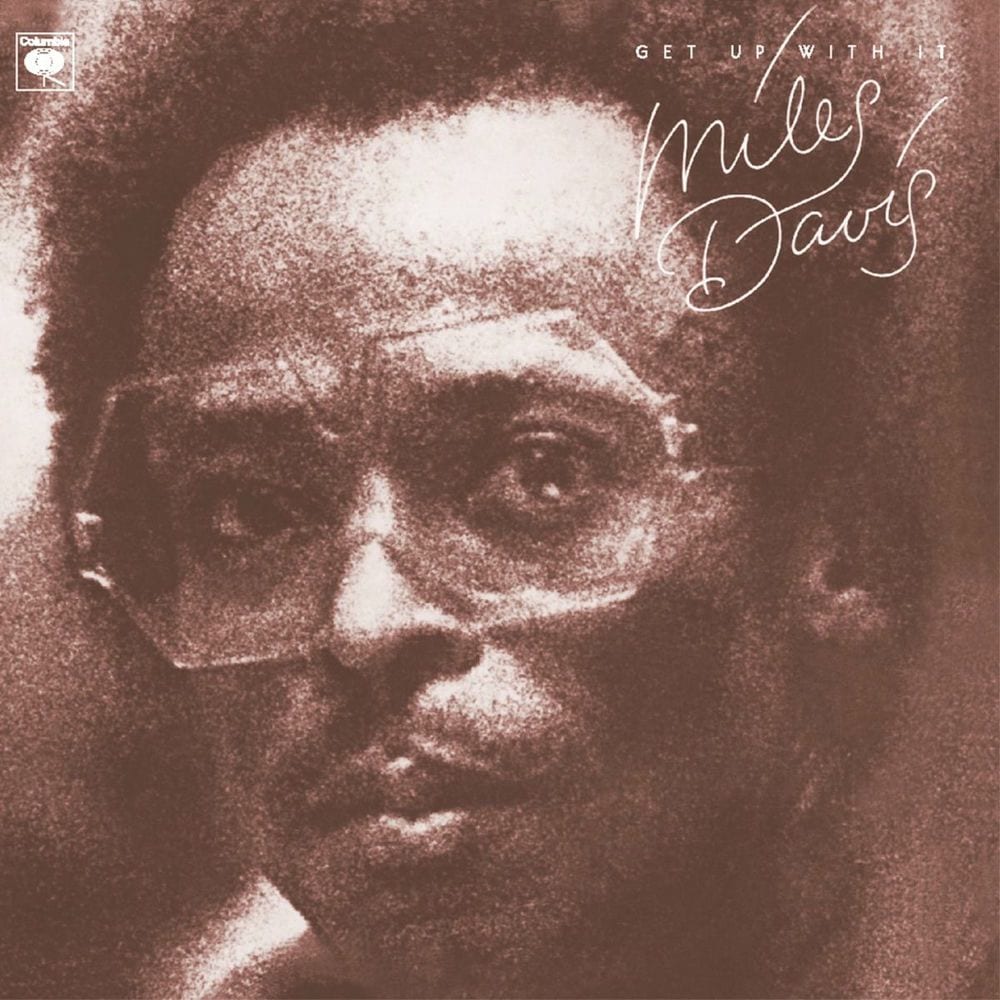
He Loved Him Madly
Be the first to rateSide one of Get Up with It (Columbia, November 1974), 32 minutes, recorded in June 1974 as Miles Davis's tribute to Duke Ellington, who had died that May and who used to sign off by telling audiences he loved them madly. Miles plays organ and wah-wah trumpet, Dave Liebman plays alto flute, and the guitars barely touch anything. Brian Eno cited it in the liner notes to On Land, and the ambient records he made afterwards are easy to hear in it.
- 12
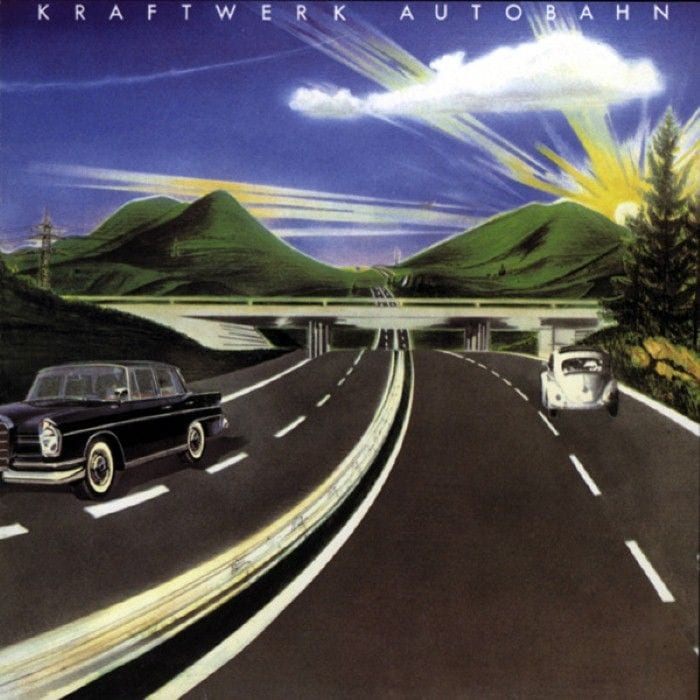
Autobahn
Be the first to rateSide one of Autobahn (Philips, November 1974), almost 23 minutes, made largely at Conny Plank's studio with the Minimoog Kraftwerk had bought that spring. A 3:28 edit went to No. 25 on the Billboard Hot 100 and No. 11 in the UK, so a German-language song about driving put the band on American radio. Play the full side anyway. The car door and horn at the start belong to the piece, and the middle section is better than the edit lets on.
- 13
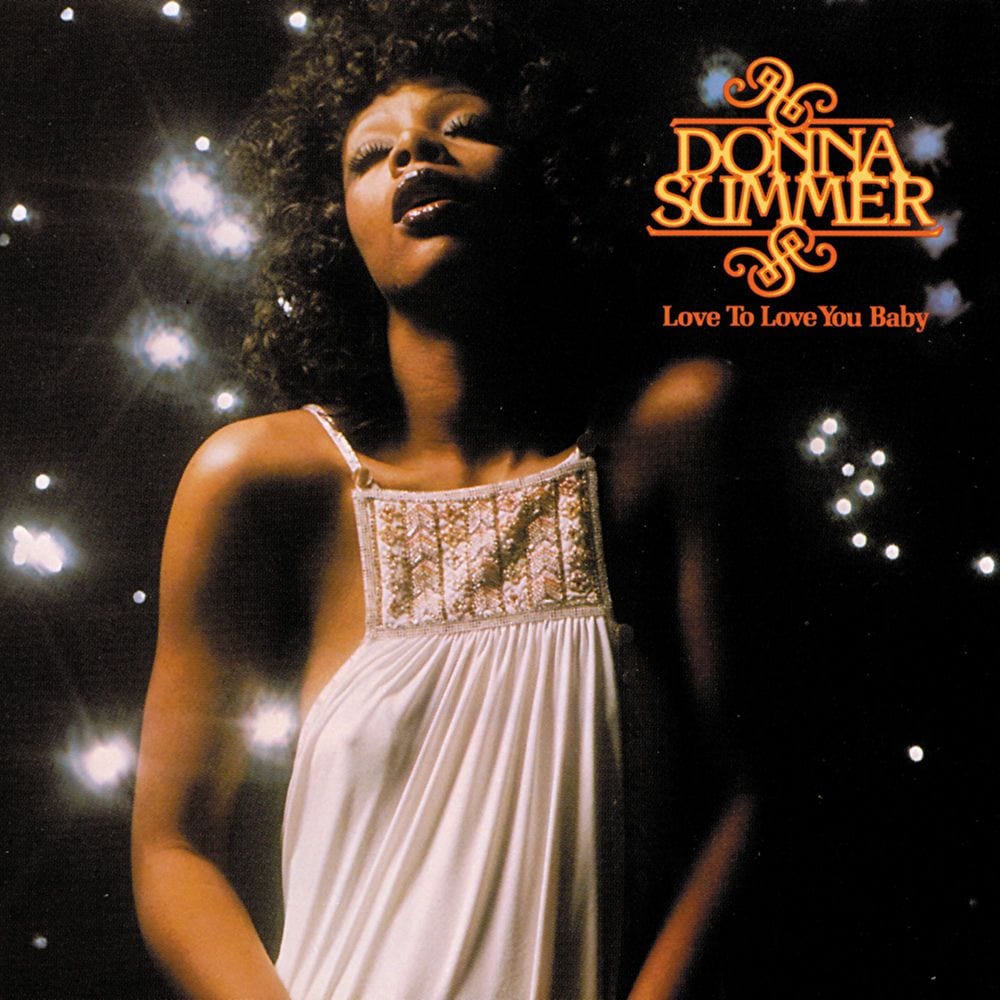
Love to Love You Baby
Be the first to rateSide one of Donna Summer's 1975 album, 16:49. Casablanca boss Neil Bogart heard the short version and asked for something closer to twenty minutes, so Giorgio Moroder and Pete Bellotte stretched the groove under Summer's breathy vocal into a full side. The single edit reached No. 2 in the US. It proved a side-long track could sell to people on a dance floor, a different audience from the one buying prog suites.
- 14
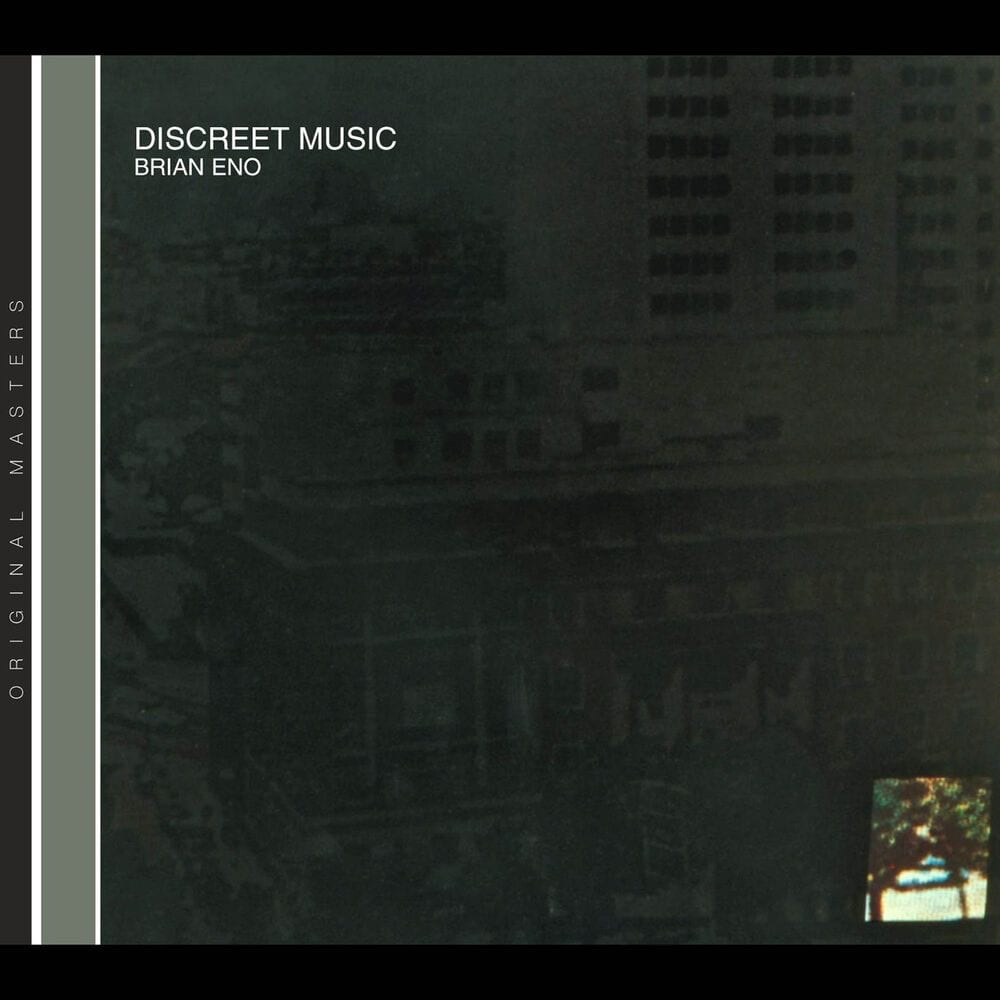
Discreet Music
Be the first to rateSide one of Discreet Music (Obscure, December 1975), 30 minutes and 35 seconds generated from two synth phrases on an EMS Synthi AKS, run through echo onto tape machines feeding each other. Eno traced the idea to being bedridden after a car accident with a harp record playing too quietly to hear properly. The piece was first meant as a drone for Robert Fripp to play over in concert, and side two's Pachelbel variations are worth flipping for.
- 15
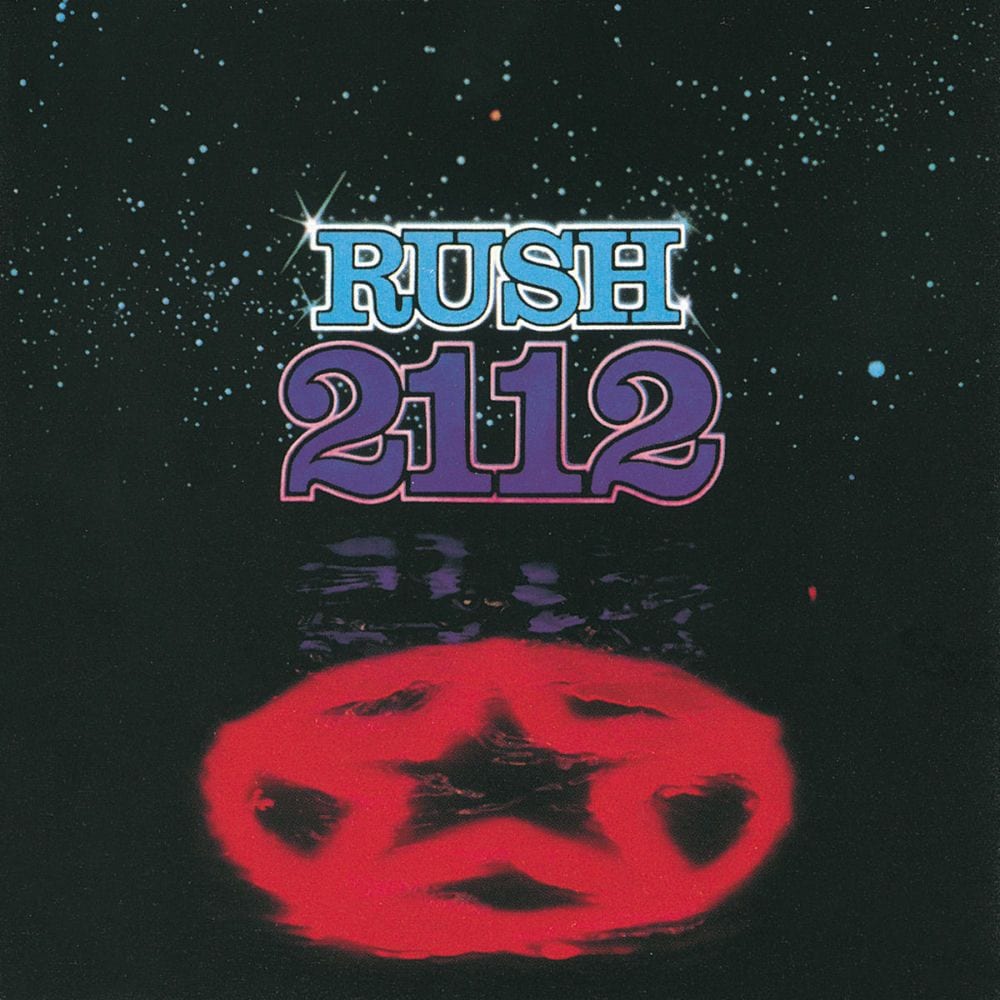
2112
Be the first to rateSide one of 2112 (Mercury, March 1976), a 20-minute suite in seven parts about a future run by priests who have no use for a guitar. Caress of Steel had flopped and Mercury wanted something commercial; Rush handed in this, and it became their first major success and is now four times platinum in the US. The liner notes acknowledge "the genius of Ayn Rand", which tells you most of what you need to know about Neil Peart at 23.
- 16
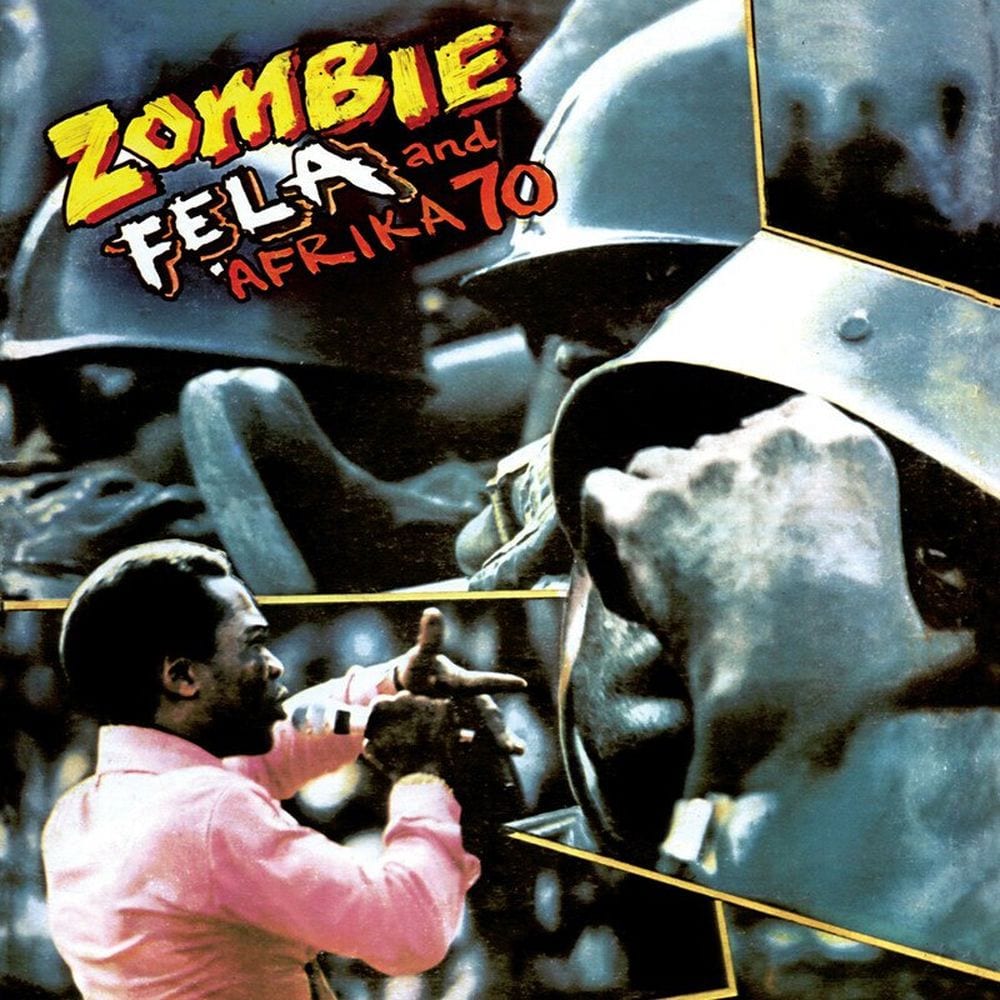
Zombie
Be the first to rateSide one of Zombie (Coconut, 1976 in Nigeria), twelve and a half minutes of Fela and Africa 70 mocking soldiers as men who march and stop on command. Most of Fela's 1970s LPs are one track per side, because Afrobeat needs that much time to lock in. The government's reply was a raid on the Kalakuta Republic by around a thousand soldiers, during which Fela's mother was thrown from a window and fatally injured.
- 17
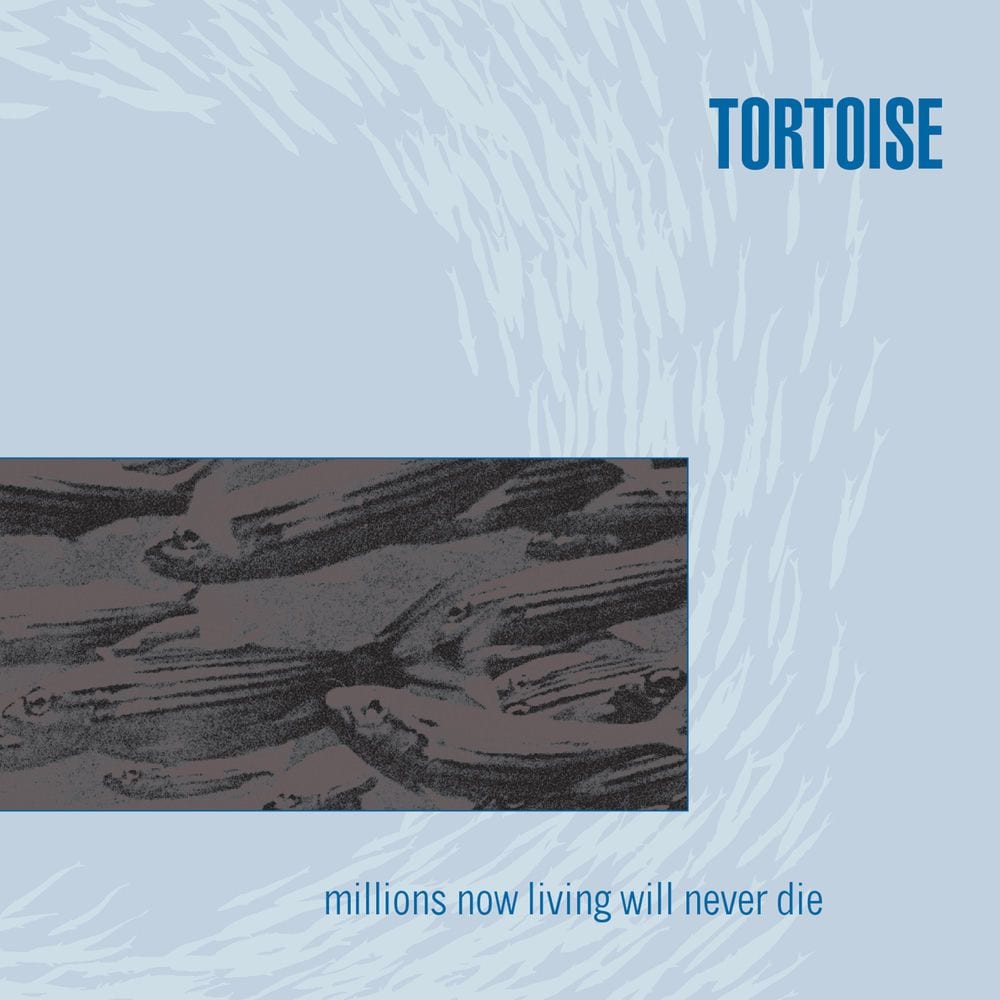
Djed
Be the first to rateSide A of Millions Now Living Will Never Die (Thrill Jockey, January 1996), just under 21 minutes, with the other five tracks crowded onto side B. It moves through sections that sound spliced together rather than played into each other, and the joins stay audible. The Wire made the album its record of the year, and Chicago had its post-rock flagship.
- 18
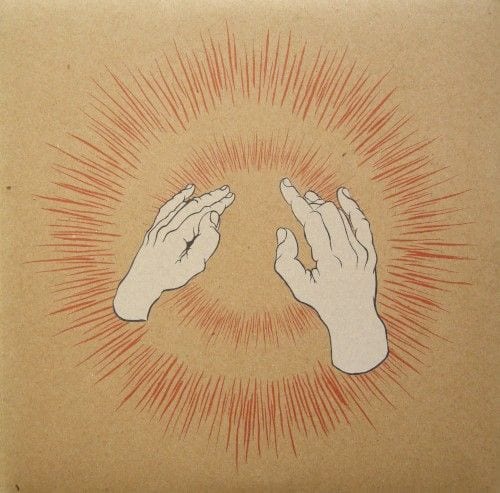
Storm
Be the first to rateSide A of Lift Your Skinny Fists Like Antennas to Heaven (Constellation, October 2000), 22 and a half minutes in four movements, recorded with Daryl Smith in nine days at Chemical Sound in Toronto. The vinyl came out two weeks before Kranky's CD, and the record is built as four pieces for four sides. The build in "Gathering Storm" has been copied by a generation of post-rock bands, and none of them topped it.


Explore the sound
Artists in this guide
Read next
Emo rap: 15 records from a Tumblr collective to the top of the Billboard 200
GothBoiClique started on Tumblr, making beats out of the emo records its members grew up on. By August 2017 the sound had a No. 1 album. That November it lost Lil Peep.
Scary albums: 17 records that still frighten on a Tuesday afternoon
No werewolves, no organ stabs, no Halloween party. Seventeen records from 1968 to 2019 that scare you with the lights on, and what each one uses to do it.
Def Jux: 16 albums from The Cold Vein to the record El-P finished for a friend
Eleven years, one Brooklyn producer's taste, and a catalog that made New York rap sound like it was coming through a broken radio.
Southern gothic music: 18 albums, and somebody always ends up in the river
Murder ballads, plywood devils, Memphis tapes and a Denver preacher's grandson. The sound of a literary label, from 1958 to now.
Got your own ranking? Build a list or tier of your own.