


Guides/A Riffiter guide
Southern gothic music: 18 albums, and somebody always ends up in the river
Murder ballads, plywood devils, Memphis tapes and a Denver preacher's grandson. The sound of a literary label, from 1958 to now.
Southern gothic is a literary label, borrowed from Faulkner and Flannery O'Connor, that music took over for songs about murder and religious dread. These 18 albums run in release order, from the Everly Brothers' Songs Our Daddy Taught Us (1958) and the Louvin Brothers' Satan Is Real (1959) through 16 Horsepower, Gillian Welch and Three 6 Mafia to Adia Victoria's A Southern Gothic (2021).
Southern gothic was never a genre. Critics borrowed the term from the novelists and started pinning it on records. RateYourMusic has a tag for the narrow version, gothic country, which centers on a handful of bands out of 1990s Denver and the people who copied them. This list goes wider on purpose. The test for getting on it was that the South has to show up as a place that is haunted, and not just as scenery.
That let some odd company in, like a sludge metal band from Louisiana and a Memphis rap crew that came up selling tapes, plus an Australian staging an Elvis nativity play in West Berlin and a Chicago duo with a Texan singer. It also put two clean-cut harmony acts from the 1950s at the top, because the oldest records here are still the most frightening ones. A lot of rivers come up, and a lot of the bodies end up in them.
- 1
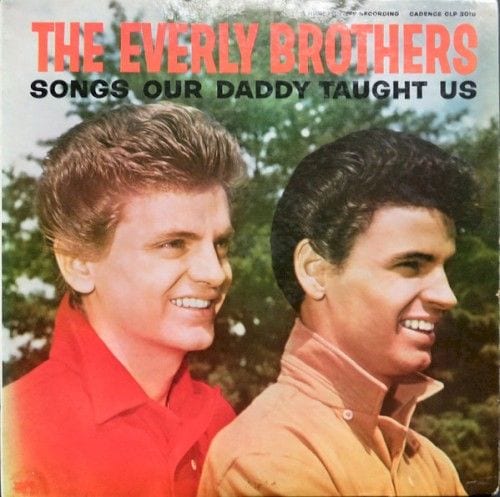
Songs Our Daddy Taught Us
Be the first to rateCadence put this out in December 1958, at the height of Don and Phil's rock and roll fame, and it's just the two of them, two guitars and Floyd Chance on upright bass, singing old songs. The second one is "Down in the Willow Garden", where the narrator poisons Rose Connelly with burgundy wine, stabs her and throws her in the river, all in harmony as sweet as anything they cut for the charts.
Bradford Cox told the Quietus it was "a Southern gothic album to the T". He's right. Most people still file it as a cute detour.
- 2
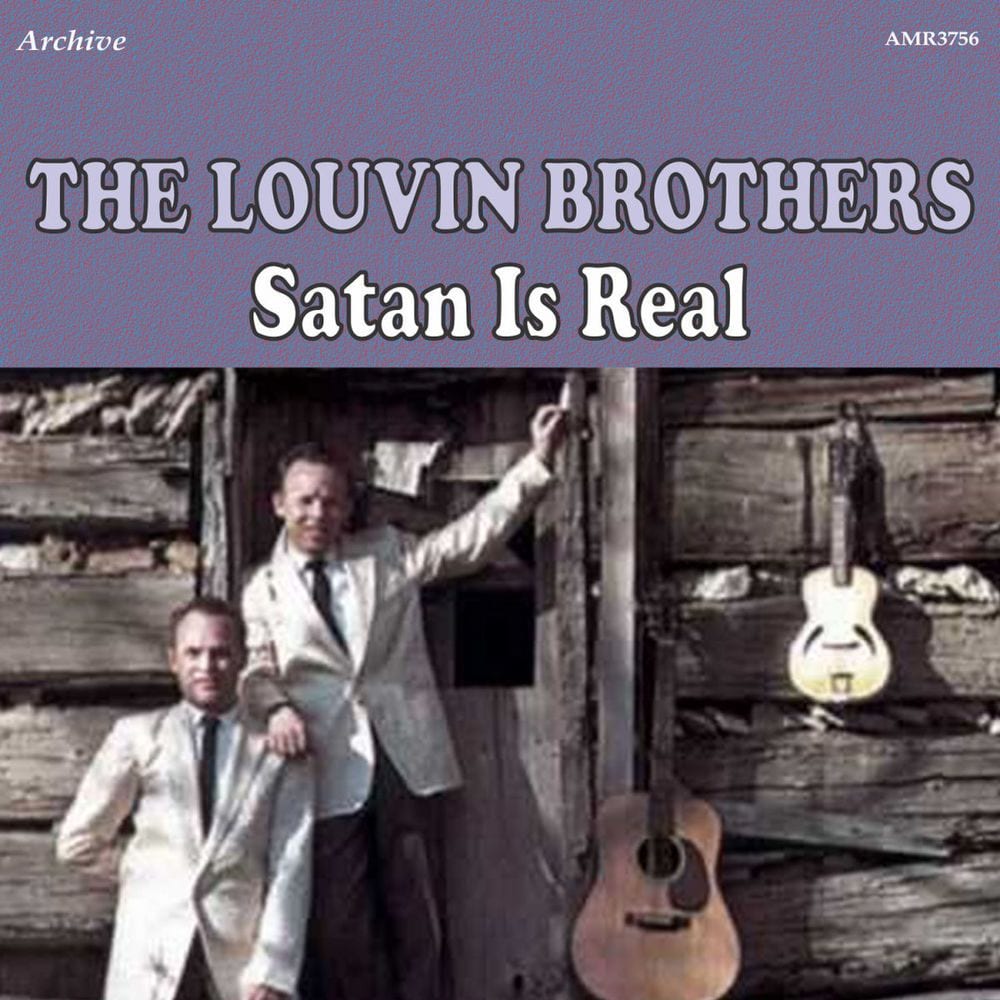
Satan Is Real
Be the first to rateEveryone knows the cover: Ira and Charlie in white suits, standing in a rock quarry in front of a 12-foot plywood devil while kerosene-soaked tires burn behind them. It got passed around for decades as kitsch. The record, cut in August 1958 and released by Capitol in 1959, isn't a joke at all. The title track is mostly a spoken sermon, and the harmonies are high and tight enough to sound frightened. The Byrds covered "The Christian Life" on Sweetheart of the Rodeo, so the country-rock canon owes this one a line too.
- 3
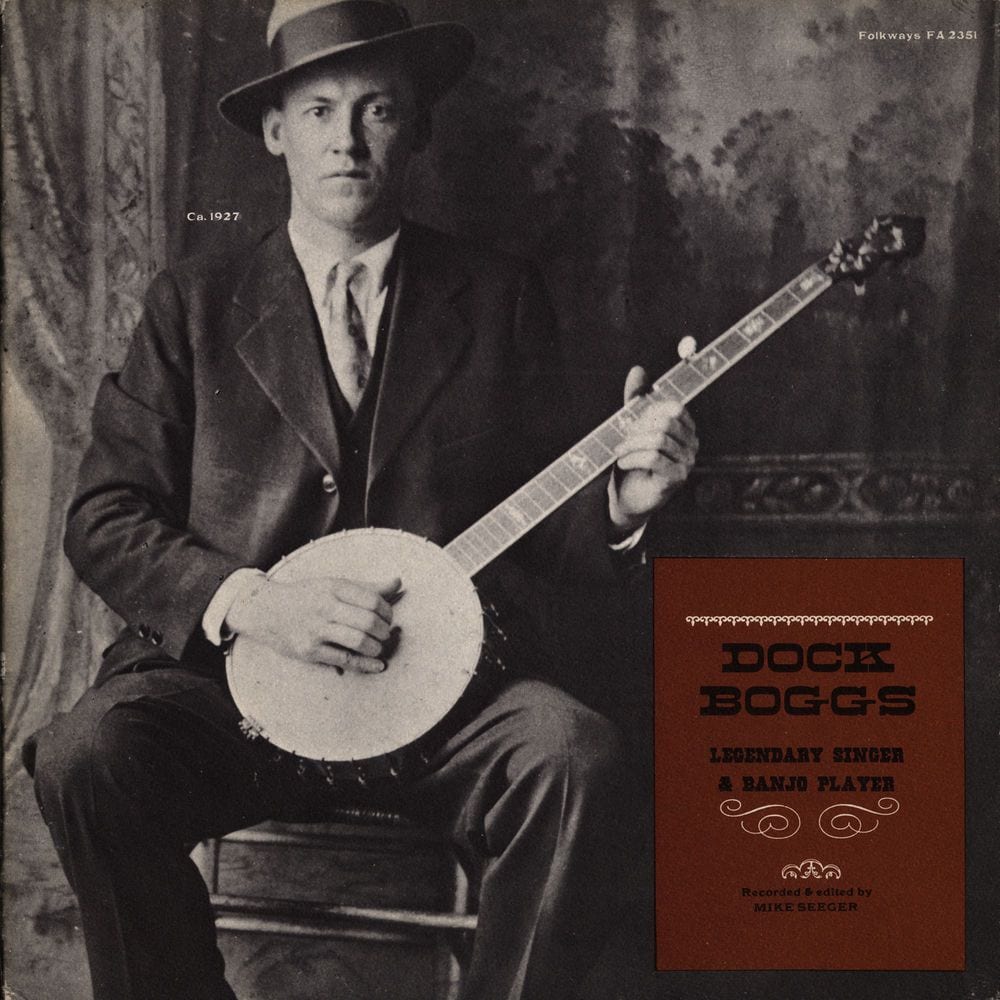
Legendary Singer and Banjo Player
Be the first to rateBoggs was a coal miner from Norton, Virginia, who cut eight sides for Brunswick in 1927 and then went back underground. Two of them, "Sugar Baby" and "Country Blues", ended up on Harry Smith's Anthology of American Folk Music, which is how Mike Seeger came looking and found him in 1963. This Folkways LP has him redoing "Pretty Polly" and "Oh Death" in his sixties, with the same cold banjo and a voice that's been through thirty more years. The 1927 sides are the famous ones, but this is the one where you can hear what those years cost him.
- 4
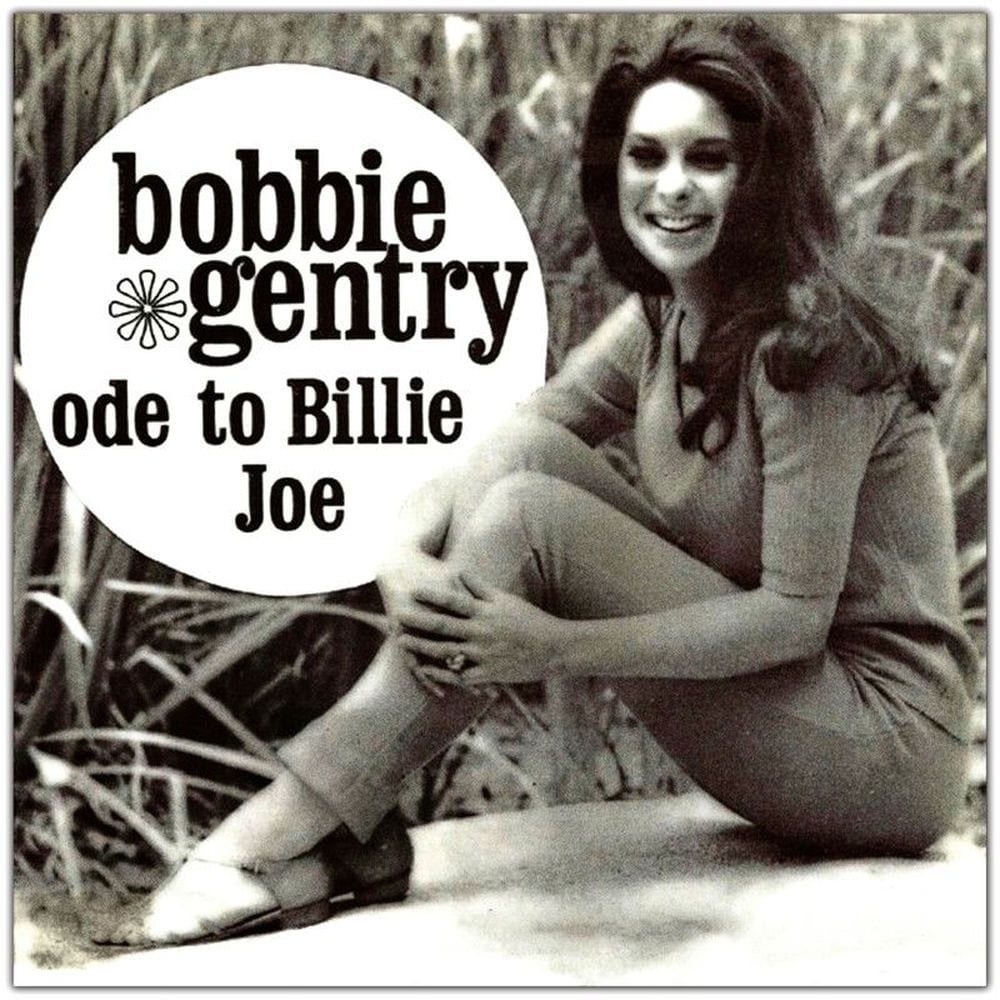
Ode to Billie Joe
Be the first to rateCapitol released it in August 1967 and it went to No. 1, the only album to knock Sgt. Pepper off the top during its 15-week run. The title song is a Mississippi family passing the biscuits and chatting about the boy who jumped off the Tallahatchie Bridge that morning. Jimmie Haskell's strings went on afterwards, at Capitol. Nobody raises their voice, and that's what makes it creepy. Gentry wrote the record herself, and "Chickasaw County Child" and "Mississippi Delta" show it was her own country she was writing about.
- 5
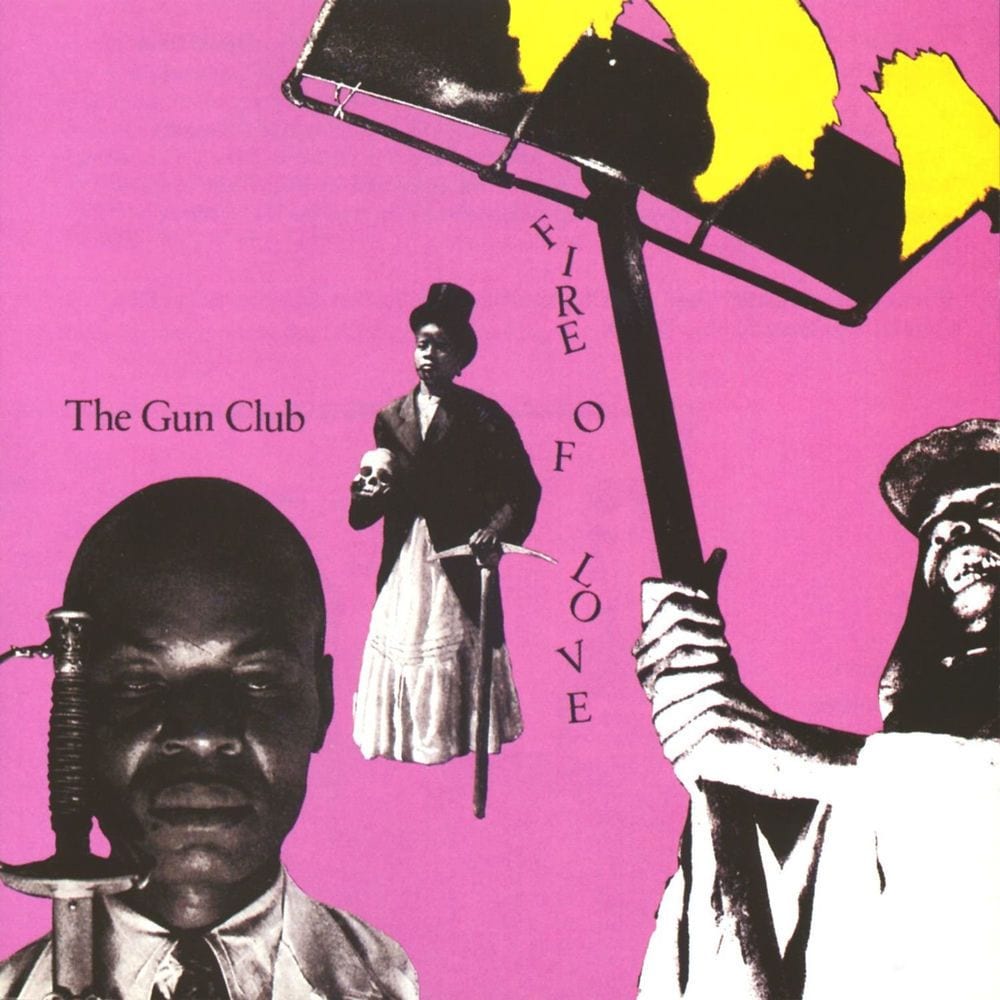
Fire of Love
★ 3.5 · 1A Los Angeles punk band, Ruby Records, August 1981. Jeffrey Lee Pierce learned his South off records and turned Robert Johnson's "Preaching the Blues" and Tommy Johnson's "Cool Drink of Water" into something feverish and mean, with his slide guitar always slightly out of control. That second-hand quality matters, because southern gothic was always partly something outsiders made up. 16 Horsepower covered "Fire Spirit" in 1998, and that's a straight line to entry ten.
- 6
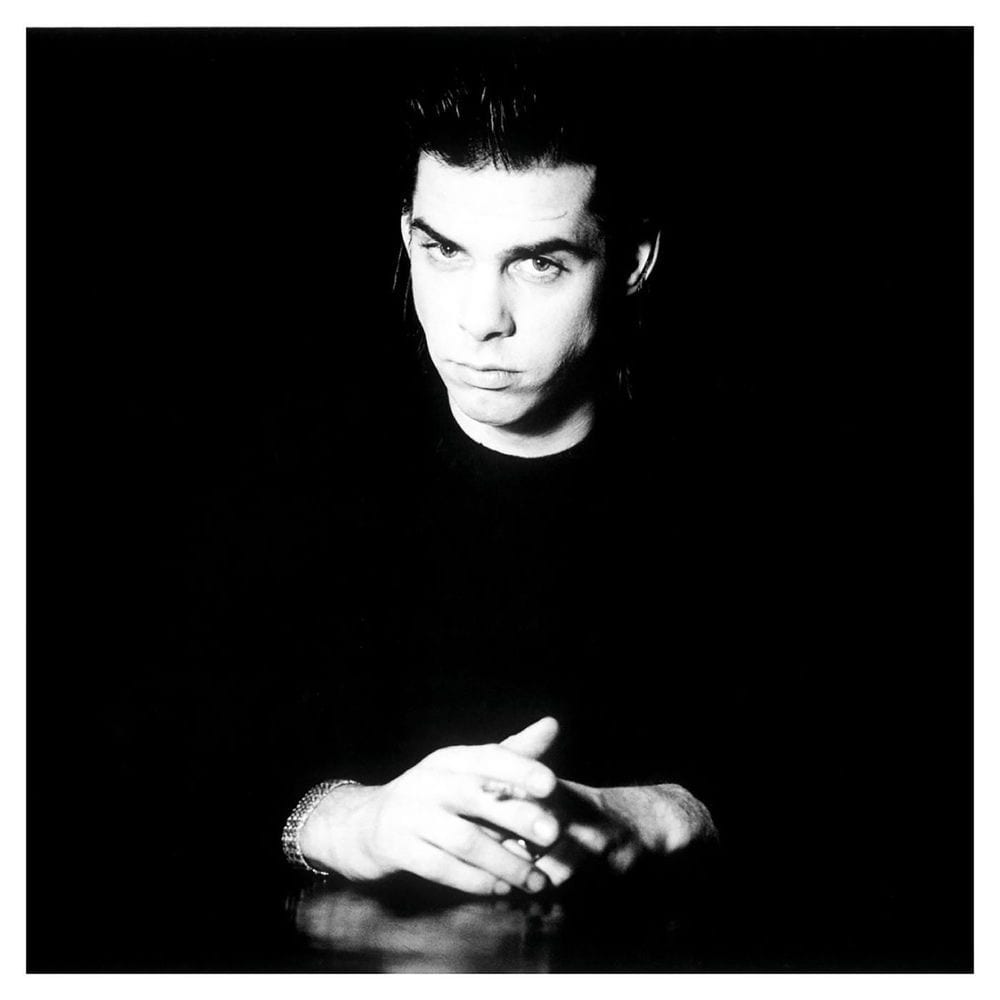
The Firstborn Is Dead
Be the first to rateRecorded at Hansa in West Berlin at the end of 1984, and somehow the most Mississippi album of the 1980s. The title refers to Jesse Garon Presley, Elvis's stillborn twin. "Tupelo" takes John Lee Hooker's flood song and turns it into a nativity for the King, with Blixa Bargeld's slide guitar coming in like weather. Cave had never lived in the South, and the record doesn't pretend otherwise. It plays the region as myth.
- 7
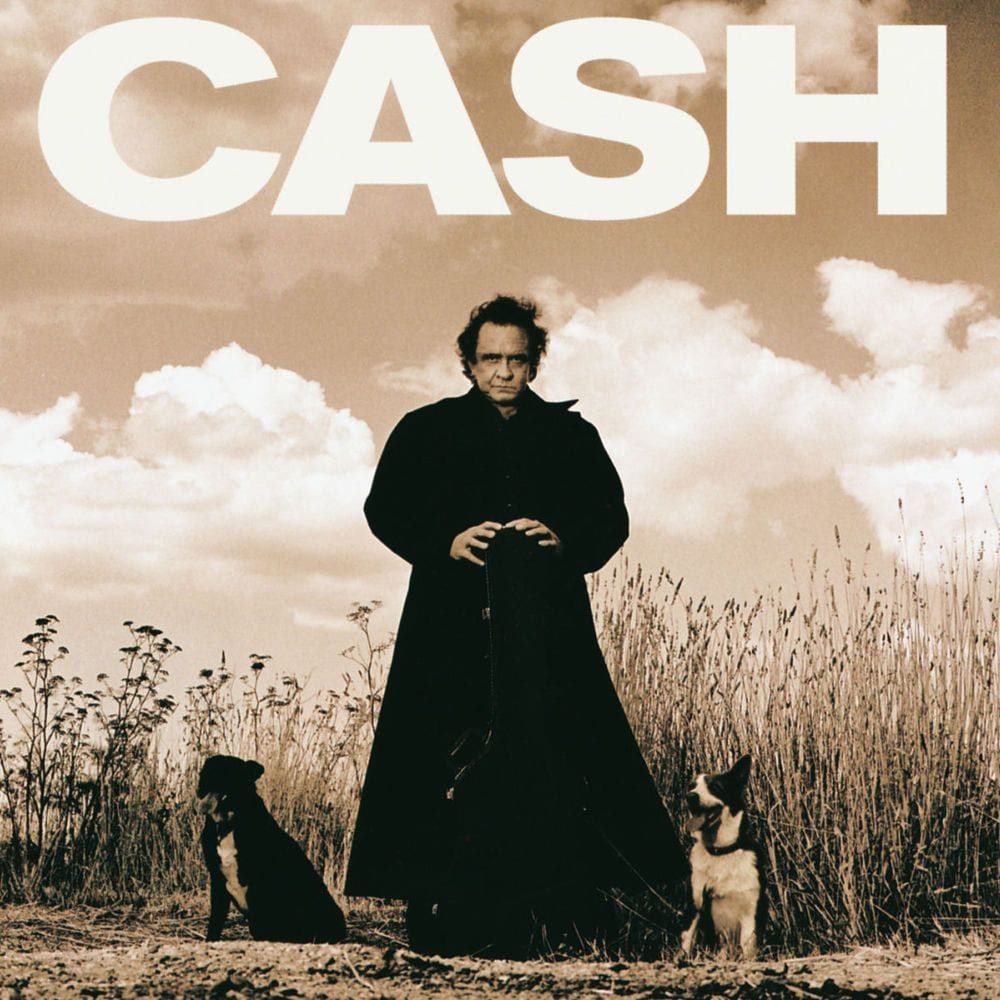
American Recordings
Be the first to rateMost of it was cut in Rick Rubin's Los Angeles living room and Cash's cabin in Hendersonville, Tennessee, with just his voice and a guitar. "Delia's Gone" is a song he'd already recorded in 1962, and here it comes back slower and colder: he ties Delia to a chair and shoots her, then hears her patter in his cell. Glenn Danzig wrote "Thirteen" for him. It won the 1995 Grammy for Best Contemporary Folk Album, which says more about the category than the record.
- 8
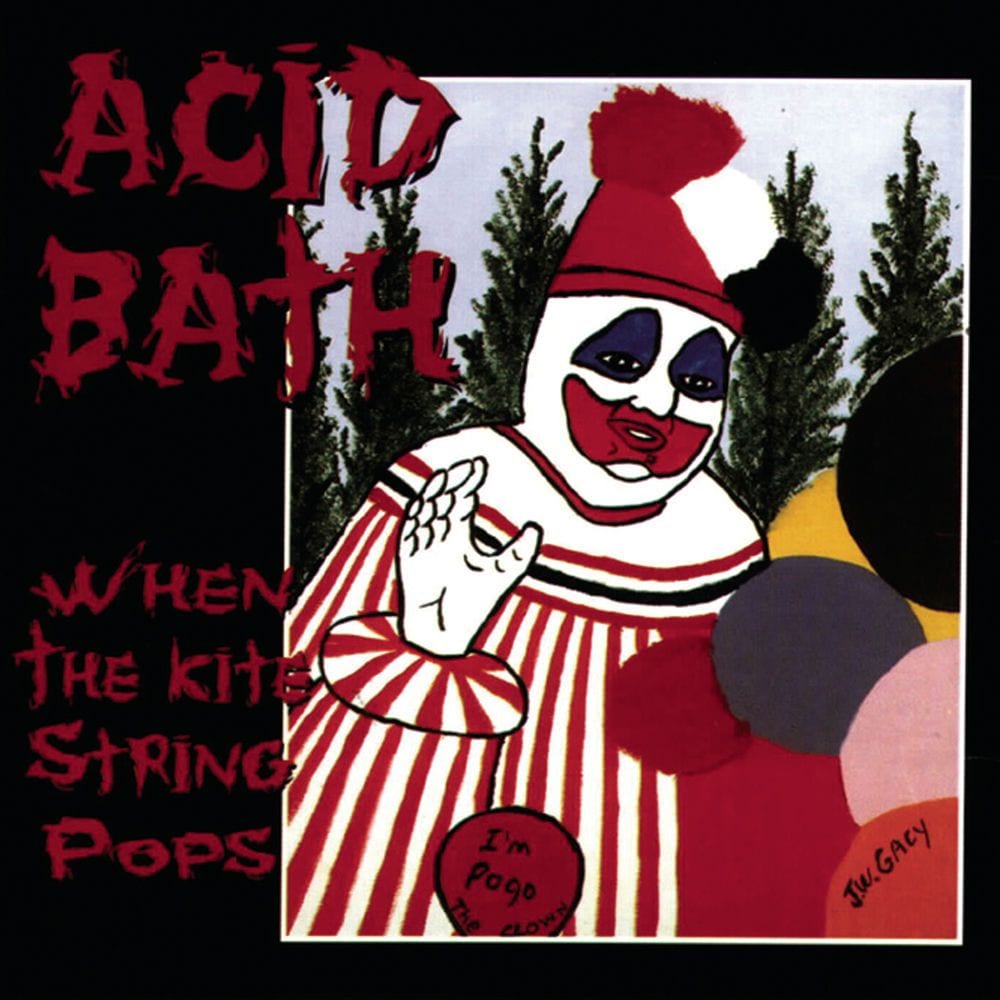
When the Kite String Pops
★ 4.0 · 2Recorded in Metairie and released on Rotten in August 1994, this is the only metal album here, and it belongs. The cover is John Wayne Gacy's painting of himself as Pogo the Clown, made on death row. The sludge riffs are swamp-heavy, but Dax Riggs keeps dropping into a mournful croon that could be a Louisiana funeral singer, and "Toubabo Koomi" and "The Bones of Baby Dolls" are as Southern as anything on this list. It sold 37,000 copies by 1999 and has had a cult following ever since.
- 9
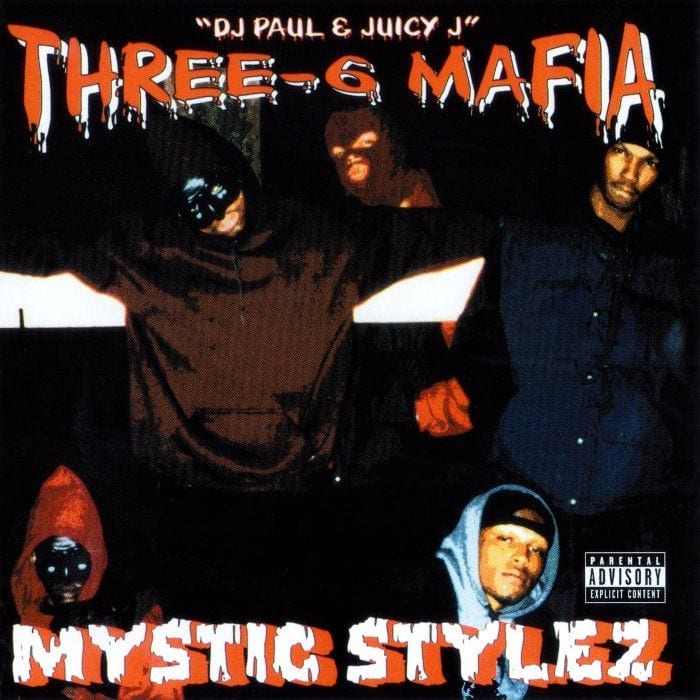
Mystic Stylez
Be the first to rateThe most literal southern gothic record on the list is one almost nobody files under the term. DJ Paul and Juicy J produced every track of the May 1995 debut, released on their own Prophet Entertainment, and the beats sound like they were dug up. Lord Infamous and Koopsta Knicca rap about the occult and murder in a Memphis that feels like it's always 3 a.m. The cassette scene this came out of is the root system of phonk, but the album itself is closer to Faulkner than to any of that.
- 10
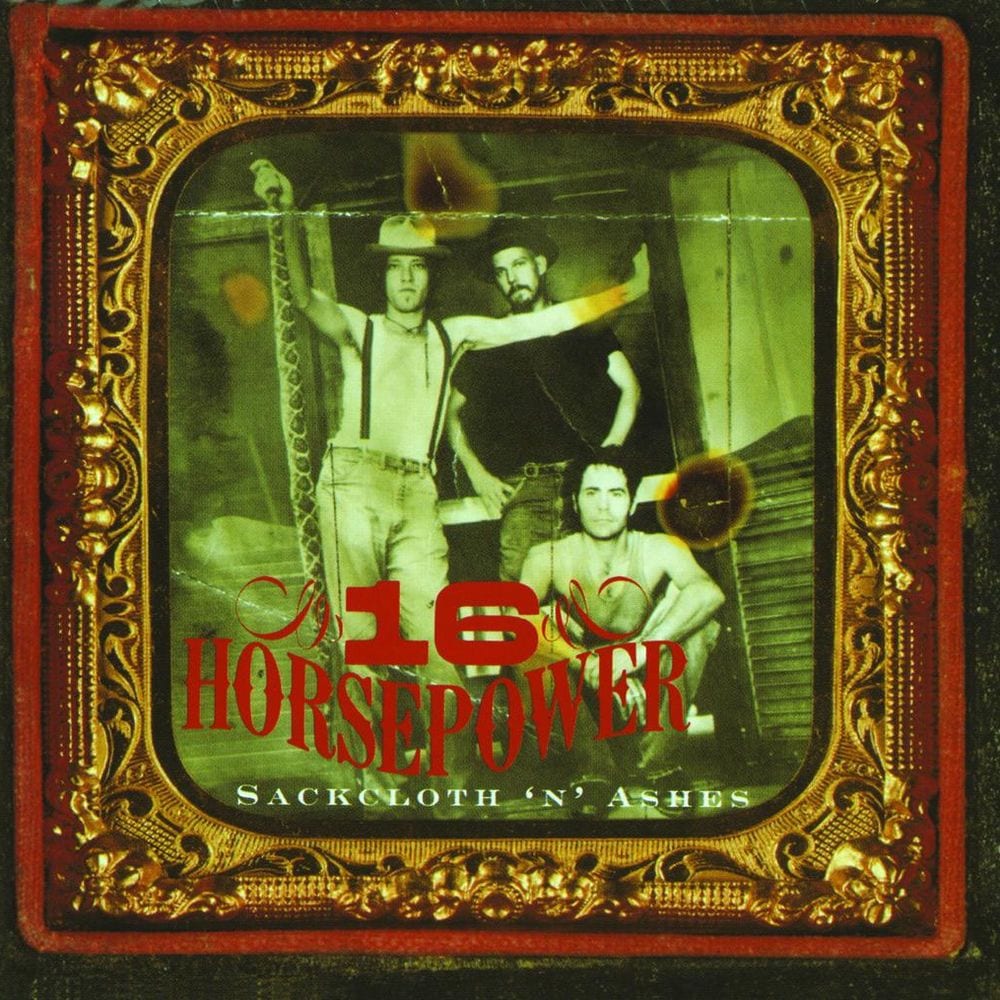
Sackcloth 'n' Ashes
Be the first to rateDavid Eugene Edwards grew up riding along with his grandfather, a Nazarene preacher, and he sings like that's still his job. The band started in Los Angeles in 1992 and moved to Denver, and this A&M debut from February 1996 was recorded at Ardent in Memphis. It's banjo, a concertina credited as a bandoneon, upright bass and Gordon Gano of the Violent Femmes on fiddle. "Black Soul Choir" is where most people start, and the whole Denver gothic country thing follows from this record.
- 11
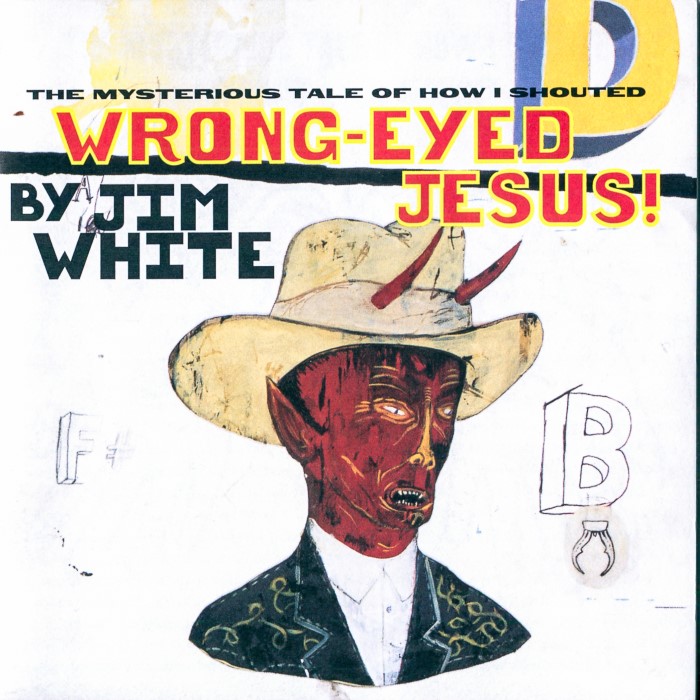
Wrong-Eyed Jesus! (Mysterious Tale of How I Shouted)
Be the first to rateWhite grew up in Pensacola and had been a fashion model and a New York cab driver before David Byrne's Luaka Bop released this debut in 1997. The record is funny and scared at the same time, Florida backroad stories about sin and getting saved, told by a man who sounds like he hasn't decided which one he's for. In 2003 it got its own documentary, Searching for the Wrong-Eyed Jesus, with White as the guide driving around the South. Watch it after the album, not before.
- 12
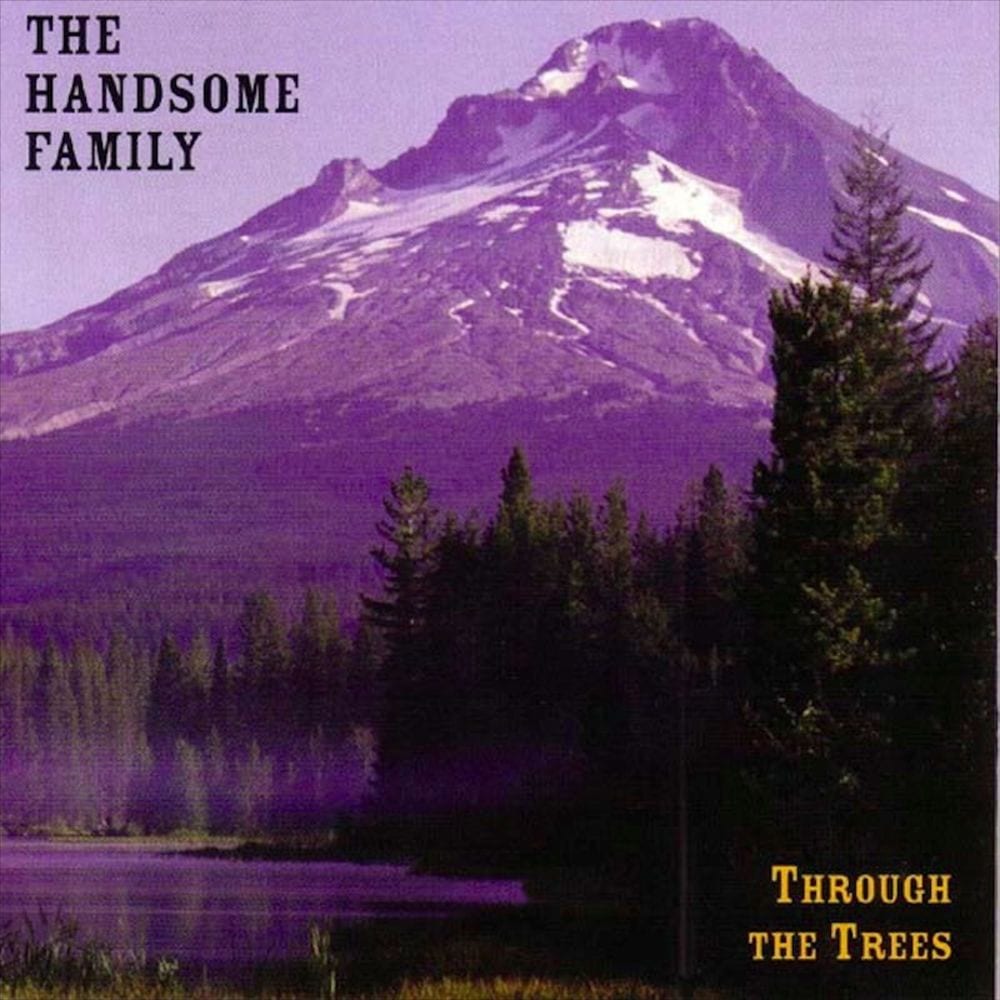
Through the Trees
Be the first to rateStrictly speaking it's a Chicago record, but Brett Sparks is from Odessa, Texas, and his baritone does a lot of the work. Rennie Sparks writes the words and Brett writes the music. He wrote "My Ghost" out of his stay in a psychiatric unit after a breakdown on tour, and "The Giant of Illinois" is about Robert Wadlow, the tallest man ever recorded. Uncut named it the best new country album of 1998. Sixteen years later True Detective used one of their songs for its opening credits, which surprised nobody who owned this.
- 13
Hell Among the Yearlings
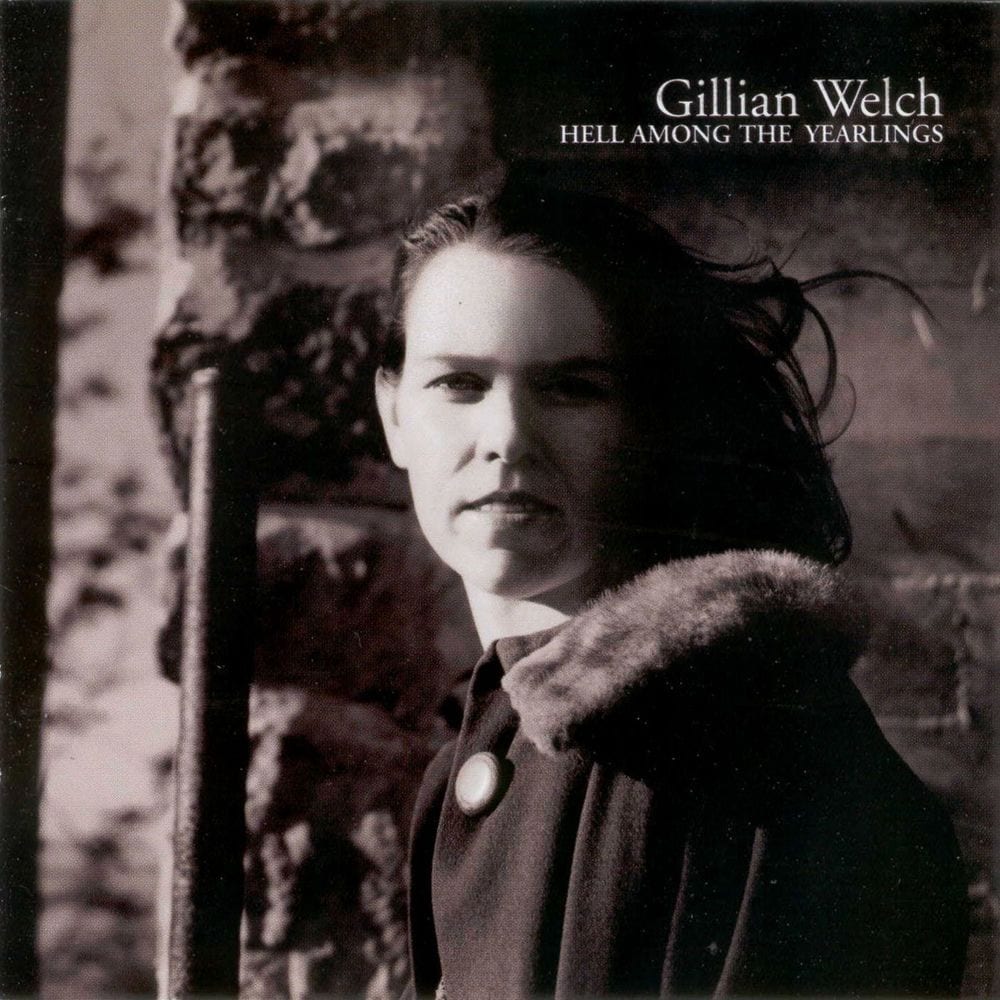
Be the first to rateThe opening track, "Caleb Meyer", is a woman fighting off the man who attacks her and killing him with the neck of a broken bottle, sung at a calm walking pace. Welch and David Rawlings wrote every song, T Bone Burnett produced it for Acony in July 1998, and it got no higher than No. 181 on the Billboard 200. "My Morphine" and "Miner's Refrain" make the rest of the album as bleak as that opener. It's darker than Revival and more of a piece.
- 14

I See a Darkness
Be the first to rateThis was Will Oldham's first album under the Bonnie "Prince" Billy name, on Palace in January 1999. It's a quiet, almost cozy record about death and friendship, played by a small band that includes his brother Paul. Johnny Cash covered the title track on American III in 2000 with Oldham singing behind him, so the line from entry seven loops back here. The original is still better, because Oldham sounds like he believes the darkness is there.
- 15
Always Say Please And Thank You
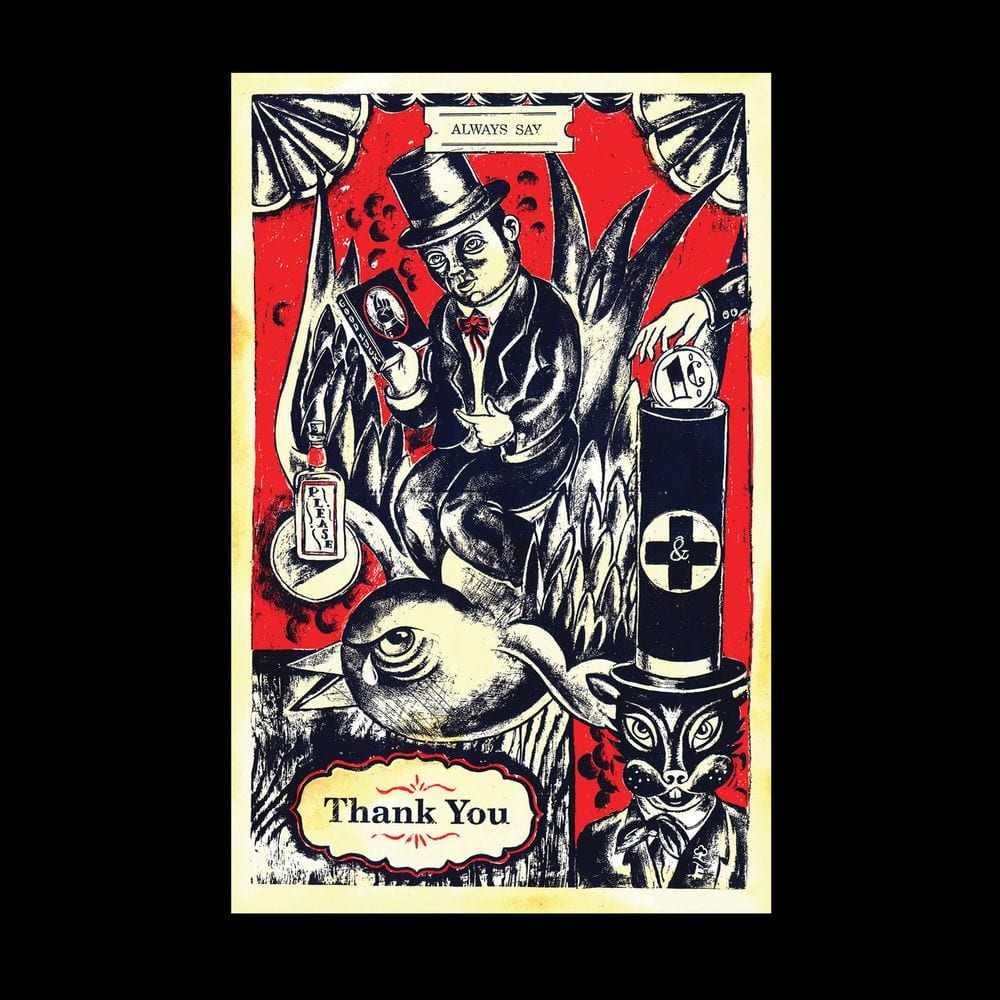
Be the first to rateDenver's other gothic country band went to Jello Biafra's Alternative Tentacles, and this September 2000 record was the first of theirs the label gave real distribution. Bob Ferbrache produced it. Westword described the sound as Hank Williams plus pseudo-spiritual hymns plus apocalyptic wailing, which is close. "Jesus Christ" and "Pine Box" are the hooks, and "Hold My Head" runs almost ten minutes. The band has said its songs aren't gothic at all, so feel free to argue with them.
- 16
Southern Rock Opera
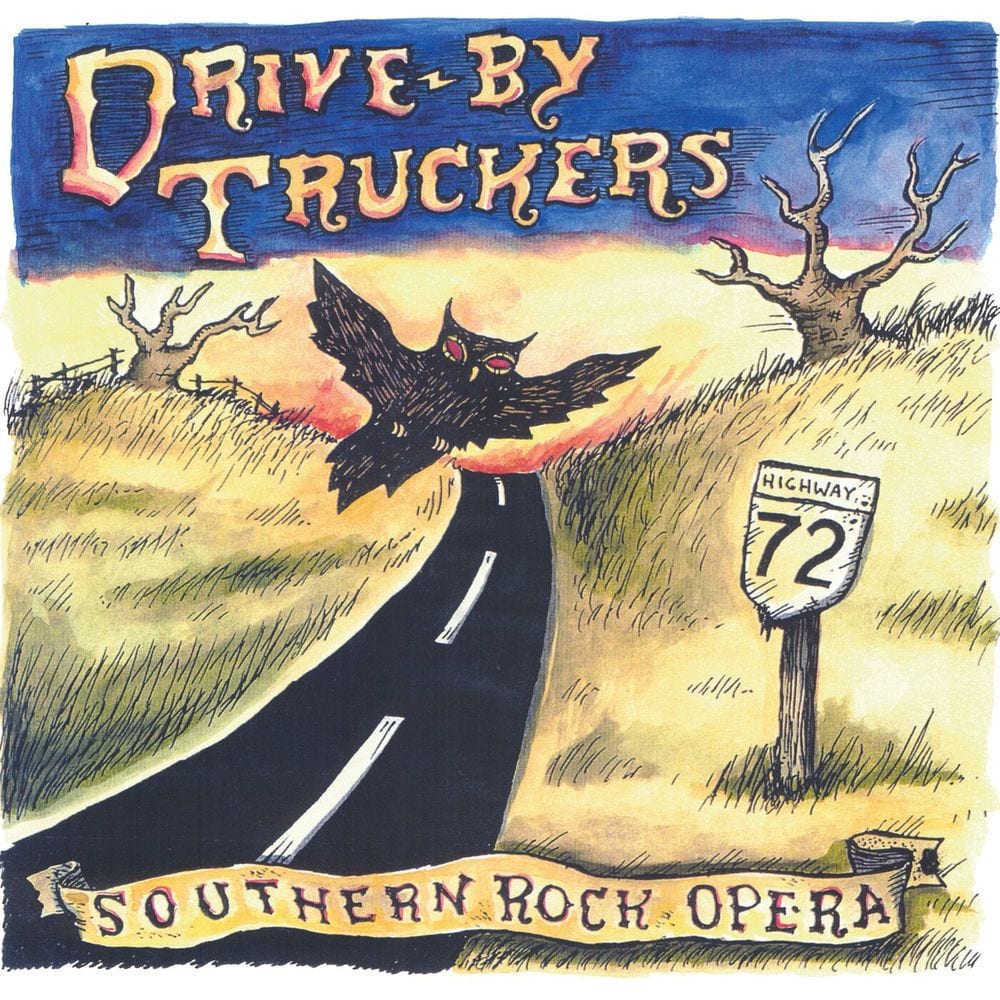
Be the first to rateA 94-minute double album about Lynyrd Skynyrd and the 1977 plane crash, self-released on Soul Dump in 2001 and reissued by Lost Highway a year later. The ghosts here are history, not anything supernatural. There's a song called "Wallace" and one called "Ronnie and Neil" about Skynyrd answering Neil Young's "Southern Man", and the whole thing is about what it costs to love a region with that past. Patterson Hood's "The Southern Thing" is the thesis. It's the only album on this list that argues with the tradition it belongs to while still belonging to it.
- 17
Consider the Birds
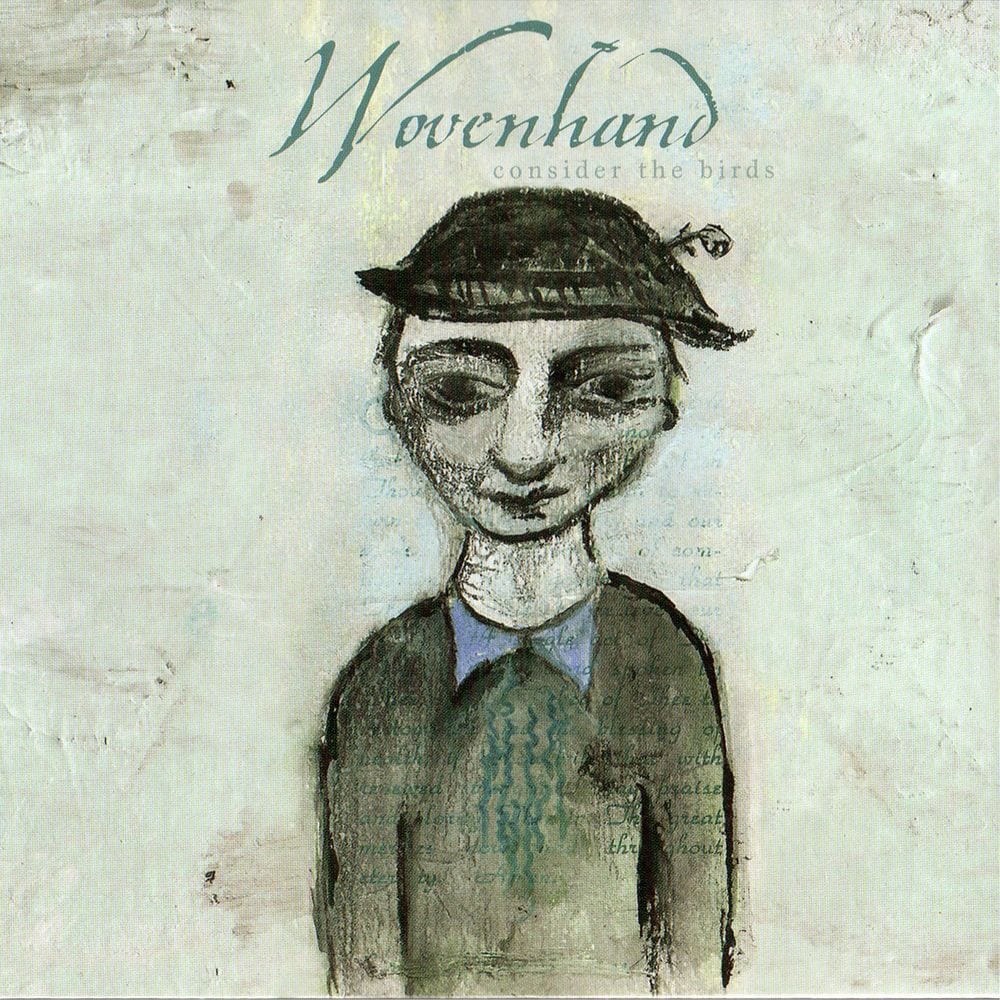
Be the first to rateAfter 16 Horsepower, David Eugene Edwards made Wovenhand his main band, and this 2004 album (Glitterhouse in Europe, Sounds Familyre in the US) is where it stopped sounding like a side project. The fiddle is mostly gone and Daniel McMahon's piano moves forward, and the traditional "Down in Yon Forest" sits next to his own songs without a seam. It sounds like a church service in a barn that might be on fire.
- 18
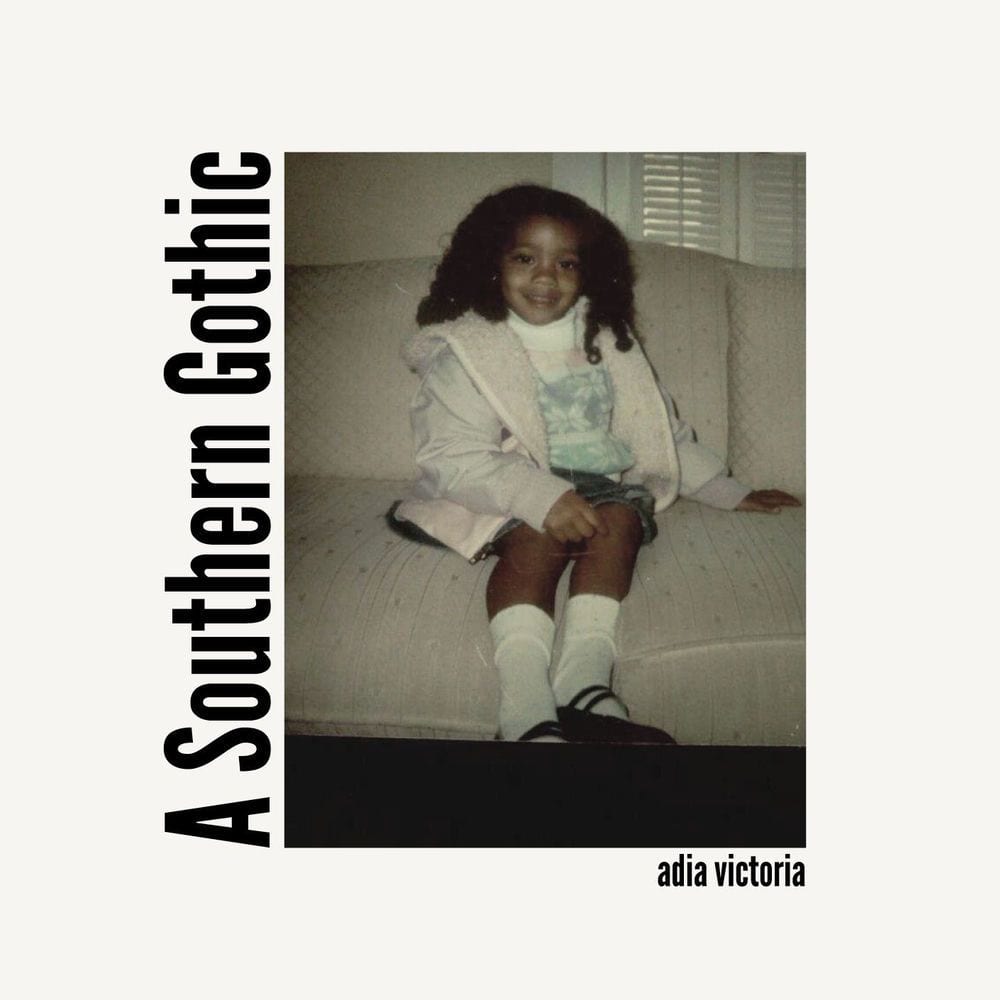
A Southern Gothic
Be the first to rateShe was born in Spartanburg, South Carolina, lives in Nashville, and in September 2021 she put the phrase on the front of the album. T Bone Burnett executive produced. Jason Isbell plays slide on "You Was Born to Die" and Matt Berninger duets on "South for the Winter". The record asks who gets to be the ghost in these stories, since so much of this list is white men singing about dead women. Loud and Quiet read it as a corrective to how the tradition treats women of color. That's what it is, and it's also a fine blues record.


Explore the sound
Artists in this guide
Read next
Rock nacional: 19 albums, and eight of them belong to Spinetta or Charly García
Oktubre turned 40 on 4 October. This is the Argentine canon it sits in, from a song written outside a bar toilet in 1967 to the La Plata indie bands still working the same ground.
Fourth World music: 19 albums from Jon Hassell's first record to his last concert
One trumpeter named a genre in 1980. This is where it went: Eno's studio, Sylvian's Berlin sessions, ECM, Nottingham, Tokyo, and back to a church in Hackney.
Kranky Records: 18 albums from the label that made patience a house style
Drone, dub-soaked post-rock, slowcore and the Deerhunter years, from KRANK 001 in 1993 to Grouper's Shade.
Gone, not finished: 19 albums that arrived a decade or more late
Ranked by how long the silence lasted, from Linda Perhacs' forty-four years down to Portishead's eleven.
Got your own ranking? Build a list or tier of your own.