


Guides/A Riffiter guide
Gone, not finished: 19 albums that arrived a decade or more late
Ranked by how long the silence lasted, from Linda Perhacs' forty-four years down to Portishead's eleven.
Most reunion albums follow the tour by a year or two. These 19 arrived after gaps of 11 to 44 years between studio albums of new material, from Linda Perhacs' The Soul of All Natural Things (2014, 44 years after Parallelograms) to Boards of Canada's Inferno (2026, 13 years after Tomorrow's Harvest). Ranked by the length of the silence.
The reunion has a schedule. Announcement, festival slot, a tour that pays for the house, then an album two years later that nobody plays twice. Everything below ignored that schedule, mostly because there was no plan to come back at all.
One rule for the ranking: the clock runs between studio albums of new songs. Live records, comps, box sets and unearthed tapes don't reset it. They do explain a lot of it, though. Four of these people were dragged back to work by somebody reissuing a record they had written off, which is the quiet argument of the whole list. The archival industry doesn't only sell old music. Now and then it restarts a career.
- 1
The Soul of All Natural Things
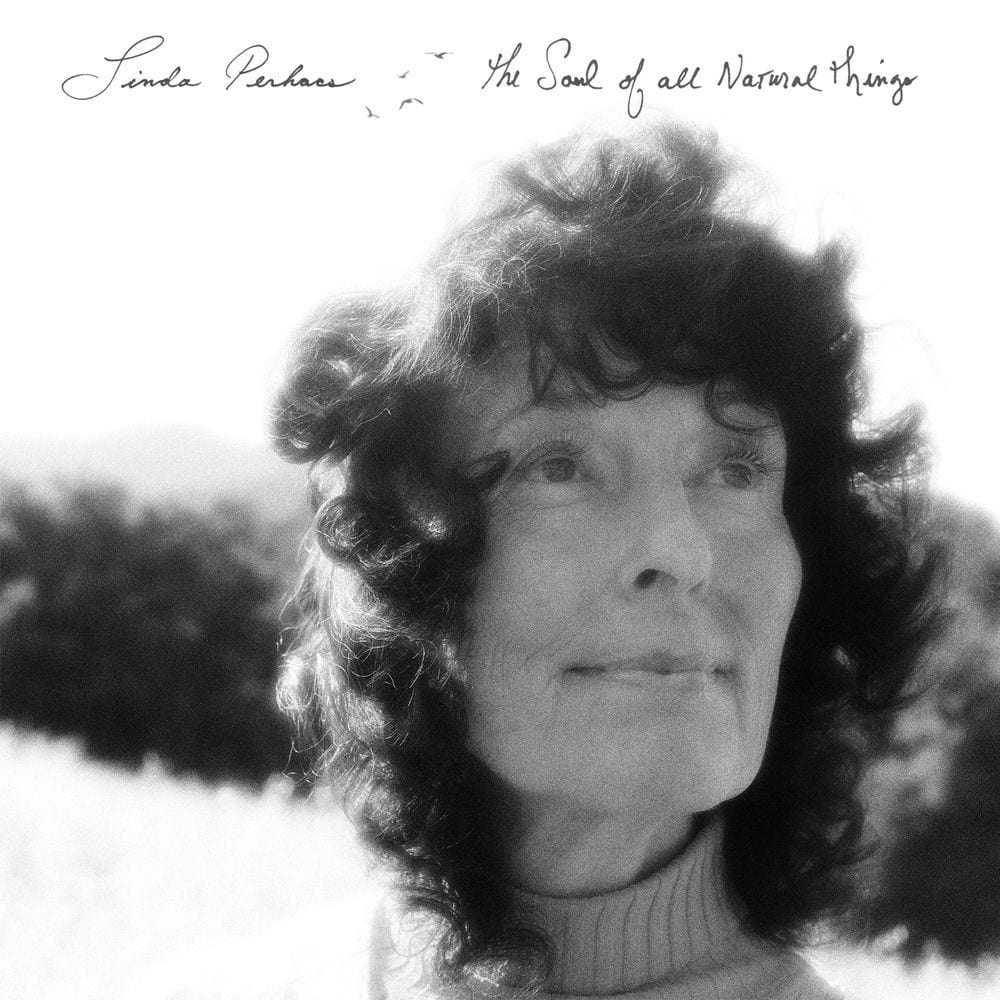
Be the first to rateParallelograms came out in 1970, sold almost nothing, and Perhacs went back to her job as a dental hygienist in Beverly Hills. She stayed there for four decades while the record turned into a collector's item, got reissued in 1998, and became a touchstone for the New Weird America crowd.
The Soul of All Natural Things landed in March 2014, forty-four years after the debut. Those stacked, overlapping vocal lines are still the whole method. A third album followed three years later, which is how you know she wasn't just visiting.
- 2
Life Is People
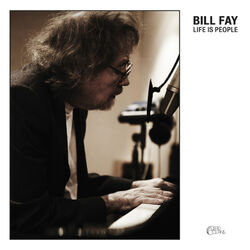
Be the first to rateDeram dropped Fay soon after Time of the Last Persecution in 1971. He kept writing and recorded a batch of songs between 1978 and 1981 that nobody would release; they finally came out in 2005, by which point a small cult had been trading his two albums for years.
He put it plainly: "Up until 1998, when some people reissued my albums, as far as I was concerned, I was gone, deleted." Life Is People followed in 2012, forty-one years after Persecution. It isn't a survivor's lap of honour. The writing is better than it was in 1971, and two more albums came after it.
- 3
Lookaftering
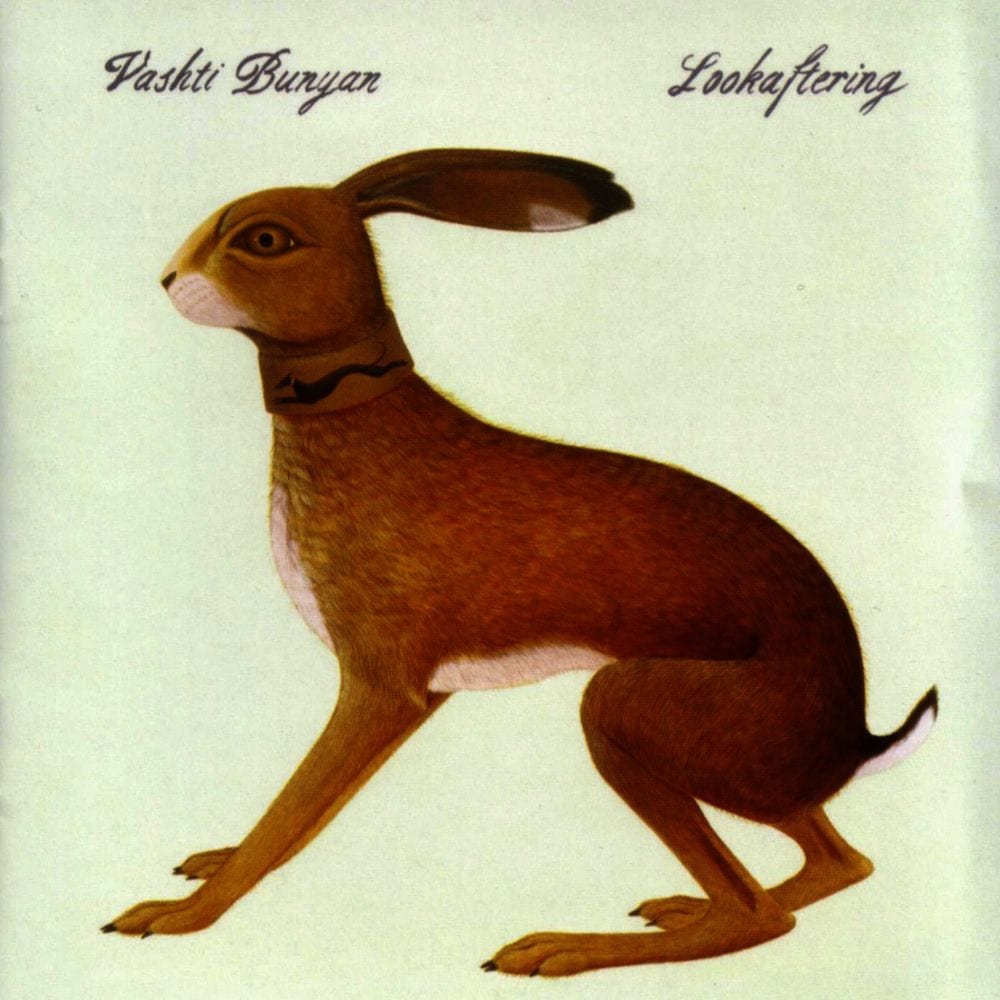
★ 3.5 · 1Bunyan left music in 1971 after Just Another Diamond Day failed, and she meant it. "I didn't even sing to my children," she said of the thirty years she spent raising them.
The 2000 CD reissue reached a generation of folk musicians, and Devendra Banhart wrote to her in 2001. Lookaftering arrived in 2005 with Max Richter producing, and the voice is unchanged in a way that should not be possible after three silent decades.
- 4
Citizen Zombie
Be the first to rateFor How Much Longer Do We Tolerate Mass Murder? came out in 1980; the band fell apart the following year over legal wrangles and internal argument, which was always their natural state. They reformed in 2010 for the All Tomorrow's Parties edition Matt Groening curated.
Citizen Zombie followed in 2015, thirty-five years after the last one. It's a cleaner, tighter record than the ones that made their name, and the funk-damaged panic underneath survived the tidying up.
- 5

Rack
Be the first to rateCapitol dropped them mid-contract after Blue (1998), and the band played its last show at Umeå Open in March 1999. Two reunions followed, in 2008 and 2017, both billed as touring and nothing more.
Then Rack turned up in 2024, twenty-six years later, with David Yow sounding exactly as unwell as the job requires. Most bands this far along make a record to justify a tour. This one sounds like four people who still had something left over.
- 6
ONoffON
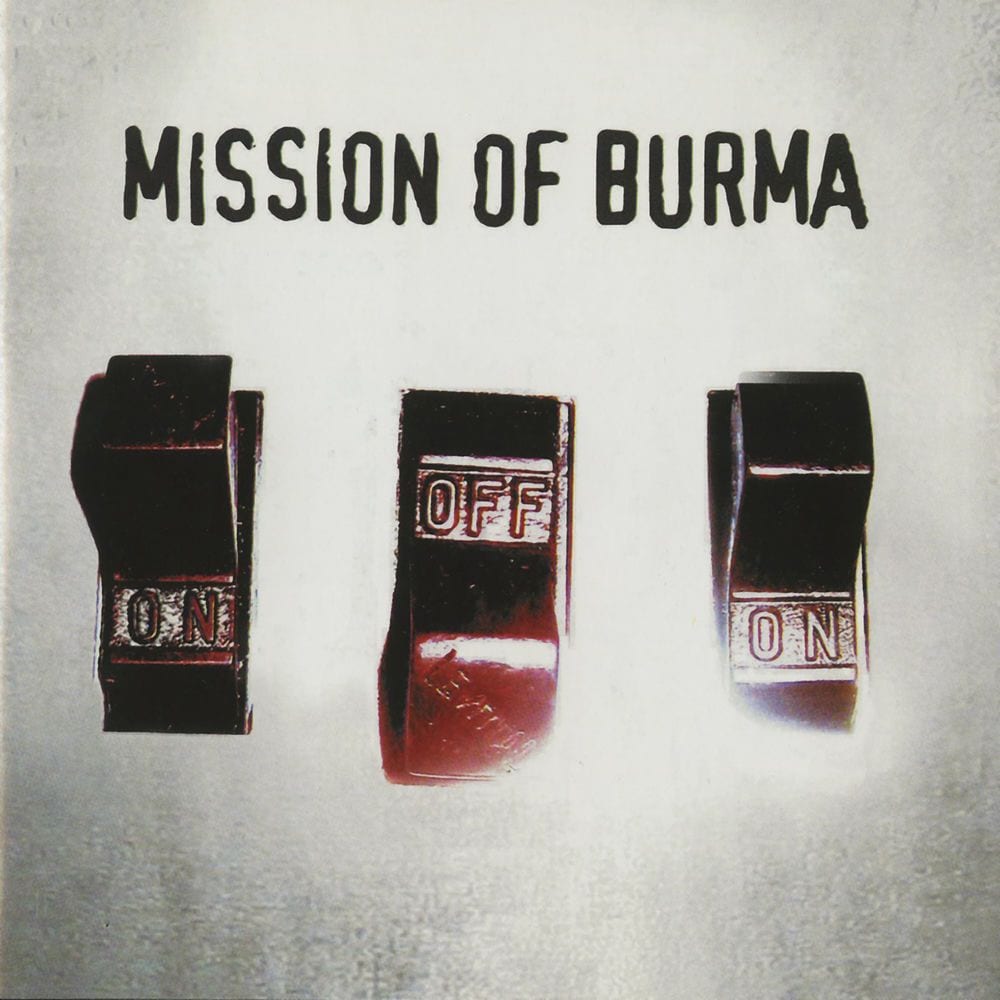
Be the first to rateBurma quit in 1983 because Roger Miller's tinnitus made the volume unsustainable. By the farewell tour he was wearing rifle-range earphones over his earplugs. Vs. (1982) was the only studio album they left behind.
They came back in 2002 with Bob Weston on tape loops, Martin Swope having wanted no part of it, and ONoffON arrived in 2004. A rare second act that adds to the catalogue instead of apologising to it.
- 7
m b v
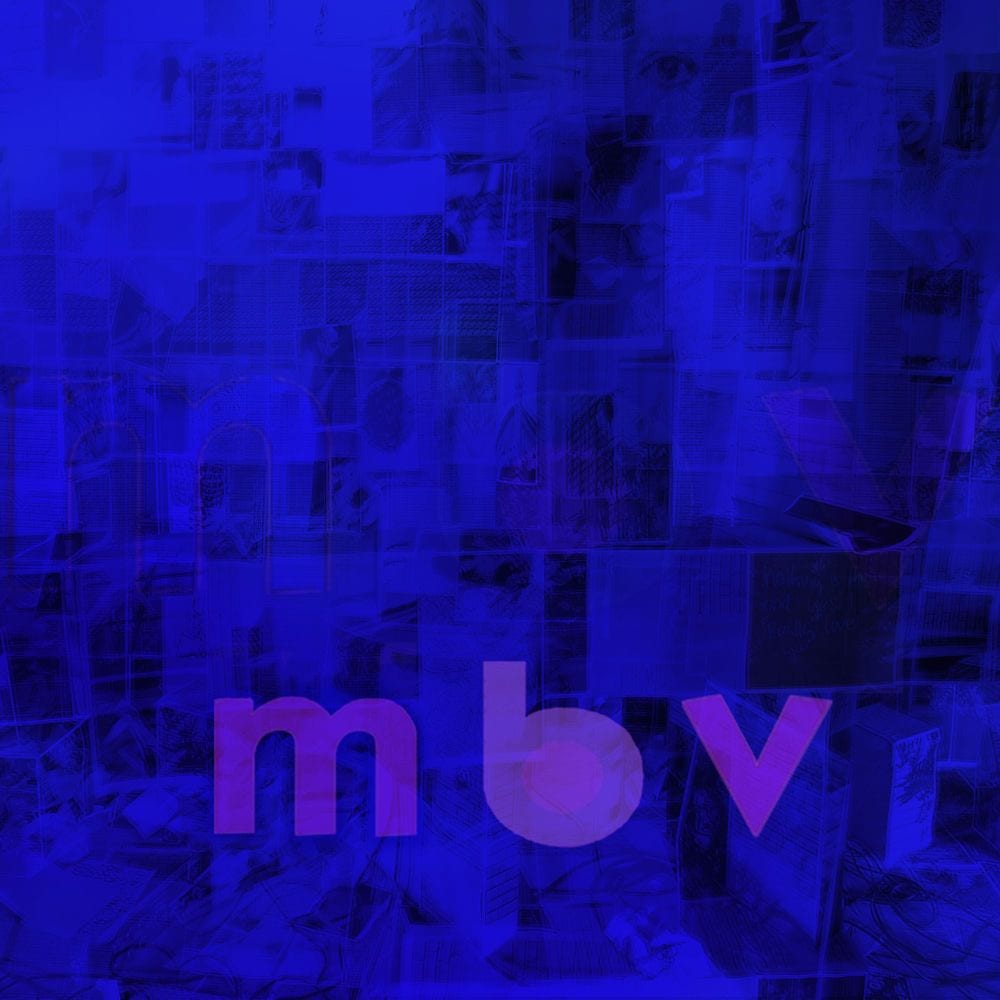
★ 3.0 · 1The sessions started in 1996, before the band collapsed the following year. Kevin Shields picked them up again in 2006 and finished the bass, drums and vocals across 2011 and 2012; the master is dated 21 December 2012.
m b v appeared on 2 February 2013, twenty-two years after Loveless. The last three tracks are the real news. Shields spent two decades refusing to repeat himself, and nobody had heard anything like "Wonder 2" before.
- 8
Slowdive
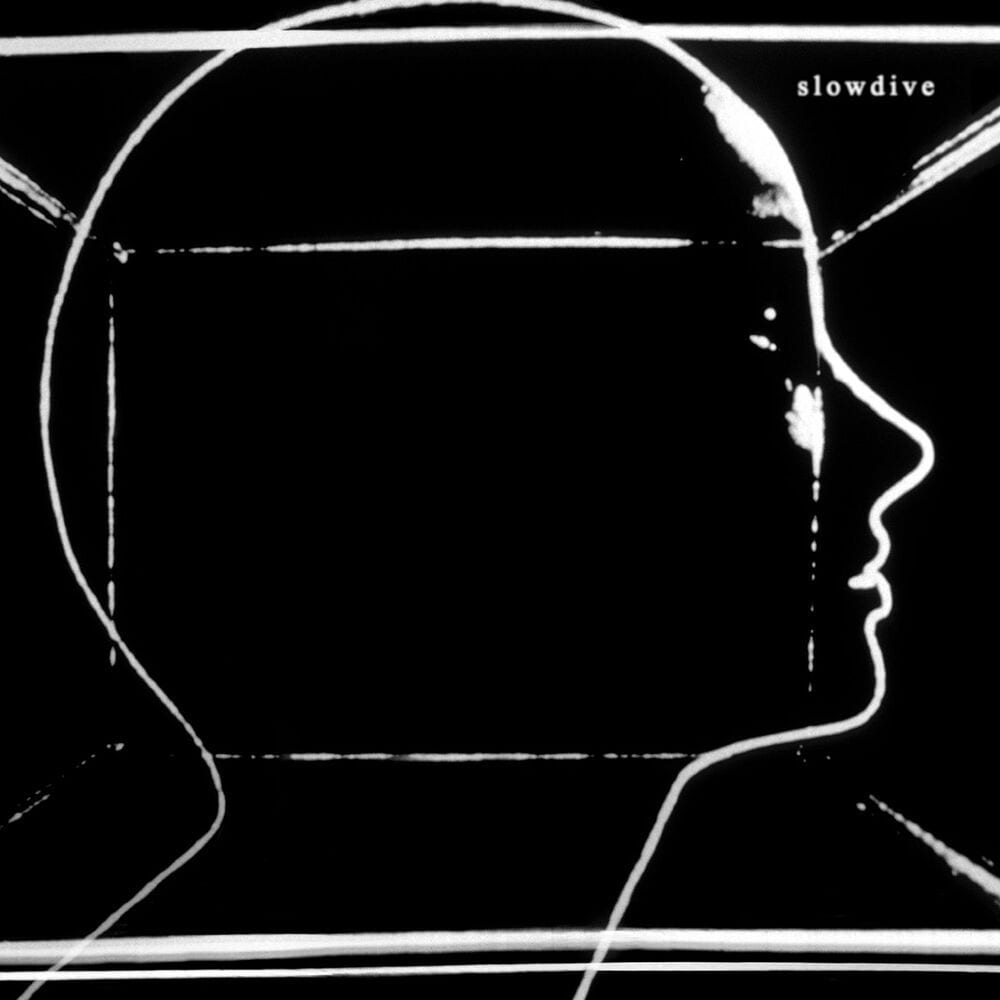
★ 3.8 · 2Creation dropped Slowdive a week after Pygmalion came out in 1995, which tells you how that record was received at the time. The band reunited in 2014 for what was meant to be a single Primavera set.
The self-titled album came in May 2017, twenty-two years on, and did the hard thing: it sounds like Slowdive without sounding like a tribute to 1993. "Sugar for the Pill" is as good as anything in the catalogue.
- 9
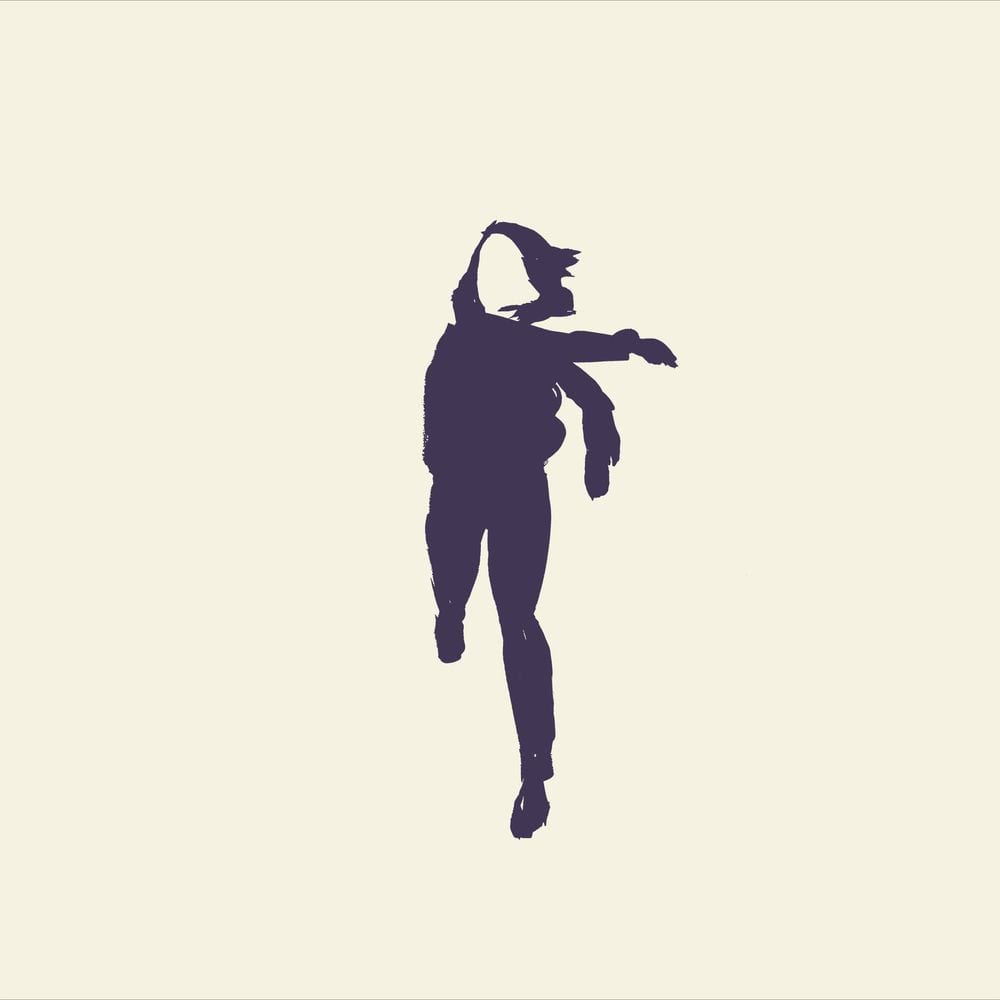
Weather Diaries
★ 3.0 · 1Ride announced the break-up shortly before Tarantula reached the shops in March 1996. The reunion was announced in November 2014 and turned into two years of touring.
Weather Diaries (June 2017) arrived twenty-one years after Tarantula, produced by Erol Alkan and mixed by Alan Moulder, and it is unmistakably a Ride record made by adults. Nobody expected this reunion to produce anything worth keeping.
- 10
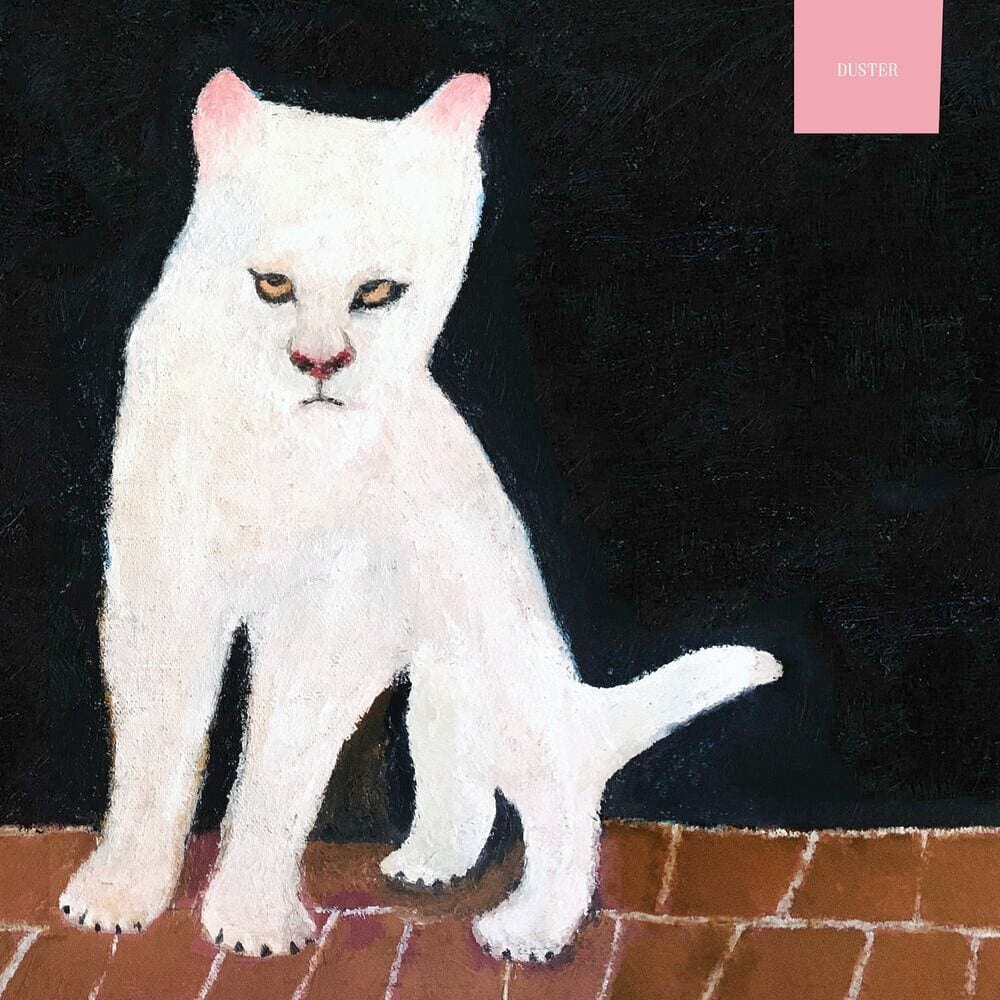
Duster
Be the first to rateContemporary Movement (2000) sold badly and the band was inactive by 2005. Then Numero Group's Capsule Losing Contact boxset arrived in March 2019, into an audience that had found them on streaming and YouTube without any help from the band.
The self-titled third album followed that December, nineteen years after the second. Same tape hiss, same drum machine buried under the amp, no attempt to sound like 2019. It works because the sound they invented had turned into a genre while they were away.
- 11
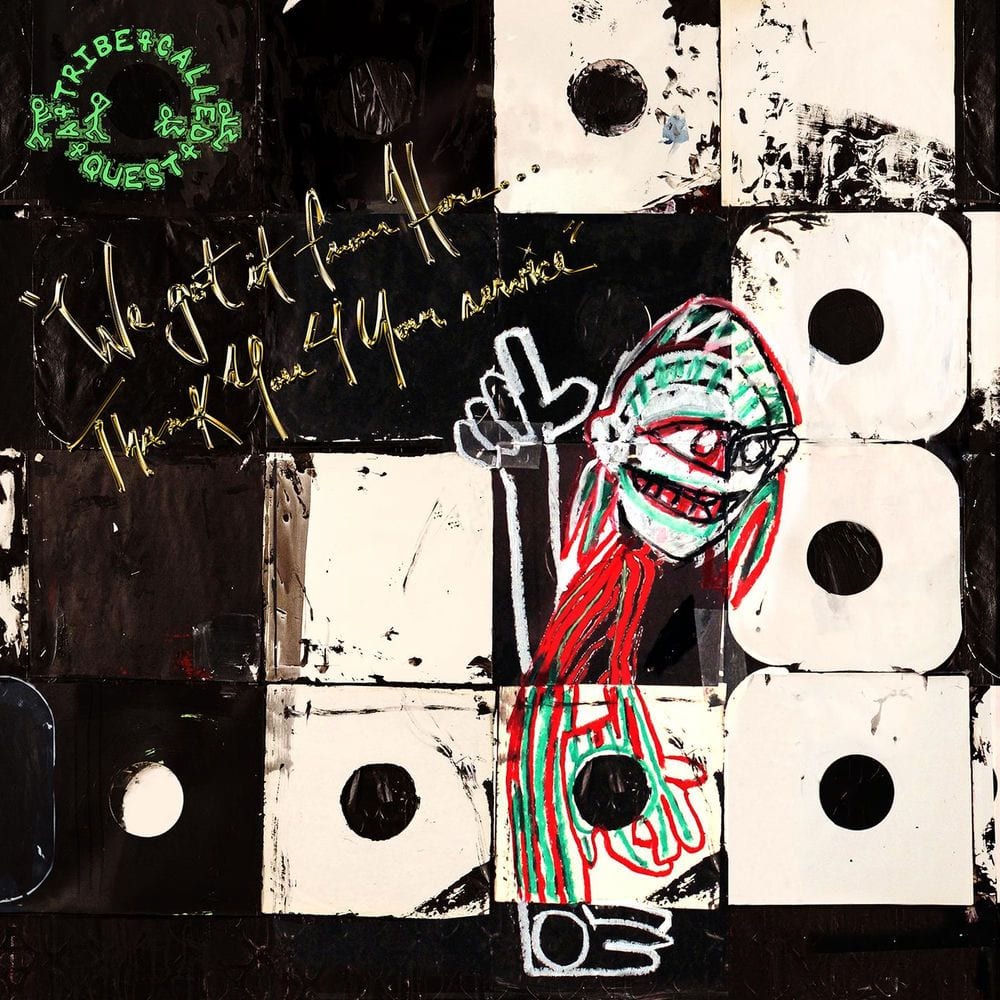
We Got It From Here… Thank You 4 Your Service
★ 3.8 · 7Eighteen years after The Love Movement (1998), and the circumstances were brutal: Phife Dawg died on 22 March 2016 with the album unfinished, and Q-Tip completed it around the verses his friend had already recorded.
It came out on 11 November 2016, three days after the US election, and sounded like it had been waiting for that week. Comeback albums are rarely urgent. This is the last word of a group with every reason to coast.
- 12
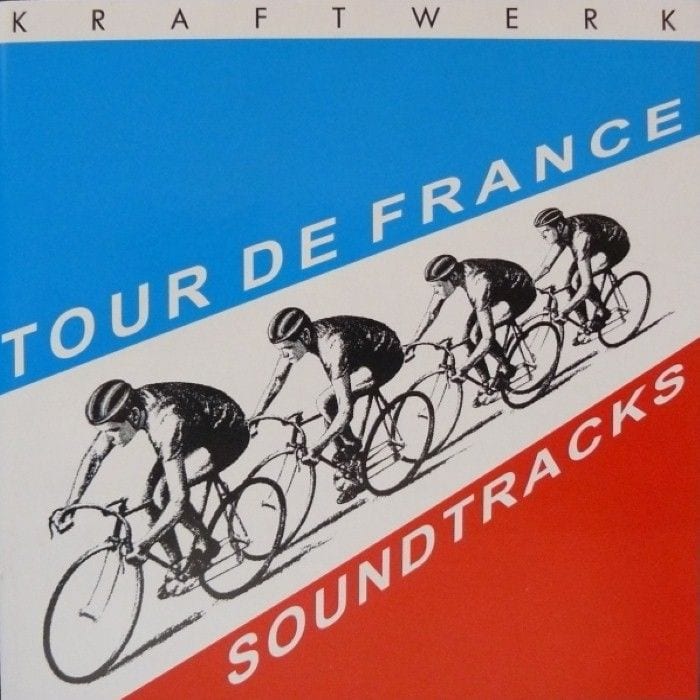
Tour de France Soundtracks
Be the first to rateElectric Café (1986) was the last album of new Kraftwerk material for seventeen years. The Mix (1991) doesn't count, and Ralf Hütter would probably agree: it's the back catalogue re-recorded, not new work.
Tour de France Soundtracks arrived in 2003, an album about cycling made by a man who cycles obsessively, and it is better than its reputation. The "Étape" sequence that opens it is the last genuinely new idea the group has put on tape.
- 13
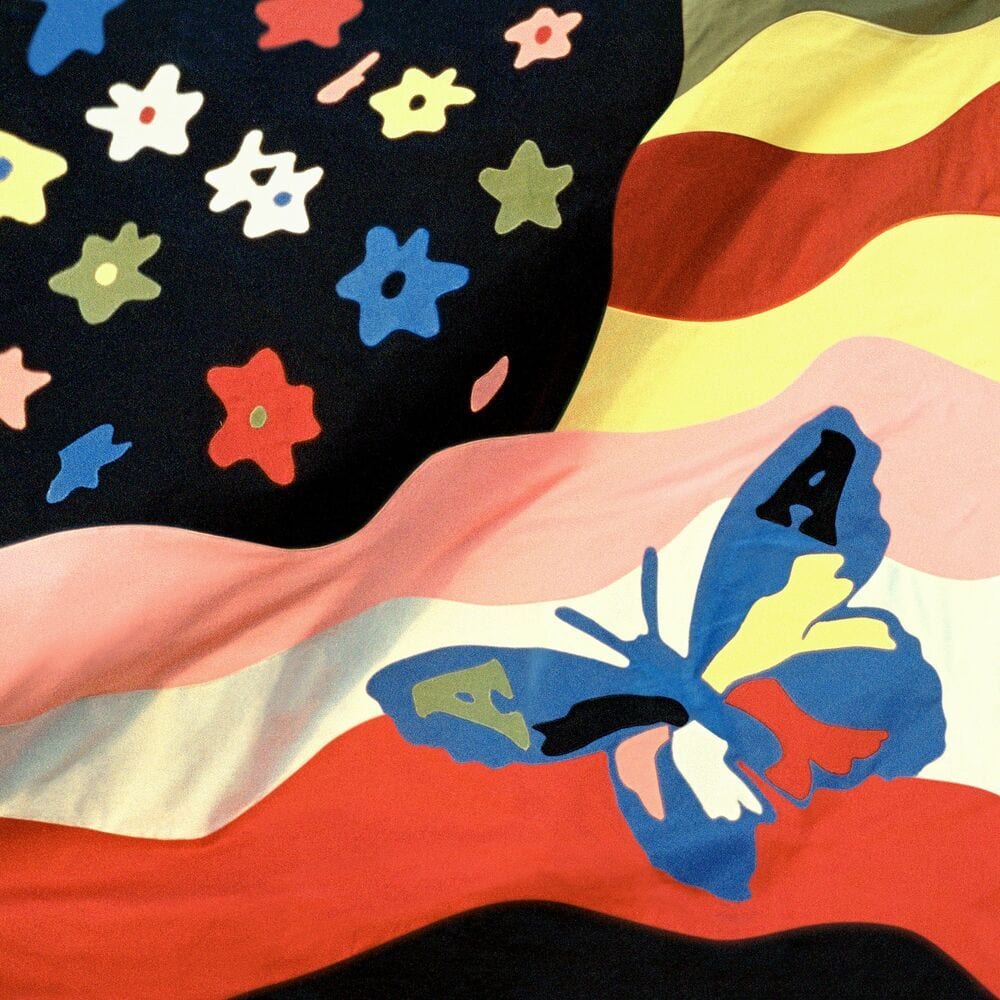
Wildflower
★ 5.0 · 1Since I Left You (2000) made them famous and then trapped them. Darren Seltmann left around 2006; by Robbie Chater's account, Seltmann worked out before he did how long this was going to take.
Wildflower finally appeared in July 2016, sixteen years later, with guest rappers on it instead of pure sample collage. Looser and less miraculous than the debut, and the only proof we have that the first one wasn't an accident of circumstance.
- 14
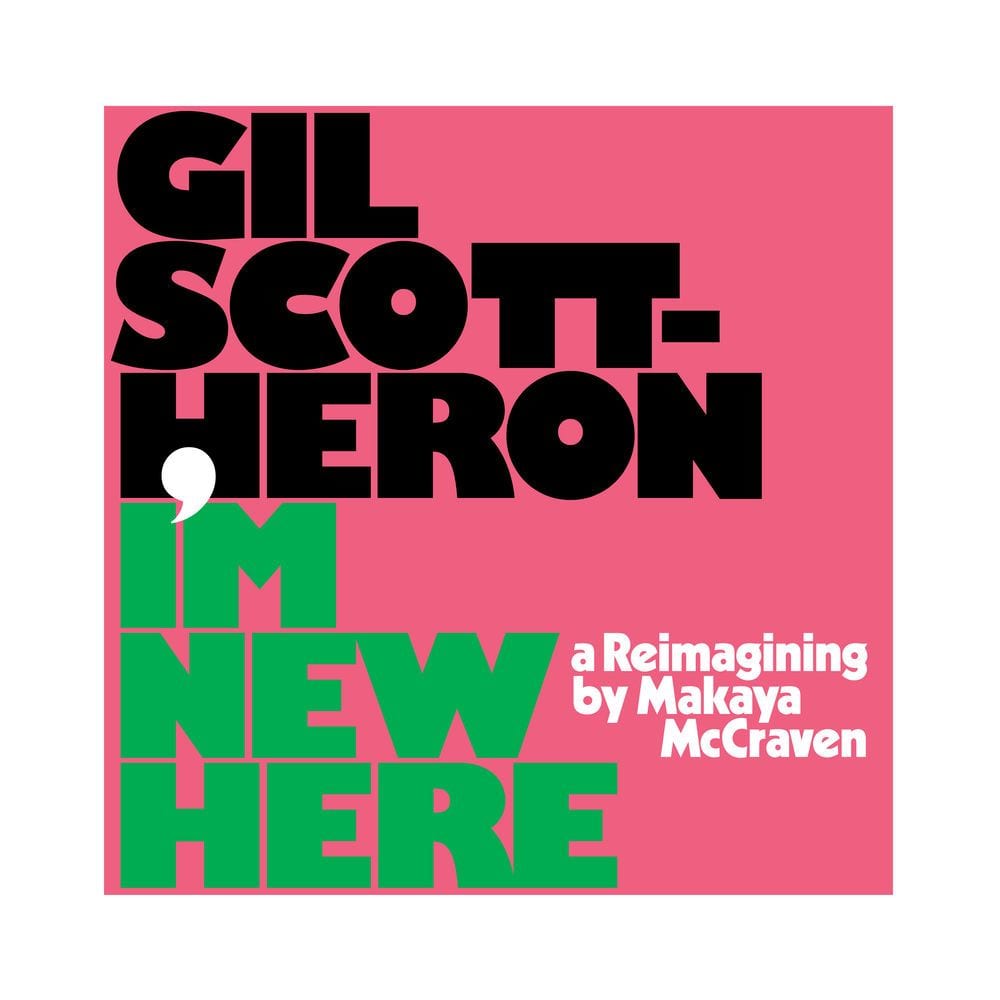
I'm New Here
Be the first to rateSpirits (1994) was the last studio album before a decade that went badly for him. Richard Russell, who runs XL, produced the record around a voice that had been through things.
I'm New Here came out on 9 February 2010, sixteen years after Spirits and roughly fifteen months before he died. It is short, nearly bandless, and it reframed him for people who only knew the spoken-word records. Jamie xx's remix of the whole thing followed in 2011 and is worth its own argument.
- 15
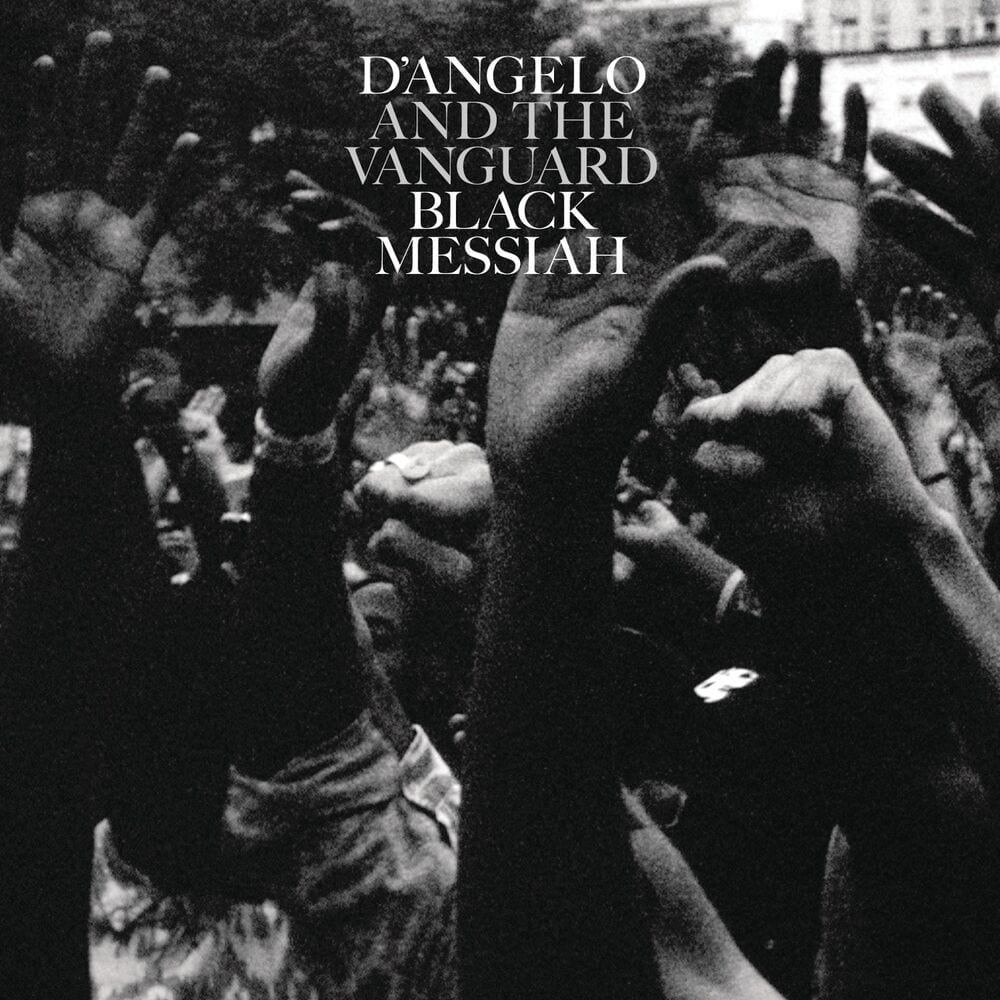
Black Messiah
★ 3.8 · 3Voodoo came out in January 2000. The fourteen years that followed were rumour, false starts and leaked fragments, and the release date kept moving.
Black Messiah was scheduled for 2015 until Ferguson made him move it: out on 15 December 2014, with almost no warning. The playing is deliberately drunk, the vocals stacked into a blur, and it remains the best evidence that the wait had been work rather than avoidance.
- 16
My Father Will Guide Me up a Rope to the Sky
Be the first to rateMichael Gira ended Swans in 1997, one album after Soundtracks for the Blind, spent the next decade on Angels of Light, and said the name was retired.
He brought it back on 23 September 2010, fourteen years later, and this second Swans has now run longer than the first. The album is the hinge: still recognisably a rock record, already pointing at the two-hour live ordeals that came after it.
- 17
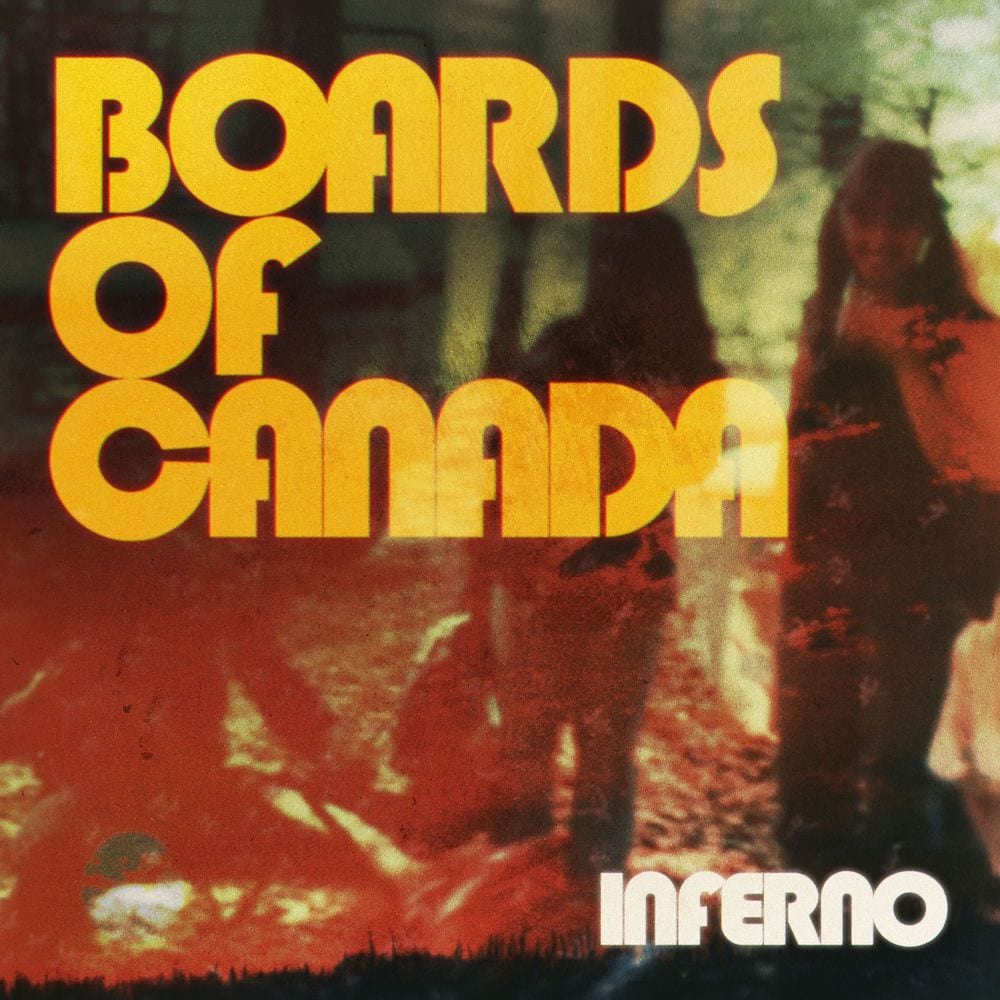
Inferno
★ 4.8 · 2Thirteen years after Tomorrow's Harvest (2013), and the rollout was pure Sandison brothers: unlabelled VHS tapes mailed to fans in April 2026, posters in a few cities, "Deep Time" surfacing online as Tape 05, then the Introit / Prophecy at 1420 MHz single in early May.
Inferno arrived on 29 May 2026. The drums hit harder than anything since Geogaddi, which is where most of the argument about it has settled. Three months of listening hasn't told me whether it beats Music Has the Right to Children, and that unsettled feeling is a good sign.
- 18
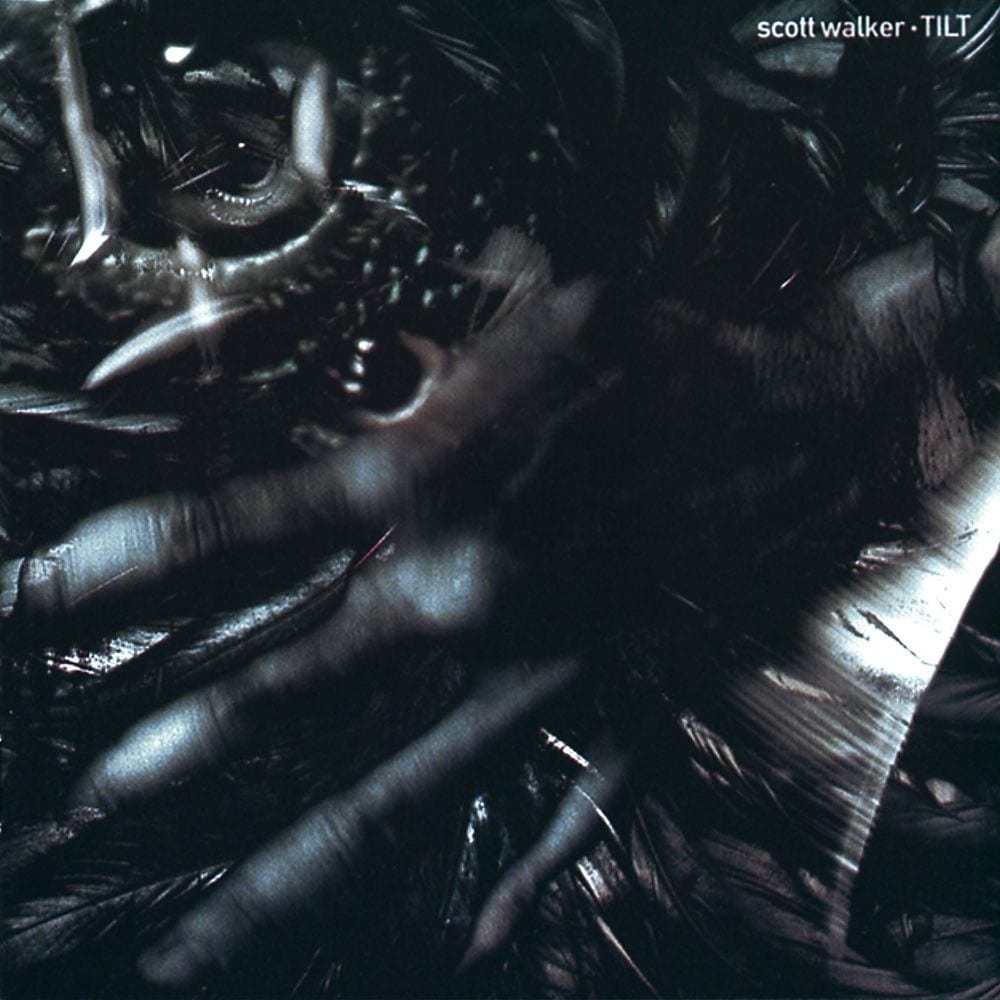
Tilt
★ 2.0 · 1After Climate of Hunter (1984) Walker disappeared. The one public sighting in the late eighties was a television advert; two compilations and Bowie covering "Nite Flights" in 1993 kept the name in circulation.
Tilt (8 May 1995), eleven years later, is where he stopped writing songs in any ordinary sense. It opens with "Farmer in the City," built on a Pasolini poem from 1969, and "The Cockfighter" works trial transcripts into the lyric. Everything he did afterwards runs out of this record.
- 19
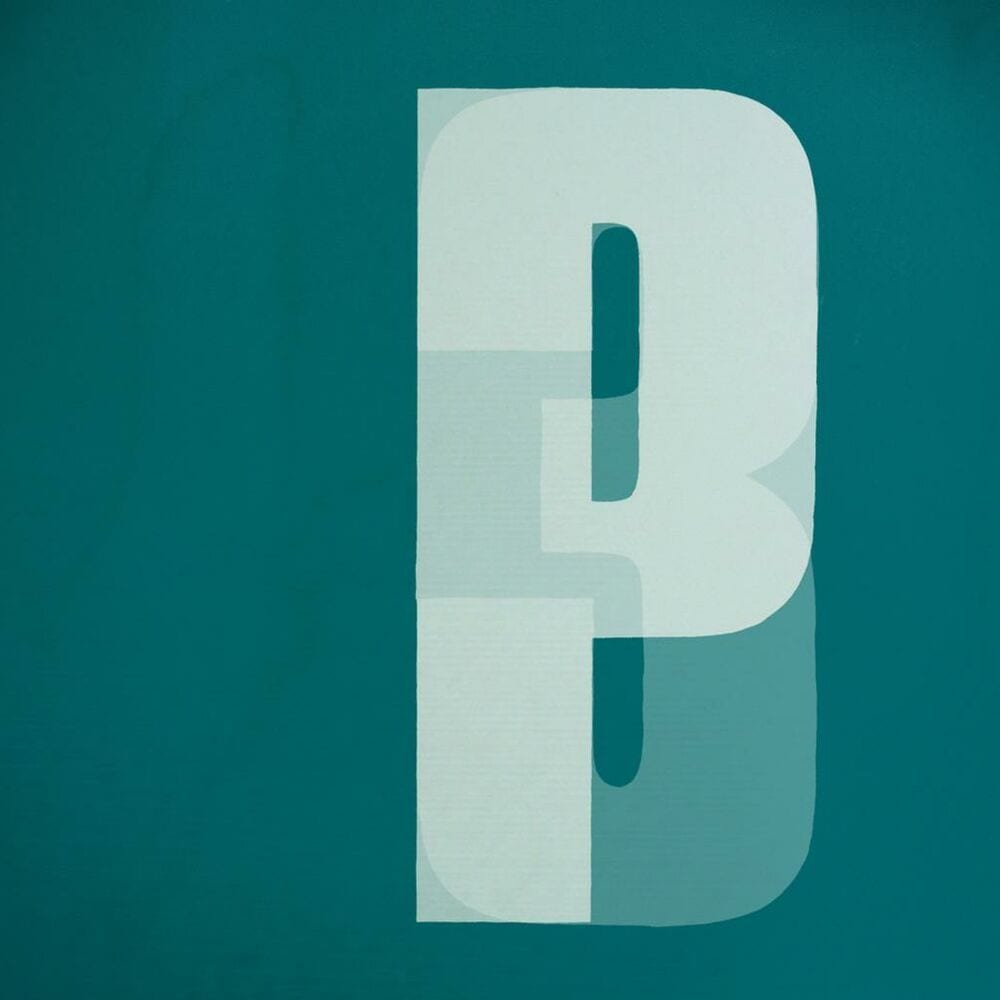
Third
★ 4.3 · 7Eleven years after Portishead (1997), during which Geoff Barrow moved to Australia and the band spent a long time rejecting its own material.
Third (April 2008) threw out everything anyone wanted from them: the samples, the crackle, the noir. In came krautrock pulse, a ukulele on "Deep Water," and "Machine Gun," whose drum sound still lands like an assault. The rare comeback that refuses to sell you the past.


Explore the sound
Artists in this guide
Lists with these albums
Read next
Rock progressivo italiano: 22 albums, and most of these bands only got one
Italy's prog boom lasted about five years, produced a staggering number of records, and left a scene full of one-album bands.
The whole band was one person: 22 albums made alone
Wendy Carlos in a Manhattan apartment, Springsteen in a bedroom, Jane Remover recording guitar one string at a time. Records where a single player covered every part.
Congolese rumba and soukous: a 23-record canon, from Indépendance Cha Cha to the Kinshasa of now
Sixty-five years of dance music from both banks of the river, told through the bands that kept splitting up.
One day in the room: 14 albums cut in a single session
No do-overs, no comps across weeks. These records got made in one sitting, and the clock is part of why they sound the way they do.
Got your own ranking? Build a list or tier of your own.