


Guides/A Riffiter guide
Rock progressivo italiano: 22 albums, and most of these bands only got one
Italy's prog boom lasted about five years, produced a staggering number of records, and left a scene full of one-album bands.
Between 1971 and 1977 Italian labels funded an enormous run of progressive rock albums sung in Italian, and most of the bands broke up before making a second one. This guide ranks 22 of them, from New Trolls' Concerto Grosso (1971, arranged by Luis Enriquez Bacalov) and Banco del Mutuo Soccorso's Darwin! (1972) through Locanda delle Fate's 1977 debut, plus two records from the revival that started in the 2000s.
The English bands got a decade. The Italians got about five years.
What came out of that window has an odd shape. A huge number of records, a startling share of them good, and hardly a second album anywhere. Museo Rosenbach made one and split. Cervello made one and split. Alphataurus recorded a second in 1973 and nobody heard it until Mellow Records dug it out in 1992. When the money moved on around 1976, it moved on all at once.
Two things keep these records from being Genesis with an Italian accent. The first is the language. This scene sang in Italian, and Italian carries melodrama the way English carries irony, so the vocals go places English prog was too embarrassed to go. The second is what the players were doing before: beat groups, film scores, conservatory training, Neapolitan song. All of it turns up in the arrangements, uninvited and unmistakable.
Ranked below, with the two modern ones at the end. If you only take one, take Darwin!.
- 1
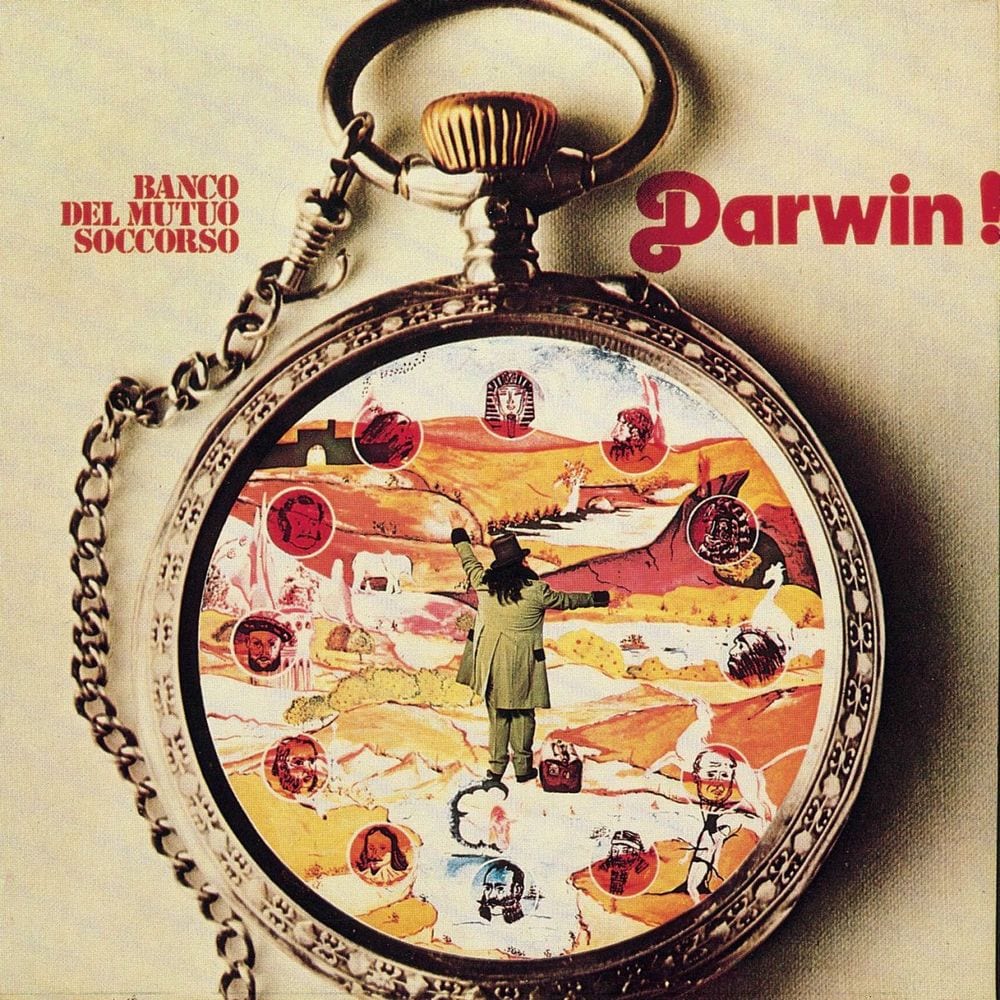
Darwin!
Be the first to rateA 1972 concept album on Ricordi about the origin and evolution of life, produced by Alessandro Colombini. In most hands that premise is a disaster. Banco had two keyboard players, brothers Vittorio and Gianni Nocenzi, plus Francesco Di Giacomo, who sang like an opera singer who had joined a rock band by mistake and decided to stay. The record never sounds like it is illustrating the concept. It sounds like it is arguing with it.
- 2
Per Un Amico
Be the first to ratePFM's second album, 1972, and the one where the flute and the Moog stop fighting each other. Hear it before the English version, which files the corners off: a year later ELP's Manticore label had the band re-record most of this material with lyrics by Peter Sinfield, as Photos of Ghosts, and that became the first album by an Italian rock group to reach the American charts.
- 3
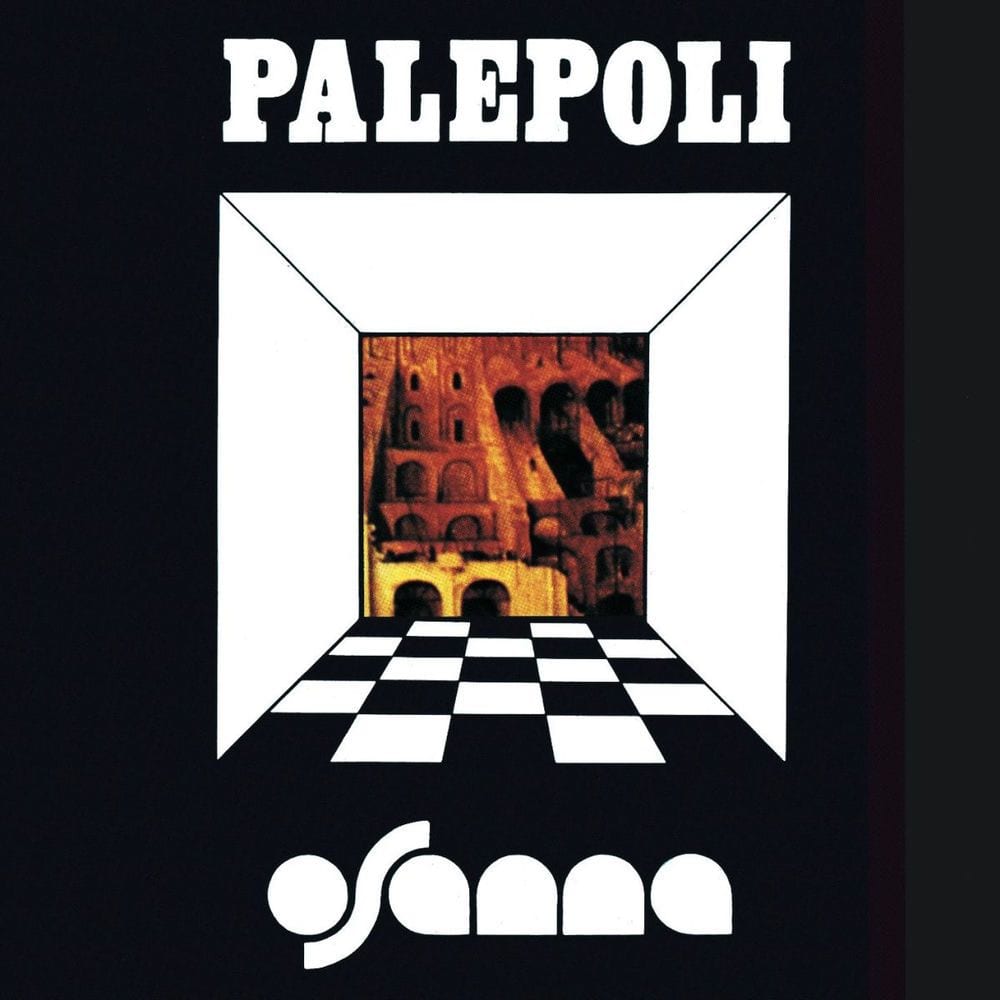
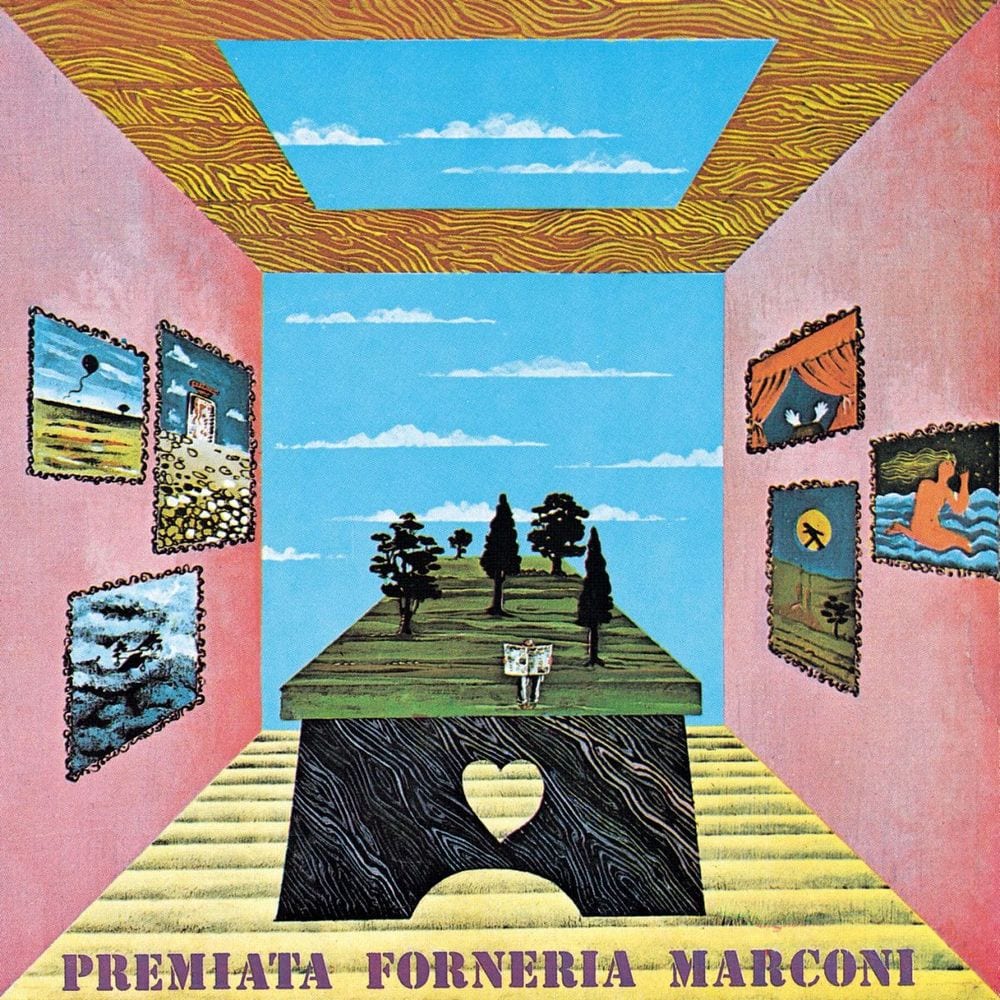
Palepoli
Be the first to rateThree tracks on Fonit Cetra in 1973, two of them past eighteen minutes, titled after Palepolis, the old settlement Naples grew out of. Neapolitan melody keeps surfacing through the saxophone and the Mellotron, and that is the case for the whole scene in one album: the local music isn't decoration here, it's the raw material. Lino Vairetti's lyrics run mythology and social anger together until you stop being able to separate them.
- 4
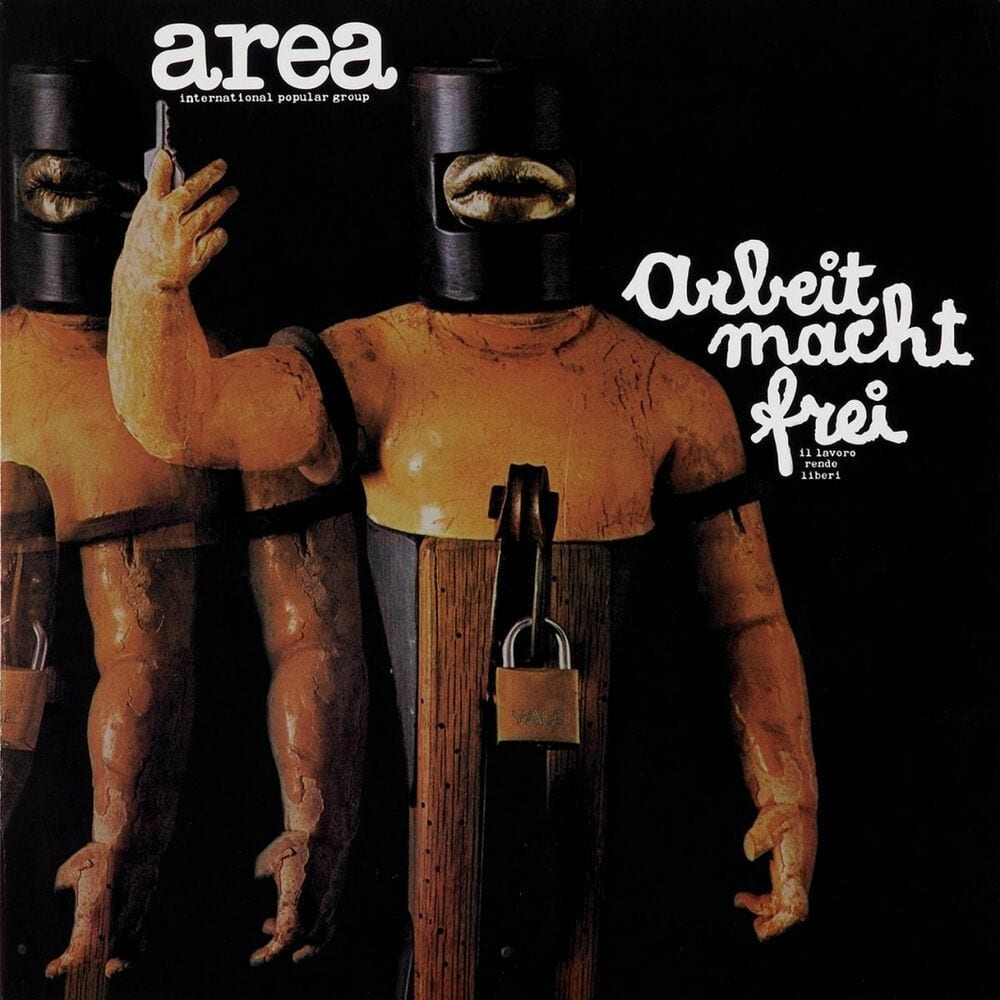
Arbeit macht frei
Be the first to rateMilan, 1972, billed as Area – International POPular Group: openly communist, jazz-schooled, and fronted by Demetrio Stratos, born in Alexandria to Greek parents, who treated his own throat as laboratory equipment. Nobody has come close to him since; he died in 1979 at 34. Naming the 1973 debut after the words over the Auschwitz gate tells you roughly how much this band cared about being liked.
- 5
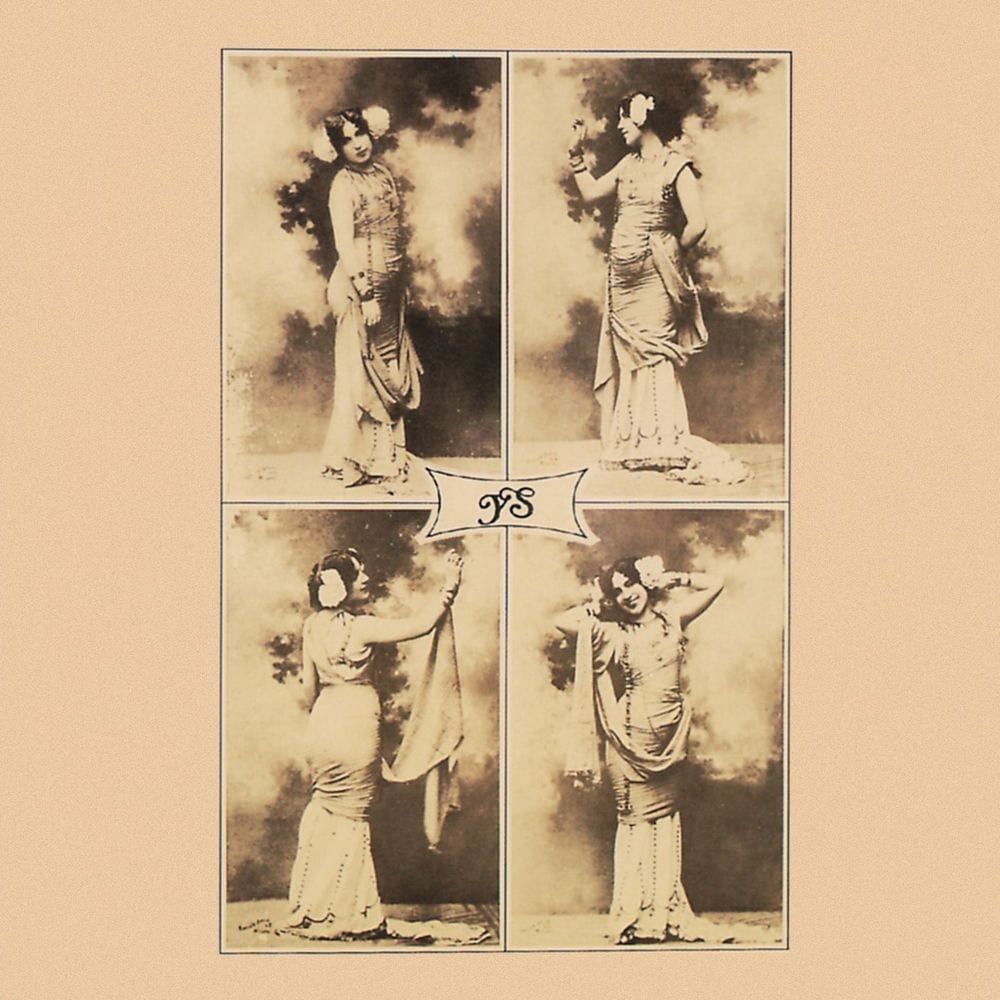
YS
Be the first to rateThey started as a beat group working NATO bases in Italy and ended up making the most violent keyboard record of the era. Gianni Leone joined in 1971, wrote the whole 1972 album around the legend of the drowned city, and played the organ like an assault rather than an accompaniment. Nurse With Wound later cited them as an influence, which is exactly the right company for this thing.
- 6
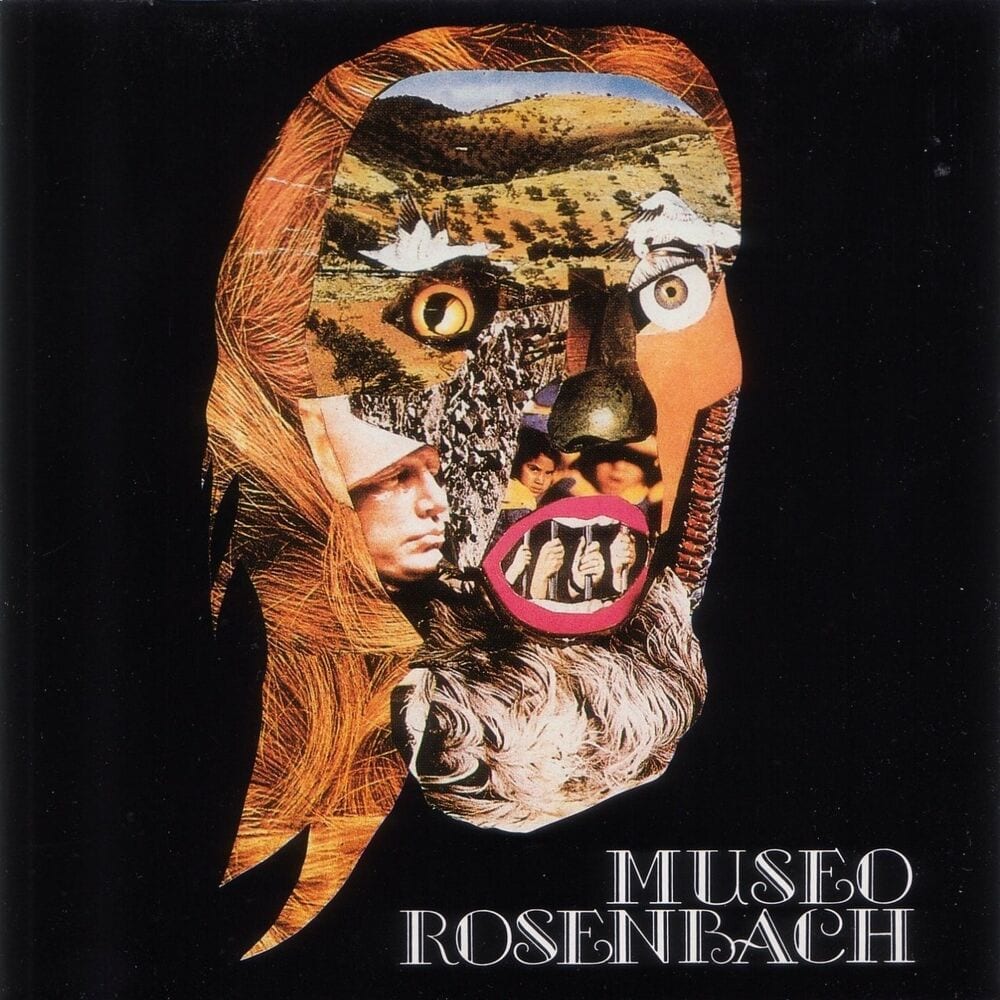
Zarathustra
★ 3.5 · 1A twenty-minute Nietzsche suite plus three shorter songs, released on Ricordi in 1973. Then the trouble: Wanda Spinello's cover collage included a fragment of Mussolini's face, RAI decided the band smelled far-right and would not play them, and the album died. They broke up within months of making the best record of their year. The accusation stuck much harder than any evidence for it ever did.
- 7
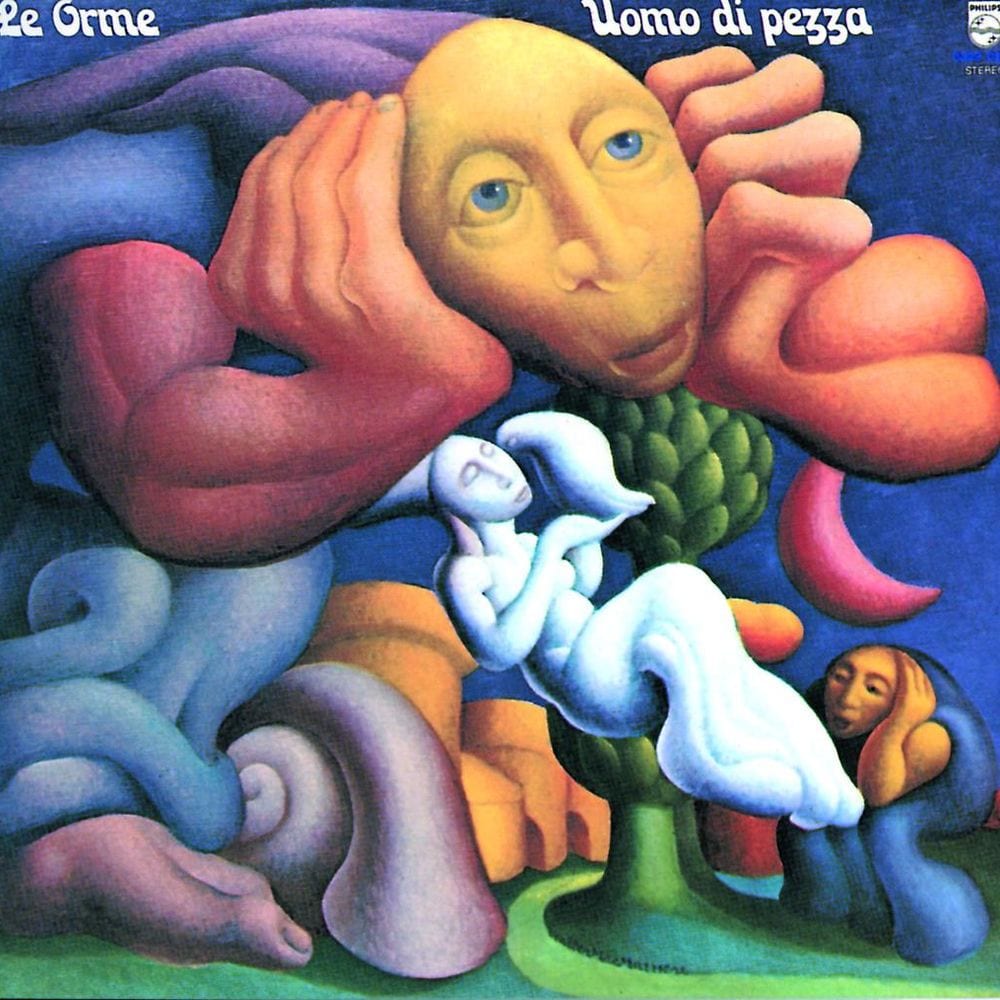
Uomo Di Pezza
Be the first to rateOrgan, bass, drums, no guitarist to hide behind, which is why the Venetian trio still sound so exposed a half-century on. Felona e Sorona gets more of the attention and this is the warmer record. Uomo di pezza (1972) is where they stop writing pop singles and start writing suites, held upright by Aldo Tagliapietra's high, unornamented voice.
- 8
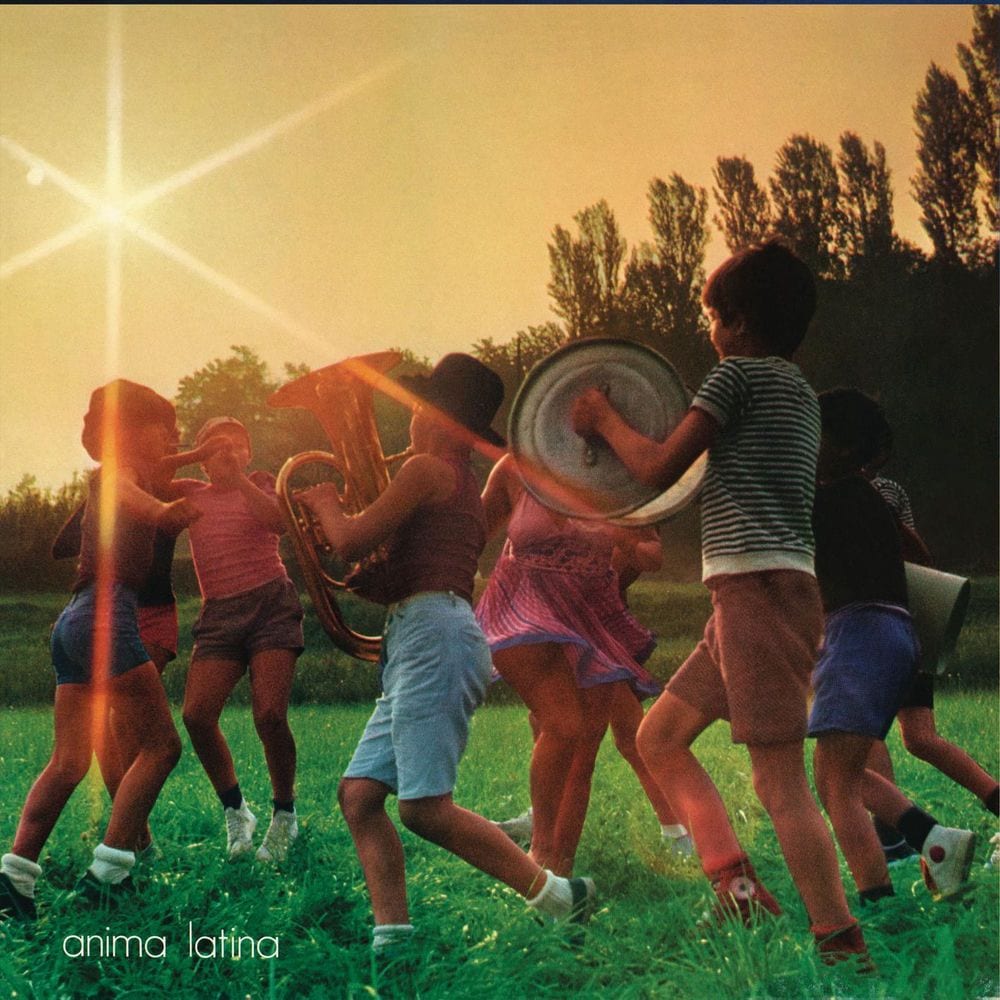
Anima latina
Be the first to rateItaly's biggest pop songwriter released his strangest record in December 1974: percussion shoved to the front, his voice buried inside the band, songs that refuse to land where his singles always landed. It went on to be the eighth best-selling album in Italy the following year, which says a lot about what an audience will follow you into if they trust you. Not prog by lineage, but this is where the scene's ideas got into the country's biggest catalogue.
- 9
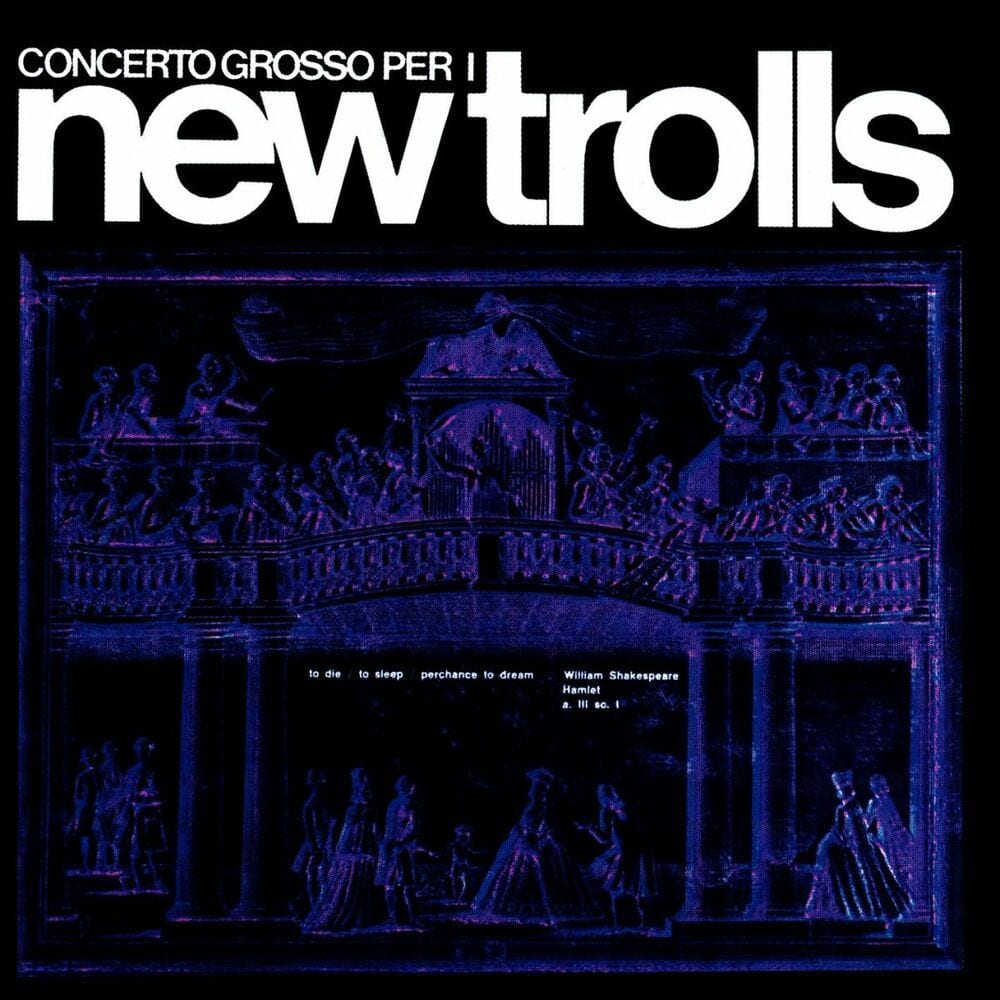
Concerto Grosso per i New Trolls
Be the first to rateThe starting pistol. Luis Enriquez Bacalov wrote the string arrangements, the music doubled as the score for the film La vittima designata, and for the next three years every Italian band with a budget chased the same rock-meets-orchestra idea. Bacalov went on to do it again with Osanna and Il Rovescio della Medaglia. As a listen it is less imposing than what followed, but nothing else on this list happens without it.
- 10
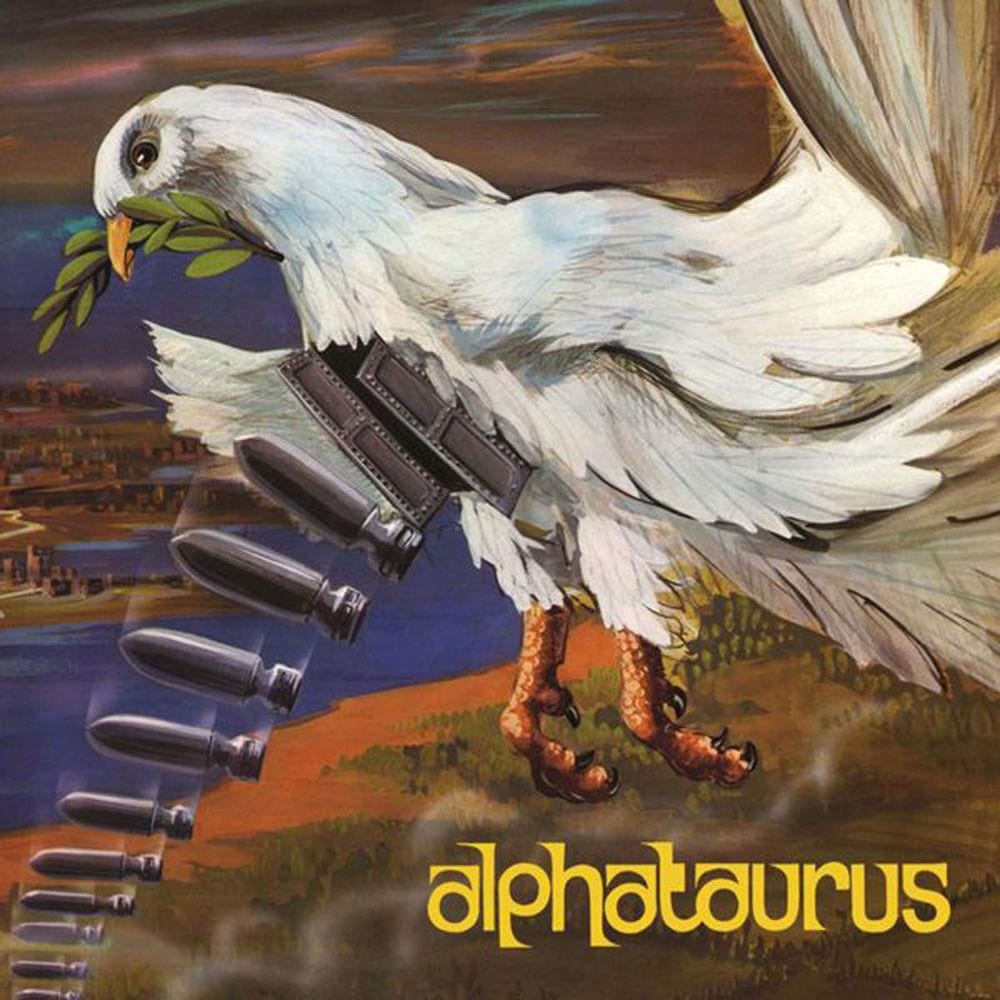
Alphataurus
Be the first to rateOne album on Magma in 1973, wrapped in a triple gatefold of Adriano Marangoni's painting of a dove opening its bomb bay over a burning city. Heavy where most of their peers were pastoral: the organ sits closer to hard rock than to chamber music. They fell apart the same year, and the tapes for a second album stayed in a cupboard until Mellow put them out in 1992 as Dietro l'uragano.
- 11
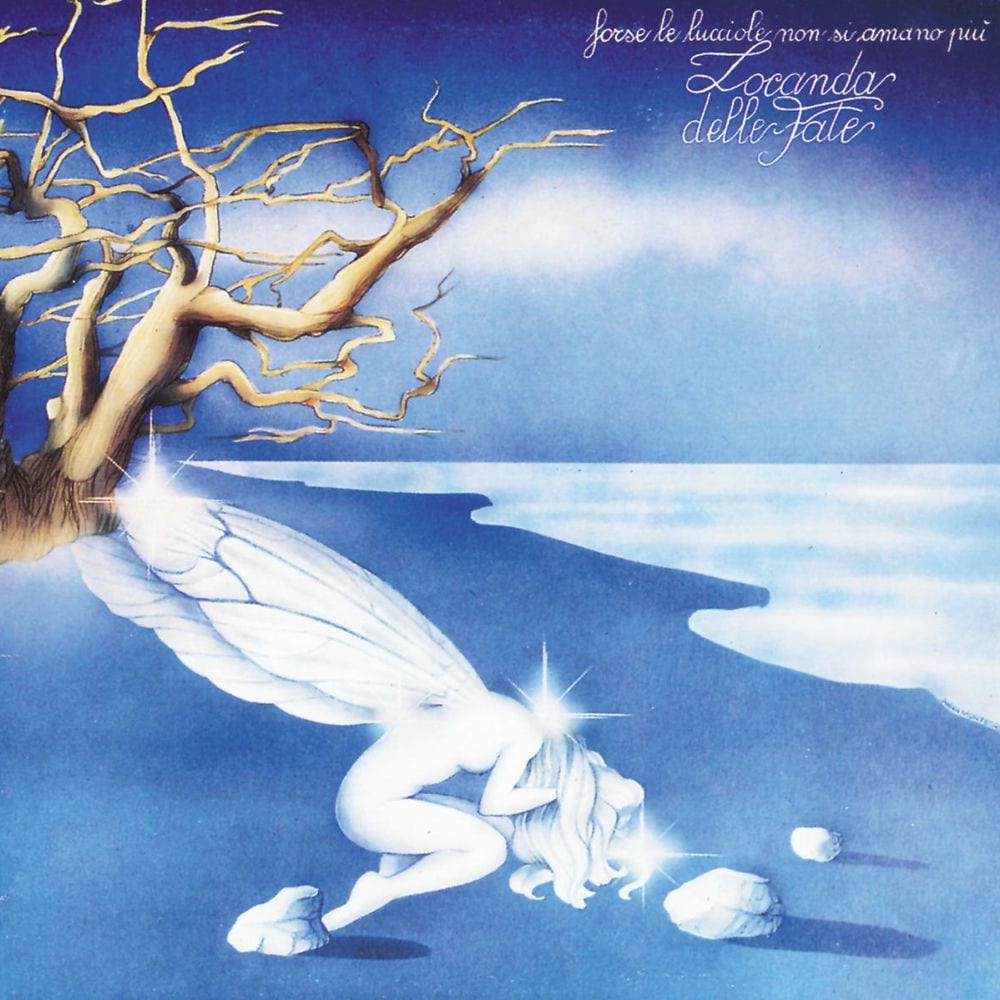
Forse Le Lucciole Non Si Amano Piu
Be the first to rateSeven musicians, two keyboard players, and the worst timing in Italian music. By 1977 nobody wanted to book a prog band, so this gorgeous, unhurried Polydor debut sold nothing, the live offers never came, and they gave up in 1980 after a couple of singles. Everyone who finds it late falls hard for it. That gap between the sales and the affection is the most Italian-prog fact there is.
- 12
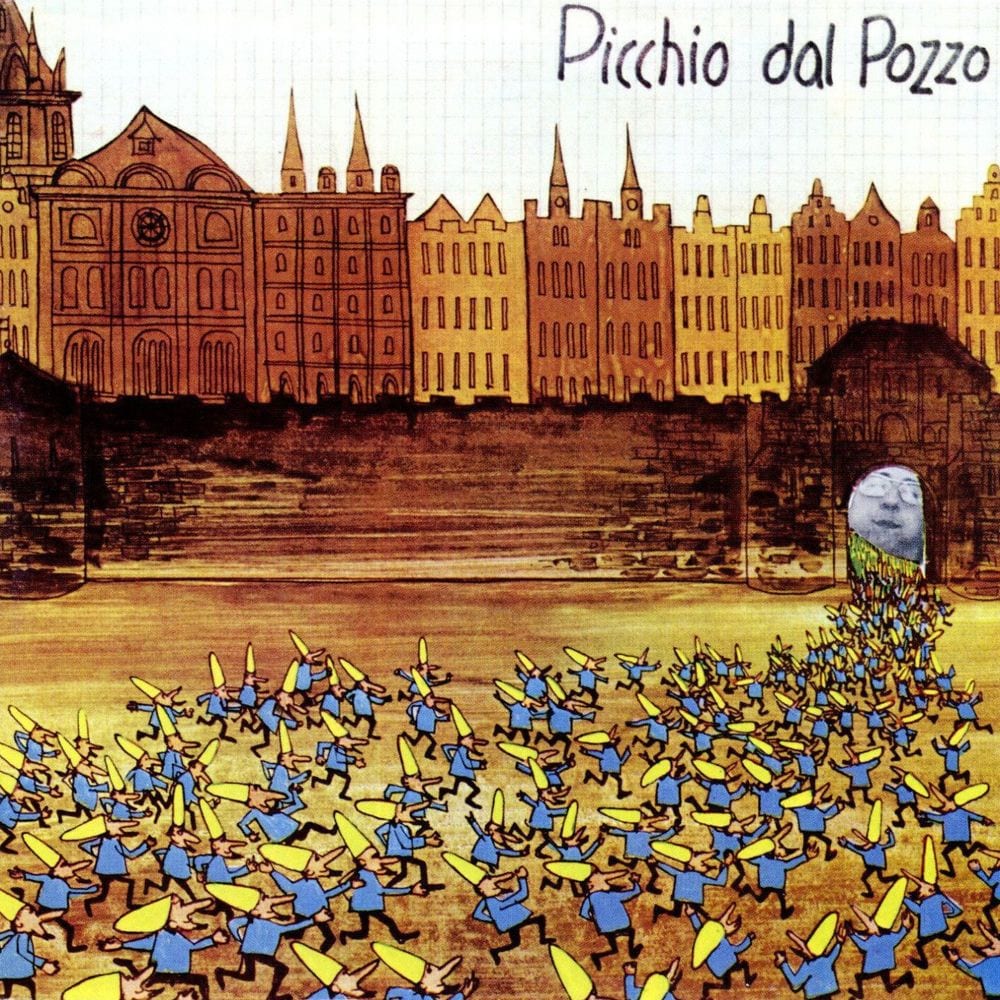
Picchio Dal Pozzo
Be the first to rateItaly's Canterbury record: made in Genoa in 1976, dedicated to Robert Wyatt, released on Grog, a label Aldo De Scalzi started because nobody else was going to touch it. If the cathedral end of this scene leaves you cold, this is the way in. Horns, keyboards, lyrics that keep a straight face while making no sense at all, and a lightness none of the symphonic bands risked.
- 13
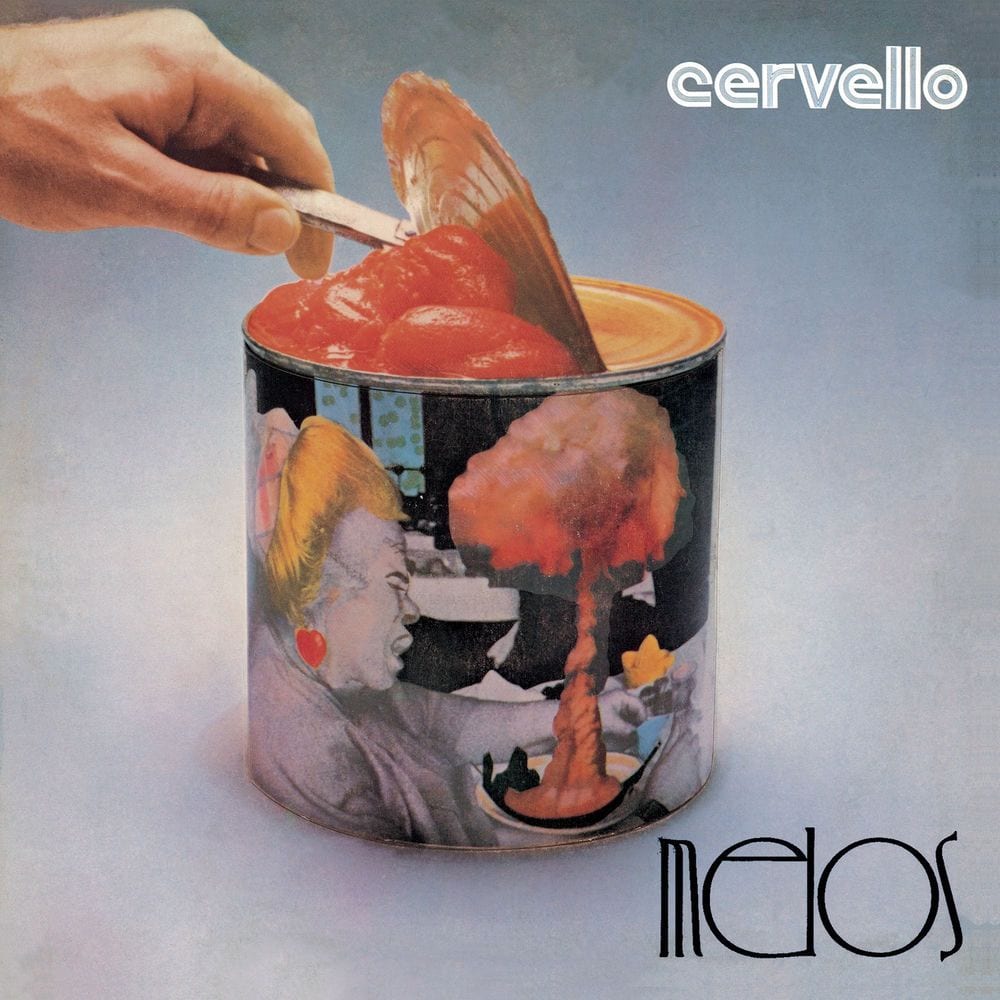
Melos
Be the first to rateCorrado Rustici was the younger brother of Osanna's Danilo Rustici, and Melos (Ricordi, 1973) is the darker Naples record. Four of the five players handled flute, and the album uses them like a wind section circling something it doesn't want to name. One album, gone by 1974, and one of the few records here that gets more unnerving the better you know it.
- 14
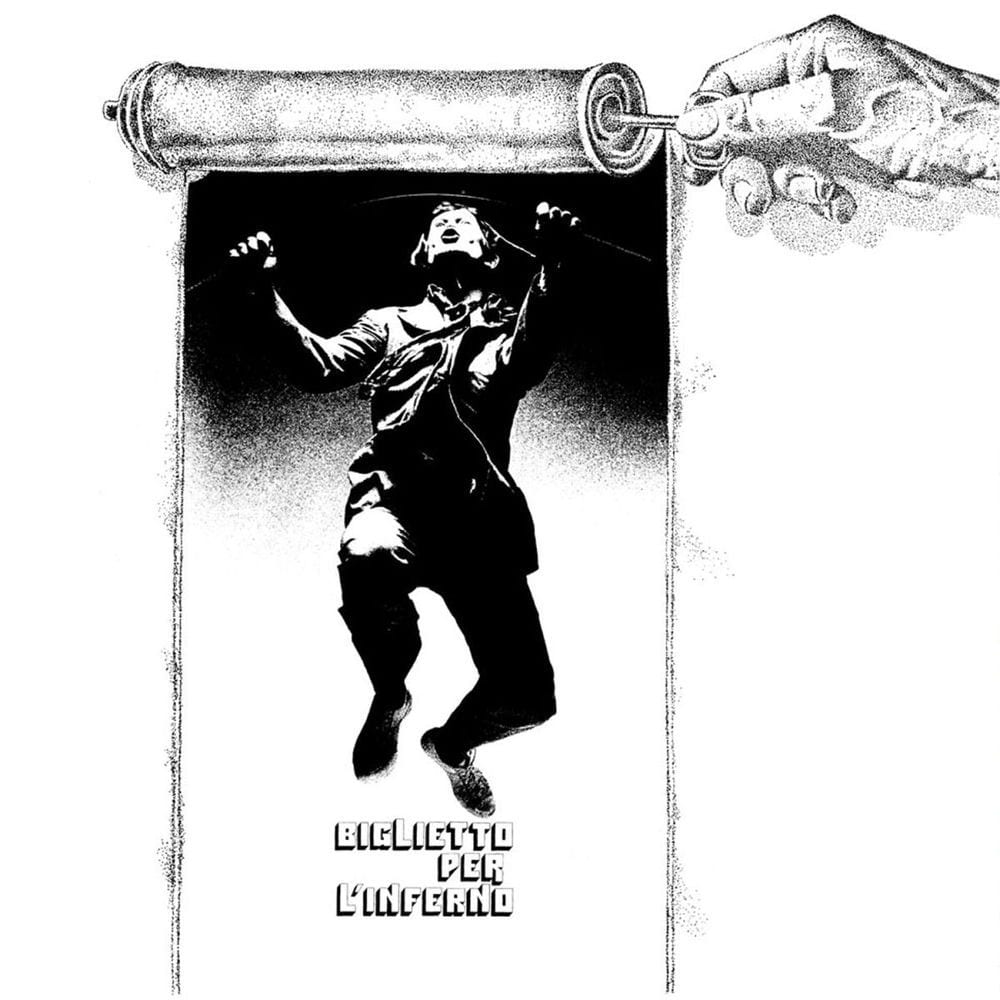
Biglietto per l'Inferno (2012 Remaster)
Be the first to rateFormed in Lecco in 1972, finished by 1975, one album out at the time and a second that sat unheard until 1992. Collectors chase it for the scarcity, but the scarcity isn't the reason it's on this list. It is the angriest-sounding record in the scene, vocals shouting where everyone else's soar, keyboards set to menace instead of grandeur.
- 15
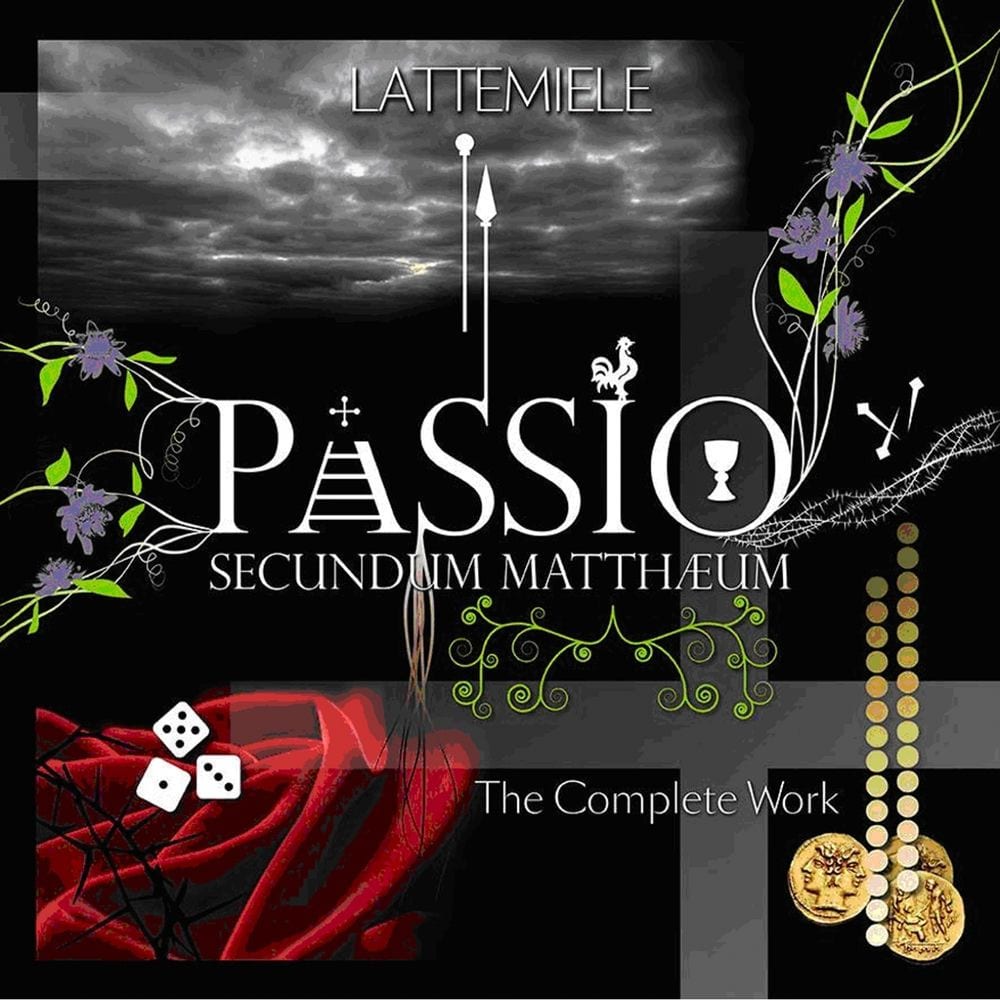
Passio Secundum Mattheum
Be the first to rateA very young Genoa trio decided their debut should be a Passion: Bach's harmonic furniture, recitatives from the Gospel of Matthew, three people playing all of it. On paper this is unbearable. It works because they play it dead straight, with no wink anywhere, and because Polydor apparently let them.
- 16
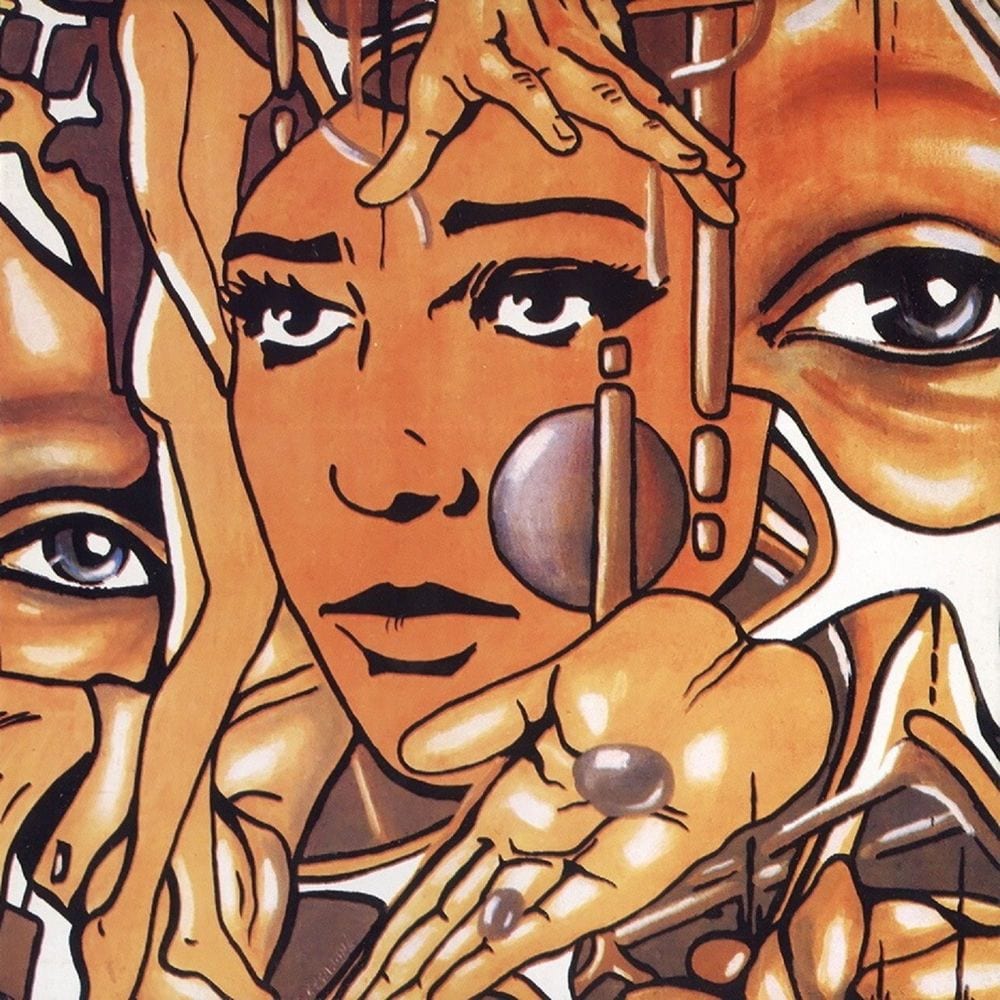
Il Tempo Della Gioia
Be the first to rateThe Roman band's second and last album, 1974, where Claudio Filice's violin and Giorgio Giorgi's flute take the front and the guitar gets out of the way. Better built than the 1972 debut, whatever the debut's bigger reputation says. Five tracks, about half an hour, long stretches sitting closer to chamber music than to rock.
- 17
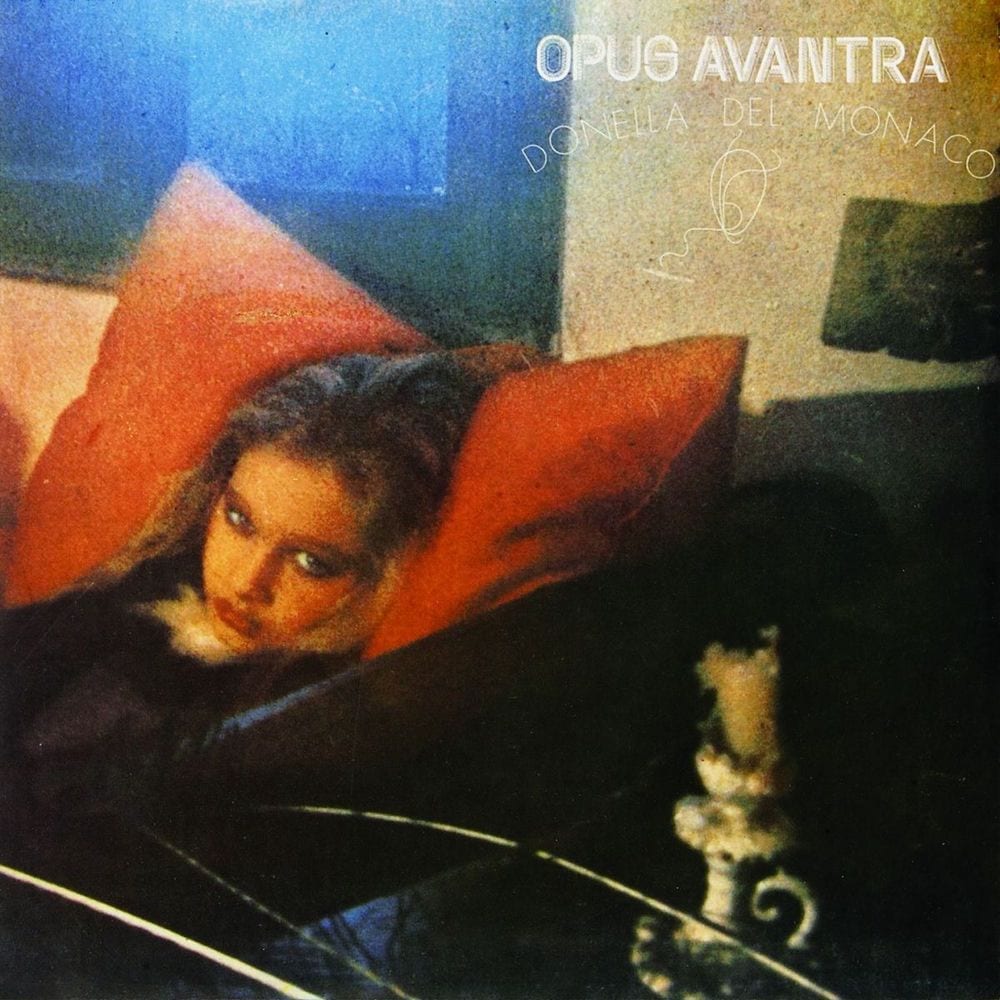
Introspezione
Be the first to rateVenice, 1973: singer Donella Del Monaco, pianist Alfredo Tisocco, and Giorgio Bisotto, a philosopher credited as the group's ideologist. The name compresses Opera, Avant-garde and Tradition; the opening track is musique concrète; Del Monaco sings the rest like a lieder recital that has been hijacked mid-programme. This is as far from rock as anything on the list goes, and it is not a difficult listen.
- 18
Principe Di Un Giorno
Be the first to rateRecorded in 1974, shelved, finally released in 1976 on Grog, the same tiny label as Picchio dal Pozzo. Put it on when the other twenty-one are too much. Ciro Perrino and Leonardo Lagorio, who had played in an early Museo Rosenbach lineup, made the most pastoral album of the scene, all flute and Mellotron and no aggression anywhere in it.
- 19
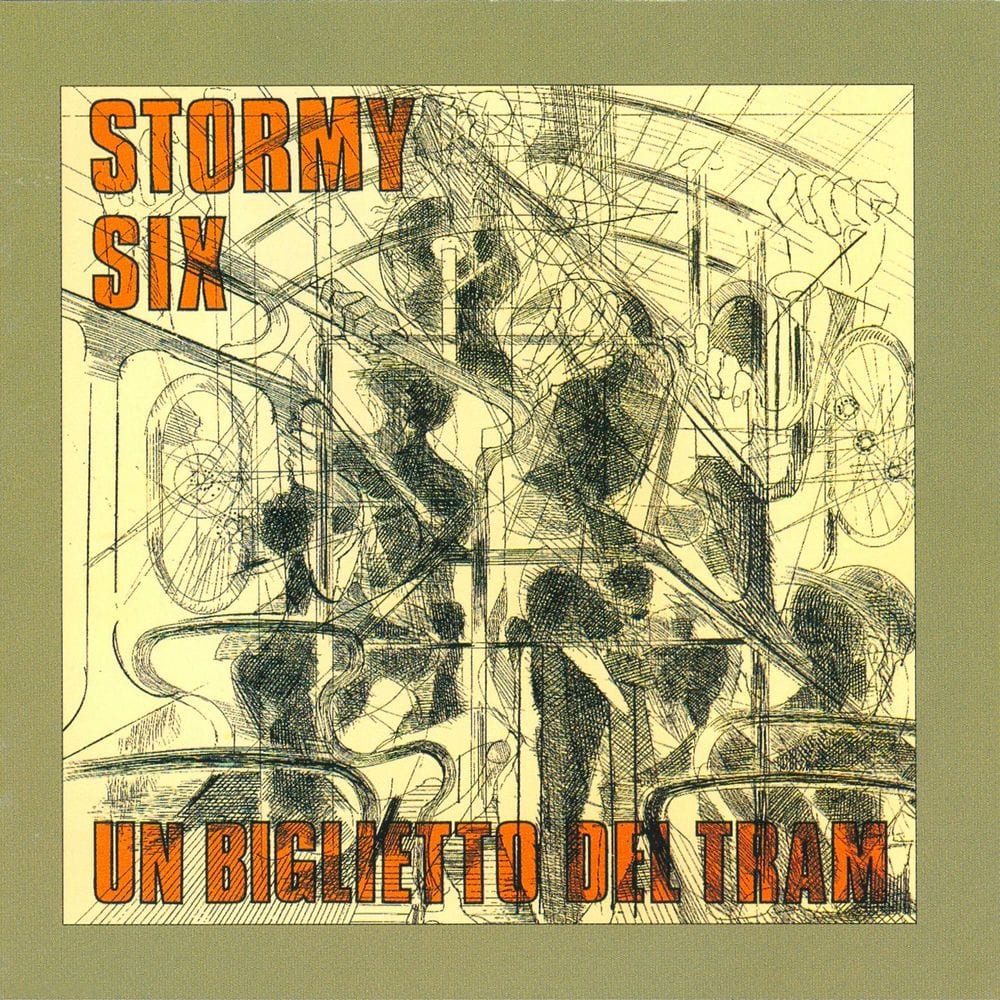
Un biglietto del tram
Be the first to rateNot symphonic at all. An acoustic, folk-shaped 1975 album about the Italian Resistance, released on L'Orchestra, a co-operative label the band helped found. The title song walks the ghosts of Nazi-Fascist victims through an indifferent Milan crowd. Three years later Stormy Six became one of the founding groups of Rock in Opposition, which is where the politically serious end of Italian prog eventually went.
- 20
Roller
Be the first to rateEveryone knows Goblin from Dario Argento's films. Roller (Cinevox, 1976) is the one with no film attached, cut with Maurizio Guarini added as a second keyboard player, and it answers the question people kept asking about them: band, or hired sound? Leaner and funkier than any of the soundtracks, which is how you can hear there was a band in there the whole time.
- 21
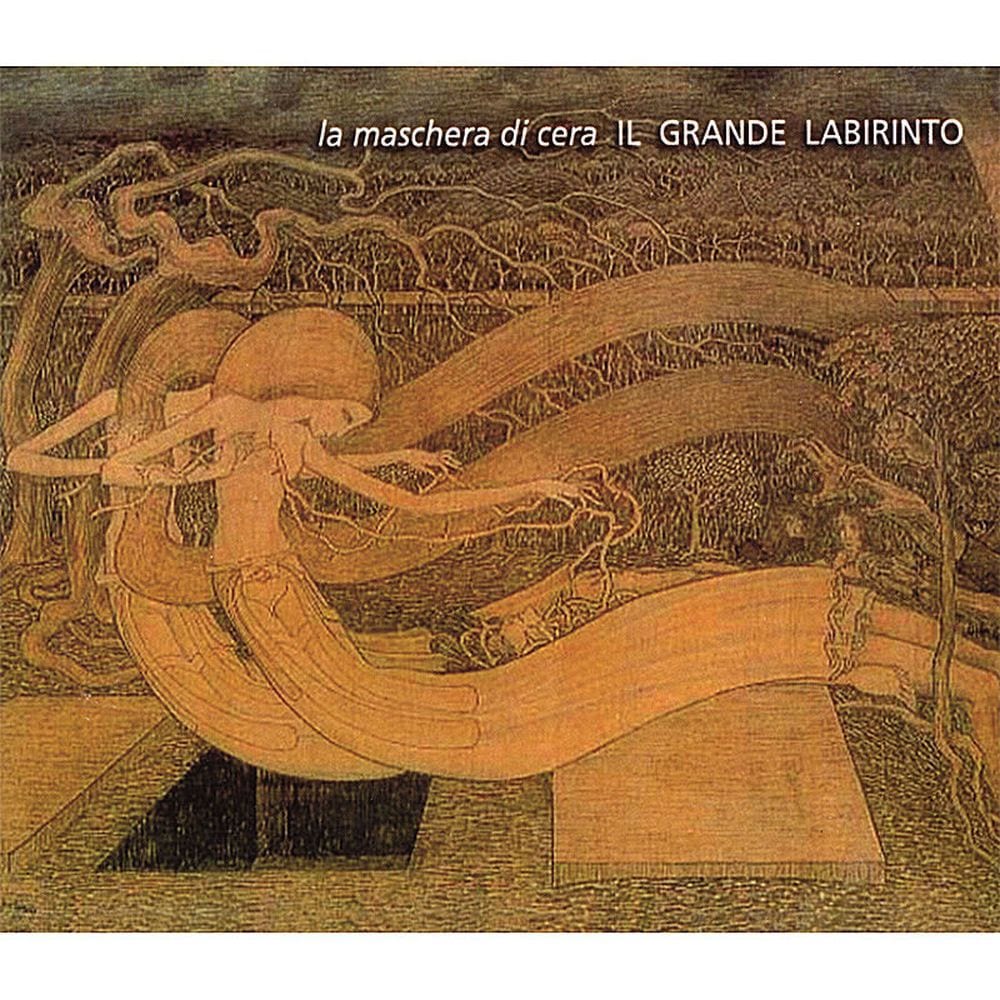
Il Grande Labirinto
Be the first to rateFabio Zuffanti pulled most of Finisterre into a project whose entire purpose was to make a 1973 album in 2003. Mellotron 400, VCS3, minimoog, and Alessandro Corvaglia singing somewhere in Di Giacomo's postcode. Revival records usually sound like fancy dress. This one sounds like it was found in a cupboard, and I mean that as high praise.
- 22
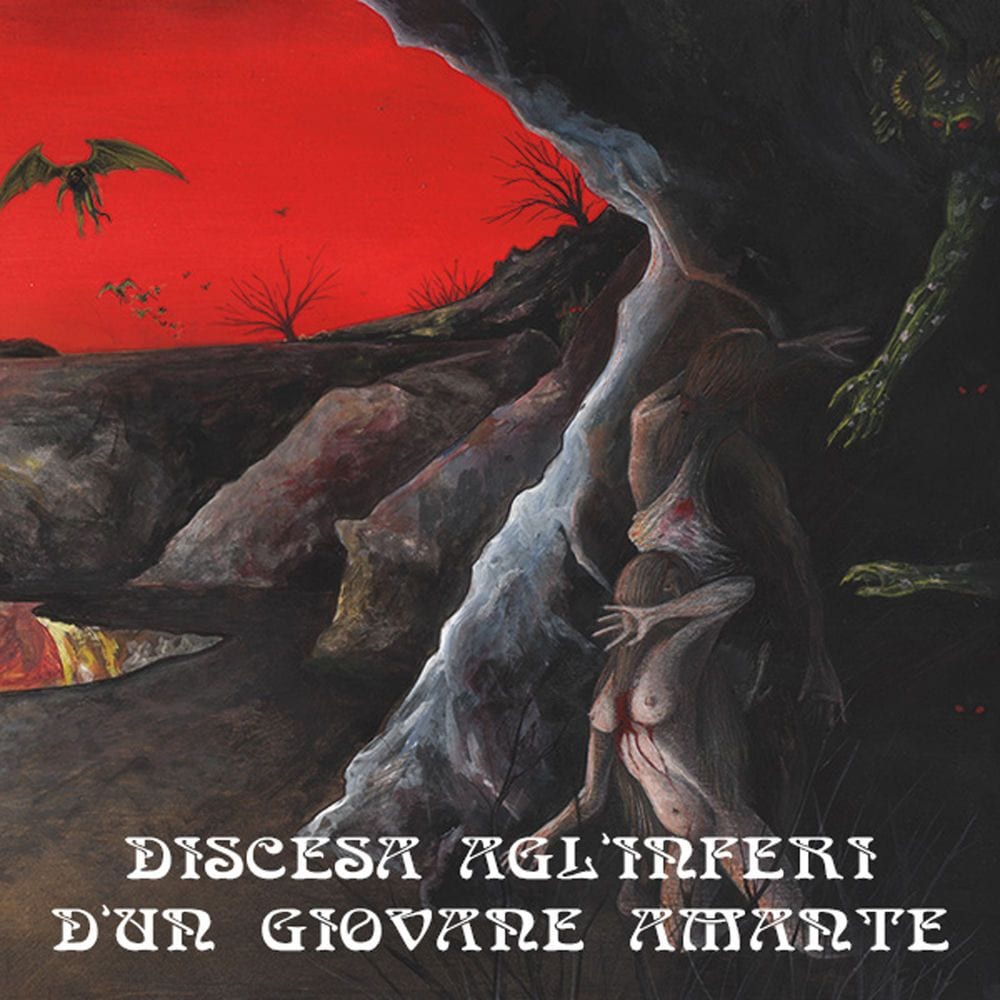
Discesa agl'inferi d'un giovane amante
Be the first to rateTheir second album, a concept record built on Paolo and Francesca from Dante's Inferno, with violin and viola doing the classical work and the band leaning harder on hard rock than any of the seventies groups did. Evidence that this is a living tradition rather than a reissue market. Start with the old records, but don't stop there.


Explore the sound
Artists in this guide
Read next
Gone, not finished: 19 albums that arrived a decade or more late
Ranked by how long the silence lasted, from Linda Perhacs' forty-four years down to Portishead's eleven.
The whole band was one person: 22 albums made alone
Wendy Carlos in a Manhattan apartment, Springsteen in a bedroom, Jane Remover recording guitar one string at a time. Records where a single player covered every part.
Congolese rumba and soukous: a 23-record canon, from Indépendance Cha Cha to the Kinshasa of now
Sixty-five years of dance music from both banks of the river, told through the bands that kept splitting up.
One day in the room: 14 albums cut in a single session
No do-overs, no comps across weeks. These records got made in one sitting, and the clock is part of why they sound the way they do.
Got your own ranking? Build a list or tier of your own.