


Guides/A Riffiter guide
Congolese rumba and soukous: a 23-record canon, from Indépendance Cha Cha to the Kinshasa of now
Sixty-five years of dance music from both banks of the river, told through the bands that kept splitting up.
Congolese rumba grew out of Cuban records arriving in Léopoldville and Brazzaville in the 1940s, and UNESCO added it to its intangible cultural heritage list in December 2021. This guide follows it across four generations: Joseph Kabasele's African Jazz and Franco's OK Jazz, the guitar bands of the 1970s, the Paris soukous boom and the ndombolo years, and the records coming out of Kinshasa now.
Every generation of Congolese music starts the same way. A band splits, the young players walk out, and what they build next runs faster than what they left. That has happened roughly once a decade since 1956, which is how a country that has spent most of its independent life in crisis ended up with one of the deepest pop lineages anywhere.
The thread running through all of it is the sebene, the passage where the singing stops and the guitars take the song apart. In 1960 it was a polite stretch near the end. By the late 1990s it was most of the record, with a hype man called an atalaku shouting over the top. Everything below is a position in that long argument.
Two things to know before you press play. This music belongs to both Congos, so Brazzaville's Les Bantous de la Capitale sit here next to OK Jazz from across the river. And most of it was made for singles and long single-song sides, so the album is a loose container for the scene at best; several entries here are collections, because that is the honest way the recordings exist. UNESCO listed the music itself in December 2021, which is really the only sensible unit.
- 1

Independance Cha-Cha, Vol. 1
Be the first to rateJoseph Kabasele, who worked as Le Grand Kallé, wrote "Indépendance Cha Cha" in Brussels in 1960 while Congolese delegates were down the road negotiating the end of Belgian rule. It spread across the continent within months and got sung at other countries' independence ceremonies too. African Jazz was the polished end of the scene, the band the educated class claimed, and Kabasele was the first Congolese musician to run his own label. Start here because everyone else on this list started here.
- 2

Franco et l'O.K. Jazz : 1957-1958-1959 (Merveilles du passé, vol. 1)
Be the first to rateOK Jazz came out of the Loningisa studio's house musicians in June 1956, with a teenage Franco Luambo on guitar, and it did not stop until he died in 1989. Where Kabasele played for the évolués, Franco played for everybody else: bar songs, working-class stories, a rhythm guitar kept dry and pushed forward in the mix. These late-fifties sides catch the band before the fame, when the arrangements were still short and the Cuban debt was still audible.
- 3

Merveilles Du Passé 1963
Be the first to rateFormed in Brazzaville in August 1959 by players who had been in OK Jazz and Rock-A-Mambo across the river, Les Bantous are the reason this is not only a Kinshasa story. Jean Serge Essous led first; Nino Malapet took over in 1961 when his own band folded in Pointe-Noire. Two saxophones out front, which by the 1970s nobody else could afford to keep.
- 4

L'African Fiesta, Vol. 1 (1962-1963)
Be the first to rateNicolas Kasanda joined African Jazz at fourteen and walked out in 1963 with Tabu Ley to form African Fiesta. He is the reason Congolese guitar sounds the way it does: a clean fingerpicked line that answers the singer rather than backing him, high and slightly ahead of the beat. He was out of music by the mid-seventies after his label collapsed, and dead in Brussels at 46 in 1985. The style arrives fully formed on these sides.
- 5

Live à l'Olympia (Paris 1970)
Be the first to rateTabu Ley had the best voice in the country and knew exactly what to do with it. In 1970 he took his orchestra to the Olympia in Paris and recorded the night, which tells you how far the music had already travelled twelve years before the European soukous boom. Afrisa International, the band he built after Nico, ran as Franco's direct rival for two decades. If OK Jazz was the bar, Afrisa was the theatre.
- 6

Azda 1972-1973-1974
Be the first to rateThe imperial years. "Azda" was a commission from the Kinshasa firm that distributed Volkswagens, and Franco took part of the fee in cars, some of which he used to poach musicians. The refrain is the band chanting "ve-we, ve-we" at a pan-African hit. So much for the line between advertising and art. TPOK Jazz in this period ran to twenty-odd members and could hold a groove for a quarter of an hour without anyone getting restless; Franco claimed roughly a thousand compositions across his career and nobody has ever managed a proper count.
- 7

Nippon Banzai Au Japon (2022 Remasterisé)
Be the first to rateZaïko formed in December 1969 and threw out the horns. No brass, no orchestral arrangement, just guitars, drums and a lot of young men shouting, which is what made every band of their parents' generation sound suddenly expensive. Drummer Meridjo Belobi built the cavacha snare pattern in 1971 after a train journey. In 1982 they added the atalaku, the hype man whose job is to drive the sebene, first heard on Zekete Zekete 2e Épisode, and no Kinshasa band has gone without one since. This 1986 concert recording from Japan was their biggest seller.
- 8
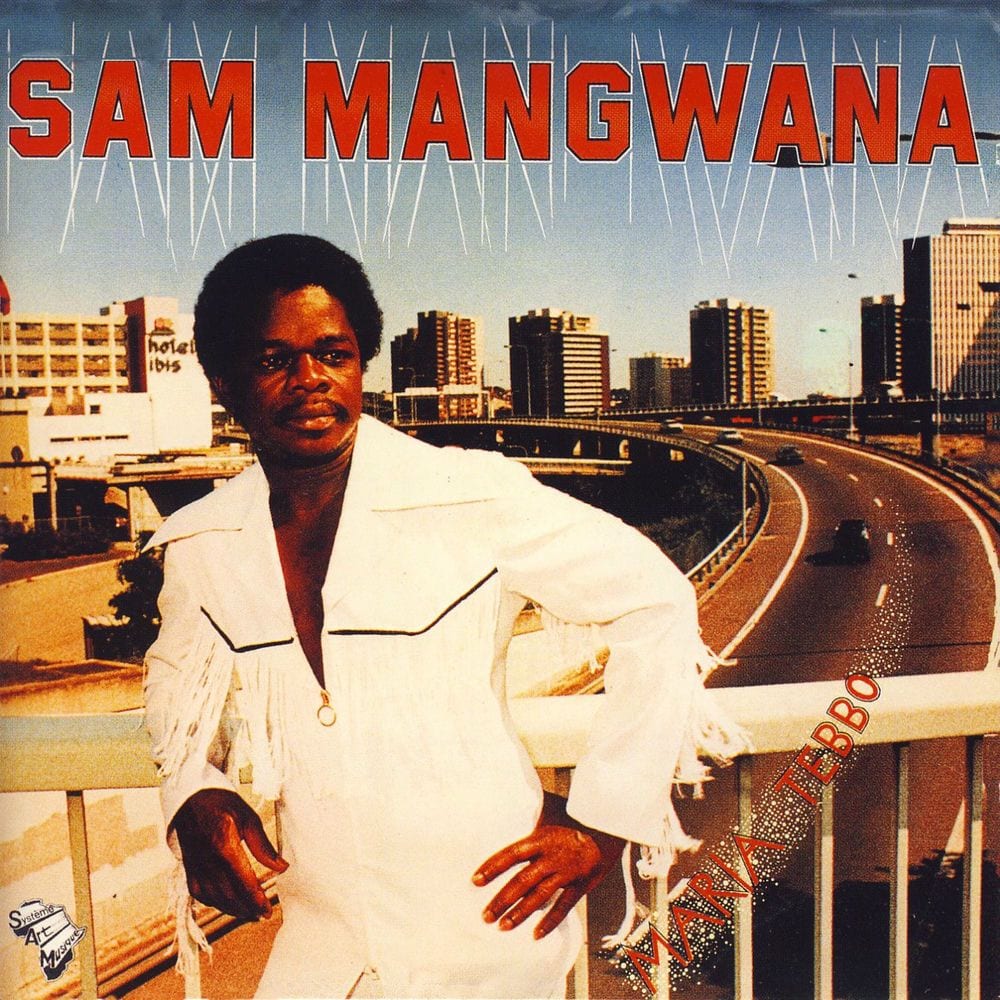
Maria Tebbo
Be the first to rateBorn in Léopoldville in 1945 to Angolan parents, Mangwana sang in African Fiesta at seventeen and then spent the late seventies in Abidjan with the African All Stars, cutting records across Ghana and Togo. Maria Tebbo comes out of that exile: Congolese rumba with West African studio muscle behind it and a singer who had stopped trying to sound like anybody. He never really settled anywhere again, and the records got looser as he went.
- 9

Eswi yo wapi
Be the first to rateA saxophonist in Afrisa recommended her; Tabu Ley auditioned her, renamed her Mbilia Bel and put her in the band in 1981. Her first lead vocal, "Mpeve Ya Longo" in 1982, was about domestic violence and it went everywhere. Within a year the press had her as the Cleopatra of Zairean music and Afrisa was outdrawing TPOK Jazz largely on her account. She left in 1988, after Tabu Ley hired a second woman to sing beside her, and the solo work is where she stops sharing credit.
- 10
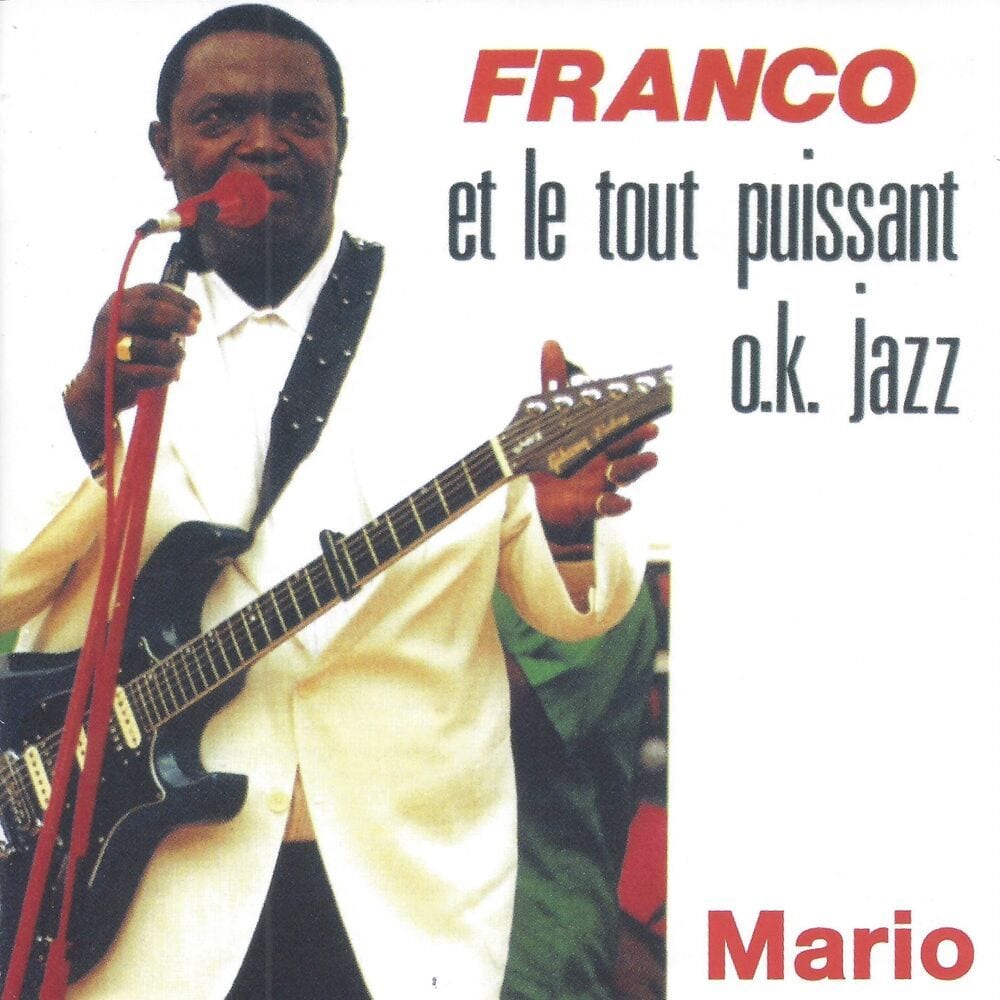
Mario
Be the first to rateA 47-year-old man makes the biggest record of his life. "Mario" is four sides about a kept man sponging off an older woman, delivered at conversational tempo over a band that never once hurries, and it went gold in Zaire at 200,000 copies in 1985. Franco spent his last years using rumba as journalism, right through to 1987's "Attention na SIDA", one of the first African pop records about AIDS. He was dead two years later.
- 11

Non Stop Non Stop
Be the first to rateKanda moved to Paris in 1979 and did what no bandleader in Kinshasa would have dared: he cut the songs short and moved the guitar solo to the front, sometimes to the very top. That is the whole invention, and it turned soukous into something European labels could sell by the single. Dancers got kwassa kwassa out of it. Purists have never forgiven him, which is usually a sign somebody did something right.
- 12
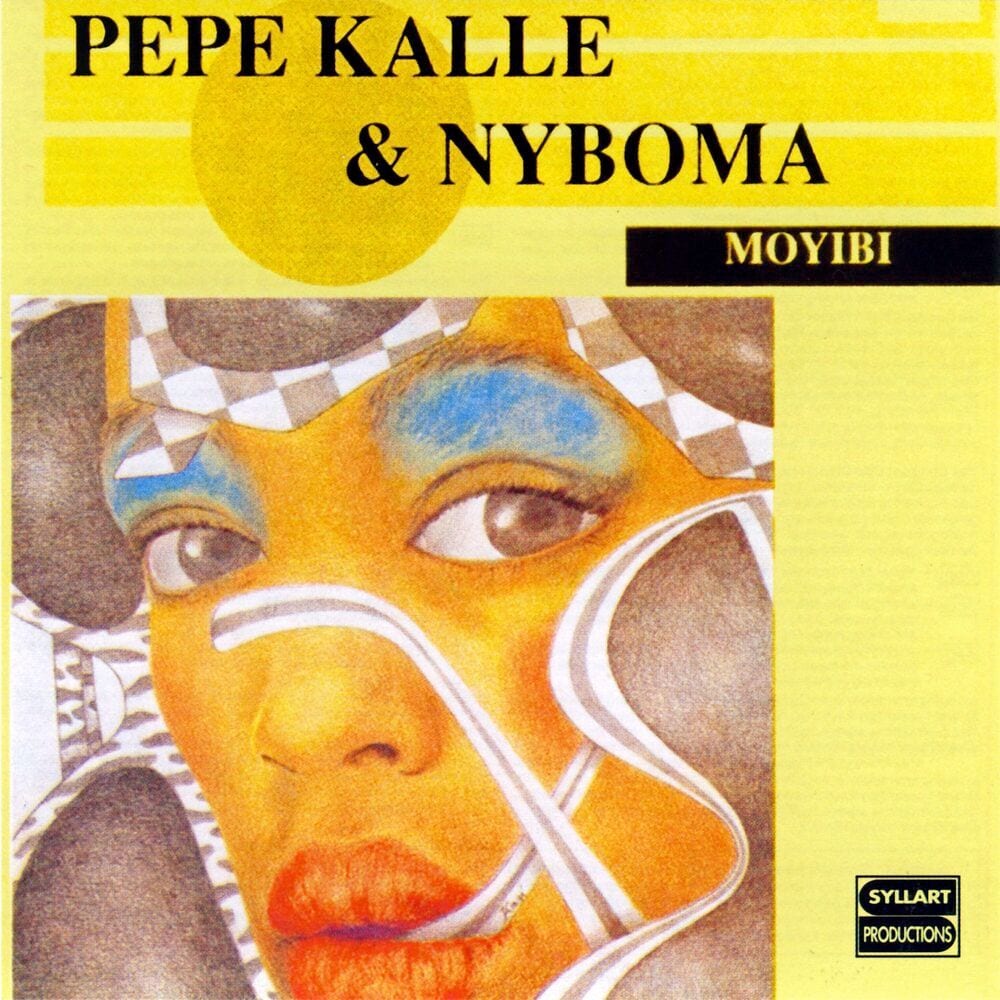
Moyibi
Be the first to rateJean-Baptiste Kabasele Yampanya stood over six feet and called himself the Elephant. Empire Bakuba, going since 1973, was the loudest live proposition in Kinshasa, helped considerably by Emoro, the dwarf dancer who joined in 1985 and worked the size gap with him until he died on stage in Botswana in 1992. Moyibi pairs Kallé with Nyboma in 1988: two enormous voices and a band with no interest whatsoever in restraint. Over a million people turned out for Kallé's funeral in 1998.
- 13

Babeti Soukous
Be the first to rateRecorded in 1989, deep into exile, and the sound of a 49-year-old bandleader keeping pace with players half his age. The horns are still there, unlike everywhere else in the eighties, but the tempos have gone up and the sebenes run longer. It is the most accessible Tabu Ley record for anyone coming in cold, and the least representative of the seventies work, which is the trade-off you make with almost every African album that got a Western release.
- 14
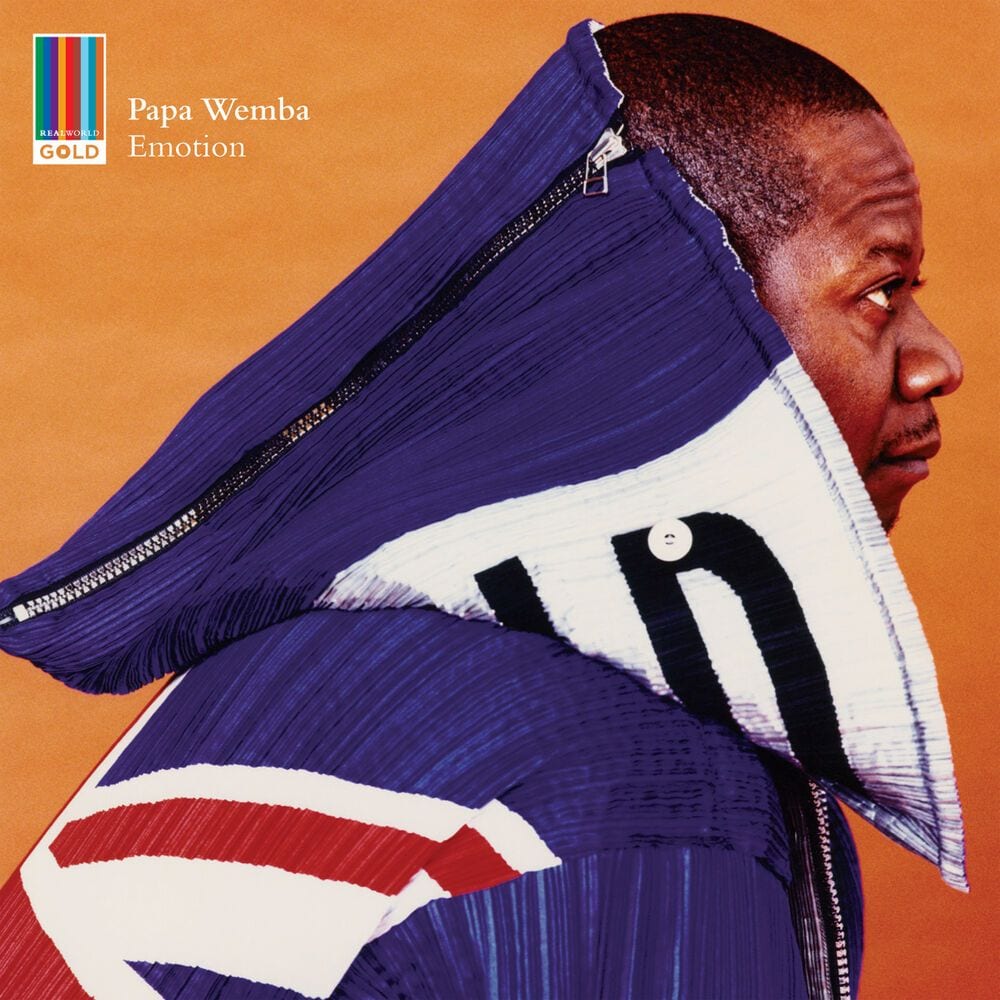
Emotion (Real World Gold)
Be the first to rateWemba left Zaïko in 1974, ran through two short-lived bands and founded Viva La Musica in the second half of the seventies. He also founded a dress code, la SAPE, young Kinois in Japanese and Italian tailoring on no money at all, which is either the vainest or the most defiant thing in this guide depending on your mood. Emotion (1995) is his Real World record, cleaner than the Kinshasa work and built to travel, with that high thin voice sitting on top of everything. He died on stage in Abidjan in 2016.
- 15

Mutuashi
Be the first to rateMuana came from Kasai and sang in Tshiluba rather than Lingala, which in this scene counts as a statement of position. She built a career on mutuashi, a Luba rhythm nobody else was putting on records, and got called its queen. She is also the only artist here arrested over a song: the intelligence service picked her up in November 2020 over "Ingratitude", widely read as an attack on President Tshisekedi. She died in Kinshasa in December 2022.
- 16

Kala Yi Boeing
Be the first to rateWenge started in 1981 as a group of school friends and by the early nineties owned Kinshasa outright. This is ndombolo arriving: the sebene stretched until it is the entire song, the atalaku running the room, the sung part cut back to an introduction you tolerate before the good bit. Everything on Congolese radio for the following fifteen years comes from this record and the two after it.
- 17

Loi
Be the first to rateKoffi ran Quartier Latin and made rumba slower, plusher and far more expensive-sounding, a style he named tcha tcho. Loi (1997) is the peak of it, a double album that treats the sebene as a payoff you have to earn. He is the biggest commercial artist in this guide and the most legally compromised: a French appeals court in Versailles gave him an 18-month suspended sentence in December 2021 for holding four former dancers against their will, having cleared him of the sexual assault charges a lower court convicted him on in 2019.
- 18

Feux de l'amour
Be the first to rateThe solo album that broke Wenge Musica in half. Mpiana put it out in 1997, the band met at a Kinshasa hotel that December, and the meeting ended with two Wenges. Worth hearing on its own terms rather than as a divorce document: it is ndombolo at its most self-assured, cut before the split turned the whole style into a scoring contest.
- 19

Solola Bien !
Be the first to rateWerrason took the other half of Wenge and answered Mpiana in 1999. The rivalry ran for years and it was good for the music, because two large bands trying to out-sebene each other in front of the same city produces better records than either would have made alone. Kinshasa picked sides, loudly, and mostly has not changed its mind since.
- 20

Rumba Congo
Be the first to rateIn 2000 a group of veterans living in France, among them Nyboma, Wuta Mayi, Bumba Massa and the guitarist Syran Mbenza, went into a studio for what was meant to be a one-off. Rumba Congo came out on Stern's in 2001 and plays the fifties and sixties repertoire acoustically, which sounds on paper like a heritage exercise. It is not. It is players who lived through ndombolo deciding, in public, that they preferred the older tempo.
- 21
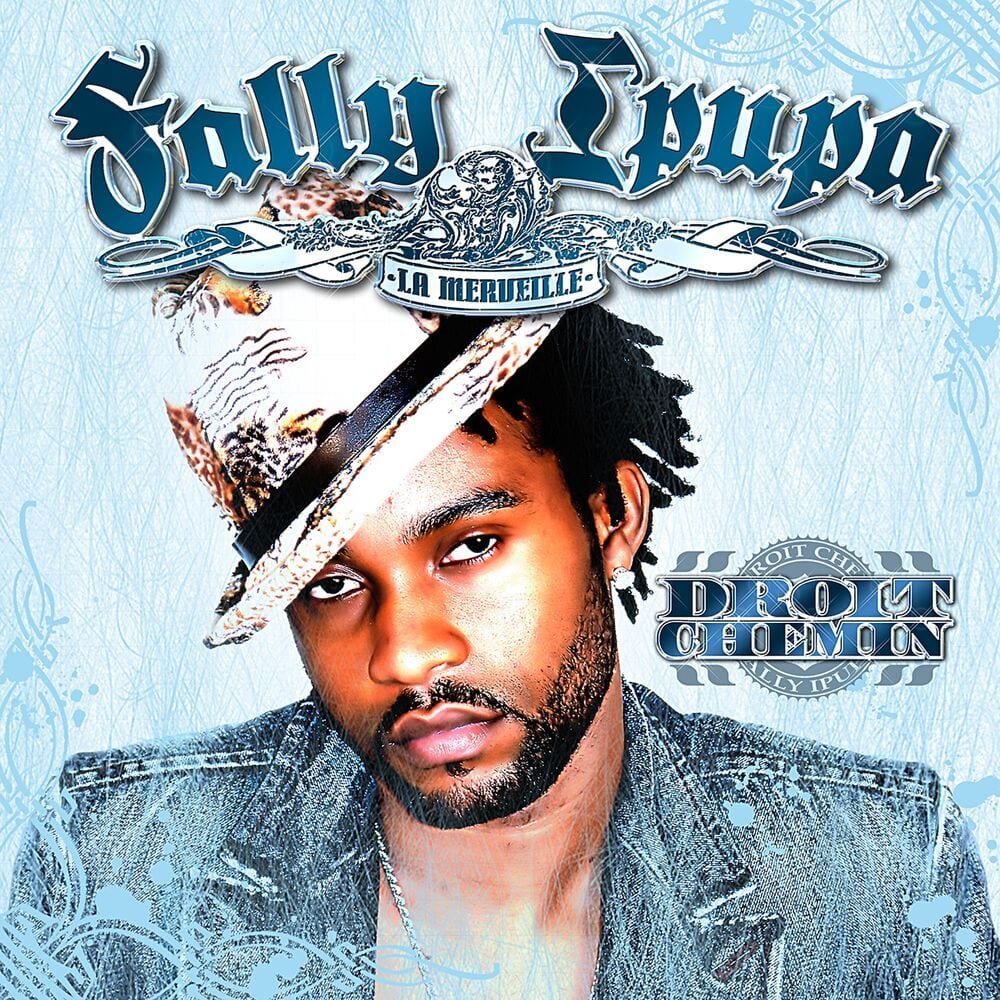
Droit Chemin
★ 5.0 · 1Fally came up in Koffi's Quartier Latin and went out alone in 2006 with Droit Chemin, the point where Congolese pop starts talking to R&B and Lagos rather than only to itself. Purists complained, at length. He has been the biggest Congolese artist alive ever since and the sebene is still in there, just shorter and mixed like a modern pop record.
- 22
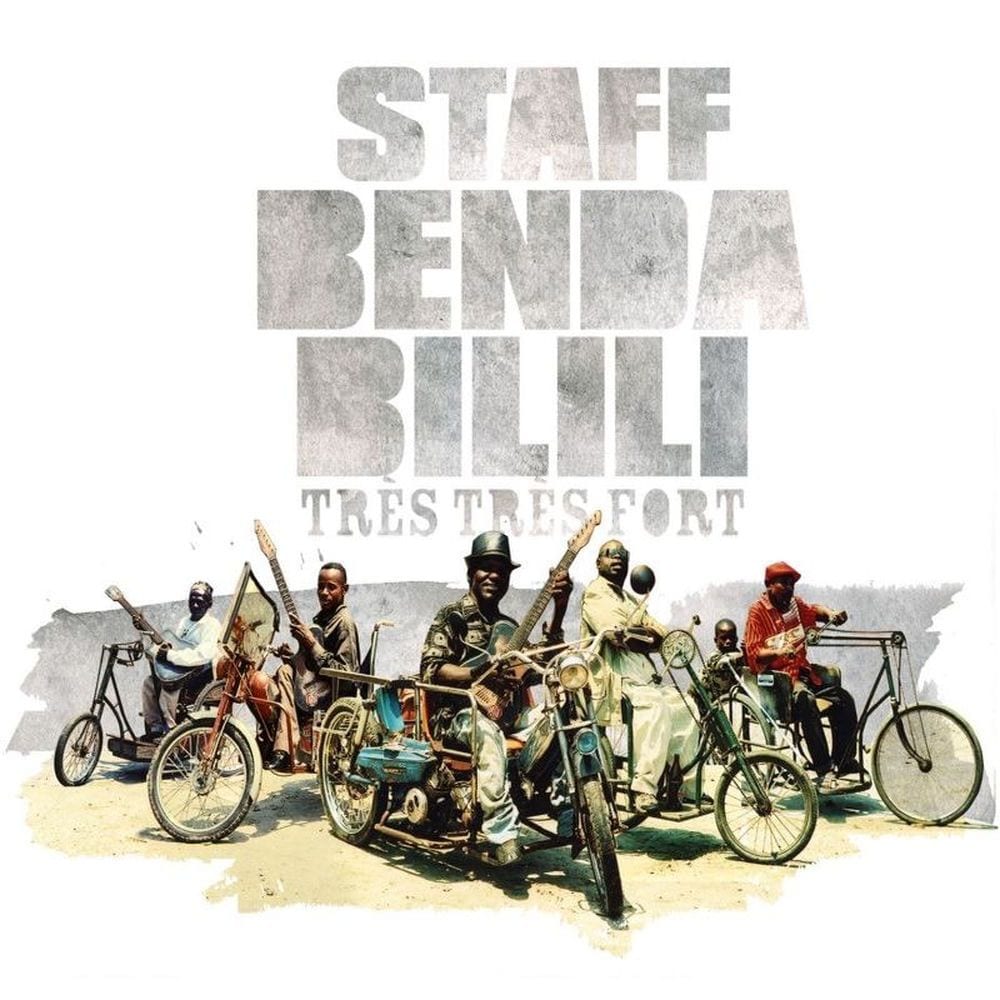
Tres Tres Fort
Be the first to rateFour paraplegic street musicians who had been living around the grounds of the Kinshasa zoo, plus a teenager playing an electrified one-string instrument he built himself. Belgian filmmakers found them, Crammed Discs released Très Très Fort in 2009, and the record refuses every bit of sympathy the backstory invites: the rhythm section swings hard, and the songs are about polio, police and money.
- 23

From Kinshasa
Be the first to rateCoco Ngabali and Théo Nzonza left Staff Benda Bilili in 2013 and made the strangest record here with the Paris producer Liam Farrell, who works as Doctor L. From Kinshasa (2015, World Circuit) runs rumba guitars through drum machines and a great deal of distortion, and it sounds neither nostalgic nor like a European remix job. Sixty-five years after "Indépendance Cha Cha", the argument about what to do with the guitar is still going.


Explore the sound
Artists in this guide
Read next
Emo rap: 15 records from a Tumblr collective to the top of the Billboard 200
GothBoiClique started on Tumblr, making beats out of the emo records its members grew up on. By August 2017 the sound had a No. 1 album. That November it lost Lil Peep.
Scary albums: 17 records that still frighten on a Tuesday afternoon
No werewolves, no organ stabs, no Halloween party. Seventeen records from 1968 to 2019 that scare you with the lights on, and what each one uses to do it.
Def Jux: 16 albums from The Cold Vein to the record El-P finished for a friend
Eleven years, one Brooklyn producer's taste, and a catalog that made New York rap sound like it was coming through a broken radio.
Southern gothic music: 18 albums, and somebody always ends up in the river
Murder ballads, plywood devils, Memphis tapes and a Denver preacher's grandson. The sound of a literary label, from 1958 to now.
Got your own ranking? Build a list or tier of your own.