


Guides/A Riffiter guide
Scary albums: 17 records that still frighten on a Tuesday afternoon
No werewolves, no organ stabs, no Halloween party. Seventeen records from 1968 to 2019 that scare you with the lights on, and what each one uses to do it.
The scariest albums rarely use horror imagery. This guide collects 17 records, from Nico's The Marble Index (1968) and Goblin's Suspiria score (1977) to Khanate's Things Viral (2003), Scott Walker's The Drift (2006) and The Caretaker's Everywhere at the End of Time (2016-2019), each chosen for the specific device it uses to frighten.
Most Halloween playlists are costume parties. "Thriller," a Misfits song, something with a theremin. Fun, and about as scary as a plastic skeleton.
The records below are the other thing. Almost none of them are about monsters. They scare you with a voice that won't resolve, a tape that keeps degrading, a room that is too quiet, a true story told without any comfort around it. Each entry names the device, because that's what actually gets under your skin, and it's more useful to know than a genre tag.
They run in release order, 1968 to 2019. Some of them are hard going. Doom, black metal, noise rock, film scores, an art-song record by a former teen idol and one rap album sit next to each other here because fear doesn't care about genre. If you only have time for one, play Khanate in the dark and report back.
- 1

The Marble Index
Be the first to rateElektra put this out in November 1968, a year after Chelsea Girl had dressed Nico in folk-pop strings. John Cale threw that away and arranged everything around her pump harmonium, adding viola, bells and odd percussion that seem to drift in from another room. The device is temperature: the voice is flat and unhurried, the drone never warms up, and "Frozen Warnings" sounds exactly like its title. It is the first gothic record, made before anyone had a word for it.
- 2

Suspiria (Colonna sonora originale del film)
Be the first to rateCinevox released Goblin's score for Dario Argento's film in 1977, and it works with the screen off. Claudio Simonetti has said the band used a bouzouki and tabla next to a large Moog, which is why the main theme sounds like a music box played by something with too many hands. The device is the whispering: voices half-buried under the melody that your brain keeps trying to turn into words.
- 3

Cop
Be the first to rateSwans' second album (K.422, 1984) is slow, and everything on it is at the same crushing level. Michael Gira barks lines about power and humiliation over drums that land like someone dropping furniture, and nothing ever speeds up to give you relief. The fear here is physical, a sense that the record is leaning on you. If you want the full arc of the band, our [Swans guide](/guides/where-to-start-with-swans-seventeen-albums-in-the-order-you-should-hear-them) runs it in order.
- 4
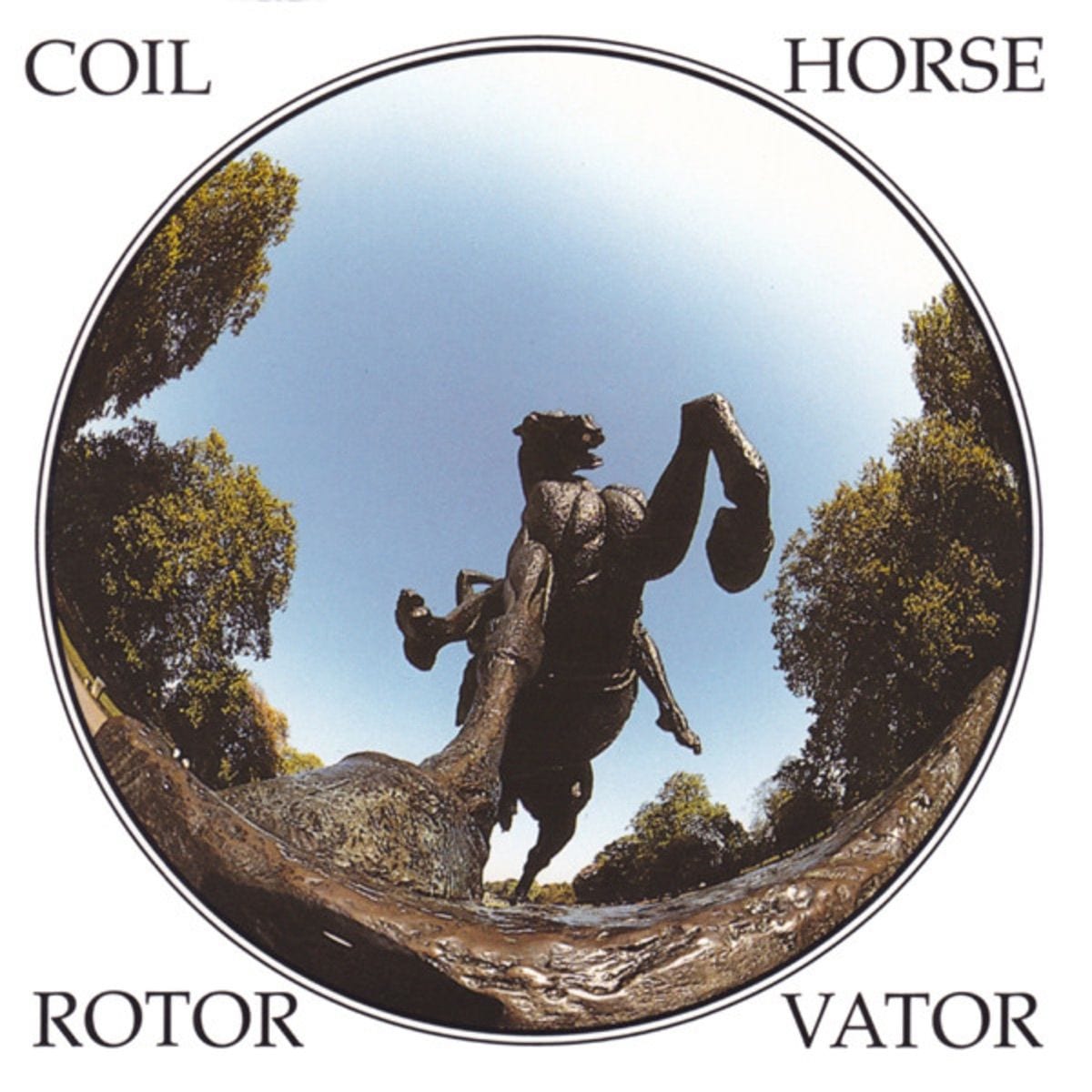
Horse Rotorvator
★ 3.0 · 1The title came from a John Balance dream in which the Four Horsemen of the Apocalypse kill their horses and build a plough out of the jawbones. Coil released it in 1986 on Force & Form, with a cover photo of the Regent's Park bandstand, four years after an IRA bomb went off there. "Ostia (The Death of Pasolini)" is the centrepiece, a quiet, lovely song about a murder. That's the device: beauty that won't look away from what it's describing.
- 5

Plague Mass
Be the first to rateRecorded live on 12 and 13 October 1990 inside New York's Cathedral of St. John the Divine and released by Mute in 1991, this is the capstone of her Masque of the Red Death trilogy about AIDS, begun after her brother died of the disease. Galás moves from psalm to glossolalia to a growl that seems to come up through the floor, and the band mostly gets out of her way. Nothing here is fictional, and that is the most frightening thing about it.
- 6
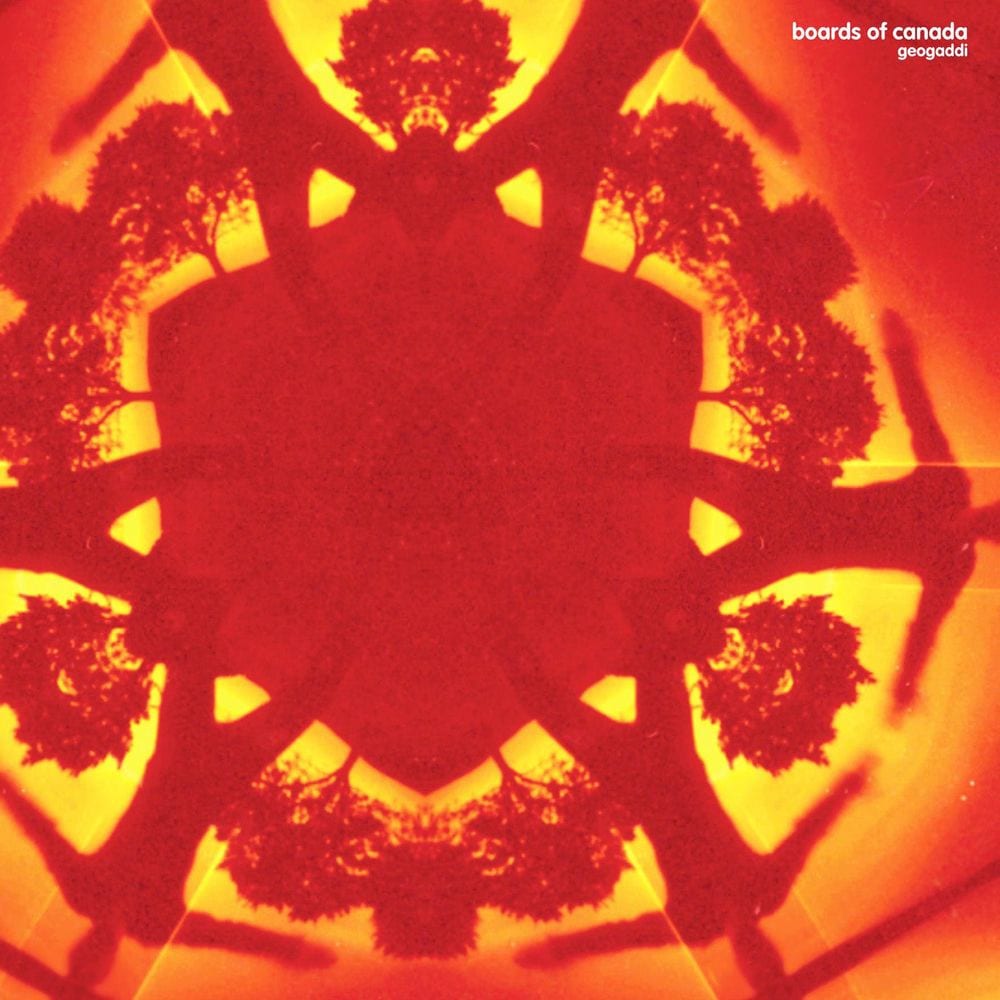
Geogaddi
★ 3.7 · 3Warp, 2002. Sixty-six minutes and six seconds long, threaded with numerology and references to the Branch Davidians, and built from the sound of 1970s educational films. The device is the nice thing gone wrong. Children's voices and nature-documentary synths come through slightly detuned, until you start to wonder what the people who made those films were really teaching you.
- 7

Things Viral
Be the first to rateFour songs, nearly an hour, Southern Lord, October 2003. Stephen O'Malley, James Plotkin and Tim Wyskida play so slowly that the space between notes becomes the music, and Alan Dubin uses it to scream short, sick lines about bodies and obsession. The 19-minute opener "Commuted" is the scariest piece of music on this list. You keep waiting for the next chord, and the waiting is what does it.
- 8
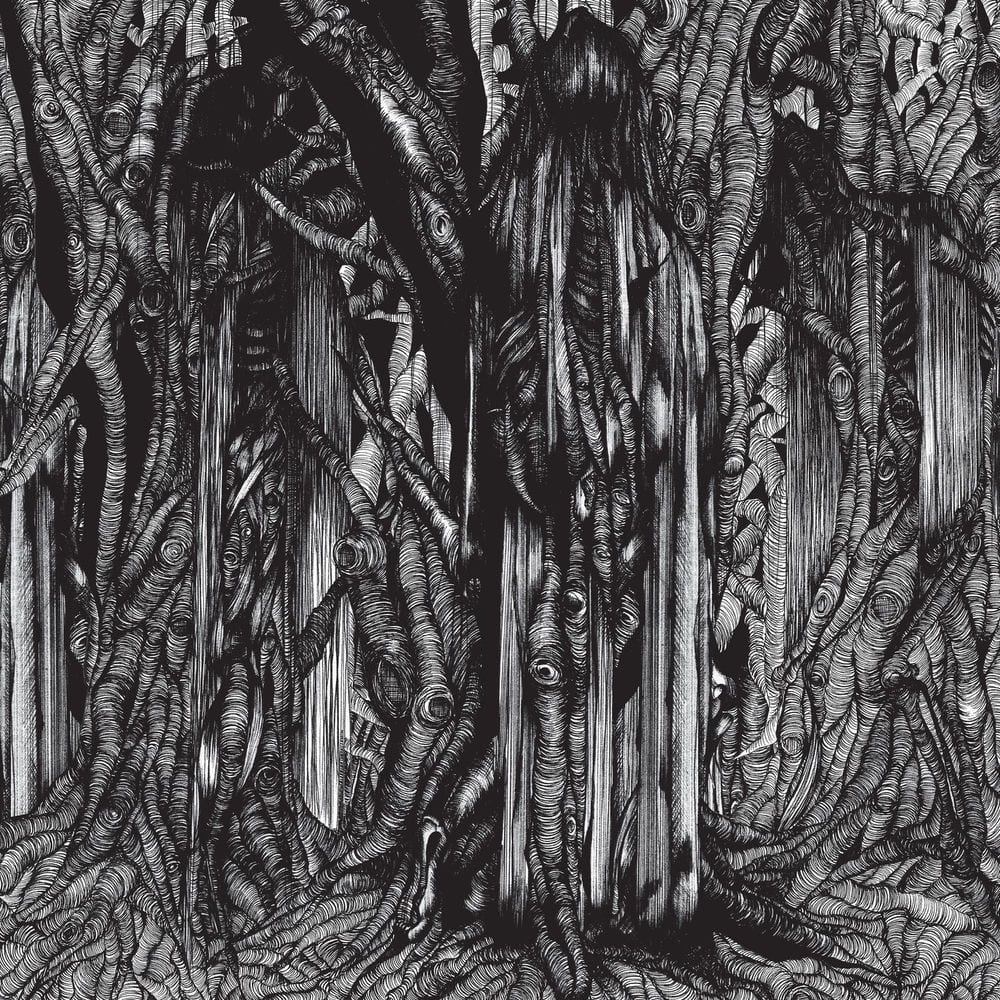
Black One
Be the first to rateSouthern Lord, October 2005. For the closing track, "Báthory Erzsébet," the band locked Xasthur's Malefic, who is claustrophobic, in a coffin loaded into a hearse and recorded what came out. Greg Anderson later admitted the coffin was partly a promotional joke, but you can hear the box around the voice. The rest of the record trades their usual sustained drone for something blacker and more airless.
- 9
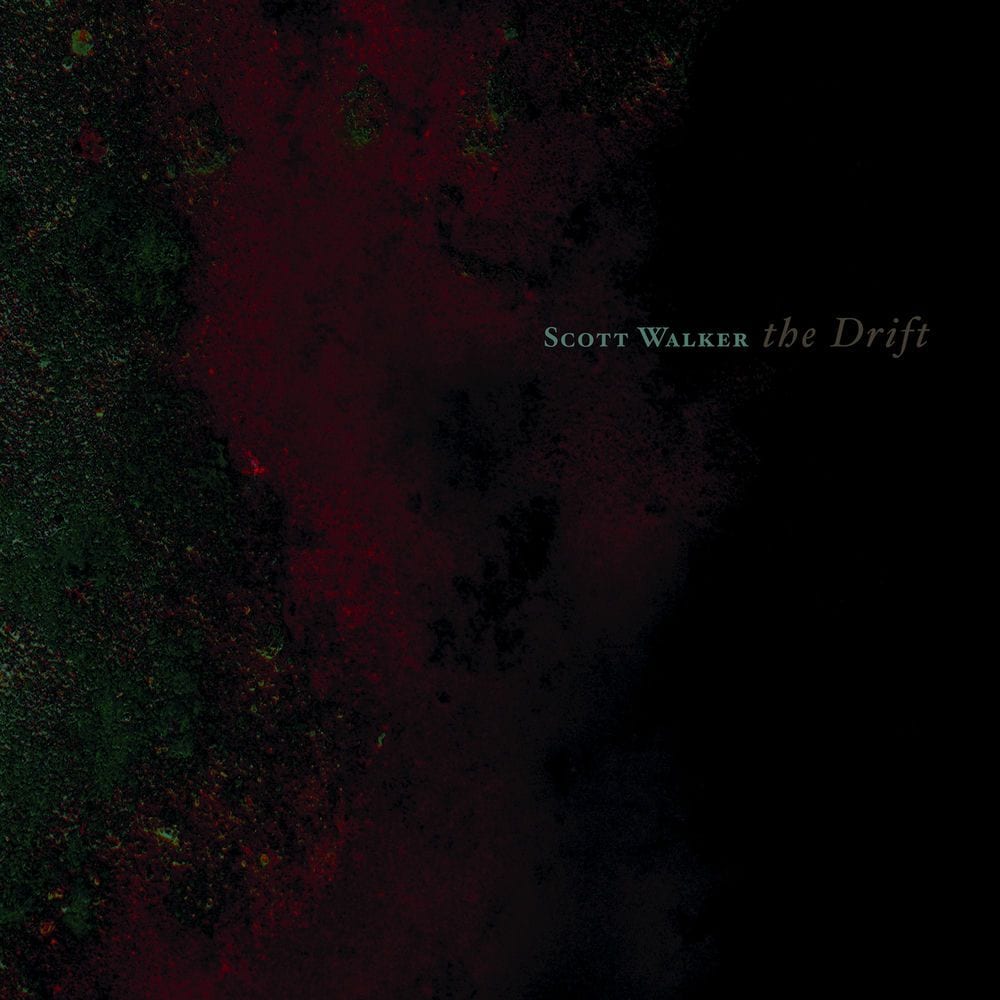
The Drift
Be the first to rate4AD, 2006, his first album in eleven years. On "Clara," about Mussolini and his mistress Clara Petacci, the percussionist Alasdair Malloy punches a side of raw meat to mimic the crowd beating their bodies in Milan. Walker's croon, the one that sold millions of records in the 1960s, floats over orchestral clusters and long silences. We wrote [a whole piece](/blog/the-drift-at-20-how-a-teen-idol-became-the-most-frightening-voice-in-music) on why it frightens the way it does.
- 10
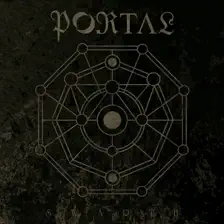
Swarth
Be the first to rateThe Brisbane band's third album came out on Profound Lore on 20 October 2009. It is death metal recorded as a blur: the riffs churn too fast and too low to follow, and The Curator's growl sits inside the mud with them. The device is disorientation. You can't find the edges of anything, so you can't find the floor.
- 11

BY THE THROAT
Be the first to rateAn Australian living in Reykjavík, Frost released this on Bedroom Community in October 2009, and Tim Hecker named it his favourite record of that year. It is quiet for long stretches, then a wall of distortion arrives. A pack of wolves howls through "Peter Venkman," and "O God Protect Me" uses the sound of a life-support machine as its rhythm. Animal fear, the oldest kind.
- 12
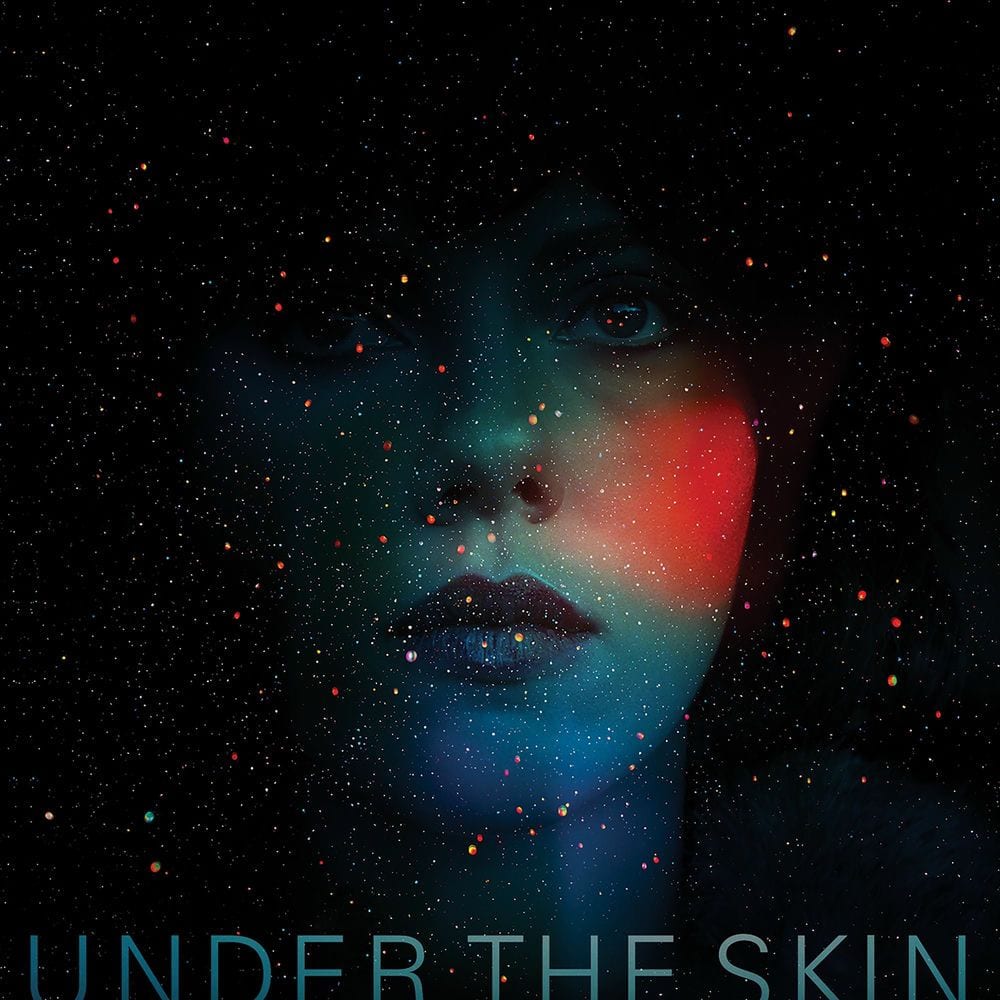
Under the Skin (Original Soundtrack Album)
Be the first to rateLevi wrote this for Jonathan Glazer's 2014 film over about ten months, with viola at the centre, then sped up and slowed down the strings until they sounded alien. The main motif is a few viola notes that slide out of tune as they go. It won her Best Composer at the 2014 European Film Awards, and it is the score on this list that most survives without the film, partly because the film is so quiet.
- 13
Scar Sighted
Be the first to rateJef Whitehead has always made Leviathan alone, and this 2015 Profound Lore album is his best sounding, with Billy Anderson's production giving the riffs a clarity his early tapes never had. The device is the voice. Whitehead croaks, gurgles and chokes in a way that sounds more like illness than performance, over black metal that slows into doom and drags.
- 14
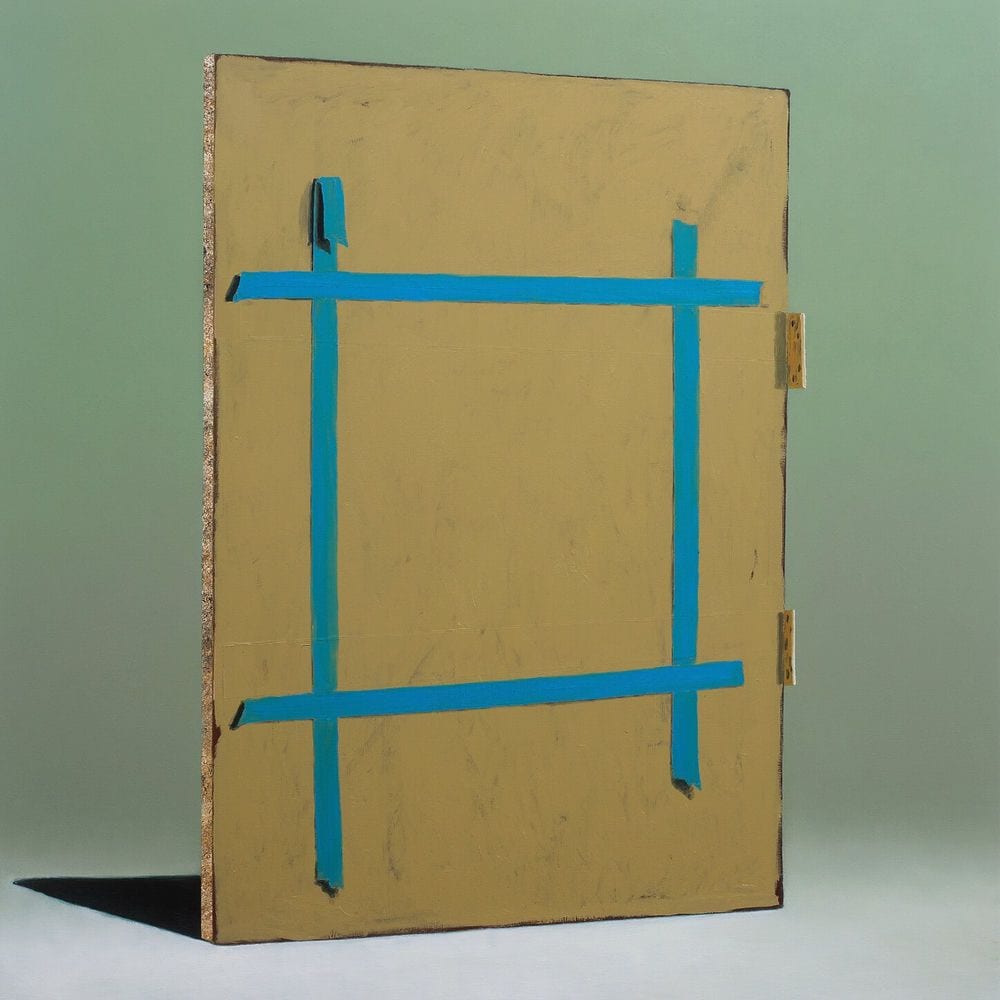
Everywhere at the end of time – Stage 6
★ 4.0 · 1Leyland Kirby's six-stage series (2016-2019) runs about six and a half hours and maps dementia onto the 1930s ballroom records he'd been looping for two decades. The first stages are just sad and hazy. By Stage 6, the last release under the name, the songs are gone and only a crackling, roaring blur is left. The device is memory itself, failing in front of you. Go back to Stage 1 first; it hurts more that way.
- 15
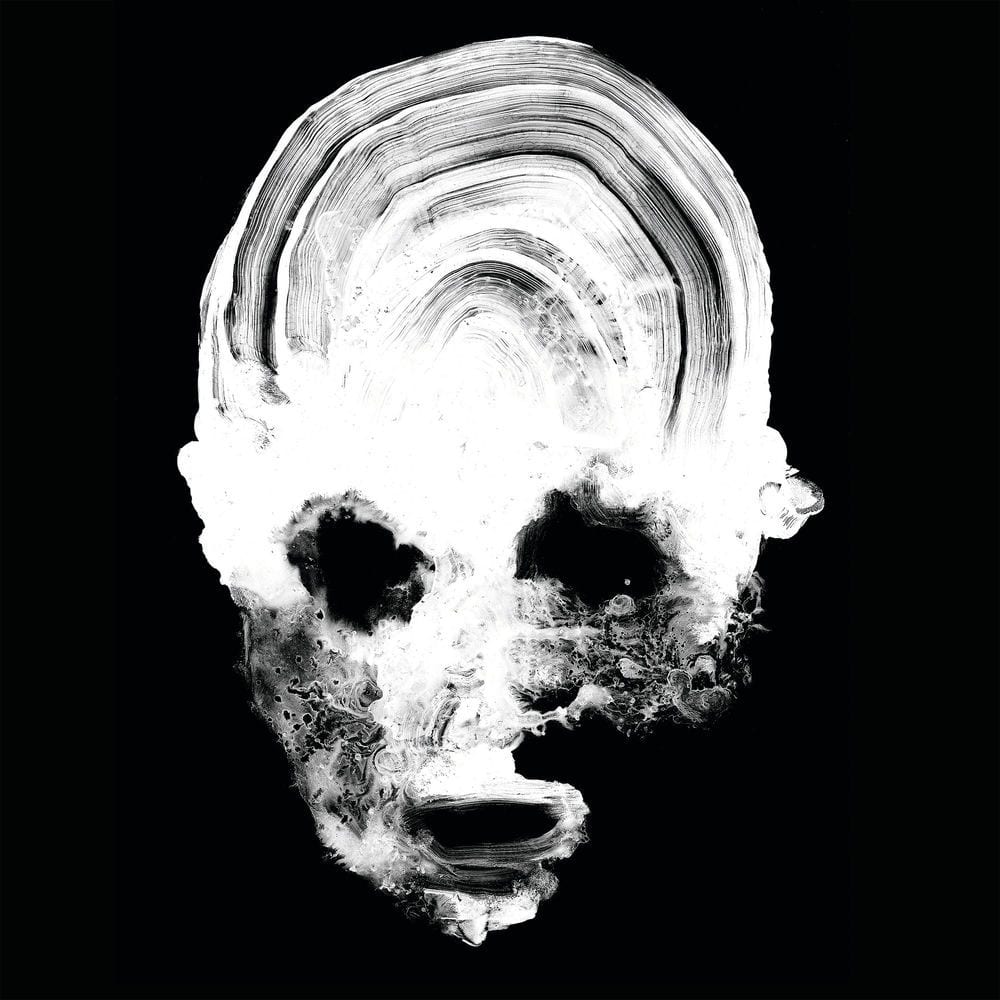
You Won't Get What You Want
★ 3.8 · 2Ipecac, 2018, eight years after their last record. The Rhode Island band swapped grindcore speed for dread: synths that hum like a power plant, and Alexis Marshall half-speaking stories of men falling apart. "The Reason They Hate Me" is the most direct song here. "Guest House" closes with someone begging to be let in, and the door stays shut.
- 16
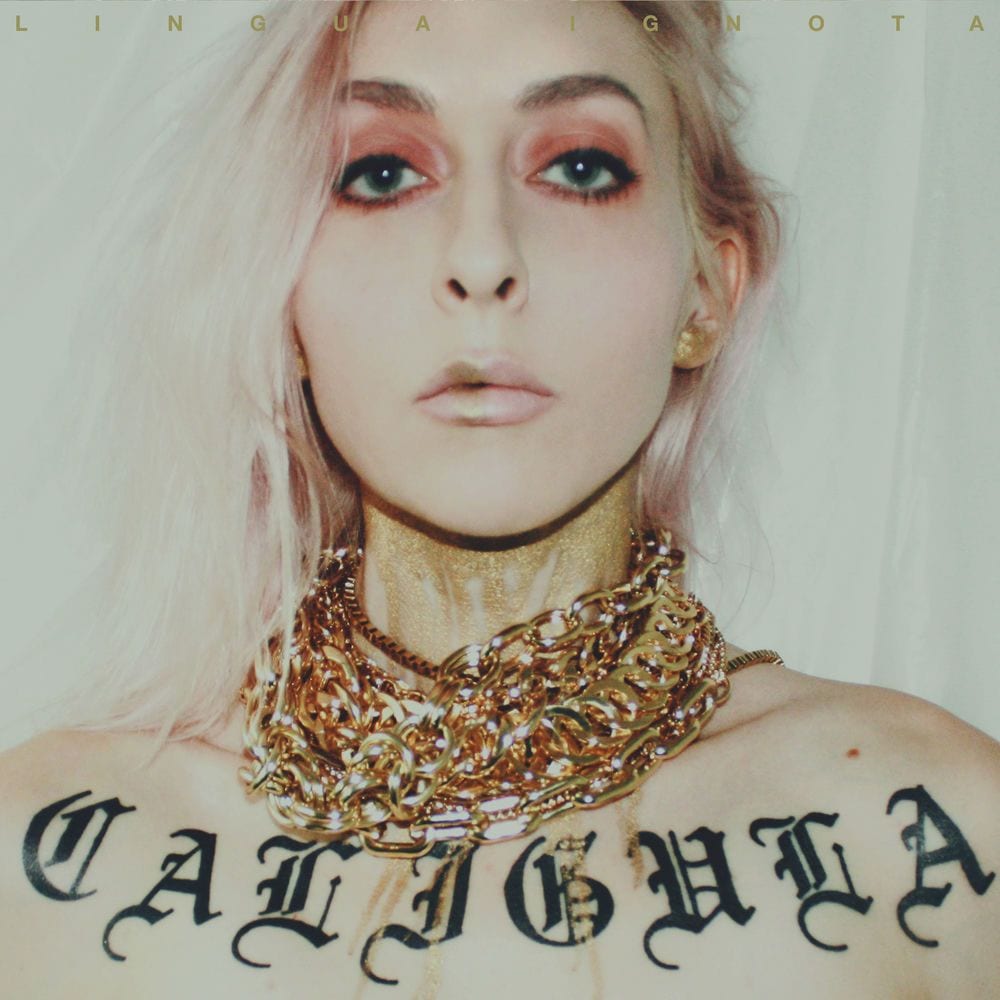
CALIGULA
★ 3.0 · 1Kristin Hayter's Profound Lore album from July 2019 is about violence against women, including what was done to her. She can sing like a church soprano and then scream as if she's being hurt, often in the same bar, over piano, timpani and noise. "Do You Doubt Me Traitor" runs ten minutes and sounds like a revenge that has been planned for years. This one isn't for the background.
- 17

There Existed an Addiction to Blood
Be the first to rateSub Pop, October 2019: Daveed Diggs, William Hutson and Jonathan Snipes making a full album in tribute to horrorcore, the '90s rap genre that most rap fans would rather forget. It's the only record here that uses horror tropes on purpose, and they're played straight, from the haunted-house noise to the stalker stories. It ends with a long recording of a piano being burned, after Annea Lockwood's 1968 piece "Piano Burning," and that crackling silence is how it signs off.


Explore the sound
Artists in this guide
Lists with these albums
Read next
Def Jux: 16 albums from The Cold Vein to the record El-P finished for a friend
Eleven years, one Brooklyn producer's taste, and a catalog that made New York rap sound like it was coming through a broken radio.
Southern gothic music: 18 albums, and somebody always ends up in the river
Murder ballads, plywood devils, Memphis tapes and a Denver preacher's grandson. The sound of a literary label, from 1958 to now.
Rock nacional: 19 albums, and eight of them belong to Spinetta or Charly García
Oktubre turned 40 on 4 October. This is the Argentine canon it sits in, from a song written outside a bar toilet in 1967 to the La Plata indie bands still working the same ground.
Fourth World music: 19 albums from Jon Hassell's first record to his last concert
One trumpeter named a genre in 1980. This is where it went: Eno's studio, Sylvian's Berlin sessions, ECM, Nottingham, Tokyo, and back to a church in Hackney.
Got your own ranking? Build a list or tier of your own.