


Guides/A Riffiter guide
Fourth World music: 19 albums from Jon Hassell's first record to his last concert
One trumpeter named a genre in 1980. This is where it went: Eno's studio, Sylvian's Berlin sessions, ECM, Nottingham, Tokyo, and back to a church in Hackney.
Fourth World is the name trumpeter Jon Hassell gave to "a unified primitive/futurist sound combining features of world ethnic styles with advanced electronic techniques," set out on Fourth World, Vol. 1: Possible Musics, his 1980 album with Brian Eno. This guide runs 19 albums in release order, from Hassell's 1977 debut Vernal Equinox to Music Is Invisible, the edited recording of his final concert, due on his Ndeya label on 2 October 2026.
Most genre names get stuck on a scene by a journalist. This one was coined by the man making the music, which is a big part of why it has aged strangely. Hassell studied with Stockhausen in Cologne and with the Hindustani singer Pandit Pran Nath, and Fourth World was his word for music that belonged to no single country. He called his 1983 record "a proposal for a coffee-colored classical music of the future."
The trouble is built into the pitch. A composer from Memphis imagining a world out of Senegalese drums, ragas and field recordings from Malaysia is a traveller's fantasy, and some of the records below lean into that harder than others. Hassell himself was furious when Eno and David Byrne took the idea somewhere more commercial. That argument is half the story, so it gets told here instead of smoothed over.
The list follows his line, then the people who reached the same place on their own: a Japanese percussionist playing Coke bottles, two British post-industrial projects on the same Dutch label, a Norwegian trumpeter bringing it into drum'n'bass tempos, a Portland duo faking the whole thing with software on purpose. It ends this week. The last Hassell album, recorded at his final concert in 2015, comes out on Friday.
- 1
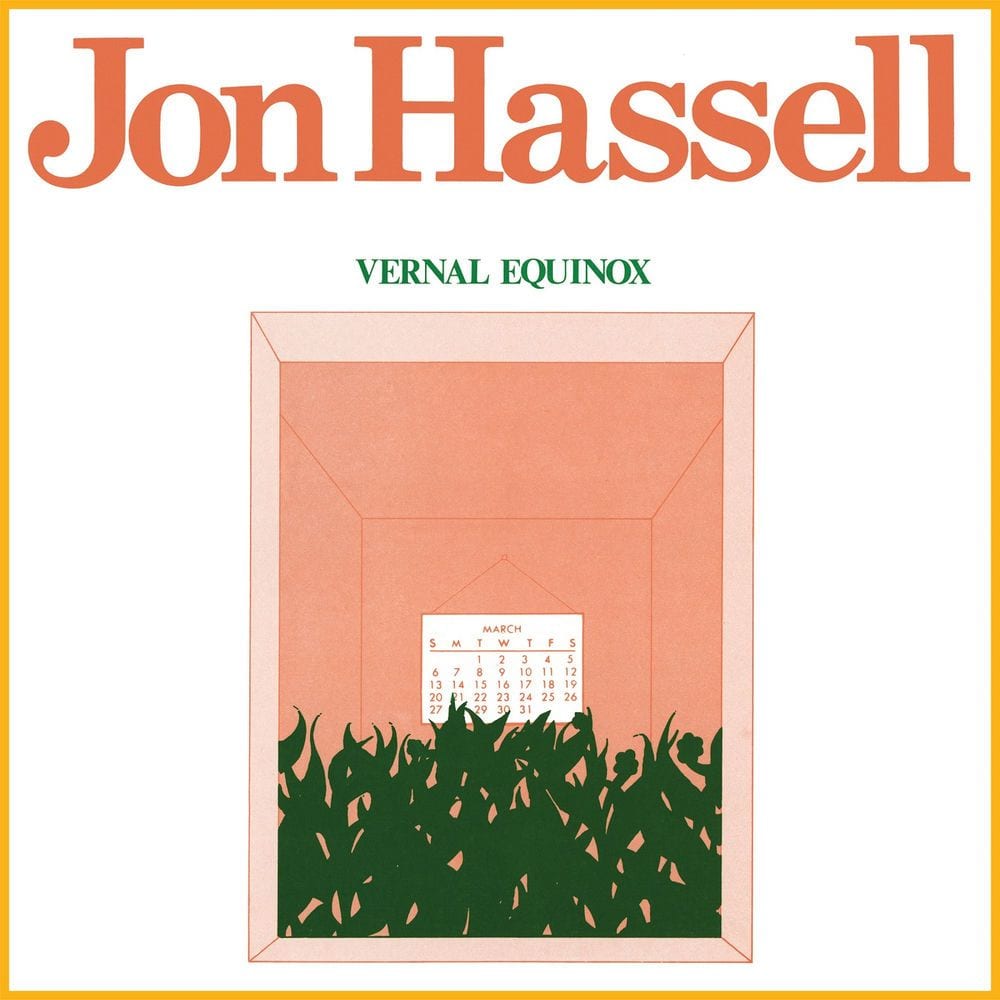
Vernal Equinox
Be the first to rateHassell's first commercially released record, put out by Lovely Music in 1977, three years before he had a name for what it was. Naná Vasconcelos plays percussion and David Rosenboom plays synth, and the trumpet already runs through enough processing to sound half-sung. Ndeya reissued it on the 2020 vernal equinox, its first vinyl pressing in 42 years. Start here to hear the idea before it had a manifesto attached.
- 2

Codona
Be the first to rateCollin Walcott on sitar and tabla, Don Cherry on trumpet and wood flute, Vasconcelos again on berimbau and cuíca, recorded at Tonstudio Bauer in Ludwigsburg in September 1978 and released by ECM the next year. There are no electronics, so by Hassell's own definition it's only half the recipe. It earns the spot because Cherry had been making this kind of music since Mu in 1969, and because "Colemanwonder," an Ornette Coleman and Stevie Wonder medley, is the least precious cross-cultural track on this list.
- 3
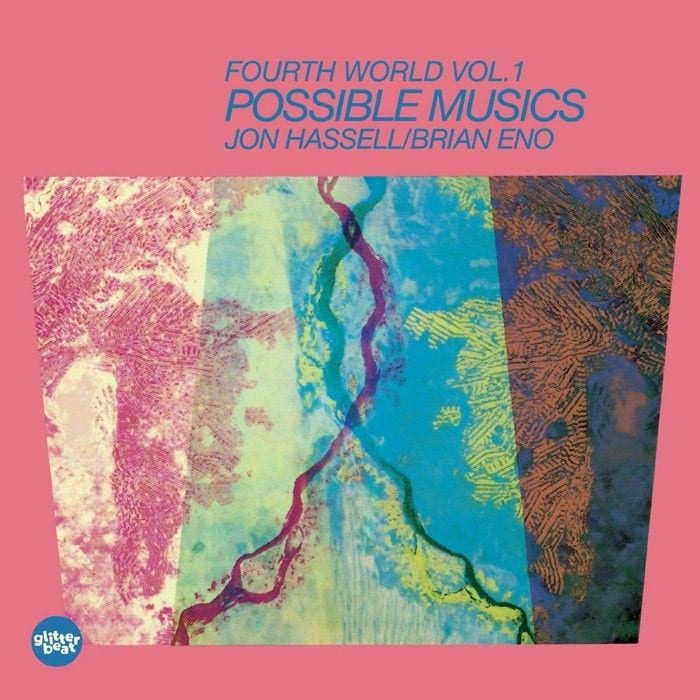
Fourth World, Volume 1: Possible Musics
Be the first to rateThe record that named the thing. Cut at Celestial Sounds in New York and released on Editions EG in April 1980, with Vasconcelos and Aïyb Dieng on ghatam and congas and Eno on treatments. Robert Christgau put it sixth on his Pazz & Jop ballot that year. The trumpet sounds like a voice from a country that doesn't exist, and the next entry shows how quickly that country got borrowed.
- 4
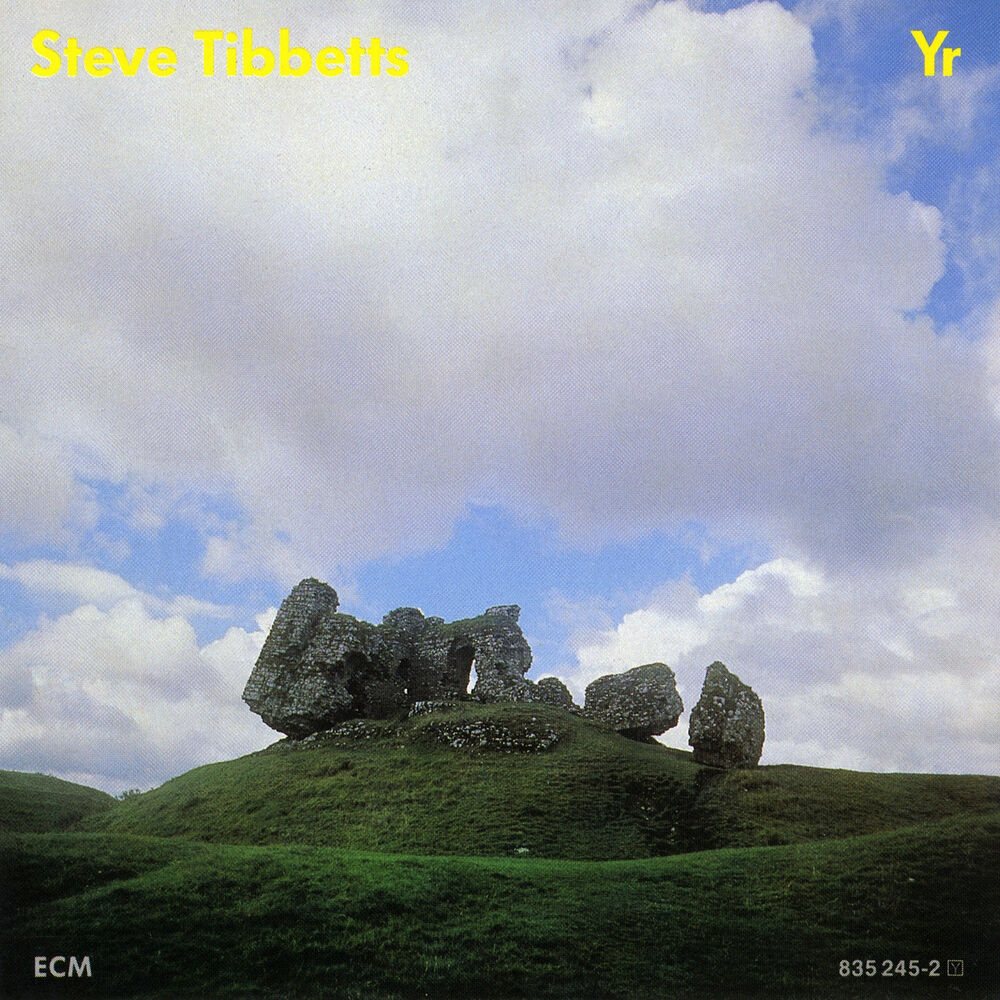
Yr
Be the first to rateA guitarist working out of St. Paul, Minnesota, putting records out on the tiny Frammis label. Yr (1980) is his first with percussionist Marc Anderson, who has played on most of his records since. Tibbetts calls what he does "post-modern neo-primitivism," which is Fourth World with a Midwestern shrug, and he brings something Hassell never did: a rock guitarist's appetite for distortion, dropped into the hand drums and loops.
- 5
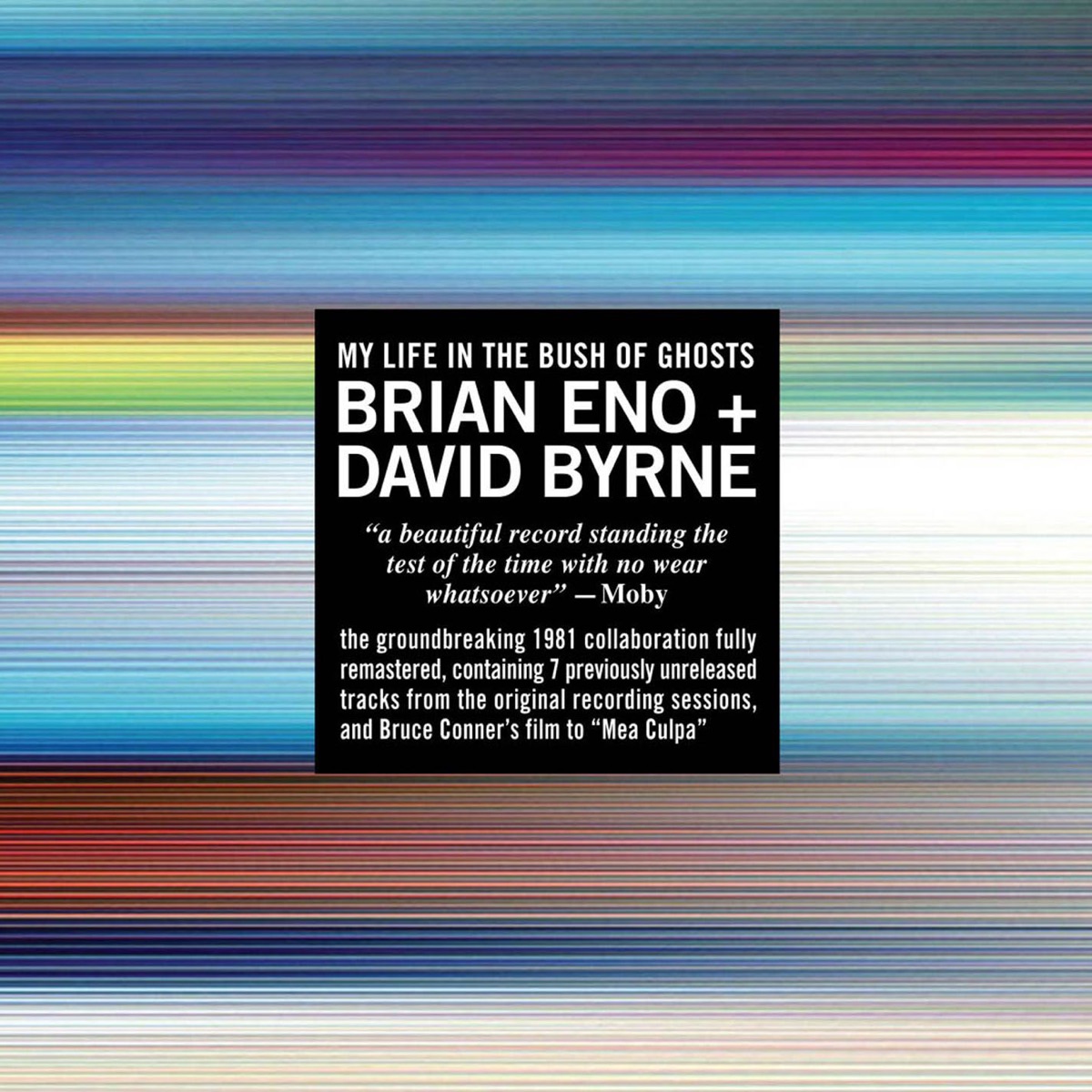
My Life In the Bush of Ghosts
Be the first to rateThe famous one, and the one Hassell couldn't forgive for years. He found it too commercial and said so in Interview magazine, taking a swipe at Eno's "lack of musical pedigree" along the way; the two made peace later. Byrne and Eno replaced his trumpet with voices lifted off radio broadcasts and records, which made the album a sampling landmark and left its ethics question wide open. It's the fork in the road: Fourth World with the composer removed.
- 6
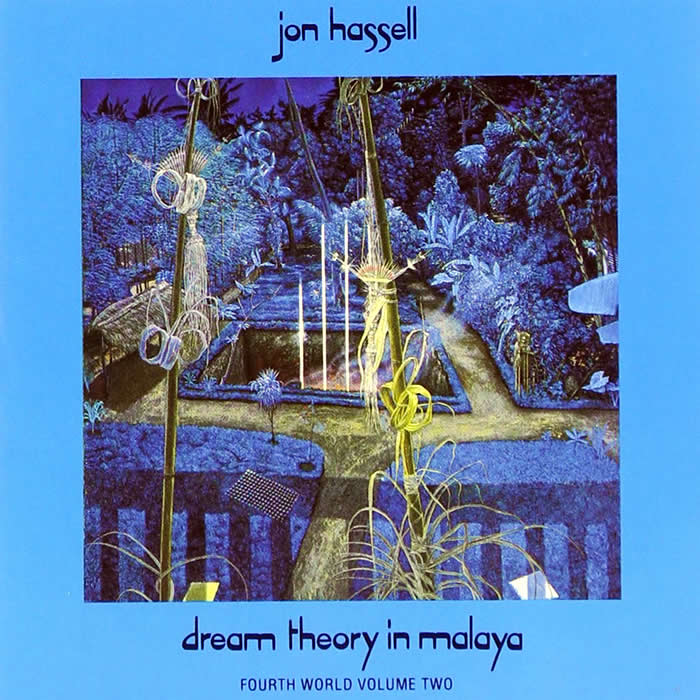
Fourth World, Volume 2: Dream Theory in Malaya
Be the first to rateNamed after Kilton Stewart's accounts of the Senoi of Malaysia and their morning dream-sharing, a story the dream researcher G. William Domhoff took apart in his 1985 book The Mystique of Dreams. That makes it a record about an imagined place twice over, and it's the purest thing Hassell made. Recorded at Grant Avenue in Hamilton, Ontario with Bob and Daniel Lanois; the centerpiece, "Malay," builds its pulse from a recording of Semelai people splashing water.
- 7
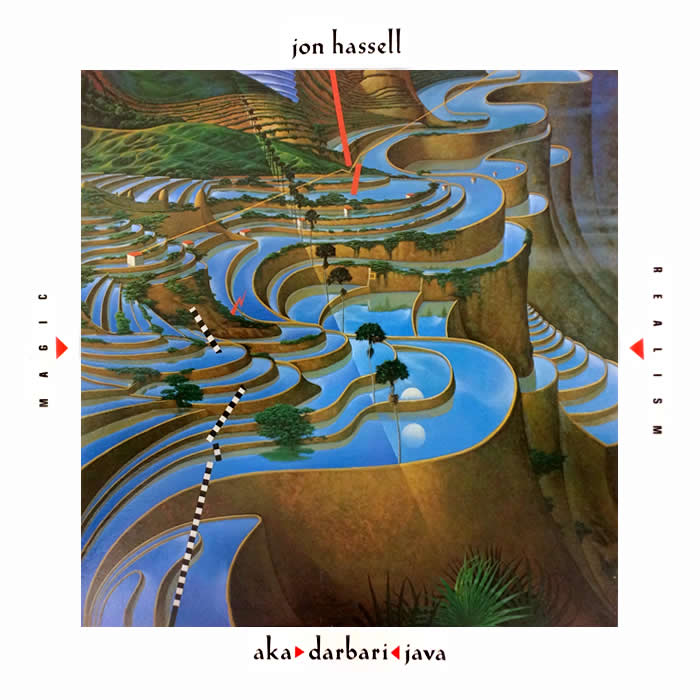
Aka/Darbari/Java: Magic Realism
Be the first to rateThe "coffee-colored classical music" line comes from these liner notes. Hassell loops fragments of recorded sound, traces the raga Darbari across it and lays the whole thing over Senegalese drumming by Abdou M'Boup, recorded separately in Paris. Grant Avenue again, 1982, Lanois co-producing. Five parts called "Empire" and two "Darbari Extensions": the most collaged and least comfortable of his EG records, and the one that sounds most like now.
- 8
Through the Looking Glass
Be the first to rateRecorded in three days in early 1983 with Takada playing every part: marimba, gongs, reed organ, ocarina, vibraphone, piano and a set of glass Coca-Cola bottles. Hardly anyone bought it. YouTube found it thirty-odd years later, and the 2017 WRWTFWW reissue became the second best-selling 2017 release on Discogs. She came up through the Mkwaju Ensemble with Joe Hisaishi and got to African percussion and minimalism by her own road; Hassell isn't the source here, just a neighbour.
- 9

Brilliant Trees (Remastered 2003)
Be the first to rateA number 4 album in the UK, which makes it the biggest seller here by a distance. Sylvian had just left Japan and started the sessions at Hansa in Berlin in August 1983, with Holger Czukay, Kenny Wheeler and Ryuichi Sakamoto around him. Hassell plays on "Weathered Wall" and the title track, which he co-wrote. If you came to this from art-pop, those two songs are the door in.
- 10

Hybrid
Be the first to rateBrook played bass and coordinated Dream Theory in Malaya, then made his own version on EG in 1985 with Eno and Lanois. He also built the Infinite Guitar, a sustain device The Edge borrowed for The Joshua Tree two years later. Hybrid is Fourth World from the guitarist's chair, notes held until they sound bowed, Indian and African rhythms underneath. Brook went on to produce Nusrat Fateh Ali Khan's Mustt Mustt, so the thread keeps going.
- 11
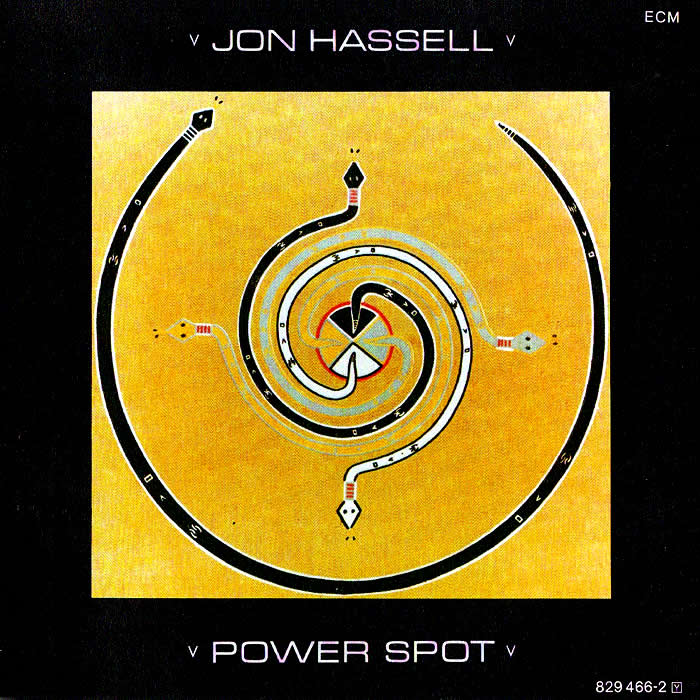
Power Spot
Be the first to rateRecorded in Hamilton across 1983 and 1984 with Eno and Lanois co-producing, released by ECM in 1986. It's the most sober of his eighties records: keyboard drone, slow hand percussion, and a trumpet he plays by singing into it as much as blowing. If Dream Theory is the dream, this is the long drive home afterwards.
- 12
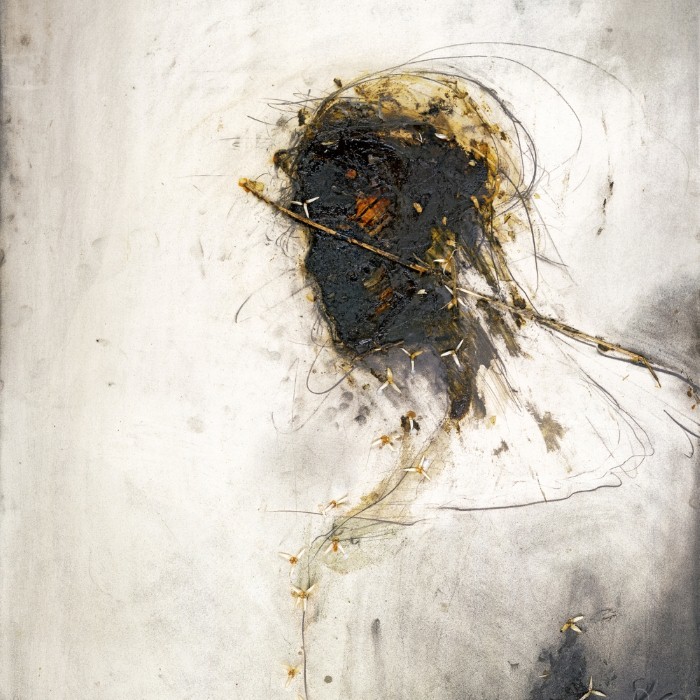
Passion: Music for the Last Temptation of Christ
Be the first to rateGabriel's score for Scorsese's film, recorded at his new Real World Studios in Box, Wiltshire between February 1988 and March 1989. Nusrat Fateh Ali Khan, L. Shankar, Baaba Maal and Hossam Ramzy are on it, and so is Hassell. It won the Grammy for Best New Age Album, which tells you where the industry had filed all of this by the end of the decade. Gabriel has called it maybe the best thing he ever did, and he might be right.
- 13
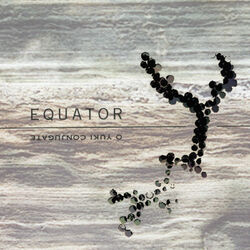
Equator
Be the first to rateA Nottingham group, founded in 1982 by Roger Horberry and Andrew Hulme, filed over the years under ambient, tribal, ethnic and dark wave. Equator came out on Staalplaat in 1994, co-produced by Paul Schütze. It's the British post-industrial answer to Power Spot: the same hand drums and drones, heard through tape hiss and a much colder sky.
- 14

Fallen Gods
Be the first to rateRobin Storey left :zoviet*france: in 1992 to chase the non-Western music that band had no room for, and named the new project after his young nephew's attempt at saying "Robin." Fallen Gods, also on Staalplaat in 1994, is built from processed loops of drums and voices that never resolve into anything like a song. It's the most hypnotic record on the list and the one that raises Hassell's problem most bluntly, because the loops never tell you whose they are.
- 15
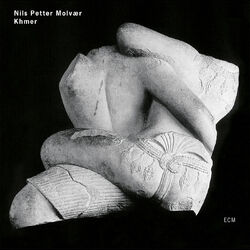
Khmer
Be the first to rateRecorded in 1996 and 1997 and issued as ECM 1560. AllMusic called it surely the most unusual album the label ever released, and it's hard to argue: a Norwegian trumpeter running his horn through Hassell-style processing over house and drum'n'bass rhythms, slowed right down and played on real drums. This is the record that proved the idea could survive a club.
- 16

Chiaroscuro
Be the first to rateThe Supersilent trumpeter plays like a shakuhachi player, with Jan Bang sampling live and Audun Kleive on percussion you mostly feel. Where Hassell mapped imaginary continents, Henriksen stays in one dim room. Released on Rune Grammofon in 2004, and the best case for the Norwegian branch being the healthiest one this tree grew.
- 17
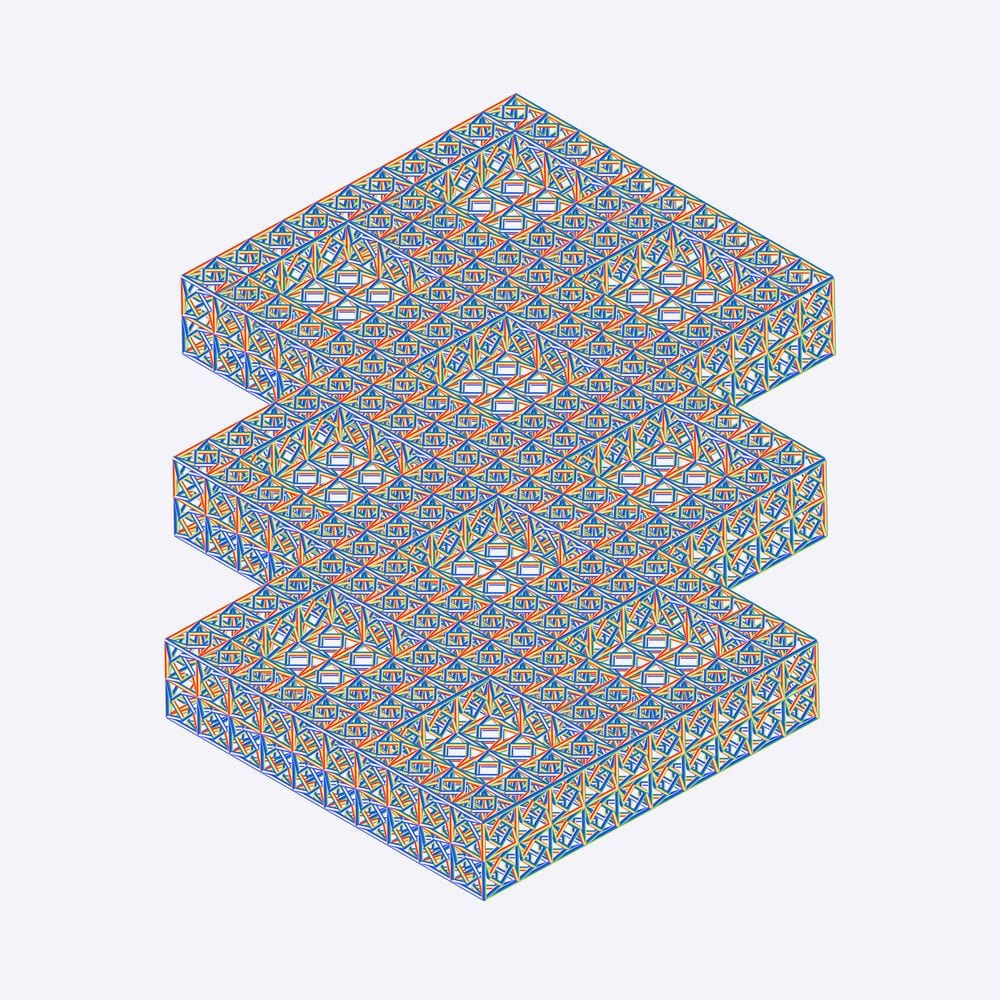
Reassemblage
Be the first to rateSpencer Doran made a 2010 mix called Fairlights, Mallets & Bamboo that dug into what he called fourth world undercurrents in early-eighties Japanese pop and ambient, and later compiled Light in the Attic's Kankyō Ongaku. Reassemblage, his 2017 RVNG Intl. album with Ryan Carlile, is named after Trinh T. Minh-ha's 1982 film and built from hyper-realistic software instruments that never pretend to be anything else. Fourth World as simulation, honest about the artifice, which might be the only way left to make it.
- 18
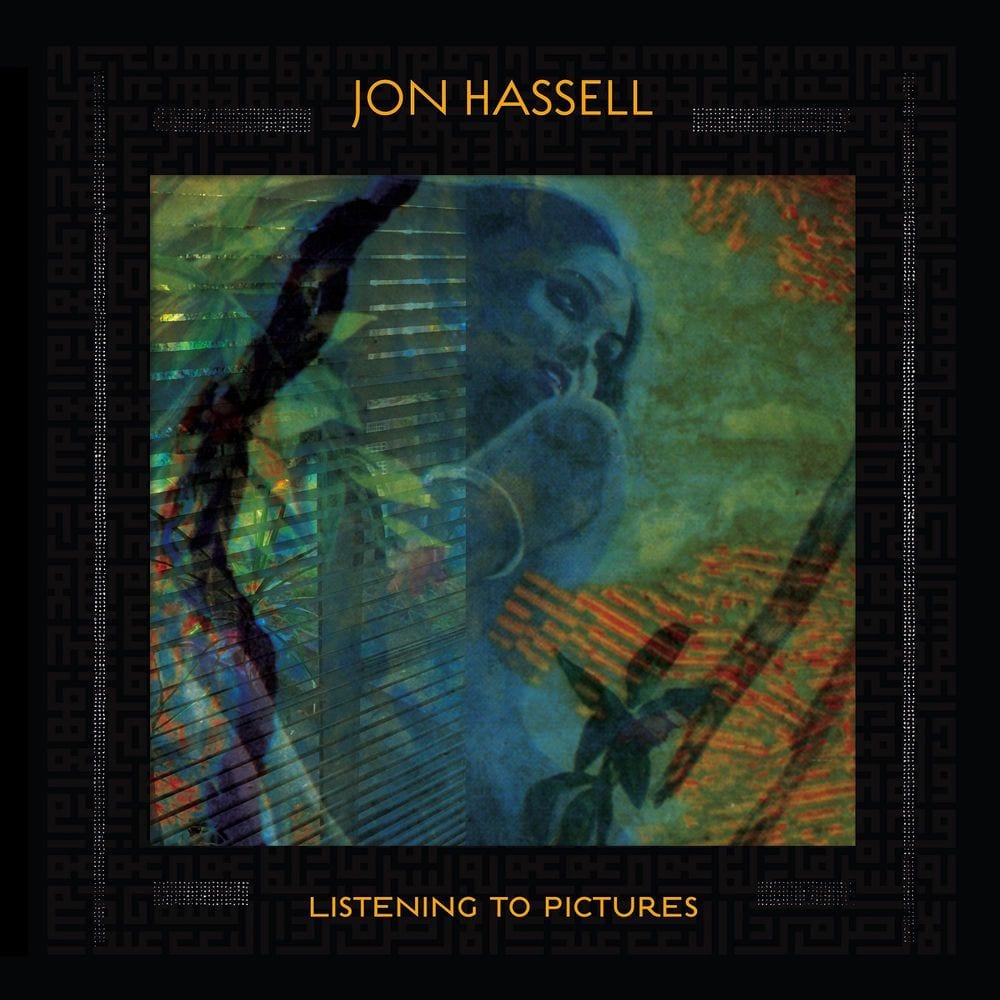
Listening To Pictures (Pentimento Volume One)
Be the first to rateHassell was 81, and this was the first release on his own Ndeya label. A pentimento is an earlier layer of paint showing through a finished picture, and the record works that way: trumpet, Rick Cox's guitar and Hugh Marsh's violin cut up and stacked. The Guardian heard Oneohtrix Point Never and Boards of Canada in it. Fair enough, though the influence ran the other way.
- 19

Music Is Invisible (Pentimento Volume Three)
Be the first to rateDue on 2 October 2026 on Ndeya, five years after he died in June 2021. It's his final concert, at St John at Hackney in London in 2015, a trio with Rick Cox and John von Seggern, edited and mixed afterwards by Jeff Rona into four long pieces. Themes from Listening to Pictures and Seeing Through Sound turn up in rough early shapes, so the trilogy closes on the sketch rather than the painting. Rate it when it lands; we'll be arguing about where it sits.


Explore the sound
Artists in this guide
Read next
Kranky Records: 18 albums from the label that made patience a house style
Drone, dub-soaked post-rock, slowcore and the Deerhunter years, from KRANK 001 in 1993 to Grouper's Shade.
Gone, not finished: 19 albums that arrived a decade or more late
Ranked by how long the silence lasted, from Linda Perhacs' forty-four years down to Portishead's eleven.
Rock progressivo italiano: 22 albums, and most of these bands only got one
Italy's prog boom lasted about five years, produced a staggering number of records, and left a scene full of one-album bands.
The whole band was one person: 22 albums made alone
Wendy Carlos in a Manhattan apartment, Springsteen in a bedroom, Jane Remover recording guitar one string at a time. Records where a single player covered every part.
Got your own ranking? Build a list or tier of your own.