

Artist
David Byrne
David Byrne is a pop artist from Dumbarton, Scotland, United Kingdom formed in 1970. 44 releases are catalogued on Riffiter.
Pop · Dumbarton, Scotland, United Kingdom · Best pop albums
- 44
- Releases
- 1981–2026
- Active years
- 1970
- Formed
Discography
24
Most popular
Who Is the Sky?
2025 · 13 tracks
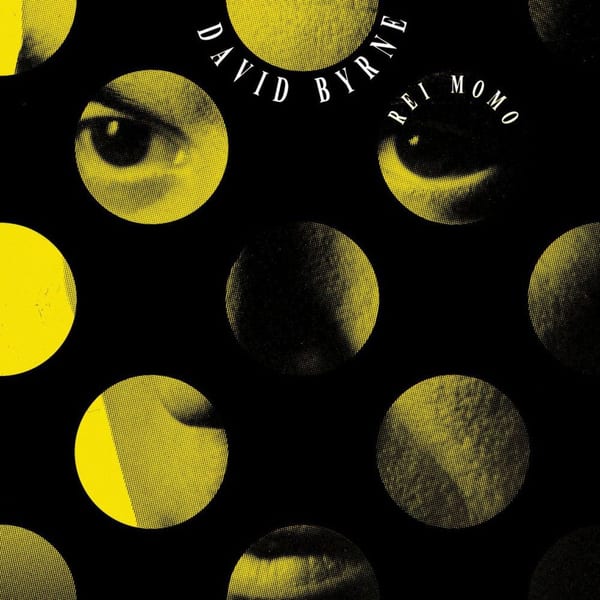
Rei Momo
1989
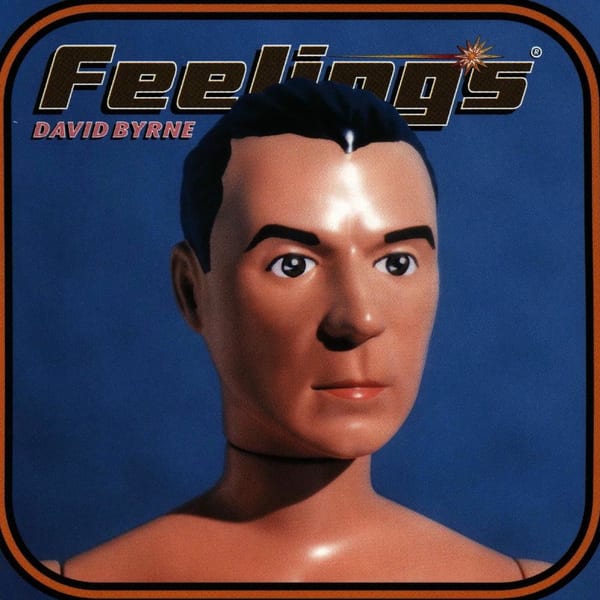
Feelings
1997
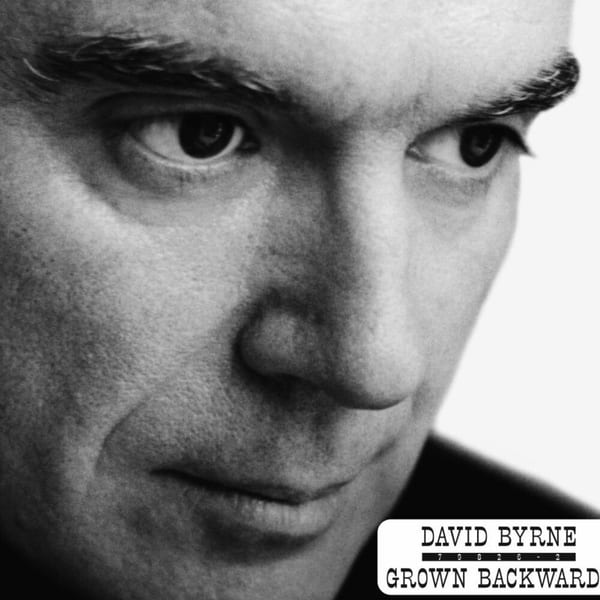
Grown Backwards
2004
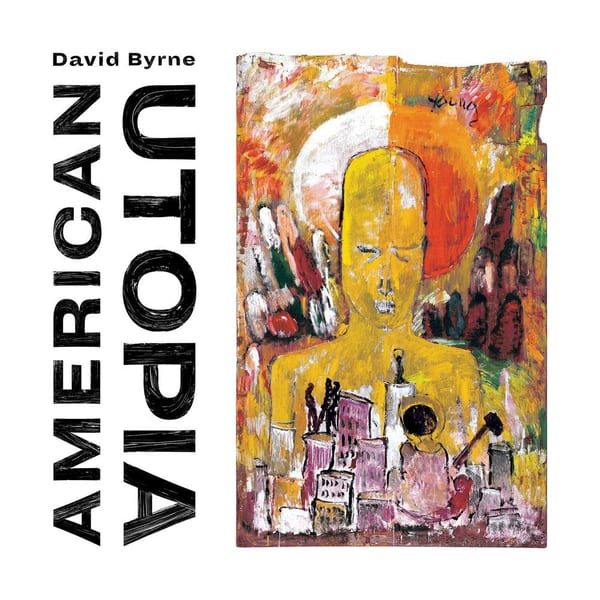
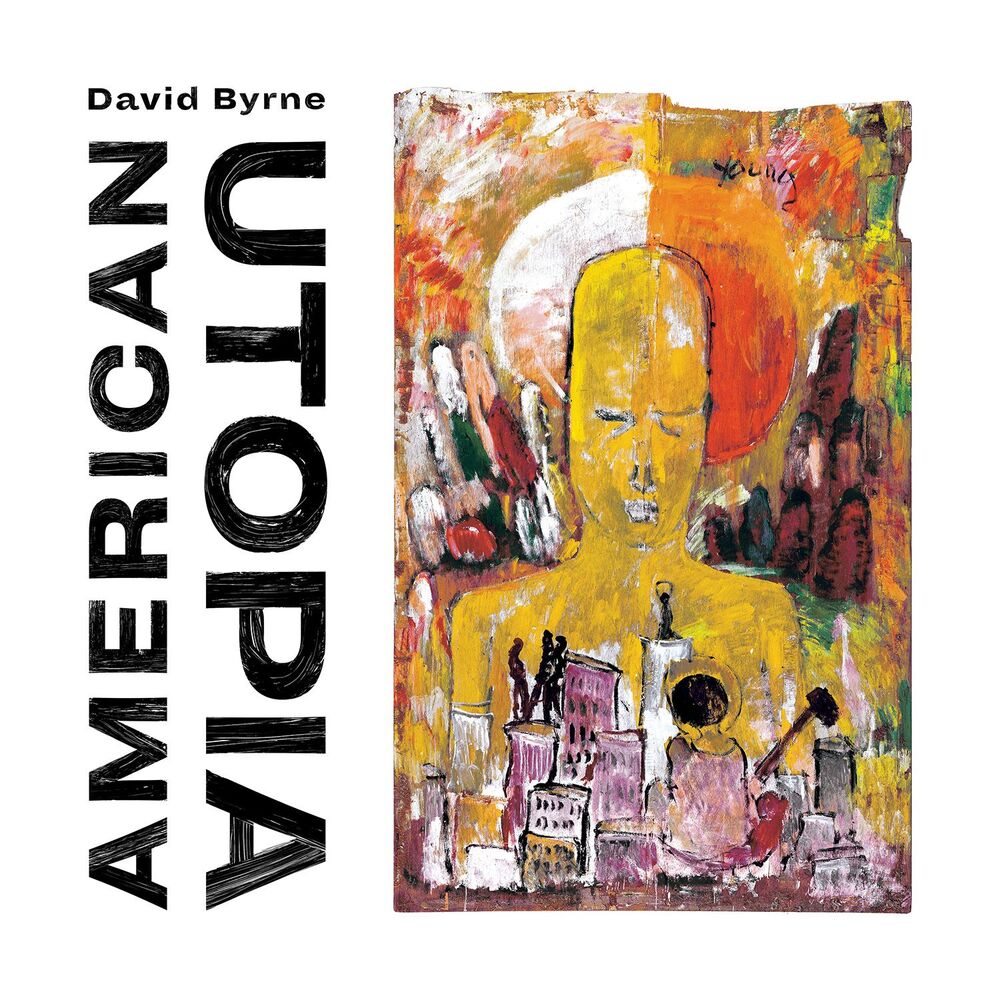
American Utopia
2018
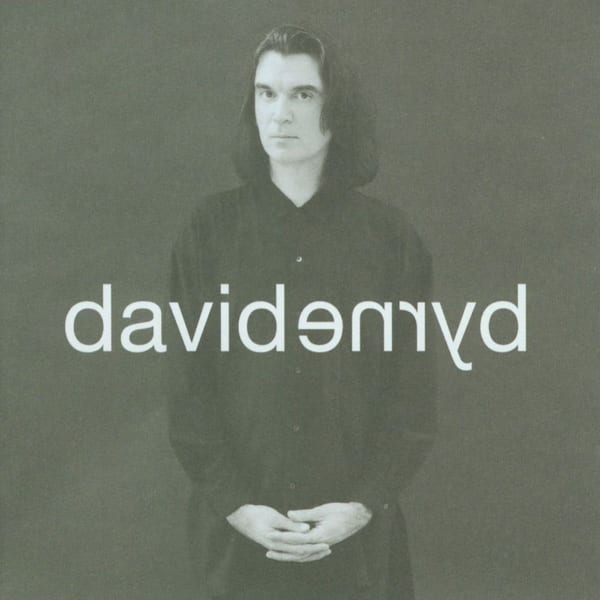
David Byrne
1994
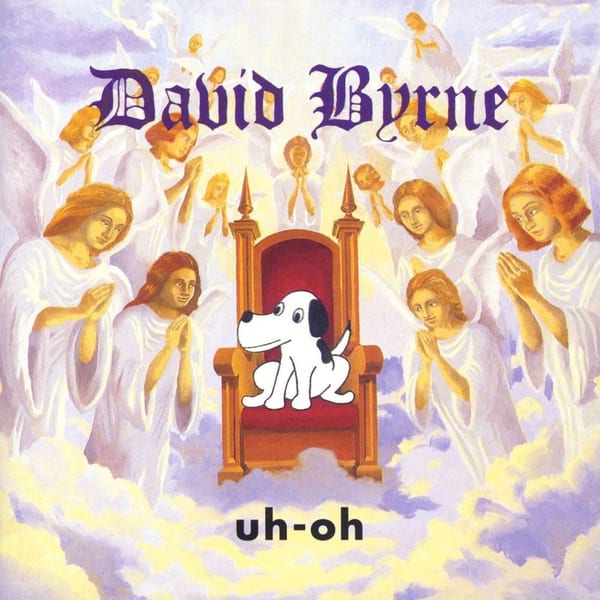
Uh-oh
1992
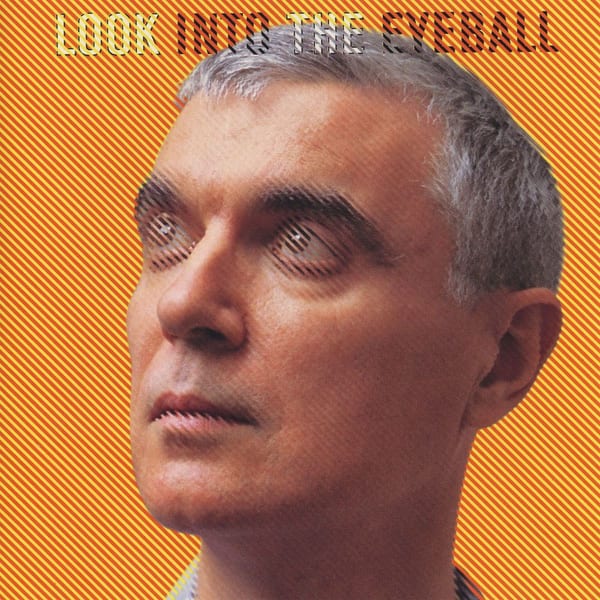
Look Into the Eyeball
2001

Everything That Happens Will Happen Today
2008
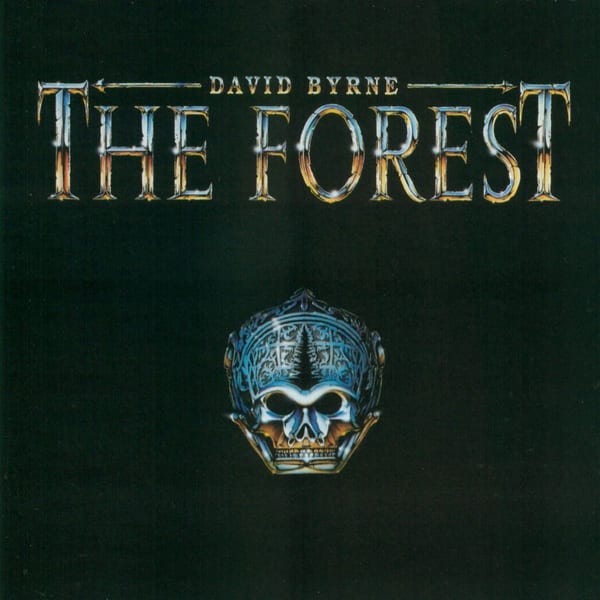
The Forest
1991
This Sensuous World
-

The Twits (Soundtrack from the Netflix Film)
2025

Live At Keswick Theatre, Glenside, 20-07-94 (Remastered)
2021

Come Dance With Me (Live 1994)
2021

American Utopia on Broadway (Original Cast Recording)
2019

Live at Carnegie Hall
2012
Big Love Hymnal
2008
The Visible Man
2007

Live From Austin, TX
2007
The Knee Plays
2007

In Spite Of Wishing And Wanting
2007
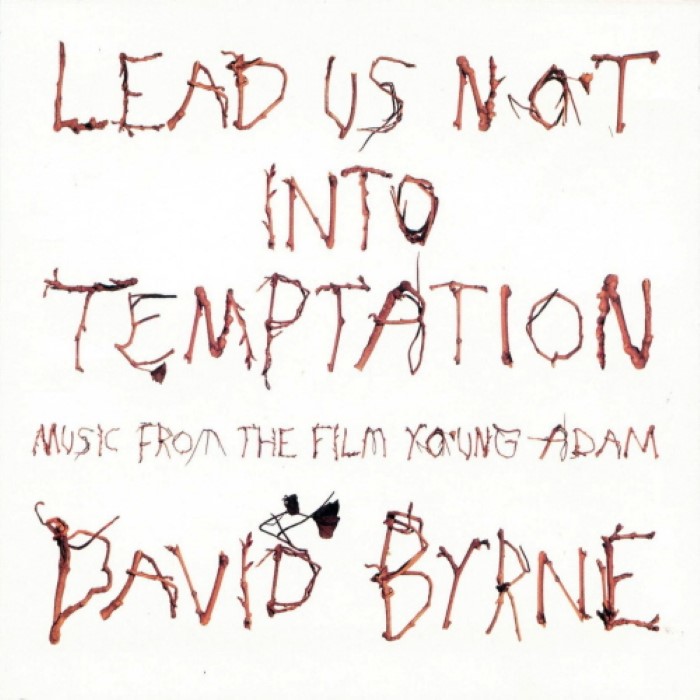
Lead Us Not Into Temptation
2003
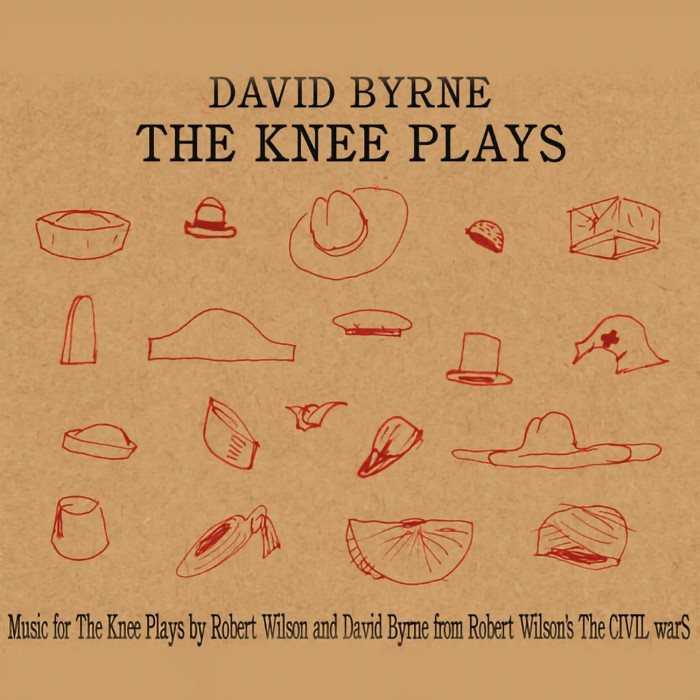
Music for The Knee Plays
1985
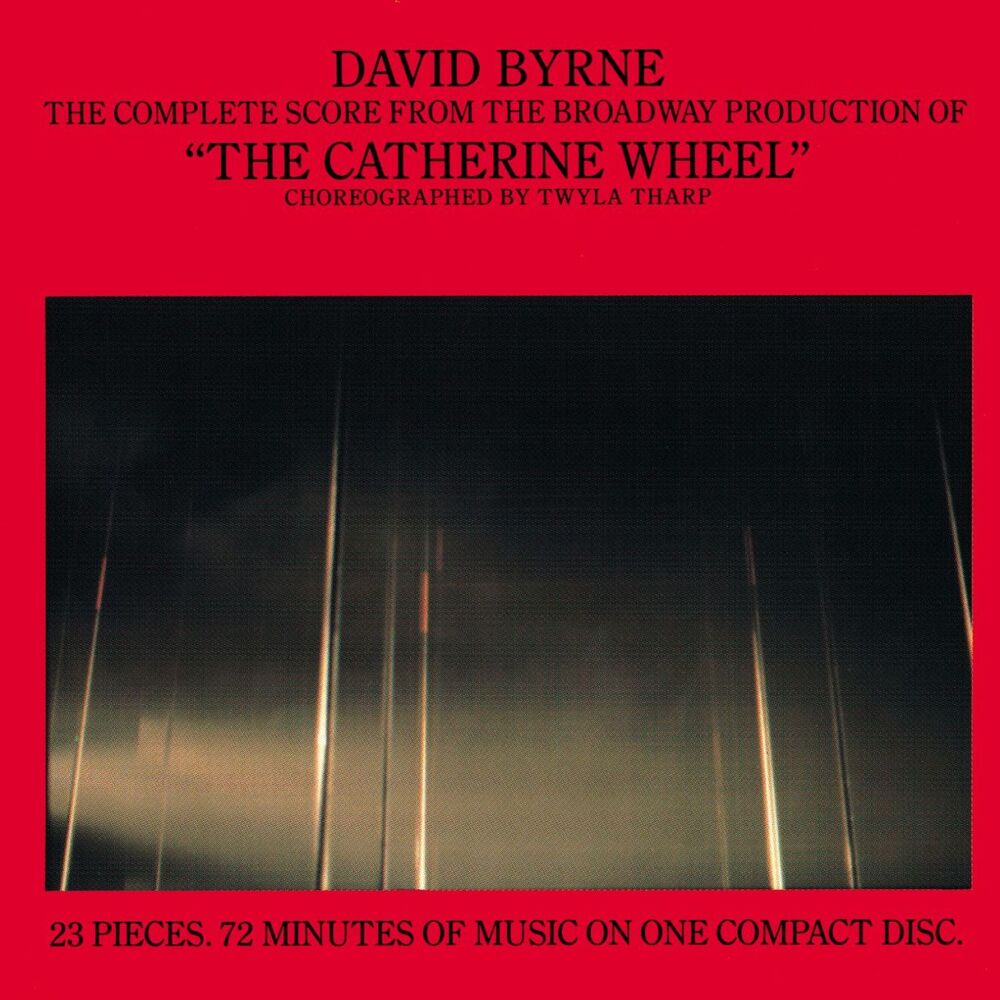
The Complete Score from "The Catherine Wheel"
1981


Popular tracks
Trending this week
Singles & EPs
20
drivers license
Single · 2026

The Avant Garde
Single · 2025

T Shirt
Single · 2025

What Is The Reason For It?
Single · 2025

She Explains Things To Me
Single · 2025

Everybody Laughs
Single · 2025

All Directions (Live Philadelphia '94)
Single · 2023

Fat Man's Comin'
Single · 2023

gravity
Single · 2022

alwys b u /// remixed
EP · 2022

always be you
Single · 2022

Last Night I Was Dreaming With You
Single · 2021

Don't Leave Me Stranded Here (Live 1994)
EP · 2021

Santa Cruz de la Sierra
Single · 2019
This Is That
Single · 2018
Everybody's Coming to My House
Single · 2018
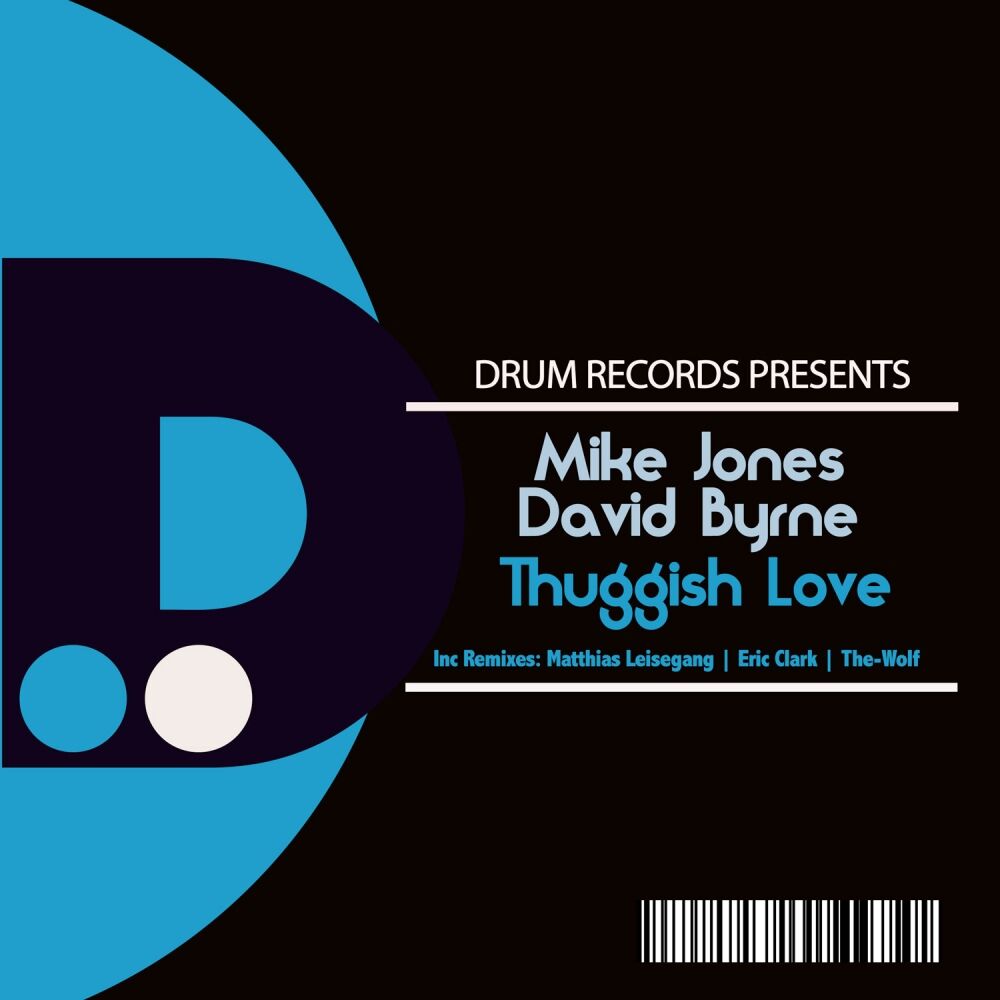
Thuggish Love
EP · 2015

Psychedelic Afternoon
Single · 2013
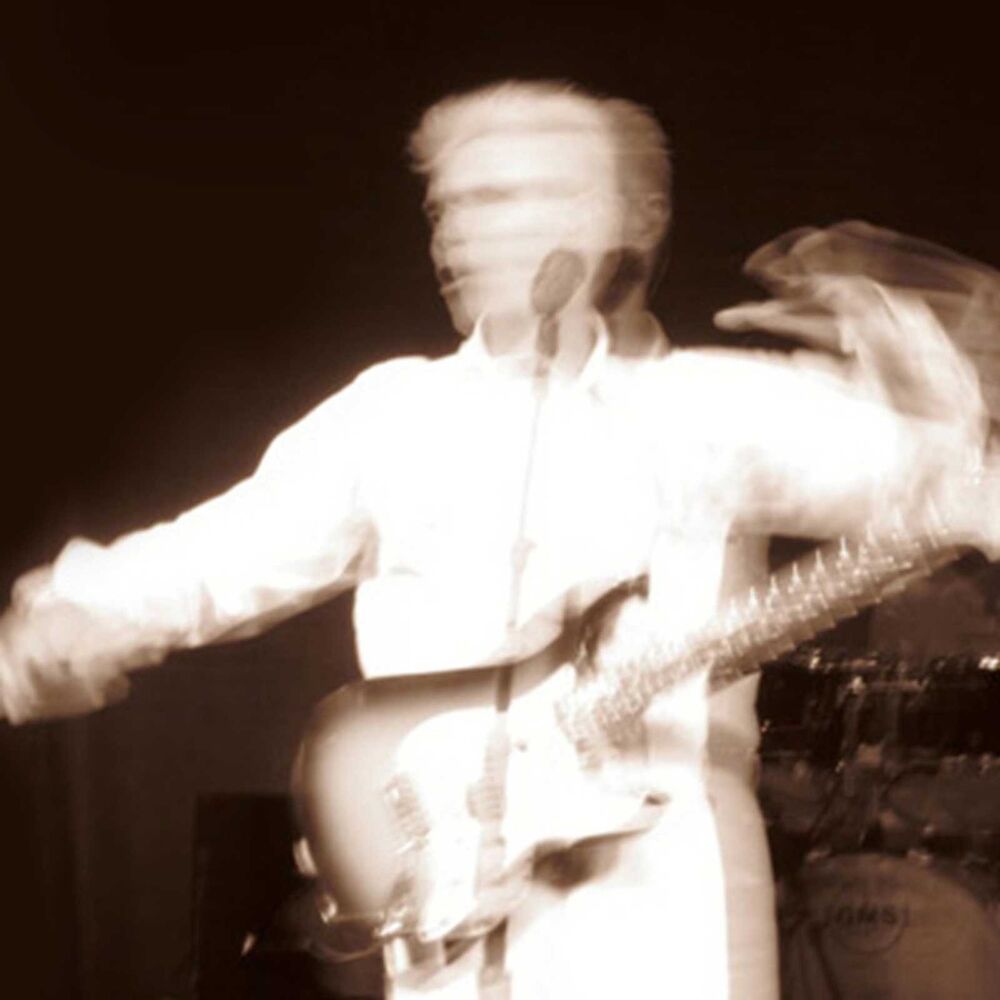
Everything That Happens Will Happen on This Tour
EP · 2009
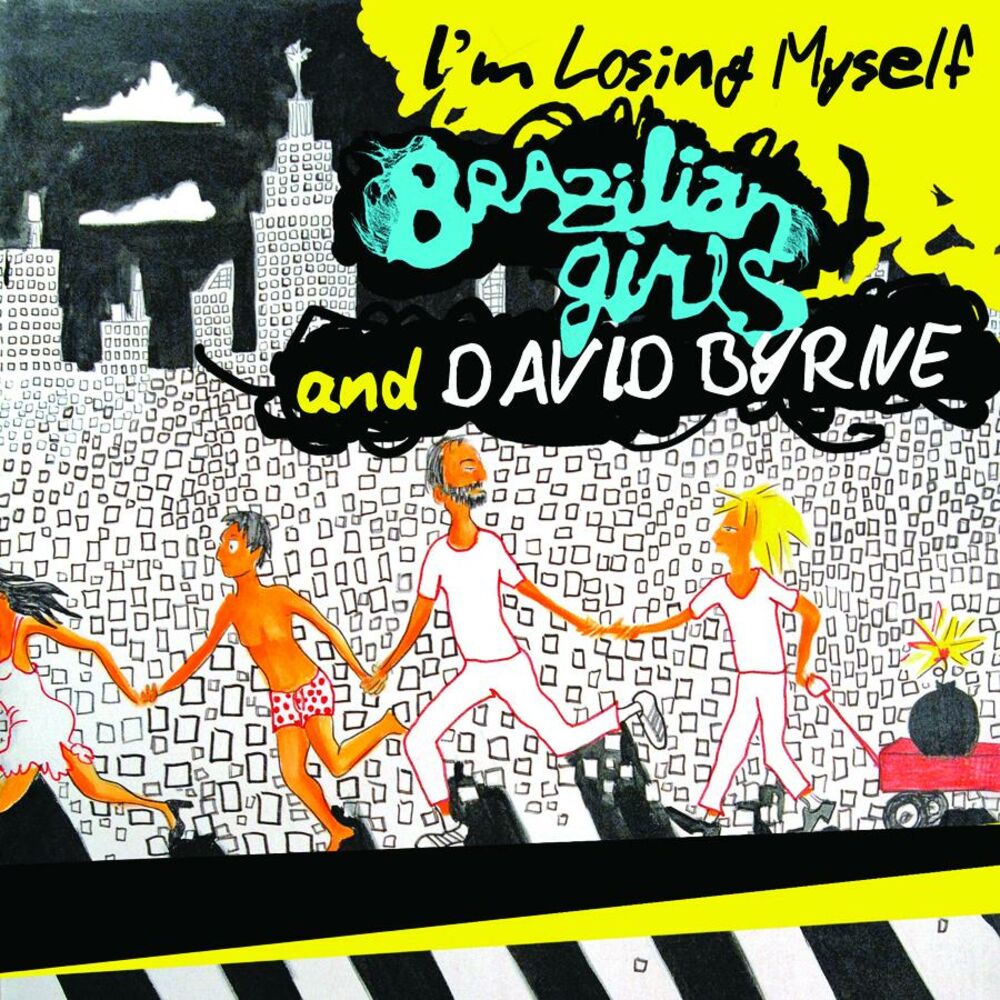
I'm Losing Myself
Single · 2009
Appears on
3Releases by other artists featuring David Byrne.


Featured tracks
3Collaborators
4


Upcoming shows
Cal Coast Credit Union Open Air Theatre at SDSU
San Diego, California, United States Of America
Show details →
Past shows
Community
More about David Byrne
About
David Byrne was born in Dumbarton, Scotland, on 14 May 1952. When he was 2 years old, his parents moved to Canada at the expense of a company that was recruiting engineers and semi-scientists from Europe. When David was 8 or 9 years old, his parents moved again, this time to the suburbs of Baltimore, Maryland. In September 1970, David went straight from High School to the Rhode Island School Of Design. It was here that he met Chris Frantz and Tina Weymouth who were also enrolled as Freshmen. David was not very impressed by art school: "I think art school is a real racket, especially in this country. You run into a couple of good teachers and some interesting students but for the amount of money you spend, it's not worth it".
Read moreRead less
At Rhode Island School Of Design, David studied a functional design programme known as the Bauhaus Theory course. He also took a conceptual art course. The staff were not sure about David, particularly when he put on a performance in which he had his hair and beard shaved off onstage to a piano accordion accompaniment and a showgirl displaying cue cards written in Russian. The professors at RISD were less charmed, however, and David found himself out on the street. He had been at the RISD for one year. In the early half of 1974 The Artistics ceased to exist, at which time Byrne made the decision to move to New York in order to concentrate on his songwriting. After completing their studies at RISD, Frantz and his girlfriend Tina Weymouth joined him there, and before long their musical collaboration resumed (non-musician Weymouth taking up the bass guitar when no other candidates for the instrument could be found). Six months of private rehearsals ensued before the trio's first public performance: calling themselves Talking Heads, they opened a show by The Ramones at the nearby Bowery club CBGB. The band's popularity quickly spread, and with the support (and abuse) of Lou Reed, some of the major labels began to take an interest; in the end the Heads signed with the New York-based independent label Sire (eventually devoured by the great beast Warner Brothers) and issued the 7" Love Goes To Building On Fire b/w New Feeling (1977). Fourth member Jerry Harrison was added shortly afterwards. With the release of their full-length debut Talking Heads: 77 the band established an international audience for itself, which the subsequent releases More Songs About Buildings and Food (1978), Fear of Music (1979), and Remain in Light (1980) effectively served to broaden. These three releases also marked the first collaborative efforts between Byrne and Brian Eno, a partnership that resulted in a denser, more complex sound for the Heads' recordings (although it also created some tension within the band -- a result of the pair's tendency to assume credit for the other members' contributions). A full-scale collaboration between Byrne and Eno, My Life in the Bush of Ghosts, materialized in early 1981, followed by Eno's participation in Byrne's score for Twyla Tharp's dance production The Catherine Wheel. The singer's association with Eno also brought about his involvement with the Robert Fripp album Under Heavy Manners/God Save the Queen (1979), and the guitarist's reciprocal appearance on the Talking Heads song "I Zimbra" from Fear of Music. As the 1980s progressed, Talking Heads became one of the most successful bands of the decade -- a result of their dynamic live shows (now utilizing an expanded line-up with up to five additional musicians), popular singles such as Burning Down the House (from Speaking in Tongues, 1983), and visually inventive promotional videos (which benefitted from heavy rotation on MTV). The decade also ushered in Byrne's first ventures into the medium of film, beginning with the Jonathan Demme-directed Talking Heads concert movie Stop Making Sense (1984) and culminating in his own full-length feature True Stories (1986) (starring, written and directed by the singer). Score composition continued as well, including productions for stage (The Knee Plays, 1985, created for Robert Wilson's The CIVIL warS) and screen (Bernardo Bertolucci's The Last Emperor, 1987 and Demme's Married to the Mob, 1988). After the 1988 album Naked, Talking Heads ceased activity (barring a few tracks recorded for the Wim Wenders film Until the End of the World, 1991), officially announcing their dissolution in 1991. In 1988 David Byrne established Luaka Bop, a label that allowed the singer to make more widely available the international (particularly Brazilian) musics that interested him. The label also became the outlet for his solo releases, the first of which -- 1989's Rei Momo -- placed his love of Latin rhythms (already clearly evident on Naked) at the forefront, and for which he enlisted the participation of a large ensemble of New York-based Latin performers. While his regional influence continued to inform the compositions on his later solo albums -- Uh-oh (1992), David Byrne (1994), Feelings (1997) -- a drift back towards the style he had developed with Talking Heads gradually took prominence once again (although still leaving room for new influences, such as the "trip-hop" stylings on Feelings). Other projects allowed him to explore even more diverse styles, such as his orchestral score for Robert Wilson's theater production The Forest (1991), and the atmospheres created for the dance piece In Spite of Wishing and Wanting (1999). During the 1990s Byrne extended his range of activity even further, exhibiting his photographic and design work on an international scale and creating a number of public art displays using billboards, subway posters and questionnaries. The first of his published works, the notebook-styled art book Strange Ritual, was issued through Chronicle Books in 1995; subsequent publications explored the formats of corporate propaganda (Your Action World, 1999) and even the Bible (The New Sins, 2001 -- copies of which were planted in hotel rooms in place of actual bibles). From there, Byrne moved into an exploration of PowerPoint presentation software as an artistic medium, the results of which were presented in the book Envisioning Emotional Epistemological Information (2003). In the 00s he continued his recorded work with the releases Look Into the Eyeball (2001) and Grown Backwards (2004), as well as adding to his list of score credits with Lead Us Not Into Temptation (2003), a soundtrack created for the David MacKenzie film Young Adam with the help of musicians from the Scottish bands Mogwai, Belle and Sebastian, The Delgados and Appendix Out. David Byrne writes a journal on the internet about all project he's been doing since october 2004. "My life in the Bush of Ghosts" and "Music for Knee Plays" have been rereleased in extended versions on CD in 2007. A new album, the soundtrack for the second season of TV series "Big Love" comes out in 2008.
David Byrne in brief
- How many David Byrne releases are on Riffiter?
- 44 releases are catalogued, spanning 1981 to 2026.
- When was David Byrne formed?
- David Byrne formed in 1970, in Dumbarton, Scotland, United Kingdom.
- What genre is David Byrne?
- David Byrne is catalogued under Pop.
- What is the most recent David Byrne release on Riffiter?
- drivers license, released in 2026.