


Guides/A Riffiter guide
Rock nacional: 19 albums, and eight of them belong to Spinetta or Charly García
Oktubre turned 40 on 4 October. This is the Argentine canon it sits in, from a song written outside a bar toilet in 1967 to the La Plata indie bands still working the same ground.
Rock nacional is the Spanish-language rock that came out of Buenos Aires in the late 1960s, usually dated to Los Gatos' 1967 hit "La balsa". These 19 albums run from Los Gatos to Él Mató a un Policía Motorizado's La dinastía Scorpio (2012), with Pescado Rabioso's Artaud (1973), voted the greatest album of the genre by Rolling Stone Argentina in 2007, and Patricio Rey y sus Redonditos de Ricota's Oktubre (4 October 1986) among them.
Patricio Rey y sus Redonditos de Ricota released Oktubre on 4 October 1986, so it turned 40 this week. In Argentina that made the papers. Outside it, the Redondos are a name a lot of English-speaking listeners have seen near the top of a RateYourMusic chart and never actually played, and the same is true of most of this list.
Rock nacional is what Argentines call it, and it means something narrower than "rock from Argentina". It means rock sung in Spanish at a time when singing rock in Spanish was considered a little embarrassing, and then kept going under a military government that cut songs off records. During the 1982 Falklands war the junta banned English-language music from the radio, and stations filled the gap with local rock. The genre's biggest commercial break came from the people trying to shut it up.
Two family trees carry most of the weight. Luis Alberto Spinetta led Almendra, Pescado Rabioso, Invisible and Spinetta Jade. Charly García went through Sui Generis, La Máquina de Hacer Pájaros and Serú Girán before he went solo. Eight of the 19 records below come from one of those two. That's not us playing favourites: when Rolling Stone Argentina polled 180 musicians, critics and industry people in 2007, Spinetta's Artaud came first and García's Clics modernos second.
The list runs in release order. Watch for the drummer Oscar Moro, the designer Juan Gatti and the city of La Plata. They keep coming back.
- 1
Los Gatos
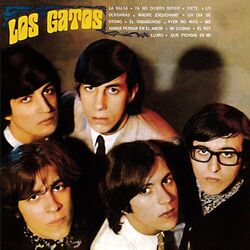
Be the first to rateLitto Nebbia and Tanguito wrote "La balsa" on 2 May 1967 in the corridor to the men's toilet at La Perla del Once, a bar in Buenos Aires. The single came out that July, sold somewhere around a quarter of a million copies, and is the song Argentines reach for when they date the start of rock nacional.
The LP that followed opens with it. Most of the rest is a beat group with good manners, closer to the Beatles of 1964 than to anything that happens later on this list, and that's fine: this is the record that proved the market existed. The drummer is Oscar Moro. Remember him.
- 2

Almendra (50 Años)
Be the first to rateRecorded through 1969 and released in January 1970, when Spinetta was 19. RCA called his cover painting, a weeping man with a toy arrow stuck in his head, incomprehensible and noncommercial. The band refused to change it.
"Muchacha (ojos de papel)" opens the record and became a standard. The nine minutes of "Color humano" are where you hear how far these four wanted to go. A 1985 survey of Argentine critics and musicians voted it the best album the genre had made up to then.
- 3
Manal
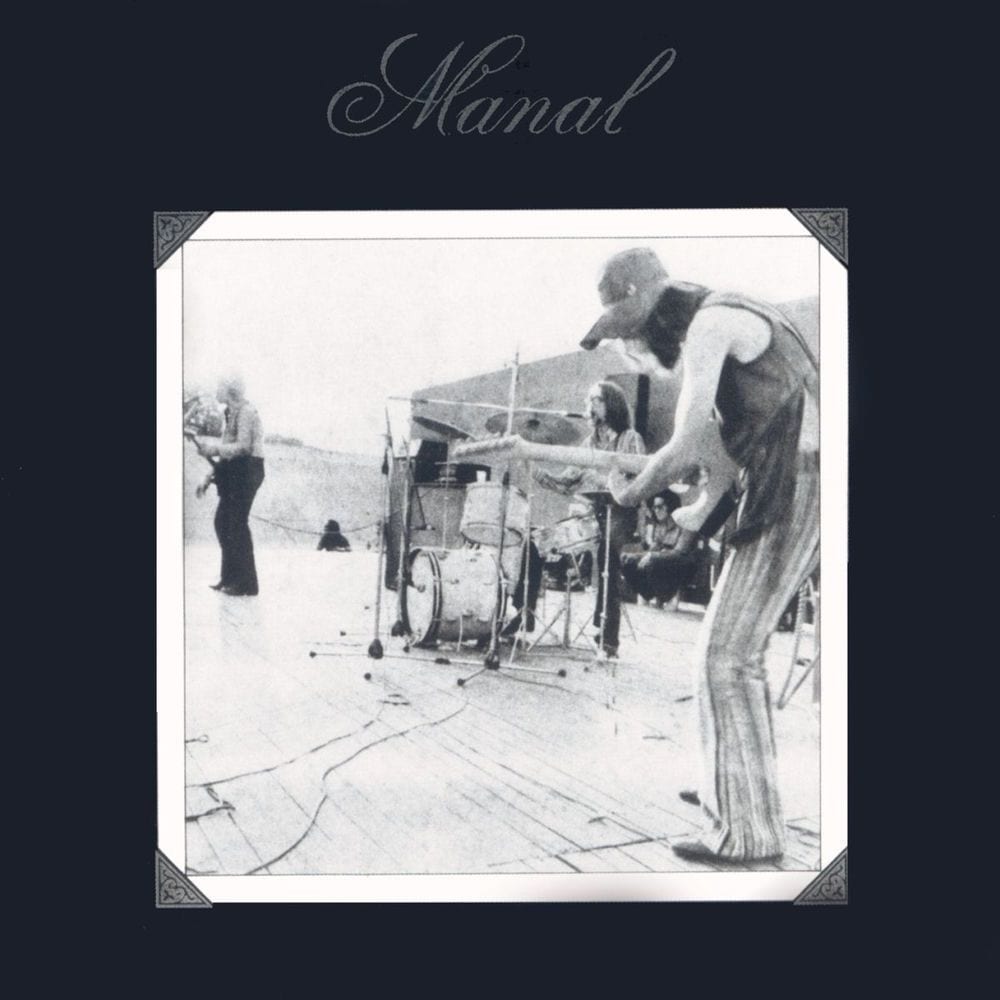
Be the first to rateJavier Martínez, Claudio Gabis and Alejandro Medina did for the blues what Los Gatos did for beat music. They sang it in Spanish and set it at home: "Avellaneda Blues" and "Avenida Rivadavia" name a Buenos Aires suburb and avenue where a British record would have named somewhere in Chicago.
It came out in March 1970 on Mandioca, the small label run by producer Jorge Álvarez, whose name is also on Artaud. As a power-trio blues record it holds up next to most of what the British blues boom produced, and it doesn't sound borrowed.
- 4
Artaud
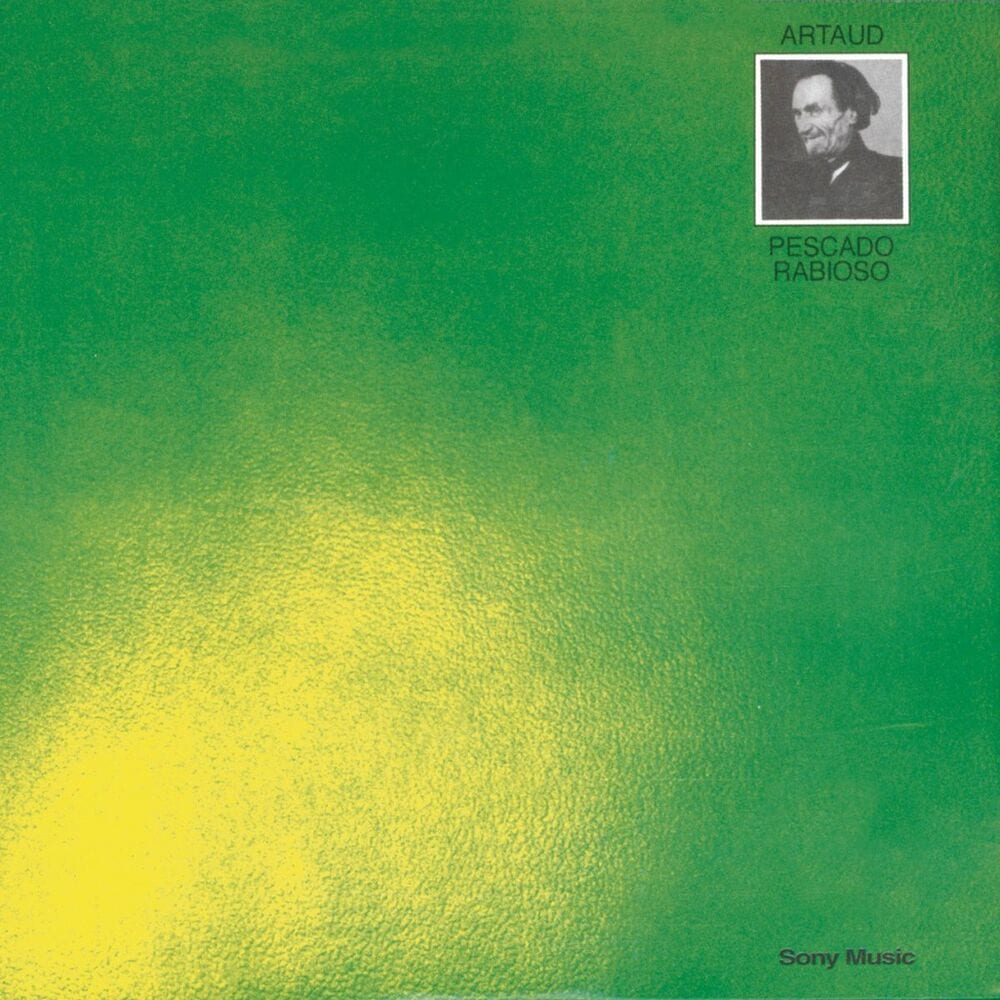
★ 4.0 · 1Pescado Rabioso had broken up by the time this came out in October 1973. Artaud is a Spinetta solo album wearing the band's name, and he said later that putting his own name on it felt too pompous.
He had been reading Antonin Artaud, and he meant the album as an answer to him rather than a tribute: healing instead of despair. At the launch shows he handed out a manifesto called "Rock: música dura, la suicidada por la sociedad". Juan Gatti cut the sleeve into an irregular trapezoid from Spinetta's sketch, so it won't sit flat in a row of records. The songs, "Todas las hojas son del viento" and "Cantata de puentes amarillos" first, move in directions rock songs usually don't. Rolling Stone Argentina's 2007 poll put it first of 100, and nobody we've read has made a convincing case against it.
- 5
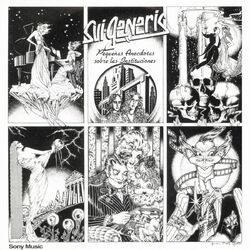
Pequenas Anécdotas Sobre Las Instituciones
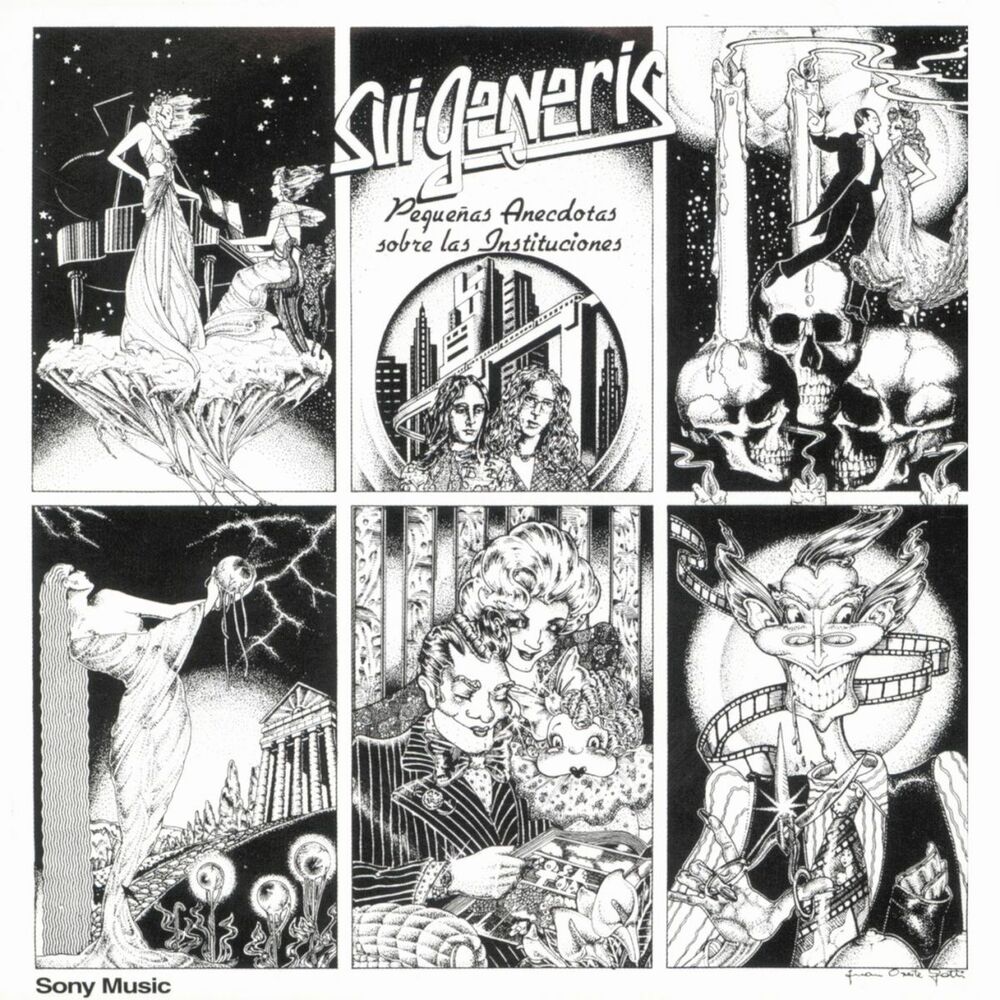
Be the first to rateSui Generis made their name as a gentle acoustic act. By 1974 Charly García wanted a full band and a concept, and he aimed it at the church, the family, the courts and the police.
The label cut two songs before release in December 1974: "Juan Represión", about the police, and "Botas locas", about military service. Other songs had lines changed. Fans who wanted the old ballads were disappointed. It is now the Sui Generis album musicians cite, and the prog arrangements are the reason why.
- 6
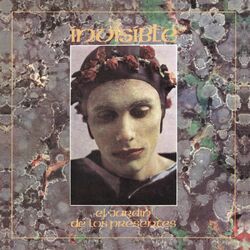
El Jardin de los Presentes
Be the first to rateSpinetta's trio with Machi Rufino and Pomo Lorenzo, plus the young Tomás Gubitsch on second guitar. It came out in September 1976, six months into the dictatorship, and it leans toward tango and jazz in a way his earlier records hadn't.
"El anillo del capitán Beto" is the song everyone knows: a bus driver turned space captain, drifting alone and homesick. It's one of the saddest things on this list, and Spinetta tells it plainly, like a story somebody told him. "Los libros de la buena memoria" brings in the bandoneón.
- 7
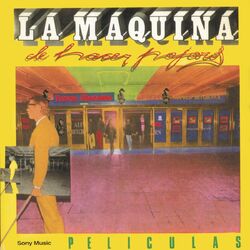
Peliculas
Be the first to rateGarcía's prog band after Sui Generis, with Oscar Moro back behind the kit and Gustavo Bazterrica on guitar. Películas, from 1977, was the second and last album, and it's tighter and funnier than the debut.
The cinema theme gave García cover. "¿Qué se puede hacer salvo ver películas?" asks what's left to do except watch films, which under that government was a real question. Juan Gatti, who cut the Artaud sleeve, designed this one as well.
- 8
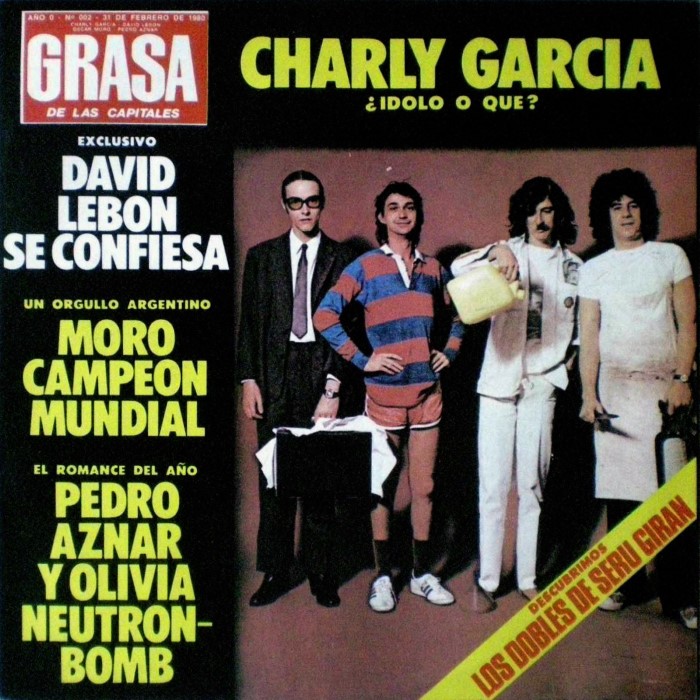
La grasa de las capitales
Be the first to rateGarcía, David Lebón, Pedro Aznar and Oscar Moro, released in August 1979. The sleeve is a fake cover of Gente, the gossip weekly, with the four of them dressed as a petrol pump attendant, a butcher, a rugby player and an office worker.
The title track goes after the same magazines the cover mocks. "Viernes 3 AM", about a man at the end of his rope, was banned from the radio. Aznar's fretless bass is what makes this sound like Serú Girán and nobody else; he later joined the Pat Metheny Group, which tells you the level the band was playing at.
- 9
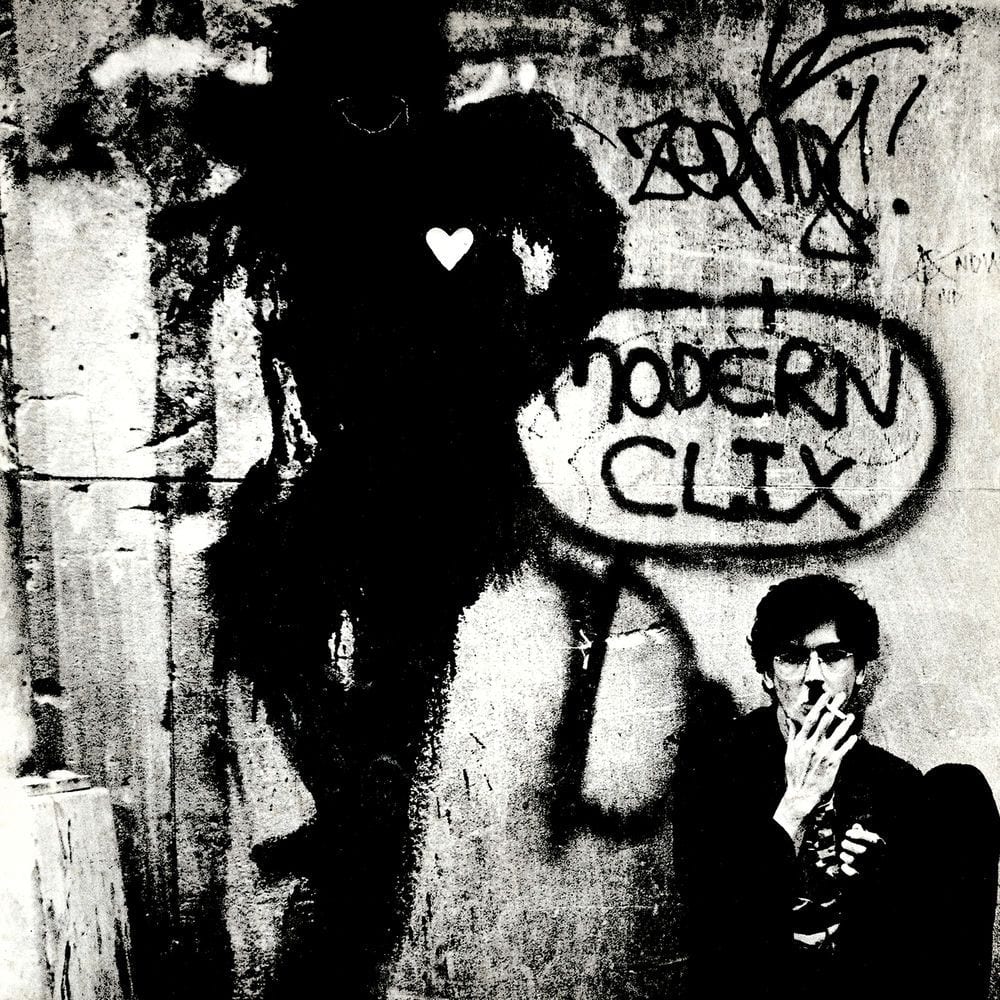
Clics modernos
Be the first to rateRecorded in New York with Joe Blaney, who had engineered for the Clash, and released on 5 November 1983, days after the election that ended the dictatorship. García traded prog for drum machines and New York funk, and the record still sounds quick on its feet.
"Los dinosaurios" is a piano song about the disappeared, the quietest thing here and the hardest to listen to. The cover photo puts García next to one of Richard Hambleton's Shadowman figures on a Manhattan wall, and in 2023 that corner was renamed for him.
- 10
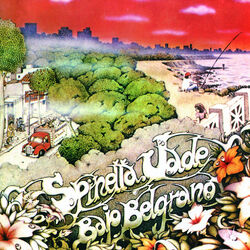
Bajo Belgrano
Be the first to rateSpinetta's jazz-rock band in its 1983 lineup: Leo Sujatovich on keyboards, César Franov on fretless bass and Pomo Lorenzo, again, on drums. It's named after a riverside neighbourhood of Buenos Aires that used to be marshland and a racetrack.
"Maribel se durmió" and "Resumen porteño" are the songs people know. The surprise is how little Spinetta grandstands on a fusion record where he easily could have. He leaves the room to the keyboards, and the album is better for it.
- 11
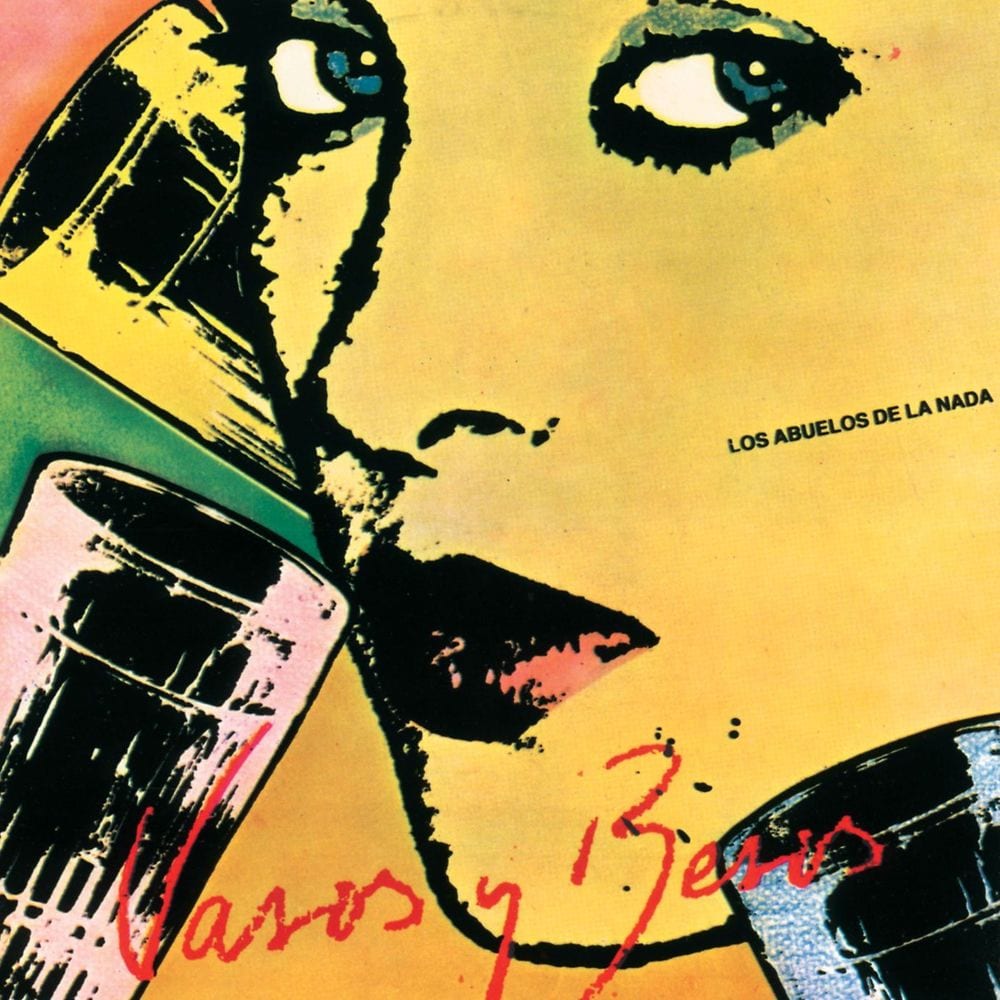
Vasos y besos
Be the first to rateMiguel Abuelo's band, rebuilt after his years in Europe with Andrés Calamaro on keyboards, Cachorro López on bass, Gustavo Bazterrica (from La Máquina) on guitar and Daniel Melingo on sax.
It came out on 9 December 1983, the day before Raúl Alfonsín took office. New wave, reggae and disco played by people who had come up in the 1960s underground, and it sounds like a party nobody had been allowed to throw for seven years. "Mil horas" is the one everybody knows.
- 12
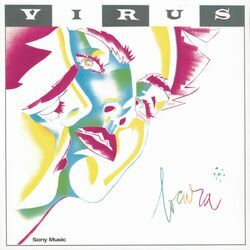
Locura
Be the first to rateFederico Moura and his brothers Julio and Marcelo, from La Plata, made danceable synth-pop at a time when Argentine rock expected lyrics to carry a message, and they were called frivolous for it. A fourth brother, Jorge, had been disappeared by the dictatorship.
Locura (1985) was their commercial peak, with "Una luna de miel en la mano". On "Sin disfraz" Moura declined to hide his sexuality after a CBS executive had reportedly suggested he should. He died of AIDS-related illness in December 1988, aged 37, and the frivolous band turns out to have been the brave one.
- 13
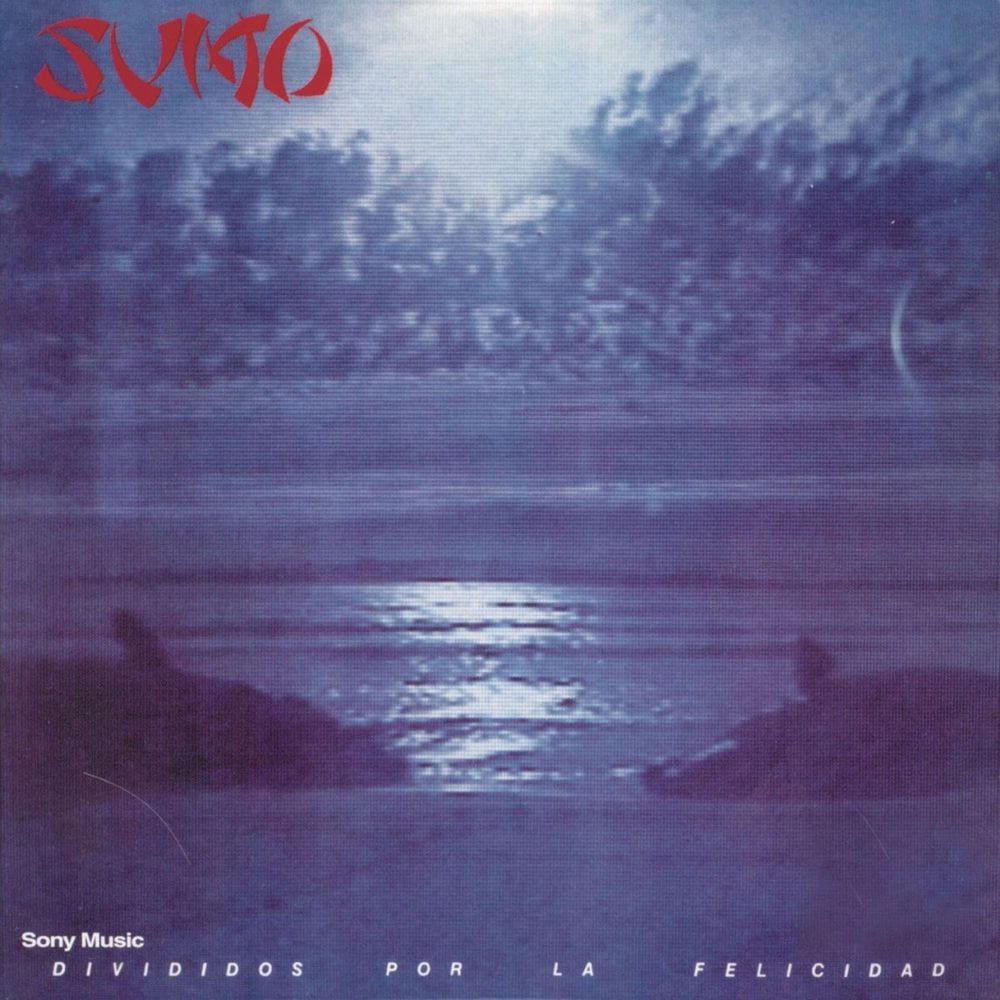
Divididos por la felicidad
Be the first to rateLuca Prodan was born in Rome, sent to Gordonstoun in Scotland, and moved to Argentina in March 1980 to get away from heroin. Sumo's first proper album, released in March 1985, has him singing in English about as often as in Spanish over post-punk, reggae and dub.
"La rubia tarada" was the hit. Ricardo Mollo and Diego Arnedo are in this lineup, and after Prodan died in December 1987, at 34, the two of them formed Divididos. You'll meet them again below.
- 14
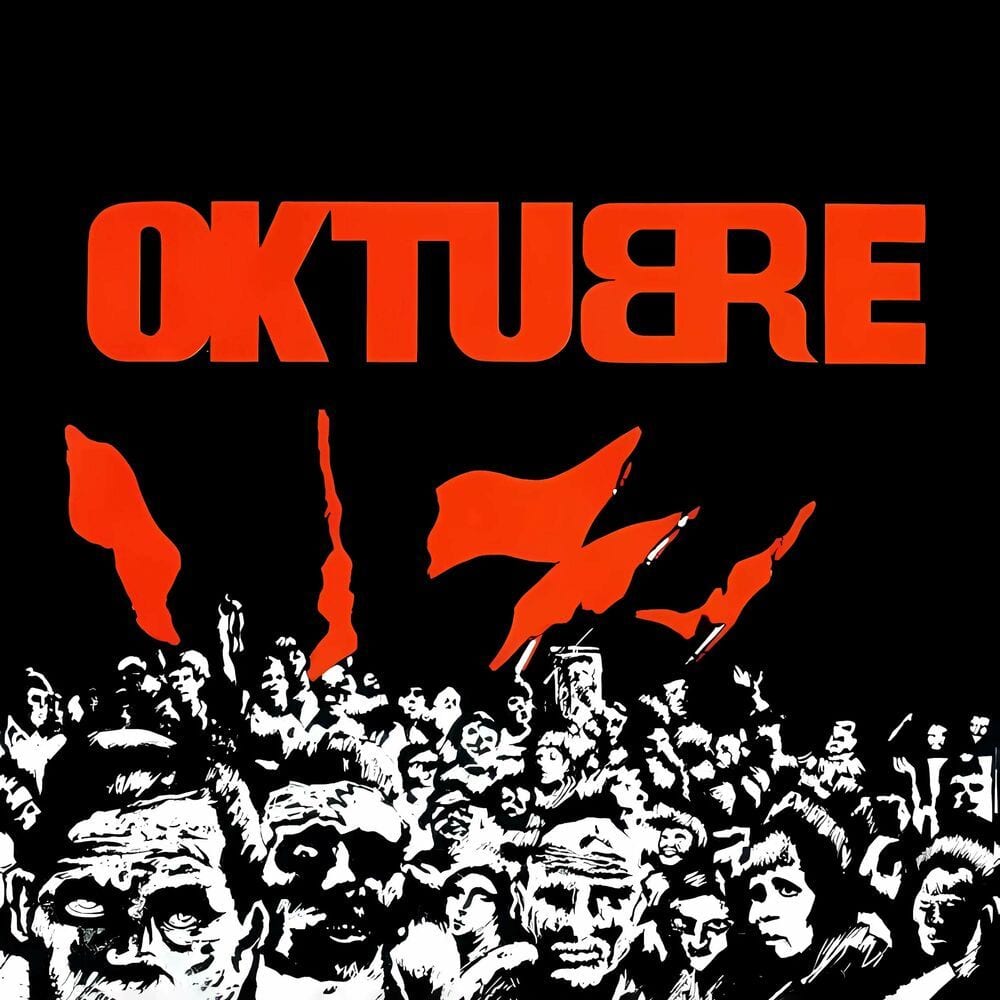
Oktubre
Patricio Rey y sus Redonditos de Ricota
Be the first to rateIndio Solari and Skay Beilinson started the band in La Plata in 1976. RCA passed on them early, and they stayed on independent labels for the rest of their career, which is a large part of why the Redondos mean what they mean in Argentina.
Oktubre is their post-punk record, and the debts to the Cure and Joy Division are right there in Skay's guitar. Rocambole's sleeve borrows from Soviet posters and the 1917 revolution. "Fuegos de octubre" and "Ji ji ji" became fixtures of every show that followed. It was released 40 years ago this week. Start here before Gulp! or the later albums.
- 15
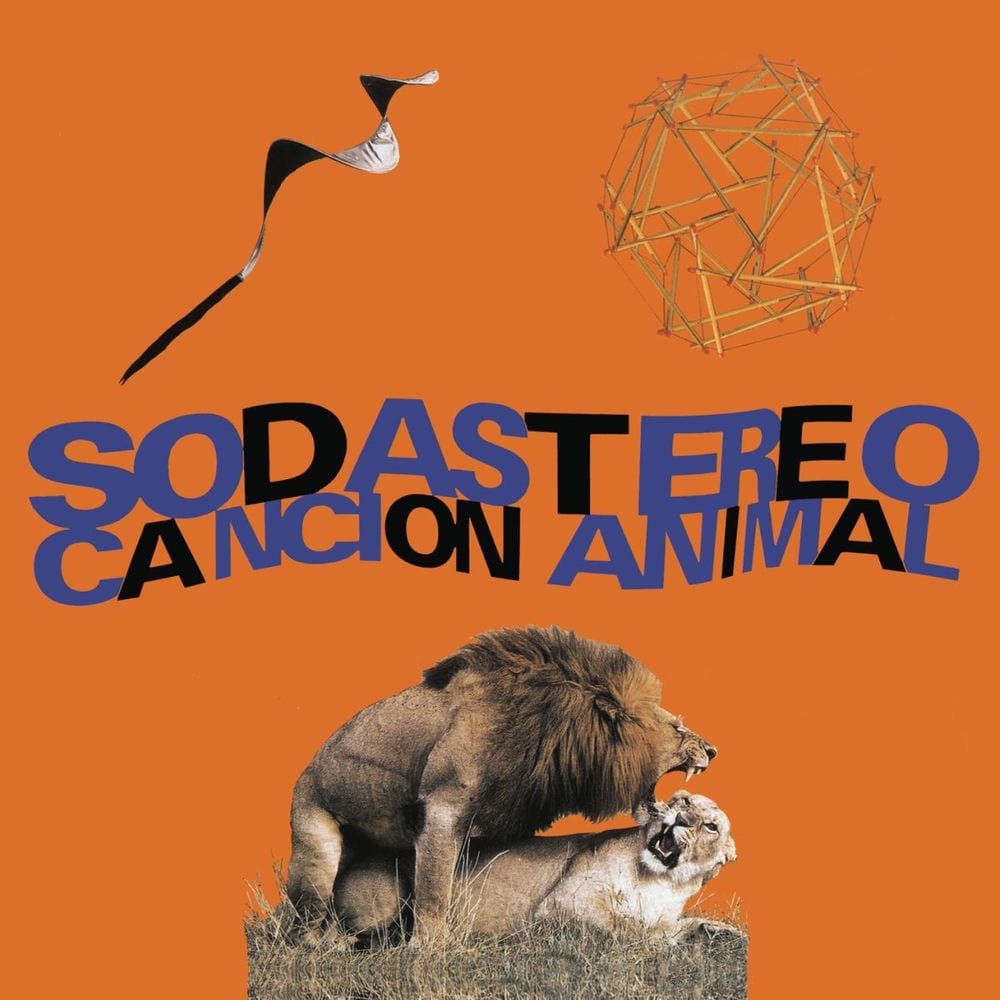
Canción animal
★ 5.0 · 1Soda Stereo spent the 1980s as a sleek new wave band. In 1990 Gustavo Cerati, Zeta Bosio and Charly Alberti made a loud, psychedelic guitar record that looked back to the Argentine rock of the 1970s, Pescado Rabioso among it.
It's their best album, and the one to play anyone who only knows the 1980s hits. "De música ligera" is on it; a 2006 Al Borde poll called it the best song in Ibero-American rock, which overstates it, but not by much.
- 16
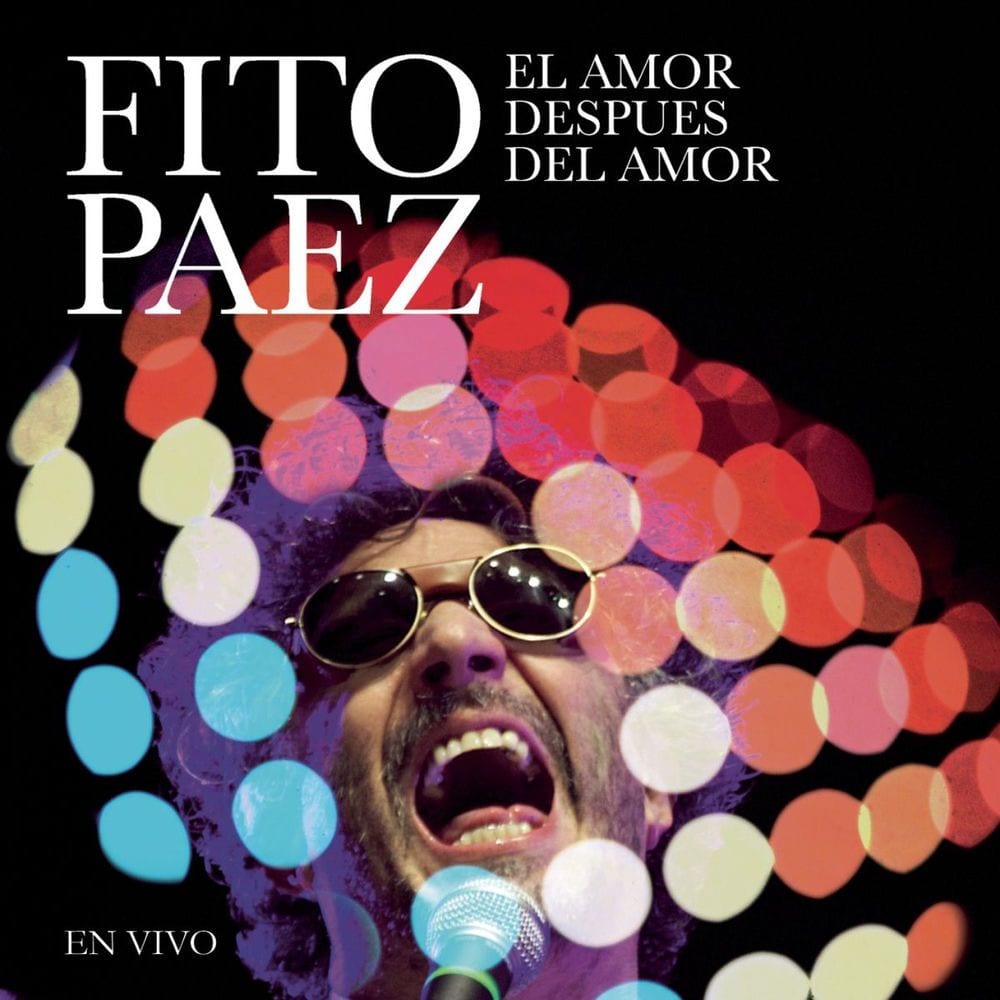
El amor después del amor
Be the first to rateThe best-selling album in Argentine rock: about 175,000 copies by the end of 1992 and more than 1.1 million in Argentina by 2022. Fito Páez, from Rosario, had played keyboards in Charly García's band, and García and Spinetta both turn up here, along with Mercedes Sosa and Andrés Calamaro.
It's a big, glossy pop-rock album about falling for the actress Cecilia Roth, and the gloss is earned. If a friend will only try one record from this list, this is the safest bet.
- 17
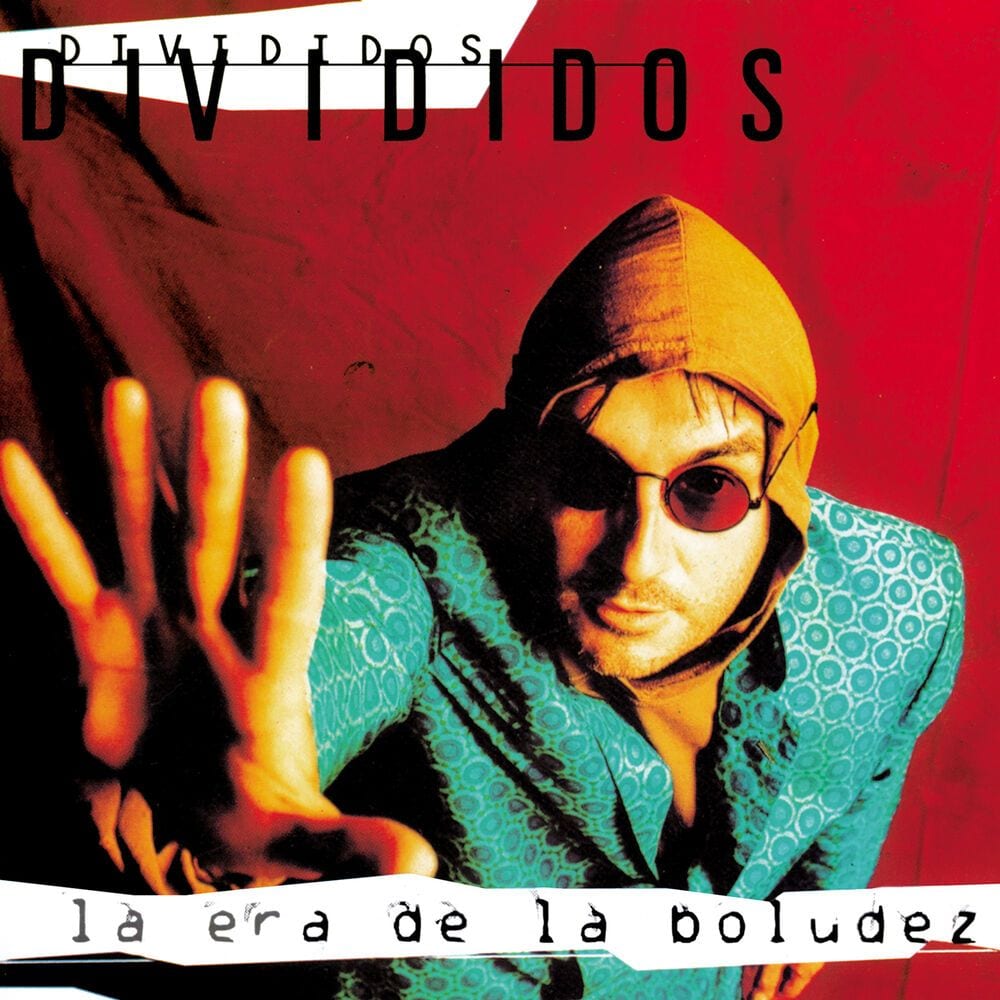
La era de la boludez
Be the first to rateMollo and Arnedo from Sumo, now a power trio, produced in 1993 by Gustavo Santaolalla more than a decade before his film-score Oscars. Their take on Atahualpa Yupanqui's "El arriero" turns a folk standard into hard rock without losing the folk in it.
"¿Qué ves?" has the riff. At more than 480,000 copies it's the band's best seller, and Rolling Stone Argentina ranked it seventh in 2007. Of everything here, this is the one that sounds best loud.
- 18
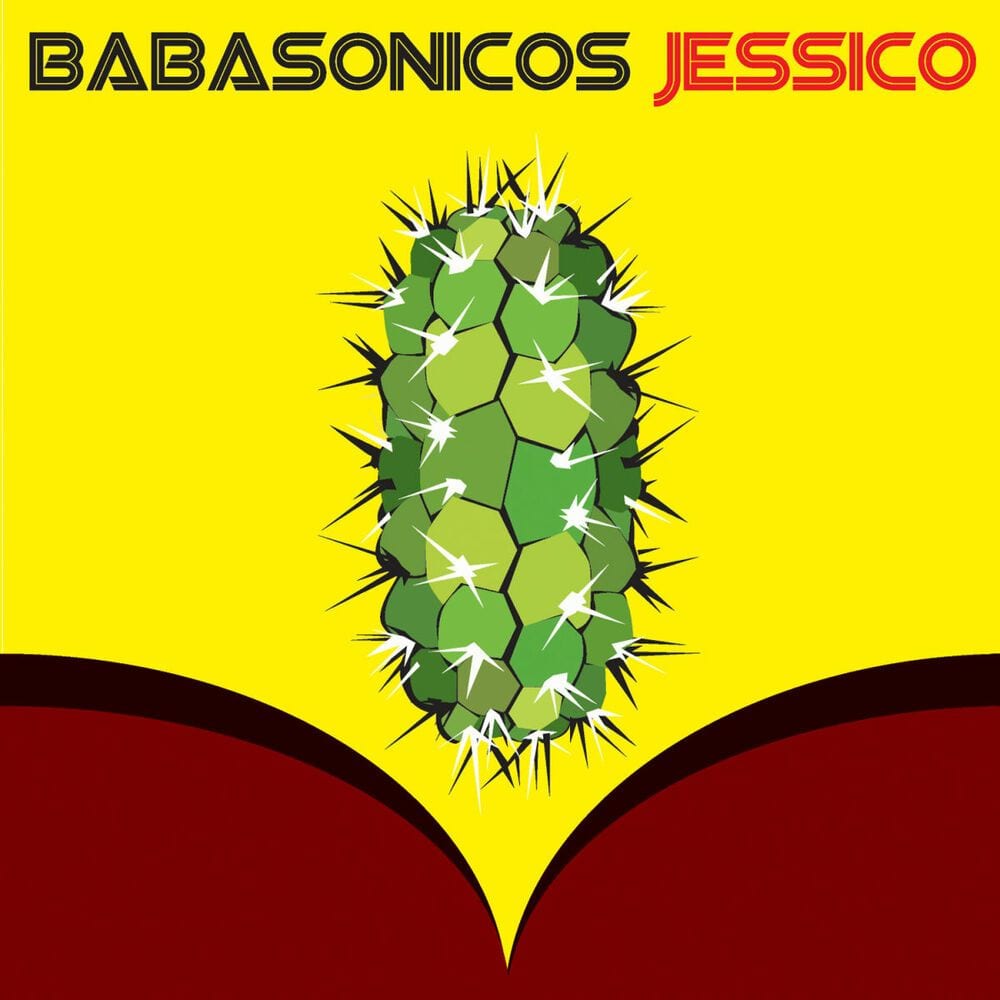
Jessico
Be the first to rateBabasónicos spent the 1990s as an odd psych-rock band with a small, loyal crowd. Jessico, released in July 2001, is where Adrián Dárgelos turned that into sly, sexy pop-rock without filing off the weirdness.
Five singles came off it, "El loco" and "Los calientes" among them, and Rolling Stone Argentina ranked it 16th in 2007, only six years after it came out. It's the bridge between the old canon and the indie bands that came after.
- 19
La Dinastía Scorpio
El Mató a un Policía Motorizado
Be the first to rateBack to La Plata, 26 years after Oktubre. Santiago Barrionuevo, known as Santiago Motorizado, sings, plays bass and drew the sleeve. La dinastía Scorpio was recorded in 2011 with producer Eduardo Bergallo and released on 28 November 2012 by Laptra, the label the band helped build.
"Mujeres bellas y fuertes" and "Chica de oro" are the songs: two chords, a drone and a chorus that gets bigger every time. When Netflix picked up the series Okupas in 2021, Barrionuevo rescored it, replacing songs by Sumo and Almendra that couldn't be licensed. The heir got hired to stand in for the canon.


Explore the sound
Artists in this guide
Read next
Fourth World music: 19 albums from Jon Hassell's first record to his last concert
One trumpeter named a genre in 1980. This is where it went: Eno's studio, Sylvian's Berlin sessions, ECM, Nottingham, Tokyo, and back to a church in Hackney.
Kranky Records: 18 albums from the label that made patience a house style
Drone, dub-soaked post-rock, slowcore and the Deerhunter years, from KRANK 001 in 1993 to Grouper's Shade.
Gone, not finished: 19 albums that arrived a decade or more late
Ranked by how long the silence lasted, from Linda Perhacs' forty-four years down to Portishead's eleven.
Rock progressivo italiano: 22 albums, and most of these bands only got one
Italy's prog boom lasted about five years, produced a staggering number of records, and left a scene full of one-album bands.
Got your own ranking? Build a list or tier of your own.