



Guides/A Riffiter guide
Kranky Records: 18 albums from the label that made patience a house style
Drone, dub-soaked post-rock, slowcore and the Deerhunter years, from KRANK 001 in 1993 to Grouper's Shade.
Kranky is an independent record label founded in Chicago in spring 1993 by Joel Leoschke and Bruce Adams, who were both working at Cargo Music Distribution at the time. Its first album release was Labradford's Prazision LP (October 1993), and its catalog runs through Stars of the Lid, Low, Tim Hecker, Grouper, Deerhunter and Atlas Sound. This guide picks 18 Kranky albums released between 1993 and 2021.
Two guys who spent their days moving other people's records through a Chicago distributor decided in 1993 to put out a few of their own. The first one was by a Richmond band that barely moved. Thirty-odd years later Kranky still sounds like that first decision: slow records, released without much noise, by artists who are left alone. Resident Advisor once summed up the approach as letting artists do whatever they want and rarely running advertisements, which is about as close to a mission statement as the label has ever offered.
This is not a list of Kranky's drone records, though there are plenty. The label also put Godspeed You! Black Emperor on American shelves, gave Low a home between Vernon Yard and Sub Pop, and released Deerhunter's two best-loved albums. We picked 18 in release order, allowing a second entry only where an artist did two different things worth hearing. Stars of the Lid, Tim Hecker and Grouper each got two.
The label is still at it. This autumn Kranky is pressing Windy & Carl's 1994 cassette debut, Portal, to vinyl for the first time.
- 1
Prazision LP
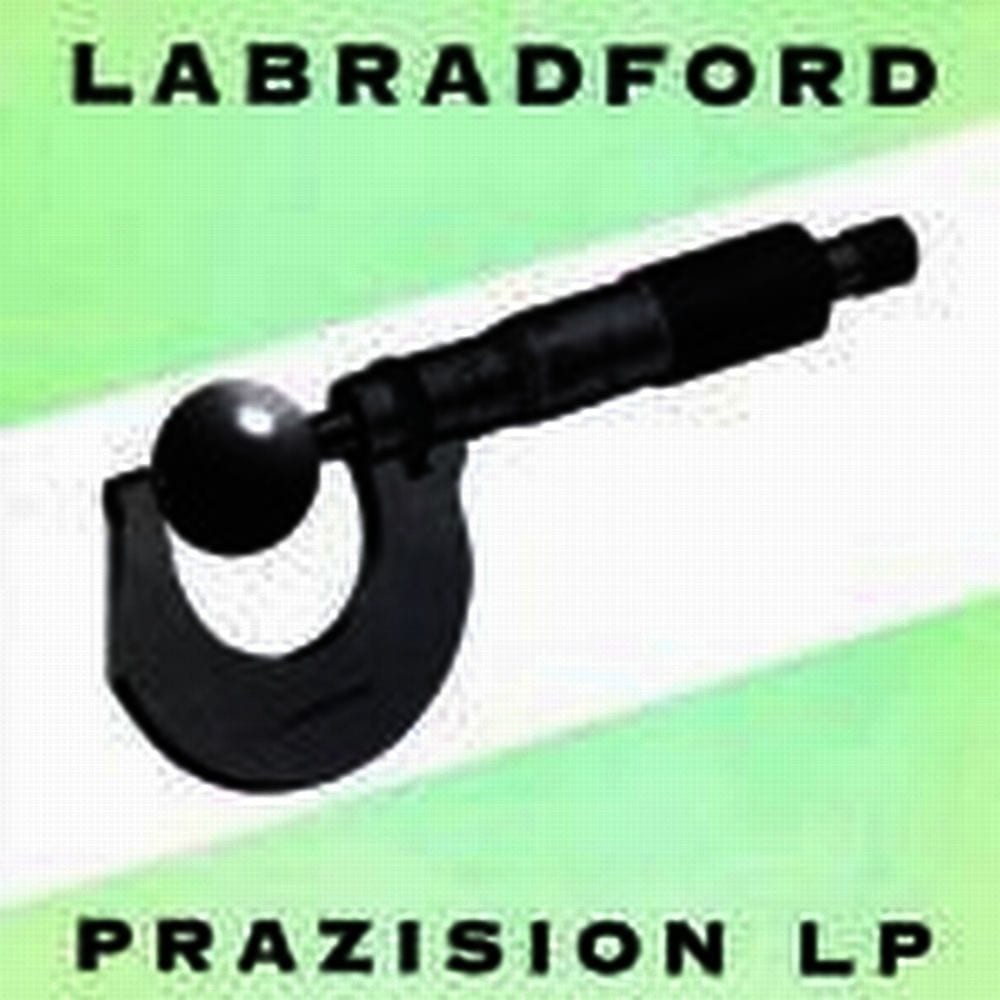
Be the first to rateKRANK 001, out in October 1993 and recorded in Richmond, Virginia. Mark Nelson murmurs more than he sings, the synths hum like old building wiring, and the guitar hardly changes shape from one minute to the next.
It sounds half finished, and that is the appeal. Most of the drone records further down this list are more beautiful, but this is where the label learned what it liked.
- 2
Beat
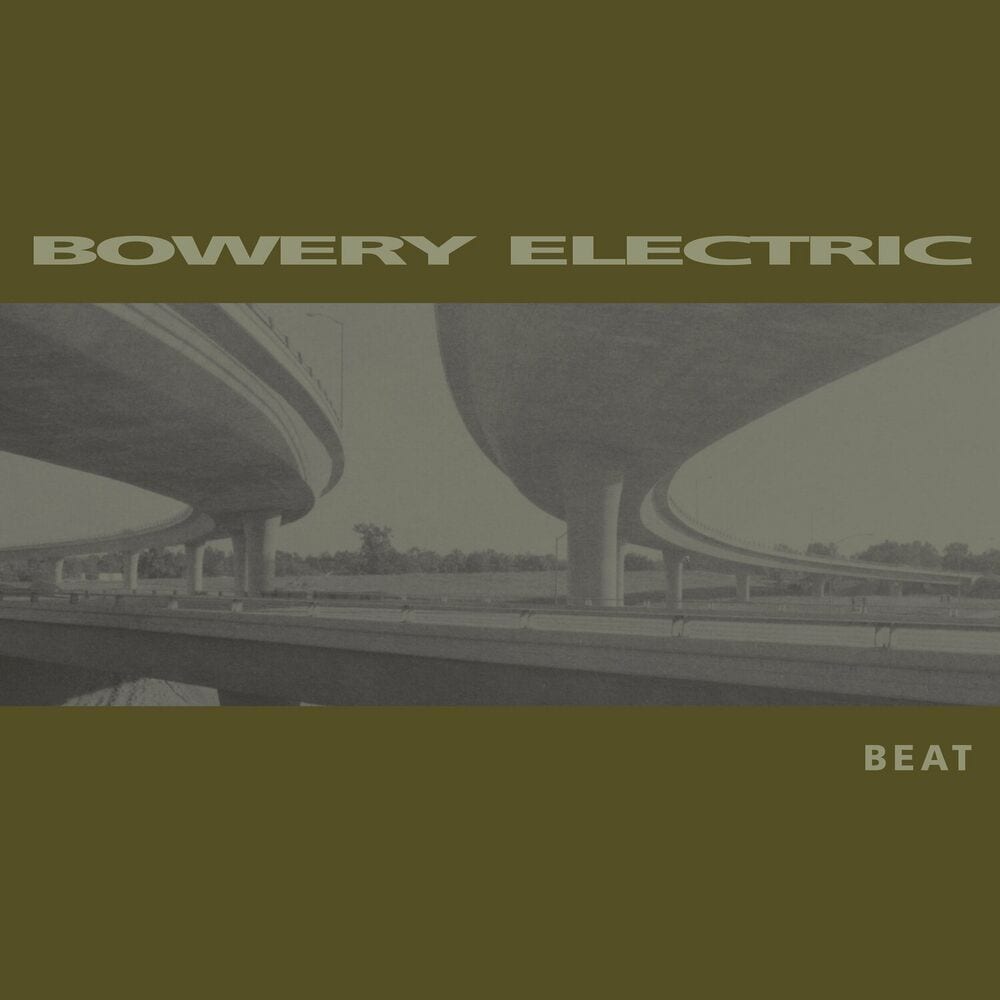
★ 3.5 · 1Martha Schwendener and Lawrence Chandler put shoegaze guitars on top of looped breakbeats in November 1996, before anyone had settled on a name for that. RYM files it as trip hop, which gets the drums right and the rest wrong.
Chandler later said Beat was where the duo learned to sample themselves. You can hear it: the guitars get chopped and repeated until they turn into rhythm. Rich Costey co-produced, years before his big-budget work with Muse.
- 3
Depths
Be the first to rateA married couple from Dearborn, Michigan, who also ran a record store there, Stormy Records. Depths came out on Kranky in March 1998 and it is the peak of their run: Carl Hultgren's guitar spread into a haze, Windy Weber's bass and voice somewhere underneath.
Pitchfork put it at number 36 on its 2016 list of the best ambient albums. It is the warmest record here. Put it on in a cold room and the room seems to heat up.
- 4
Pan American
Be the first to rateLabradford's Mark Nelson on his own, March 1998. He spent the summer of 1997 teaching himself samplers and chasing his interest in dub and techno, partly at home and partly at Sound of Music in Richmond.
The result has Labradford's patience with a low end that actually pulses. It was the first hint that Kranky's idea of slow music could include a bassline you nod to.
- 5
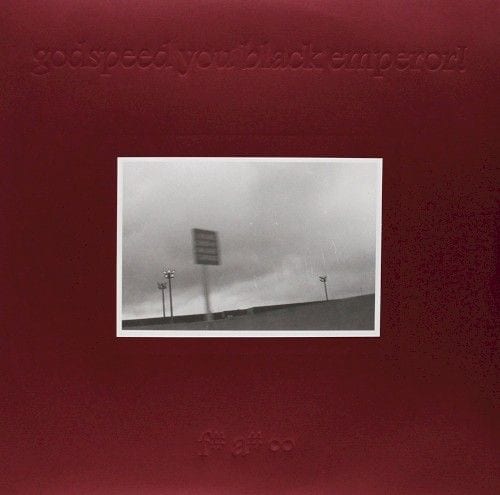
F♯ A♯ ∞
★ 4.5 · 1Constellation pressed the first version on vinyl in Montreal in August 1997. The one most people know is the CD Kranky released in June 1998, which Godspeed reworked with new sections, cut some old passages and stretched to roughly an hour, close to double the LP.
That Kranky edition is the version to rate. The extra material is where the record's dread really settles in, and "The Dead Flag Blues" monologue still opens it better than anything else Godspeed recorded.
- 6
Things We Lost in the Fire
Be the first to rateReleased in January 2001, the second Low album Steve Albini engineered at Electrical Audio after Secret Name. The Duluth trio slowed down further, yet the songs got sharper: "Sunflower", "Dinosaur Act" and Mimi Parker singing "Laser Beam" with nothing to hide behind.
It is the best record of Low's Kranky years and the one to start with if slowcore has never clicked for you. Parker died in 2022, and her harmonies on this album are the first thing people bring up.
- 7
The Tired Sounds of Stars of the Lid
Be the first to rateBrian McBride and Adam Wiltzie formed Stars of the Lid in Austin and made this one, released in October 2001, partly by mailing tapes to each other. It runs just past two hours: bowed strings, treated guitar and brass, all stretched until you can't tell where one note hands off to the next.
Pitchfork later ranked it the sixth best ambient album ever. It works as background music, but it rewards the full two hours with headphones a lot more.
- 8

Playthroughs
Be the first to rateEvery sound on Playthroughs started as a guitar. Whitman, who also made hyperactive breakcore under the name Hrvatski, ran it through a laptop processing setup between September 2001 and April 2002 until it swelled and shimmered on its own.
Pitchfork gave it a 9.7. The score gets quoted more than the album gets played, which is a shame, because this is the most generous record on the list.
- 9
First Narrows
Be the first to rateVancouver's Scott Morgan named the album after the official name of the Lions Gate Bridge and, for the first time, let other players in: Nyla Raney on cello, Tim Loewen on guitar, Jason Zumpano on Rhodes. It came out in May 2004.
The live instruments pull Morgan's clicks and hiss toward chamber music without losing the damp harbour-at-dawn feel his earlier records had. Of the dozen-plus Loscil albums, this is the one where the machine starts sounding like a room full of people.
- 10

The Dead Texan
Be the first to rateAdam Wiltzie wrote this in Brussels between 2001 and 2003, originally for Stars of the Lid, then decided it was too aggressive for them. He finished it with the filmmaker and composer Christina Vantzou, and Kranky issued it in 2004 as a CD with a DVD of her films.
It is still only aggressive by Wiltzie's standards. The difference is a few songs with actual vocals and a sly humour Stars of the Lid never allowed themselves. The duo's only album.
- 11
Harmony in Ultraviolet
★ 4.0 · 1The loudest record here, released in October 2006. Hecker builds feedback and ruined keyboard tones into walls you can't trace back to any source instrument, then lets one melody push through the noise.
Pitchfork named it the ninth best ambient album of all time, but "ambient" undersells how physical this gets at volume. Start with "Chimeras" and turn it up past the point of comfort.
- 12
Cryptograms
Be the first to rateThe Atlanta band cut Cryptograms in two separate one-day sessions, and Kranky released it in January 2007. You can hear the split: a first half of fevered ambient drift and garage murk, then a second half of songs with real hooks, "Strange Lights" and "Hazel St." among them.
Microcastle (2008) is the fans' pick, and it is the better-built record. Cryptograms is the stranger one, and it sits more naturally next to everything else on Kranky's shelf.
- 13
And Their Refinement of the Decline
★ 4.3 · 2Two discs and more than two hours, released in April 2007. Where Tired Sounds drifts, Refinement composes: the melodies are longer, the horns and strings more written out, and pieces like "Don't Bother They're Here" come close to chamber music.
It turned out to be the last Stars of the Lid album. McBride died in 2023; Wiltzie carried on with A Winged Victory for the Sullen, a tidier and more cinematic project that never quite replaced this.
- 14
Let the Blind Lead Those Who Can See but Cannot Feel
Be the first to rateBradford Cox's first album without Deerhunter, released by Kranky in North America in February 2008. He built the songs in Ableton Live in single sittings of a few hours and described the process as stream of consciousness.
That sounds like a recipe for sketches, and a few tracks are. But "River Card" and "Recent Bedroom" hold up as some of the most private songs Cox ever released.
- 15
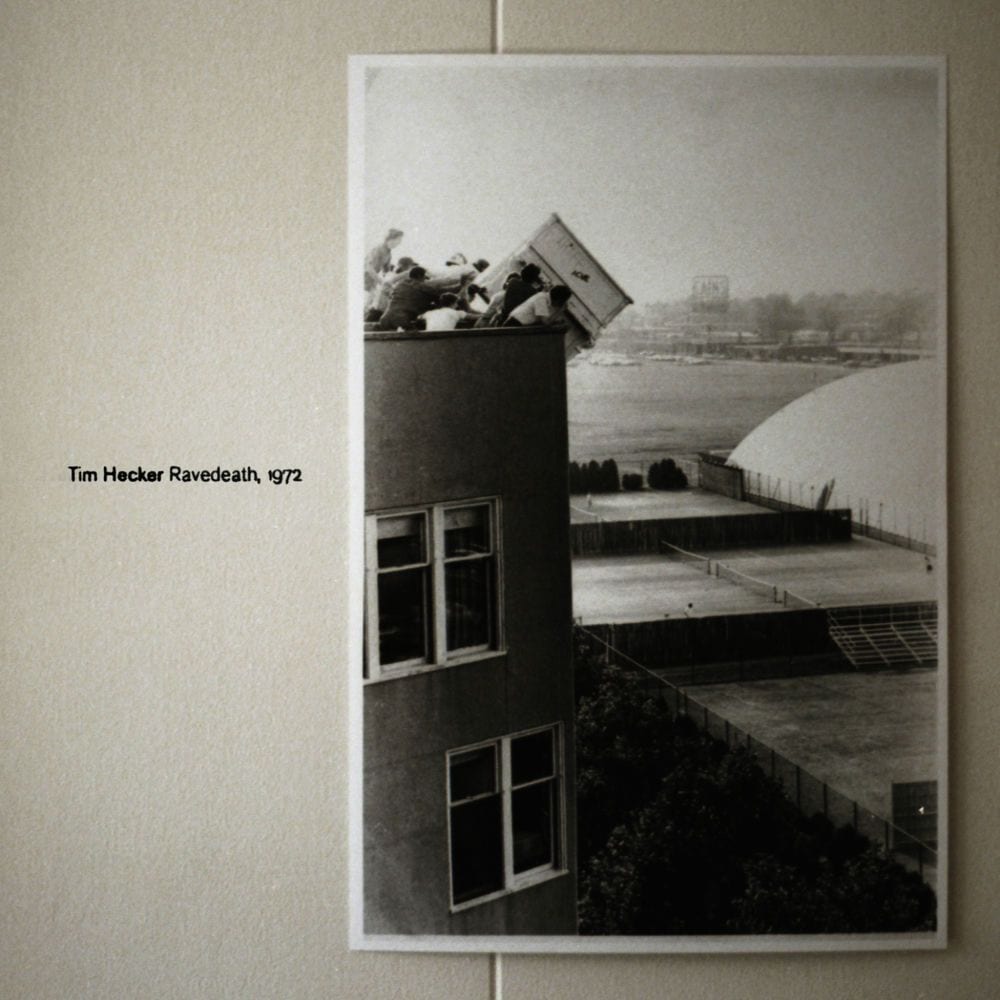
Ravedeath, 1972
★ 3.0 · 1Recorded in a single day, 21 July 2010, on the pipe organ of Fríkirkjan church in Reykjavík, a room Ben Frost found for him. Hecker processed the organ as he played and again in the mix, and called the result a hybrid of a studio and a live record. Kranky released it in February 2011.
The cover photo shows MIT students pushing a piano off a roof in 1972. The music is what that piano might sound like still falling. Hecker has made bigger records since, but not a better one.
- 16
The Man Who Died in His Boat
Be the first to rateDragging a Dead Deer Up a Hill came out on Type in 2008. These are songs Liz Harris recorded around those sessions, and Kranky released them in February 2013. The title comes from a wrecked sailboat that washed up on Agate Beach in Bolinas, California, when she was a teenager.
It is the Kranky side of her best period and, song for song, only a little behind Dragging. "Vital" is the one to hear first.
- 17
Precious Systems
Be the first to rateMelissa Guion's first full length, out in July 2016 after a 2014 cassette EP on Constellation Tatsu. She wrote it in New Orleans and built it on heavy washes of bass, the swamp and the refinery sitting in the same mix.
It is the best Kranky debut of the 2010s: dream pop gone smoky and dense, with a trio behind her by the time it was finished. Anyone who treats Kranky as a 1990s label should start here.
- 18
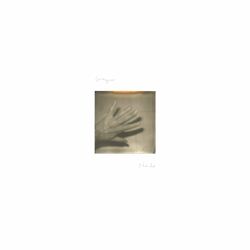
Shade
Be the first to rateSongs Harris recorded over fifteen years, from 2006 to 2021: some on Mount Tamalpais during a residency she arranged herself, some in Portland, the rest in Astoria. Kranky released it in October 2021 and Pitchfork put it at 18 on its albums of the year list.
It is her most guitar-and-voice record in years, closer to a folk album than to the fog she is known for. It is also the right place to end, because the label's first record and its best recent one both sound like somebody playing alone and in no hurry.


Explore the sound
Artists in this guide
Read next
Gone, not finished: 19 albums that arrived a decade or more late
Ranked by how long the silence lasted, from Linda Perhacs' forty-four years down to Portishead's eleven.
Rock progressivo italiano: 22 albums, and most of these bands only got one
Italy's prog boom lasted about five years, produced a staggering number of records, and left a scene full of one-album bands.
The whole band was one person: 22 albums made alone
Wendy Carlos in a Manhattan apartment, Springsteen in a bedroom, Jane Remover recording guitar one string at a time. Records where a single player covered every part.
Congolese rumba and soukous: a 23-record canon, from Indépendance Cha Cha to the Kinshasa of now
Sixty-five years of dance music from both banks of the river, told through the bands that kept splitting up.
Got your own ranking? Build a list or tier of your own.