

Discography
65
Most popular
The Best of the Black President 2
2013 · 12 tracks
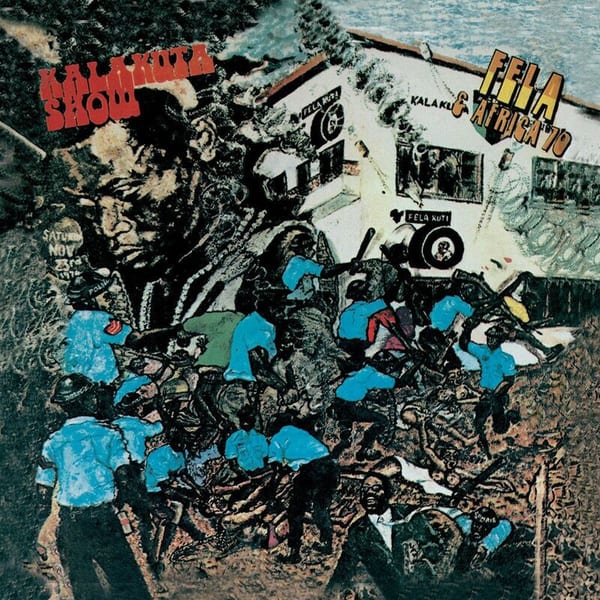
Kalakuta Show
1976
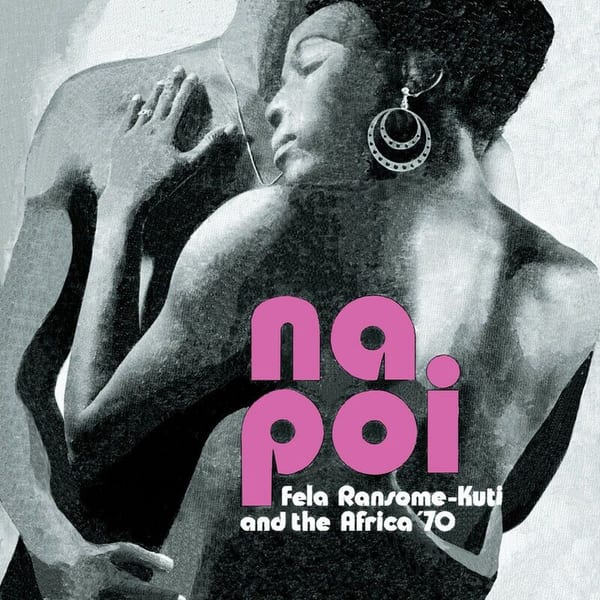
Na Poi
1971
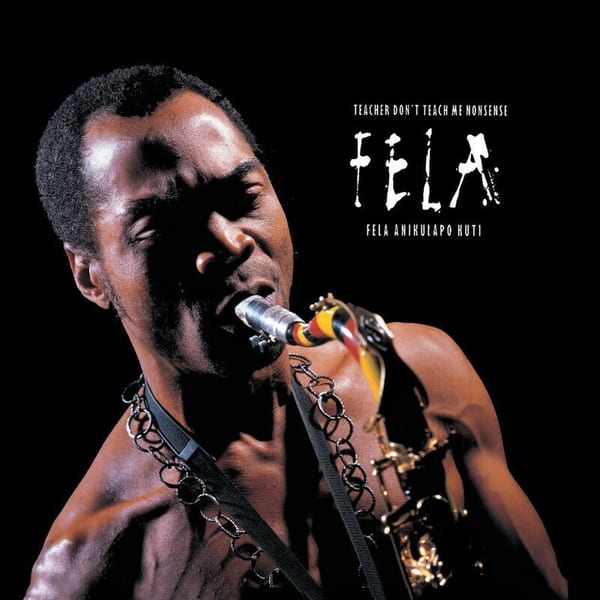
Teacher Don't Teach Me Nonsense
1986
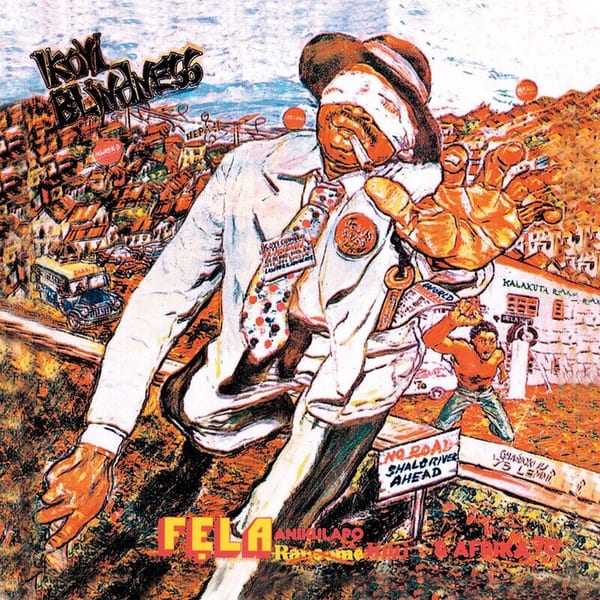
Ikoyi Blindness
1976
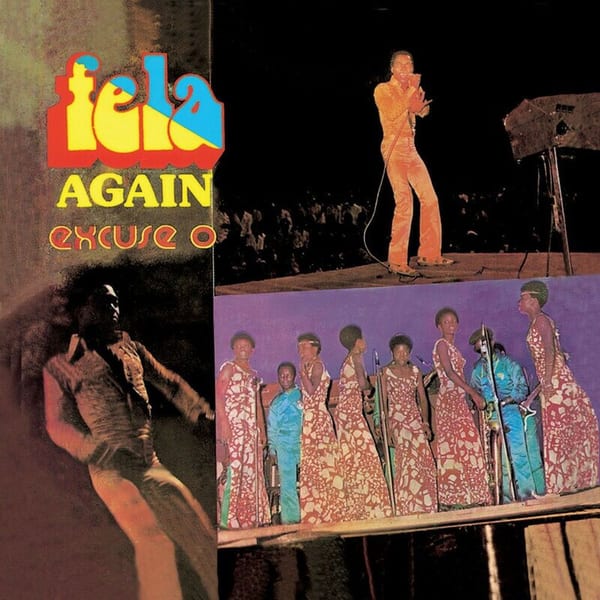
Excuse O
1976
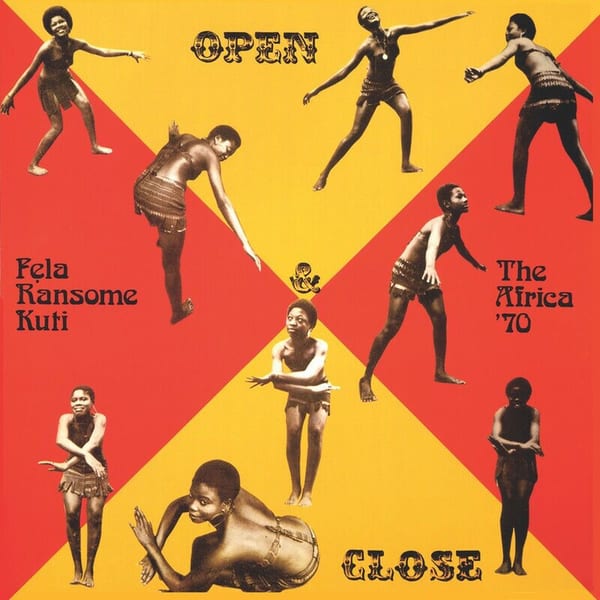
Open & Close
1972
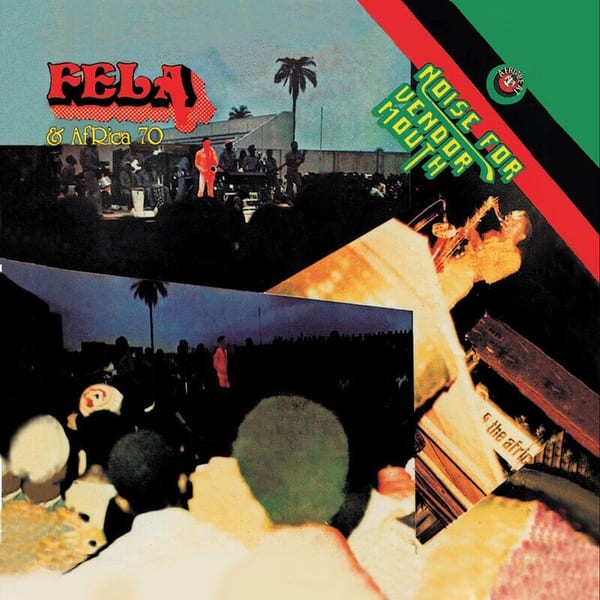
Noise for Vendor Mouth
1975
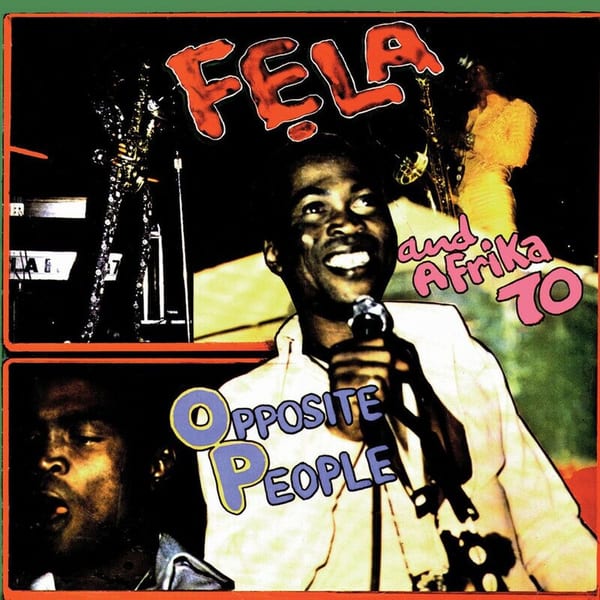
Opposite People
1977
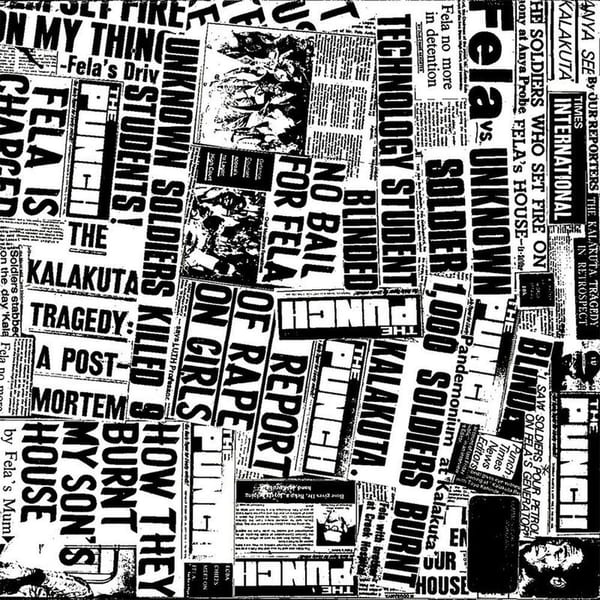
Unknown Soldier
1979
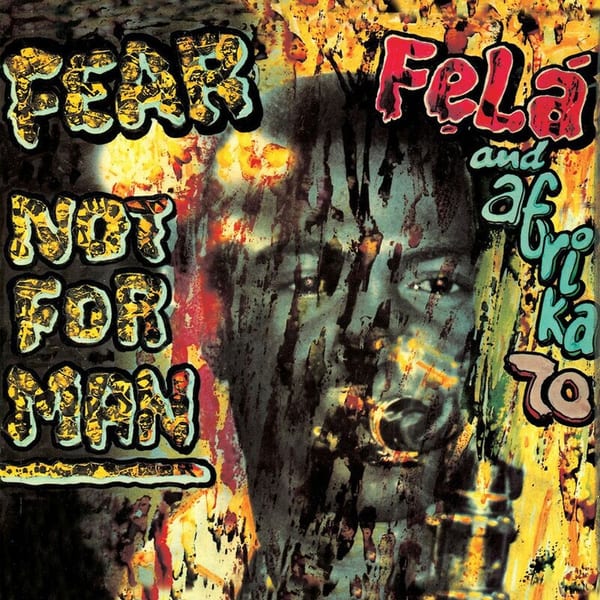
Fear Not for Man
1977
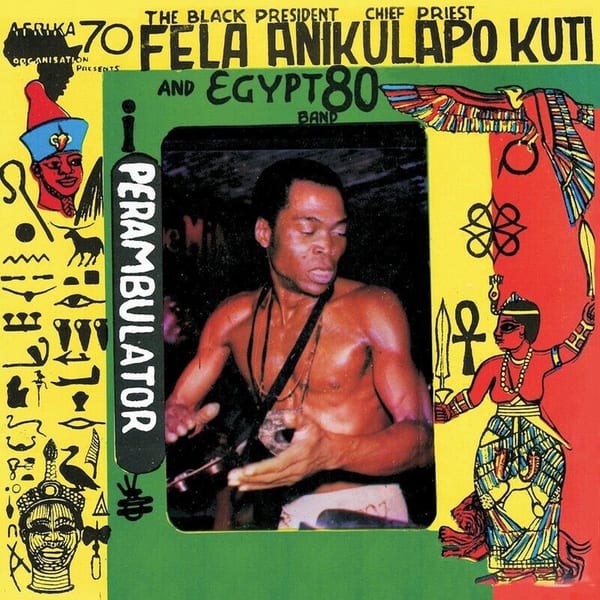
Perambulator
1983
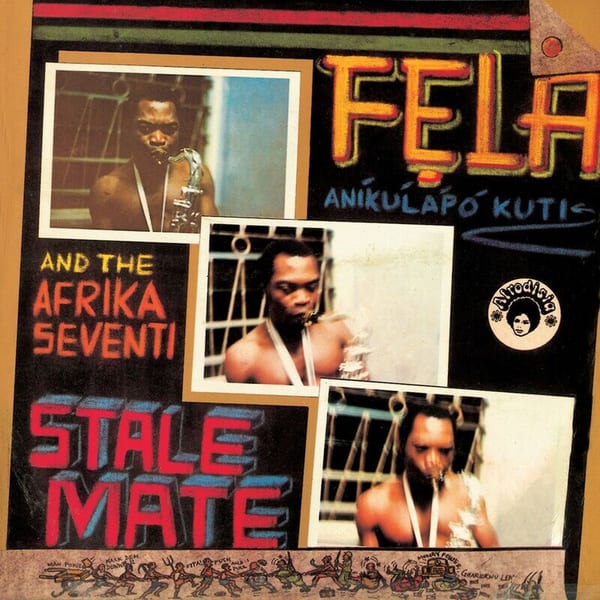
Stalemate
1977

Coffin for Head of State (Edit)
2025

Stalemate (Edit)
2023
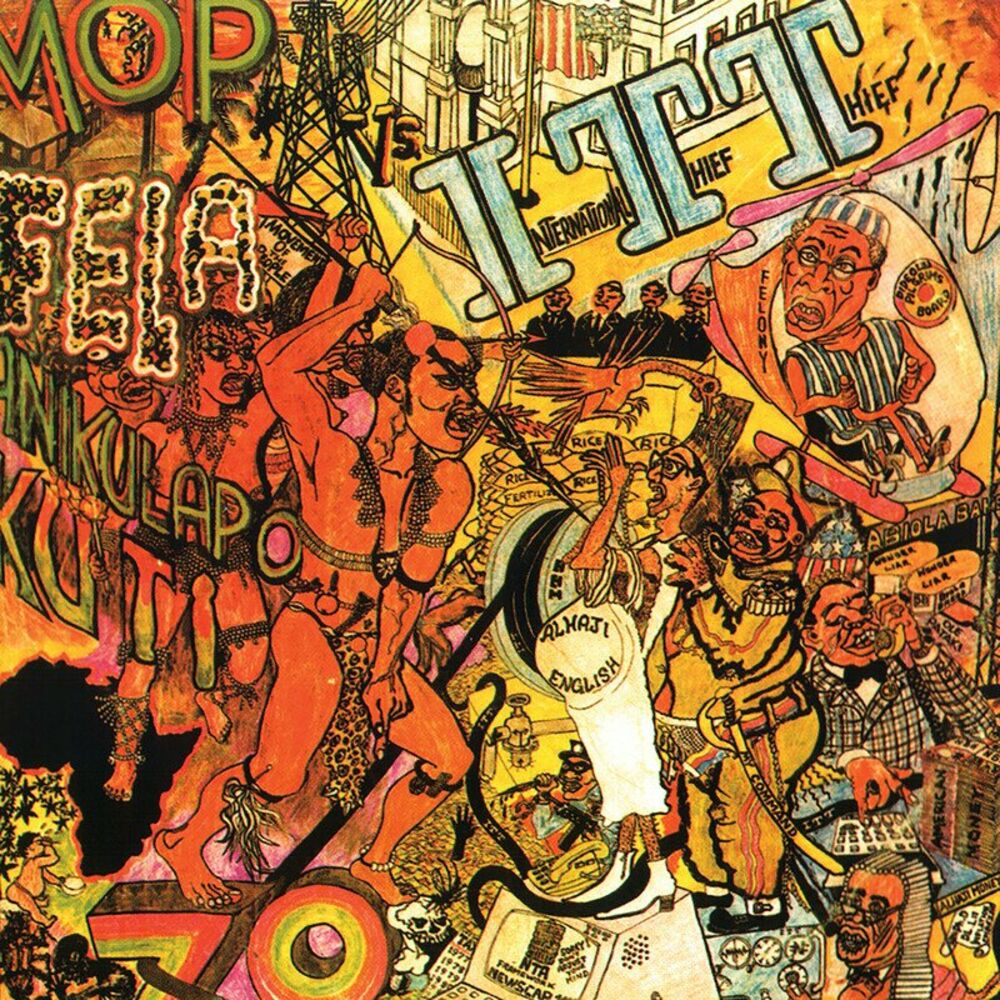
I.T.T. (International Thief Thief) (Edit)
2021

Zombie
2020
I Go Shout Plenty!!!
2020
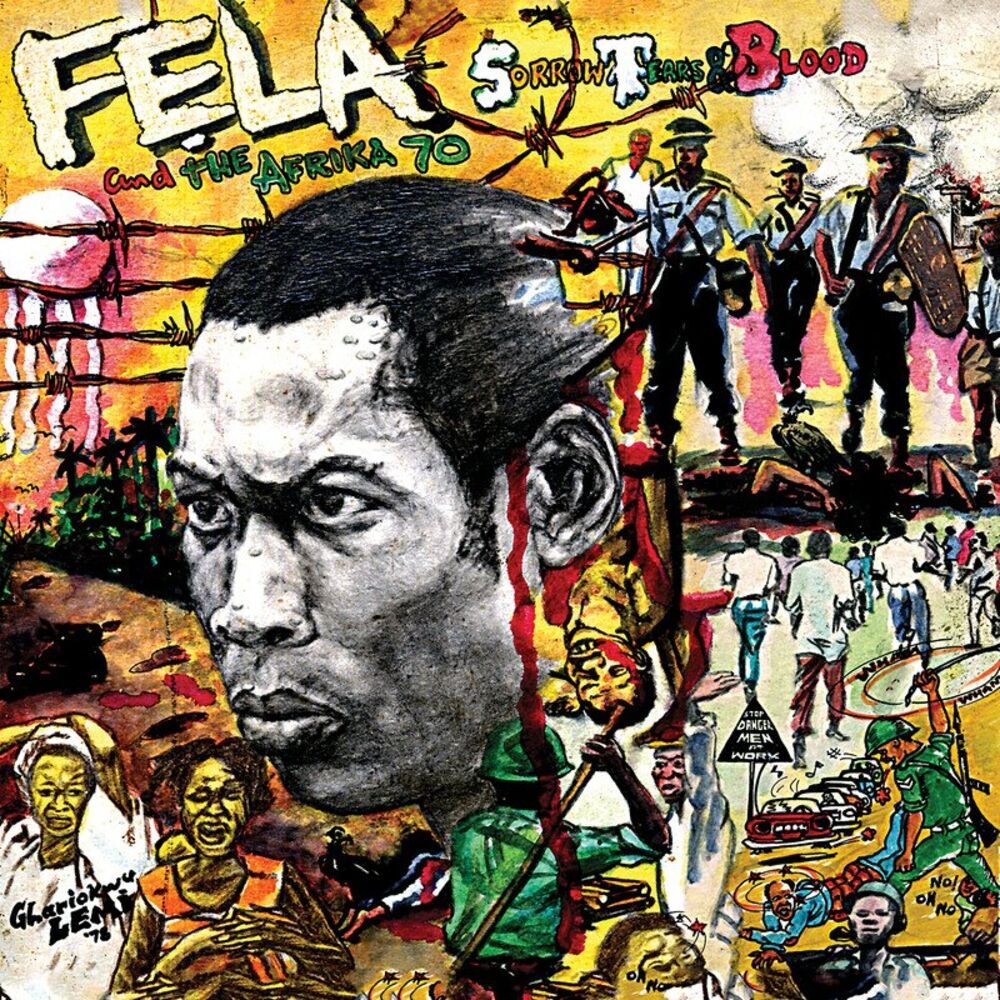
Sorrow Tears and Blood (Edit)
2020

Fela With Ginger Baker Live!
2020

2000 Blacks Got to Be Free
2019
Africa Centre of the World
2019

Leeroy Presents Fela Is the Future
2017
Finding Fela (Original Motion Picture Soundtrack)
2016
Highlife: Jazz and Afro-Soul (1963-1969)
2016

Why Black Man Dey Suffer
2013

Everything Scatter
2013
Upside Down
2013

Unnecessary Begging
2013

Gentleman
2013

Roforofo Fight
2013
O.D.O.O. (Overtake Don Overtake Overtake)
2013

Alagbon Close
2013

He Miss Road
2013

Expensive Shit
2013
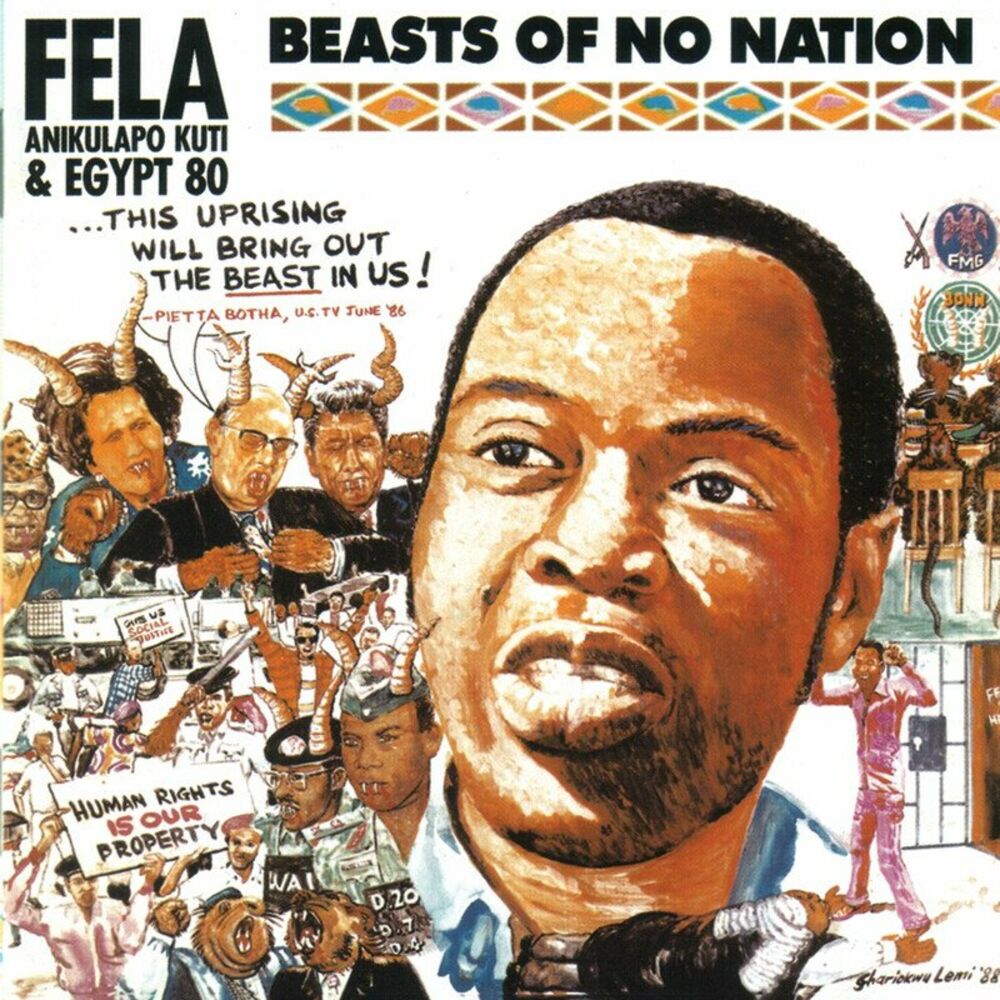
Beasts of No Nation
2013

No Agreement
2013
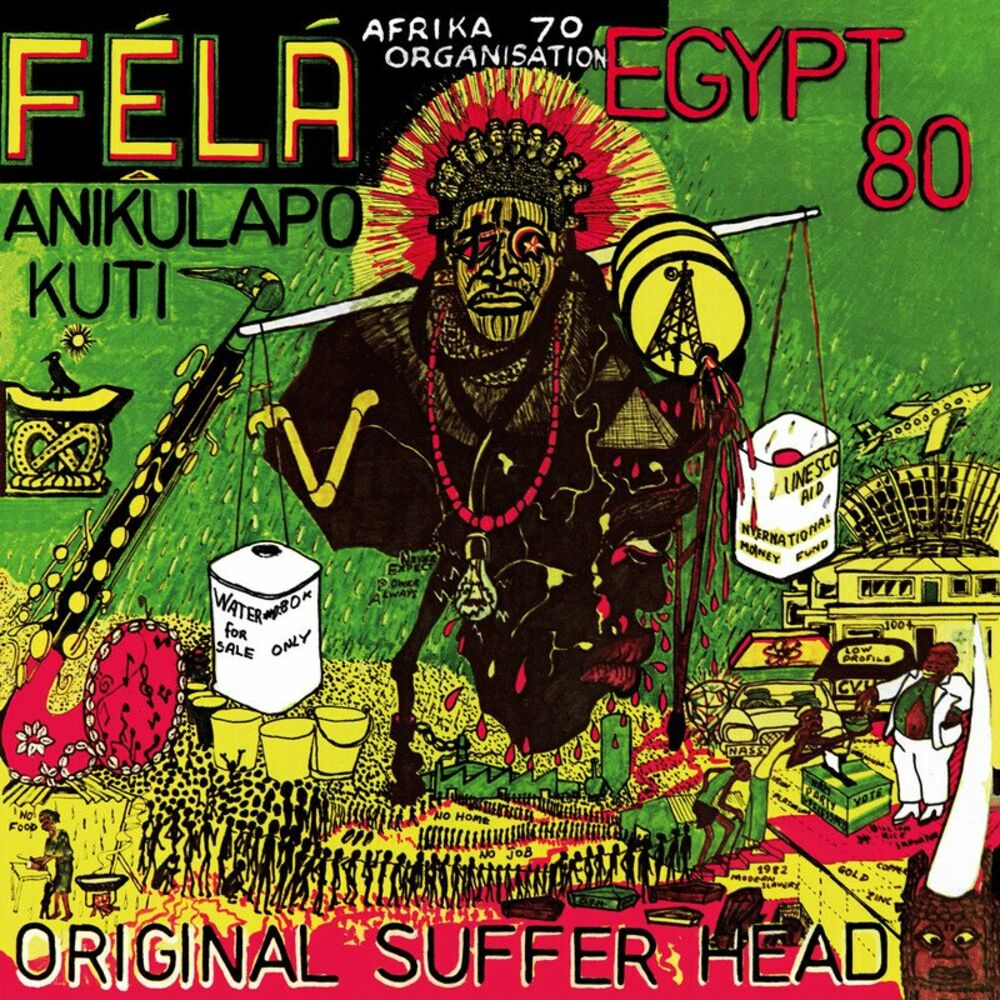
Original Sufferhead
2013
Live In Detroit 1986
2012
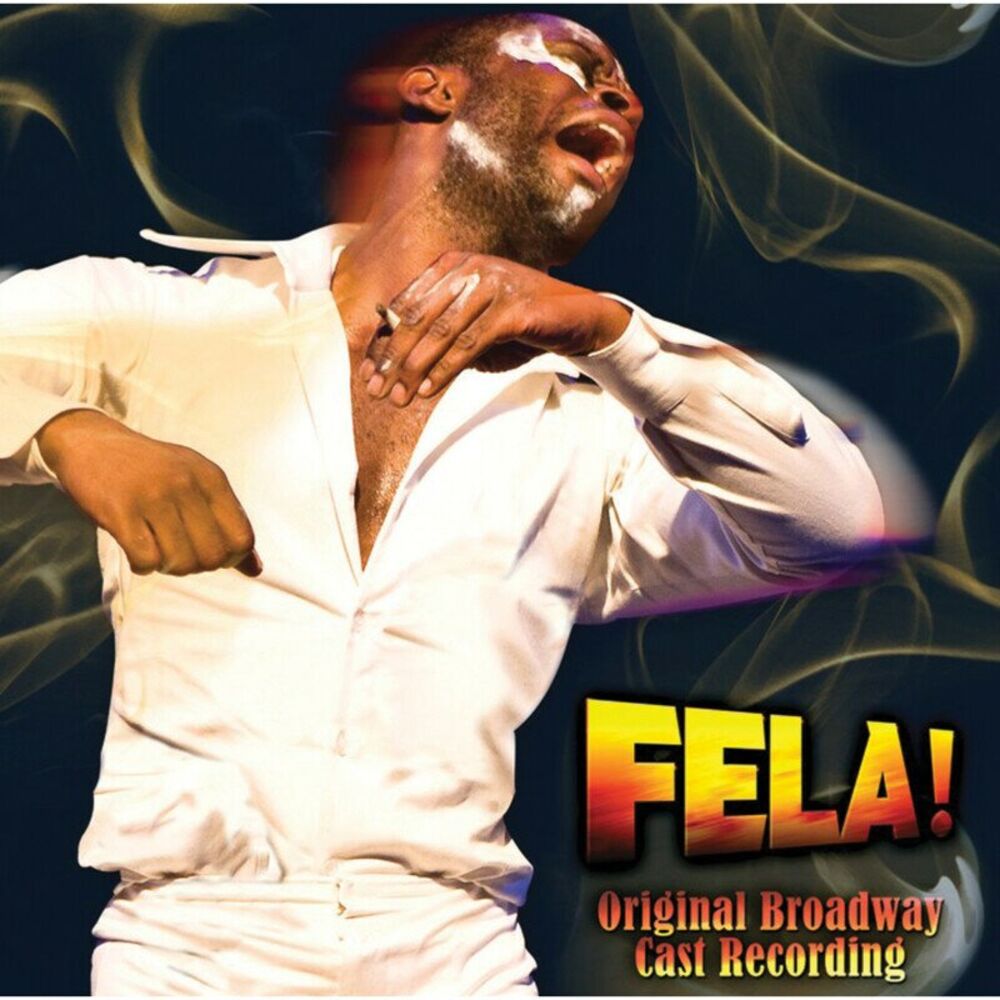
FELA! Original Broadway Cast Recording (feat. Kevin Mambo)
2012

Fela's London Scene
2010

Afrodisiac
2010

The '69 Los Angeles Sessions
2010
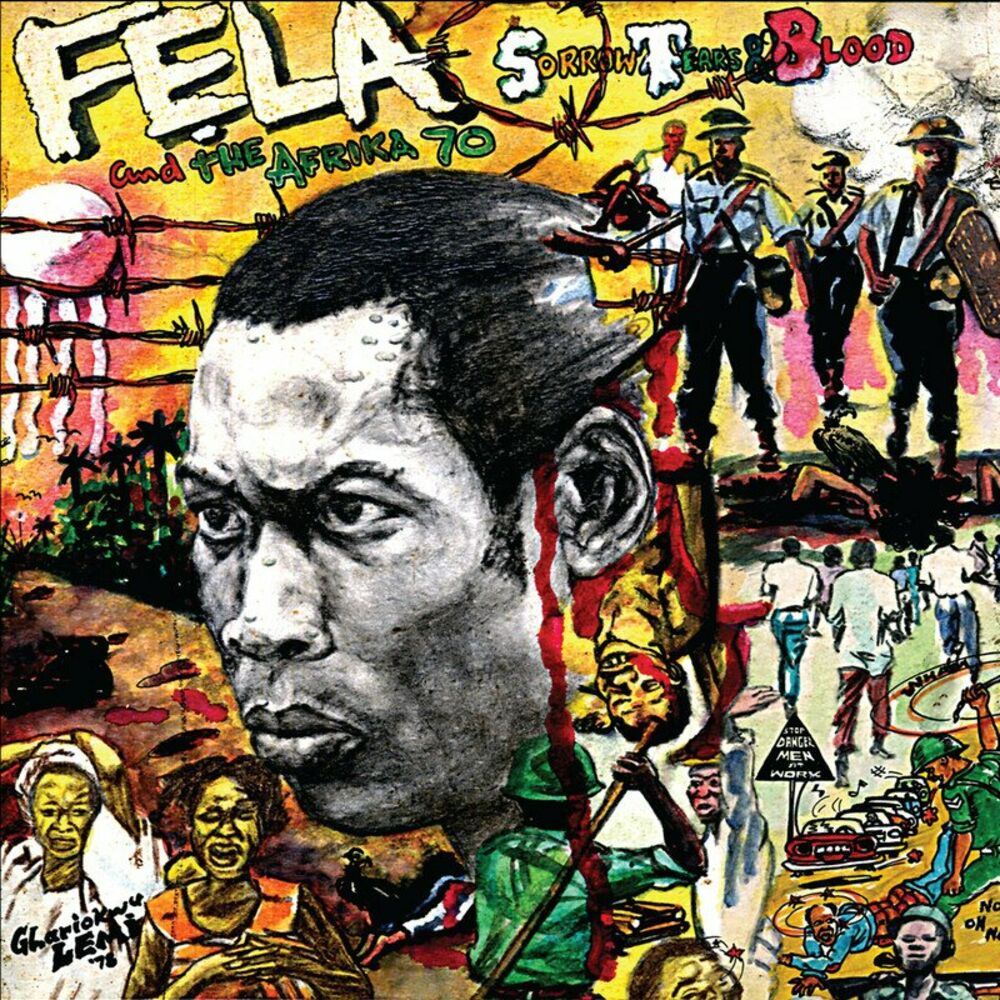
Sorrow Tears and Blood
2010
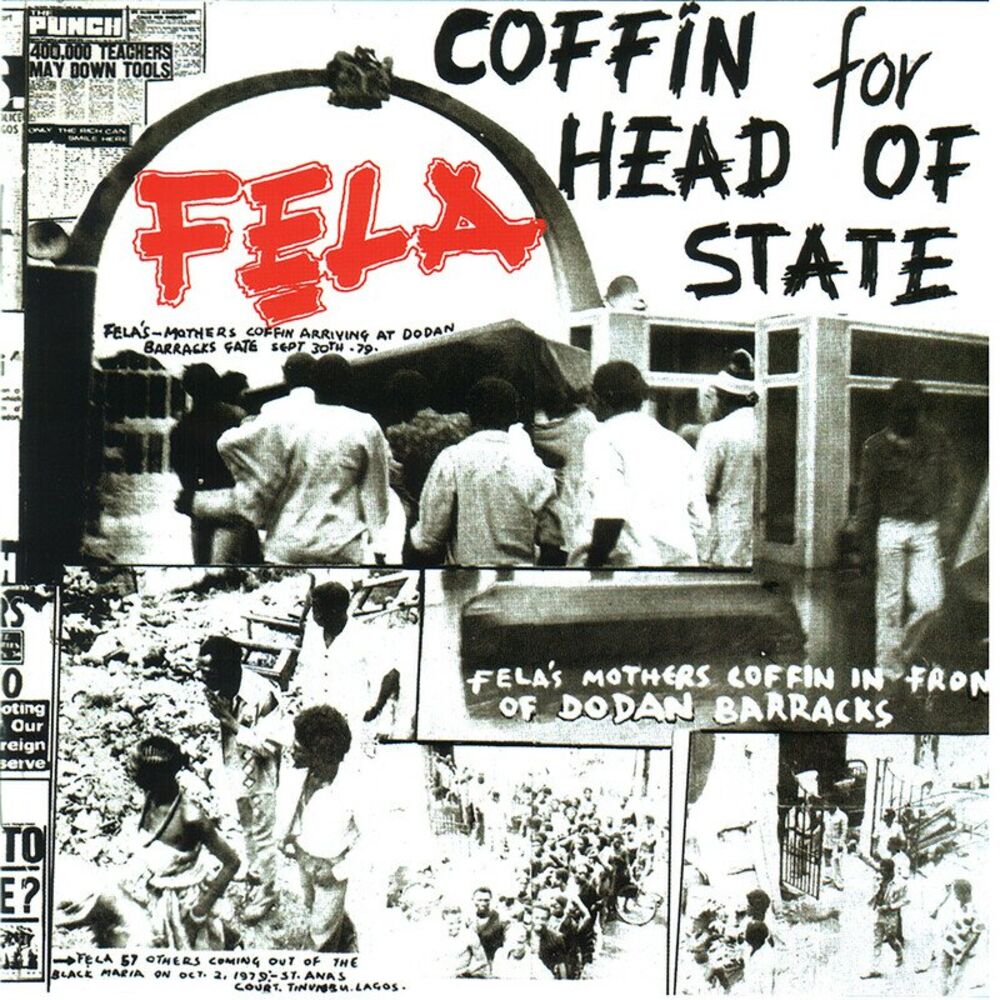
Coffin for Head of State
2009

V.I.P. (Vagabonds in Power) (Live in Berlin)
2009

Confusion
2009

Music of Many Colours
2009
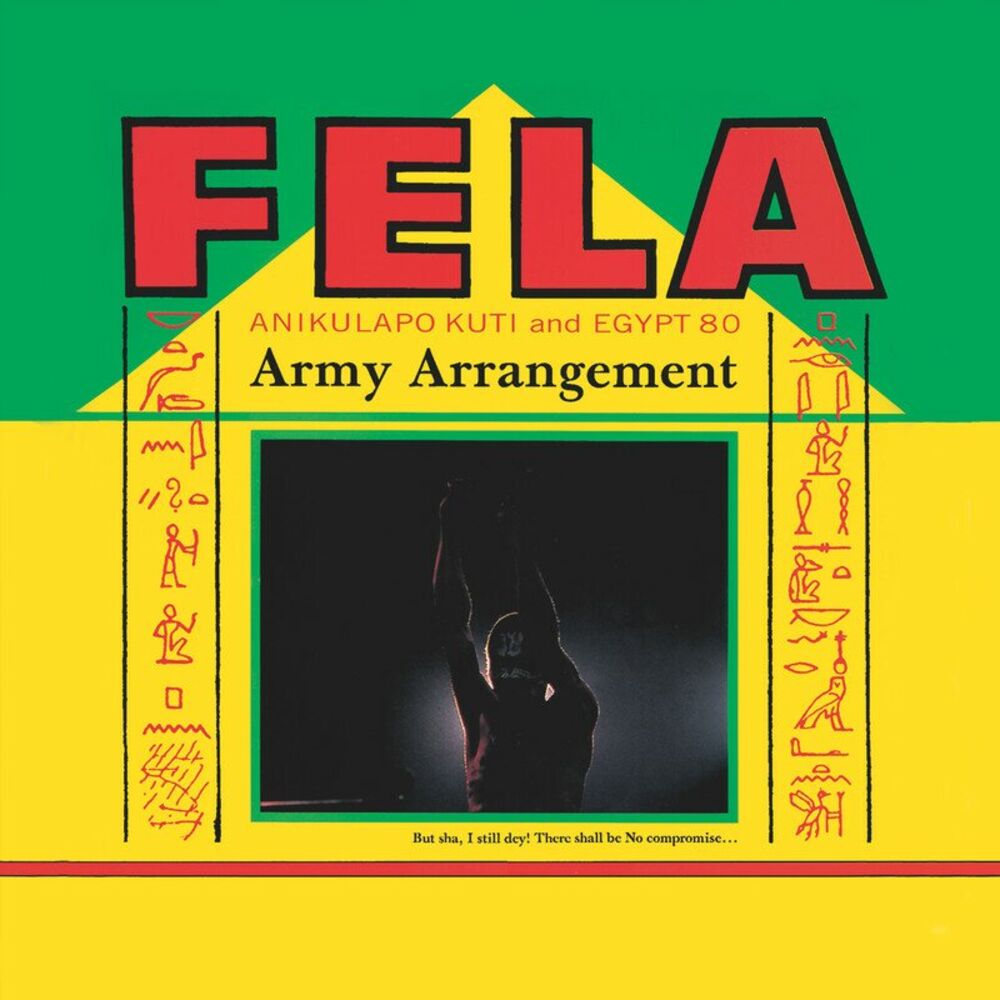
Army Arrangement
2009
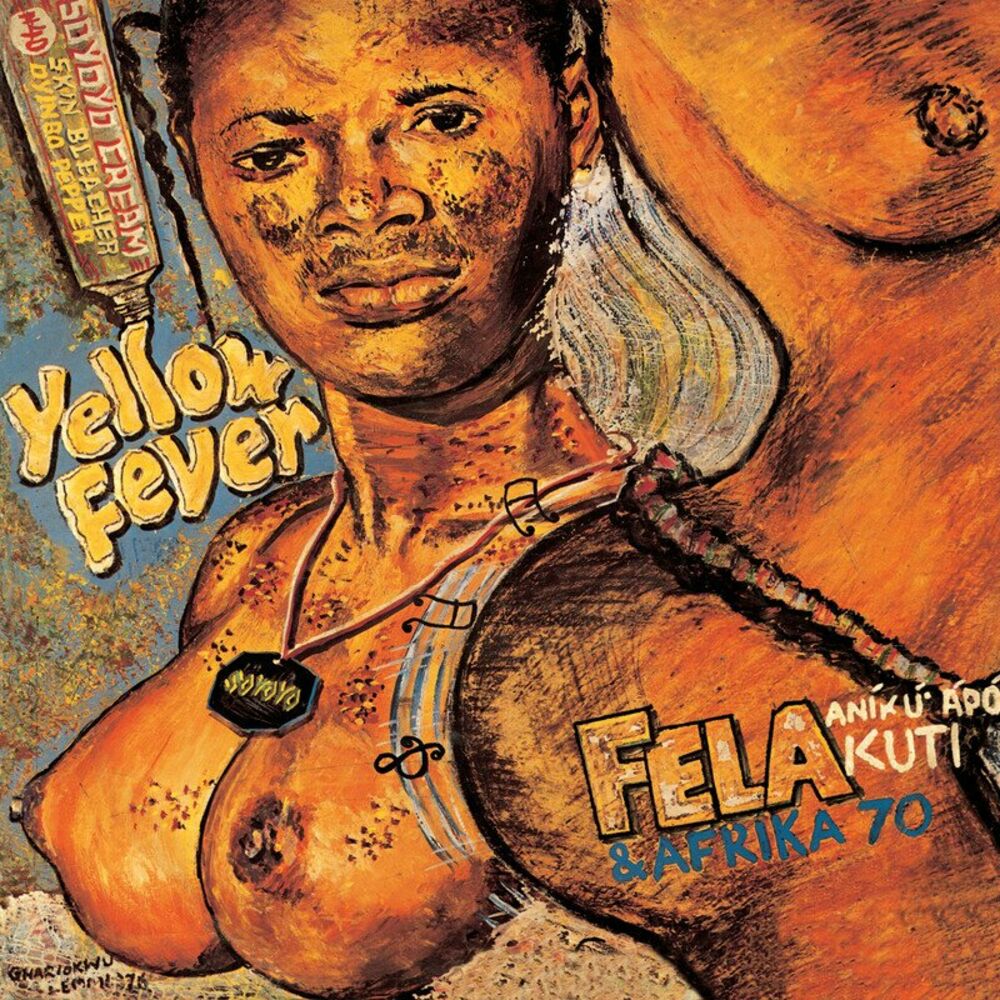
Yellow Fever
2009
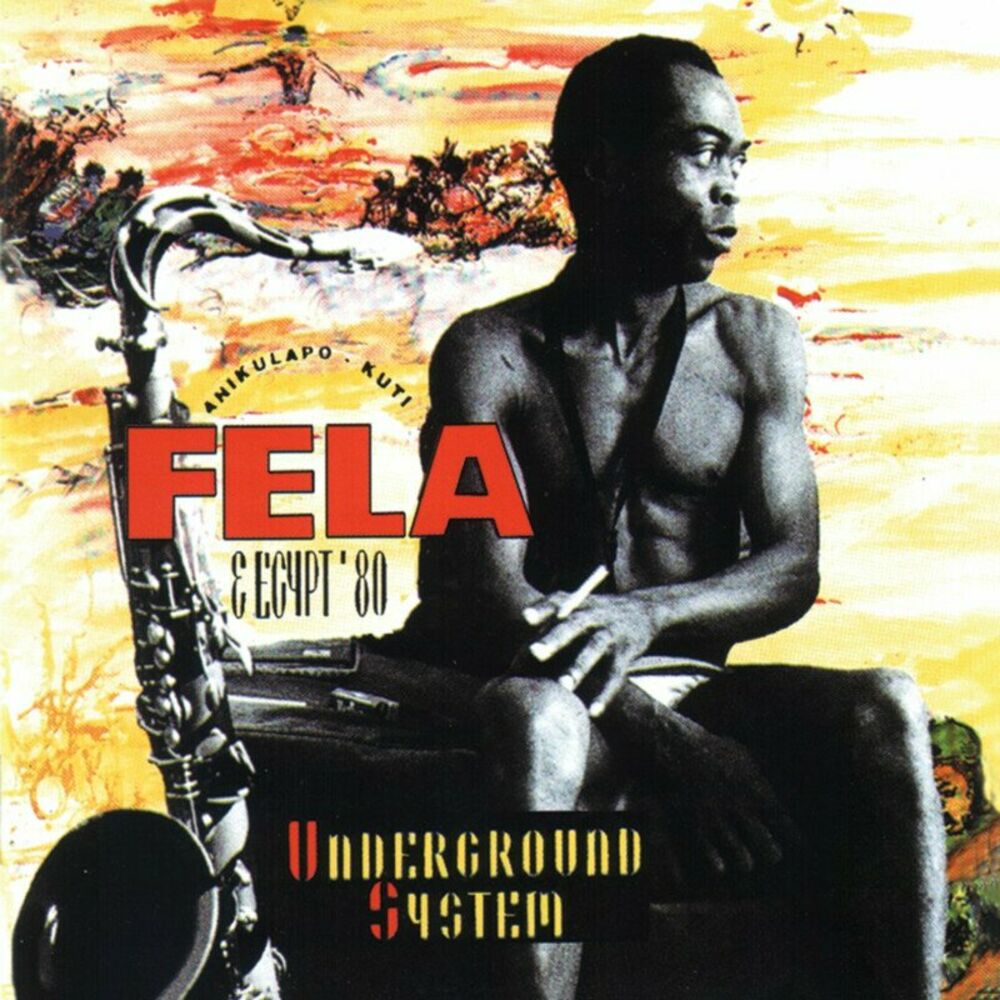
Underground System
2009
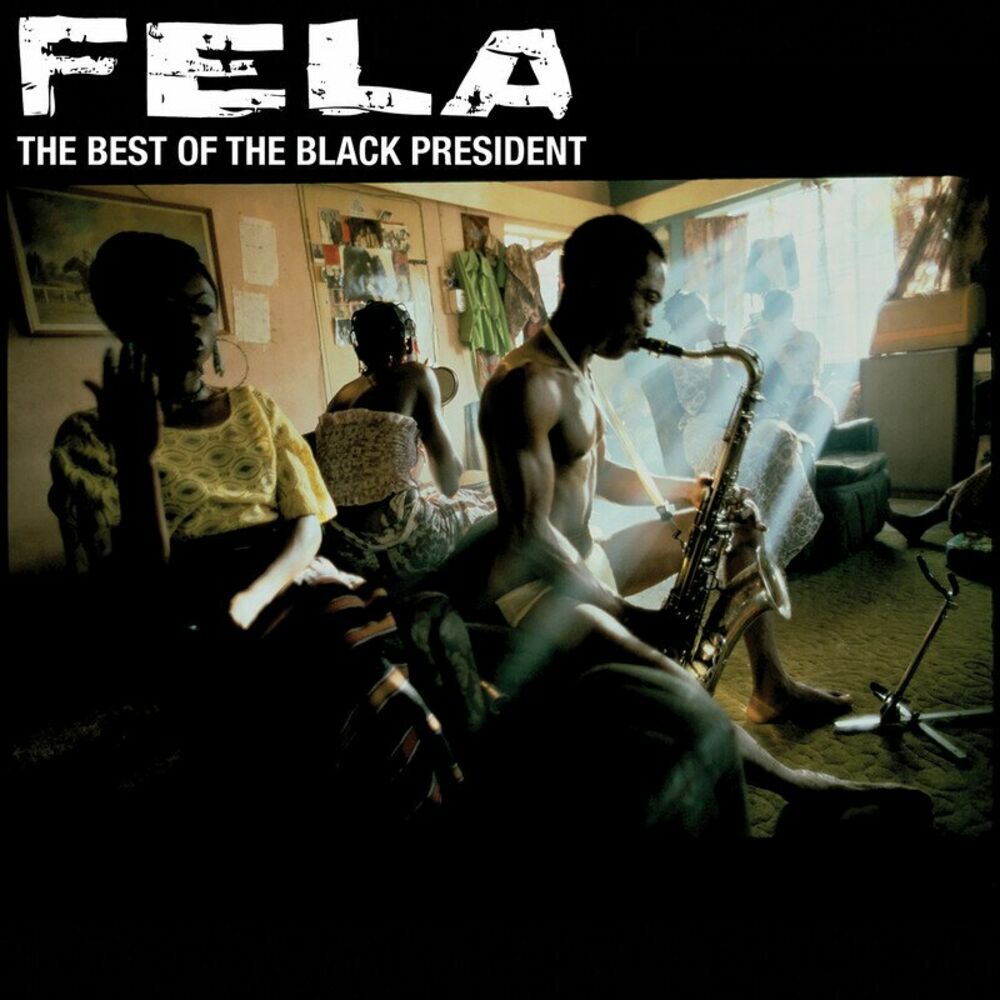
The Best of The Black President
2006

Live in Amsterdam
2006
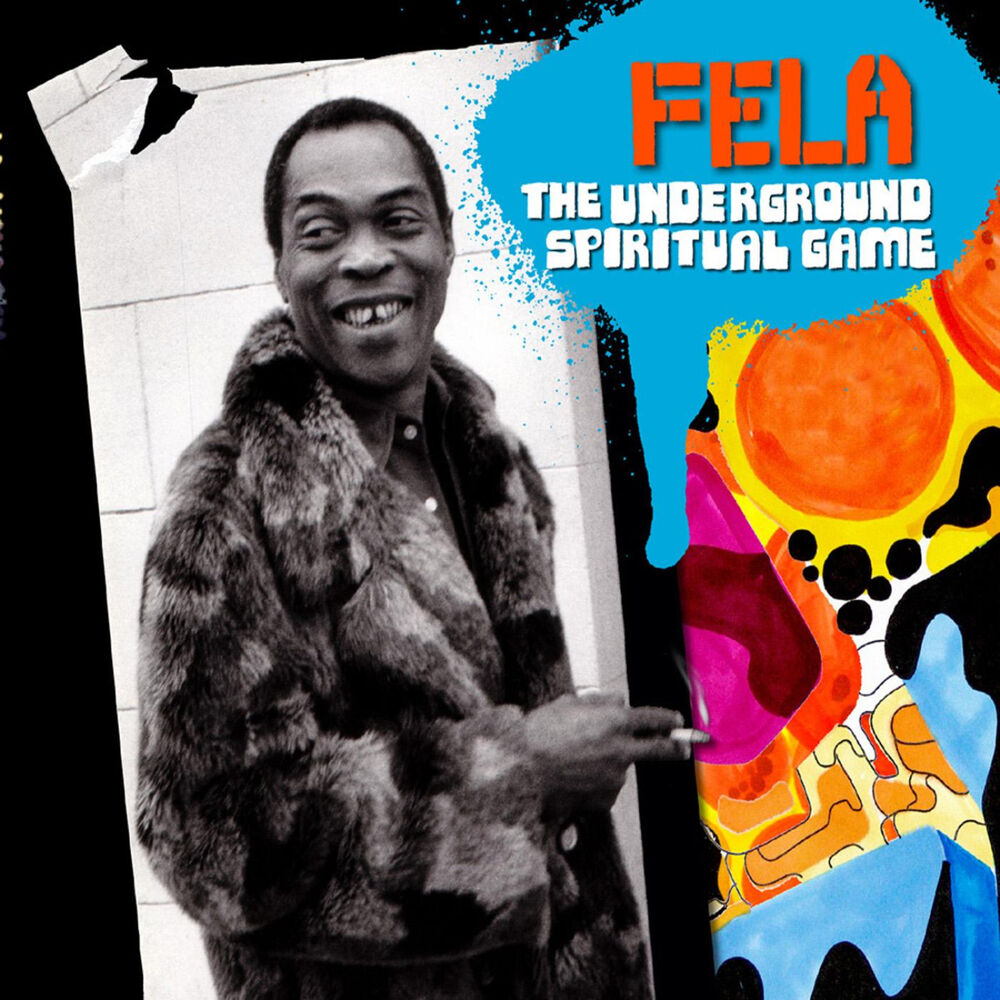
The Underground Spiritual Game
2004
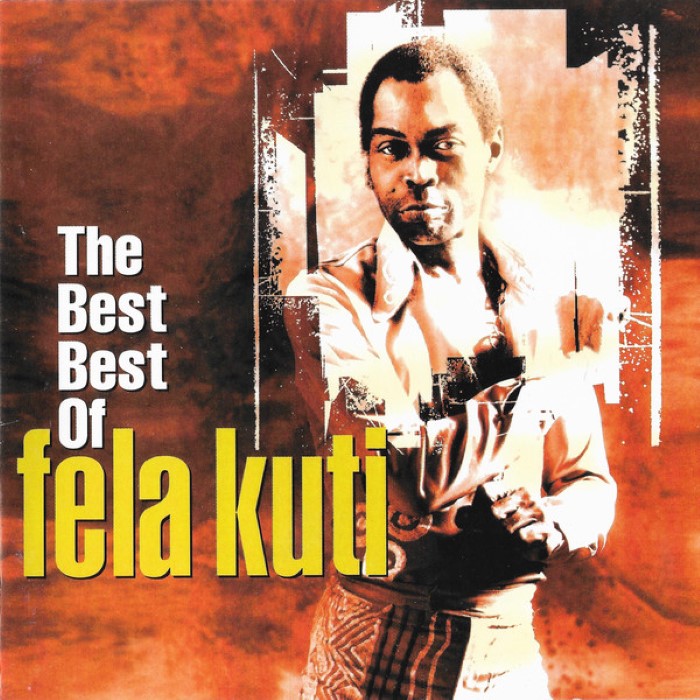
The Best of Fela Kuti: The Black President
1999
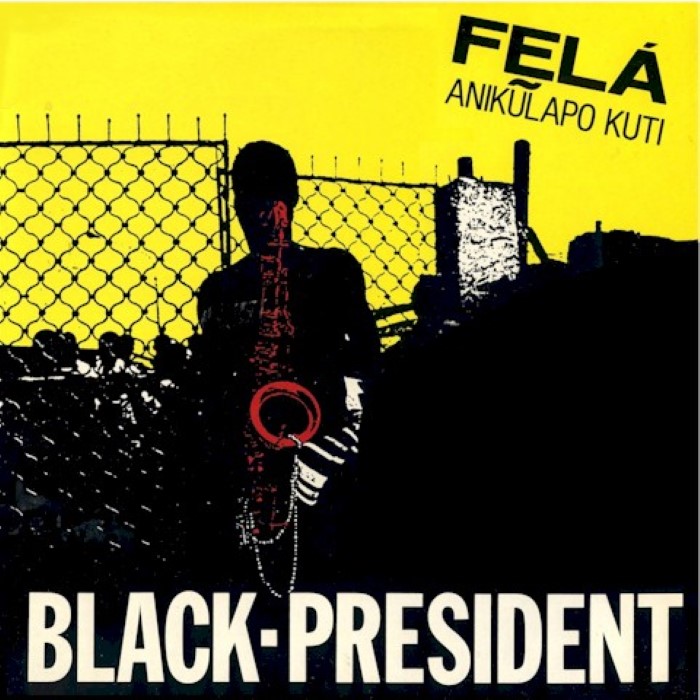
Black President
1981
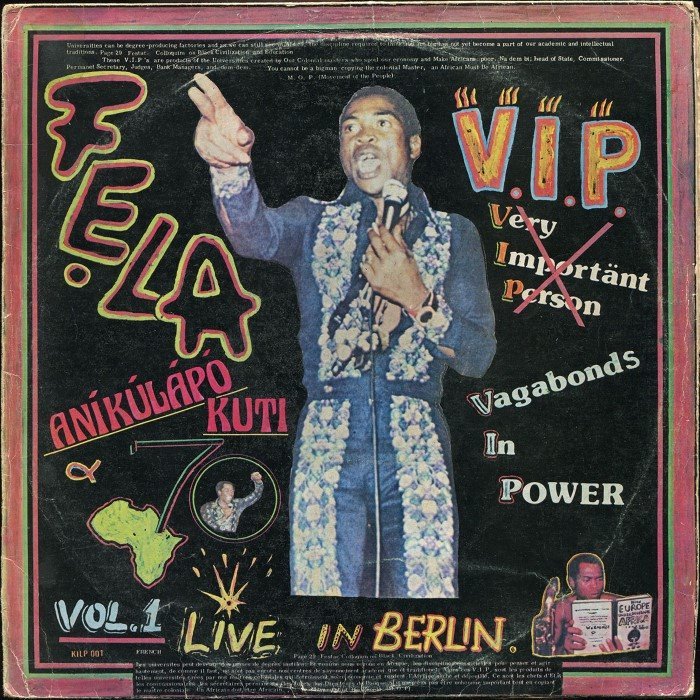
V.I.P. (Vagabonds in Power)
1979
ITT
1979
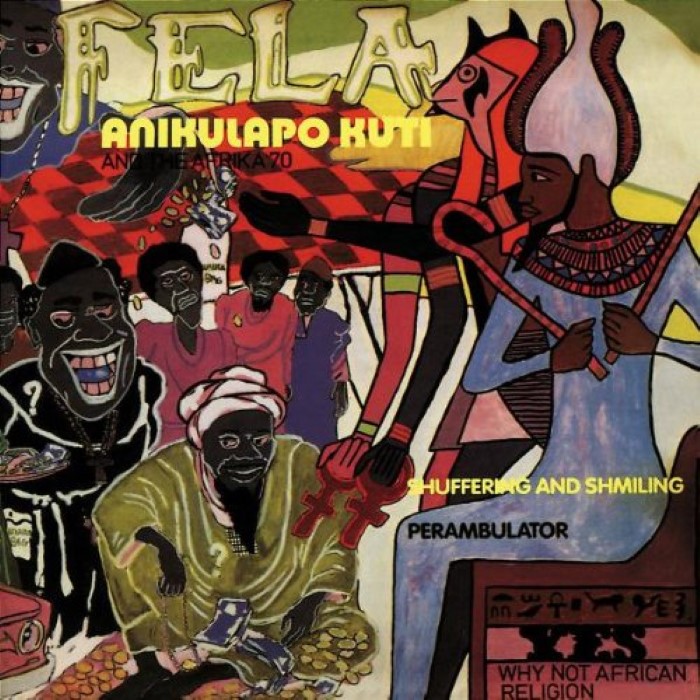
Shuffering and Shmiling
1977
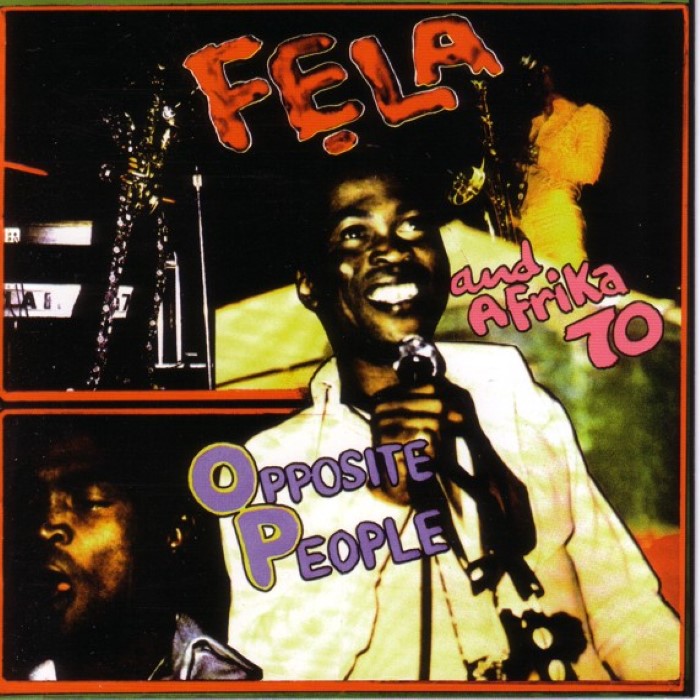
Opposite People / Sorrow Tears and Blood
1977
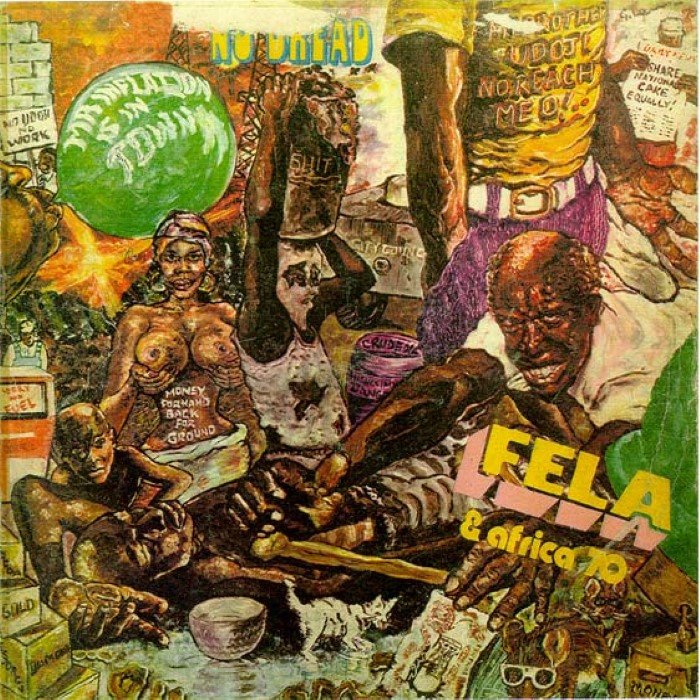
No Bread
1976
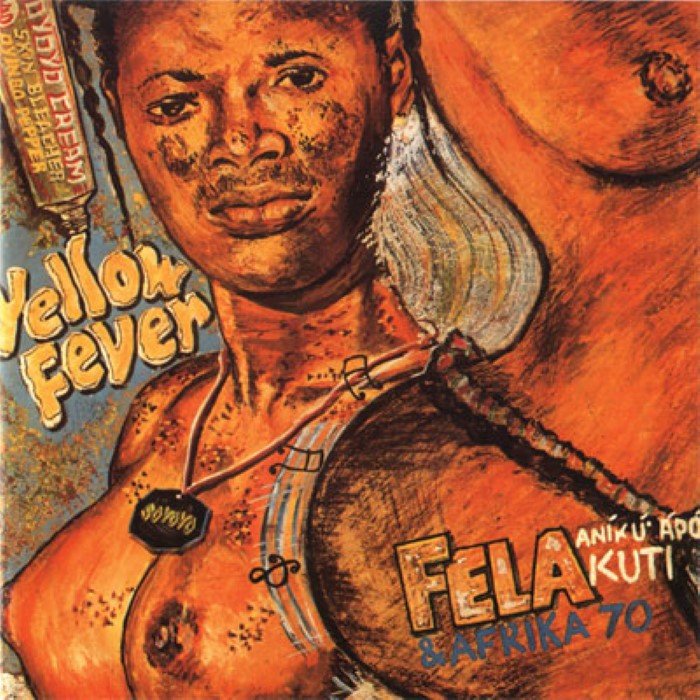
Yellow Fever / Na Poi
1976

Confusion (Edit)
1975
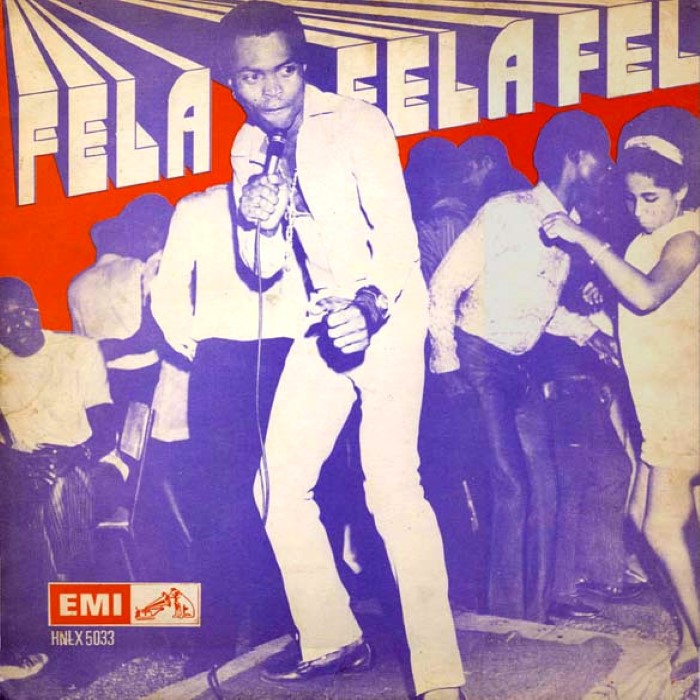
Fela Fela Fela
1969
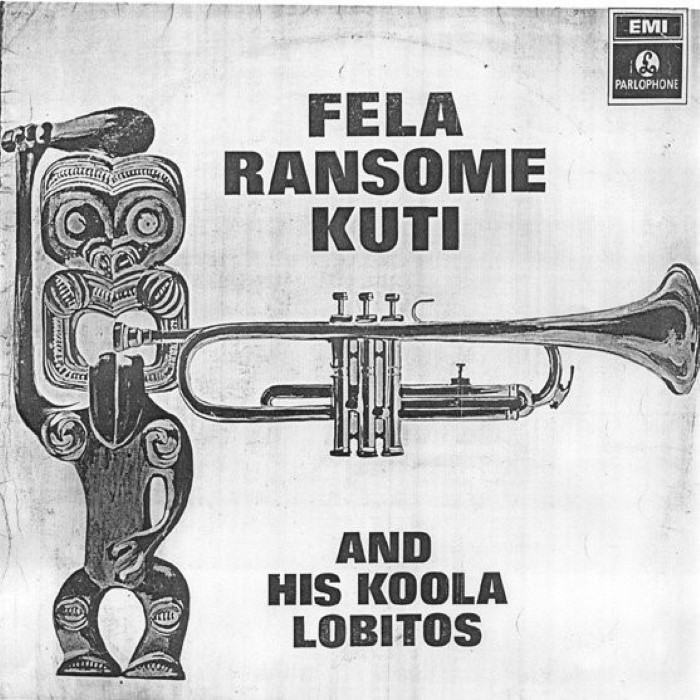
Fela Ransome Kuti and His Koola Lobitos
1965


Popular tracks
Trending this week
Most viewed
Singles & EPs
28
Authority Stealing
EP · 1980

Shakara
Single · 1972

Let's Start (Edit)
Single · 2025

Alagbon Close (Edit)
EP · 2024

Custom Check Point (Edit)
EP · 2023

Ariya
EP · 2022

Lady (Edit)
EP · 2022
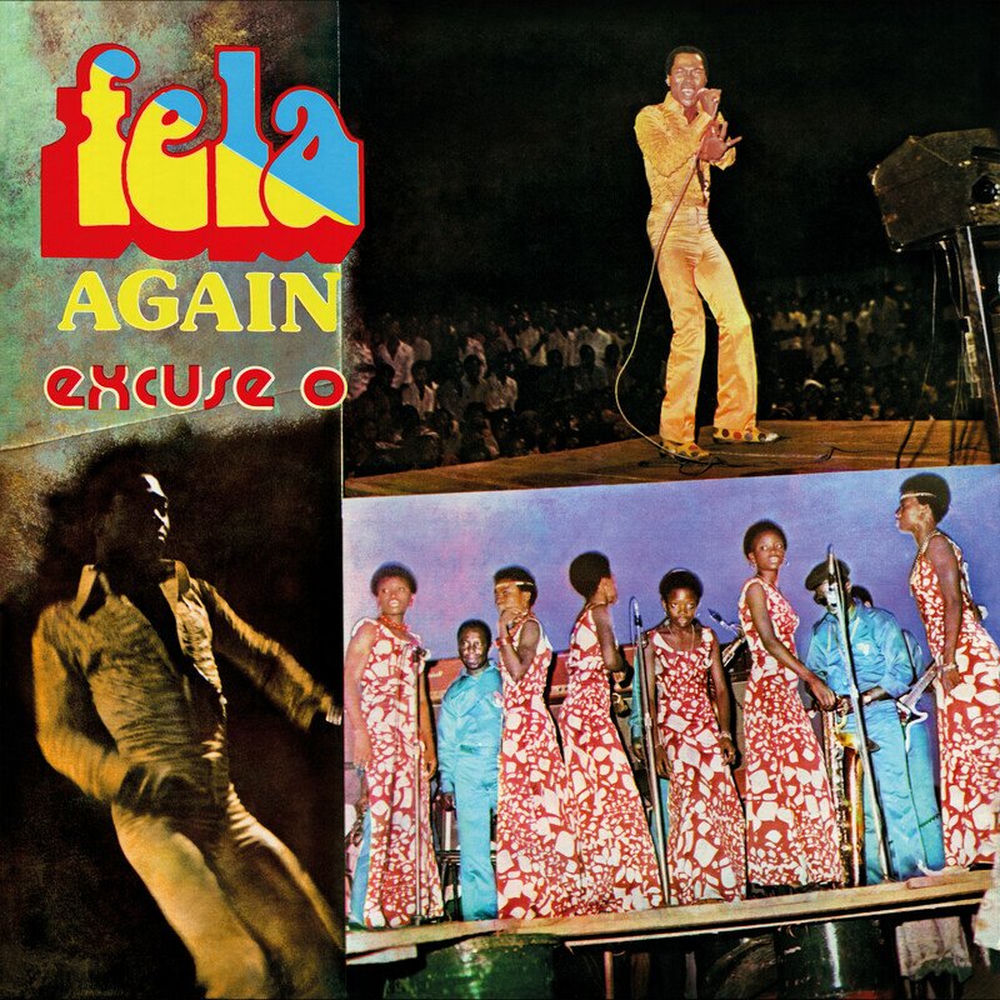
Excuse-O (Edit)
EP · 2022

Why Black Man Dey Suffer (Edit)
EP · 2022

Noise for Vendor Mouth (Edit)
EP · 2022

Kalakuta Show (Edit)
EP · 2022

Shenshema
Single · 2022

Alu Jon Jonki Jon (Edit)
EP · 2022

Ikoyi Blindness (Edit)
EP · 2022

No Agreement (Edit)
EP · 2021

Black Man's Cry
EP · 2021

Yellow Fever (Edit)
EP · 2021
Roforofo Fight (Edit)
EP · 2021

Open & Close (Edit)
EP · 2021
Ginger Baker and Tony Allen Drum Solo (Live at Berlin Jazz Festival, 1978) (Extended Version)
EP · 2021

Egbe Mi O (Edit)
EP · 2021

Trouble Sleep Yanga Wake Am (Edit)
EP · 2020

Shakara (Edit)
EP · 2020

Expensive Shit (Edit)
EP · 2020

I.T.T. (International Thief Thief)
EP · 2013

J.J.D. (Johnny Just Drop)
EP · 2013

Before I Jump Like Monkey Give Me Banana
EP · 2013

Shuffering & Shmiling
EP · 2009
Appears on
1Releases by other artists featuring Fela Kuti.

Featured tracks
1Collaborators
1
Community
More about Fela Kuti
About
It's almost impossible to overstate the impact and importance of Fela Anikulapo (Ransome) Kuti (or just Fela as he's more commonly known) to the global musical village: producer, arranger, musician, political radical, outlaw. He was all that, as well as showman par excellence, inventor of Afro-beat, an unredeemable sexist, and a moody megalomaniac. His death on August 3, 1997 of complications from AIDS deeply affected musicians and fans internationally, as a musical and sociopolitical voice on a par with Bob Marley was silenced. A press release from the United Democratic Front of Nigeria on the occasion of Fela's death noted: "Those who knew you well were insistent that you could never compromise with the evil you had fought all your life. Even though made weak by time and fate, you remained strong in will and never abandoned your goal of a free, democratic, socialist Africa." This is as succinct a summation of Fela's political agenda as one is likely to find.
Read moreRead less
Born in Abeokuta, Nigeria, north of Lagos in 1938, Fela's family was firmly middle class as well as politically active. His father was a pastor (and talented pianist), his mother active in the anti-colonial, anti-military, Nigerian home rule movement. So at an early age, Fela experienced politics and music in a seamless combination. His parents, however, were less interested in his becoming a musician and more interested in his becoming a doctor, so they packed him off to London in 1958 for what they assumed would be a medical education; instead, Fela registered at Trinity College's school of music. Tired of studying European composers, Fela formed his first band, Koola Lobitos, in 1961, and quickly became a fixture on the London club scene. He returned to Nigeria in 1963 and started another version of Koola Lobitos that was more influenced by the James Brown-style singing of Geraldo Pina from Sierra Leone. Combining this with elements of traditional high life and jazz, Fela dubbed this intensely rhythmic hybrid "Afro-beat," partly as critique of African performers whom he felt had turned their backs on their African musical roots in order to emulate current American pop music trends. In 1969, Fela brought Koola Lobitos to Los Angeles to tour and record. They toured America for about eight months using Los Angeles as a home base. It was while in L.A. that Fela hooked up with a friend, Sandra Isidore, who introduced him to the writings and politics of Malcolm X, Eldridge Cleaver (and by extension the Black Panthers), and other proponents of Black nationalism and Afrocentrism. Impressed at what he read, Fela was politically revivified and decided that some changes were in order: first, the name of the band, as Koola Lobitos became Nigeria 70; second, the music would become more politically explicit and critical of the oppression of the powerless worldwide. After a disagreement with an unscrupulous promoter who turned them in to the Immigration and Naturalization Services, Fela and band were charged with working without work permits. Realizing that time was short before they were sent back to Nigeria, they were able to scrape together some money to record some new songs in L.A. What came to be known as the '69 Los Angeles Sessions were remarkable, an indication of a maturing sound and of the raucous, propulsive music that was to mark Fela's career. Afrobeat's combination of blaring horn sections, antiphonal vocals, Fela's quasi-rapping pidgin English, and percolating guitars, all wrapped up in a smoldering groove (in the early days driven by the band's brilliant drummer Tony Allen) that could last nearly an hour, was an intoxicating sound. Once hooked, it was impossible to get enough. Upon returning to Nigeria, Fela founded a communal compound-cum-recording studio and rehearsal space he called the Kalakuta Republic, and a nightclub, the Shrine. It was during this time that he dropped his given middle name of "Ransome" which he said was a slave name, and took the name "Anikulapo" (meaning "he who carries death in his pouch") . Playing constantly and recording at a ferocious pace, Fela and band (who were now called Africa 70) became huge stars in West Africa. His biggest fan base, however, was Nigeria's poor. Because his music addressed issues important to the Nigerian underclass (specifically a military government that profited from political exploitation and disenfranchisement), Fela was more than a simply a pop star; like Bob Marley in Jamaica, he was the voice of Nigeria's have-nots, a cultural rebel. This was something Nigeria's military junta tried to nip in the bud, and from almost the moment he came back to Nigeria up until his death, Fela was hounded, jailed, harassed, and nearly killed by a government determined to silence him. In one of the most egregious acts of violence committed against him, 1,000 Nigerian soldiers attacked his Kalakuta compound in 1977 (the second government-sanctioned attack). Fela suffered a fractured skull as well as other broken bones; his 82-year old mother was thrown from an upstairs window, inflicting injuries that would later prove fatal. The soldiers set fire to the compound and prevented fire fighters from reaching the area. Fela's recording studio, all his master tapes and musical instruments were destroyed. After the Kalakuta tragedy, Fela briefly lived in exile in Ghana, returning to Nigeria in 1978. In 1979 he formed his own political party, MOP (Movement of the People), and at the start of the new decade renamed his band Egypt 80. From 1980-1983, Nigeria was under civilian rule, and it was a relatively peaceful period for Fela, who recorded and toured non-stop. Military rule returned in 1983, and in 1984 Fela was sentenced to ten years in prison on charges of currency smuggling. With help from Amnesty International, he was freed in 1985. As the '80s ended, Fela recorded blistering attacks against Nigeria's corrupt military government, as well as broadsides aimed at Margaret Thatcher and Ronald Reagan (most abrasively on the album Beasts of No Nation). Never what you would call progressive when it came to relationships with women or patriarchy in general (the fact was that he was sexist in the extreme, which is ironic when you consider that his mother was one of Nigeria's early feminists), he was coming around to the struggles faced by African women, but only just barely. Stylistically speaking, Fela's music didn't change much during this time, and much of what he recorded, while good, was not as blistering as some of the amazing music he made in the '70s. Still, when a Fela record appeared, it was always worth a listen. He was unusually quiet in the '90s, which may have had something to do with how ill he was; very little new music appeared, but in as great a series of reissues as the planet has ever seen, the London-based Stern's Africa label re-released some of his long unavailable records (including The '69 Los Angeles Sessions), and the seminal works of this remarkable musician were again filling up CD bins. He never broke big in the U.S. market, and it's hard to imagine him having the same kind of posthumous profile that Marley does, but Fela's 50-something releases offer up plenty of remarkable music, and a musical legacy that lives on in the person of his talented son Femi. Around the turn of the millennium, Universal began remastering and reissuing a goodly portion of Fela's many recordings, finally making some of his most important work widely available to American listeners.
Fela Kuti in brief
- How many Fela Kuti releases are on Riffiter?
- 93 releases are catalogued, spanning 1965 to 2025.
- What is the most recent Fela Kuti release on Riffiter?
- Let's Start (Edit), released in 2025.