


Guides/A Riffiter guide
Clube da Esquina: 16 albums from a street corner in Belo Horizonte
Milton Nascimento, Lô Borges and the friends who met where Divinópolis crosses Paraisópolis, from a 1967 festival runner-up to the record Lô finished before he died.
Clube da Esquina was a loose circle of musicians from Minas Gerais, Brazil, named after a street corner in Belo Horizonte's Santa Tereza neighbourhood where Milton Nascimento met the Borges brothers. Its namesake double album, credited to Milton Nascimento and Lô Borges, came out on EMI-Odeon in March 1972. This guide follows the circle through 16 albums, from Milton's 1967 debut to A Estrada, the Lô Borges album released in June 2026.
The corner is real. Rua Divinópolis meets Rua Paraisópolis on a hill in Santa Tereza, in Belo Horizonte, and in the 1960s the Borges kids hung around there with guitars. Milton Nascimento, who had moved to the city from Três Pontas in 1963, met the family in the Levy building and started writing with Márcio Borges. The youngest brother, Lô, was nearly ten years younger than Milton and still a teenager when Milton started recording his songs.
It was never a band, and nobody wrote a manifesto. It was a group of friends: lyricists Márcio Borges, Fernando Brant and Ronaldo Bastos, guitarists Beto Guedes, Toninho Horta and Nelson Angelo, Wagner Tiso on keyboards, Robertinho Silva on drums. The same names turn up on each other's sleeves for a decade, so this canon is mostly a matter of reading credits. Pick up one record and it points you to the next five.
Rio's critics called the 1972 double album poor and disposable. In 2022, a poll of 162 music specialists run by the Discoteca Básica podcast put it at number one of the 500 greatest Brazilian albums. The list runs roughly in order. Years given are the original Brazilian releases, because the streaming services mostly list these records by their 2000s reissue dates.
- 1

Travessia
Be the first to rateMilton's debut came out on Codil in 1967 under his own name. Everyone calls it Travessia, after the song he wrote with Fernando Brant that placed second at that year's Festival Internacional da Canção in the Maracanãzinho. The Tamba Trio backs him, and it sounds like a polished bossa session built around a singer who doesn't quite fit inside it. The voice is already all there. The corner's sound isn't yet.
- 2

Milton
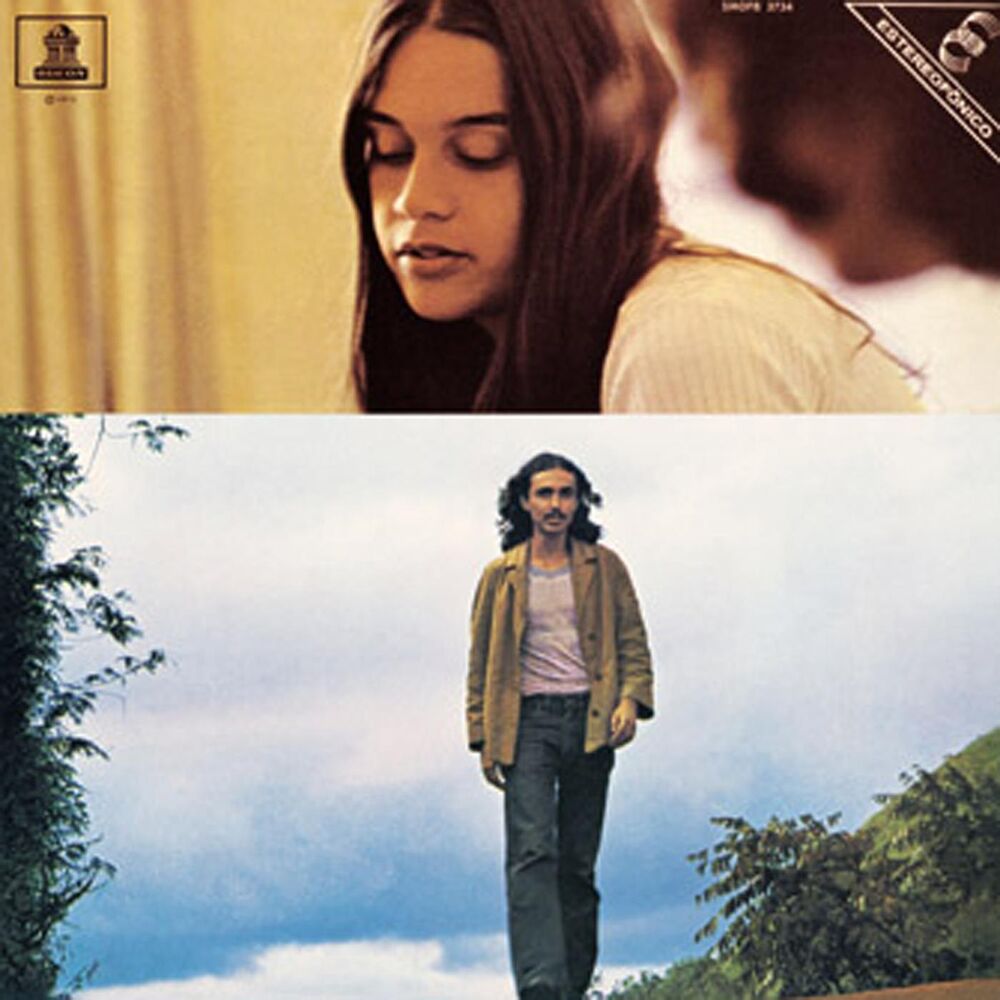
Be the first to rateThis 1970 Odeon record is where it turns. Som Imaginário, the band put together to back Milton's live show, plays on it, and it opens with "Para Lennon e McCartney", written by a teenage Lô Borges with Márcio Borges and Fernando Brant. Track four is a song called "Clube da Esquina", with Lô singing, two years before there was an album of that name. If you want the moment the corner turned into a sound, start here.
- 3
Clube da Esquina
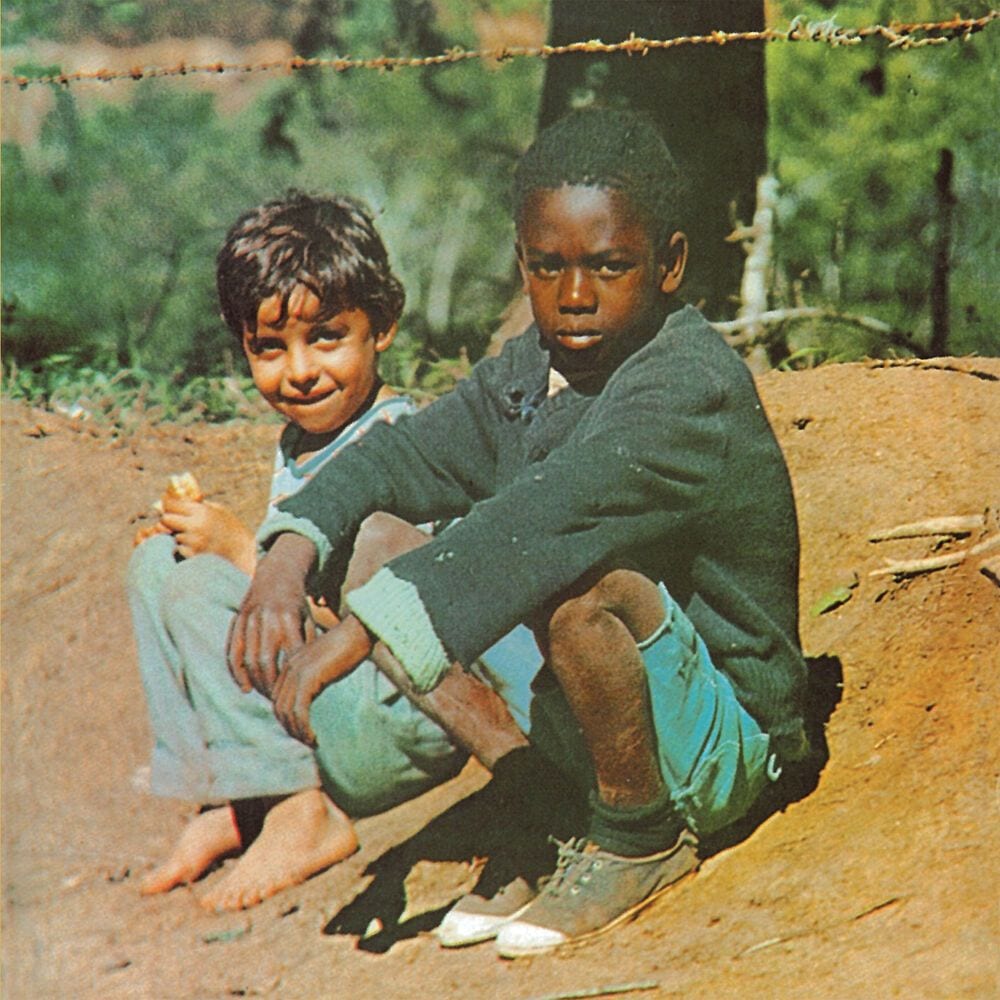
Be the first to rateTwenty-one songs over four sides, recorded in November 1971, partly in a beach house at Piratininga in Niterói and partly at Odeon's studio in Rio. It's credited to Milton and Lô and played by most of the people on this list, with orchestral arrangements by Eumir Deodato and Wagner Tiso. The two boys on Cafi's cover photo are not Milton and Lô as children, as people assumed for decades. They were two kids by a dirt road near Nova Friburgo, who found out about the photo in 2012 and sued, and a Rio court threw the case out as time-barred in 2023.
- 4
Lô Borges
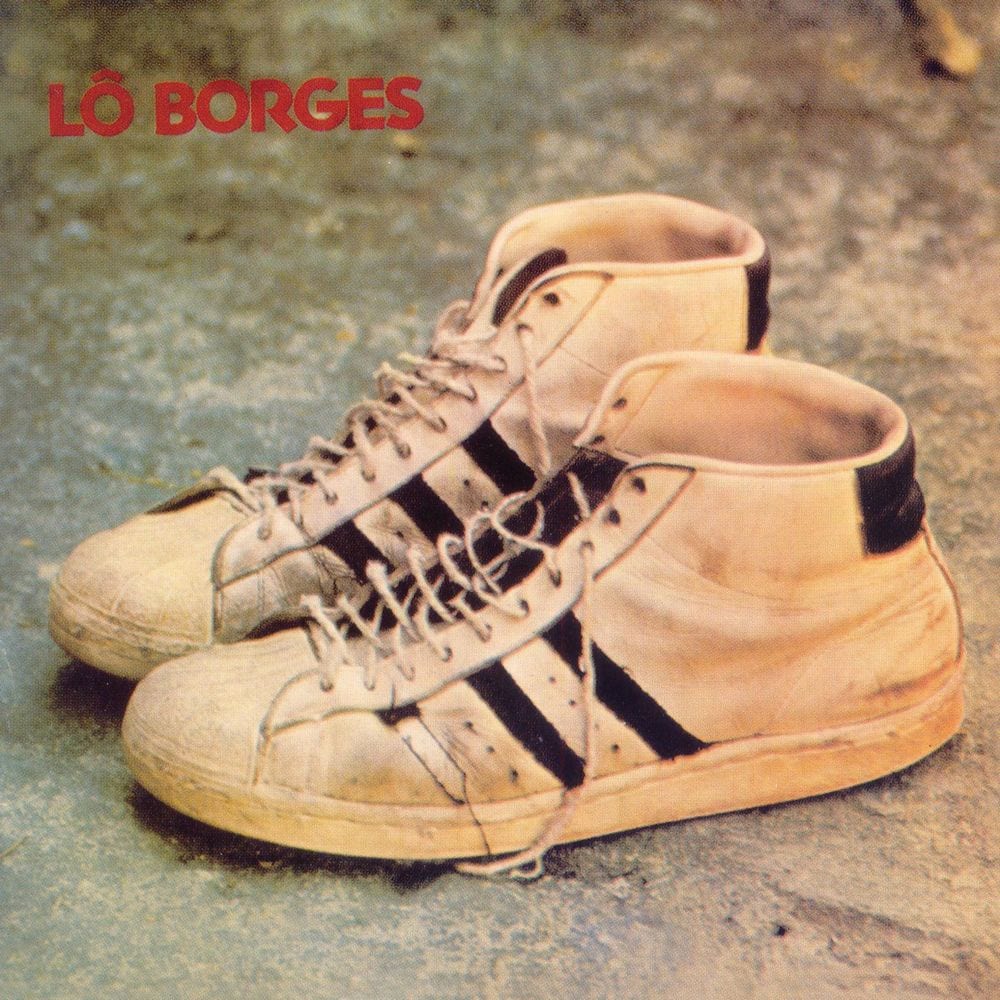
Be the first to rateThe "disco do tênis", named for the second-hand sneakers on the cover, which Lô got from a cousin and Cafi photographed outside his house. EMI signed him while the double album was still being made and gave him a short deadline, so the songs were written in a hurry, and then the label barely promoted the result. It's rougher and stranger than Clube da Esquina, and the better record for anyone who prefers their Beatles influence a little bent. Lô said the sneakers meant he was hitting the road, and he wasn't joking: his next solo album took seven years.
- 5

Nelson Angelo E Joyce
Be the first to rateA married couple with two acoustic guitars, on Odeon, the same year as the double album. Nelson Angelo plays on Lô's sneaker record and on Milton's Minas and Geraes. Joyce later wrote "Mistérios" for Clube da Esquina 2. Here they split the songs between them and make the most private record of the circle, a little psychedelic around the edges. "Um Gosto de Fruta" is the one to start with.
- 6
Milagre Dos Peixes
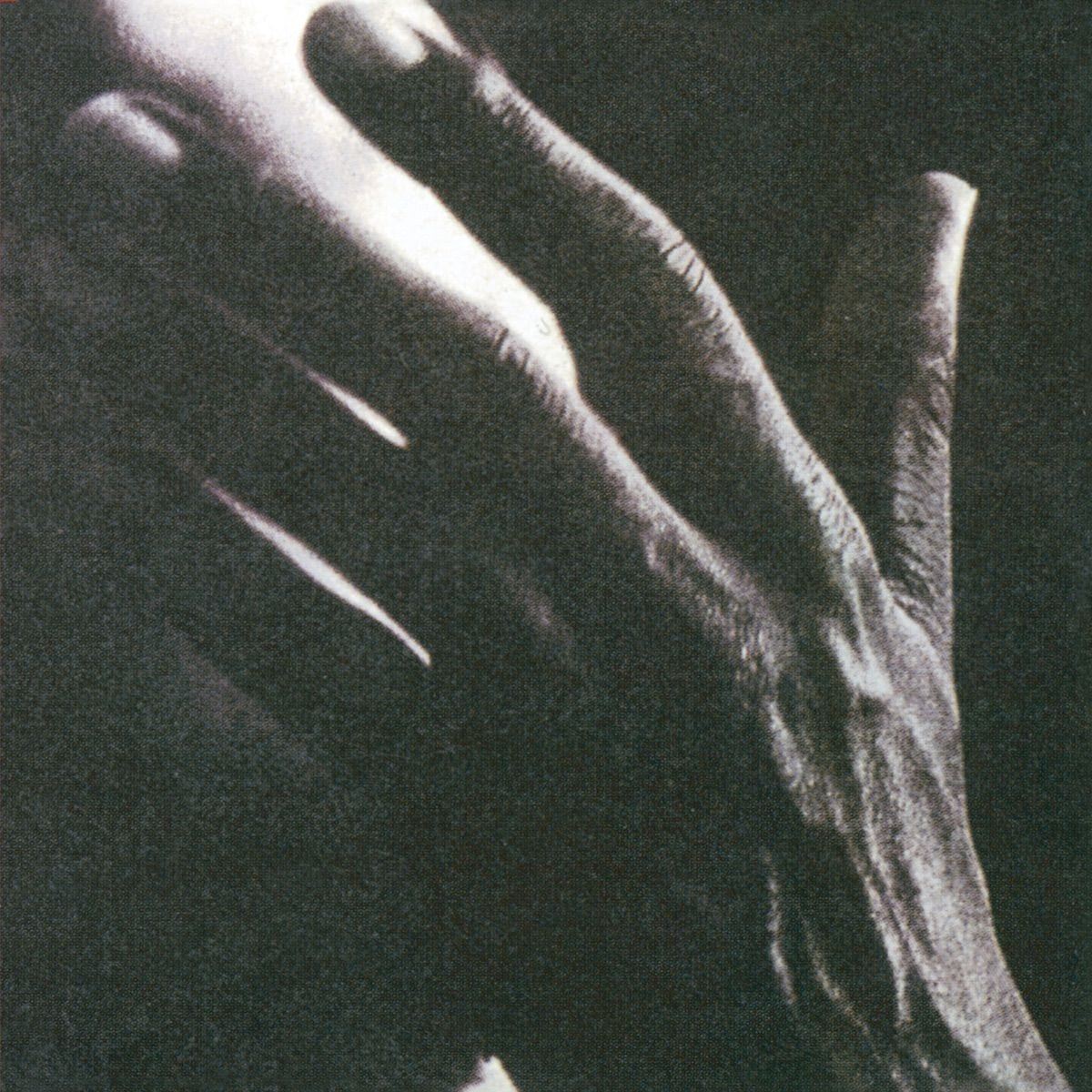
★ 5.0 · 1The military regime's censors cut the lyrics from several of these songs, and Milton recorded them anyway with the words taken out. Eight of the eleven tracks ended up instrumental, which means his voice does the work the lyrics were meant to do. It's the most unsettling record he made and the strongest case that the voice was always his main instrument. In May 1974 he took the material to the Theatro Municipal in São Paulo with Som Imaginário and an orchestra, and that live album is worth hearing too.
- 7

Matança Do Porco
Be the first to rateMilton's backing band on its own in 1973, with Zé Rodrix gone and Wagner Tiso running things. It's instrumental: there are voices, but no lyrics. Tiso's keyboards and Frederyko's guitar push it toward fusion and progressive rock, further than anything else on this list goes. Start with "Armina" and the title track.
- 8
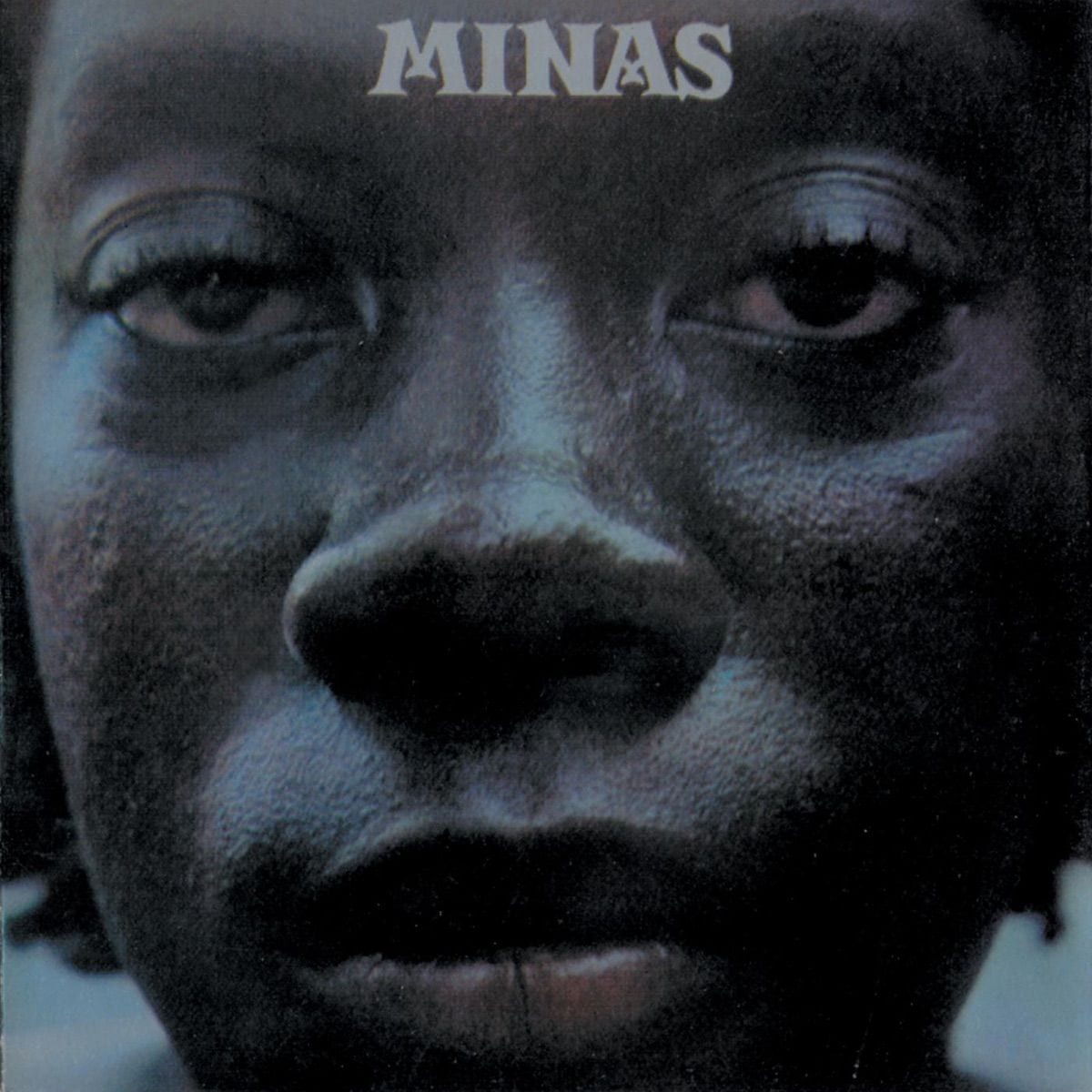
Minas
★ 4.5 · 1The title is a boy's joke. A kid named Rúbio took the first syllables of MIlton NAScimento and handed him back the name of his home state. The band is the circle again, with Wagner Tiso, Beto Guedes, Toninho Horta, Nelson Angelo and Novelli, and the songs include "Fé Cega, Faca Amolada", "Ponta de Areia" and "Paula e Bebeto", which he wrote with Caetano Veloso. On this 1975 record they sound most like a working band.
- 9
Criaturas da Noite
Be the first to rateA Rio progressive band, not a Minas one, but in 1974 Milton recommended Flávio Venturini to them as their keyboard player, and Venturini wrote the title track with Luiz Carlos Sá. Rogério Duprat, the arranger behind Tropicália, wrote its orchestral parts, and "Hey Amigo" was the hit. It's here because it shows the circle's way with a melody crossing over into Brazilian prog, and because Venturini went on to form 14 Bis at the end of the decade.
- 10

Geraes
Be the first to rateThe companion to Minas. Cafi reused the drawing of mountains and a train from the Minas insert for the cover, and the record closes with a song called "Minas Geraes". This 1976 album is the one that looks outward: Mercedes Sosa sings "Volver a los 17", the Chilean group Agua plays on three songs, and Chico Buarque joins him for "O Que Será (À Flor da Pele)". Tavinho Moura's "Calix Bento", with Dominguinhos on accordion, is the quiet center of it.
- 11

A Página Do Relâmpago Elétrico
Be the first to rateBeto Guedes played on the corner's records for five years before EMI released his first studio album in 1977. It sounds like the work of a session player finally allowed to sequence his own record. The songs sit between short instrumentals ("Bandolim", "Chapéu de Sol", "Belo Horizonte"), and Milton and Brant hand him "Maria Solidária". The 2022 Discoteca Básica poll ranked it 112th among Brazilian albums, which is too low.
- 12

Amor De Índio
Be the first to rateThe title track, written with Ronaldo Bastos, became the biggest hit of his career. Next to A Página do Relâmpago Elétrico, this 1978 album is shorter and warmer, made for radio, and the circle's close harmonies have never sounded easier. Start with the debut if you want to know how Beto thinks. Start here if you want to know why Brazilians still sing him.
- 13
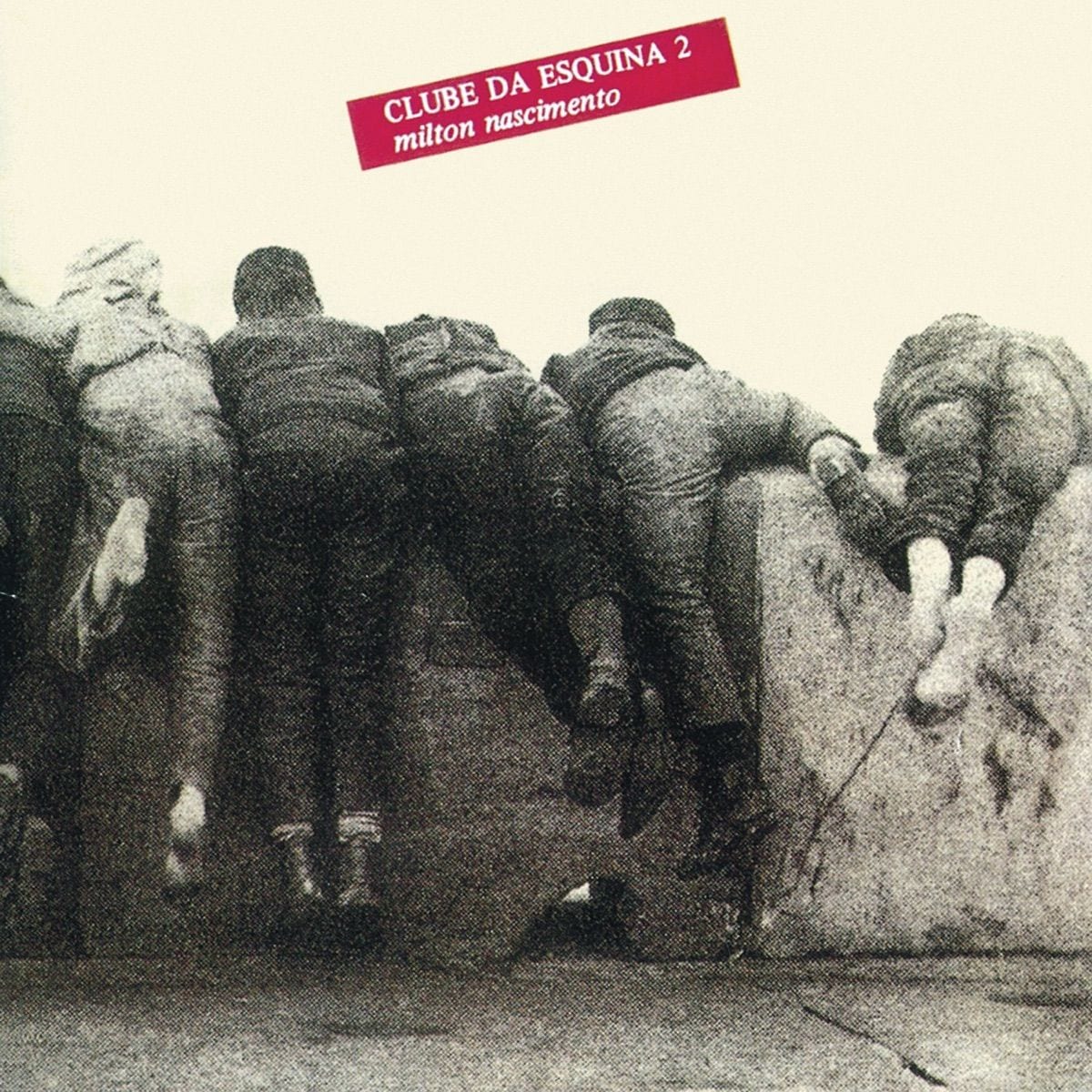
Clube da Esquina 2
★ 4.5 · 1Another double, 23 songs, out in October 1978, and the guest list reads like a roll call of MPB: Elis Regina, Chico Buarque, Francis Hime, Gonzaguinha, Boca Livre, Azimuth and the Canarinhos de Petrópolis boys' choir. "Maria, Maria" and "Paixão e Fé" come from it, and Lô turns up on "O Que Foi Feito Deverá" with Elis and Gonzaguinha. It didn't sell like the first one, and fans blamed the original members who weren't there. We'd blame the length, and keep side one anyway.
- 14
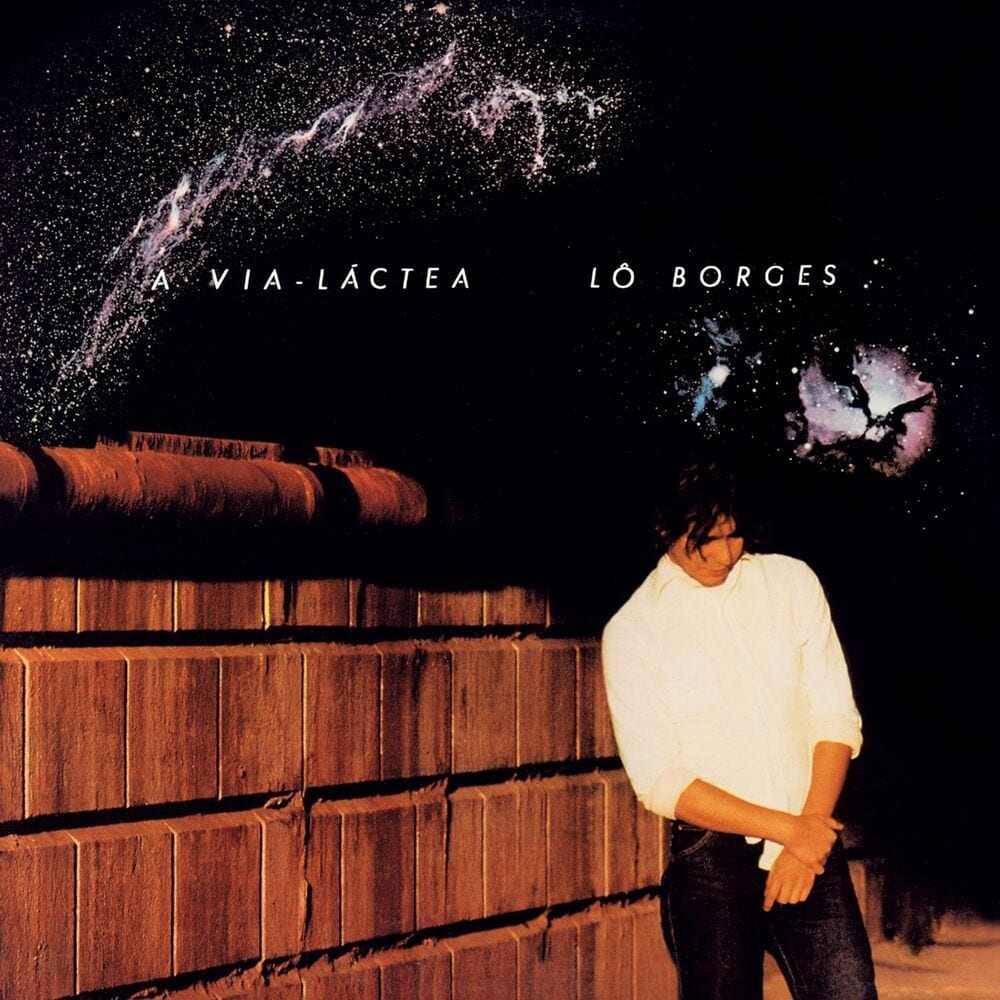
A Via-Láctea
Be the first to rateSeven years after the sneakers, with Milton acting as go-between with the label. This 1979 album is the Lô record people actually put on: "Vento de Maio", with his sister Solange Borges, and "Equatorial", written with Beto Guedes and Márcio, odd electric organ and all. "Clube da Esquina nº 2" is here too. It's softer and more produced than 1972, and that suits him better than you'd expect.
- 15

Terra dos Pássaros
Be the first to rateThe guitarist everyone in the circle called first, finally with a record of his own. It's credited to Toninho Horta & Orquestra Fantasma, was taped between July 1976 and September 1979, and came out at the turn of the decade. His open, ringing chords, the kind that are hard to name by ear, are a large part of why the 1972 album sounds the way it does, and here they get a whole record.
- 16
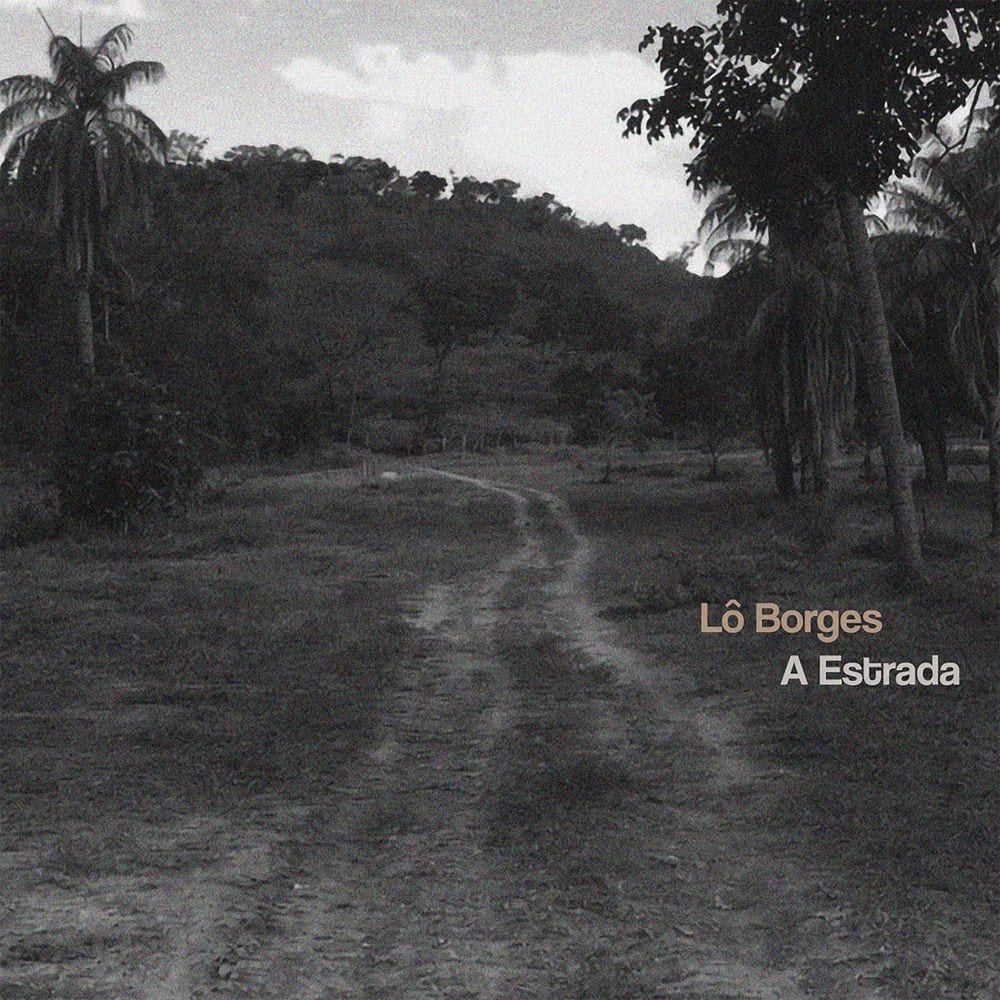
A Estrada
Be the first to rateLô Borges died in Belo Horizonte on November 2, 2025, at 73. In his last years he made an album of new songs every year, and A Estrada, released by Deck in June 2026, is the eighth in eight years: ten songs recorded in Belo Horizonte in 2025, nine of them with lyrics by his brother Márcio, planned in 2023 for Márcio's 80th birthday. He finished and approved it before he died, so it's his last record more than a posthumous one. The circle started with the Borges brothers and a guitar on a corner, and this is where it ends up.


Explore the sound
Artists in this guide
Read next
Christmas albums for people who hate Christmas music: 16 records that took the job seriously
Jazz trios, Stax instrumentals, a Takoma guitarist, a slowcore band, and one Mariah Carey record we will defend in the comments.
Side-long songs: 18 tracks that took up a whole side of the record
One song, one side of vinyl, nothing else on it. From Dylan's Nashville all-nighter in 1966 to Godspeed's first double LP in 2000.
Emo rap: 15 records from a Tumblr collective to the top of the Billboard 200
GothBoiClique started on Tumblr, making beats out of the emo records its members grew up on. By August 2017 the sound had a No. 1 album. That November it lost Lil Peep.
Scary albums: 17 records that still frighten on a Tuesday afternoon
No werewolves, no organ stabs, no Halloween party. Seventeen records from 1968 to 2019 that scare you with the lights on, and what each one uses to do it.
Got your own ranking? Build a list or tier of your own.