


Guides/A Riffiter guide
Screamo: the canon, from Gravity Records to the 2026 revival
Skramz, not Warped Tour. Twenty-two records that hold the line from San Diego in 1994 to Brighton this March.
Screamo started in early-1990s San Diego around Gravity Records and bands like Heroin and Antioch Arrow, then travelled through Ebullition and Level Plane to Japan, Italy and France. This guide runs 22 albums in order, from Antioch Arrow's In Love With Jetts (1994) to new records by Chalk Hands and The Saddest Landscape released in spring 2026. Fans call the original strain skramz to keep it separate from the mall-punk the word got pinned to in the 2000s.
The word got taken. By 2003 "screamo" on television meant a flat-ironed haircut and a chorus you could license, so people who cared about Orchid 7-inches started writing skramz instead, half as a joke, and it stuck because it was useful. What the joke protects is smaller and stranger: hardcore bands who played too fast to dance to, sang in a register that sounds like an injury, pressed 500 copies and broke up before the records got anywhere.
Two clarifications before the list. This is not the wave — Touché Amoré, La Dispute and Pianos Become the Teeth are fine bands doing a slower, more legible thing. And 2026 is not a nostalgia year for this music. Saetia released their first new songs since the nineties, Portraits of Past put out a split single with them in March, and both Chalk Hands and The Saddest Landscape have new albums out this spring. The list runs chronologically; the last entries are a few months old.
- 1
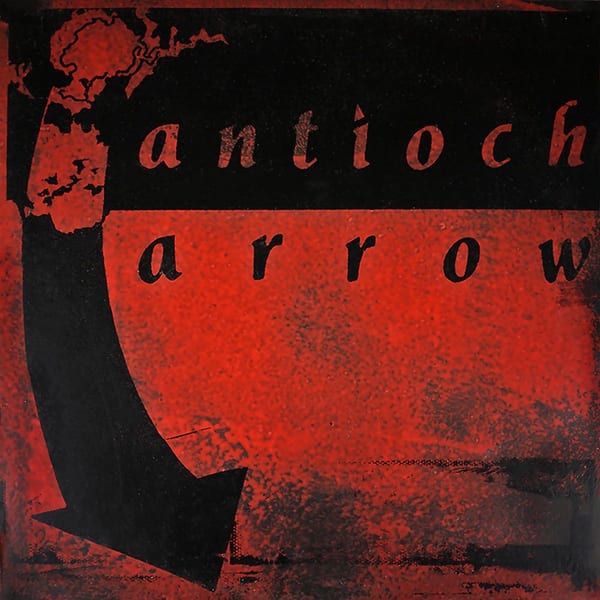
In Love With Jetts
Be the first to rate—San Diego, 1994, on Gravity Records — the label Heroin's Matt Anderson started in 1991 and the reason anyone says "San Diego sound" at all. Jetts is where the band quit playing hardcore and started playing something closer to a seance: the guitar refuses to settle into a riff, the tempo lurches, the vocals sit somewhere between panic and boredom. Antioch Arrow had already broken up by the time most people heard it. Nearly everything below is downstream of this.
- 2
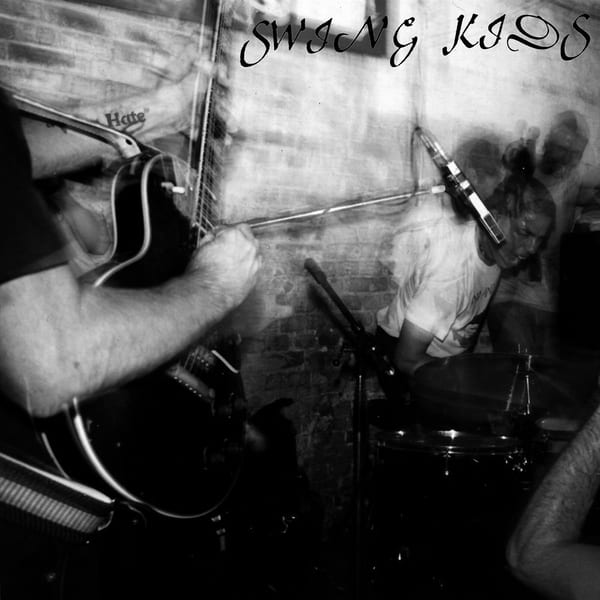
Discography
Be the first to rate—Two years in mid-nineties San Diego, a handful of 7-inches, then nothing. The lineup reads like a scene diagram: Justin Pearson before The Locust, Eric Allen out of Unbroken, Jimmy LaVelle before The Album Leaf. Pearson's own label, Three One G, founded in 1994, is where the recordings ended up. Short songs, funny and spiteful, played like the band wants the instruments off their bodies.
- 3
Portraits of Past
Be the first to rate—The Bay Area record, out on Kent McClard's Ebullition in 1996, filed as self-titled by streaming services and called 01010101 by everyone who owns a copy. The band had split by then; the reputation showed up years later, which is how this scene tends to work. Cracked, too-high vocals over guitars that keep resolving into something almost pretty. They played reunion shows in 2025 and shared a split single with Saetia in March 2026.
- 4
Collected
Be the first to rate—Formed in New York in 1997, done by 1999, imitated ever since. Greg Drudy started Level Plane Records to put out their first 7-inch, then went off to drum in Interpol's early lineup, and Level Plane ended up behind several of the records below. The 1998 self-titled album has no separate streaming edition, so Collected is the door. Billy Werner's lyrics are the reason a thousand bands write in fragments.
- 5
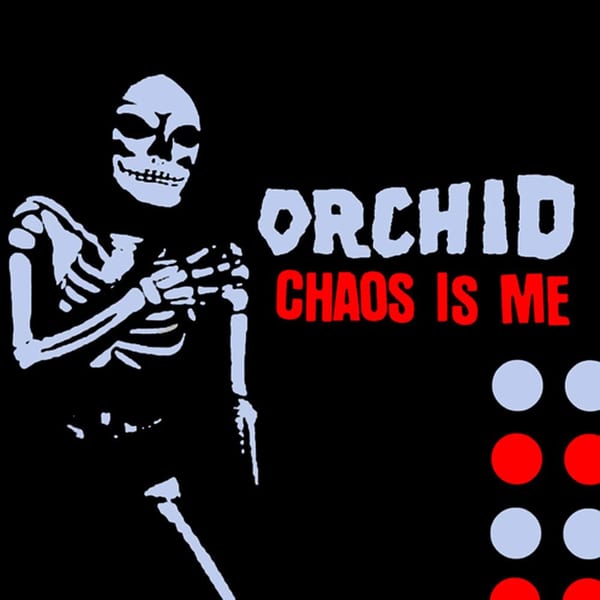
Chaos Is Me
Be the first to rate—Amherst, Massachusetts, June 1999, Ebullition again. Chaos Is Me is where emoviolence stops being a joke term In/Humanity coined and turns into a set of rules: songs under a minute, blast beats, Jayson Green screaming critical-theory lyrics nobody can make out without the insert. Ebullition pressed it on four colours of vinyl and it has been reissued roughly every three years since.
- 6
Completed
Be the first to rate—West Haven, Connecticut, 1997 to 2001. Jeff Smith sang without a microphone, unamplified, at full volume, and wrecked his voice doing it, which is why 2001's Presents sounds like it's coming through a bullhorn. The 2000 debut, Seeing Means More Than Safety, came out on Old Glory and now lives inside this collection. Nothing else from those years is this claustrophobic.
- 7
Document #8
Be the first to rate—Sterling, Virginia, a D.C. exurb of parking lots, played by a band that at full size had eight members, two singers and three guitarists. Kurt Ballou recorded and mixed Document #8 at GodCity in three days; Robotic Empire released it in 2001. Twenty minutes long, political and exhausted, permanently half a second from falling apart. Start here and work backwards through the other documents.
- 8
City of Caterpillar
Be the first to rate—Richmond, Virginia, sharing members with pg.99, out on Level Plane in May 2002. Songs run past ten minutes and spend most of that in a slow build before the detonation, which is the move a hundred later bands copied and mostly ruined. It was out of print for years, got reissued in 2016, and the band came back for a second album in 2022. This is still the record.
- 9
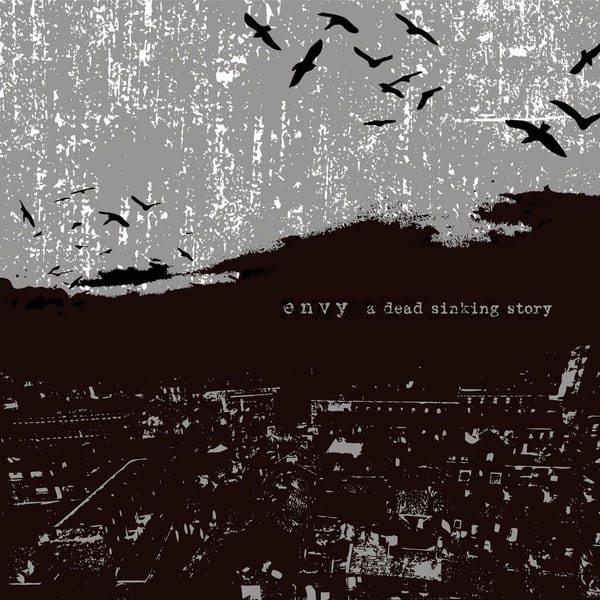
A Dead Sinking Story
Be the first to rate—Tokyo, formed 1992, doing this before most of the Americans they get compared to. Their only album with three guitarists, released by Level Plane in August 2003, and you can hear the extra one: the loud stretches are enormous and the quiet ones are patient in a way hardcore bands usually can't sit still for. Deafheaven is unthinkable without it.
- 10
La fine non è la fine
Be the first to rate—Italy, September 2004, on Heroine Records. The most melodic album here that still counts as the real thing: La Quiete write like a band raised on Midwest emo, then play it at double speed with the screaming left in. Ten minutes of this explains most of what European screamo did next.
- 11
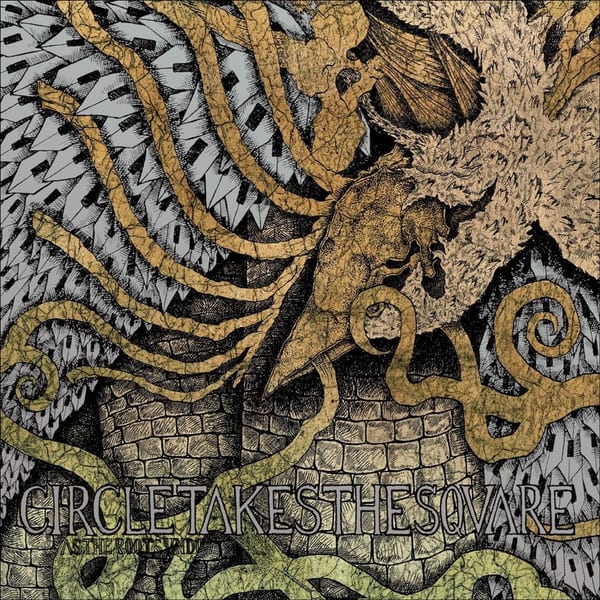
As the Roots Undo
Be the first to rate—Savannah, Georgia, 2004, on Robotic Empire and HyperRealist. Drew Speziale and Kathleen Stubelek overlap and interrupt each other until the songs play like arguments, and the writing pulls in grindcore and post-rock without collapsing into a genre exercise. Then the band went quiet for eight years. If one album has to represent screamo to outsiders, it's this one.
- 12
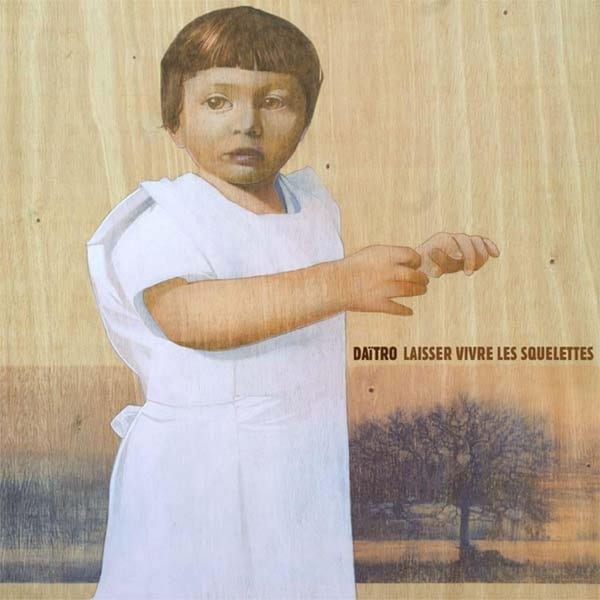
Laisser vivre les squelettes
Be the first to rate—Lyon, five people, 2005, and the point where European screamo stopped sounding like an import. The guitars chime where the American bands would chug, and Aurélien Verdant sings like the words are being pulled out of him rather than performed.
- 13
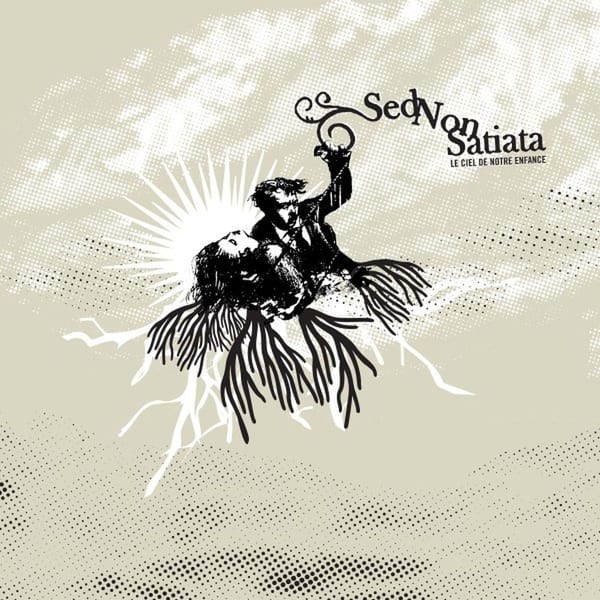
Le ciel de notre enfance
Be the first to rate—France again, December 2005, and far slower about it: clean guitars run for a minute or more before anyone raises their voice. This is the album that talked a generation of European bands out of speed and into patience, which worked beautifully for some of them and put the rest to sleep.
- 14
Paraselene
Be the first to rate—Tokyo, named after a song on Converge's Jane Doe, released by Denovali in December 2010. Paraselene runs black metal tremolo picking through the Envy playbook years before that combination got a name and a trend cycle. Heavier than almost everything else on this list.
- 15
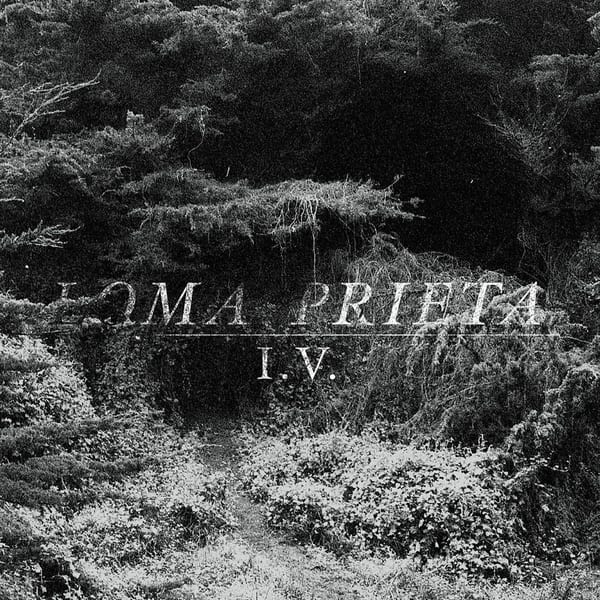
I.V.
Be the first to rate—San Francisco, named for the 1989 earthquake, sharing members with the powerviolence band Punch. Deathwish signed them in late 2011 and put out I.V. in January 2012. No post-rock stretches, no patience for the long build, just the revival announcing that it had no interest in politely reviving anything.
- 16
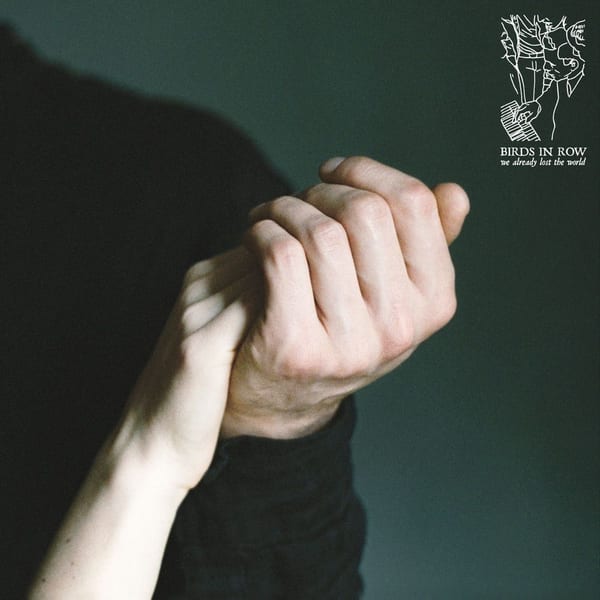
We Already Lost the World
Be the first to rate—Three people from Laval, France, who go by initials and keep their faces off everything. The 2018 Deathwish album is their best: hardcore that keeps finding melodies and refuses to be embarrassed about them. The title is an argument rather than a shrug — the band's own line is that the world isn't in our hands yet, but could be.
- 17
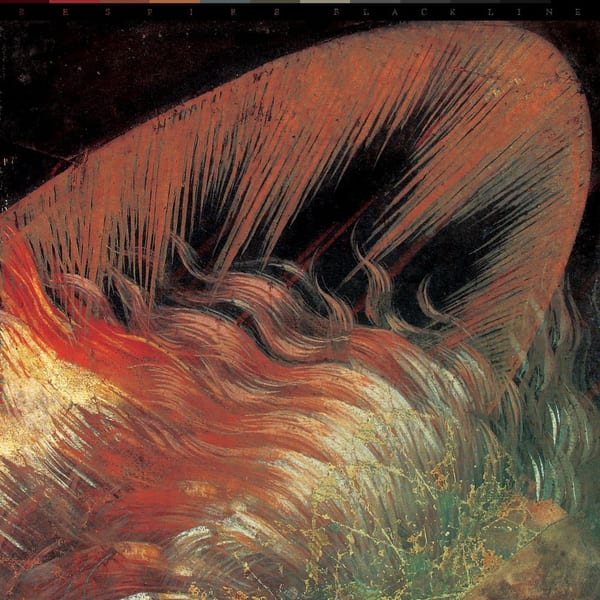
Black Line
Be the first to rate—A Toronto collective that started in a west-end basement in 2013 and grew until horns and strings were part of the band rather than decoration. On Black Line, from 2020, the orchestration stops being the novelty and starts carrying the songs. Blast beats and a trumpet, and nobody involved sounds embarrassed.
- 18
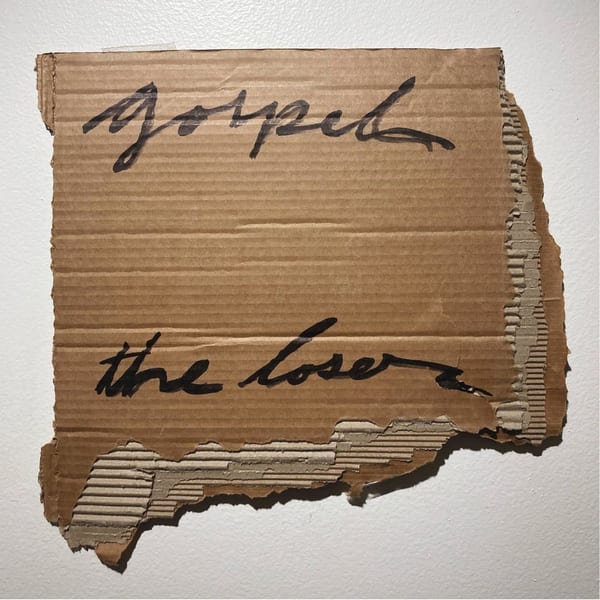
The Loser
Be the first to rate—Gospel's 2005 debut, The Moon Is a Dead World on Level Plane, sits in a lot of people's screamo top three and isn't on the streaming services at all, which is fairly on brand for this scene. They broke up in 2006 arguing over where to take the sound, reformed twice, and finally answered the question in 2022 with The Loser: prog-rock organ, hardcore drumming, neither side conceding anything.
- 19
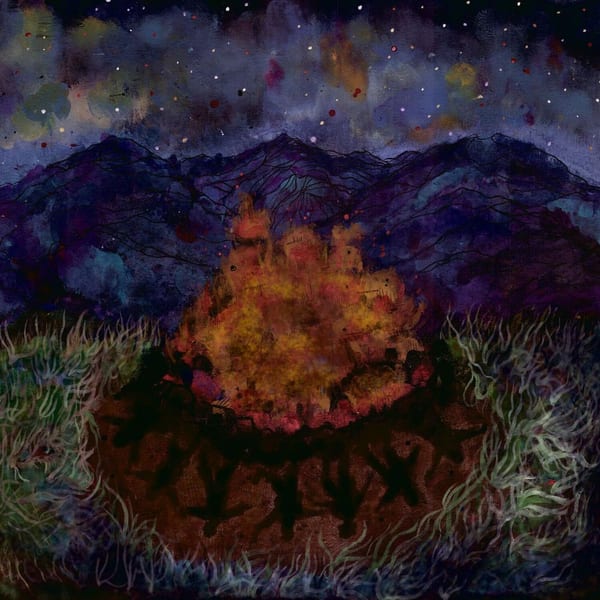
Obsidian Wreath
Be the first to rate—Fredericksburg, Virginia, January 2024, on Secret Voice. The most ambitious album the current scene has produced: black metal and long ambient passages, guests all over it, and it still moves like a screamo record rather than a project. Play Beneath (2020) straight after to hear how fast they got here.
- 20
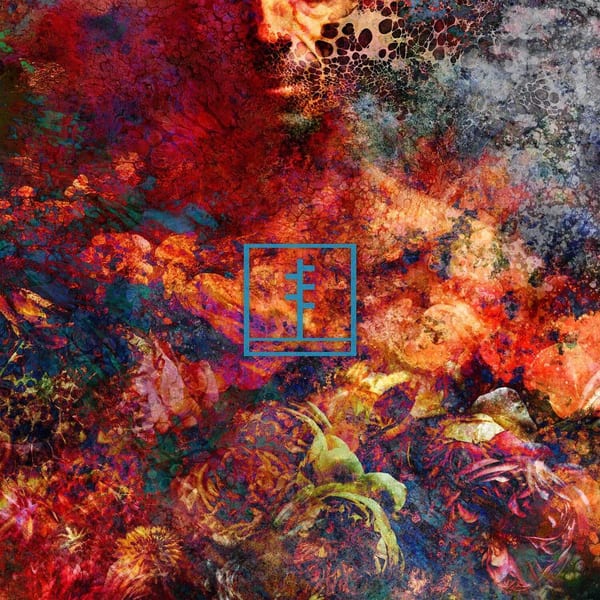
Artificial Bouquet
Be the first to rate—Rockford, Illinois, second album, out on Deathwish in March 2024, and the record that dragged this music back into metal coverage. Denser and more mid-paced than the debut, with guitars mixed like a wall you're standing too close to. Some people find it one-note. They're listening for songs; this is a pressure system.
- 21
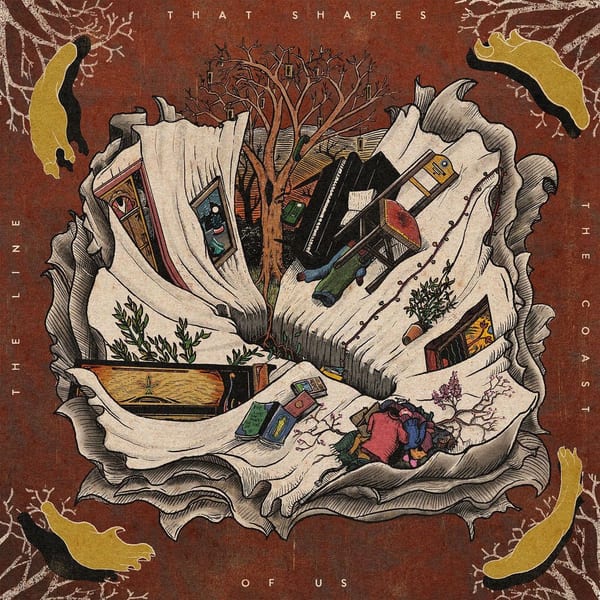
The Line That Shapes the Coast of Us
Be the first to rate—Brighton, out in March 2026 on Dog Knights Productions, the UK label doing most of the work at the European end of this scene. Long, unhurried songs, guitars left ringing, the screaming used as punctuation instead of the whole sentence. Proof that the 2005 French records are now an influence rather than a memory.
- 22
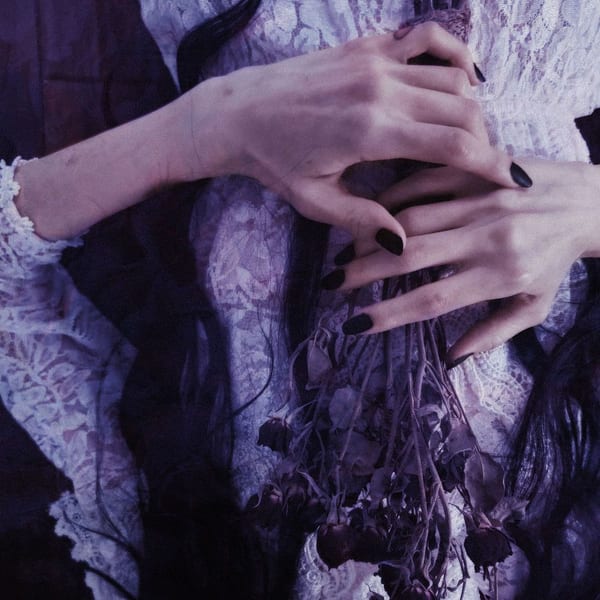
Alone With Heaven
Be the first to rate—Boston, formed 2002, first album in ten years, out on Iodine Recordings in April 2026. They kept the melodic end of this alive through the long stretch when nobody was listening, and the new one lands in a scene that has an audience again. Twenty-four years in, they still sound like they mean every word they can't finish.


Explore the sound
Artists in this guide
Read next
Where to start with Swans: seventeen albums, in the order you should hear them
Michael Gira has spent forty years making music that punishes casual listening. Chronological order is the worst way in.
Best city pop albums: eighteen records from the studio boom, 1977 to 2006
Sunshower to Tokyo Sniper, in order of release, with the session players and producers who actually built the thing.
The best albums of 2005: the year the blogs did the A&R
Nineteen records from the year Last.fm started keeping score and a band sold 125,000 albums out of an apartment.
The best debut albums of all time: 22 records that arrived finished
First albums that needed no apprenticeship, ranked, with an honest answer to the question that follows every one of them: did they ever beat it?
Got your own ranking? Build a list or tier of your own.