


Guides/A Riffiter guide
Best slowcore albums: a canon for a genre nobody wanted to be in
Nineteen records, 1989 to 2022, by bands who mostly hated the word.
Slowcore is a 1990s strain of indie rock built on slow tempos and a lot of empty space around the guitars. The name started as a joke and most of the bands rejected it: Bedhead's Matt Kadane called it an insult, and Low's Alan Sparhawk called it cheesy in 1998. This guide runs the canon in order of release, from Codeine's Frigid Stars (1990) through the revival that made Duster's Stratosphere (1998) a bigger record at twenty-five than it ever was at one, and on to Ethel Cain's Willoughby Tucker, I'll Always Love You (2025).
The word came out of nowhere and stuck to everything. Sparhawk has said a friend coined it as a joke around 1993; the Oxford English Dictionary traces the first printed use to Chuck Eddy in 1991. Either way, by the mid-nineties it was a genre with a scene, a sound and a roster of bands who wanted no part of it. Matt Kadane of Bedhead put it plainly: "We never saw slowness as the essence of what we were doing." Jim Putnam spent years telling journalists that Radar Bros. were not slowcore.
They had a point. Slow is a tempo, not an idea. What actually connects these records is a decision about space: leave the reverb up, leave the drum fill out, let the guitar note die on its own instead of covering it with the next one. Most of them are quiet, but quiet is a side effect. The real move is patience, and patience turns out to be much harder to fake than volume.
The list runs chronologically, because the story matters. It starts with a Boston band who taught everyone how to hang a chord in mid-air and runs to 2026. Along the way an album in 2025 carried the word into the American top twenty while the bands who invented the sound were still refusing it, and the newest entry is a London band still working in the same room.
- 1
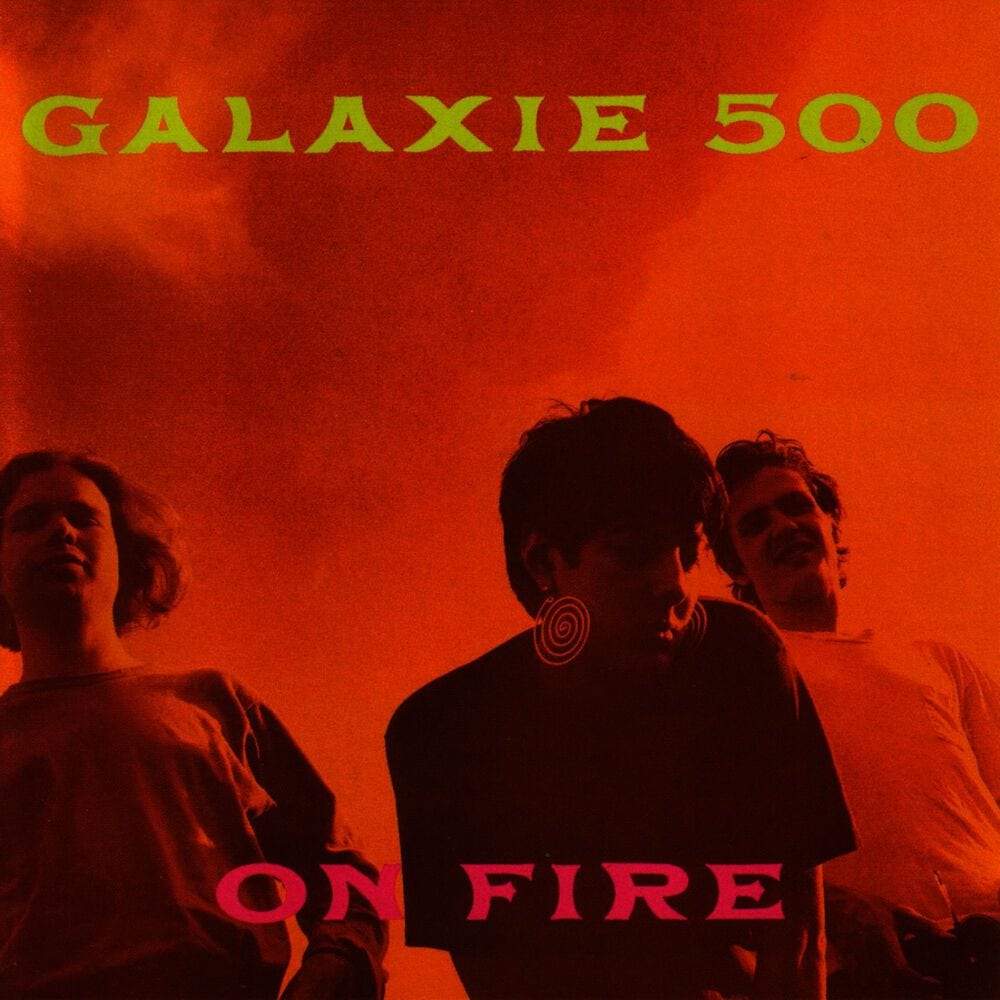
On Fire
★ 3.0 · 1Nobody used the word in 1989, but this is where the vocabulary comes from. Dean Wareham plays like he is afraid of the next note, Naomi Yang's bass wanders off on its own errands, and Kramer's production pushes the reverb until the room turns into a fourth member. It stays the warmest record in a family of cold ones, which is probably why it converts people who bounce off everything else here.
- 2
Frigid Stars
★ 4.0 · 1Glitterhouse put it out in 1990 and Sub Pop picked it up the following year, which is how a New York trio playing at half the speed of everyone else ended up on the grunge label. Stephen Immerwahr sings flat and close to the mic, John Engle's Telecaster rings clean with nothing hiding it, and Chris Brokaw hits the drums like each one costs money. This is the record the whole genre gets measured against, and it still sounds unfriendly in the best way.
- 3
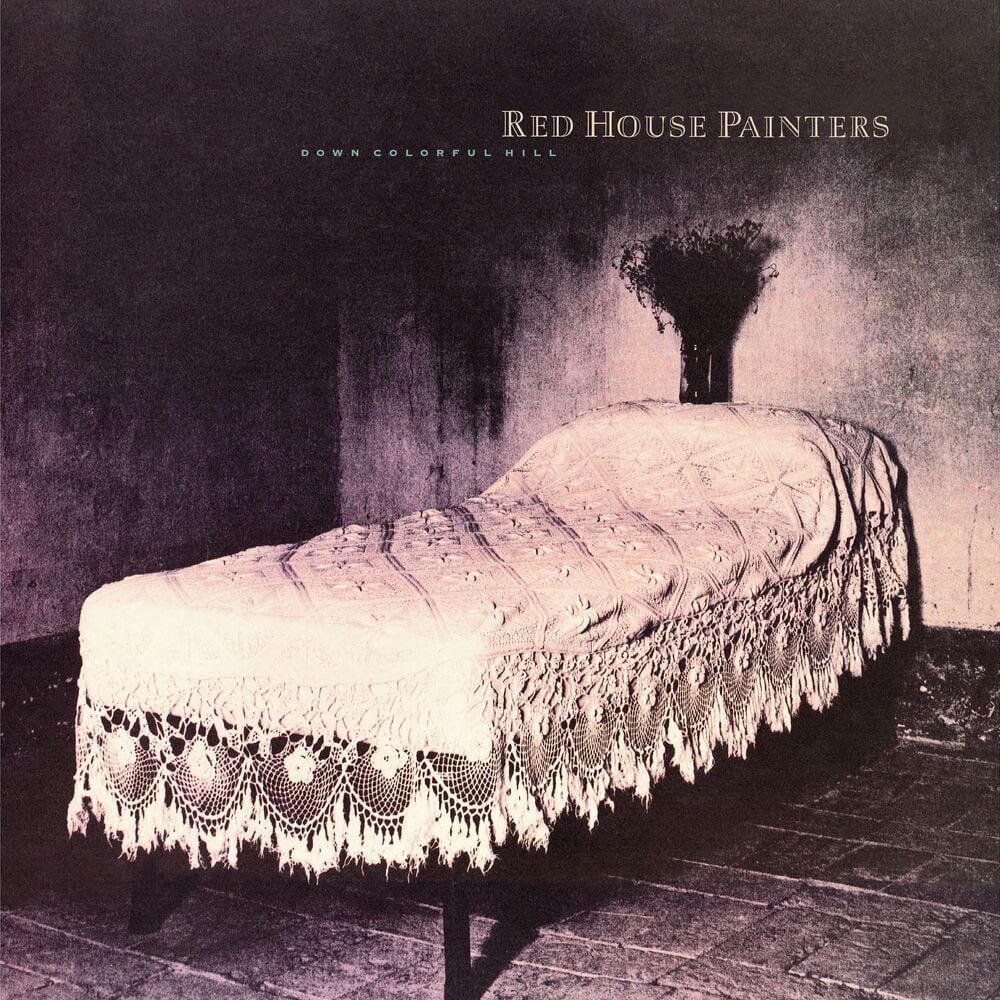
Down Colorful Hill
★ 3.5 · 1A demo tape passed from the journalist Martin Aston to Mark Eitzel of American Music Club to Ivo Watts-Russell at 4AD, who put out six of its songs in 1992 with barely a remix. You can hear that it was never meant for release, and that is the appeal: Mark Kozelek is singing to a tape deck, not an audience. Later Red House Painters albums are prettier. None of them are this exposed.
- 4

Mercury
Be the first to rateMark Eitzel is the man who passed the Red House Painters tape along to 4AD, and his own band's major-label debut came out on Reprise in March 1993, cut at Sunset Sound Factory with Mitchell Froom producing and Tchad Blake engineering. Bruce Kaphan's pedal steel hangs over songs that hardly move, and Eitzel sings about drink and failure like a man who has stopped checking whether anyone is still in the room. Spin put it at number 14 for the year and some reviewers called it overproduced, which misses how much of the record is just steel guitar and air.
- 5
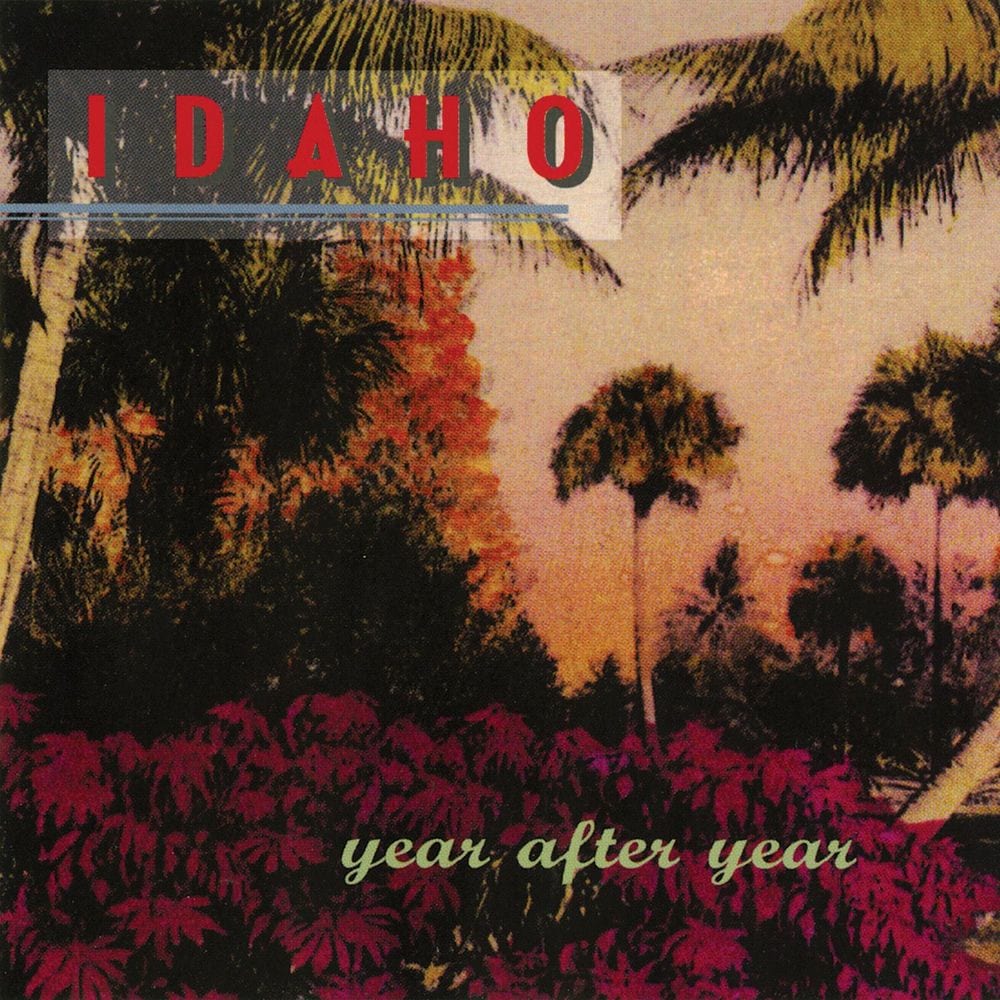
Year After Year
Be the first to rateJeff Martin tuned down and pulled two strings off his guitar, which gave Idaho's 1993 Caroline debut a low, gutted sound nobody else had. Unsane's Vincent Signorelli turns up on drums, an odd credit on a record this soft. Chronically underrated next to the Sub Pop and 4AD names on this list, mostly because Idaho never had a label with a mythology attached.
- 6
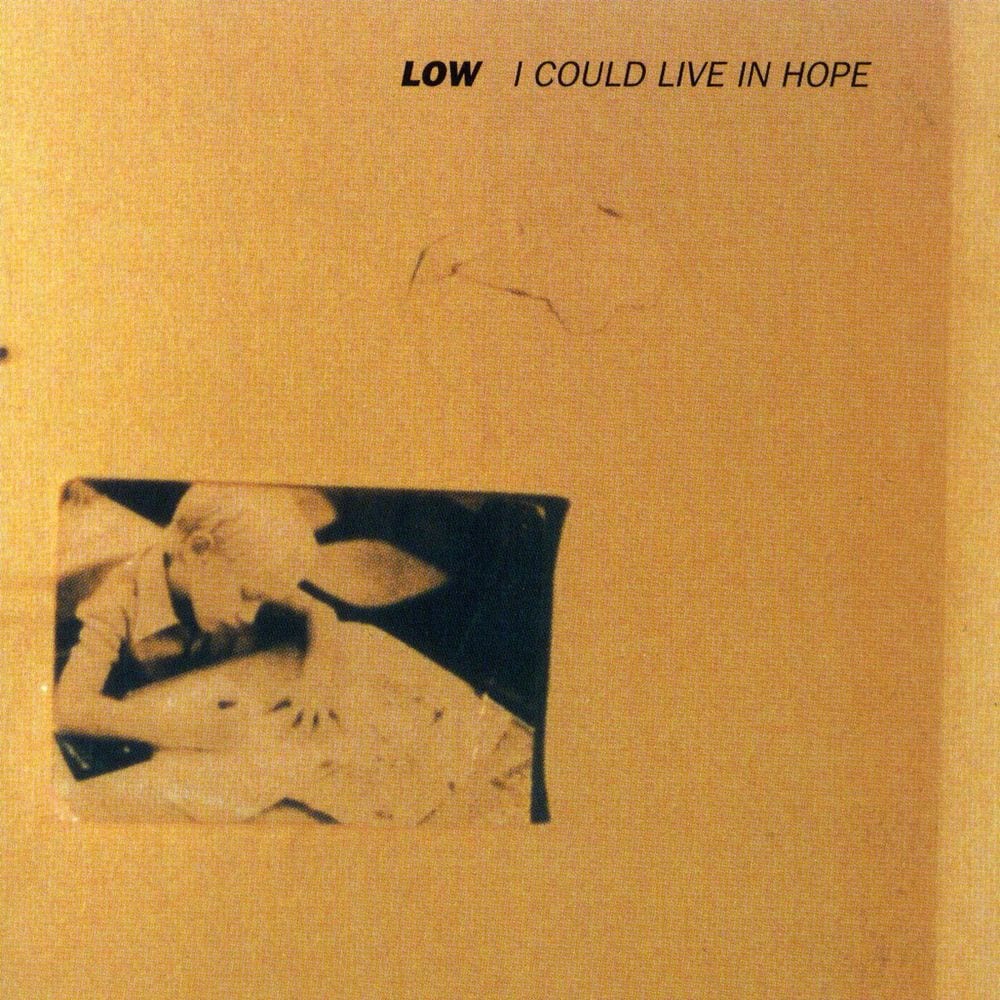
I Could Live in Hope
★ 3.5 · 2Alan Sparhawk and Mimi Parker started Low in Duluth partly as an argument with the loud bands around them. The 1994 debut is that argument at its most literal: two voices in close harmony over a kit stripped down to almost nothing, taking four minutes to do what a pop song does in one. Their later records are better written. This one is the reference point, the record people mean when they say slowcore and expect no follow-up question.
- 7
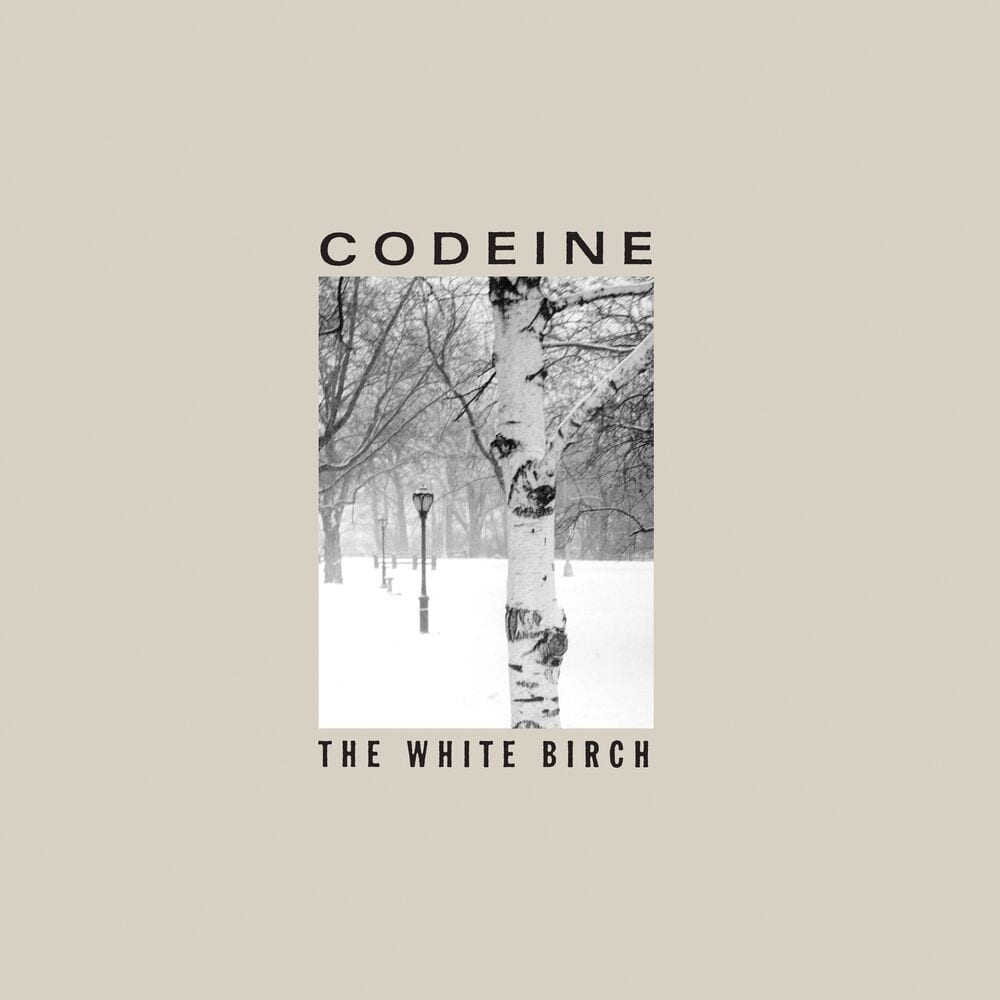
The White Birch
Be the first to rateSub Pop released it in April 1994, recorded across three studios in Chicago, Connecticut and New York with Mike McMackin, and with Doug Scharin on drums after Chris Brokaw left for Come. It is the Codeine album where a guitar is allowed to get loud, which gives the quiet playing something to be quiet against, and plenty of people who arrive through Frigid Stars end up staying here. The band toured America behind it and then stopped. It fed straight into Low, and into Mogwai and Shipping News after that, which is a wide reach for a record this withholding.
- 8
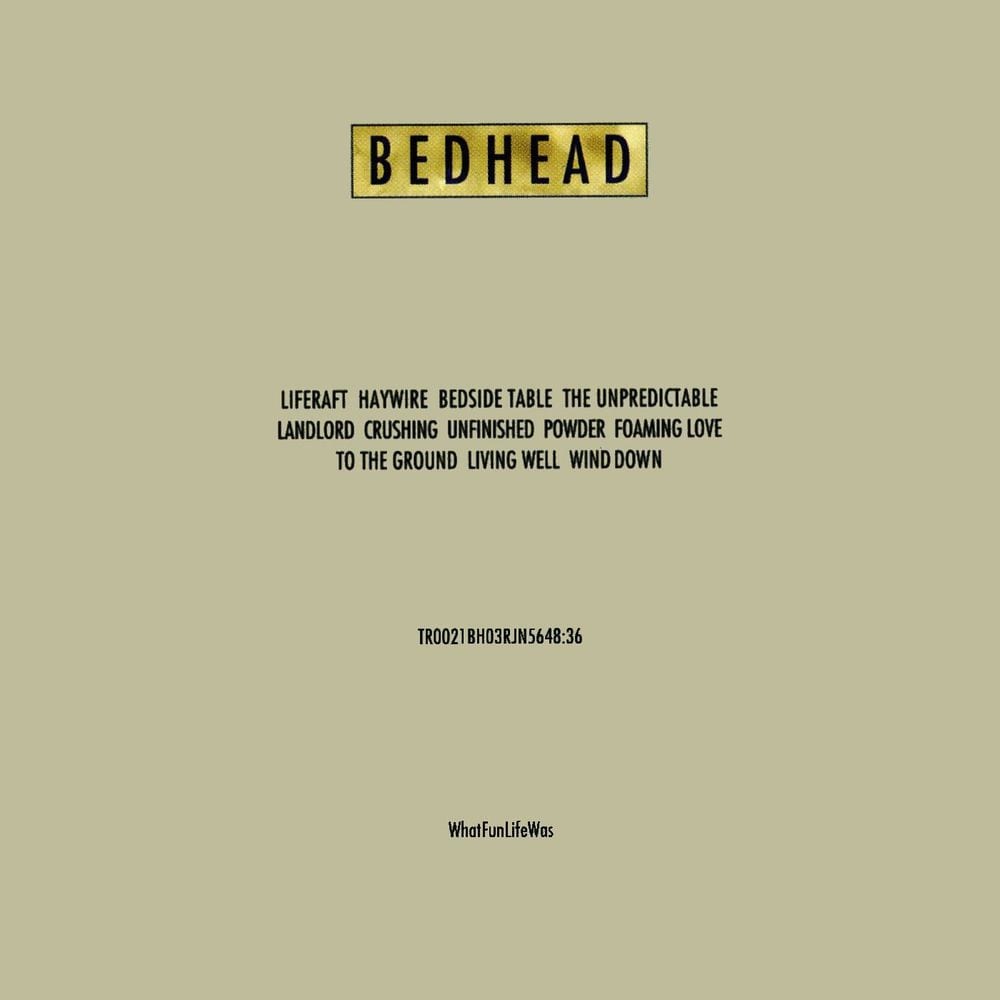
WhatFunLifeWas — Bedhead
★ 2.5 · 1Bedhead's debut came out on Trance Syndicate in 1994, after King Coffey heard their single and signed them. The Kadanes started it in the summer of 1993 on a budget of about three thousand dollars, got halfway, and threw the tapes out to start again with a better idea of how the guitars should sit. The second attempt is the one that holds together: three guitars tracing each other at a walking pace, nobody in a hurry to resolve anything. Start here if Transaction de Novo felt too loud.
- 9
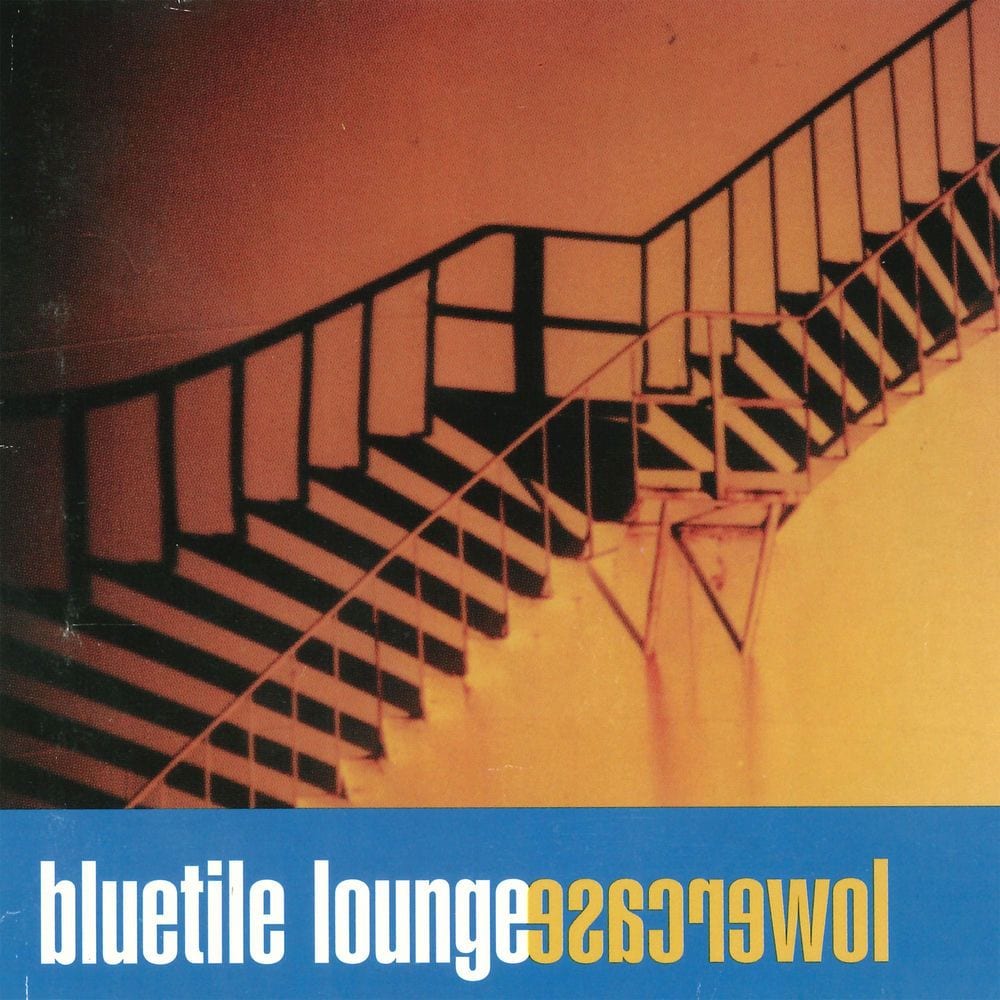
Lowercase
Be the first to rateFive songs, forty-five minutes, recorded in a Masonic hall in Fremantle by a Perth band who were ignored at home. Low and Sonic Youth talked about them; almost nobody in Australia did. YouTube uploads built a following through the 2010s and Hobbledehoy finally reissued it in 2022, which makes this one of the few genuine internet rescues on the list rather than an internet myth.
- 10
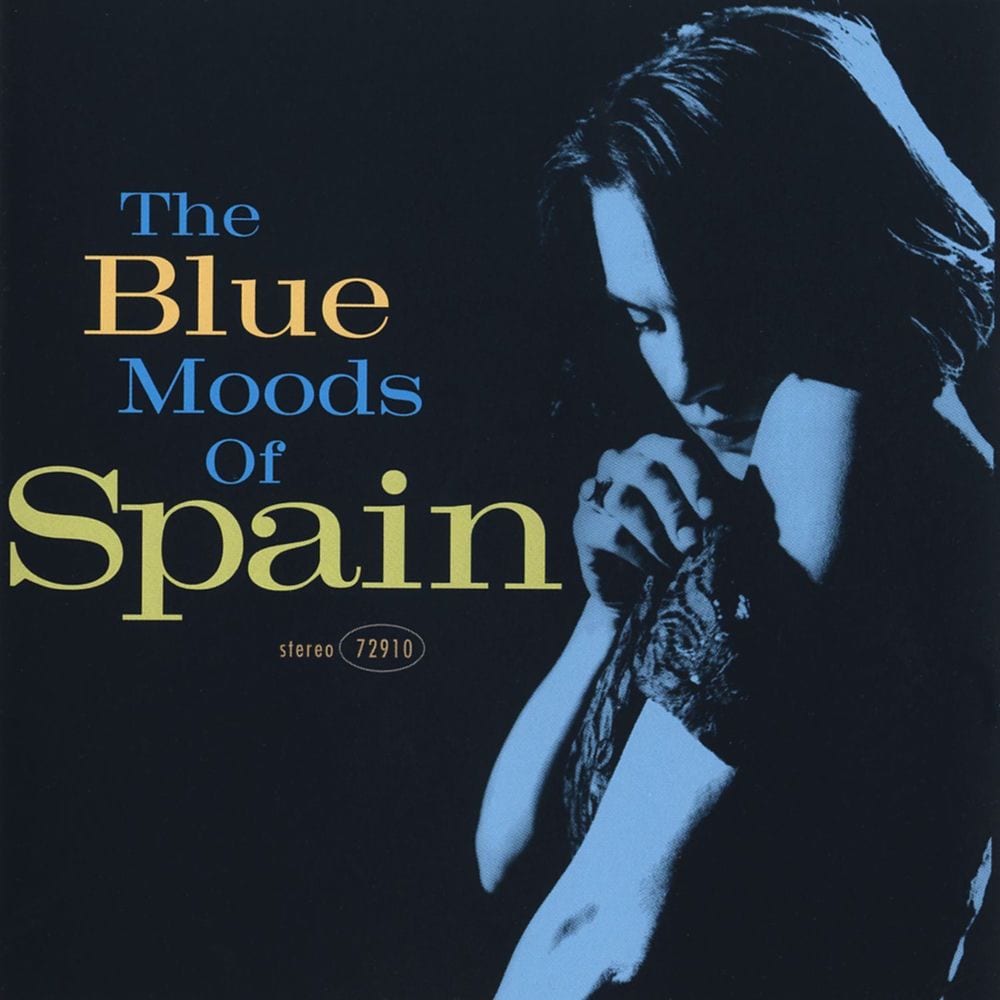
The Blue Moods Of Spain
Be the first to rateJosh Haden grew up in a jazz house, his father being Charlie Haden, and it shows in how much of this 1995 debut is bass and brushes and air. "Spiritual" is the song that escaped: Johnny Cash cut it for Unchained in 1996, and Cash's version is the one most people know. Slowcore rarely swings. This does, barely, and it changes everything about how it feels.
- 11

The Doctor Came at Dawn
★ 1.5 · 1Bill Callahan's fifth Smog album came out on Drag City in September 1996, and it is the one where he took nearly everything out: slow guitar, long gaps, and Cynthia Dall's voice turning up now and then like someone in the next room. CMJ called it the bleakest, saddest album of the year and Robert Christgau gave it a dud, which between them covers most of the reactions you are likely to have. Callahan never claimed the slowcore tag either, and this is the record that makes it hardest for him to argue.
- 12

Karate — Karate
Be the first to rateGeoff Farina's Boston trio, formed in 1993 and later a foursome, started out playing at the same patient tempos as everyone else on this list, and the self-titled first album is the one that sits closest to the genre. Southern Records released it, and it is quiet and clean-toned with a lot of room between the notes. Later records went toward jazz and free improvisation, so this is the Karate album to give someone who came here for the slow part.
- 13
Acetone
Be the first to rateVernon Yard went under, and Neil Young's Vapor Records picked the band up, which is how a Los Angeles trio with no interest in choruses got a patron. The 1997 self-titled is their most narcotic record, all clean tone and unhurried country drift, closer to an empty bar at 3am than to anything in Chicago or Minnesota. Richie Lee died in 2001 at thirty-four, and the band's reputation has been slowly catching up ever since.
- 14
Transaction de Novo
★ 5.0 · 1Three electric guitars, almost no distortion, Steve Albini engineering it across one week in May 1997. The Kadane brothers' last Bedhead album is also their loudest, which mainly means the quiet parts have somewhere to fall from. If you only take one Dallas record from this era, WhatFunLifeWas (1994) is the purer statement, but this is the one that lands.
- 15
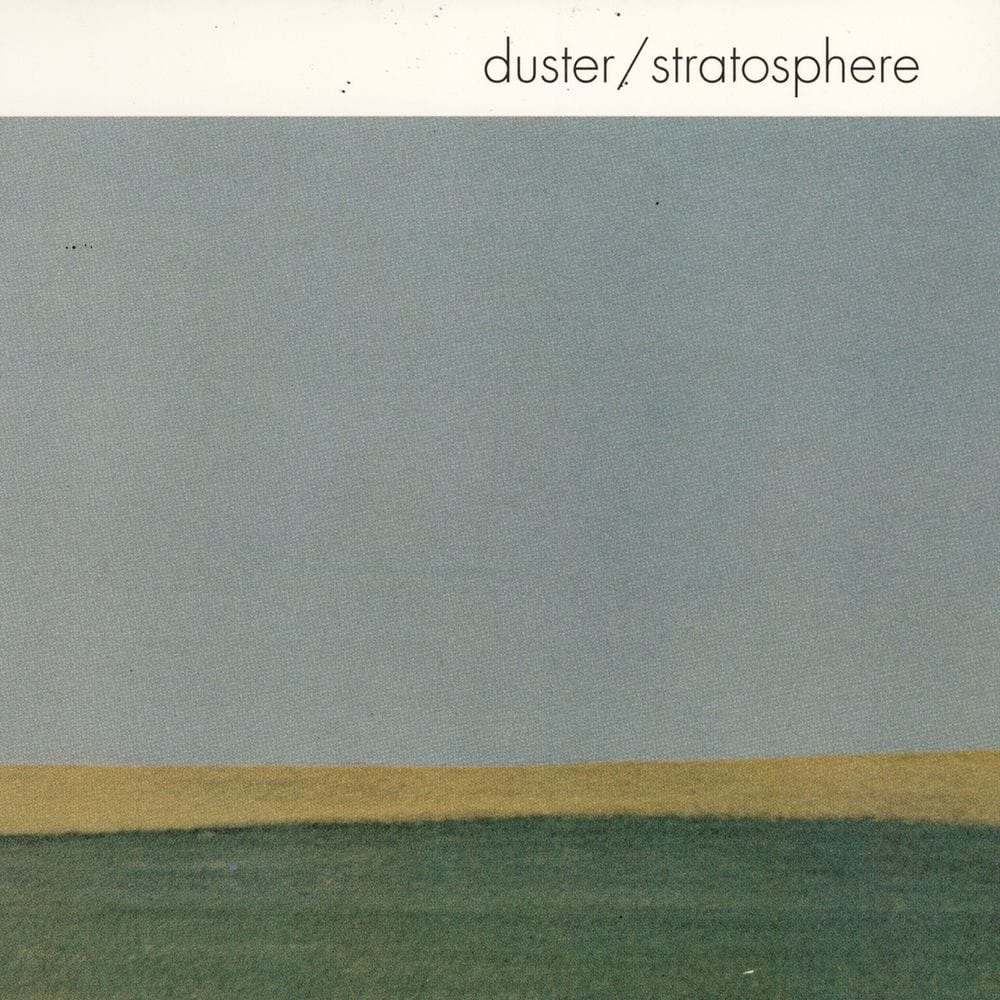
Stratosphere
★ 4.3 · 8Clay Parton and Canaan Dove Amber made this in a home studio in San Jose in 1998 on old gear, and for twenty years it was a cult item passed between people who liked tape hiss. Then "Constellations" went around on TikTok, the band reunited in 2018, and Stratosphere became the rare 1998 indie record with a teenage audience. The hype is annoying and the record deserves it anyway.
- 16
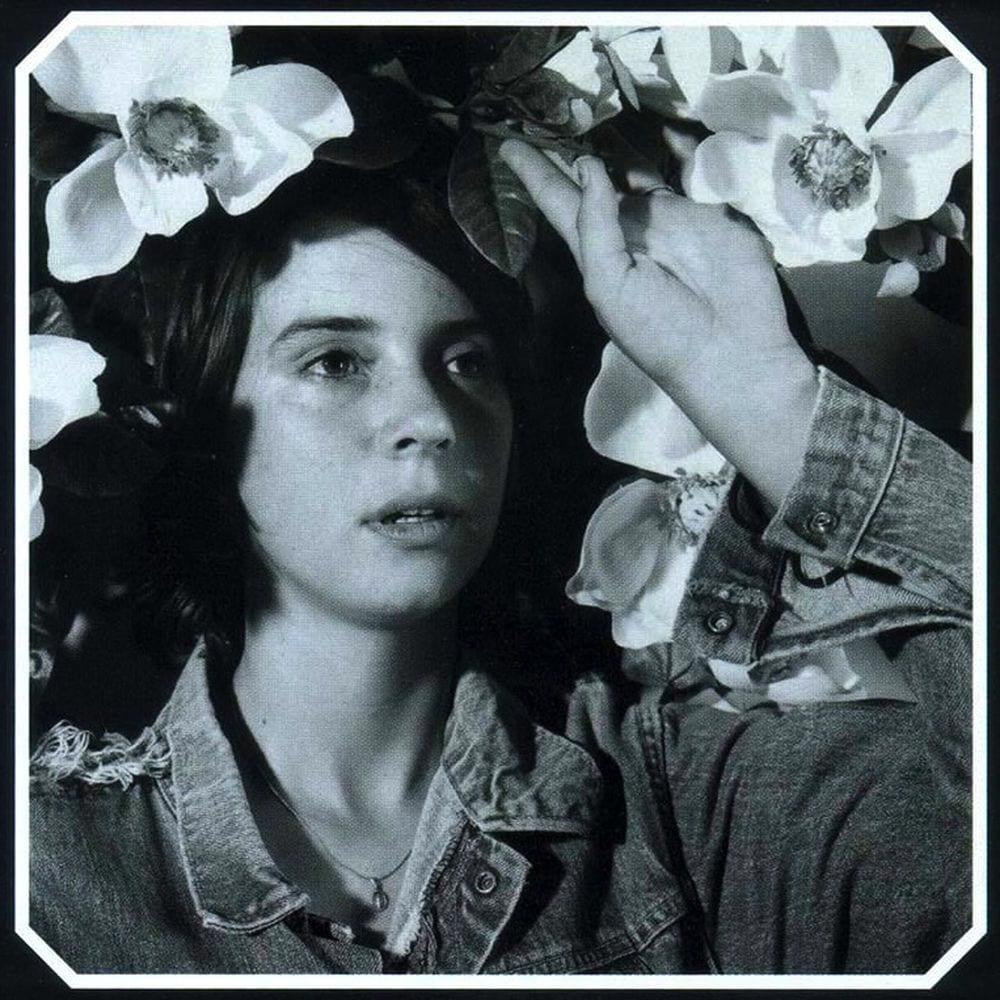
Moon Pix
★ 3.0 · 1Chan Marshall woke from a nightmare at a farmhouse in South Carolina in late 1997, picked up a guitar and taped herself playing for about an hour, and five of these songs came out of that night. She took them to Melbourne and cut them at Sing Sing with Mick Turner and Jim White of Dirty Three, who play like they are trying not to wake anyone, which leaves her voice carrying the whole weight. Matador released it in September 1998 to reviews that were polite and not much more. Pitchfork later went back and moved its own score from 7.4 to 9.5, which is one way of admitting the record had been sitting there all along.
- 17
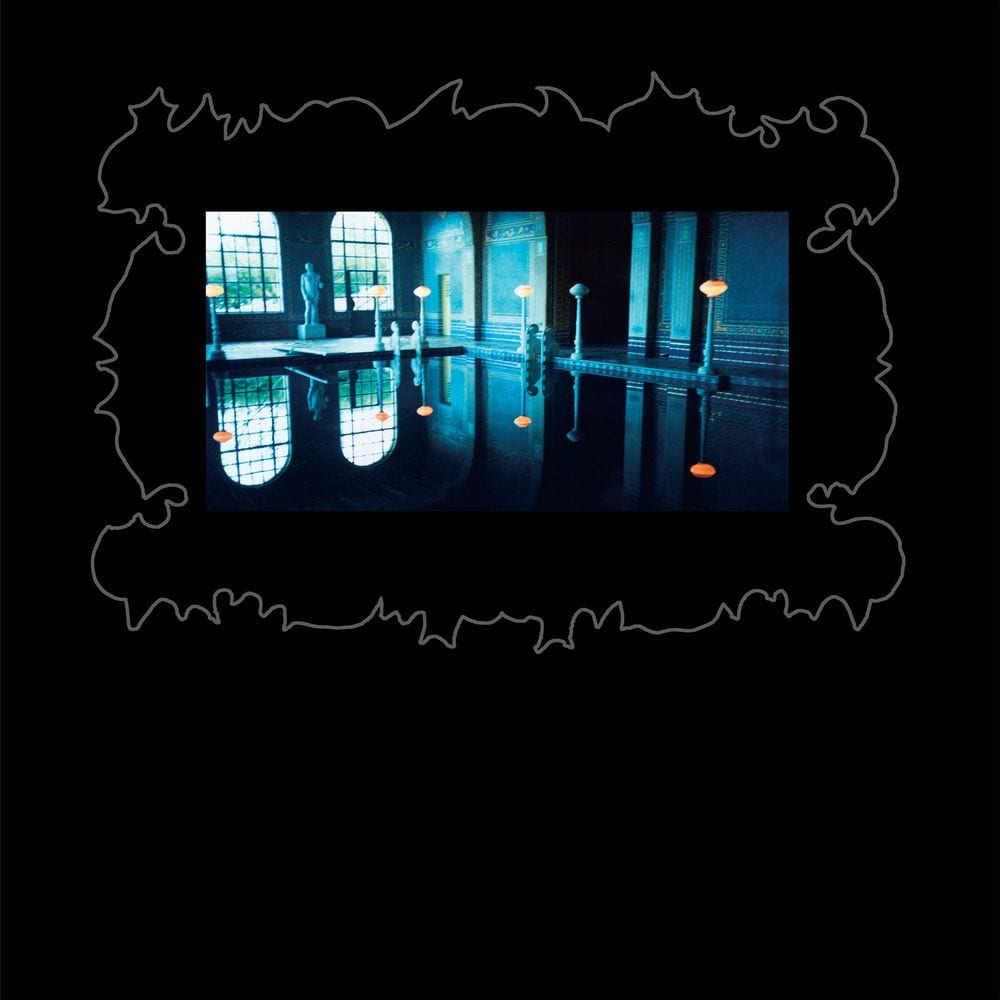
The For Carnation
★ 5.0 · 1Brian McMahan spent the years after Slint making a record with even less in it. The 2000 Touch and Go album is six tracks of bass pulse and half-spoken vocals, and the dread never resolves into anything you could call a chorus. It is the most genuinely uncomfortable album here, and the closest thing slowcore has to a horror record.
- 18
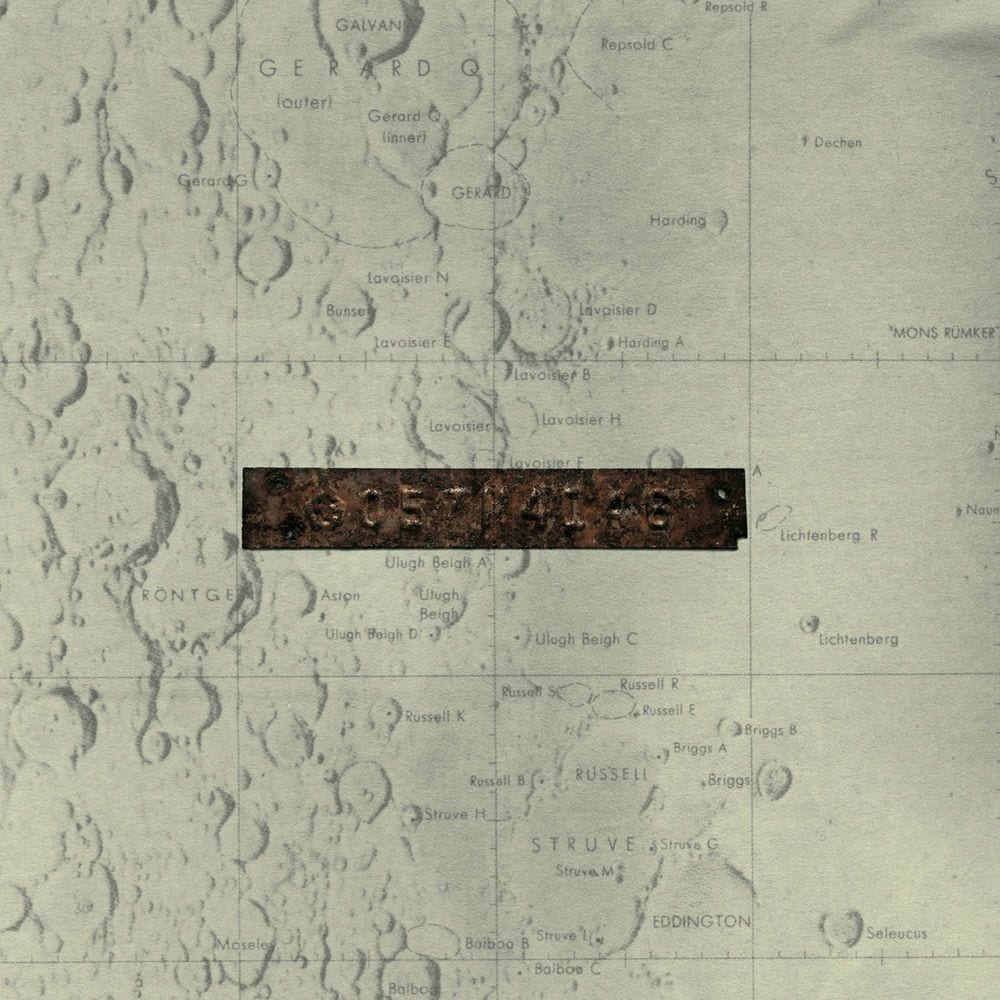
Things We Lost in the Fire
Be the first to rateAlbini at Electrical Audio in Chicago, and the first Low album where the arrangements get generous: strings, a bit of low end, songs that finally sound like they were built rather than withheld. "Sunflower" and "Dinosaur Act" gave the band a way out of the corner the early records had painted them into. Everything Low did across the next two decades starts here.
- 19
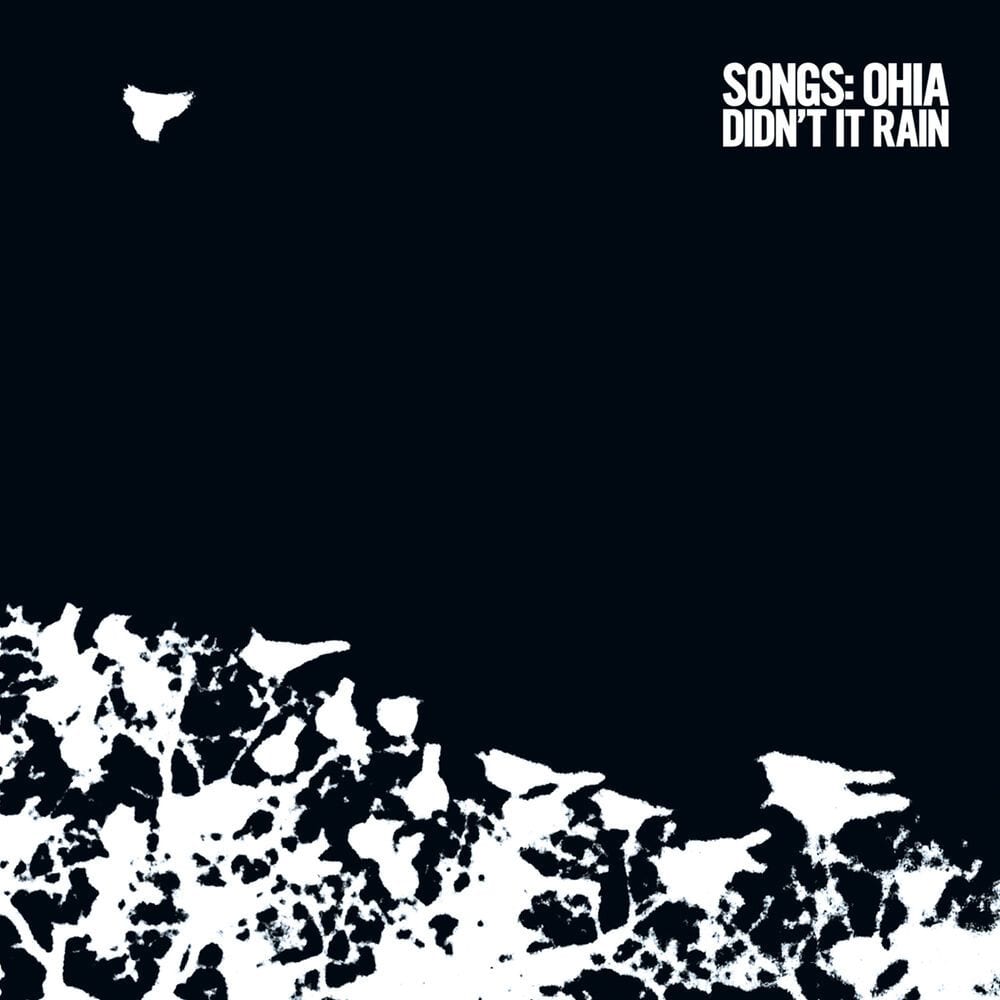
Didn't It Rain
Be the first to rateJason Molina cut this live in one room at Soundgun in Philadelphia in 2001 with no overdubs, the players working out their parts as the tape ran. You can hear the hesitation, which is the whole point. This is a record about people listening very hard to each other in the dark. The title comes from the old spiritual Sister Rosetta Tharpe and Mahalia Jackson both made famous, which tells you what Molina thought he was doing.
- 20
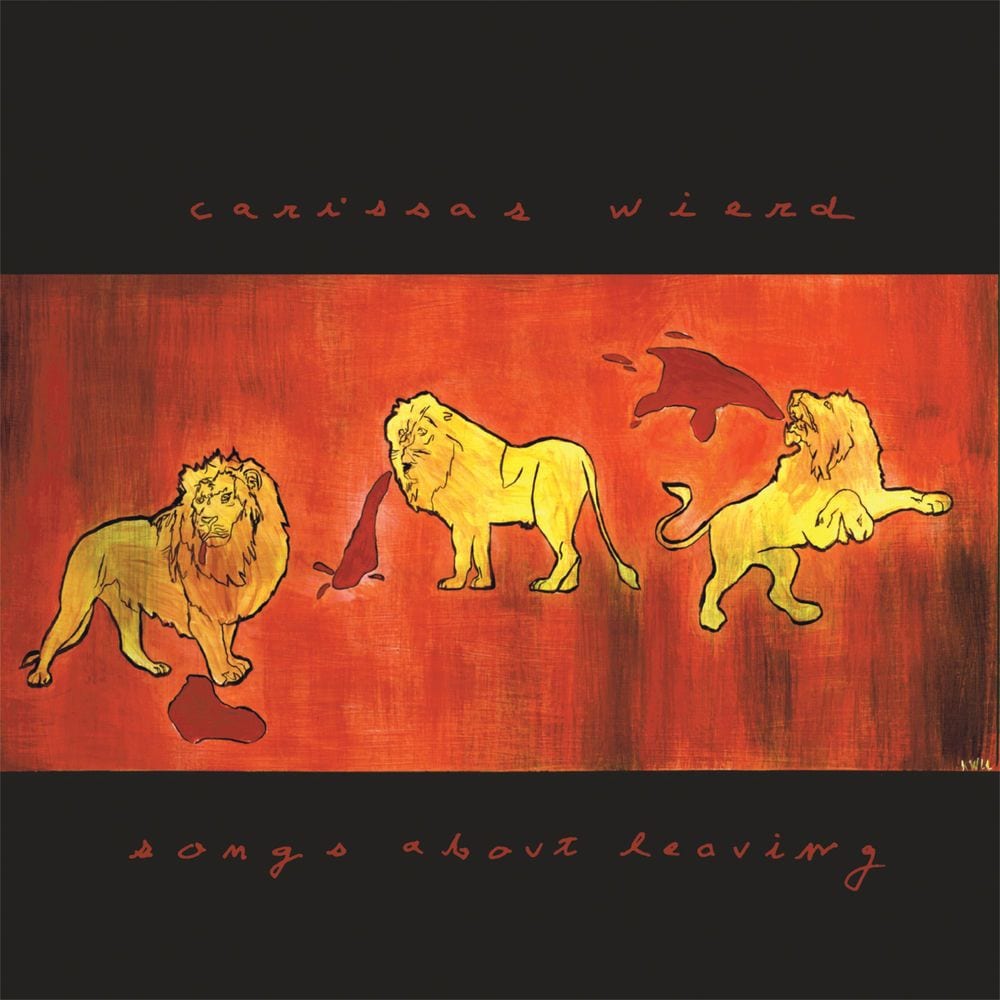
Songs About Leaving
★ 4.0 · 1Seattle, 2002, produced by Chris Walla at the Hall of Justice, and almost nobody bought it. The band broke up, members went off to Band of Horses and Grand Archives, and then in 2010 they bought their catalogue back from the defunct Sad Robot and reissued it on Hardly Art. Jenn Ghetto and Mat Brooke singing over each other is the sound of a breakup happening in real time, and it is a lot to sit through.
- 21
Ruins
★ 3.0 · 1Liz Harris made this in Aljezur, Portugal in 2011 on a residency, with a portable four-track, one stereo mic and an upright piano, then sat on it until 2014. A microwave beeps as the power comes back on. Frogs are audible outside. Stripping away the guitar haze she was known for left her with just voice and piano and the room, and it turned out that was the strongest version of the whole thing.
- 22
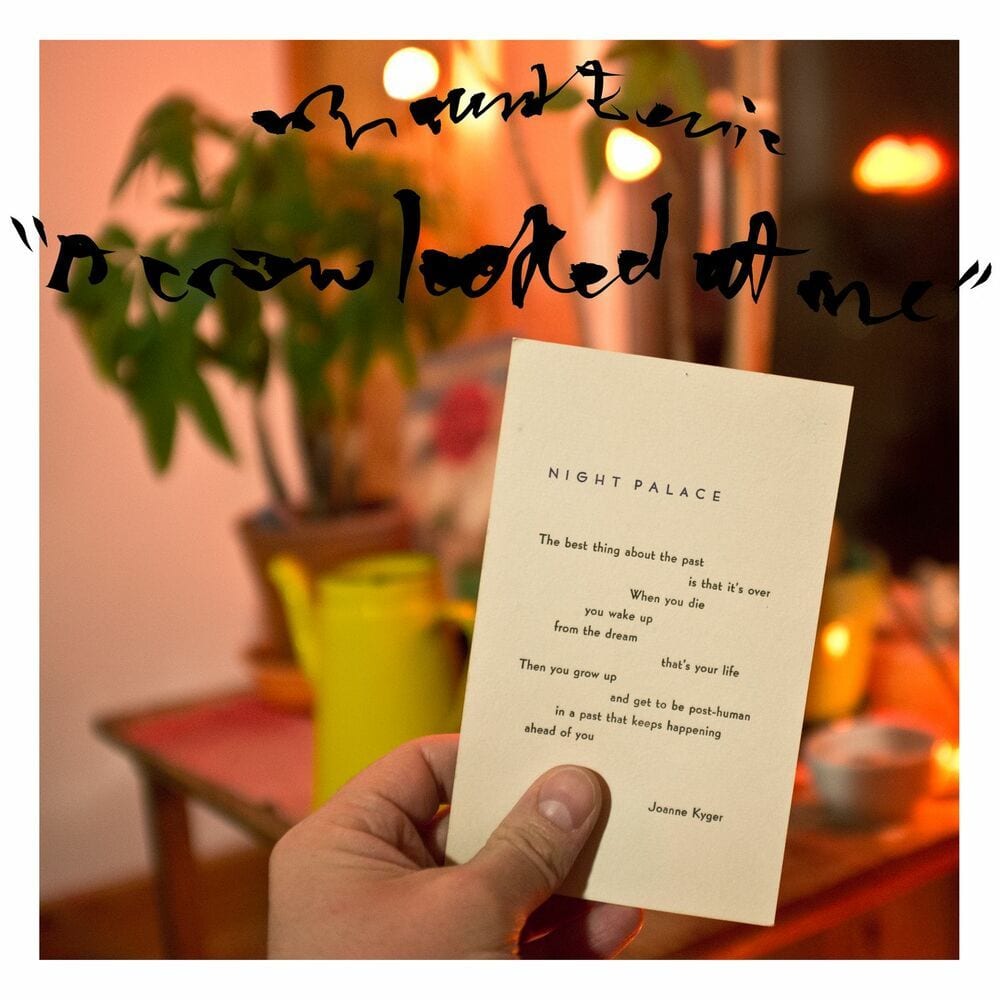
A Crow Looked at Me
★ 3.3 · 2Phil Elverum recorded this in the room where his wife, the artist Geneviève Castrée, died in 2016, using her instruments, and the first line is "Death is real." It is barely produced and barely a song cycle. Whether it belongs in a genre list at all is arguable. But the technique is exactly slowcore's, nothing added and nothing hidden, pushed until it stops being a style and turns into reporting.
- 23
Forever
Be the first to rateMadeline Johnston calls what she does heaven metal, and the 2020 Flenser album earns it. The guitar drone is thick enough to lean on, and melodies surface for a bar before going back under. It was written for her friend Colin Ward after his death. The genre's older records mistrust prettiness; this one goes straight at it and comes back with something harder than it sounds.
- 24
Return
Be the first to rateLondon, January 2022, and the first convincing argument in years that young bands could do this without sounding like an homage. Return moves between whispered verses and sudden weight, and the band have spent every album since trying to get out from under the slowcore tag. Their 2026 record Somersaults barely qualifies. That restlessness is the most Codeine thing about them.
- 25
i'll be okay
Be the first to rateLiam McCay is Irish, records at home, and named the project after a song by Calm, the band that predated Duster and shared members with it. The 2022 debut is bedroom slowcore made by someone who found the canon online rather than in a record shop, and it has an audience most of the bands above never had. Purists sneer. The line from Stratosphere to here is completely straight.
- 26
Willoughby Tucker, I'll Always Love You
★ 5.0 · 1Seventy-four minutes, released on her own Daughters of Cain label in August 2025, and a prequel to Preacher's Daughter that goes back to 1986 and a first love. The pop instincts of the debut are mostly gone, replaced by long guitar figures and a lot of held air, which is why nearly every review reached for the word slowcore instead. It went to number 14 on the Billboard 200, so a genre whose founders spent the nineties denying the label now has a record in the American top twenty. Whether Codeine or Low would claim it is a decent argument to have. The people rating it are not having it.
- 27
Somersaults — deathcrash
Be the first to rateThe London band's third album came out on untitled (recs) in February 2026, and it is the one where they stop hiding. The vocals sit higher in the mix than on Return, the hooks are easier to find, and "NYC" is closer to slacker rock than to anything Codeine would have recognised. "Triumph" and the long, doomy "The Thing You Did" keep the old weight, and the closer adds orchestration. Whether that still counts as slowcore is the usual argument, but the band keep making it more interesting than a revival has any right to be.


Explore the sound
Artists in this guide
Lists with these albums
Read next
Scary albums: 17 records that still frighten on a Tuesday afternoon
No werewolves, no organ stabs, no Halloween party. Seventeen records from 1968 to 2019 that scare you with the lights on, and what each one uses to do it.
Def Jux: 16 albums from The Cold Vein to the record El-P finished for a friend
Eleven years, one Brooklyn producer's taste, and a catalog that made New York rap sound like it was coming through a broken radio.
Southern gothic music: 18 albums, and somebody always ends up in the river
Murder ballads, plywood devils, Memphis tapes and a Denver preacher's grandson. The sound of a literary label, from 1958 to now.
Rock nacional: 19 albums, and eight of them belong to Spinetta or Charly García
Oktubre turned 40 on 4 October. This is the Argentine canon it sits in, from a song written outside a bar toilet in 1967 to the La Plata indie bands still working the same ground.
Got your own ranking? Build a list or tier of your own.