


Guides/A Riffiter guide
Best post-rock albums: eighteen records where rock stopped singing
The crescendo, the drone, the slow build — a guitar band's tools turned against the verse and chorus.
Post-rock is guitar-band instrumentation put to non-rock ends: the long build, the drift, the wordless climax instead of the hook. Critic Simon Reynolds coined the term in 1994, writing about Bark Psychosis' Hex. This guide traces the form from Talk Talk and Slint in 1991 through Godspeed You! Black Emperor, Sigur Rós and Mono.
The word arrived in 1994, when Simon Reynolds needed something to call Bark Psychosis' Hex — a record made with guitars, bass and drums that wanted nothing to do with rock's usual jobs. No riffs to headbang to, no chorus to shout back. The instruments were kept; the rulebook was thrown out.
What follows isn't every band who ever let a song get quiet before it got loud. It's the lineage: the records that invented a move, then the ones that pushed it somewhere new before the crescendo hardened into cliché. Roughly chronological, 1991 to 2012, from the two albums that started it to the generation that inherited the wreckage.
- 1
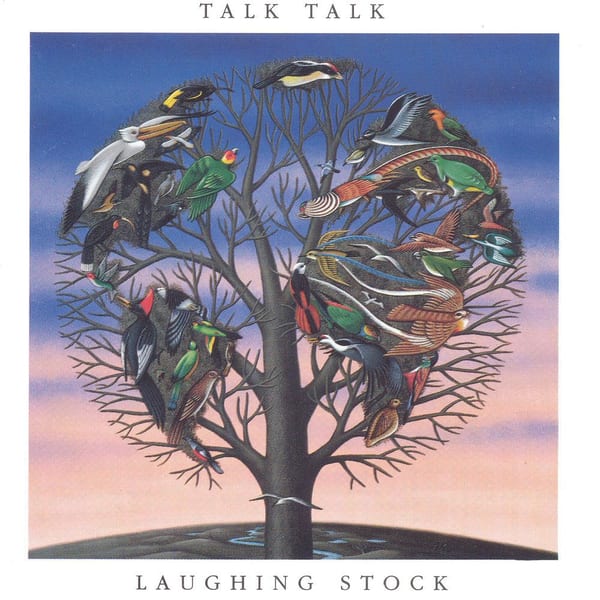
Laughing Stock
★ 5.0 · 1—A synth-pop band that had scored actual hits ("It's My Life") walked into a darkened studio, improvised for months, and edited the results down to this. Released on Verve in 1991, Laughing Stock has almost no songs in any normal sense — just space, silence, and the sudden bloom of an organ or a guitar. Mark Hollis was building the exit door the whole genre would walk through.
- 2
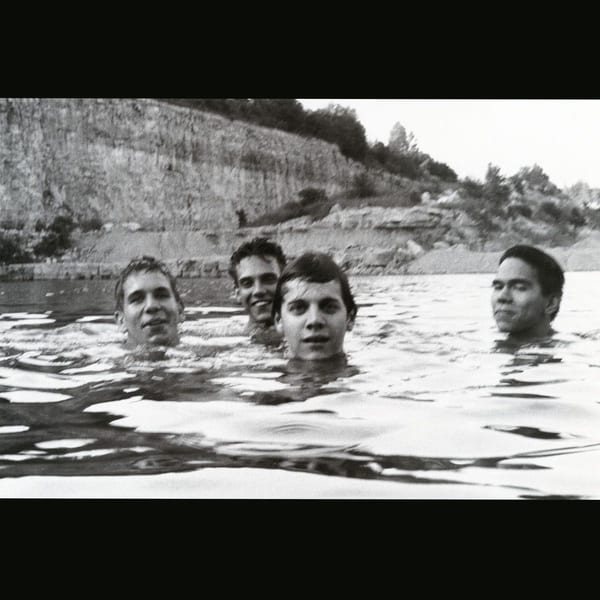
Spiderland
★ 4.6 · 10—Six tracks, Touch and Go, 1991, and the band had already broken up by the time it shipped. Brian McMahan half-speaks, half-screams over a rhythm section that tightens and detonates with mathematical control. Every quiet-loud band of the next twenty years — Mogwai, GY!BE, the whole crescendo economy — was doing homework on this record whether they admitted it or not.
- 3
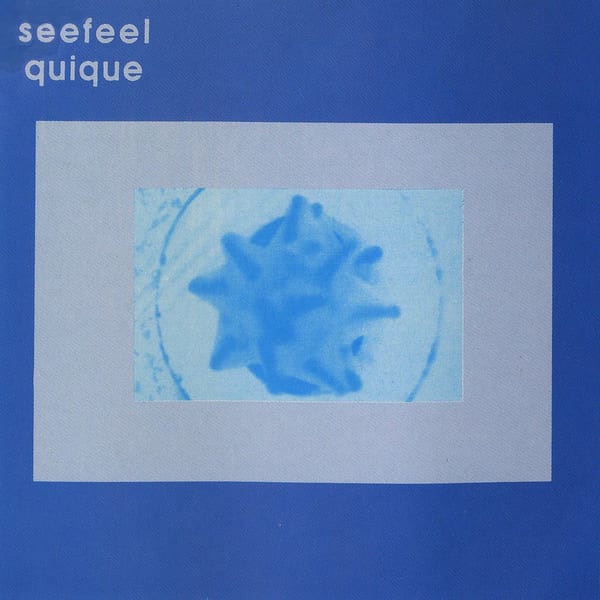
Quique
Be the first to rate—Where shoegaze dissolves into techno. On Quique (Too Pure, 1993) the guitars stop being guitars and become loops, dub cavities, pure texture; Aphex Twin liked them enough to remix them. This is the ambient wing of the form arriving early, before anyone had drawn the map it belonged on.
- 4
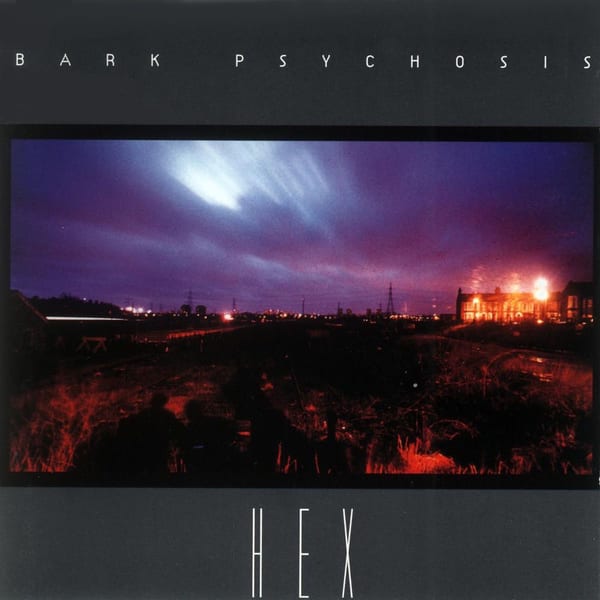
Hex
Be the first to rate—The record Reynolds was reviewing when he reached for the word. Partly cut in a Stratford church, Hex (Circa, 1994) is jazz-schooled dread — brushed drums, dub-deep bass, Graham Sutton's voice barely surfacing. It is the genre's naming document, and it still sounds like almost nothing else.
- 5
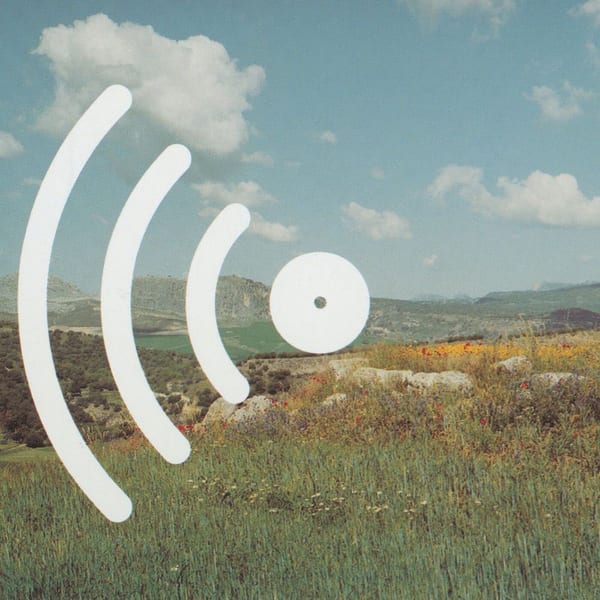
D.I. Go Pop
Be the first to rate—The most radical of the pioneers and the least heard. On D.I. Go Pop (Rough Trade, 1994) every guitar string and drum pad was wired to a sampler, so a strummed chord could trigger breaking glass or birdsong. A three-piece rock band rebuilt as a musique concrète engine. History skipped them; go correct it.
- 6
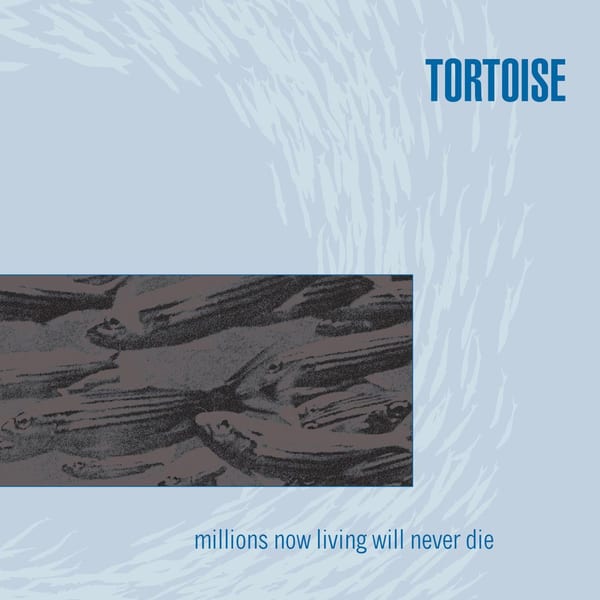
Millions Now Living Will Never Die
Be the first to rate—The American answer, from Chicago's studio-rat class. Krautrock pulse, dub bass, marimba, jazz — the 21-minute "Djed" is post-rock as an editing suite rather than a rock band. Thrill Jockey, 1996; it gave the whole Chicago scene its blueprint and made "instrumental" sound like an ambition instead of a compromise.
- 7
Mi media naranja
Be the first to rate—The sound of the Kranky label distilled: glacial, minimal, patient past the point most bands would panic. Mi media naranja (1997) is drone and space and the occasional guitar line hanging in the air like a held breath. Richmond, Virginia's contribution to the argument that slowness is a genre.
- 8
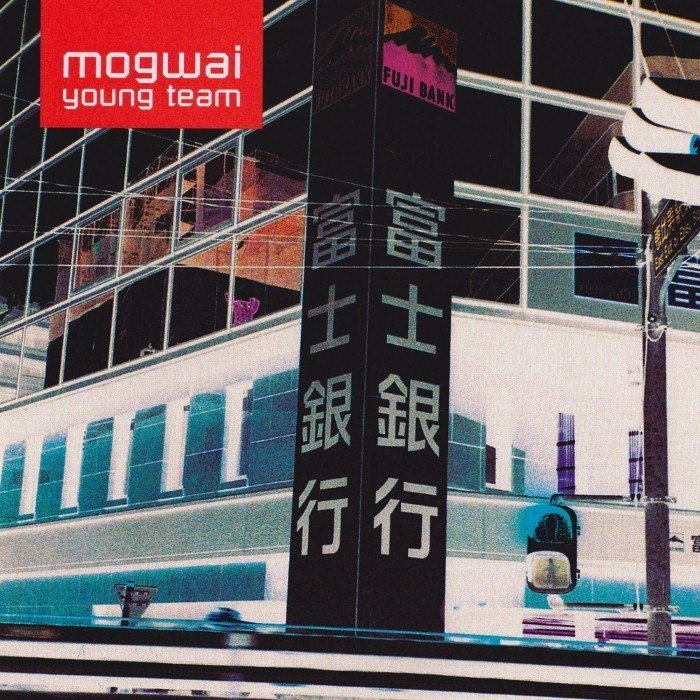
Young Team
Be the first to rate—Glasgow's Mogwai took the quiet-loud trick and weaponized it. On Young Team (Chemikal Underground, 1997) "Like Herod" lulls you for minutes and then caves your chest in. They became the loudest gentle band alive, and the template for arena-sized dynamics without a single chorus to sell tickets.
- 9
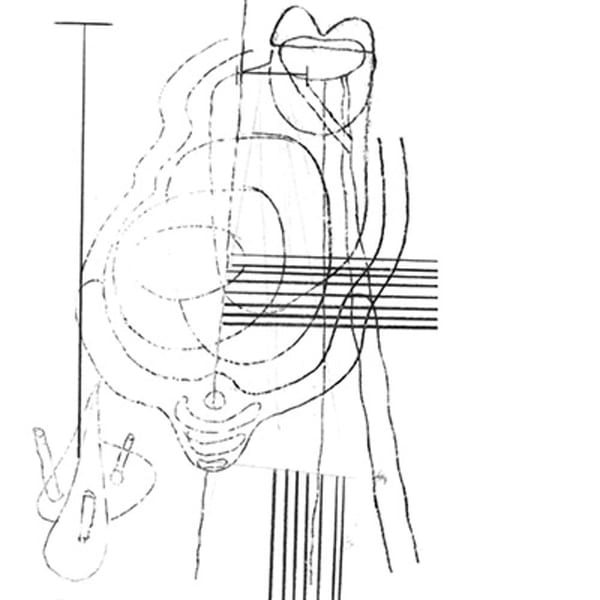
Camoufleur
Be the first to rate—Jim O'Rourke and David Grubbs at their most inviting. Camoufleur (Drag City, 1998) folds chamber-folk, brass and electroacoustic clatter into something that almost passes for pop, then keeps flinching away from it. O'Rourke's fingerprints are all over the decade; this is where his ear for pretty and strange sat closest together.
- 10
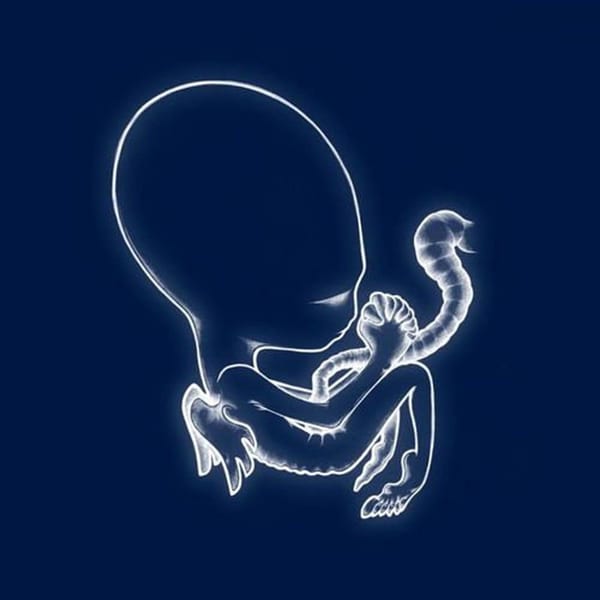
Ágætis byrjun
Be the first to rate—Iceland's export moment. Bowed guitar, Jónsi's falsetto sung in a made-up language, arrangements that swell like weather — Ágætis byrjun (1999) took the form widescreen and unashamedly beautiful. Where Godspeed pointed at collapse, Sigur Rós pointed at the sky, and a lot of people who'd never heard the word "post-rock" fell for it anyway.
- 11
Lift Yr. Skinny Fists Like Antennas to Heaven!
Be the first to rate—The genre's grandest statement. A Montréal collective, field recordings of street preachers, film loops, and crescendos that take a quarter-hour to arrive and level you when they do. On Constellation in 2000, this is protest music with no words — the sound of a century ending badly, rendered as orchestral rock.
- 12
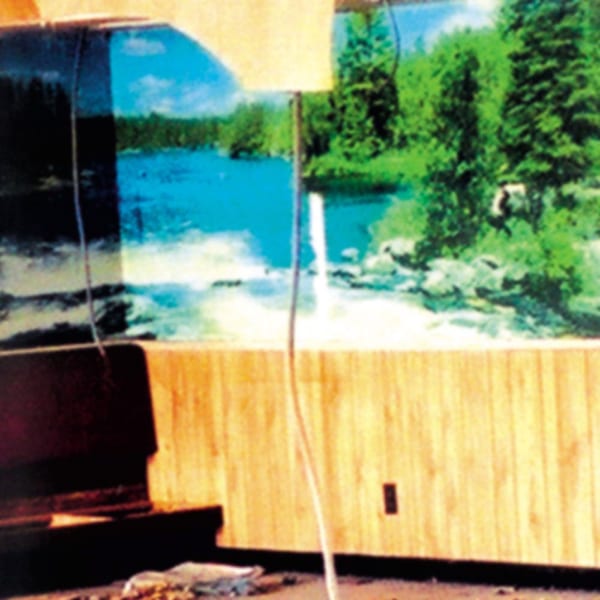
& Yet & Yet
Be the first to rate—Godspeed's warmer Toronto cousins, also on Constellation. Two drummers, horns, a jazz looseness the more apocalyptic bands never allowed themselves — & Yet & Yet (2002) breathes where its labelmates clench. Proof the Constellation sound had more than one temperature.
- 13
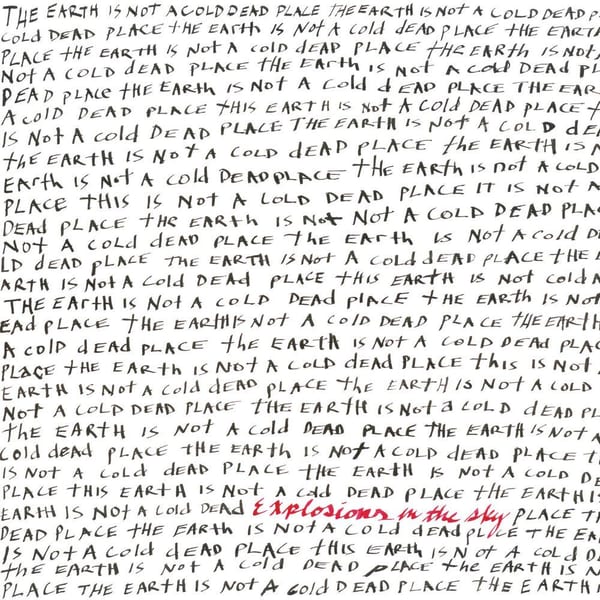
The Earth Is Not a Cold Dead Place
Be the first to rate—The record that turned post-rock into a stadium-sized feeling. These Austin instrumentals build and build toward a catharsis so reliable it later scored Friday Night Lights. The Earth Is Not a Cold Dead Place (Temporary Residence, 2003) is the emotional peak of the form — and, fairly or not, the reason a thousand identical bands followed.
- 14
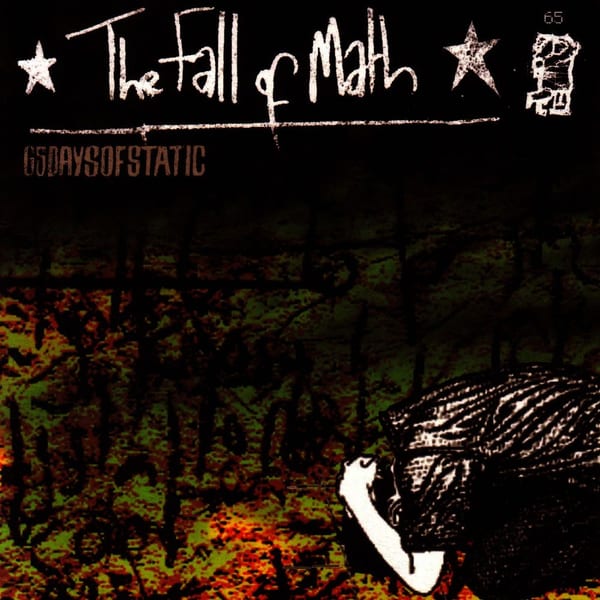
The Fall of Math
Be the first to rate—The digital, aggressive strain. Sheffield's 65daysofstatic laced the crescendos with breakbeats, glitch and IDM edits, so The Fall of Math (Monotreme, 2004) sounds like a laptop and a rock band fighting for the wheel. Post-rock with its nerves exposed and its BPM raised.
- 15
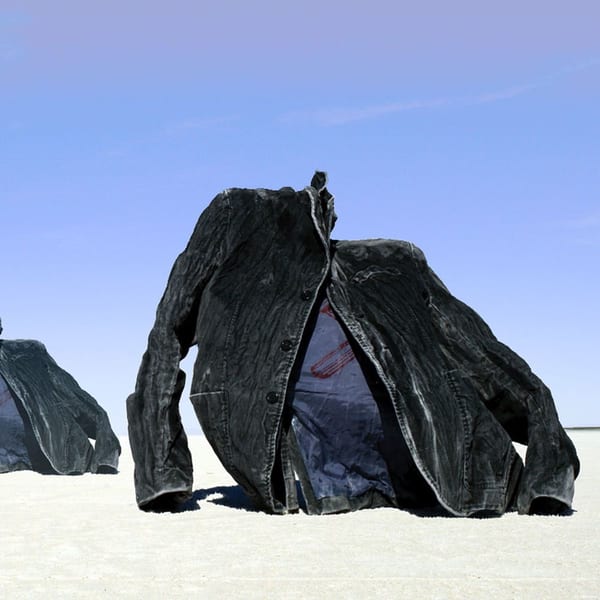
Raising Your Voice... Trying to Stop an Echo
Be the first to rate—The ambient-drift wing. Nashville's Hammock made guitars into weather systems on this 2006 debut — reverb, slow tides, no drama in a hurry. It fed a thousand study playlists, which undersells how carefully it's built; this is drone with a songwriter's instinct for when to lift.
- 16
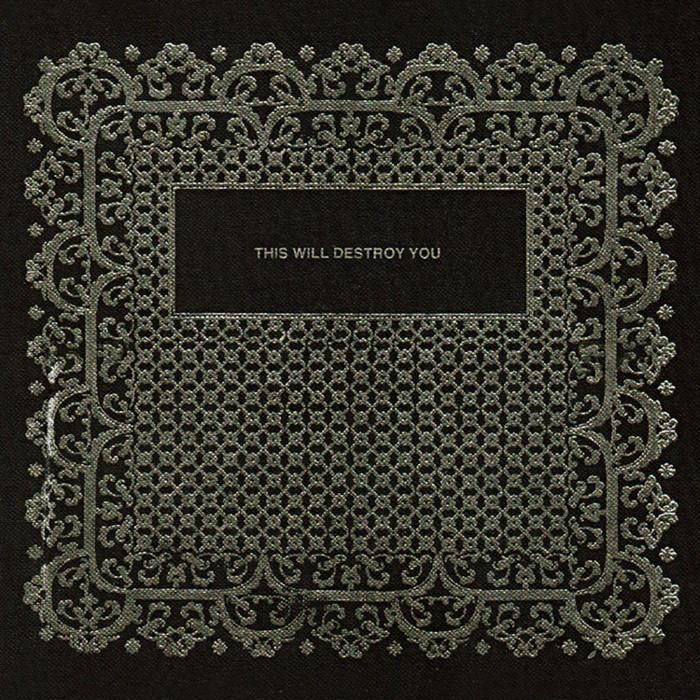
This Will Destroy You
Be the first to rate—Where the crescendo starts eyeing the void. The Texas band's 2008 self-titled record is heavier and colder than the Explosions template it grew from, dragging drone-metal weight into the builds. The moment post-rock stopped consoling you and started to loom.
- 17
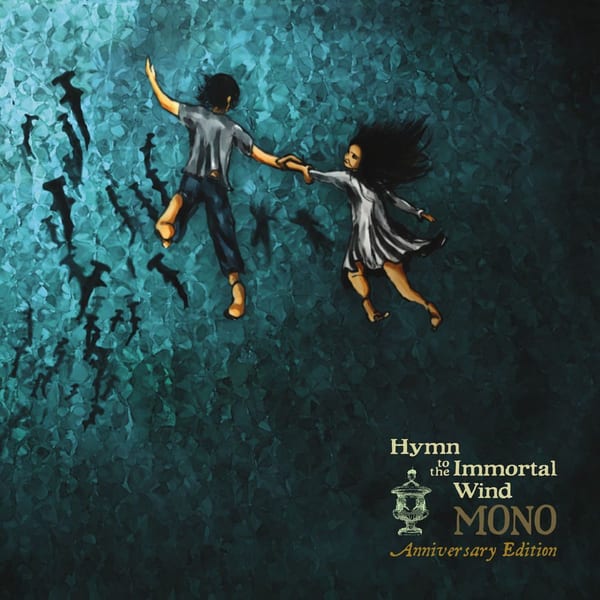
Hymn to the Immortal Wind
Be the first to rate—Maximalism as a mission. Tokyo's Mono recorded Hymn to the Immortal Wind (Temporary Residence, 2009) with a 24-piece orchestra, chasing the biggest, most weepingly grand version of the crescendo anyone had attempted. Too much, on purpose — and glorious when it lands.
- 18
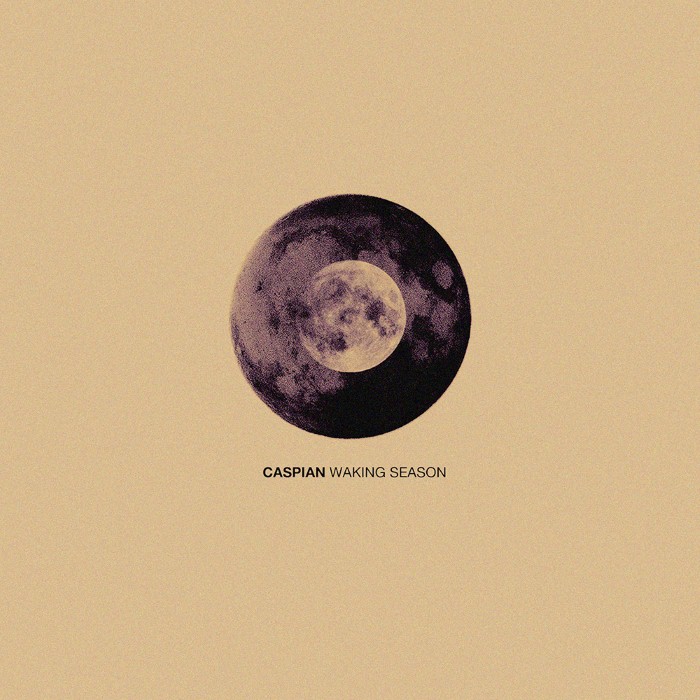
Waking Season
Be the first to rate—The younger generation carrying a torch a lot of people had written off. By Waking Season (2012), the Massachusetts band had absorbed every cliché of the form and found room to move inside them anyway — proof the crescendo still had somewhere to go after everyone agreed it was exhausted.


Explore the sound
Artists in this guide
Read next
Best shoegaze albums: sixteen records that hid the song inside the noise
From My Bloody Valentine's Loveless to the American revival — the foundational shoegaze canon, ranked.
The best albums of 1996: the year the weird stuff got funded
Twenty-one records from the last moment major labels and basement labels were both paying for the deep end. Ranked.
Jazz fusion: the essential albums of the electric decade
From Bitches Brew to Bright Size Life: fifteen records from the years jazz plugged in.
Bossa nova beyond 'The Girl from Ipanema': the essential albums
Seventeen records, 1959 to 1977, for anyone whose bossa shelf is one Stan Getz album deep.
Got your own ranking? Build a list or tier of your own.