


Guides/A Riffiter guide
Best ambient albums: nineteen records for the far edge of quiet
From the Berlin School to the drone: the ambient canon, in chronological order, with no wallpaper allowed.
Ambient music treats texture, decay and space as the main event rather than the backdrop. This canon runs from the Berlin School and Brian Eno's genre-naming Music for Airports (1978) through glitch, dub-techno, drone and vocal ambient, out to Tim Hecker and Julianna Barwick in 2011 — nineteen records built to reward attention without ever demanding it.
Ambient gets caricatured as background music, the stuff piped into spas and hold queues. The records that matter do the opposite of blending in: they change the room you hear them in and quietly ask you to notice.
Brian Eno coined the word in 1978 and immediately hedged it, asking for music “as ignorable as it is interesting.” The canon that grew up around him kept choosing interesting. What follows is nineteen records in rough chronological order, from tape experiments made before the genre had a name to the drone and vocal ambient of the 2010s. Some are calm. A few will unsettle you. None of them are furniture.
- 1
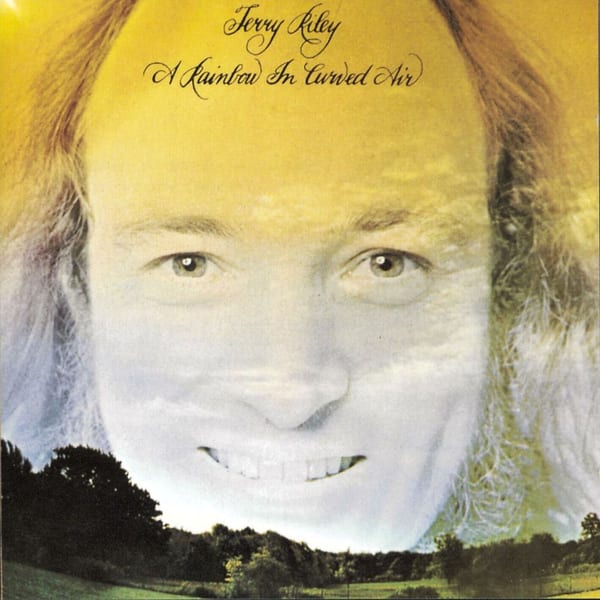
A Rainbow in Curved Air
Be the first to rate—Before ambient had a name, Riley sketched its blueprint from layered organ and electric harpsichord. The title track is one unspooling improvisation, warm keyboard figures folding over each other with no verse, no chorus, nowhere in particular to arrive. Eno was listening, and so was every Berlin synth player who came after. It still sounds like a sunrise you weren't ready for.
- 2
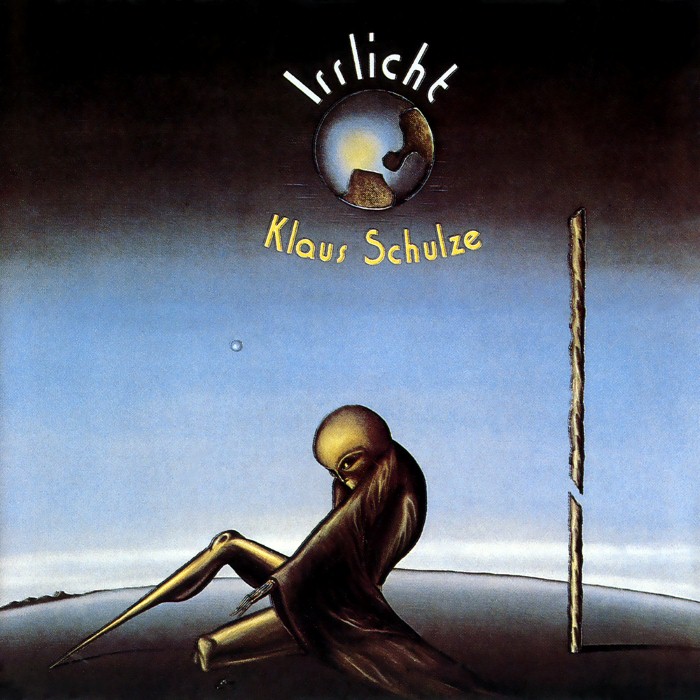
Irrlicht
Be the first to rate—Schulze had just quit Tangerine Dream when he made this from a filtered orchestra recording and an old organ, with barely a synthesizer in reach — he didn't own one yet. Irrlicht is three long movements of dark, granular drift, closer to musique concrète than to the cosmic sequencer music he'd later trade on. It's the founding document of the Berlin School and the eeriest thing he ever put his name to.
- 3
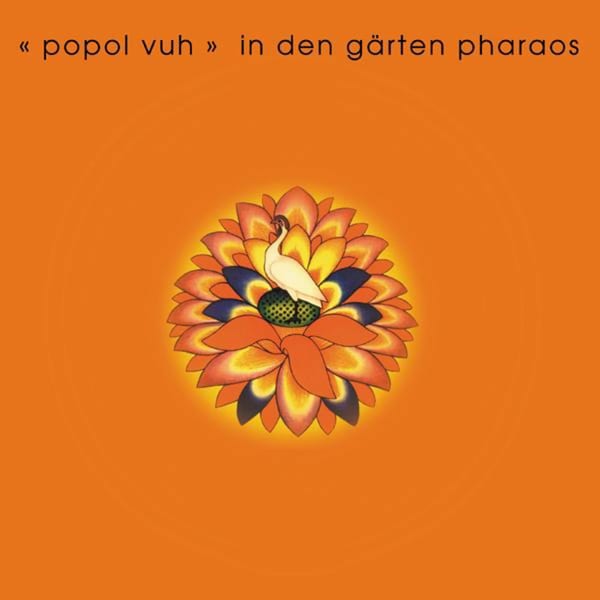
In den Gärten Pharaos
Be the first to rate—Florian Fricke owned one of the first Moog synthesizers in Germany and played it like a church organ. The title side is a long, slow Moog meditation; the flip, “Vuh,” was cut on an actual cathedral organ with a choir. This is kosmische music reaching for the sacred, years before New Age flattened that same impulse into wallpaper.
- 4
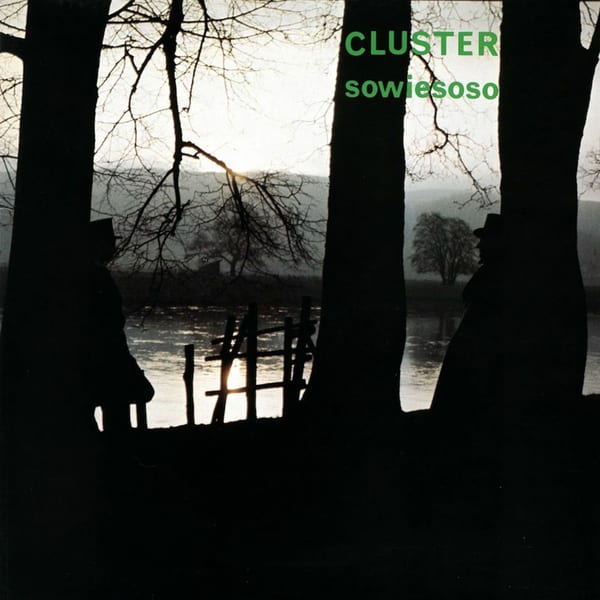
Sowiesoso
Be the first to rate—Moebius and Roedelius decamped to the countryside and softened. After the harsh electronics of their early work, Sowiesoso is almost pastoral, gentle synth figures repeating like something half-remembered. Eno admired it enough to move to their village and record with them the following year. You can hear the whole warm end of ambient beginning here.
- 5
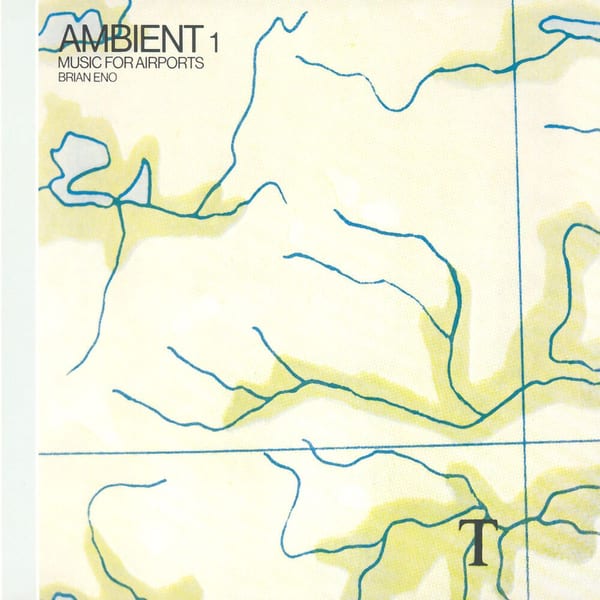
Ambient 1: Music for Airports
★ 4.8 · 5—The record that named the genre and set its terms. Eno built it from tape loops of different lengths that drift in and out of phase, so nothing quite repeats across its running time. His famous request for music “as ignorable as it is interesting” reads like a shrug until you actually sit with the thing. Then it turns out to be neither ignorable nor really about airports.
- 6
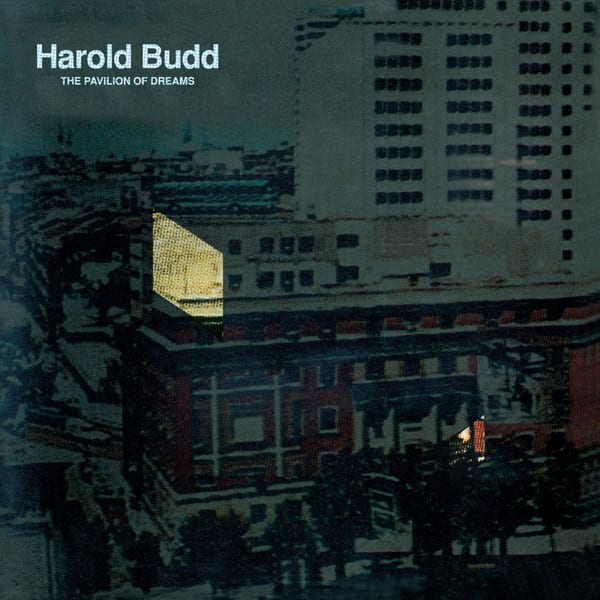
The Pavilion of Dreams
Be the first to rate—Budd was a minimalist composer who decided prettiness was a legitimate destination, and this Eno-produced debut is unashamed about it. Marion Brown's saxophone and a wordless choir hang over Budd's soft piano, in no hurry to resolve anything. It's the most sensual record on this list, and the one that gave the whole genre permission to be beautiful without apologising for it.
- 7
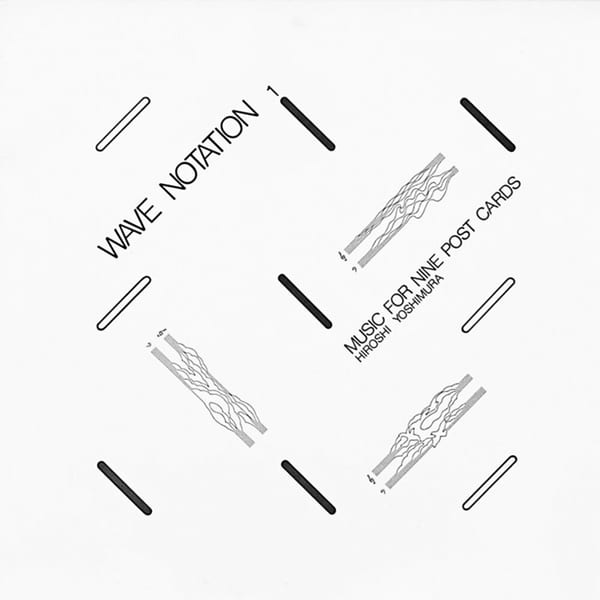
Music for Nine Post Cards
Be the first to rate—Yoshimura wrote these piano-and-electric-piano miniatures for a Tokyo art museum, meant to change how people drifted through its rooms. The album sat almost unknown outside Japan for decades until a reissue wave made it a streaming-era favourite. Japan's environmental music has a fuller canon in our [kankyō ongaku guide](/guides/kankyo-ongaku-a-canon-for-japanese-ambient-music); this is the door most people walk in through.
- 8
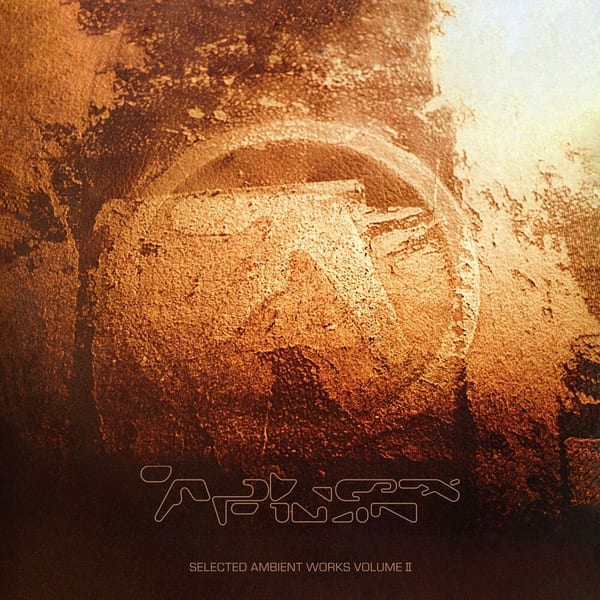
Selected Ambient Works, Volume II
Be the first to rate—Richard D. James followed his beat-driven debut with two hours of nearly beatless, mostly untitled pieces, each one numinous or nightmarish depending on the hour you play it. He claimed some tracks came from lucid dreams, which is either true or another Aphex prank. Either way, this is the rare ambient record that genuinely scares people, and it's better for it.
- 9
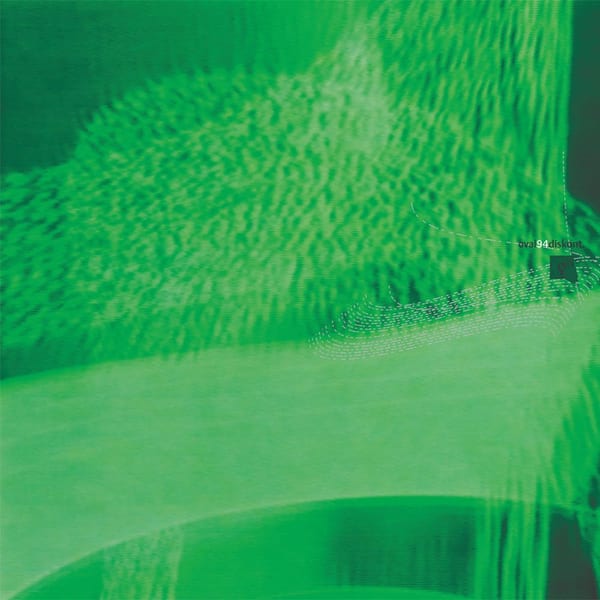
94diskont.
Be the first to rate—Markus Popp made this by painting over CDs and letting the skipping errors become the material. “Do While” loops a snagged, glinting fragment for the better part of twenty-four minutes and turns a malfunction into something like bliss. Glitch as a genre more or less starts here, along with the idea that a mistake can be the melody if you frame it right.
- 10
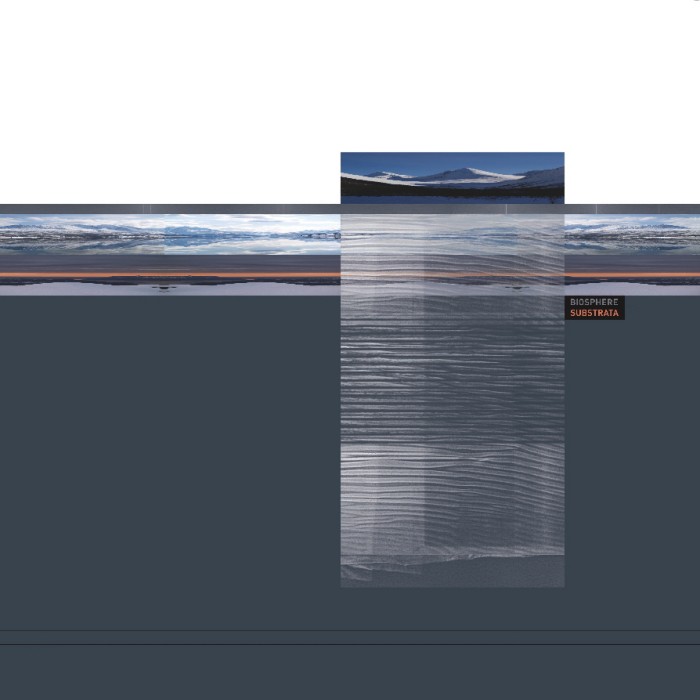
Substrata
Be the first to rate—Geir Jenssen lives above the Arctic Circle and it shows. Substrata is cold and spacious, built from field recordings, distant tones and clipped film dialogue — the sound of a landscape far too big to be cosy. It regularly tops RateYourMusic's ambient chart, and for once the crowd has it right. Nothing else captures that specific, enormous loneliness.
- 11
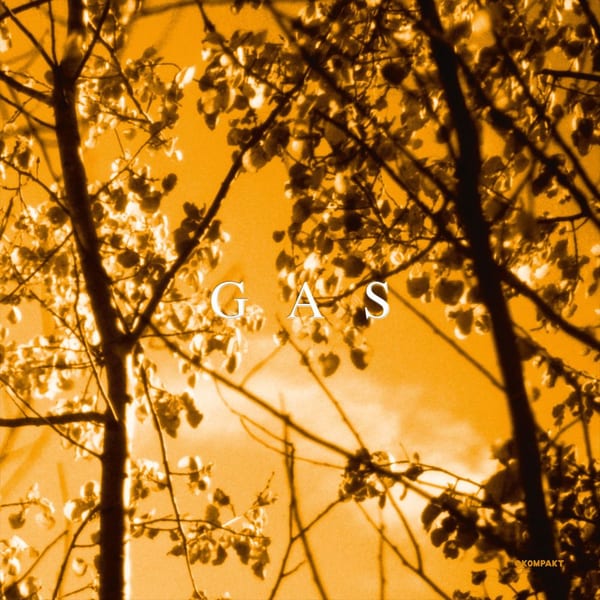
Königsforst
Be the first to rate—Wolfgang Voigt buried loops of Wagner and old orchestral records under a four-to-the-floor kick and a thick fog of reverb, then named the project after the forest he tripped in as a teenager. The result is techno you can barely locate the beat inside, an endless walk through the trees at dusk. No one else has fused the dancefloor and the drone this completely.
- 12
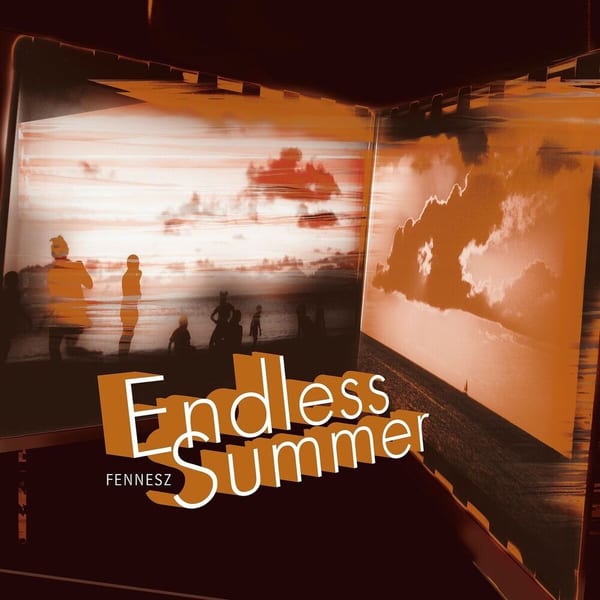
Endless Summer
Be the first to rate—Christian Fennesz ran guitars and pop melodies through digital processing until they crackled and came apart, keeping just enough tune to break your heart. Endless Summer is warm where most glitch is clinical, sunlight through a scratched lens. It proved laptop music could be nostalgic, even hummable, without going soft in the head.
- 13
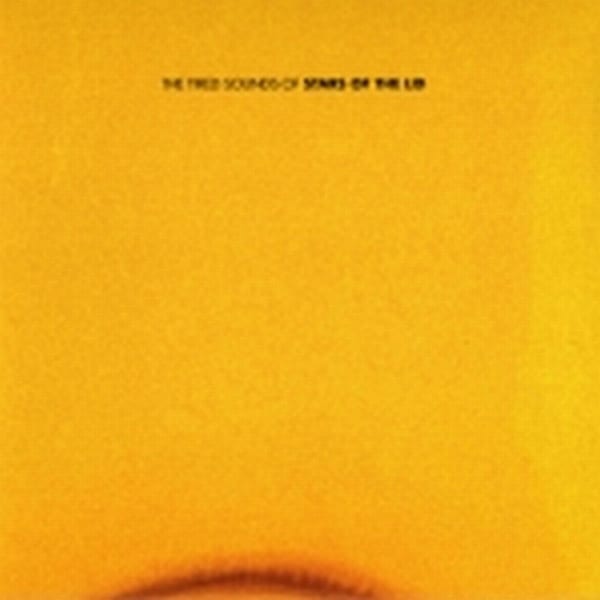
The Tired Sounds of Stars of the Lid
Be the first to rate—Two hours of Adam Wiltzie and Brian McBride stretching guitar and strings into slow, weightless drones across a double album. Nothing hurries here; melodies show up like weather fronts and take their time leaving. If drone ambient has one defining statement, this quiet monolith is it.
- 14
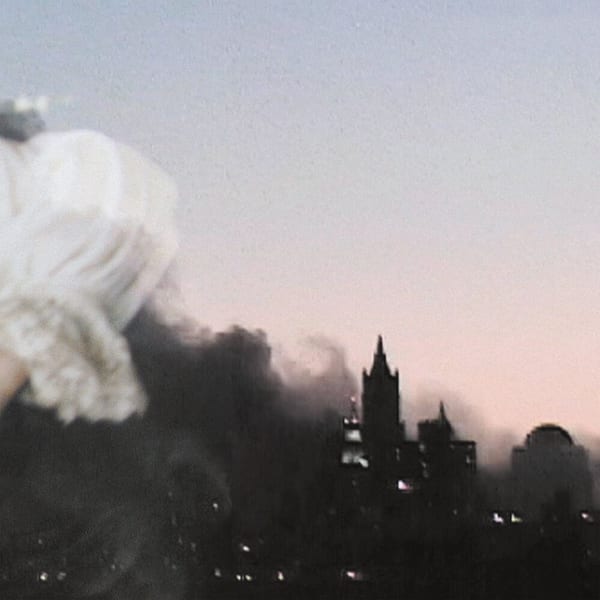
The Disintegration Loops
Be the first to rate—Basinski was digitising decades-old tape loops when the tape itself began to crumble, shedding a little more of its coating with every pass until the melody literally died in real time. He finished as the towers fell on 11 September 2001 and filmed the smoke from his roof, and the record became an elegy almost by accident. The concept could read as a gimmick. The sound of something lovely decaying makes it unbearable in the best way.
- 15
Submers
Be the first to rate—Scott Morgan named every track after a submarine and built the album to feel like pressure and depth, dub-techno pulses drifting through Kranky's house style. It's ambient with a heartbeat, more architecture than atmosphere. Put it on late enough and the room starts to feel like it's underwater.
- 16
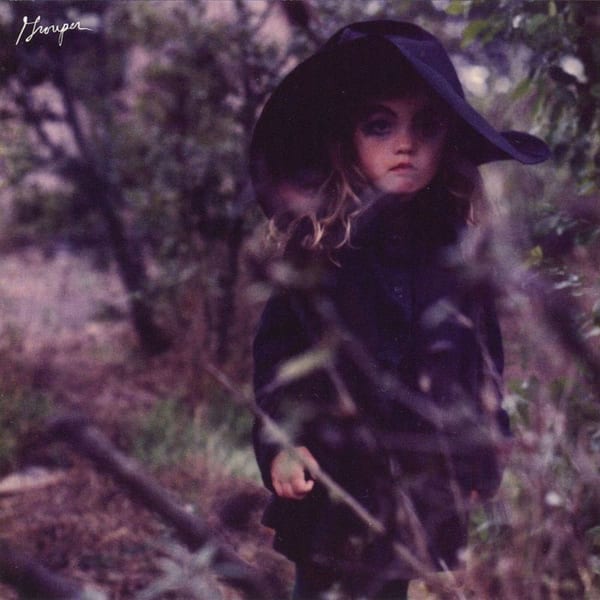
Dragging a Dead Deer up a Hill
Be the first to rate—Liz Harris smeared folk songs in reverb until the words became texture and the guitar became fog. This is ambient made from actual songs, buried just deep enough that you sense a melody before you can quite hear it. It's one of the most loved records of its kind on Last.fm, and it earns every scrobble: intimate and unreachable at the same time.
- 17
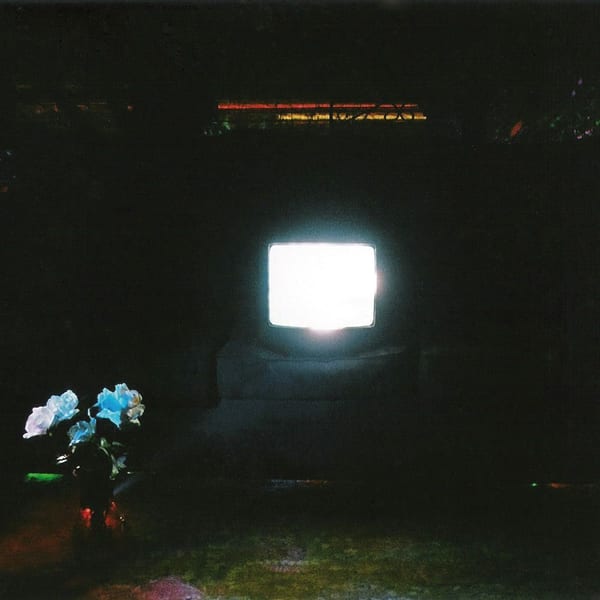
Does It Look Like I'm Here?
Be the first to rate—Three guys from Cleveland pulled Berlin School synths and shimmering guitar into bright, arpeggiated pieces that actually go somewhere. After a run of noisy cassettes, this was their pop move, and it helped kick off a whole synth revival. “Genetic” alone justifies the record, kosmische music remembered with joy instead of reverence.
- 18
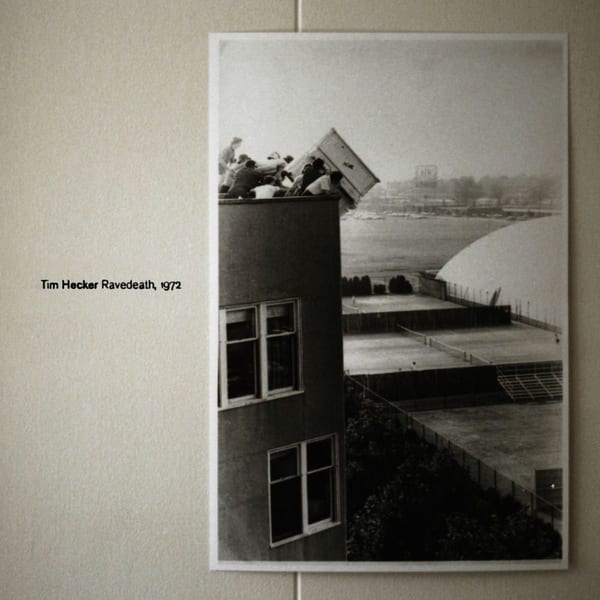
Ravedeath, 1972
Be the first to rate—Hecker recorded a pipe organ in a Reykjavík church in a single day, then took the sessions home and corroded them into towering, distorted drones. Ravedeath is ambient at maximum volume and pressure, nearer to sacred noise than to calm. It's the album where the genre's soft reputation finally cracks down the middle.
- 19
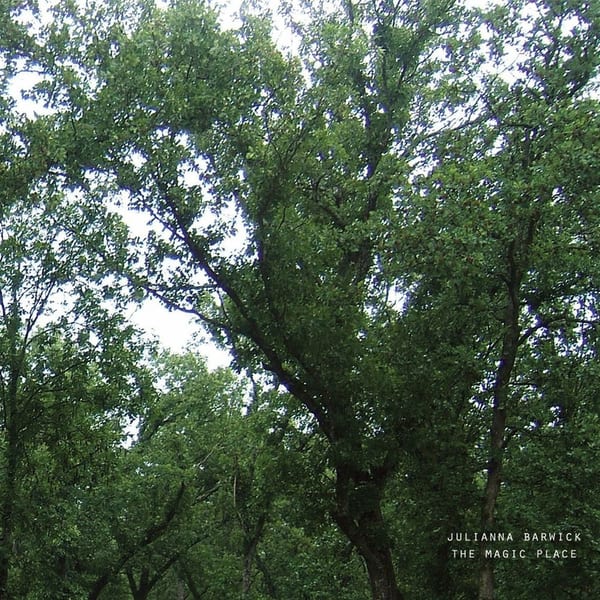
The Magic Place
Be the first to rate—Barwick built these pieces almost entirely from her own voice, looped and layered into wordless choirs with barely another instrument in sight. It sounds like a cathedral you wandered into alone and by mistake. Where most ambient reaches for distance, The Magic Place reaches for grace, which makes it the warmest place to end.


Explore the sound
Artists in this guide
Lists with these albums
Read next
Best post-rock albums: eighteen records where rock stopped singing
The crescendo, the drone, the slow build — a guitar band's tools turned against the verse and chorus.
Best shoegaze albums: sixteen records that hid the song inside the noise
From My Bloody Valentine's Loveless to the American revival — the foundational shoegaze canon, ranked.
The best albums of 1996: the year the weird stuff got funded
Twenty-one records from the last moment major labels and basement labels were both paying for the deep end. Ranked.
Jazz fusion: the essential albums of the electric decade
From Bitches Brew to Bright Size Life: fifteen records from the years jazz plugged in.
Got your own ranking? Build a list or tier of your own.