

Pyotr Ilyich Tchaikovsky
Pyotr Ilyich Tchaikovsky is a classical artist. 41 releases are catalogued on Riffiter.
- 5.0 /5
- 1 rating
- 41
- Releases
- 1955–1955
- Active years
- 1893
- Died
Discography
39Rank them 1 vs 1 →Two covers at a time. Pick the one you rate higher, we build the order.Every record on one board, your ratings already placed. S to D, then save it as a list.
Most popular
Ballett-Suiten (Rostropovich - Berliner Philharmoniker)
1979 · 19 tracks
- Swan Lake: Suite, Op. 20 (London Symphony Orchestra feat. conductor: André Previn)5.0
Swan Lake: Suite, Op. 20 (London Symphony Orchestra feat. conductor: André Previn)
1976

Tchaikovsky ‘Live'
-

Tchaikovsky: Symphony No. 6 "Pathétique"
2019

Tchaikovsky / Schoenberg
2011

Grandes Compositores de la Música Clásica: Tchaikovsky
2010
Singles & EPs
2

Appears on
11Releases by other artists featuring Pyotr Ilyich Tchaikovsky.
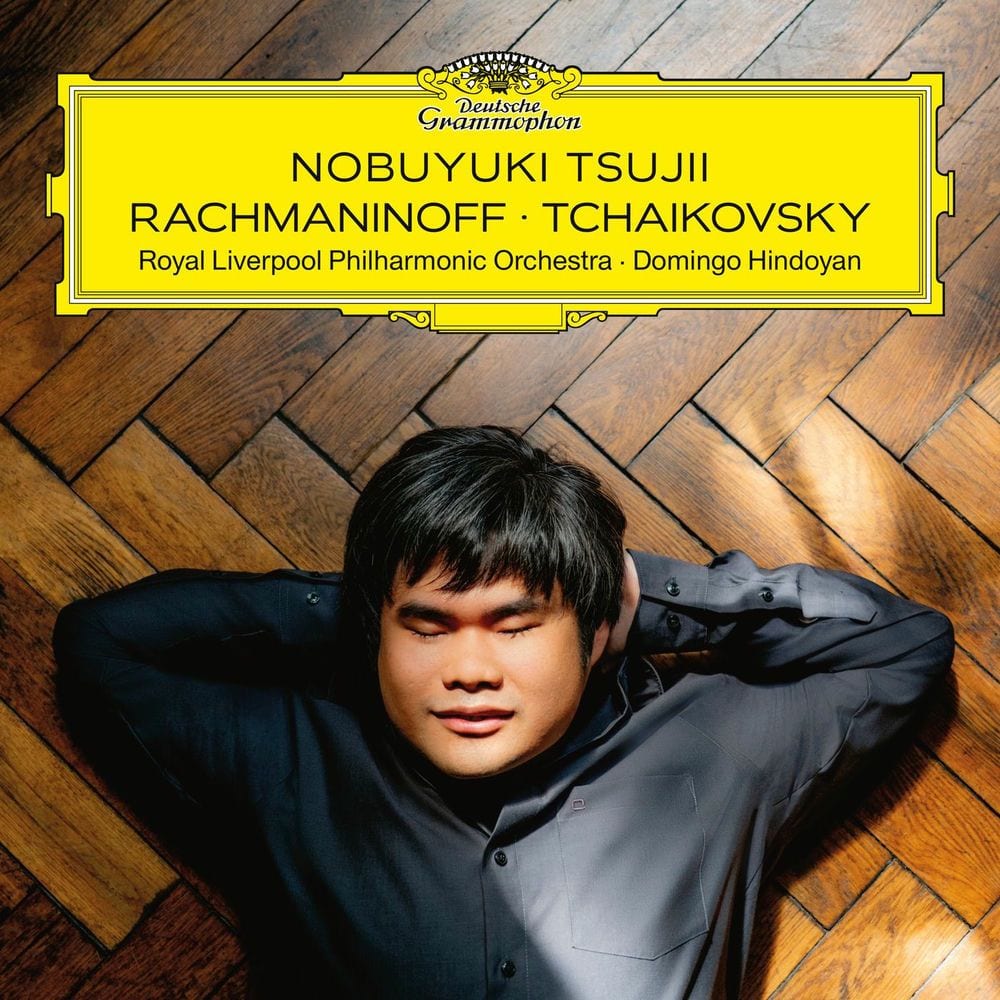
Rachmaninoff: Piano Concerto No. 3 — Tchaikovsky: The Nutcracker
Nobuyuki Tsujii · 2026
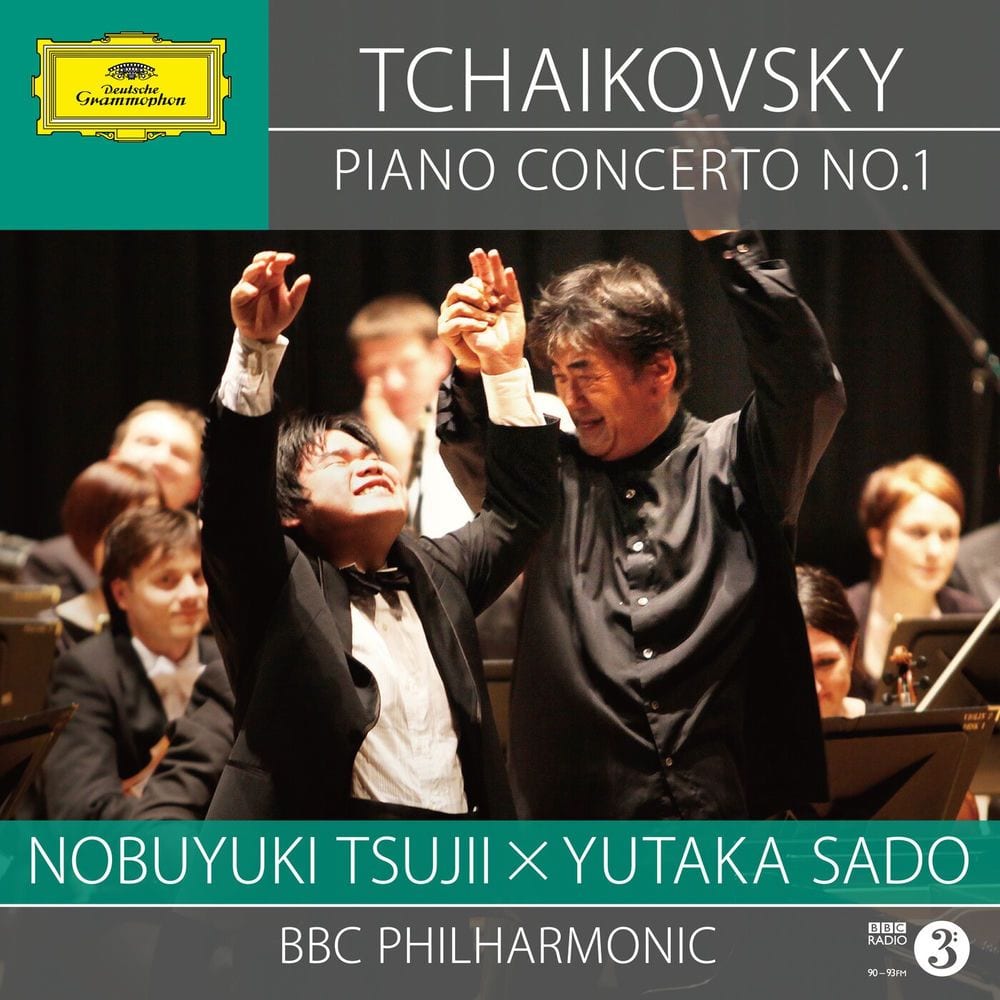
Tchaikovsky: Piano Concerto No. 1 in B-Flat Minor, Op. 23 / Schumann: Papillons, Op. 2
Nobuyuki Tsujii · 2025
"Harmony of Sound": Classical Works
Ludwig van Beethoven · 2026

"Cadence": Classical Piano - Chopin, Mozart & More
Domenico Scarlatti · 2026

The Best of Ondrej Lenárd
Benjamin Britten · 2025

Tchaikovsky & Scriabin: Piano Concertos
Alexander Scriabin · 2024

A Night at the Ballet
Manuel de Falla · 2024
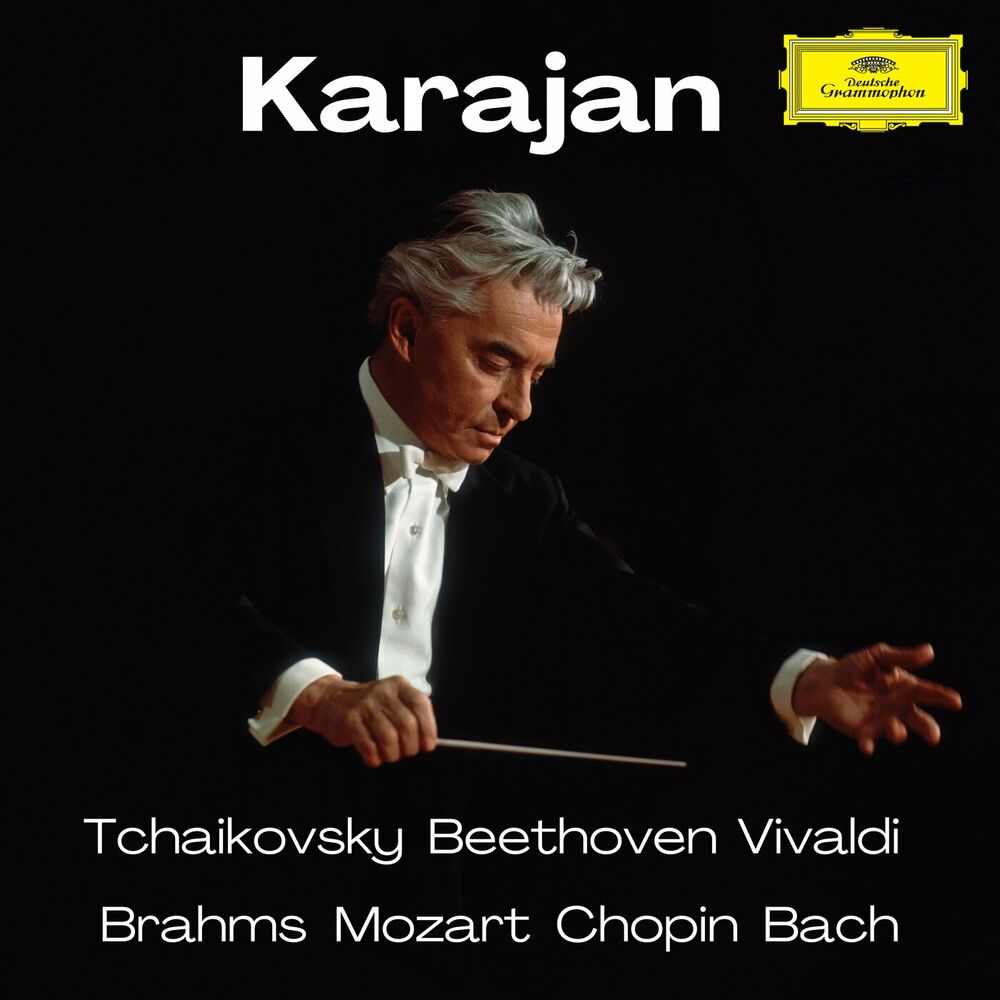
Karajan Conducts Bach & More
Arcangelo Corelli · 2024
World Melodies
Gaetano Donizetti · 2014
Tchaikovsky, Wieniawski, Brahms, Schumann Violin Concertos
Joshua Bell · 2005

Tea Time Classics
Joaquín Rodrigo · 2000


Featured tracks
41 Tchaikovsky: Valse sentimentale, Op. 51 No. 6 (Arr. Peinado for Violin & Piano)Ludwig van Beethoven · "Harmony of Sound": Classical Works
 Tchaikovsky: 18 Pieces, Op. 72: XVII. Passé lointain (Excerpt)Domenico Scarlatti · "Cadence": Classical Piano - Chopin, Mozart & More
- Tchaikovsky: 6 Morceaux, Op. 19: IV. Nocturne (Excerpt)Domenico Scarlatti · "Cadence": Classical Piano - Chopin, Mozart & More
- The Nutcracker, Op. 71 (Suite Arr. Pletnev for Piano) : Tchaikovsky: The Nutcracker, Op. 71 (Suite Arr. Pletnev for Piano): V. Trépak (Russian Dance)Ludwig van Beethoven · "Harmony of Sound": Classical Works
- Tchaikovsky: The Seasons, Op. 37a: IV. April. Snowdrop. Allegretto con moto e un poco rubatoLudwig van Beethoven · "Harmony of Sound": Classical Works
- The Nutcracker, Op. 71 (Suite Arr. Pletnev for Piano) : Tchaikovsky: The Nutcracker, Op. 71 (Suite Arr. Pletnev for Piano): VI. The Tea (Chinese Dance)Ludwig van Beethoven · "Harmony of Sound": Classical Works
- The Sleeping Beauty Concert Suite (Arr. Pletnev for Piano) : Tchaikovsky: The Sleeping Beauty Concert Suite (Arr. Pletnev for Piano): II. Dance of the PagesLudwig van Beethoven · "Harmony of Sound": Classical Works
- The Nutcracker, Op. 71 (Suite Arr. Pletnev for Piano) : Tchaikovsky: The Nutcracker, Op. 71 (Suite Arr. Pletnev for Piano): III. TarantellaLudwig van Beethoven · "Harmony of Sound": Classical Works
- The Sleeping Beauty Concert Suite (Arr. Pletnev for Piano) : Tchaikovsky: The Sleeping Beauty Concert Suite (Arr. Pletnev for Piano): III. VisionLudwig van Beethoven · "Harmony of Sound": Classical Works
 Swan Lake, Op. 20a, Swan Lake, Op. 20, Act II By a Lake: No. 10, Scene. ModeratoBenjamin Britten · The Best of Ondrej Lenárd
 Tchaikovsky: Piano Concerto No. 1 in B-Flat Minor, Op. 23: III. Allegro con fuoco – Molto meno mosso – Allegro vivoAlexander Scriabin · Tchaikovsky & Scriabin: Piano Concertos
 The Nutcracker, Op. 71, TH 14, Act II : Tchaikovsky: The Nutcracker, Op. 71, TH 14, Act II: No. 10, The Enchanted Palace in the Kingdom of SweetsManuel de Falla · A Night at the Ballet
- The Nutcracker, Op. 71, TH 14, Act I : Tchaikovsky: The Nutcracker, Op. 71, TH 14, Act I: No. 9, Waltz of the SnowflakesManuel de Falla · A Night at the Ballet
- The Nutcracker, Op. 71, TH 14, Act I : Tchaikovsky: The Nutcracker, Op. 71, TH 14, Act I: No. 8, Scene - A Forest of Fir-Trees in WinterManuel de Falla · A Night at the Ballet
- The Nutcracker, Op. 71, TH 14, Act I : Tchaikovsky: The Nutcracker, Op. 71, TH 14, Act I: No. 7, The BattleManuel de Falla · A Night at the Ballet
- The Nutcracker, Op. 71, TH 14, Act I : Tchaikovsky: The Nutcracker, Op. 71, TH 14, Act I: No. 6, Scene - The Guests Depart - NightManuel de Falla · A Night at the Ballet
- The Nutcracker, Op. 71, TH 14, Act I : Tchaikovsky: The Nutcracker, Op. 71, TH 14, Act I: No. 5, Scene - Grandfather WaltzManuel de Falla · A Night at the Ballet
- The Nutcracker, Op. 71, TH 14, Act I : Tchaikovsky: The Nutcracker, Op. 71, TH 14, Act I: No. 4, Dance SceneManuel de Falla · A Night at the Ballet
- The Nutcracker, Op. 71, TH 14, Act I : Tchaikovsky: The Nutcracker, Op. 71, TH 14, Act I: No. 3, Children's Gallop and Dance of the ParentsManuel de Falla · A Night at the Ballet
- The Nutcracker, Op. 71, TH 14, Act I : Tchaikovsky: The Nutcracker, Op. 71, TH 14, Act I: No. 2, MarchManuel de Falla · A Night at the Ballet
- The Nutcracker, Op. 71, TH 14, Act I : Tchaikovsky: The Nutcracker, Op. 71, TH 14, Act I: No. 1, Decoration and Lighting of the Christmas TreeManuel de Falla · A Night at the Ballet
- Tchaikovsky: Piano Concerto No. 1 in B-Flat Minor, Op. 23: I. Allegro non troppo e molto maestoso – Allegro con spiritoAlexander Scriabin · Tchaikovsky & Scriabin: Piano Concertos
- The Nutcracker, Op. 71, TH 14, Act II : Tchaikovsky: The Nutcracker, Op. 71, TH 14, Act II: No. 11, The Arrival of the Nutcracker and ClaraManuel de Falla · A Night at the Ballet
 The Nutcracker Suite, Op. 71a : Tchaikovsky: The Nutcracker Suite, Op. 71a: IIf. Dance of the Reed-PipesArcangelo Corelli · Karajan Conducts Bach & More
- The Nutcracker, Op. 71, TH 14 : Tchaikovsky: The Nutcracker, Op. 71, TH 14: OvertureManuel de Falla · A Night at the Ballet
- Tchaikovsky: Piano Concerto No. 1 in B-Flat Minor, Op. 23: II. Andantino semplice – Prestissimo – Tempo IAlexander Scriabin · Tchaikovsky & Scriabin: Piano Concertos
 Koncert B MollGaetano Donizetti · World Melodies
 Serenade for Strings, Op. 48 : Tchaikovsky: Serenade for Strings, Op. 48: II. Waltz. ModeratoJoaquín Rodrigo · Tea Time Classics
Collaborators
11


Community
More about Pyotr Ilyich Tchaikovsky
Pyotr Ilyich Tchaikovsky at a glance
- Born in
- Votkinsk
- From
- Russian Empire
- Active since
- 1859
- Instruments
- piano
- Educated at
- Saint Petersburg Conservatory, Imperial School of Jurisprudence
- Former spouse
- Antonina Miliukova (1877–1877)
- Parents
- Ilya Petrovich Tchaikovsky, Aleksandra Tchaikovskaya
- Siblings
- Modest Tchaikovsky, Ippolit Chaykovsky, Anatoly Tchaikovsky, Aleksandra Davydova
Facts from Wikidata (CC0). Children listed are those with their own public record, so the list may be incomplete.
About
Pyotr Ilyich Tchaikovsky (7 May 1840 – 6 November 1893), anglicised as Peter Ilyich Tchaikovsky, was a Russian composer whose works included symphonies, concertos, operas, ballets, chamber music, and a choral setting of the Russian Orthodox Divine Liturgy. Some of these are among the most popular theatrical music in the classical repertoire. He was the first Russian composer whose music made a lasting impression internationally, which he bolstered with appearances as a guest conductor later in his career in Europe and the United States. One of these appearances was at the inaugural concert of Carnegie Hall in New York City in 1891. Tchaikovsky was honored in 1884 by Emperor Alexander III, and awarded a lifetime pension in the late 1880s.
Read moreRead less
Although musically precocious, Tchaikovsky was educated for a career as a civil servant. There was scant opportunity for a musical career in Russia at that time, and no system of public music education. When an opportunity for such an education arose, he entered the nascent Saint Petersburg Conservatory, from where he graduated in 1865. The formal Western-oriented teaching he received there set him apart from composers of the contemporary nationalist movement embodied by the Russian composers of The Five, with whom his professional relationship was mixed. Tchaikovsky's training set him on a path to reconcile what he had learned with the native musical practices to which he had been exposed from childhood. From this reconciliation, he forged a personal but unmistakably Russian style—a task that did not prove easy. The principles that governed melody, harmony and other fundamentals of Russian music ran completely counter to those that governed Western European music; this seemed to defeat the potential for using Russian music in large-scale Western composition or from forming a composite style, and it caused personal antipathies that dented Tchaikovsky's self-confidence. Russian culture exhibited a split personality, with its native and adopted elements having drifted apart increasingly since the time of Peter the Great, and this resulted in uncertainty among the intelligentsia of the country's national identity. Despite his many popular successes, Tchaikovsky's life was punctuated by personal crises and depression. Contributory factors included his leaving his mother for boarding school, his mother's early death and the collapse of the one enduring relationship of his adult life, his 13-year association with the wealthy widow Nadezhda von Meck. His same-sex orientation, which he kept private, has traditionally also been considered a major factor, though some musicologists now downplay its importance. His sudden death at the age of 53 is generally ascribed to cholera; there is an ongoing debate as to whether it was accidental or self-inflicted. While his music has remained popular among audiences, critical opinions were initially mixed. Some Russians did not feel it sufficiently representative of native musical values and were suspicious that Europeans accepted it for its Western elements. In apparent reinforcement of the latter claim, some Europeans lauded Tchaikovsky for offering music more substantive than base exoticism, and thus transcending stereotypes of Russian classical music. Tchaikovsky's music was dismissed as "lacking in elevated thought," according to longtime New York Times music critic Harold C. Schonberg, and its formal workings were derided as deficient for not following Western principles stringently.
On screen
3Acting roles

About Pyotr Ilyich Tchaikovsky


Film & TV data from TMDB. This product uses the TMDB API but is not endorsed or certified by TMDB.
Pyotr Ilyich Tchaikovsky in brief
- How many Pyotr Ilyich Tchaikovsky releases are on Riffiter?
- 41 releases are catalogued, spanning 1955 to 2026.
- What genre is Pyotr Ilyich Tchaikovsky?
- Pyotr Ilyich Tchaikovsky is catalogued under Classical.
- What is the most recent Pyotr Ilyich Tchaikovsky release on Riffiter?
- Don’t Call Me Baby, released in 2026.


