

Joaquín Rodrigo
Joaquín Rodrigo is a classical artist from Spain. 67 releases are catalogued on Riffiter.
Classical · Spain · Best classical albums
- 67
- Releases
- 1984–2025
- Active years
Discography
31Rank them 1 vs 1 →Two covers at a time. Pick the one you rate higher, we build the order.Every record on one board, your ratings already placed. S to D, then save it as a list.
Most popular
Spanish Classical Masterpieces
2025 · 25 tracks


Singles & EPs
8


Live & compilations
28


Appears on
1Releases by other artists featuring Joaquín Rodrigo.
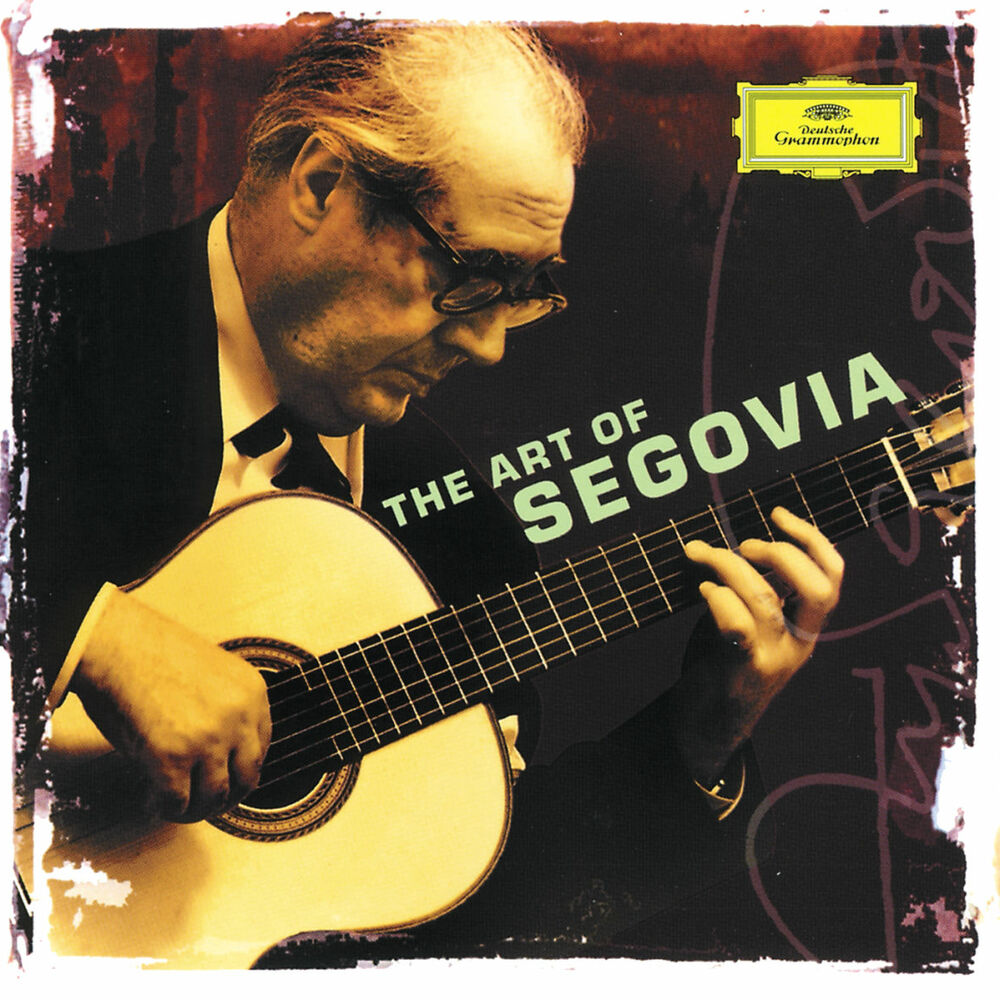
Featured tracks
1
Collaborators
18
Academy of St Martin in the Fields
London Philharmonic Orchestra
Claude Debussy

Manuel de Falla
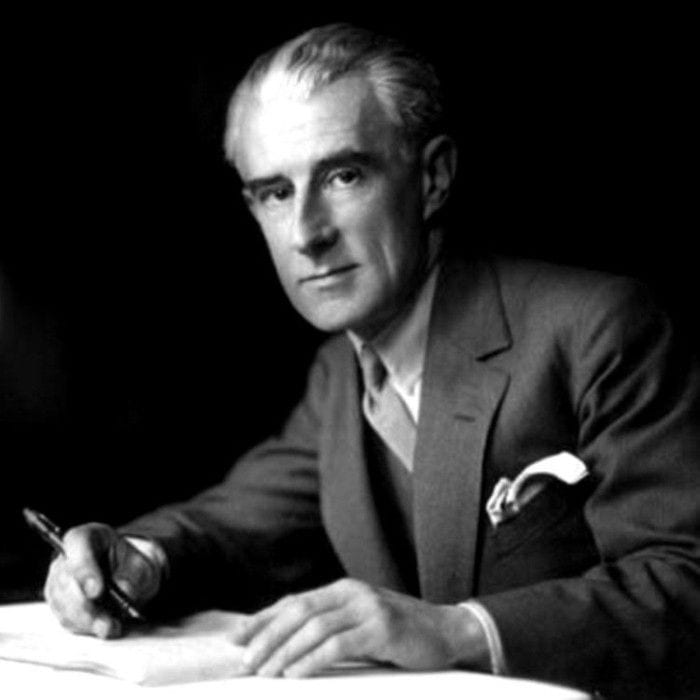
Maurice Ravel
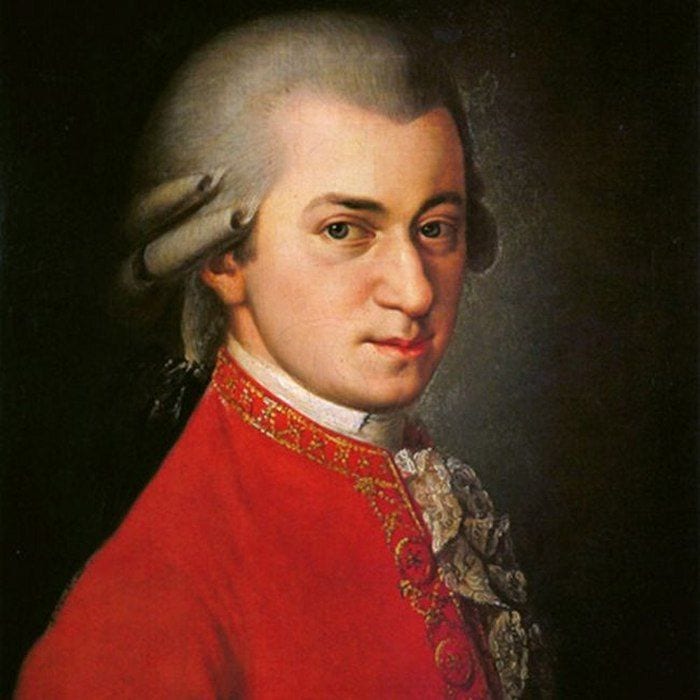
Wolfgang Amadeus Mozart
Alexander Scriabin
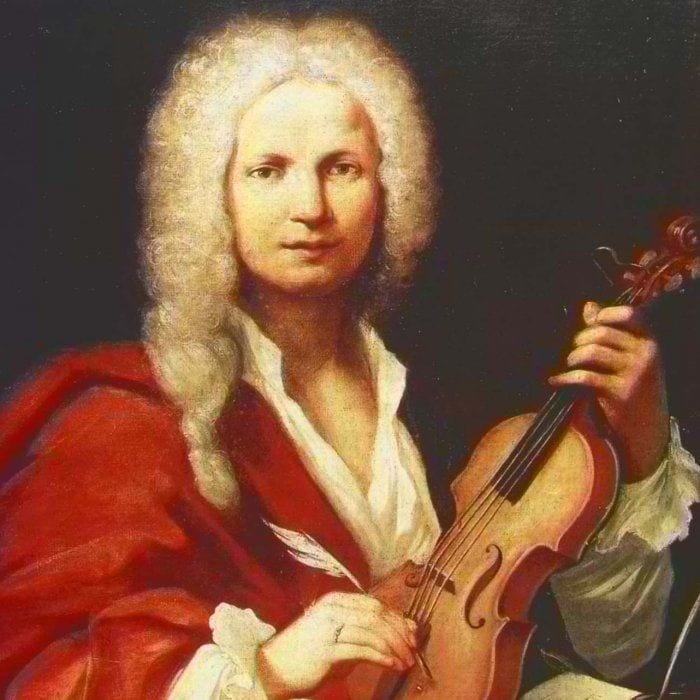
Antonio Vivaldi
Christoph Willibald Gluck
Felix Mendelssohn
Franz Schubert
Gabriel Fauré
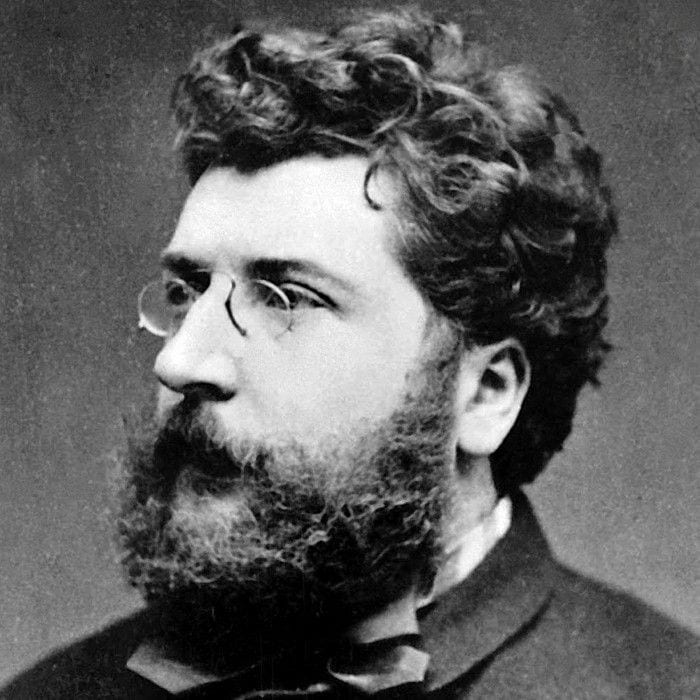
Georges Bizet
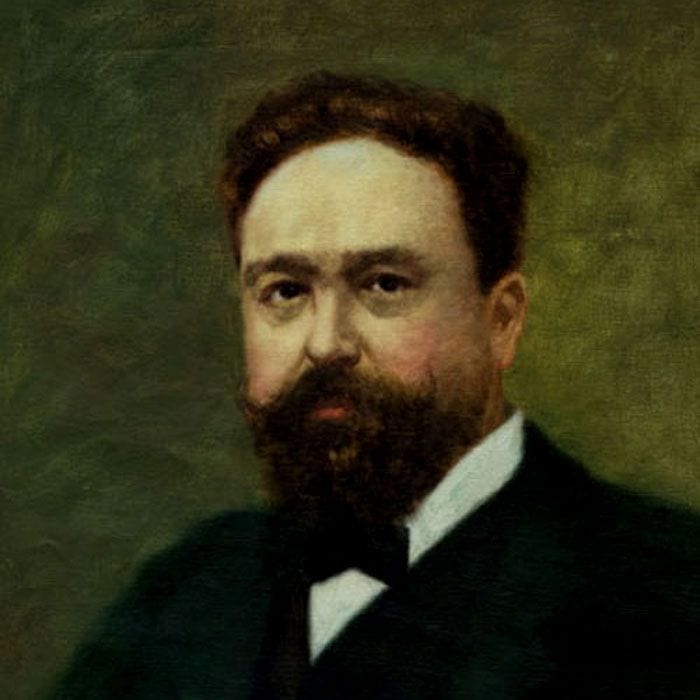
Isaac Albéniz
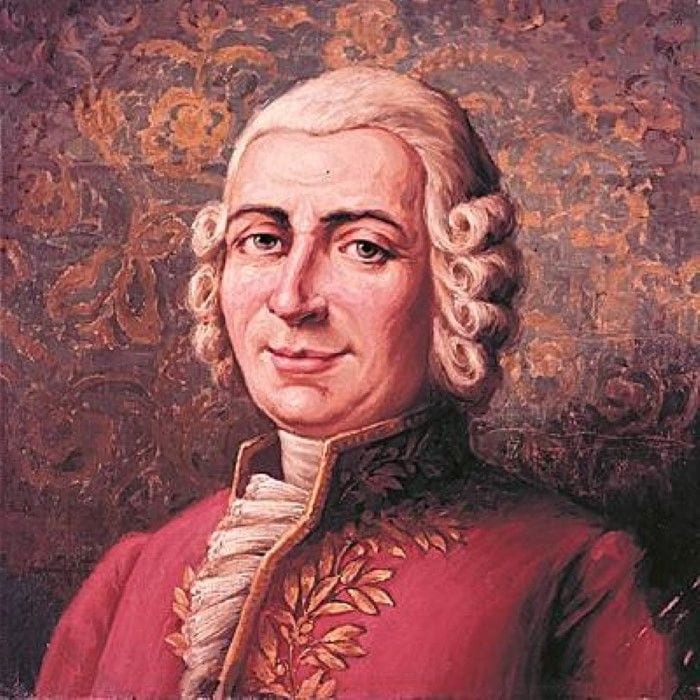
Luigi Boccherini
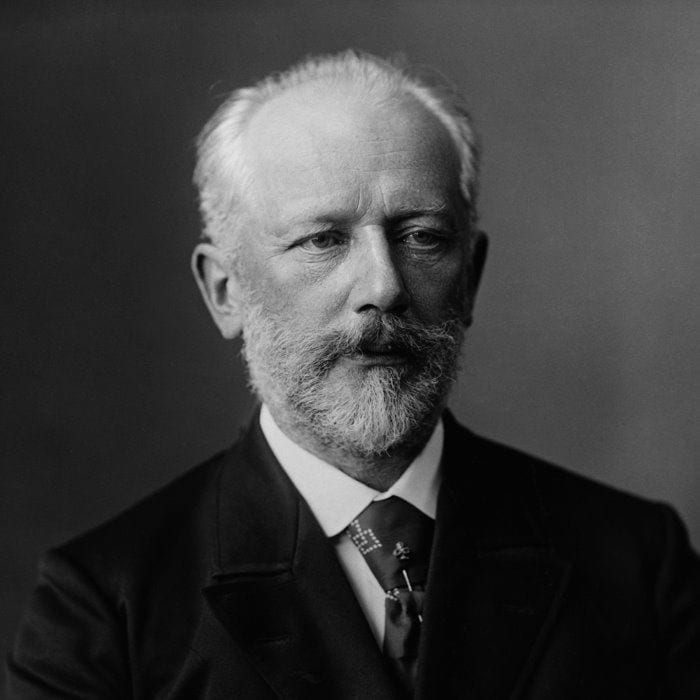
Pyotr Ilyich Tchaikovsky
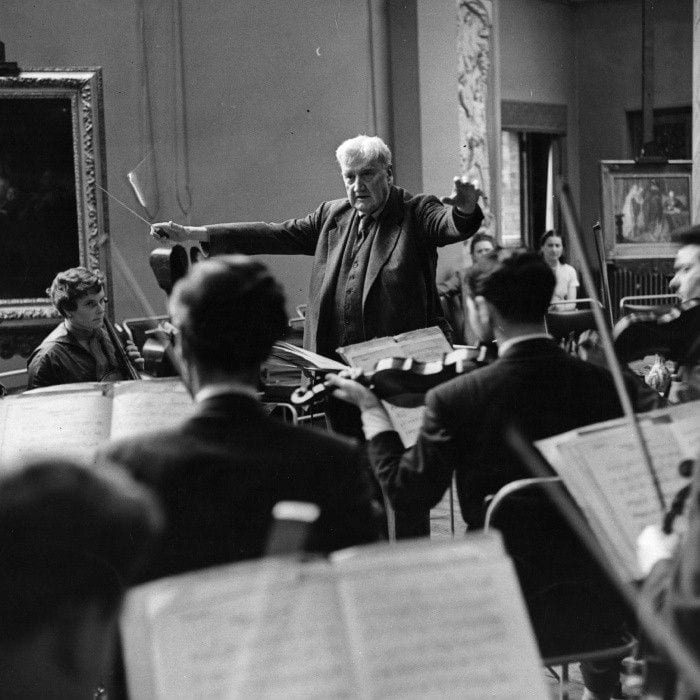
Ralph Vaughan Williams
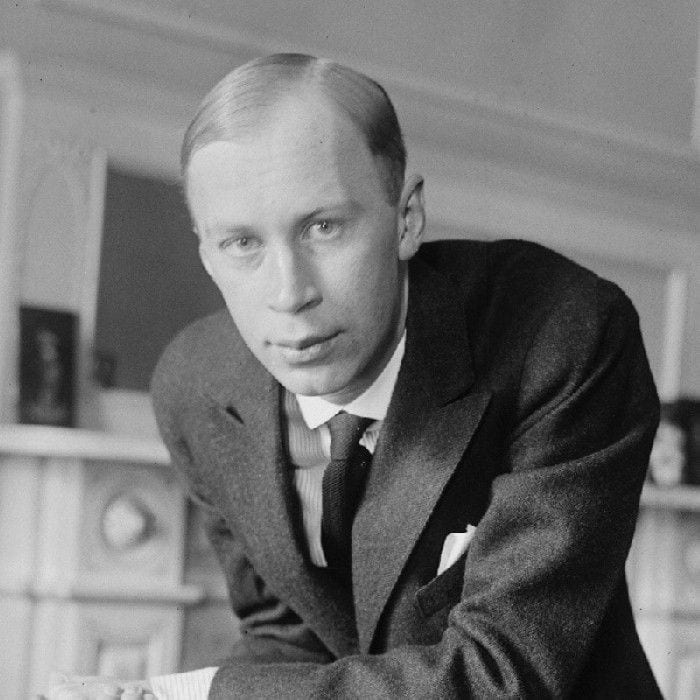
Sergei Prokofiev


Community
More about Joaquín Rodrigo
Joaquín Rodrigo at a glance
- Born in
- Sagunto
- From
- Spain
- Instruments
- piano
- Member of
- Royal Academy of Fine Arts of San Fernando
- Educated at
- École Normale de Musique de Paris Alfred Cortot
- Spouse
- Victoria Kamhi (since 1933)
Facts from Wikidata (CC0). Children listed are those with their own public record, so the list may be incomplete.
About
Joaquín Rodrigo Vidre, 1st Marquis of the Gardens of Aranjuez (November 22, 1901 – July 6, 1999), commonly known as Joaquín Rodrigo, was a Spanish composer and a virtuoso pianist. Despite being nearly blind from an early age, he achieved great success. Rodrigo's music counts among some of the most popular of the 20th century, particularly his Concierto de Aranjuez, considered one of the pinnacles of the Spanish music and guitar concerto repertoire. He was born in Sagunto, Valencia, and almost completely lost his sight at the age of three after contracting diphtheria. He began to study solfège, piano and violin at the age of eight; harmony and composition from the age of sixteen. Although distinguished by having raised the Spanish guitar to dignity as a universal concert instrument and best known for his guitar music, he never mastered the instrument himself. He wrote his compositions in Braille, which was transcribed for publication.
Read moreRead less
Rodrigo studied music under Francisco Antich in Valencia and under Paul Dukas at the École Normale de Musique in Paris. After briefly returning to Spain, he went to Paris again to study musicology, first under Maurice Emmanuel and then under André Pirro. His first published compositions date from 1940. In 1943 he received Spain's National Prize for Orchestra for Cinco piezas infantiles ("Five Children's Pieces"), based on his earlier composition of the same piece for two pianos, premiered by Ricardo Viñes. From 1947 Rodrigo was a professor of music history, holding the Manuel de Falla Chair of Music in the Faculty of Philosophy and Letters, at Complutense University of Madrid. His most famous work, Concierto de Aranjuez, was composed in 1939 in Paris for the guitarist Regino Sainz de la Maza. In later life he and his wife declared that it was written as a response to the miscarriage of their first child. It is a concerto for guitar and orchestra. The central adagio movement is one of the most recognizable in 20th-century classical music, featuring the interplay of guitar with cor anglais. This movement was later adapted by the jazz arranger Gil Evans for Miles Davis' 1960 album Sketches of Spain. The Concerto was adapted by the composer himself for Harp and Orchestra at the request of Nicanor Zabaleta and dedicated to Zabaleta. The success of this concerto led to commissions from a number of prominent soloists, including Nicanor Zabaleta, for whom Rodrigo dedicated his Concierto serenata for Harp and Orchestra, Julian Lloyd Webber, for whom Rodrigo composed his Concierto como un divertimento for cello and orchestra, and James Galway, for whom Rodrigo composed his Concierto pastoral for flute and orchestra. In 1954 Rodrigo composed Fantasía para un gentilhombre at the request of Andrés Segovia. His Concierto Andaluz, for four guitars and orchestra, was commissioned by Celedonio Romero for himself and his three sons. None of Rodrigo's works, however, achieved the popular and critical success of the Concierto de Aranjuez and the Fantasia para un gentilhombre. These two works are very often paired in recordings. He was awarded Spain's highest award for composition, the Premio Nacional de Música, in 1983. On 30 December 1991, Rodrigo was raised into the Spanish nobility by King Juan Carlos I with the hereditary title of Marqués de los Jardines de Aranjuez (English: Marquis of the Gardens of Aranjuez). He received the prestigious Prince of Asturias Award—Spain's highest civilian honor—in 1996. He was named Commander of the Order of Arts and Letters by the French government in 1998. He married Victoria Kamhi, a Turkish-born pianist whom he had met in Paris, on 19 January 1933, in Valencia. Their daughter, Cecilia, was born on January 27, 1941. Rodrigo died in 1999 in Madrid at the age of 97, and was succeeded as Marqués de los Jardines de Aranjuez by his daughter. Joaquín Rodrigo and his wife Victoria are buried at the cemetery at Aranjuez.
Joaquín Rodrigo in brief
- How many Joaquín Rodrigo releases are on Riffiter?
- 67 releases are catalogued, spanning 1984 to 2025.
- What genre is Joaquín Rodrigo?
- Joaquín Rodrigo is catalogued under Classical.
- What is the most recent Joaquín Rodrigo release on Riffiter?
- The Essential Norbert Kraft, released in 2025.
- Who is Joaquín Rodrigo married to?
- Joaquín Rodrigo is married to Victoria Kamhi, since 1933.