

Discography
80
Most popular
"Ayo - El Violín Barroco"
2025 · 25 tracks

"Afternoon in the Garden" - Classical Landscapes
2025

"Courante - Baroque Masters"
2025

Corelli: La Folia & Other Trio Sonatas
2024
Berliner Philharmoniker - The Christmas Album
2024

Christmas with Corelli
2021

Stay at Home with Corelli
2021

Corelli: Sonatas for Strings, Vol. 3
1992
Sonate da camera Op. 2 & 4
1991

Corelli: Sonatas for Strings, Vol. 1
1991
Opera Omnia
1990
Barocke Kostbarkeiten
1990
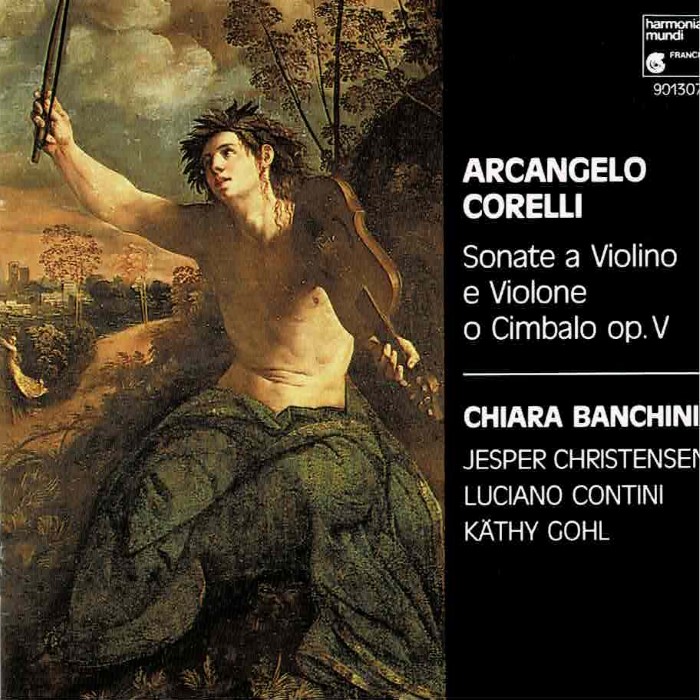
Sonate a violino e violone o cimbalo op. V
1989
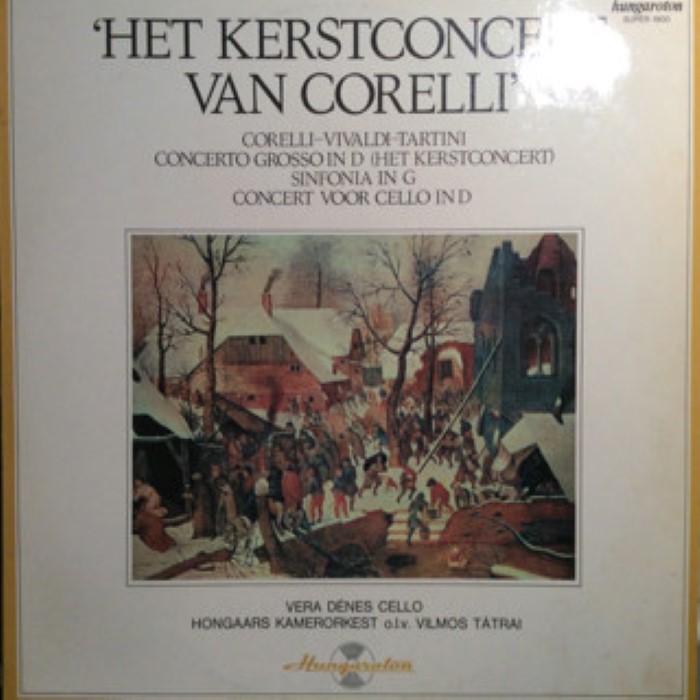
Het Kerstconcert van Corelli
1988

Corelli: 12 Concerto Grossi, Op. 6
1981
Christmas Concertos
1983

"'Spring Scene: Classical Reveries"
2026

"Baroque Classics": Works by Vivaldi, Handel & More
2026

"A Classical Minuet"
2026

"First Light Fantasia - Classical Masterpieces"
2026

The Essential Capella Istropolitana
2025

"A Baroque Concerto": Vivaldi, Handel & Corelli
2025

"A Baroque Portrait: Bach, Handel, Vivaldi & More"
2025

Classical Focus
2025

"Baroque Masters"
2025

"An Age of Baroque" - Handel and More
2025

"10 Great Composers - Baroque Masters"
2025

"Bourrée - Baroque Masterpieces"
2025

The Noble Bass Viol (English Orpheus 46)
2024

Favourite Baroque Classics
2024

Italian Baroque Trumpet Music
2024

Classical Winter: Handel, Vivaldi, Corelli & Prokofiev
2024

Baroque Harp
2024

La Folia: Variations on a Theme by Corelli & Others
2024

Baroque Views
2024
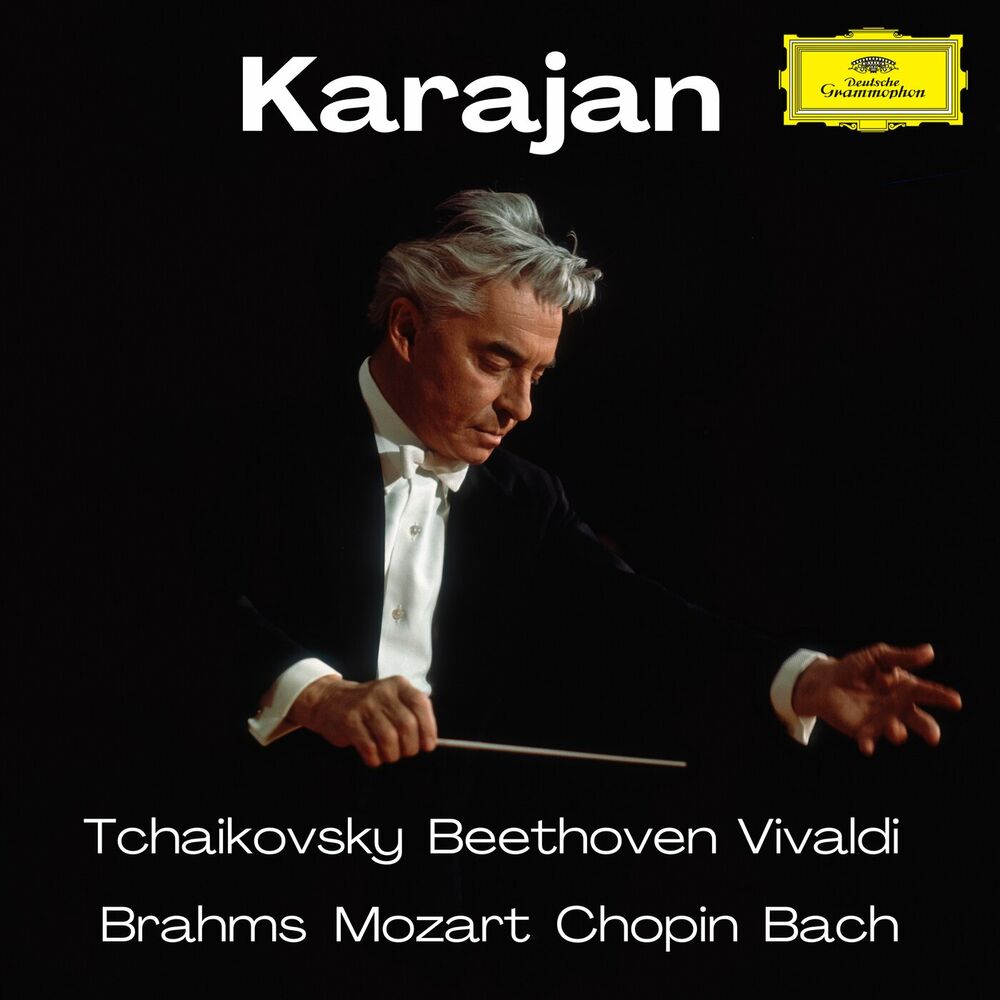
Karajan Conducts Bach & More
2024

Academy of St Martin in the Fields: Handel & Corelli
2023

Arcangelo Corelli - Concerti Grossi
2023

Baroque for Autumn
2023

English Chamber Orchestra: Corelli, Telemann & Haydn
2023

Christmas Through the Ages
2023

Starker Plays Italian Sonatas (The Mercury Masters, Vol. 8)
2023

A Classical Dawn: Corelli
2022

Corelli - Great Recordings
2020

Ton Koopman - A Portrait
2020
The Best of Corelli
2018

The Great Italian Composers
2014
Motivational Classical Music
2014

Relaxing Classical Music for Students
2014
Southwest German Chamber Orchestra: Arcangelo Corelli: Concerto Grosso, Op.6, Nos. 4-12
2014

Characters
2014

40 Corelli Playlist
2014

100 Classical Pieces for Study & Focus
2014

The Corelli Playlist
2014

Cheerful Italian Classical Music
2014
Ars Antiquitatis at Karlstejn
1999

Corelli: 6 Concertos Grosso Op.6
1995
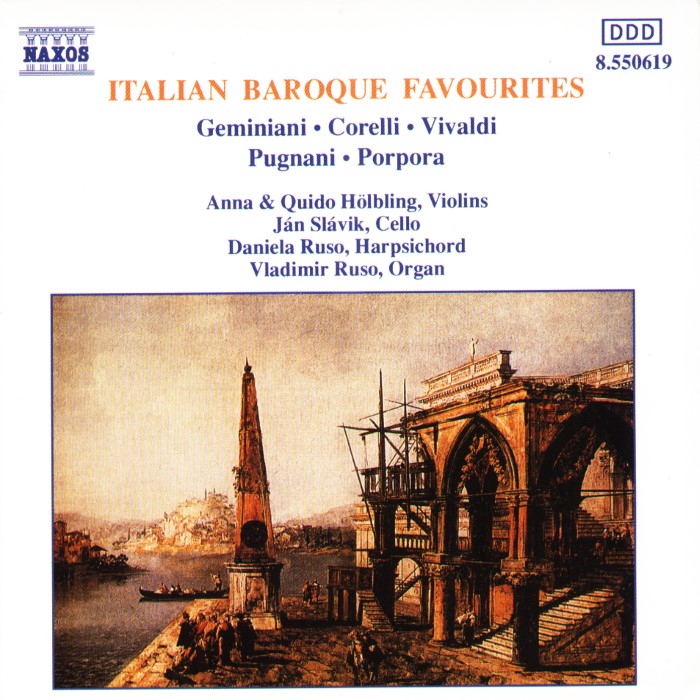
Italian Baroque Favourites
1993
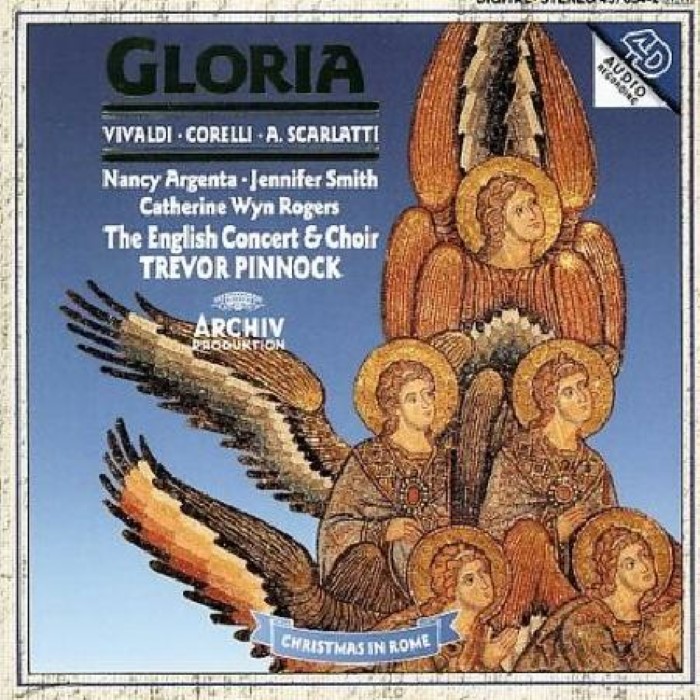
Gloria
1993

Corelli: Sonatas for Strings, Vol. 4
1992
Concerti Grossi, op. 6 no. 5, no. 6, no. 7, no. 10, no. 11
1992
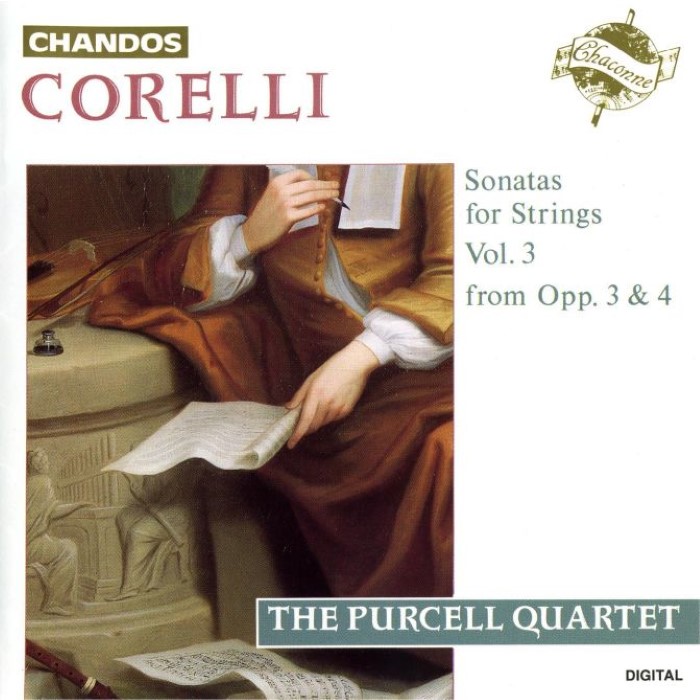
Sonatas for Strings, Volume 3 (from opp. 3 & 4)
1992

Corelli: 12 Trio Sonatas, Op. 1 & 12 Trio Sonatas, Op. 2
1991
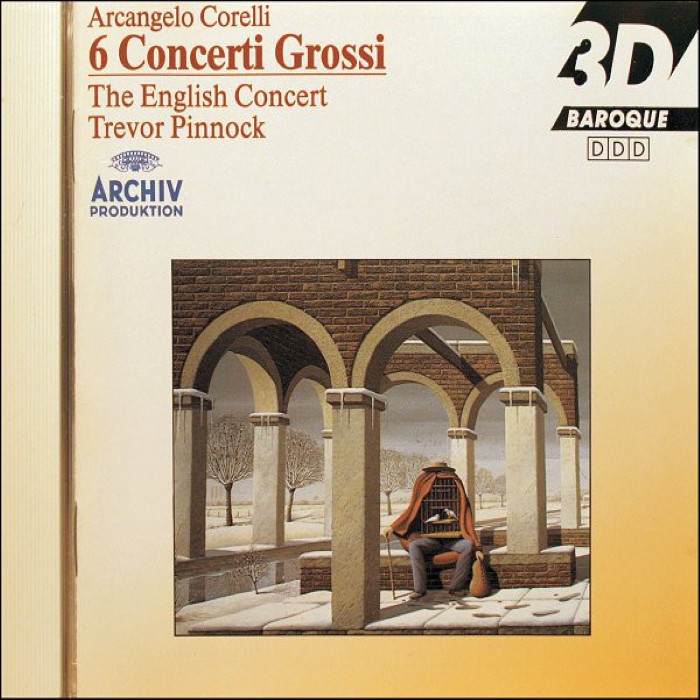
6 Concerti grossi, op. 6
1991

Corelli: Complete String Sonatas
1991
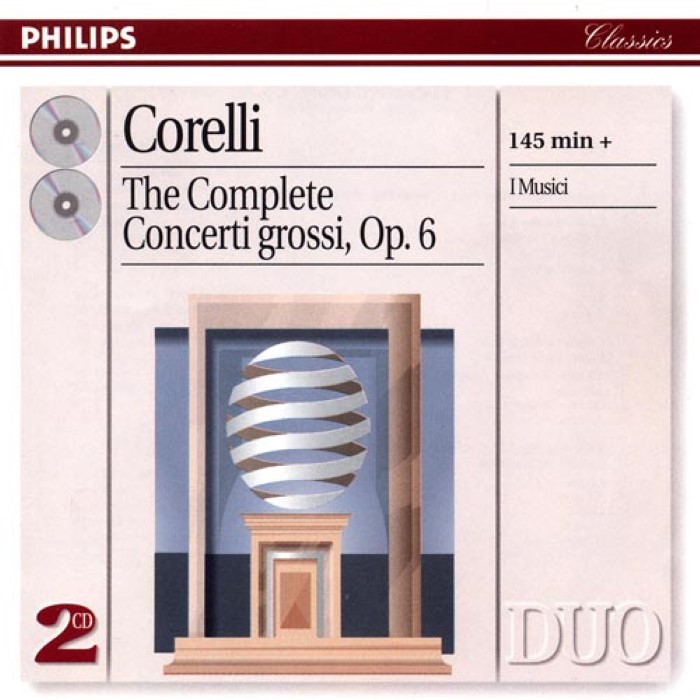
Complete Concerti Grossi, op. 6
1990
Concerti Grossi des Barock
1990
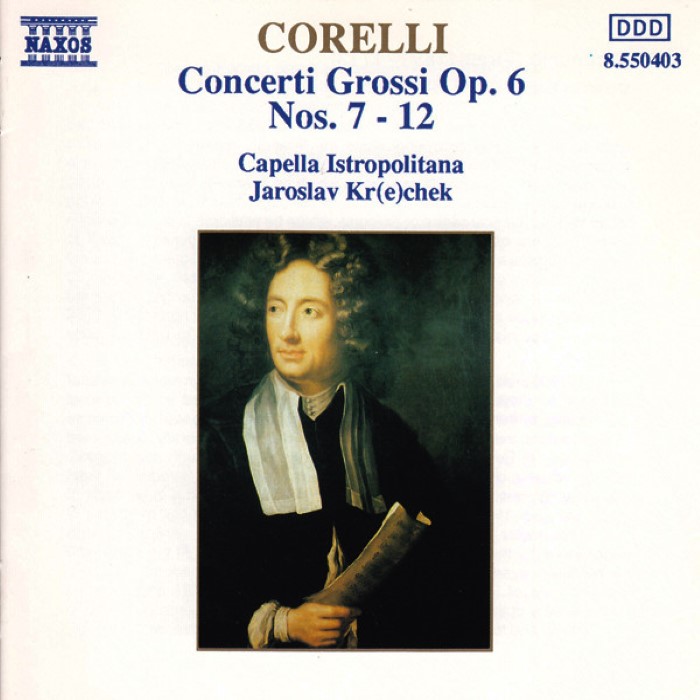
Concerti Grossi, op. 6 nos. 7-12
1990
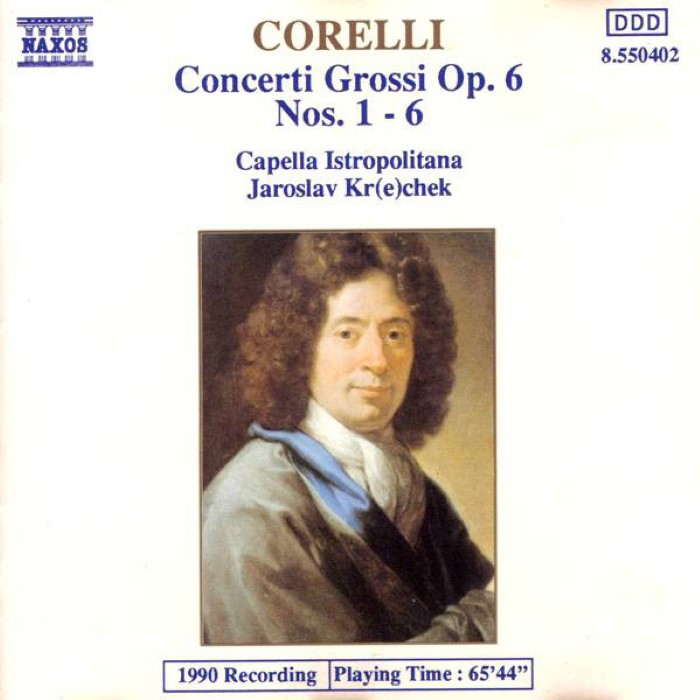
Concerti Grossi, op. 6 nos. 1-6
1990
Concerti Grossi, op. 6 1-6
1989
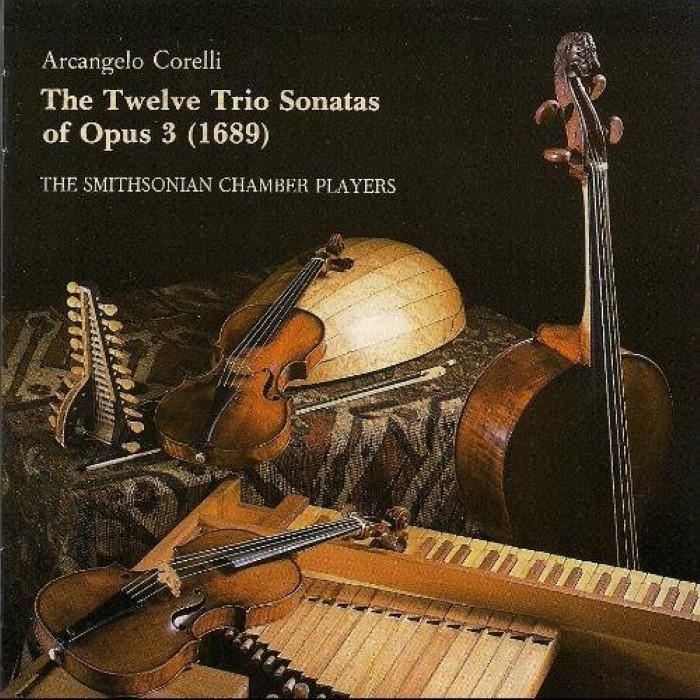
The Twelve Trio Sonatas of Opus 3
1989
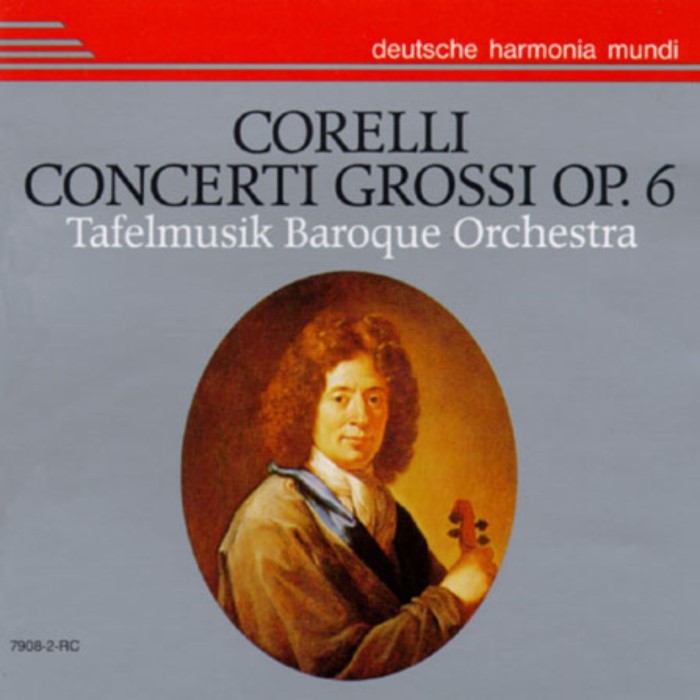
Concerti Grossi, op. 6
1989
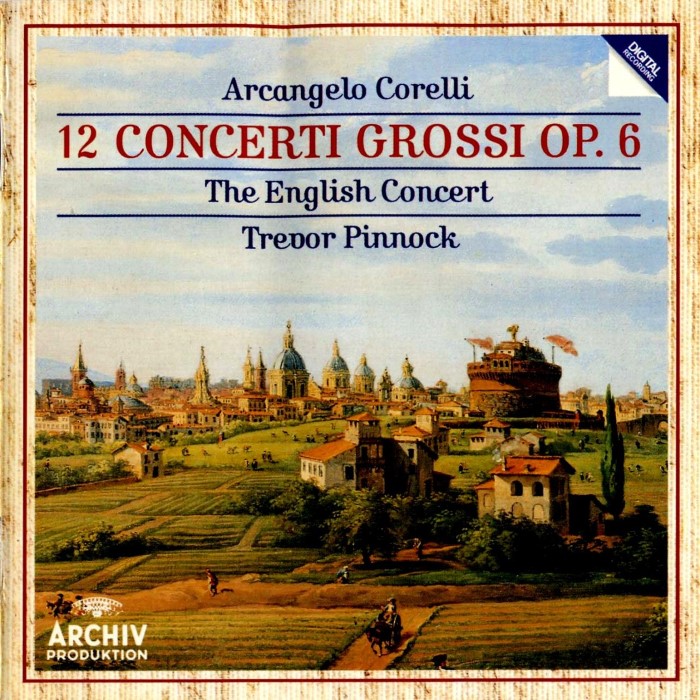
12 Concerti grossi, op. 6
1988
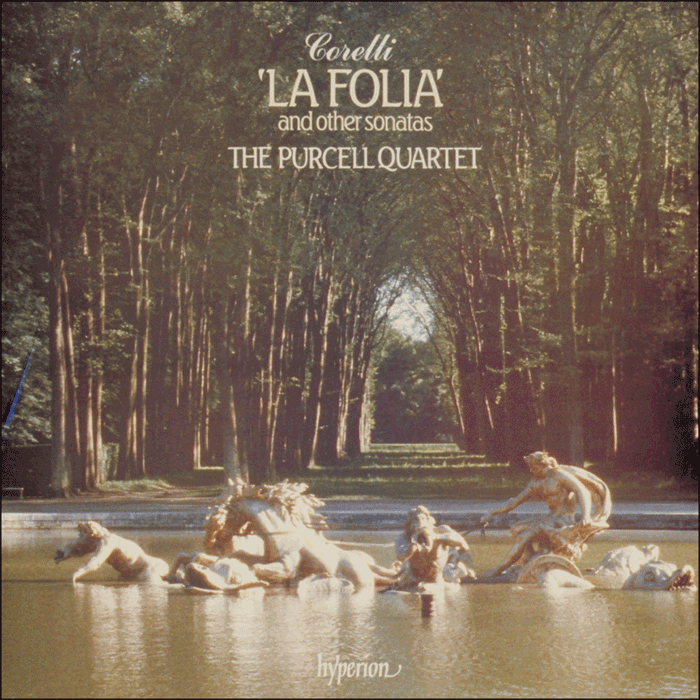
‘La Folia' and other sonatas
1987
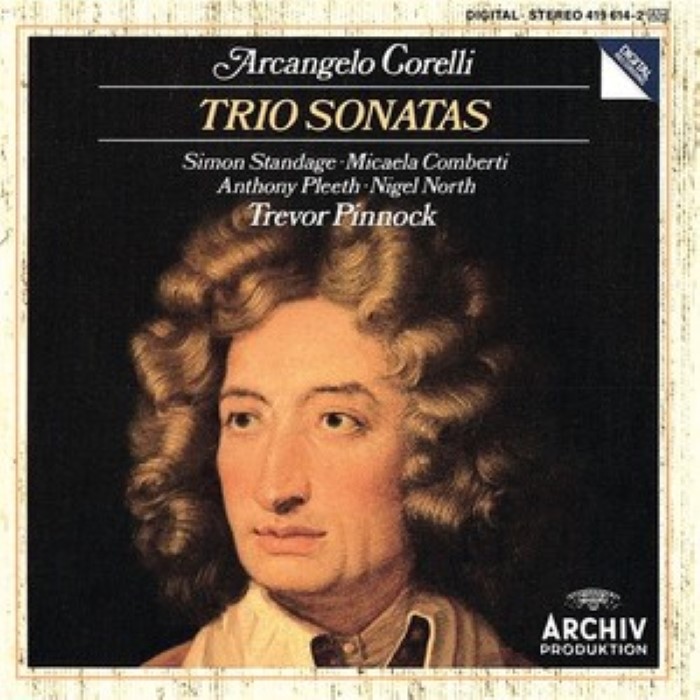
Trio Sonatas
1987

Vivaldi: Le quattro stagioni / Albinoni: Adagio / Corelli: Christmas Concerto
1985
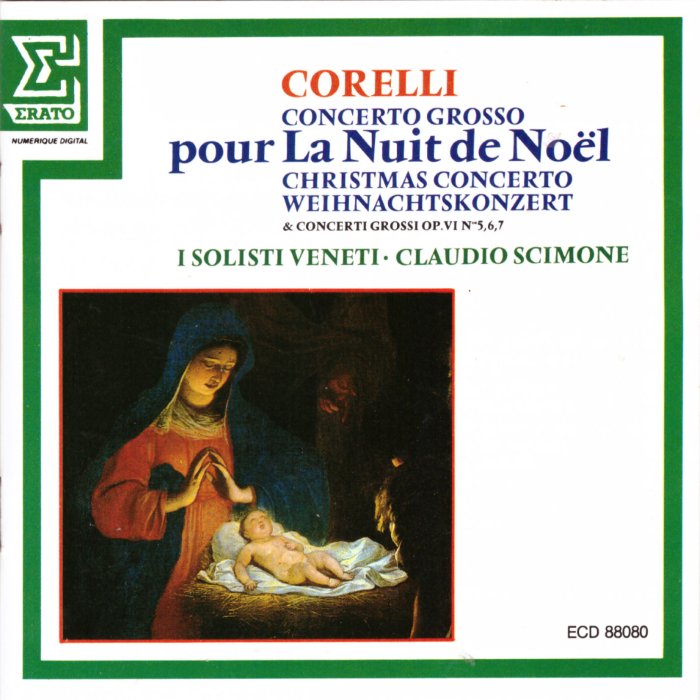
Concerto Grosso pour La Nuit de Noel Op. 4 No. 8 & Op. 4 No. 7, No. 5, No. 6
1983

Corelli: 12 Concerti Grossi, Op. 6
1981

Concerto Grosso No. 8 / Cinque Noëls
1976
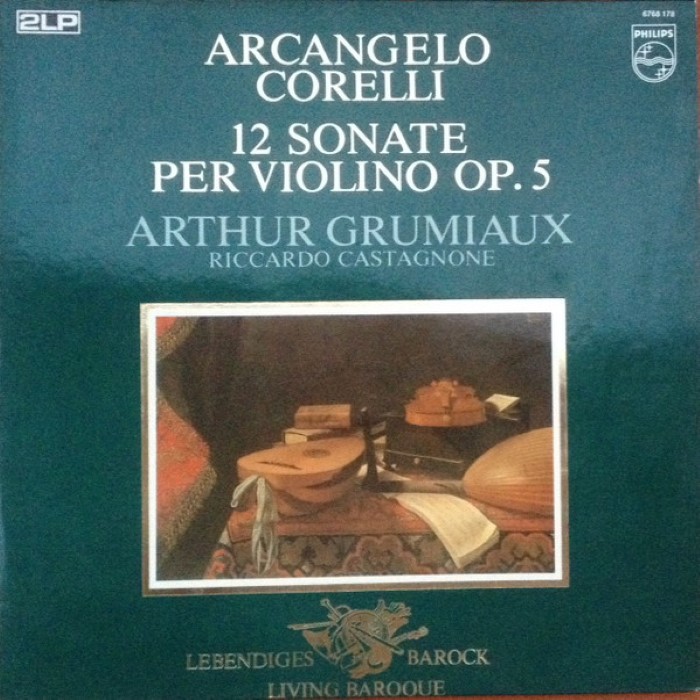
12 Sonatas for Violin and Harpsichord
1975

Popular tracks
Trending this week
- Sonate da Chiesa Op.3 No.8 in C major - I. LargoOpera Omnia
- Les caractères de la danse: VI. SarabandeCharacters
- Sonate da Chiesa Op.1 No.8 in C minor - IV. VivaceOpera Omnia
- Sonate da Chiesa Op.1 No.3 in A major - III. AdagioOpera Omnia
- Sonate da Chiesa Op.1 No.4 in A minor - I. Vivace - AdagioOpera Omnia
Most viewed
- Sonate da Chiesa Op.3 No.8 in C major - I. LargoOpera Omnia
- Sonata for Strings in F major, op. 3 no. 1: I. GraveSonatas for Strings, Volume 3 (from opp. 3 & 4)
- T. Clark: CranbrookChristmas Through the Ages
- Scarlatti - Recitativo: O di Betlemme altera; 3. Aria: Dal bel seno d'una stella (Andante)Gloria
- Handel: Suite No. 4 in E Minor, HWV 429: III. Courante"Courante - Baroque Masters"
Singles & EPs
9
Sonata a Quattro, WoO 4 (Arr. Rondeau for Trumpet and Organ)
EP · 2025

Violin Sonata in D Minor, Op. 5, No. 7 (Arr. Rondeau for 2 Trumpets and 2 Trombones)
EP · 2025

Violin Sonata in D Minor 'La Folia', Op. 5, No. 12
Single · 2025

12 Concerti Grossi, Op. 6: Concerto grosso No. 4 in D Major: 1. Adagio - Allegro
Single · 2024
Trio Sonata in E-Flat Major, Op. 2, No. 11
Single · 2024

12 Concerti Grossi, Op. 6: No. 6. Concerto Grosso in F Major
EP · 2024

12 Concerti Grossi, Op. 6: No. 3. Concerto Grosso in C Minor
EP · 2024

Violin Sonata in D Minor, Op. 5: No. 12. La Folia
Single · 2024

Christmas Concerto
EP · 1953
Appears on
1Releases by other artists featuring Arcangelo Corelli.
Featured tracks
1Collaborators
24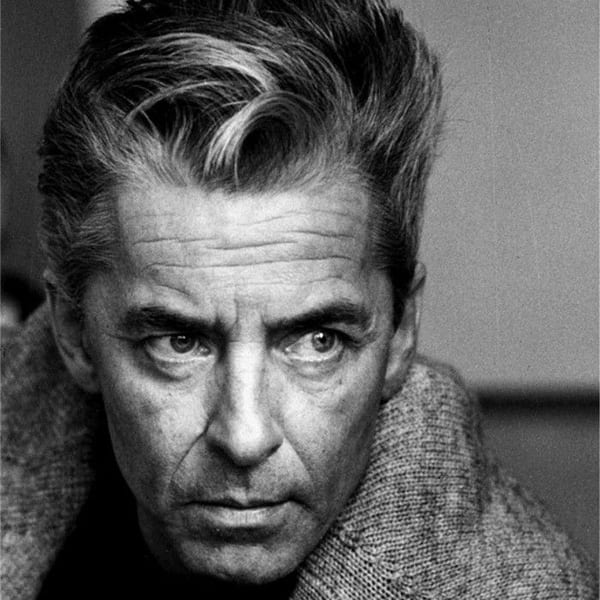
Herbert von Karajan
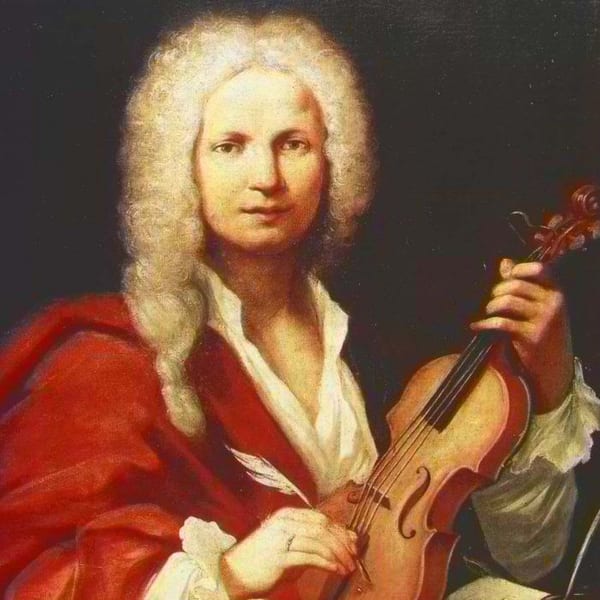
Antonio Vivaldi
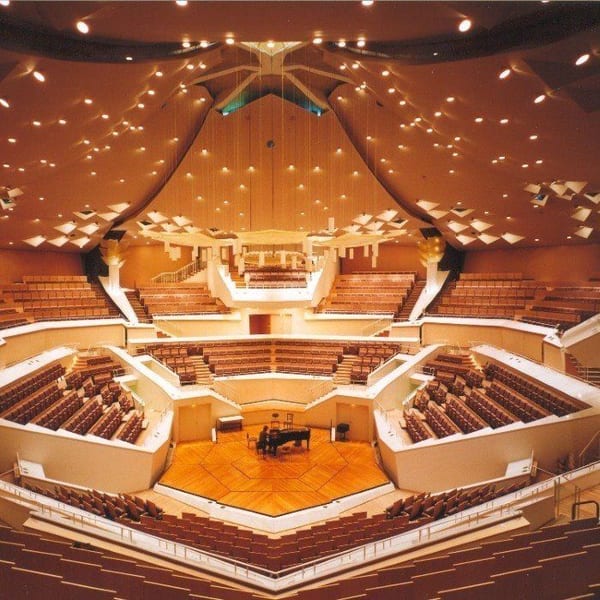
Berliner Philharmoniker
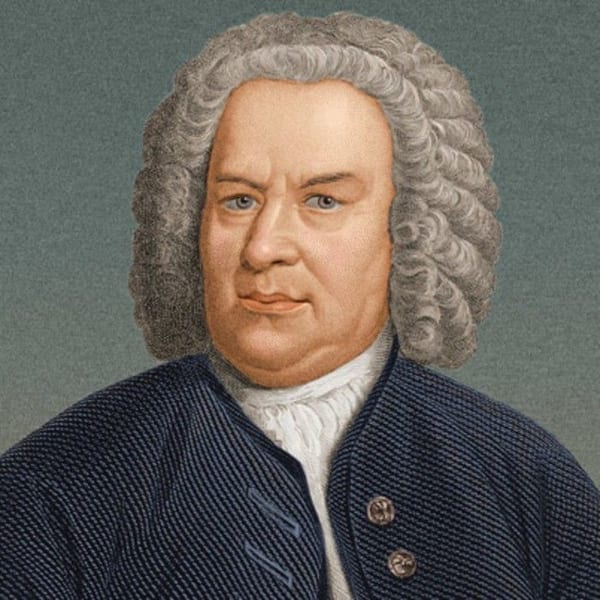
Johann Sebastian Bach
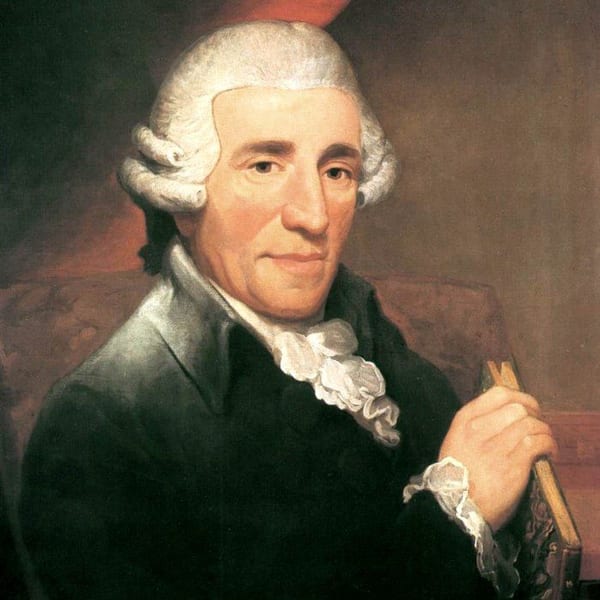
Joseph Haydn
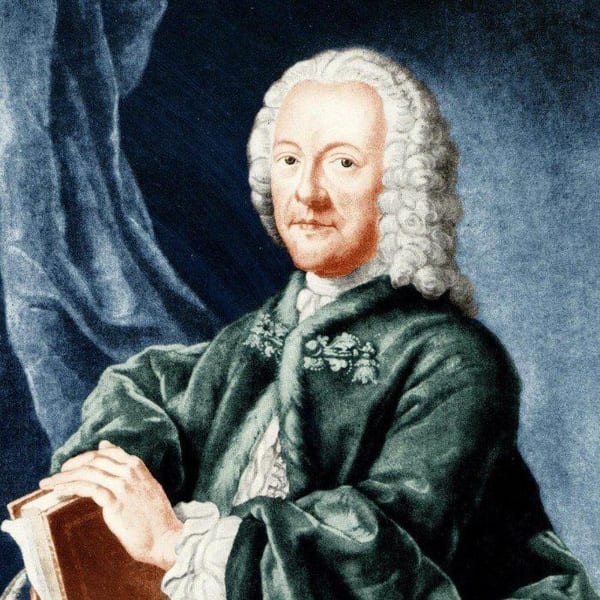
Georg Philipp Telemann
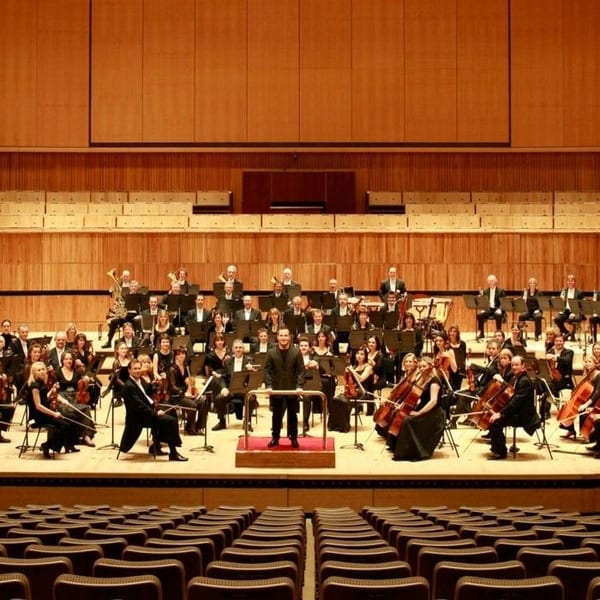
London Philharmonic Orchestra
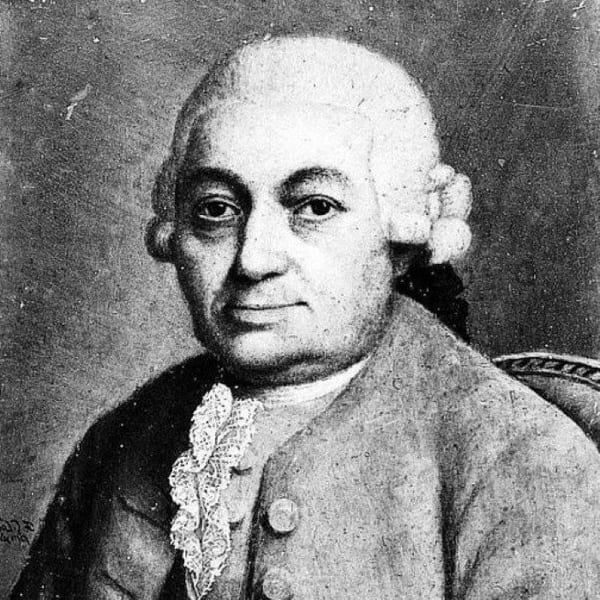
Carl Philipp Emanuel Bach
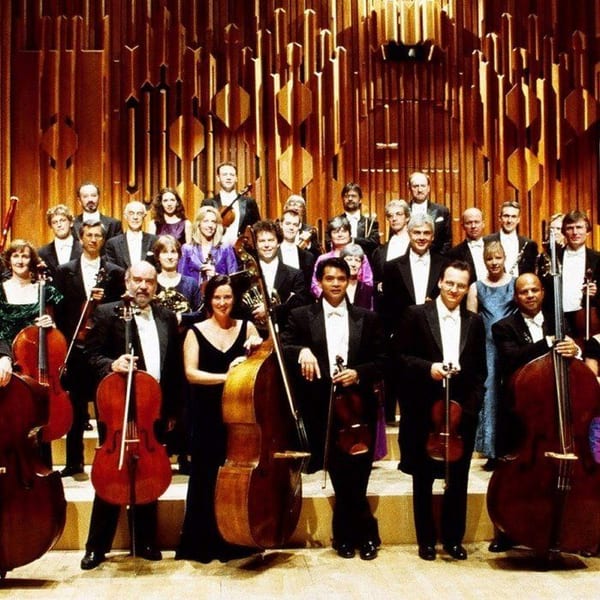
Academy of St Martin in the Fields
François Couperin
Henry Purcell
Jean-Philippe Rameau
Giuseppe Tartini
Ludwig van Beethoven
Mstislav Rostropovich
Benjamin Britten
Claudio Monteverdi
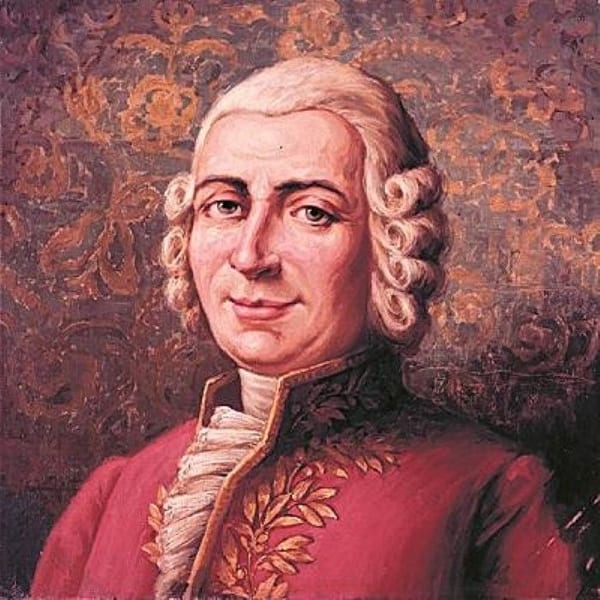
Luigi Boccherini
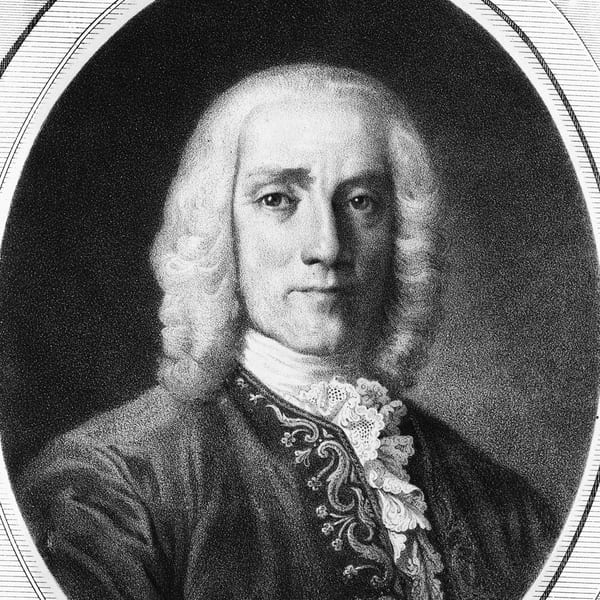
Domenico Scarlatti
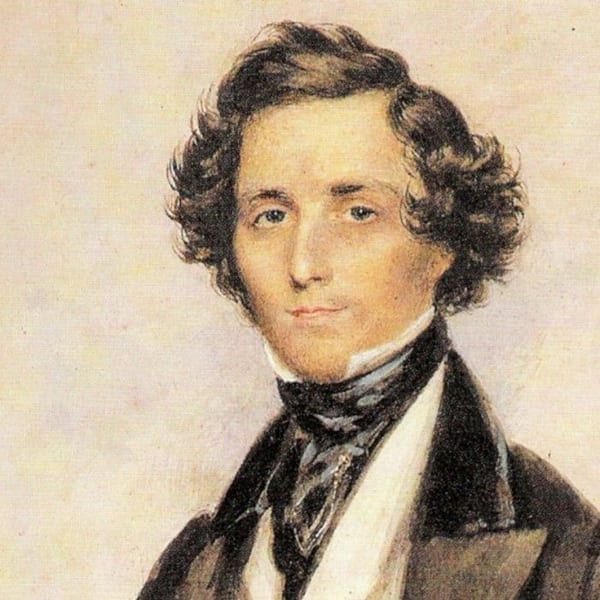
Felix Mendelssohn
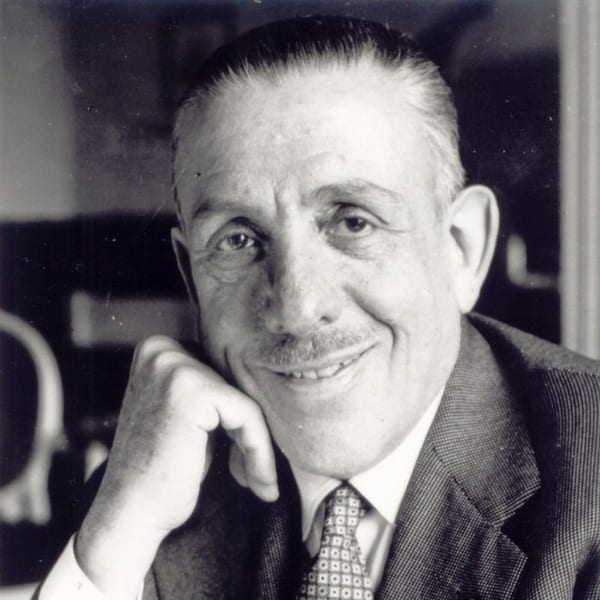
Francis Poulenc

Hector Berlioz
Johann Pachelbel
John Rutter


Community
More about Arcangelo Corelli
About
Arcangelo Corelli (17 February 1653 – 8 January 1713) was an Italian violinist and composer of the Baroque era. His music was key in the development of the modern genres of sonata and concerto, in establishing the preeminence of the violin, and as the first coalescing of modern tonality and functional harmony. Biography : Baptismal records indicate that Corelli was born on 17 February 1653 in the small Romagna town of Fusignano, then in the diocese of Ferrara. His family were land-owners who had lived in Fusignano since 1506 (a Corelli moved to the area from Rome in the fifteenth century). Although apparently prosperous, they were almost certainly not of the nobility, as several fanciful accounts of the composer's genealogy subsequently claimed. Corelli's father, from whom he took the name Arcangelo, died five weeks before the composer's birth. Consequently, he was raised by his mother, Santa (née Ruffini, or Raffini), alongside four elder siblings.
Read moreRead less
The wealth of anecdotes and legends attached to Corelli contrast sharply with the paucity of reliable contemporary evidence documenting events in his life. This gap is especially pronounced for his formative years, including his musical education, even though traditional accounts of a highly idealized childhood have long been debunked. According to the poet Giovanni Mario Crescimbeni, who presumably knew the composer well, Corelli initially studied music under a priest in the nearby town of Faenza, and then in Lugo, before moving in 1666 to Bologna. A major centre of musical culture of the time, Bologna had a flourishing school of violinists associated with Ercole Gaibara and his pupils, Giovanni Benvenuti and Leonardo Brugnoli. Reports by later sources link Corelli's musical studies with several master violinists, including Benvenuti, Brugnoli, Bartolomeo Laurenti and Giovanni Battista Bassani. Although historically plausible, these accounts remain largely unconfirmed, as does the claim that the papal contralto Matteo Simonelli first taught him composition. A remark Corelli later made to a patron suggests that his musical education focused mainly on the violin. Chronicles of the Accademia Filarmonica of Bologna indicate that Corelli was accepted as a member by 1670, at the exceptionally young age of seventeen. The credibility of this attribution has been disputed. Although the nickname Il Bolognese appears on the title-pages of Corelli's first three published sets of works (Opus 1 to 3), the duration of his stay in Bologna remains unclear. Anecdotes of trips outside Italy to France, Germany and Spain lack any contemporary evidence. For example, the anecdote that Corelli's continental fame stemmed from a trip to Paris at the age of nineteen, where he was chased away by an envious Jean-Baptiste Lully seems to have originated with Jean-Jacques Rousseau. It was also claimed that Corelli spent time in Germany in the service of Maximilian II Emanuel, Elector of Bavaria (supposedly in 1681), as well as in the house of his friend and fellow violinist-composer Cristiano Farinelli (between 1680 and 1685). Although it is unclear quite when Corelli arrived in Rome, he was certainly active there by 1675, when "Arcangelo Bolognese" (as he was referred to) was engaged to play as one of the supporting violinists in lenten oratorios at the church of San Giovanni dei Fiorentini, as well as in the French national celebrations held each year on 25 August at San Luigi dei Francesi and during the ordination of a member of the powerful Chigi family at Santi Domenico e Sisto. In August 1676, he was already playing second violin to the renowned Carlo Mannelli at San Luigi dei Francesi. Although Rome did not have any permanent orchestra providing stable employment for instrumentalists, Corelli rapidly made a name for himself, playing in a variety of ensembles sponsored by wealthy patrons, such as Cardinal Benedetto Pamphili for whom he played in Lenten oratorios at San Marcello from 1676 to 1679. In 1687 Corelli led the festival performances of music for Queen Christina of Sweden. He was also a favorite of Cardinal Pietro Ottoboni, grandnephew of another Cardinal Pietro Ottoboni, who in 1689 became Pope Alexander VIII. From 1689 to 1690 he was in Modena. The Duke of Modena was generous to him. In 1708 he returned to Rome, living in the palace of Cardinal Ottoboni. His visit to Naples, at the invitation of the king, took place in the same year. The style of execution introduced by Corelli and preserved by his pupils, such as Francesco Geminiani, Pietro Locatelli, Pietro Castrucci, Francesco Gasparini, and others, was of vital importance for the development of violin playing. It has been said that the paths of all of the famous violinist-composers of 18th-century Italy led to Arcangelo Corelli, who was their "iconic point of reference". However, Corelli used only a limited portion of his instrument's capabilities. This may be seen from his writings. The parts for violin very rarely proceed above D on the highest string, sometimes reaching the E in fourth position on the highest string. The story has been told and retold that Corelli refused to play a passage that extended to A in altissimo in the overture to Handel's oratorio The Triumph of Time and Truth (premiered in Rome, 1708), and felt seriously offended when the composer (32 years his junior) played the note. Nevertheless, his compositions for the instrument mark an epoch in the history of chamber music. His influence was not confined to his own country. Johann Sebastian Bach studied the works of Corelli and based an organ fugue (BWV 579) on Corelli's Opus 3 of 1689. Handel's Opus 6 Concerti Grossi take Corelli's own older Opus 6 Concerti as models, rather than the later three-movement Venetian concerto of Antonio Vivaldi favoured by Bach. Musical society in Rome also owed much to Corelli. He was received in the highest circles of the aristocracy, and for a long time presided at the celebrated Monday concerts in the palace of Cardinal Ottoboni. Corelli died in Rome in possession of a fortune of 120,000 marks and a valuable collection of works of art and fine violins, the only luxury in which he had indulged. He left both to his benefactor and friend, who generously made over the money to Corelli's relatives. Corelli is buried in the Pantheon at Rome. His concerti grossi have often been popular in Western culture. For example, a portion of the Christmas Concerto, Op. 6 No. 8, is in the soundtrack of the film Master and Commander: The Far Side of the World, and Corelli's Op. 6 No. 2 also provided the theme for Sir Michael Tippett's Fantasia Concertante on a Theme of Corelli.
Arcangelo Corelli in brief
- How many Arcangelo Corelli releases are on Riffiter?
- 89 releases are catalogued, spanning 1953 to 2026.
- What is the most recent Arcangelo Corelli release on Riffiter?
- "'Spring Scene: Classical Reveries", released in 2026.