

Discography
16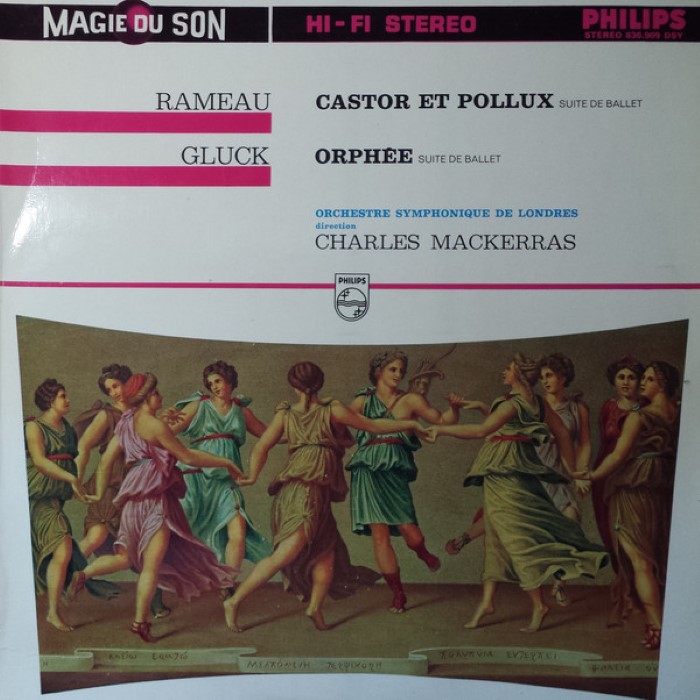
Most popular
Castor et Pollux
1994 · 52 tracks
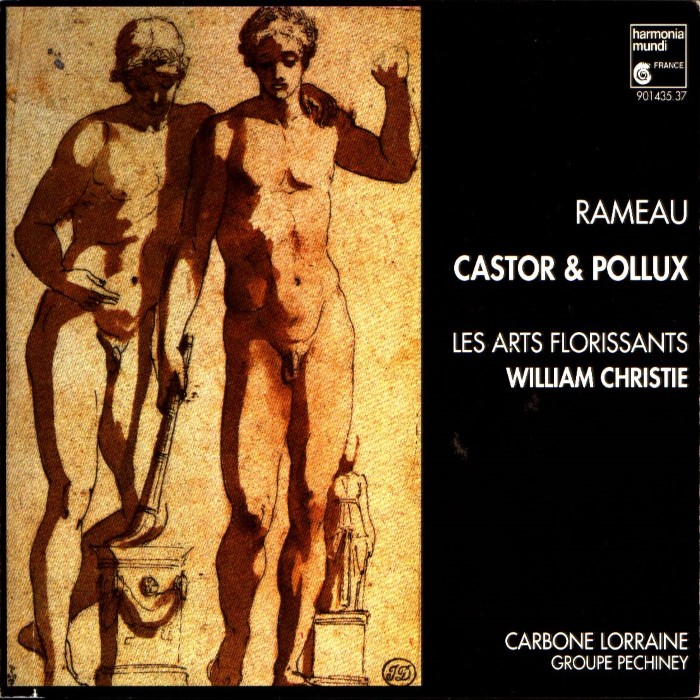
Castor & Pollux
1993
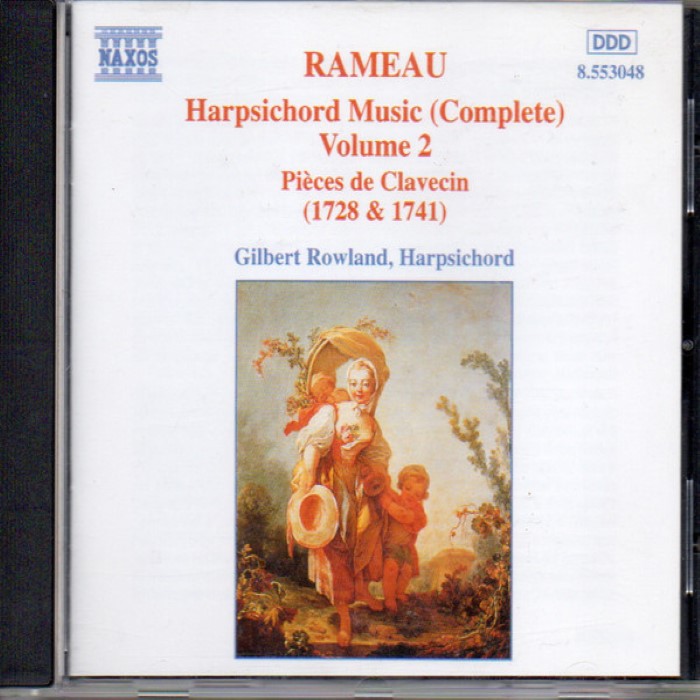
Harpsichord Music (Complete), Volume 2: Pièces de Clavecin (1728 & 1741)
1994
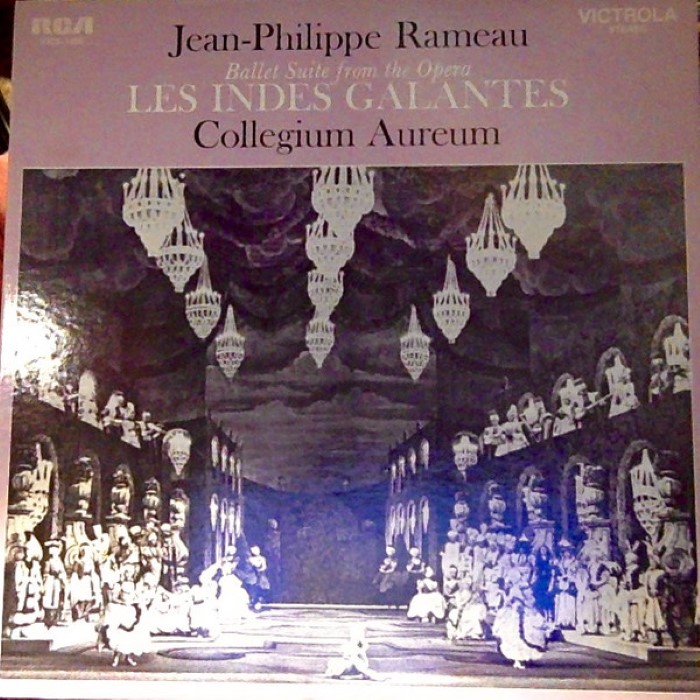
Les Indes Galantes
1992
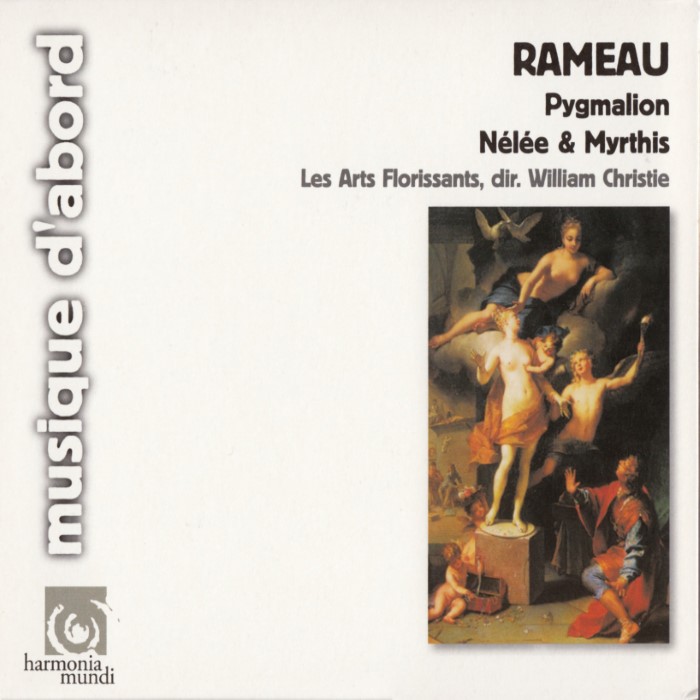
Pygmalion / Nélée et Myrthis
1992
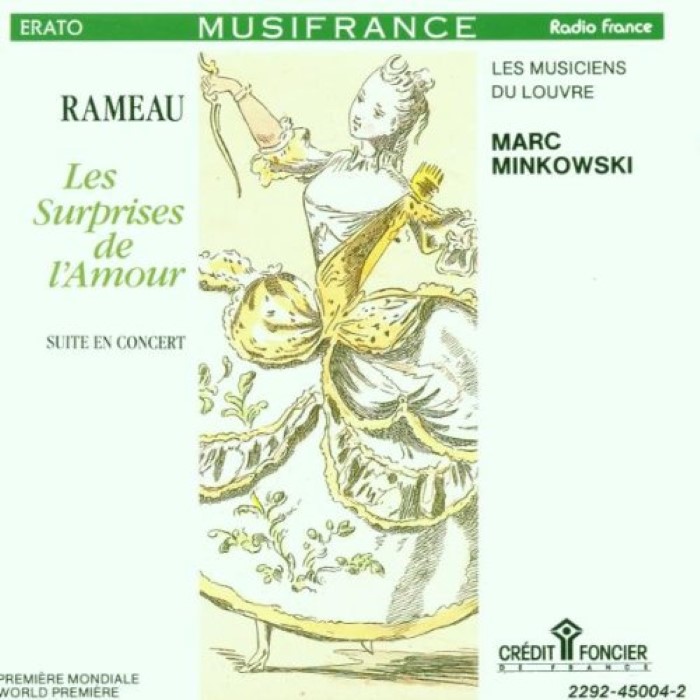
Les Surprises de l'amour
1992
- Rameau: Castor et Pollux / Purcell: 3 Fantasias (Orchestra of the 18th Century feat. conducctor: Frans Brüggen)
Rameau: Castor et Pollux / Purcell: 3 Fantasias (Orchestra of the 18th Century feat. conducctor: Frans Brüggen)
1990
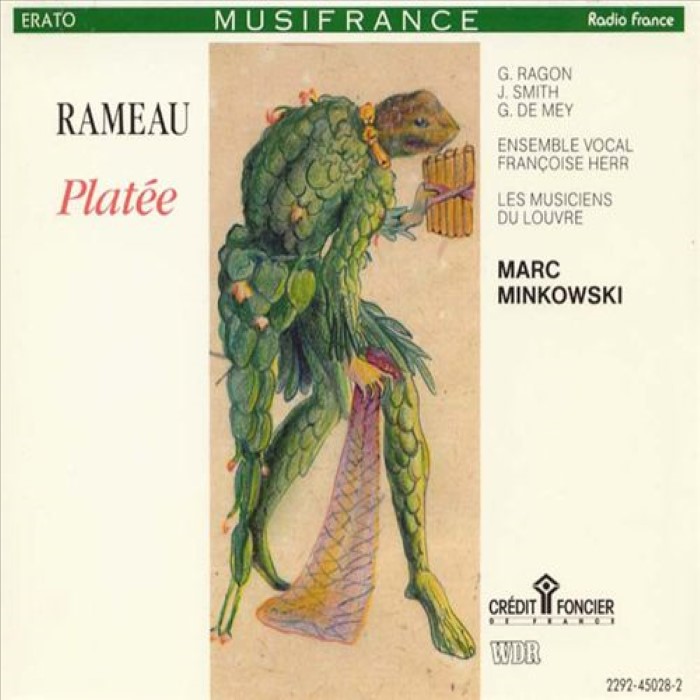
Platée
1990
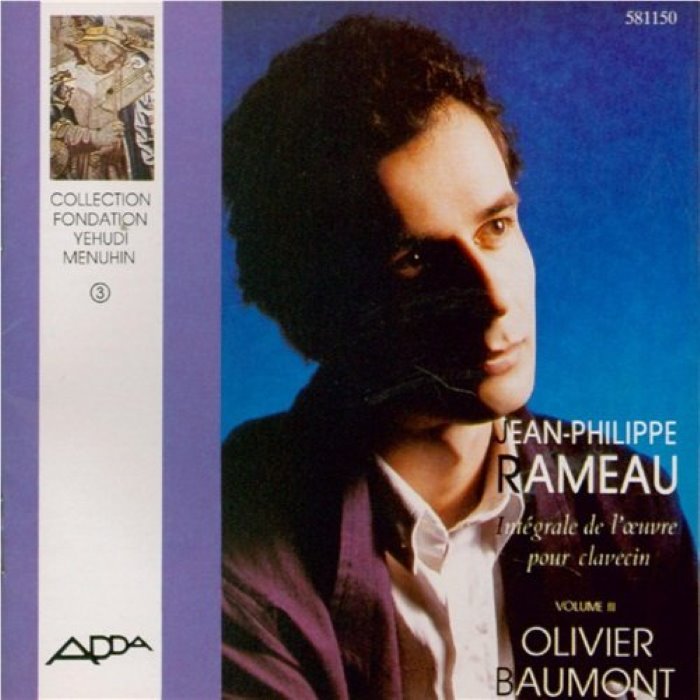
Intégrale de l'œuvre pour clavecin, Volume 3
1989
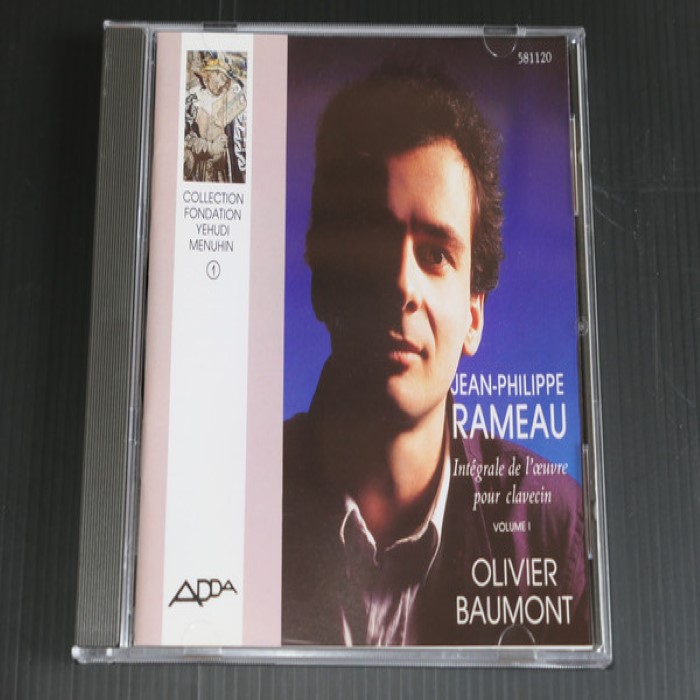
Intégrale de l'œuvre pour clavecin, Volume 2
1989
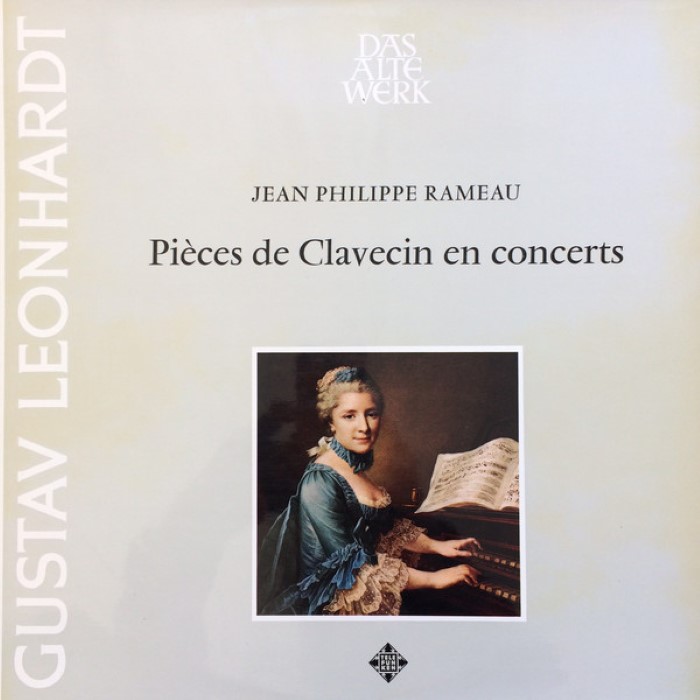
Pièces de clavecin en concerts
1989
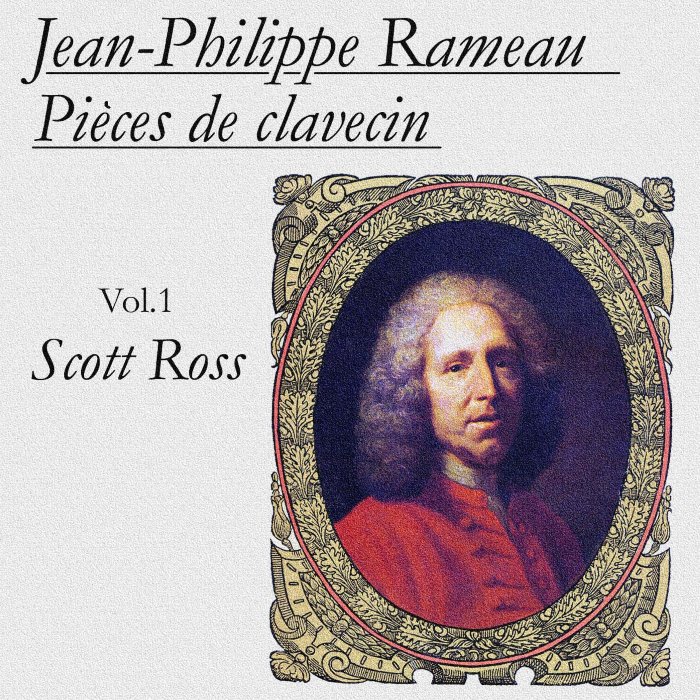
Intégrale des œuvres pour clavecin, Volume 1
1988
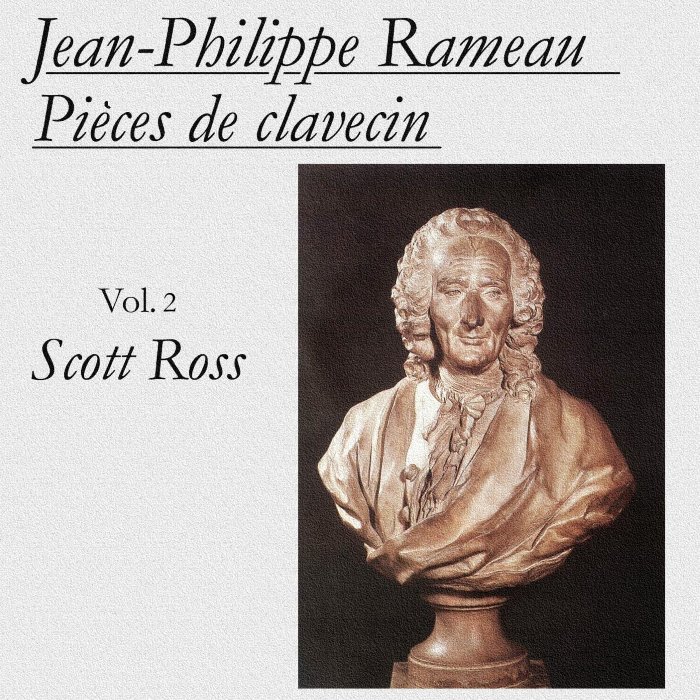
Intégrale des œuvres pour clavecin, Volume 2
1988
- Les Boréades / Dardanus (Orchestra of the 18th Century feat. conductor: Frans Brüggen)
Les Boréades / Dardanus (Orchestra of the 18th Century feat. conductor: Frans Brüggen)
1987
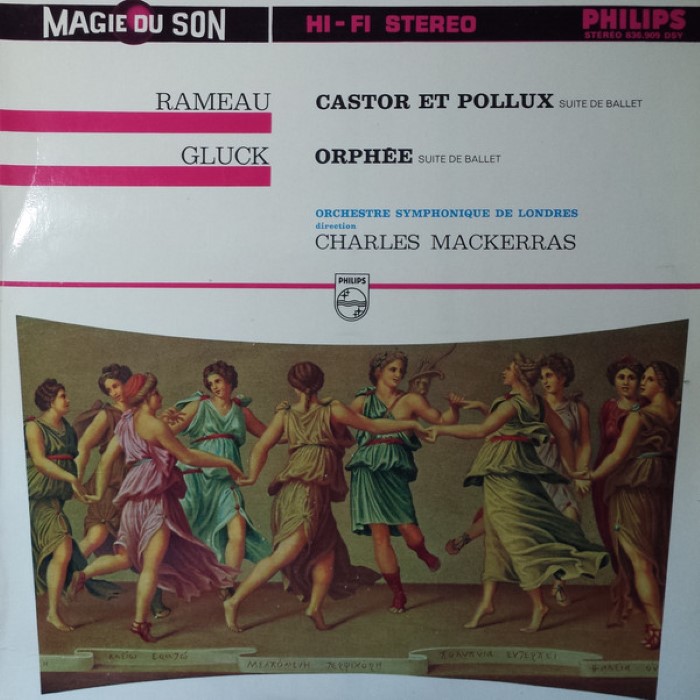
Rameau: Castor et Pollux
1987
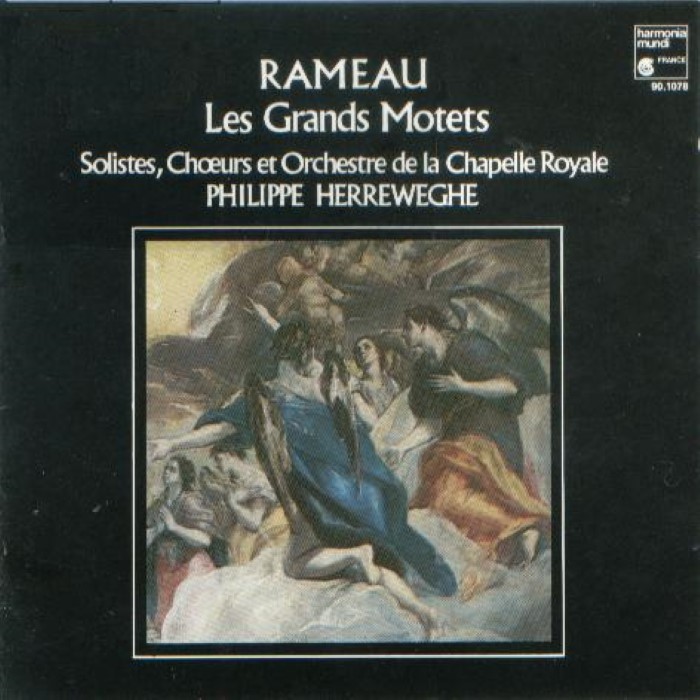
Les Grands Motets
1982
Appears on
5Releases by other artists featuring Jean-Philippe Rameau.
Featured tracks
11 Rameau: Nouvelles suites de pièces de clavecin, Suite in A Minor, RCT 5: VIIc. Double 2Arcangelo Corelli · "Bourrée - Baroque Masterpieces"
- Rameau: Nouvelles suites de pièces de clavecin, Suite in A Minor, RCT 5: VIIe. Double 4Arcangelo Corelli · "Bourrée - Baroque Masterpieces"
- Rameau: Nouvelles suites de pièces de clavecin, Suite in A Minor, RCT 5: VIId. Double 3Arcangelo Corelli · "Bourrée - Baroque Masterpieces"
- Rameau: Premier livre de pièces de clavecin, Suite in A Minor, RCT 1: VII. VénitienneArcangelo Corelli · "Bourrée - Baroque Masterpieces"
- Rameau: Nouvelles suites de pièces de clavecin, Suite in A Minor, RCT 5: VIIg. Double 6Arcangelo Corelli · "Bourrée - Baroque Masterpieces"
 Rameau: Dardanus, RCT 35, Prologue: Menuet tendre en rondeauArcangelo Corelli · Favourite Baroque Classics
- Rameau: Les Indes galantes, RCT 44: Rondeau "Air pour les sauvages"Arcangelo Corelli · Favourite Baroque Classics
 Rameau: Les Boréades, Act IV: Air vif. Torture d'Alphise (Arr. Lidström)Alexander Scriabin · Smörgasbord: Encores and Short Pieces for Cello and Piano
 Concert en sextuor No. 6 (After Suite, RCT 6) : Rameau: Concert en sextuor No. 6 (After Suite, RCT 6): I. La poule (Live at Theatre, Salle Molière, Poissy, 2003)Domenico Scarlatti · Baroque - The Essentials
- Hippolyte et Aricie : Rameau: Hippolyte et Aricie: OvertureDomenico Scarlatti · Baroque - The Essentials
 Nouvelles suites de pièces de clavecin, Suite in A Minor, RCT 5 : Rameau: Nouvelles suites de pièces de clavecin, Suite in A Minor, RCT 5: VII. Gavotte et 6 doublesDomenico Scarlatti · The Harmonious Blacksmith
Collaborators
3


Community
More about Jean-Philippe Rameau
About
Jean-Philippe Rameau (25 September 1683 - 12 September 1764) was one of the most important French composers and music theorists of the Baroque era. He replaced Jean-Baptiste Lully as the dominant composer of French opera, and was attacked by those who preferred Lully's style. Rameau's music is characterised by the exceptional technical knowledge of a composer who wanted above all to be renowned as a theorist of the art. Nevertheless it is not solely addressed to the intelligence and Rameau himself claimed "I try to conceal art with art". The paradox of this music was that it was new, using techniques never known before, but it took place within the framework of old-fashioned forms; Rameau appeared revolutionary to the Lullystes, disturbed by the complex harmony of his music, and reactionary to the "philosophes" who only paid attention to its content and who either would not or could not listen to the sound it made.
Read moreRead less
The incomprehension he received from his contemporaries stopped Rameau repeating such daring experiments as the second Trio des Parques in Hippolyte et Aricie, which he was forced to remove after a handful of performances because the singers were unable to interpret it correctly. So the greatest harmonist of his era went unrecognised at the very time that harmony - the "vertical" aspect of music - was taking precedence over counterpoint, which represented its "horizontal" aspect.
Jean-Philippe Rameau in brief
- How many Jean-Philippe Rameau releases are on Riffiter?
- 16 releases are catalogued, spanning 1982 to 1994.
- What is the most recent Jean-Philippe Rameau release on Riffiter?
- Castor et Pollux, released in 1994.