
Guides/A Riffiter guide
Zeuhl: a canon for the celestial racket
Magma invented a genre, a mythology and a language nobody speaks. Here's how to actually listen to it.
Zeuhl is the microgenre Christian Vander built around his band Magma from 1969 on — operatic, hypnotic, sung in the invented Kobaïan language and powered by churning bass and choral chant. This guide maps the French core, its Belgian chamber-rock cousins and the Japanese descendants who kept it alive, 13 records deep.
"Zeuhl" is a Kobaïan word, which is to say it's a word in a language that exists only inside Magma's records. It means something like celestial. Christian Vander — Magma's drummer, founder and unmoved mover — coined the tongue in 1969 because no real language carried the weight of what he was hearing in his head: a vast science-fiction myth about humans fleeing a doomed Earth for a planet called Kobaïa, set to music that owed as much to Coltrane and Carl Orff as to rock.
What came out doesn't sound like prog, exactly. It sounds like a cult choir marching: repeated bass figures that lock and grind for ten minutes, massed voices chanting in unison, drums that swing where you expect them to pound. Once it clicks, nothing else scratches the itch.
A note on borders, since RYM will hold me to it. True zeuhl is the Magma family tree. The Belgian bands here — Univers Zéro, Art Zoyd — are usually filed under chamber rock or Rock in Opposition, and they'd probably bristle at the label. I've kept them in because they share the same DNA: dread, ritual, classical menace bent through a rock band. Start with Magma, then follow the threads outward.
- 1
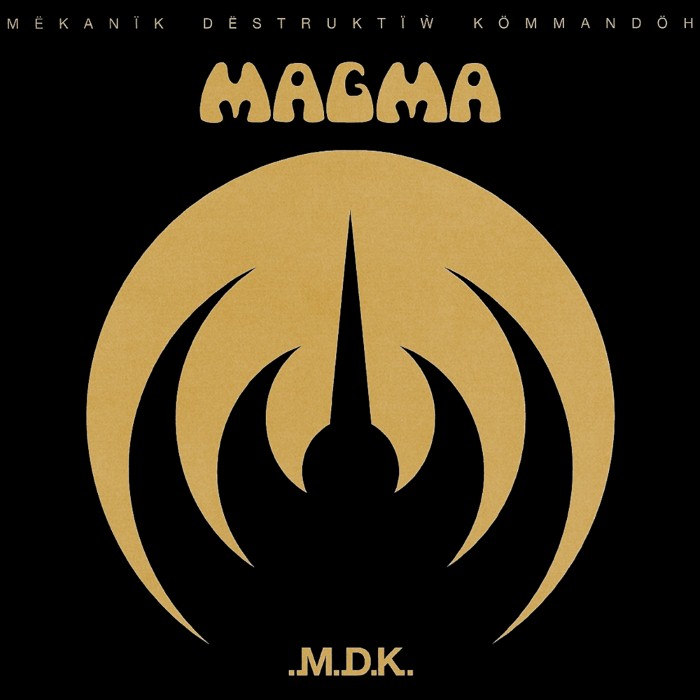
Magma — Mëkanïk Dëstruktïẁ Kömmandöh (1973)
Be the first to rate—The one everybody means when they say zeuhl. Magma's third LP, released in May 1973, is where the band shed its jazz-fusion baby fat and became a machine: a single 35-minute work, a wall of chanting voices, Jannick Top's bass riff drilling the whole thing into the floor. It's the genre's founding document and still its loudest argument. If it doesn't grab you in the first ten minutes, the rest of this list won't either — so start here and be honest with yourself.
- 2

Magma — Köhntarkösz (1974)
Be the first to rate—Where MDK marches, Köhntarkösz broods. Two side-long pieces about a man uncovering the tomb of an Egyptian alchemist, built on a slow-burning vamp that Vander lets simmer past the point most bands would panic. Patient, trance-inducing, less immediately thrilling than MDK and, for a lot of long-haul fans, the better record. It rewards the second listen and punishes the impatient.
- 3
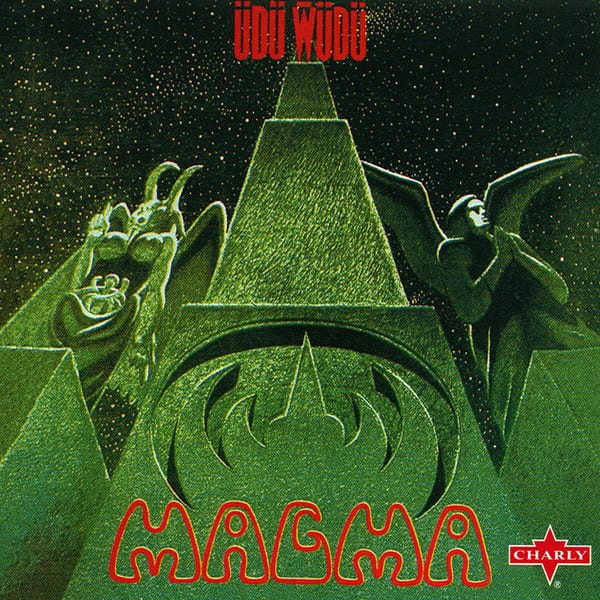
Magma — Üdü Ẁüdü (1976)
Be the first to rate—The funky one, relatively speaking. By 1976 Magma had loosened the grip — "De Futura," Jannick Top's closing monster, is essentially the heaviest bass solo in the genre stretched to nine minutes. Newcomers often find this the easiest way in: groove first, cosmic dread second. Purists rank it lower; they're not wrong, but they're also not having as much fun.
- 4

Weidorje — Weidorje (1978)
Be the first to rate—Magma's most faithful offspring, made by people who'd actually been in Magma. Bassist Bernard Paganotti and keyboardist Patrick Gauthier formed Weidorje in 1976 and released exactly one self-titled album, in March 1978, before the project dissolved. It's pure zeuhl with the dial pushed toward fusion — tighter, brighter, more playful than the master, and one of the great one-and-done records in all of prog.
- 5
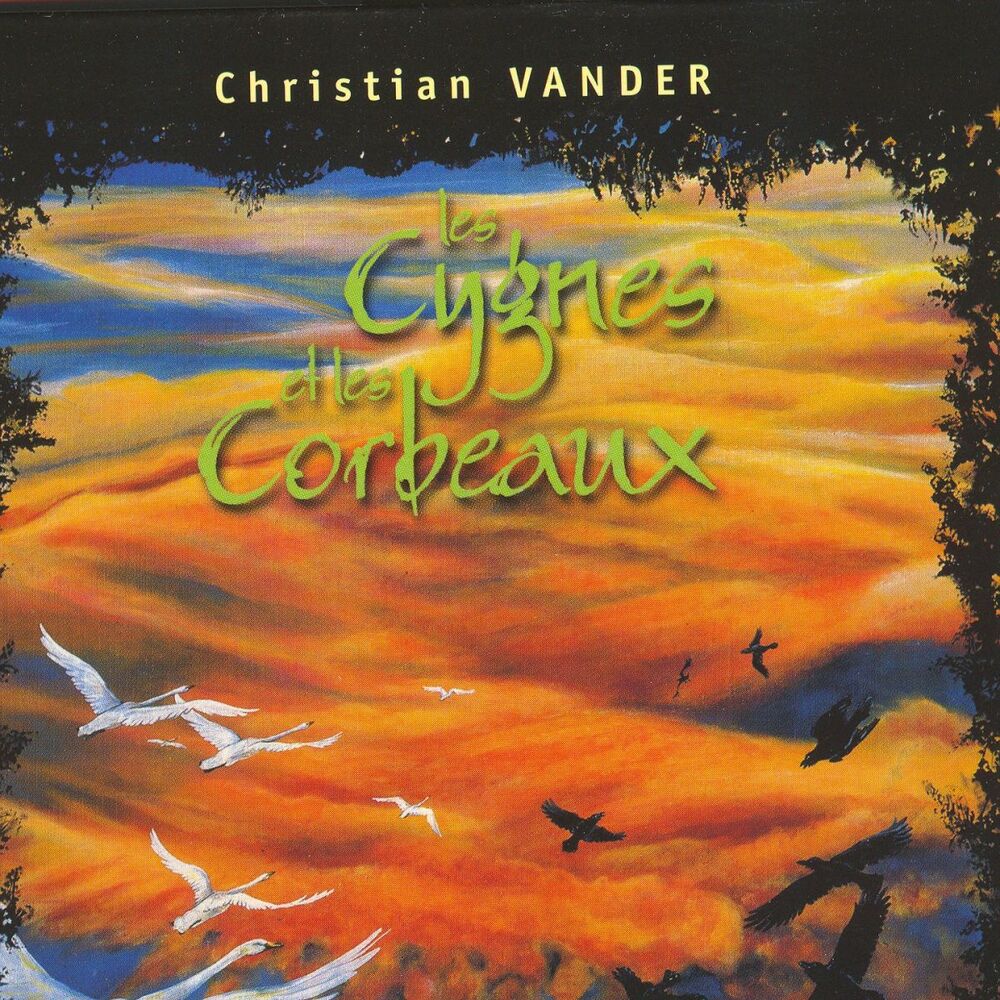
Christian Vander — the Coltrane debt, made explicit
Be the first to rate—Strip away Kobaïa and the myth, and Vander is a Coltrane obsessive who happened to lead a rock band. His work outside Magma — solo and with his jazz group Offering — makes that lineage plain: spiritual, modal, devotional, the same churning intensity aimed at the saxophone tradition instead of a sci-fi opera. Useful for understanding what zeuhl actually is underneath the costume. This 2006 collection gathers the quieter, more openly jazz side of the man.
- 6

Univers Zéro — Univers Zéro (1977)
Be the first to rate—Cross the border into Belgium and the temperature drops. Drummer Daniel Denis founded Univers Zéro in 1974 and their debut, recorded with a chamber lineup of bassoon, oboe, violin and harmonium, is zeuhl's grim cousin — acoustic, medieval, terrifying in a way electricity can't manage. File it under chamber rock if you must; it shares Magma's ritual heartbeat and its refusal to comfort you. The opening of "Carabosse" is the sound of a horror film that forgot the film.
- 7
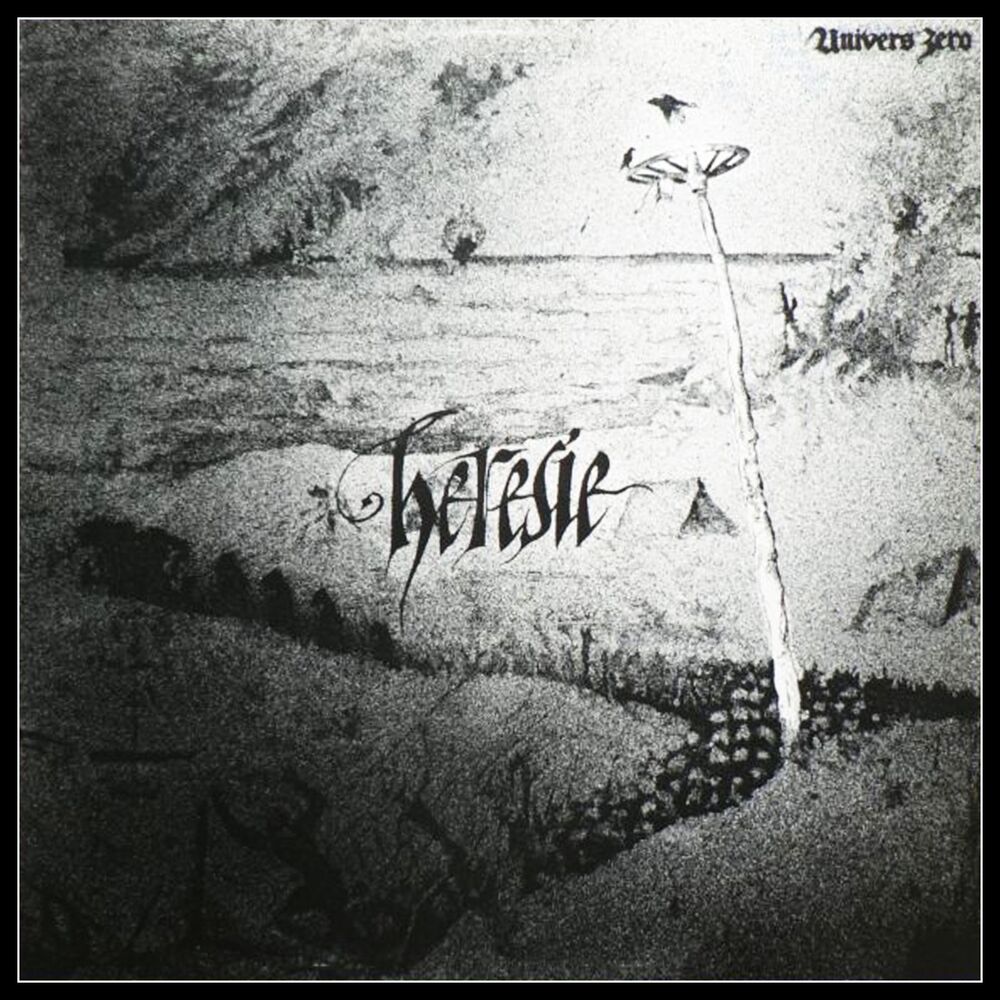
Univers Zéro — Hérésie (1979)
Be the first to rate—The darkest record in this entire family, and that's saying something. Hérésie is two enormous movements of dissonance and dread, the 25-minute "La Faulx" included — chamber instruments scraping toward something genuinely menacing. People describe it as the album they can't put on at night, which is exactly why it sits near the top of every Rock in Opposition list. Not an entry point. A destination.
- 8
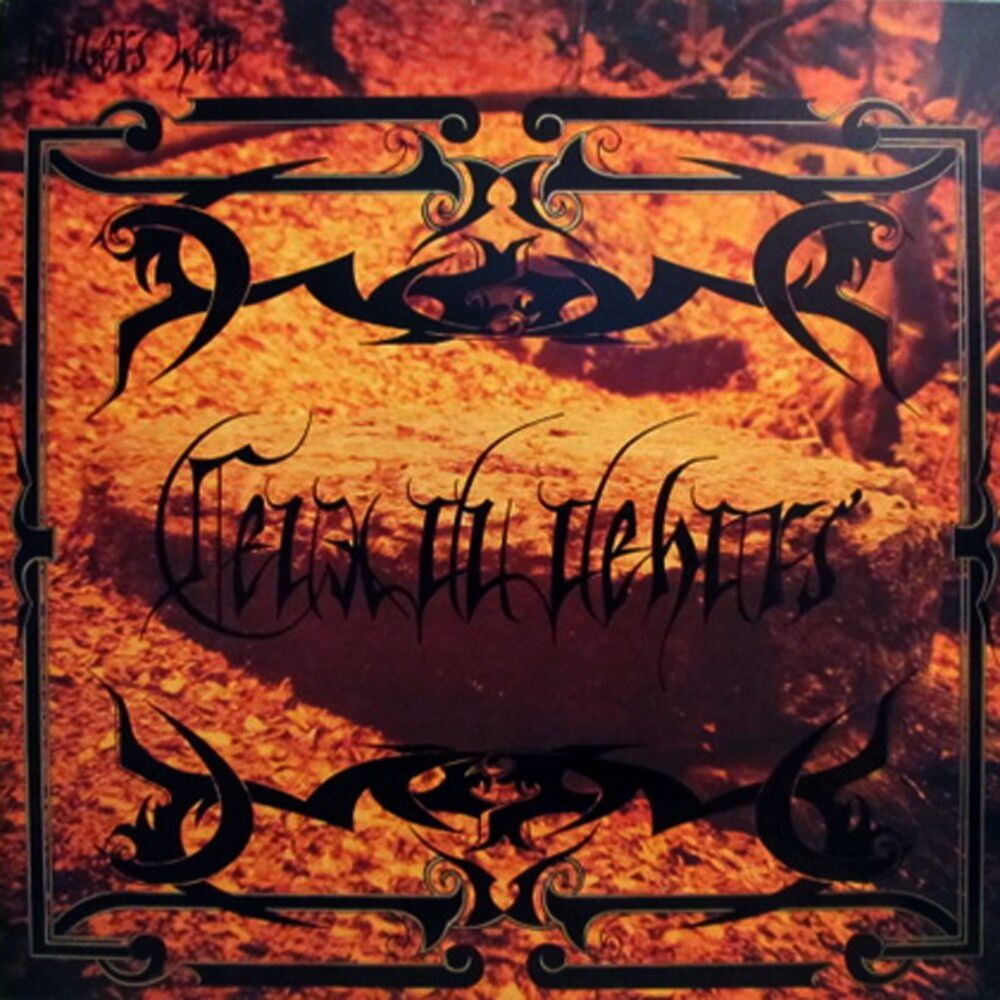
Univers Zéro — Ceux du dehors (1981)
Be the first to rate—If Hérésie is too much at once, this is the way in. By 1981 the band had added synthesizers and a little air, trading some menace for momentum without going soft. "Dense" earns its title; the writing is sharper and the playing looser. The connoisseur's pick when the connoisseur wants to actually enjoy themselves.
- 9

Art Zoyd — Symphonie pour le jour où brûleront les cités (1976)
Be the first to rate—Univers Zéro's stranger French neighbor. Art Zoyd built dense, electroacoustic chamber music with the same Rock-in-Opposition severity — the title translates to "symphony for the day the cities burn," which tells you the mood. Less rhythmically locked than zeuhl proper, more cinematic; they later scored silent films like Nosferatu, which fits. For listeners who want the dread without the chant.
- 10
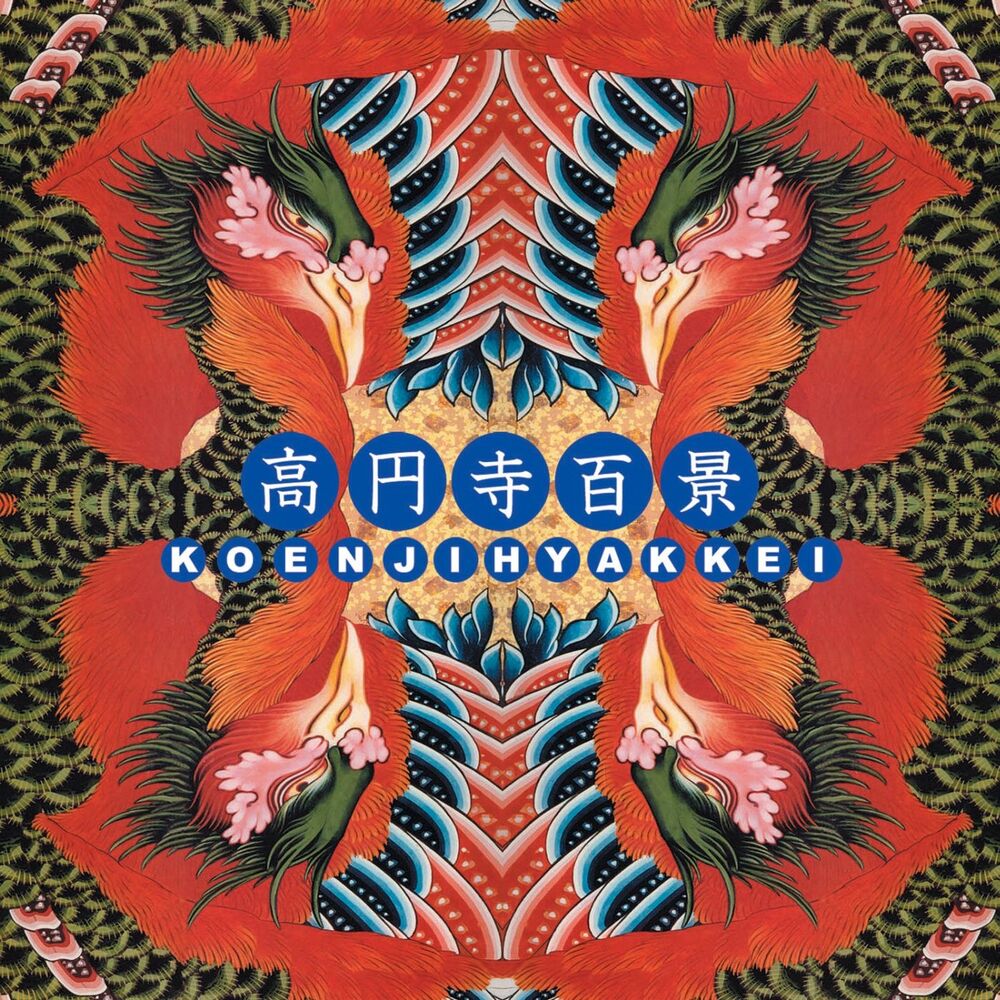
Koenjihyakkei — the Japanese revival begins
Be the first to rate—Zeuhl didn't die in France; it moved to Japan. Tatsuya Yoshida — drummer of the berserk duo Ruins — formed Koenjihyakkei in 1991 as an open tribute to Magma, then made something faster and more deranged than the source. Vocalist Aki Kubota chants Kobaïan-style nonsense at impossible tempos while the band detonates around her. This is zeuhl on amphetamines, and one of the few descendants that arguably out-intensifies its parent.
- 11

Koenjihyakkei — Dhorimviskha (2018)
Be the first to rate—Proof the genre is still being written. After a long gap Yoshida returned with Dhorimviskha, and it's no nostalgia exercise — tighter, heavier, more compositionally berserk than anything the band had done. If you assumed zeuhl was a sealed 1970s artifact, this is the record that argues otherwise. RYM voters certainly think so; it charts high among modern entries in the genre.
- 12

Ruins — Hyderomastgroningem (1995)
Be the first to rate—Yoshida's other band, stripped to bass and drums and the same invented-language howling. Ruins isn't strictly zeuhl — it's closer to a noise-rock fever dream — but it shares the Magma instinct for repetition pushed to the edge of violence, plus Yoshida's habit of singing in a tongue that exists only in his head. The bridge between the French original and the Japanese underground that kept it breathing.
- 13

Magma — Zëss (2019)
Be the first to rate—A 45-minute single piece Vander had been chasing since the 1970s, finally recorded with full orchestra in 2019. Half a century after he invented the language, the founder closed a loop — Zëss is the end of the world as choral symphony, and it's genuinely great, not a victory lap. The closing argument that zeuhl was never a 70s fad but a lifelong project. Hear where it started, then hear where it landed.
Explore the sound
Artists in this guide
Read next
Albums about grief: the records you reach for when someone dies
Mourning, set to music. Sixteen albums that don't fix the loss. They sit with you in it.
Dark jazz: the canon for 4 a.m.
Slow tempos, muted brass, and a sense that something bad already happened. The records that built doom jazz.
Midwest emo: the long genealogy, 1993 to the twinkle revival
Three decades of clean-tone guitars, open tunings, and voices that crack on purpose — first wave to the kids who rebuilt it.
Sophisti-pop: the canon for after midnight
Saxophones, fretless bass and heartbreak in expensive clothing — the most elegant music Britain made in the 1980s.
Got your own ranking? Build a list or tier of your own.