


Guides/A Riffiter guide
Sophisti-pop: the canon for after midnight
Saxophones, fretless bass and heartbreak in expensive clothing — the most elegant music Britain made in the 1980s.
Sophisti-pop is the polished, jazz- and soul-inflected strain of British pop that emerged in the mid-1980s — lush production, fretless bass, fading saxophones and lyrics of grown-up ache. This guide ranks fourteen essential albums, from Roxy Music's Avalon (1982) and Sade's Diamond Life (1984) through The Blue Nile's Hats (1989) and Prefab Sprout's Steve McQueen (1985).
For a while sophisti-pop was a punchline — yuppie music, dinner-party music, the sound of a Filofax. RateYourMusic and a generation of Blue Nile obsessives have spent the last decade quietly correcting the record. What looked like surface gloss in 1986 turns out to be one of the most emotionally precise movements British pop ever produced: songwriters who'd absorbed jazz and Philly soul, dressed their heartbreak in immaculate production, and let a single fretless bass note carry more longing than a whole guitar solo.
The house style is unmistakable: clean reverb, a saxophone arriving late and leaving early, drum machines that breathe, a voice holding back rather than belting. It's music for the walk home at 2am, for cities seen from a hotel window, for being well-dressed and quietly devastated. Here's where to start — ranked, with the cult records the genre's own fans rate highest sitting near the top.
- 1
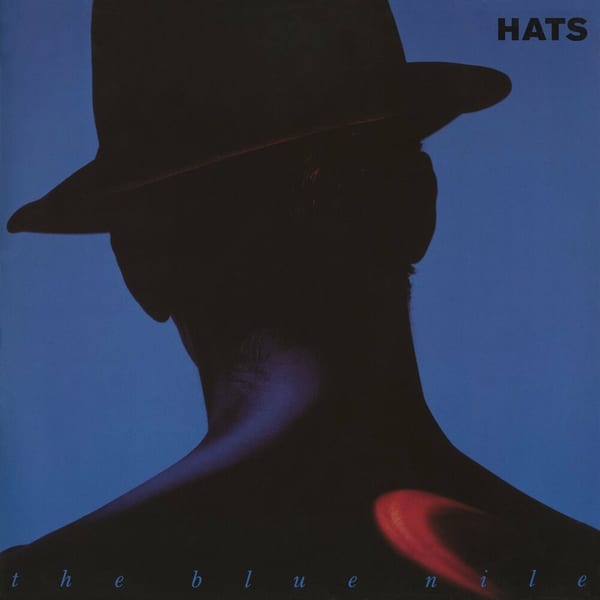
Hats
Be the first to rate—The genre's holy text. Paul Buchanan sings like a man phoning from an empty city; the synths shimmer and recede; “The Downtown Lights” is seven minutes of pure nocturnal ache. Released in 1989 on Linn (the hi-fi manufacturer's own label, which tells you everything about the fidelity), Hats took five years to make and sounds like it — every reverb tail placed by hand. The single most beloved sophisti-pop record on RYM, and deservedly.
- 2
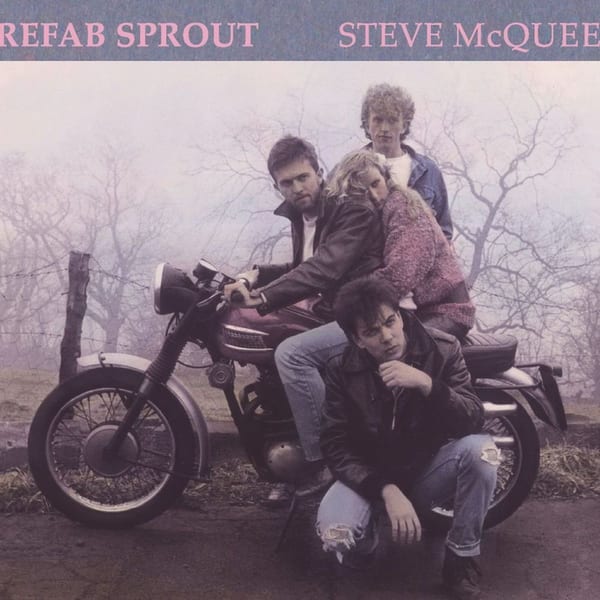
Steve McQueen
Be the first to rate—Paddy McAloon is the movement's great songwriter, and Steve McQueen (1985, produced by Thomas Dolby) is where his vision arrived fully formed. Chord changes a jazz musician would envy, words too clever to be cool, and Dolby's production keeping it all weightless. “When Love Breaks Down” and “Appetite” are perfect pop; the deep cuts reward a decade of listening.
- 3
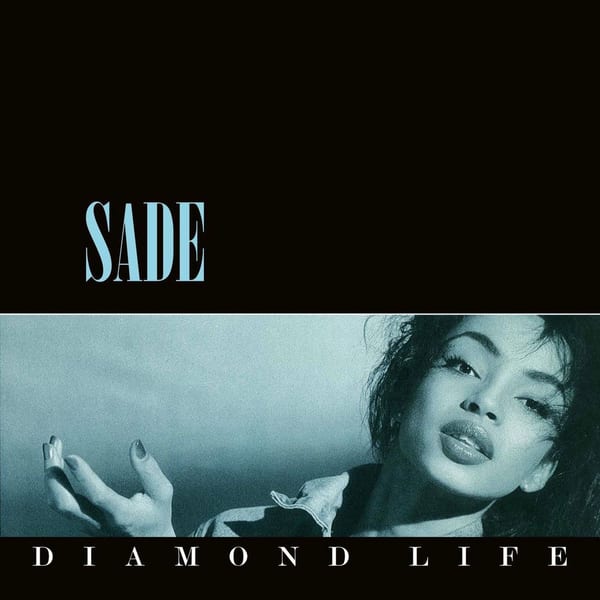
Diamond Life
Be the first to rate—The album that made the whole aesthetic commercial. Sade Adu's 1984 debut on Epic — “Smooth Operator,” “Your Love Is King” — connected the dots between Roxy Music cool and Philadelphia soul, and sold by the truckload without ever raising its voice. Decades of bad imitations turned it into wallpaper; go back to the source and hear how restrained and strange it actually is.
- 4
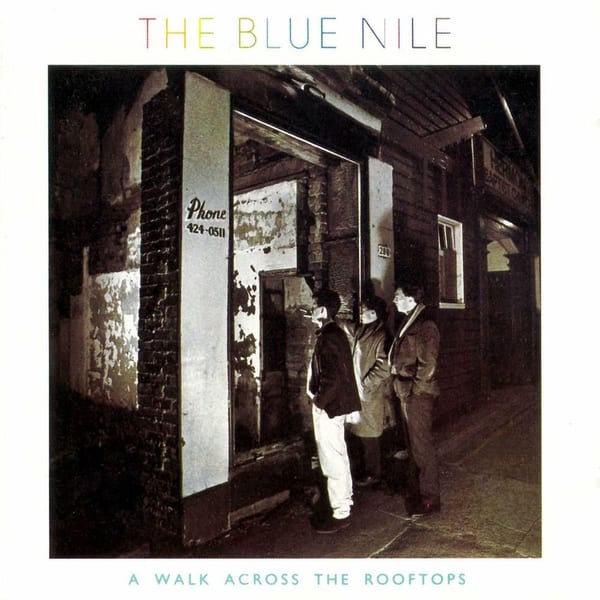
A Walk Across the Rooftops
Be the first to rate—Before Hats there was the 1984 debut, sparser and stranger, all synthetic strings and held breath. “Tinseltown in the Rain” is the standout — a love song that sounds like watching the city flood. Some Blue Nile devotees rate it above Hats for exactly this austerity. Either way, you need both.
- 5
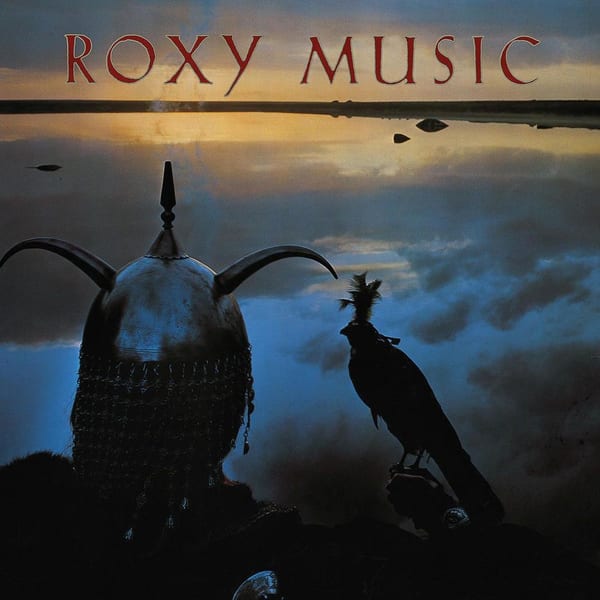
Avalon
Be the first to rate—The record that arguably started it all. By 1982 Bryan Ferry had sanded every rough edge off Roxy Music, leaving a 40-minute cruise of synth haze, fretless bass and that murmured croon. Often cited as the first sophisti-pop album; certainly the most glamorous. The blueprint for everything that followed — the saxophone, the smoke, the expensive melancholy.
- 6
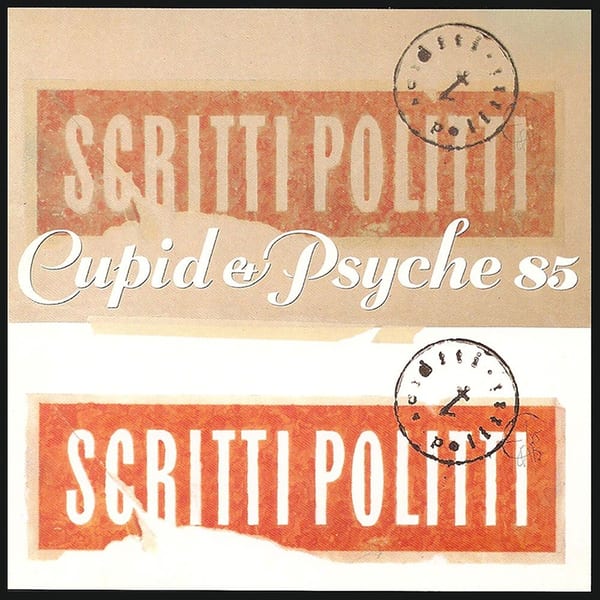
Cupid & Psyche 85
Be the first to rate—Green Gartside started in scratchy post-punk and ended up making the slickest pop on earth. Cupid & Psyche 85 weaponises studio gloss in the service of impossibly catchy songs — “Wood Beez,” “The Word Girl,” “Perfect Way” — built with New York session players and a theorist's brain. Sophisti-pop's most intellectual prankster, hiding deconstruction inside chart hits.
- 7
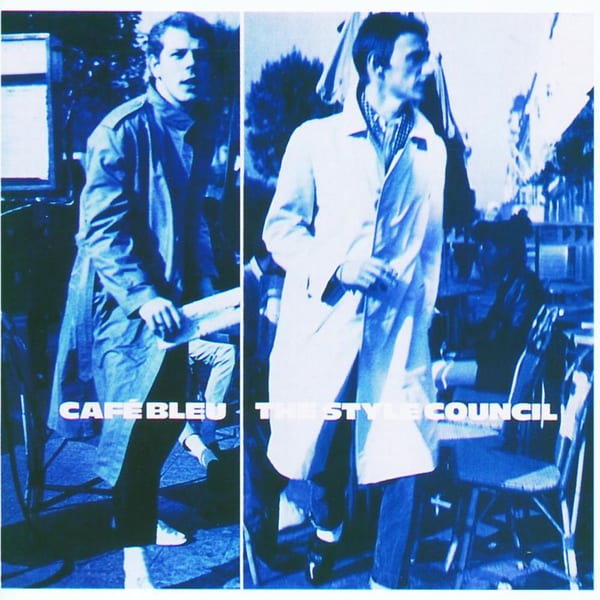
Café Bleu
Be the first to rate—Paul Weller burned down The Jam to do this: jazz, soul, French café affectation and a few genuinely great songs, all on 1984's Café Bleu. It's uneven and willfully pretentious, which is half its charm — a punk star discovering Curtis Mayfield and Modern Jazz Quartet in public. “You're the Best Thing” is one of the decade's finest soul ballads.
- 8
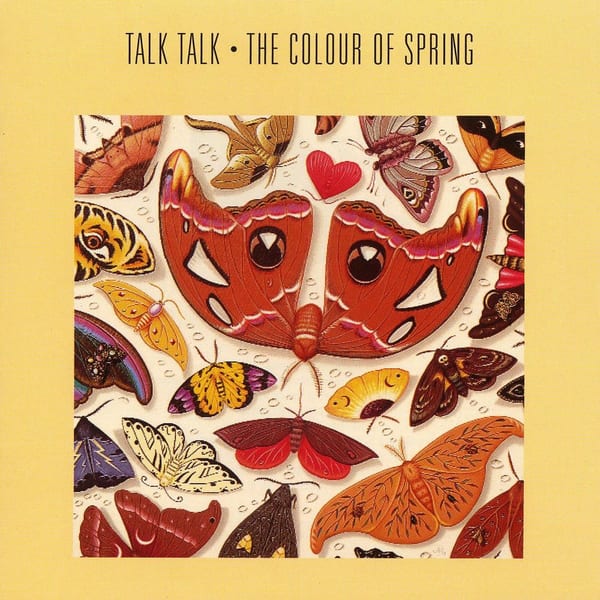
The Colour of Spring
Be the first to rate—Before Talk Talk dissolved pop entirely on Spirit of Eden, they made this — 1986's lush, organic, gorgeous The Colour of Spring. Mark Hollis's voice over real instruments breathing in real rooms; “Life's What You Make It” is the hit, but the album is a slow tide. The most sophisticated end of sophisti-pop, one step from inventing post-rock.
- 9
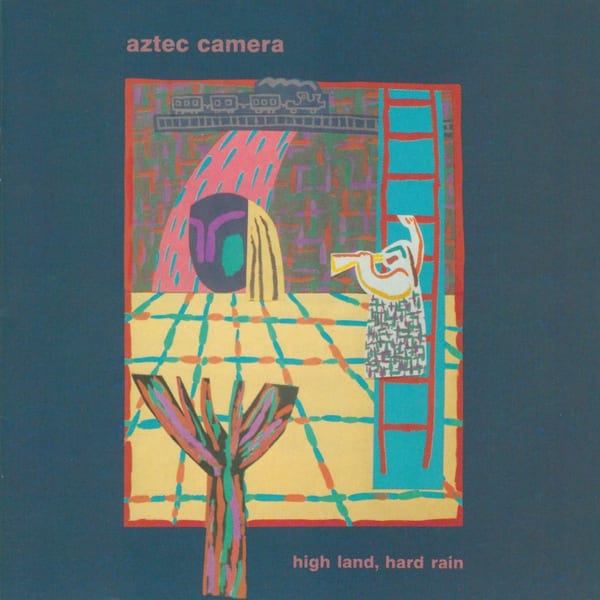
High Land, Hard Rain
Be the first to rate—Roddy Frame wrote these songs as a teenager, which is faintly unfair. The 1983 debut is jangle and acoustic dazzle shading into the genre's jazzier sophistication — “Oblivious,” “Walk Out to Winter.” Postcard Records precocity grown into something lasting; the bridge between Scottish indie and the glossier sound to come.
- 10
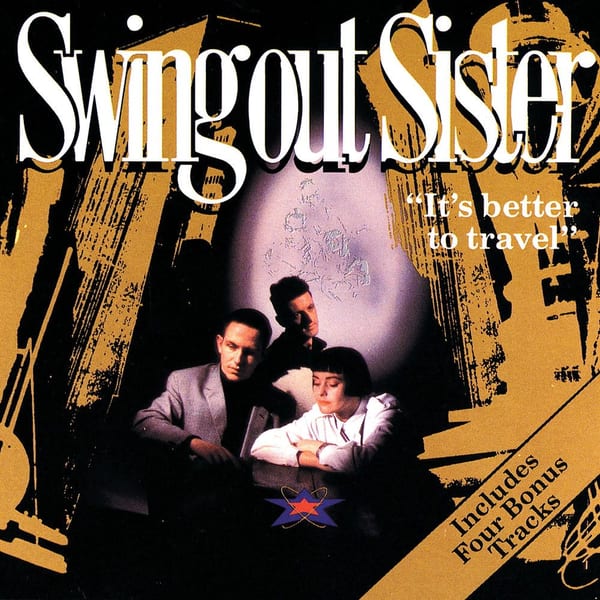
It's Better To Travel (Deluxe Edition)
Be the first to rate—The genre at its brightest and most brass-forward. Corinne Drewery's voice over Andy Connell's Northern-soul-meets-jazz arrangements; “Breakout” (1987) is a horn-driven rush of pure uplift, and the rest of It's Better To Travel keeps the standard. Often filed as too pop for the cool kids — which is precisely why it's aged better than its reputation.
- 11
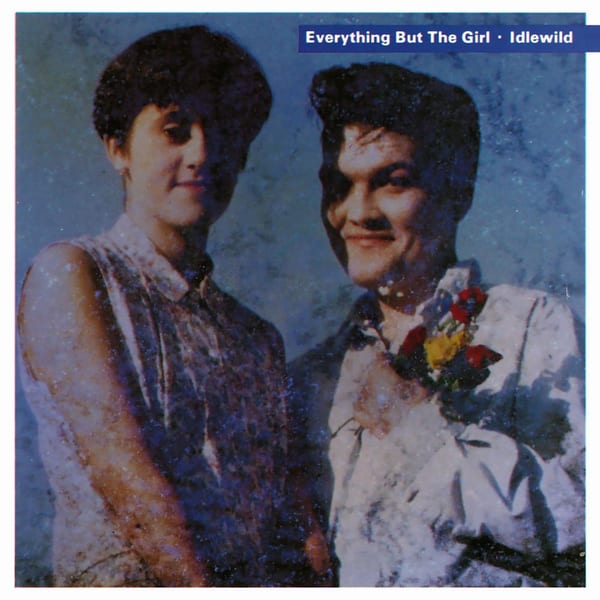
Idlewild
Be the first to rate—A decade before they reinvented as a drum-and-bass act, Tracey Thorn and Ben Watt made hushed, jazz-literate pop. Idlewild (1988) is their warmest — Thorn's contralto over brushed drums and strings, including the standout cover of “I Don't Want to Talk About It.” Bedsit melancholy with conservatoire chops.
- 12
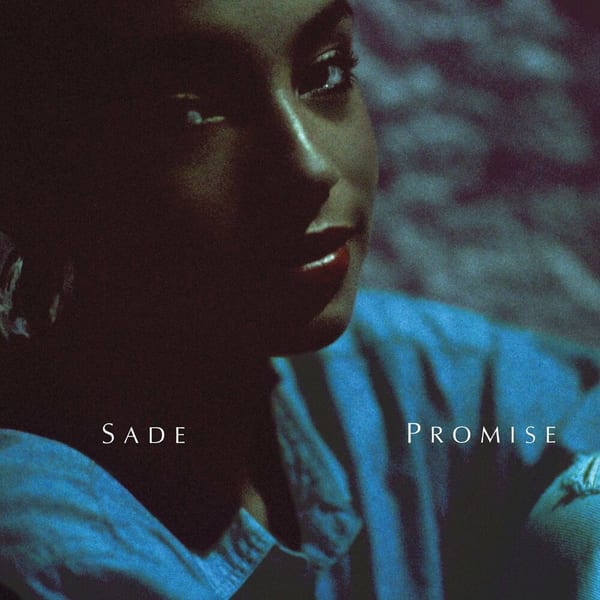
Promise
Be the first to rate—The 1985 follow-up that proved Diamond Life was no fluke — “The Sweetest Taboo,” “Is It a Crime,” a band locking into the groove that would carry them for forty years. More confident and a touch darker than the debut. Sade the band (not just Adu) come fully into focus here.
- 13
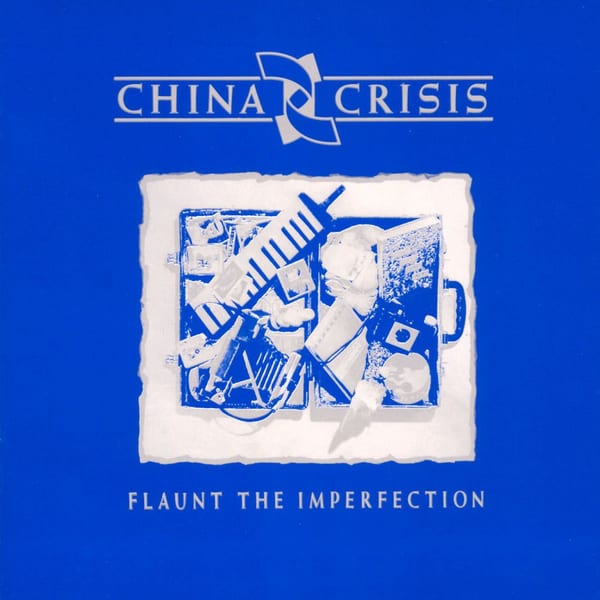
Flaunt the Imperfection
Be the first to rate—Steely Dan's Walter Becker produced this 1985 record, and it shows — the same precision and harmonic richness, transplanted to Liverpool. “Black Man Ray” and “King in a Catholic Style” are deceptively gentle pop with real craft underneath. An underrated entry the genre's diggers prize.
- 14
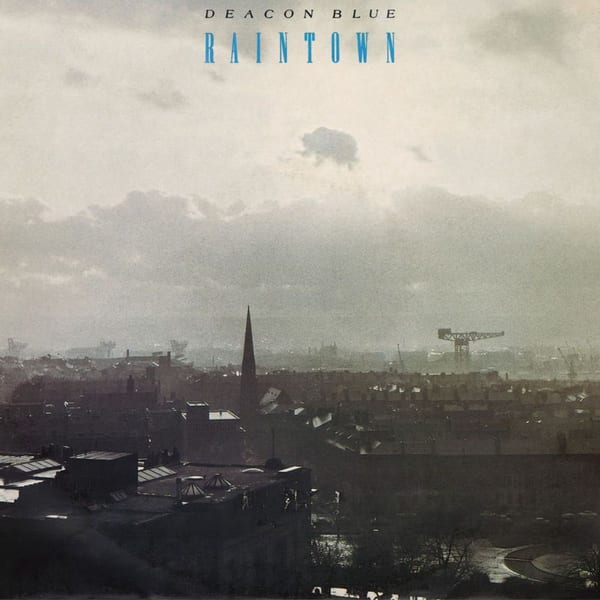
Raintown
Be the first to rate—Glasgow's answer to the form: Ricky Ross writing widescreen songs about a grey city, wrapped in 1987 production that splits the difference between sophisti-pop polish and full-throated soul. “Dignity” is the anthem, but Raintown holds together as a portrait of a place — proof the genre could carry weight as well as gloss.


Explore the sound
Artists in this guide
Read next
The best albums of 2005: the year the blogs did the A&R
Nineteen records from the year Last.fm started keeping score and a band sold 125,000 albums out of an apartment.
The best debut albums of all time: 22 records that arrived finished
First albums that needed no apprenticeship, ranked, with an honest answer to the question that follows every one of them: did they ever beat it?
Best post-punk albums: 24 records, city by city
Post-punk was never one sound. It was a different argument in every town, and this is the map.
Best power pop albums: nineteen records with perfect songs and terrible luck
Beatles melody at Who volume, three minutes flat, almost never a hit. The canon of the genre that kept losing.
Got your own ranking? Build a list or tier of your own.