


Guides/A Riffiter guide
The best debut albums of all time: 22 records that arrived finished
First albums that needed no apprenticeship, ranked, with an honest answer to the question that follows every one of them: did they ever beat it?
Most debut albums are a band learning what it sounds like in public. These 22 are not. From The Velvet Underground & Nico (1967, Verve) and Marquee Moon (1977, Elektra) through Nas' Illmatic (1994, Columbia) and Duster's Stratosphere (1998, Up) to Lifeguard's Ripped and Torn (2025, Matador), each arrived with the artist's whole vocabulary already invented. Ranked, with the year and label for each, plus a verdict on whether the artist ever topped it.
You can usually hear a first album working things out. The borrowed influences sit near the surface, the producer wins a few arguments he shouldn't have, and two songs exist because somebody needed forty minutes of tape.
The records below skipped that stage. Each one showed up with its own grammar, which is a separate achievement from being good: Black Sabbath got better for years afterwards, Nas never did, and Young Marble Giants broke up before the question could be asked. The order runs by how little each record needed from anyone else on arrival, which is why a home-recorded album from San Jose outranks a lot of famous first LPs.
Disagree in the comments, and rate them while you're here. That's what the stars are for.
- 1
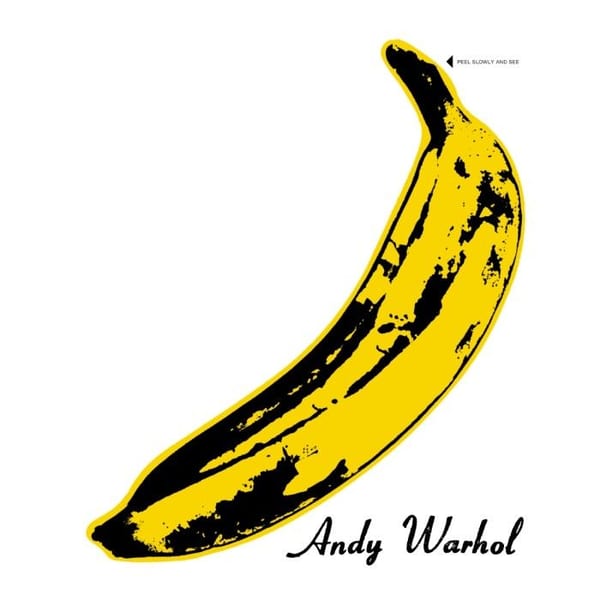
The Velvet Underground & Nico
★ 4.8 · 4—Recorded in 1966, released by Verve in March 1967, and ignored so completely that its influence had to travel through the few thousand people who bought it. Andy Warhol got the producer credit and the banana; John Cale's viola and Lou Reed's flat Long Island deadpan did the work. Nico fronts three songs and sounds like she wandered in off a different record, which is part of why it still feels wrong in the right way.
The band made three more albums, each of them arguing with this one. None of them invented as much.
- 2
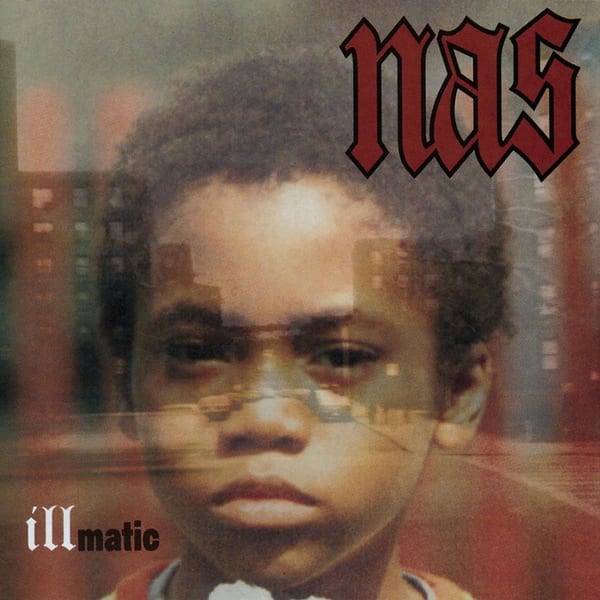
Illmatic
★ 4.6 · 6—Ten tracks, under forty minutes, a twenty-year-old from Queensbridge writing like a reporter filing from a window. Nas took beats from DJ Premier, Pete Rock, Large Professor, Q-Tip and L.E.S., which should have produced a compilation and instead produced the most unified rap album of the decade.
He sold far more records later. He never wrote better, he seems to know it, and the genre has been polite about it ever since.
- 3
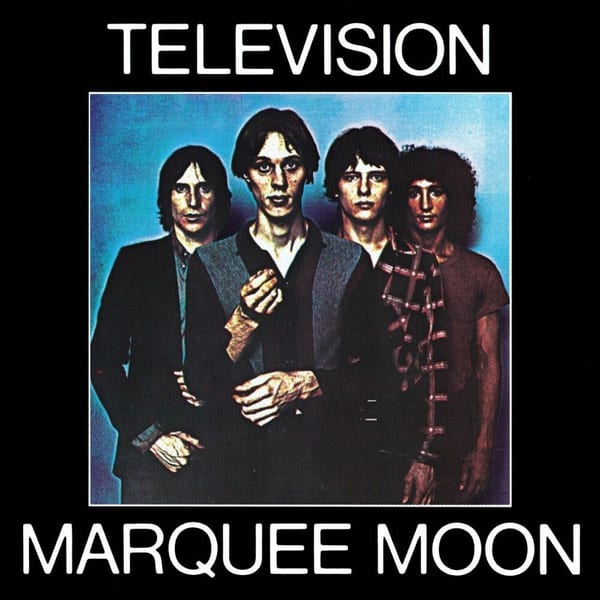
Marquee Moon
★ 4.5 · 8—CBGB's other band, and the one nobody could copy: Tom Verlaine and Richard Lloyd trading guitar lines like a jazz group that refused to swing. Elektra put it out in February 1977 to an American audience that wanted nothing to do with it, while the British press treated it as news.
Adventure followed a year later with better recording and less nerve.
- 4
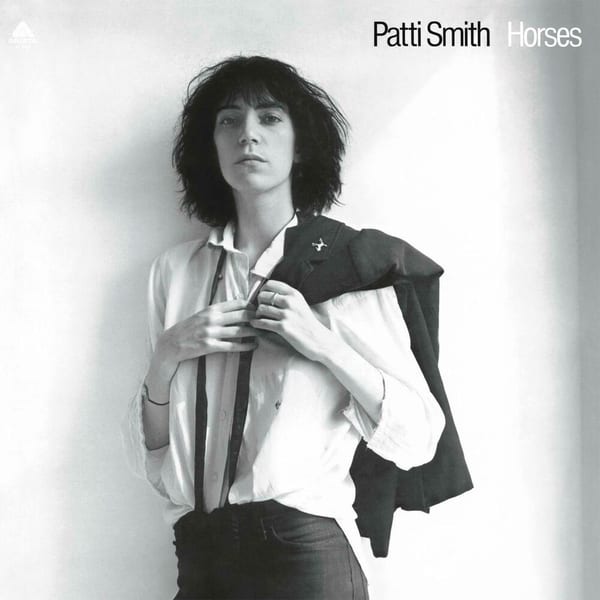
Horses
Be the first to rate—John Cale produced it, which explains the starkness and none of the nerve. "Jesus died for somebody's sins but not mine" remains the most audacious opening line anyone has spent on a first album, and the eight tracks earn it by turning poetry readings into garage rock without warning.
Easter (1978) gave her the hit single. Horses gave everyone else permission.
- 5
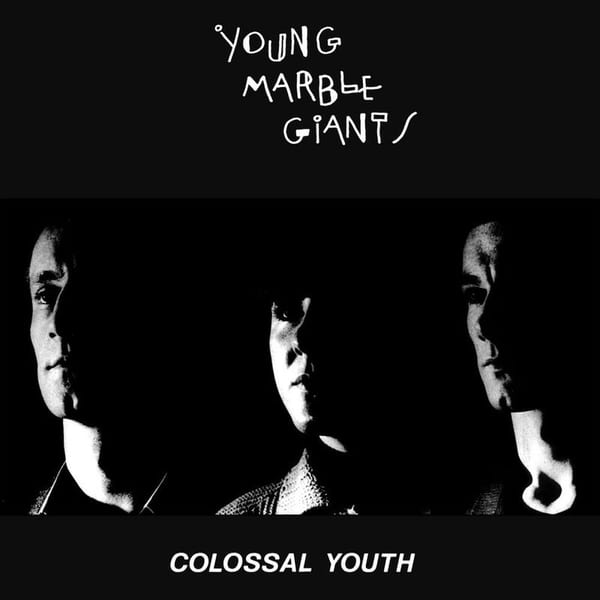
Colossal Youth
Be the first to rate—Rough Trade signed the Cardiff trio after hearing two songs on a local compilation, and got back fifteen tracks of bass, cheap organ, a homemade drum machine and Alison Statton singing as though the neighbours were asleep. Everything post-punk was doing at volume, the Moxham brothers did at conversation level.
The space it hollowed out was later occupied by Beat Happening, Belle and Sebastian and roughly every bedroom act with a drum machine. Then the band stopped. One album, no decline.
- 6
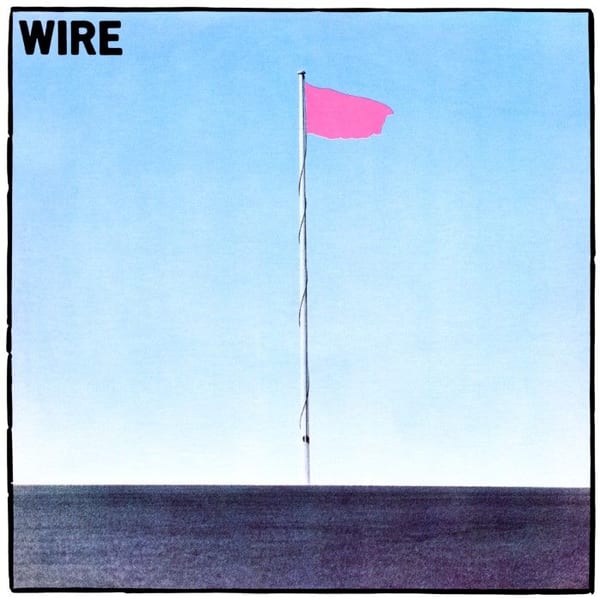
Pink Flag
Be the first to rate—Twenty-one songs in about thirty-five minutes, most of them ending the second the idea is finished, because Wire treated the verse-chorus contract as optional. On paper it reads like a joke about punk. In practice it's the blueprint for hardcore, for art rock, and for the entire Elastica catalogue.
This is one of the few here the band genuinely beat: Chairs Missing (1978) and 154 (1979) went further out. Pink Flag is where the method landed.
- 7
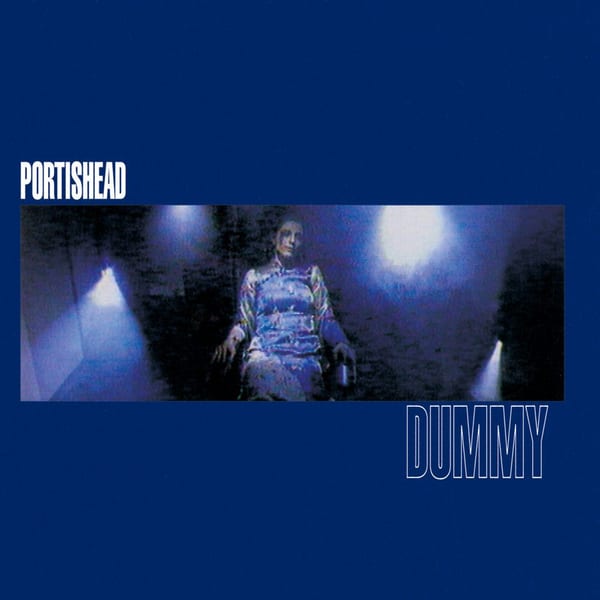
Dummy
★ 4.6 · 12—Geoff Barrow's crate digging, Adrian Utley's guitar, and Beth Gibbons singing like someone confessing in a stairwell. It won the 1995 Mercury Prize and then got resold as dinner-party furniture, a fate the record has spent thirty years escaping.
Third (2008) is the braver album. Dummy is the one with no precedent to lean on.
- 8
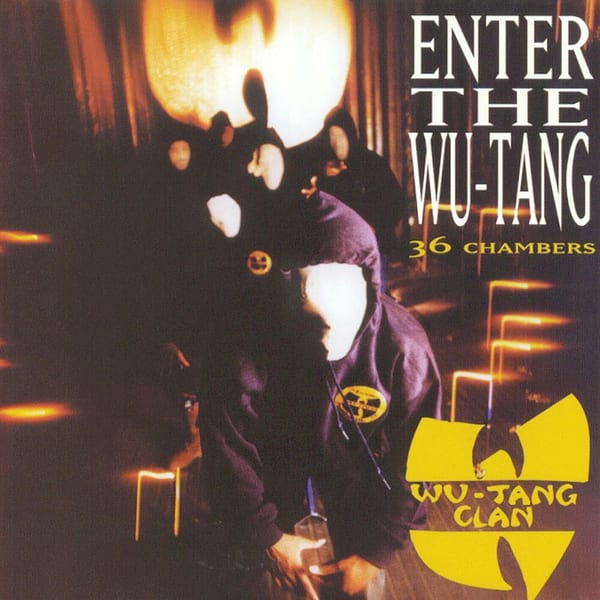
Enter the Wu-Tang: 36 Chambers
★ 4.8 · 5—Nine rappers, one producer, dusty kung-fu dialogue and RZA's half-broken drum machines. The con is structural: a group record engineered as a launchpad for nine solo deals, and it worked so well that the follow-ups (Only Built 4 Cuban Linx, Liquid Swords, Tical) count as the Clan topping itself.
Nothing they made afterwards sounds this hungry, or this cheap in the way that matters.
- 9
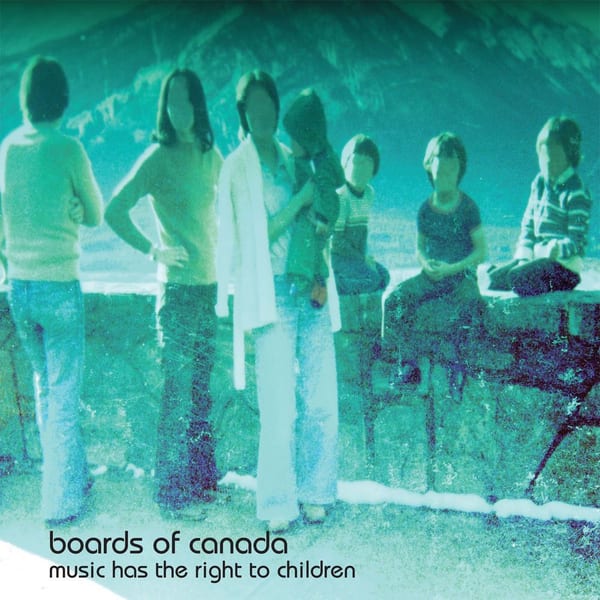
Music Has the Right to Children
★ 4.5 · 9—Recorded between 1995 and 1997 at the duo's own Hexagon Sun studio in the Pentland Hills, after years of cassettes handed to friends that Marcus Eoin and Michael Sandison still refuse to release. Warp and Skam put it out in April 1998; Matador handled America.
The tape hiss, detuned synths and half-heard children hardened into a whole aesthetic so fast that "nostalgic electronic music" now means this album whether the listener knows it or not. Geogaddi (2002) is darker and better sequenced. Ask a Warp forum which one is the classic and lose an evening.
- 10
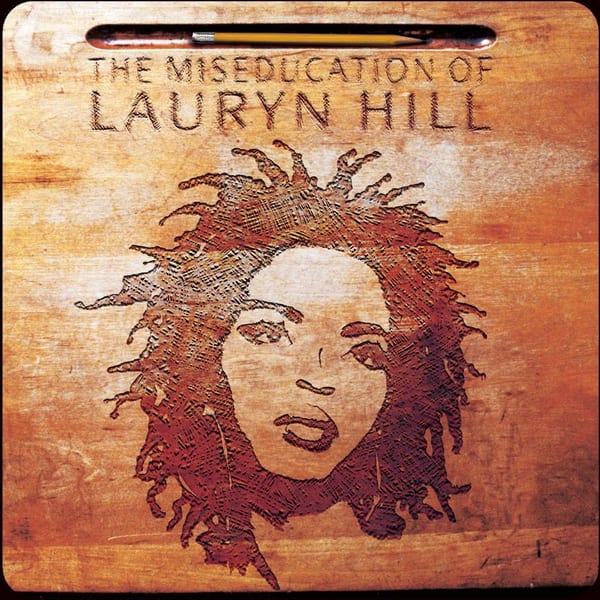
The Miseducation of Lauryn Hill
★ 4.8 · 6—Recorded partly at Tuff Gong in Kingston, released in August 1998, and the first hip-hop album to win the Grammy for Album of the Year, one of five awards it took that night. Hill was twenty-three, singing and rapping and producing her way out of the Fugees, and the record is still the strongest argument for doing all of it yourself.
There was never a second studio album. MTV Unplugged 2.0 (2002) is a different sort of document, and a harder listen than people admit.
- 11
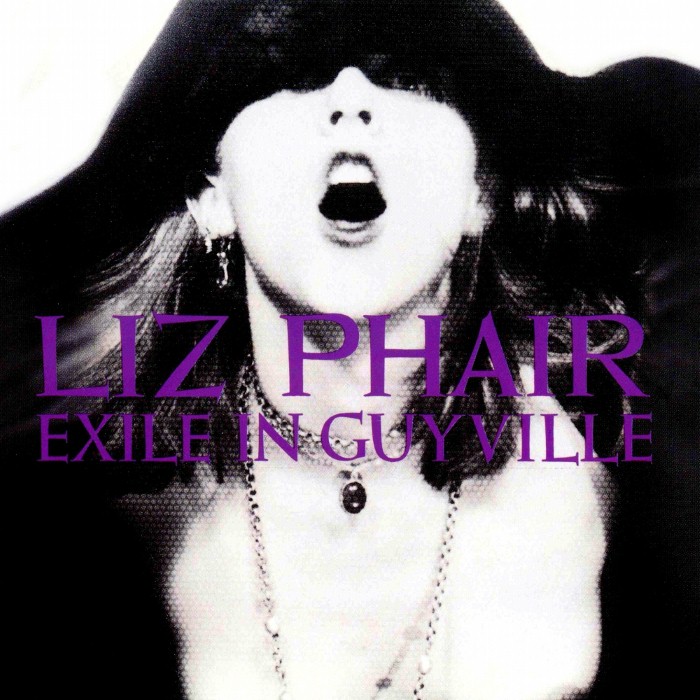
Exile in Guyville
Be the first to rate—Eighteen songs framed as a track-by-track reply to Exile on Main St., a conceit that works as a structural joke and as an actual argument depending on how closely you follow it. The songs came out of the Girly-Sound cassettes she had been dubbing at home; Matador released it in June 1993, into an indie scene fonder of discussing women in bands than listening to them.
Whip-Smart sold better. Nothing else in her catalogue is this exposed.
- 12
F♯ A♯ ∞
Be the first to rate—Five hundred copies, assembled by hand in Montreal, a photograph glued to each sleeve and a flattened coin dropped inside. The music is a field recording of the end of the world: a street preacher, a train, twenty minutes of strings deciding whether to resolve.
Kranky released a resequenced CD in June 1998 and the myth escaped Quebec. Lift Your Skinny Fists (2000) is the album most listeners rank first; this is the one that established there was a band worth ranking.
- 13
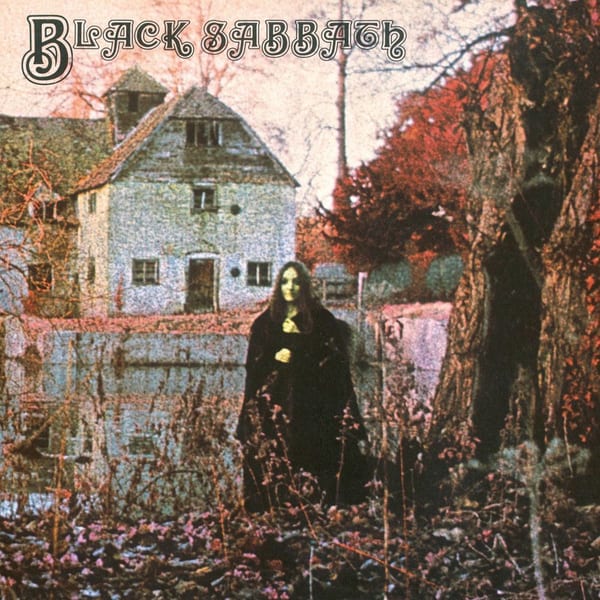
Black Sabbath
Be the first to rate—Cut in roughly a single day in October 1969 and released on Friday 13 February 1970, a detail too neat to be true except that it is. The tritone in the title track invents a genre in three notes; the rest is four Birmingham men playing blues at the wrong speed with the lights off.
Critics filed it under noise. Paranoid arrived seven months later, and Sabbath kept improving on this for four years, which takes nothing away from it as a beginning.
- 14
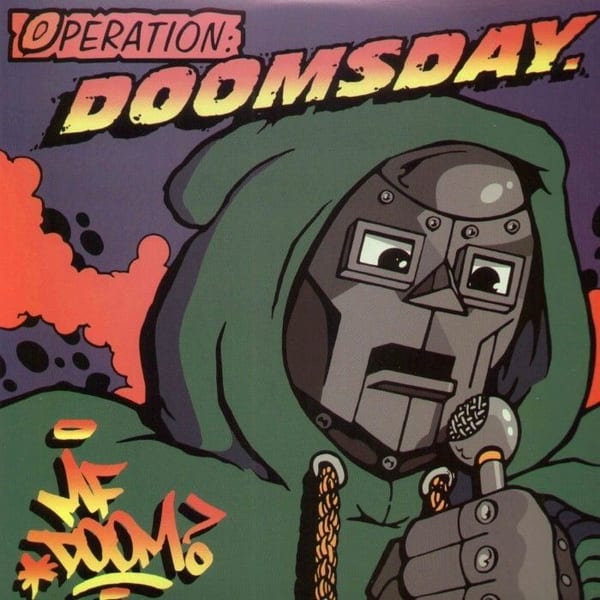
Operation: Doomsday
★ 4.4 · 6—His brother and KMD partner DJ Subroc died in 1993, Elektra shelved the group's second album, and Daniel Dumile vanished for years before turning up in a metal mask on a tiny New York label in October 1999. Doomsday runs on Fantastic Four cartoon dialogue, a wobbly Sade loop and rhymes delivered like a man reading his diary aloud in a bar.
Madvillainy (2004) is tighter and far more famous. Everything DOOM would ever do is already here, including the refusal to be legible.
- 15
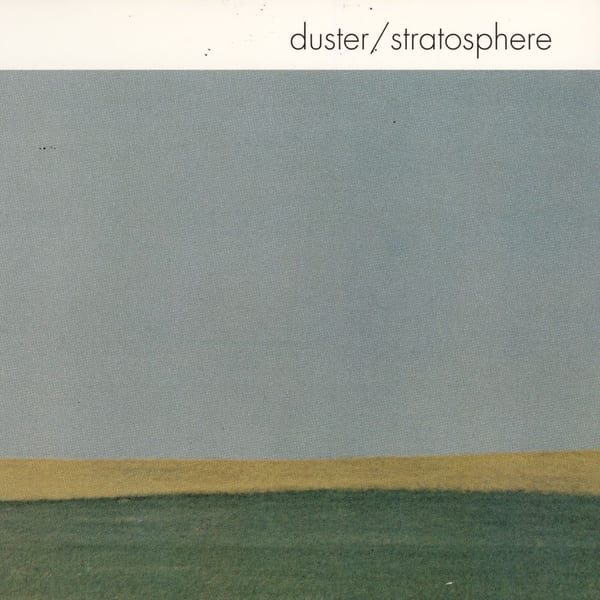
Stratosphere
★ 4.3 · 6—Clay Parton and Canaan Dove Amber recorded it themselves in San Jose on cheap gear, and it sounds like a four-track left running in a basement while two people work out how sad they are. Up Records released it in 1998; then it went out of print and out of reach, copies trading for hundreds before Numero Group reissued it in 2019.
A generation of streaming listeners decided this was what indie rock had always meant. For the 2023 anniversary Numero shot a copy into the actual stratosphere. Contemporary Movement (2000) is nearly as good and nobody mentions it.
- 16
#1 Record
Be the first to rate—Chris Bell and Alex Chilton wrote power pop's grammar before anyone had the phrase, and Ardent handed distribution to Stax, a soul label with no route into rock shops. It sold fewer than ten thousand copies in 1972.
Bell left, Chilton got stranger, and most people plant their flag on Radio City (1974) instead. But side one of this record (Feel, The Ballad of El Goodo, In the Street, Thirteen) is what every jangle band since has been rewriting.
- 17
The Modern Lovers
Be the first to rate—Recorded in 1971 and 1972, six tracks of it produced by John Cale for a Warner Bros demo session, then left in a drawer while the band came apart. Beserkley finally released it in 1976, by which point Jonathan Richman had gone acoustic and gentle and London punks were quoting Roadrunner as scripture.
Two chords, an organ, and a young man singing about loving his parents and hating drugs while sounding more alien than anyone on the Bowery.
- 18
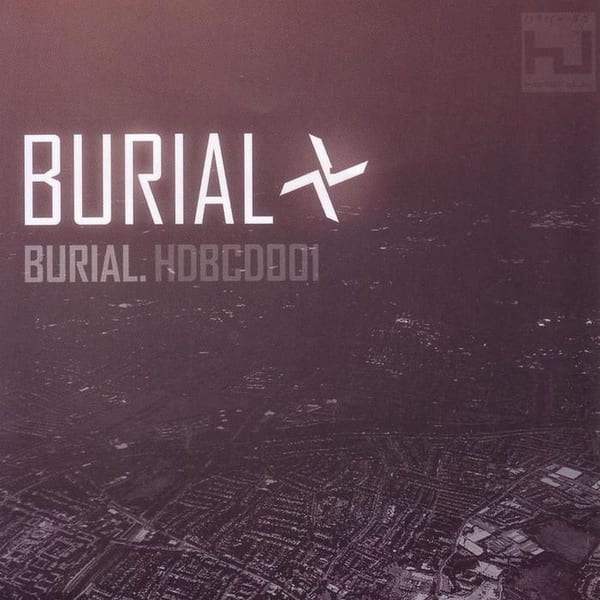
Burial
Be the first to rate—South London, no name, no photographs, and rhythm programming that puts the swing exactly where the grid should be. Hyperdub released it in May 2006: vinyl crackle, rain, voices cut into syllables, almost no melody to hold onto.
It is the rare album here whose sequel is better. Untrue (2007) does all of this with tunes. This is the blueprint that people are describing when they say dubstep and mean something else entirely.
- 19
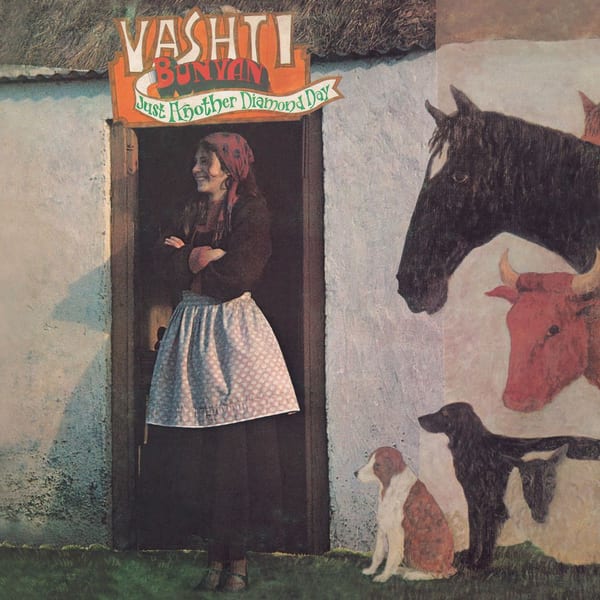
Just Another Diamond Day
Be the first to rate—Joe Boyd produced it, Robert Kirby arranged the strings, members of Fairport Convention and the Incredible String Band played on it, and Philips released it in December 1970 to total indifference. Bunyan took the failure personally and left music for thirty years.
A Spinney reissue in 2000 found the audience that had been forming without her, by which time half of freak folk had built careers on this sound. Lookaftering (2005) is a lovely record made by someone with nothing left to prove.
- 20
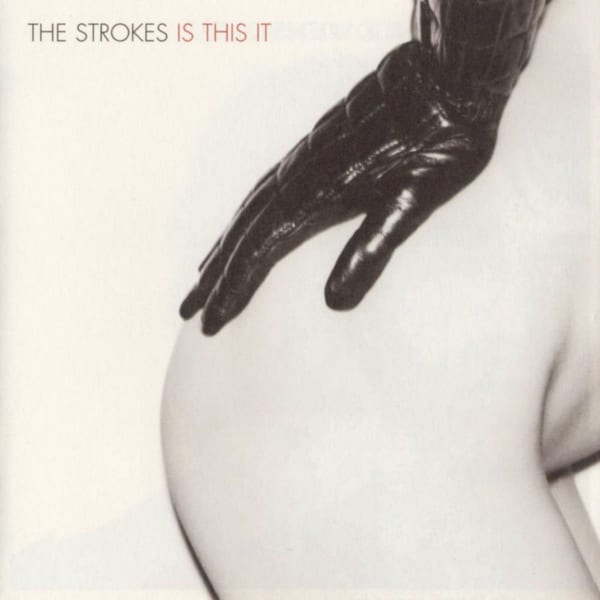
Is This It
★ 4.6 · 5—The most argued-over debut of the century, and most of the argument is about what came afterwards. Rough Trade released it in Britain in July 2001; RCA's American edition landed in October with a new cover and "New York City Cops" removed after September 11.
Eleven songs, thirty-six minutes, guitars mixed like a demo on purpose. Room on Fire is close to a rewrite, and every album since has been a band negotiating with its own first half hour.
- 21
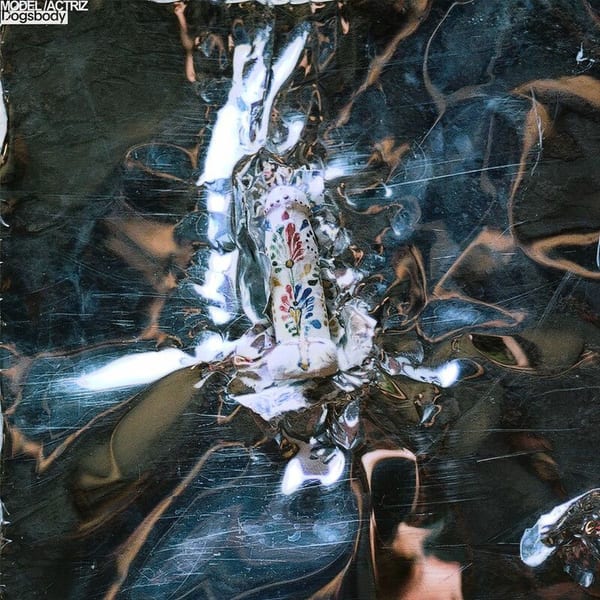
Dogsbody
Be the first to rate—True Panther released it in February 2023, and it was the first American debut in years to make industrial noise rock feel like a nightclub rather than a lecture. Cole Haden gasps and cruises through it while the band plays somewhere between Big Black and a techno set.
Pirouette (2025) followed and confirmed the first one wasn't luck. Start here anyway: Dogsbody is the one that moves like a body in a small hot room.
- 22
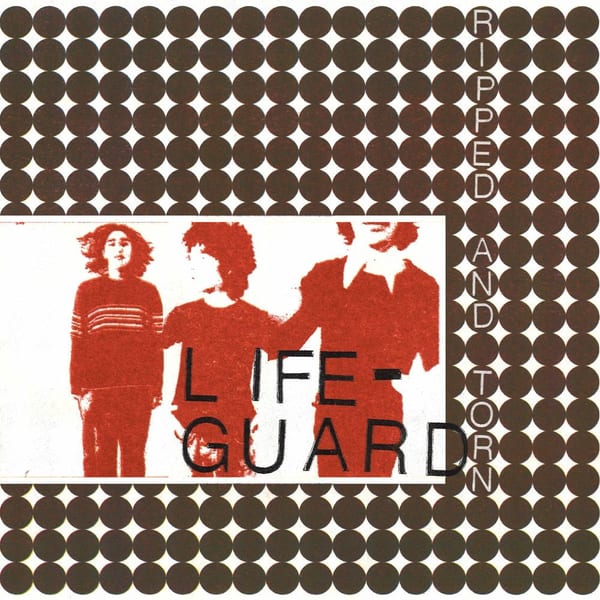
Ripped and Torn
Be the first to rate—Three Chicagoans who were still teenagers when Matador signed them, produced by Randy Randall of No Age, out on 6 June 2025. It plays like Pink Flag run through a dub desk: songs that stop early, feedback used as punctuation, and real tunes holding up underneath the racket.
A maxi-single, Ultra Violence / Appetite, arrived in March 2026. Whether this becomes a canon debut is currently being decided by the people rating it, which is the whole reason a list like this ends in the present tense.


Explore the sound
Artists in this guide
Lists with these albums
Read next
Best post-punk albums: 24 records, city by city
Post-punk was never one sound. It was a different argument in every town, and this is the map.
Best power pop albums: nineteen records with perfect songs and terrible luck
Beatles melody at Who volume, three minutes flat, almost never a hit. The canon of the genre that kept losing.
Best breakup albums: the ones that name names
Records made about one specific person walking out, not about sadness in general. Sinatra to Robyn, in the order they happened.
Best ambient albums: nineteen records for the far edge of quiet
From the Berlin School to the drone: the ambient canon, in chronological order, with no wallpaper allowed.
Got your own ranking? Build a list or tier of your own.