

Guides/A Riffiter guide
Best post-punk albums: 24 records, city by city
Post-punk was never one sound. It was a different argument in every town, and this is the map.
Post-punk ran from roughly 1978 to 1983 and came out differently in every city that made it: Cleveland's art damage, Manchester's cold reverb, Leeds's danceable agitprop, Sheffield's tape machines, Dusseldorf's sequencers. This guide maps 24 essential albums by where they were recorded, starting with Pere Ubu's The Modern Dance (1978) and ending with the Birthday Party's Junkyard (1982).
Punk had one idea and used it up in about eighteen months. What came next usually gets filed under a single word, which is a shame, because post-punk was less a genre than a set of local arguments about what a guitar band could still be for. The arguments came out differently depending on who was having them and where they lived.
In Leeds it was art students who read Debord, plus a rhythm section that could hold a dancefloor. In Manchester it was a producer with a delay unit and too much control. Cleveland had people who had heard Captain Beefheart and lived somewhere the industry was already dying. Sheffield had cheap tape machines. Dusseldorf had Conny Plank.
So this is organised as a route, not a ranking. Twenty-four albums, roughly west to east, ending in Melbourne because the story kept travelling. The omissions are deliberate and you should argue with them below.
- 1
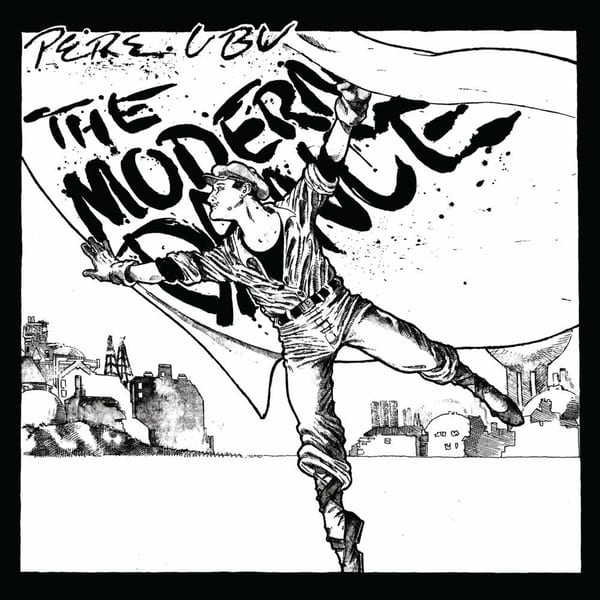
The Modern Dance
Be the first to rate—Cleveland got there first. Recorded across 1976 and 1977, released on Blank Records in February 1978, The Modern Dance has David Thomas yelping over guitars that keep dissolving into Allen Ravenstine's synthesizer squall. Almost none of it sounds like punk, and it arrived before most of the records that defined what came after punk. If you want one point where the genre starts, this is a better candidate than anything out of London.
- 2
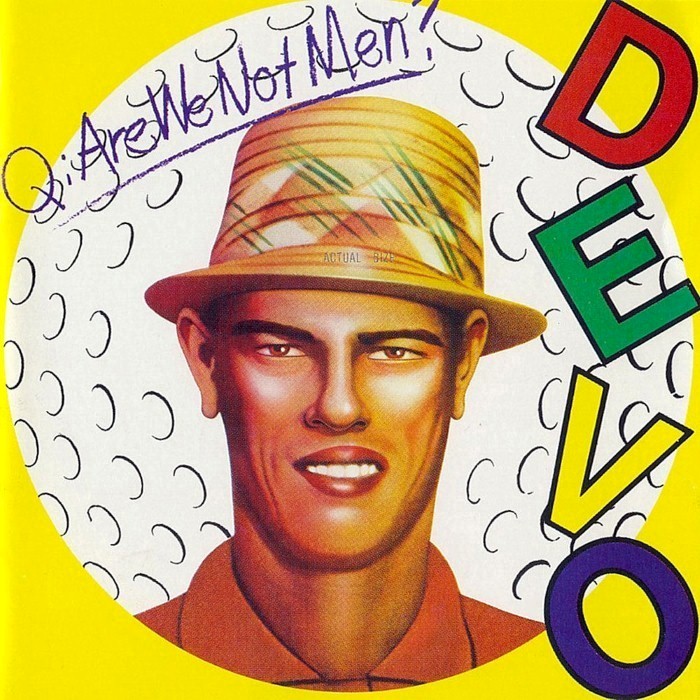
Q: Are We Not Men? A: We Are Devo!
Be the first to rate—Forty miles south of Cleveland, Akron produced the other half of the Ohio story. Brian Eno produced the 1978 debut for Warner Bros., and the band spent it turning rock and roll into a factory process: rhythms locked to the grid, guitars snapping off at right angles, a version of "(I Can't Get No) Satisfaction" with the swing removed surgically. People filed Devo under novelty for a decade. The record is colder and stranger than the jumpsuits let on.
- 3
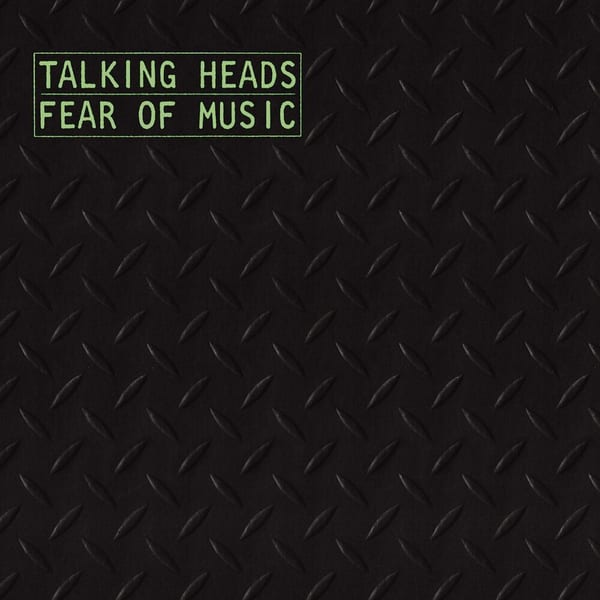
Fear of Music
★ 4.0 · 2—The third Talking Heads album, and the one where Eno stopped tidying them up and started pushing them somewhere else. Sire released it in 1979 and it is full of specific New York dread: "Life During Wartime" is about living in a city that feels like a siege, "Memories Can't Wait" about a party you cannot leave. Byrne's paranoia is funny right up until it isn't.
- 4
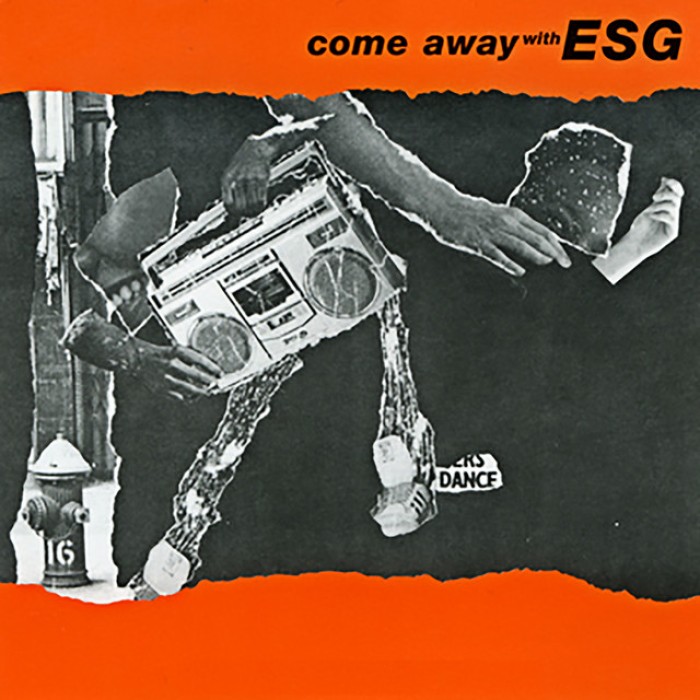
Come Away With ESG
Be the first to rate—Four sisters from the South Bronx whose mother bought them instruments to keep them off the street, making music with more empty space in it than anything else on this list. Ed Bahlman released the 1983 debut on 99 Records. "UFO" became one of the most sampled records in hip-hop and "Moody" fed early Chicago house, and ESG saw almost none of that money. It still sounds like it was cut yesterday afternoon in a bare room.
- 5
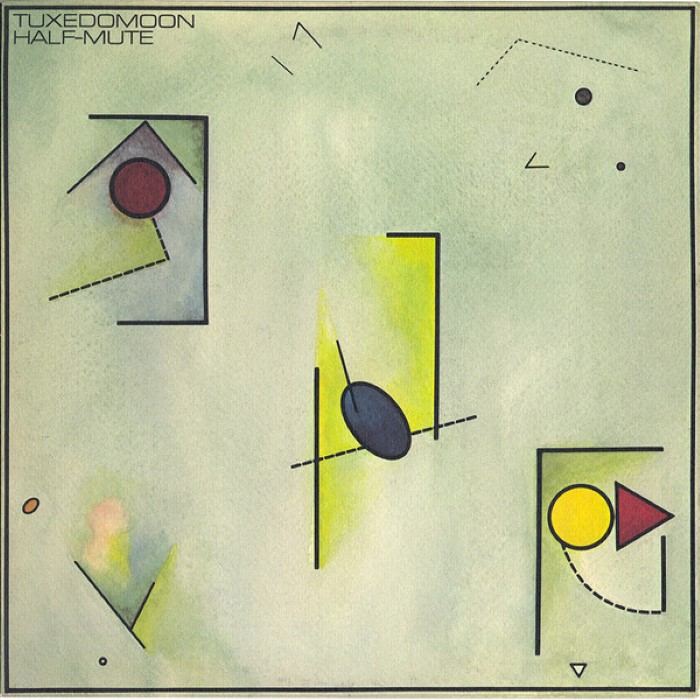
Half-Mute
Be the first to rate—San Francisco's entry is the least band-like record here. Ralph Records put out Half-Mute in 1980: violin, saxophone, drum machine, and a running sense that all of it is scoring a film nobody made. The group came out of the city's experimental theatre and electronics scene rather than its punk clubs, and you can hear the difference in every arrangement.
- 6
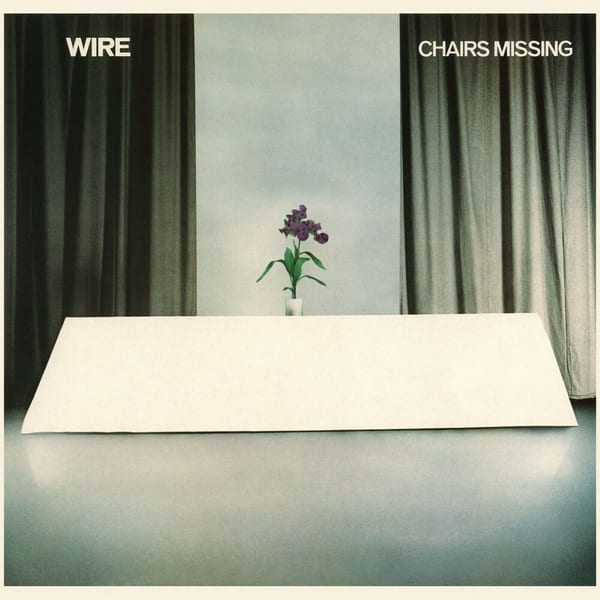
Chairs Missing
Be the first to rate—Wire's first album took punk apart across twenty-one songs. The second, on Harvest in 1978, built something else: longer forms, Mike Thorne's keyboards leaking in at the edges, "Outdoor Miner" showing up as an actual pop song with an actual chorus. Colin Newman sings like a man reading a memo about a disaster. This is where the band stopped being a punk group and became a problem for critics.
- 7
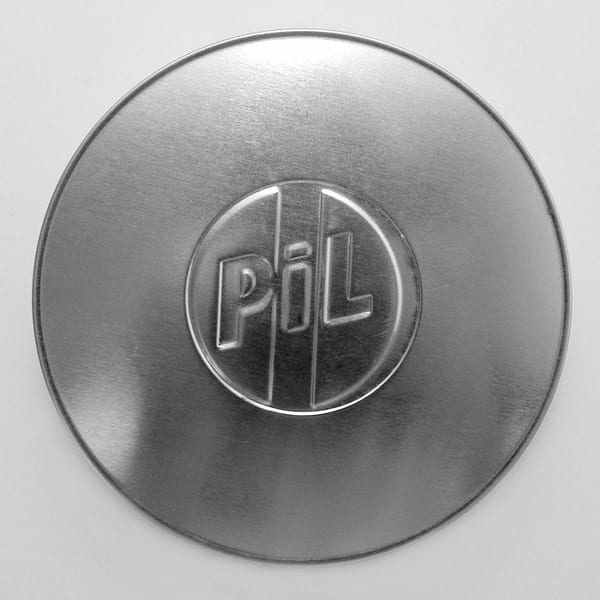
Metal Box
Be the first to rate—John Lydon left the Sex Pistols and came back with three 12-inch singles pressed at 45rpm and sold in an embossed film canister, an object Virgin agreed to make in 1979 and never repeated. Keith Levene's guitar is all treble and no comfort, Jah Wobble's bass carries the structure, and Lydon sounds like he is broadcasting from a different building. Nothing in punk prepared anyone for "Poptones."
- 8
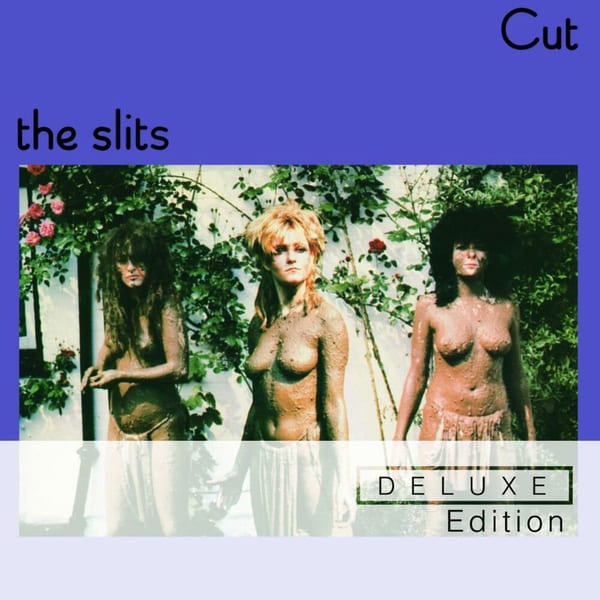
Cut
Be the first to rate—Dennis Bovell produced it, and his dub instincts are what make Cut work: bass and drums up front, guitars treated as percussion, everything given room to wobble. Island released it in 1979 with the band on the sleeve in mud and loincloths, which is what most writers covered instead of the music. Ari Up was seventeen. "Typical Girls" is still funnier and meaner than nearly everything written since in its defence.
- 9
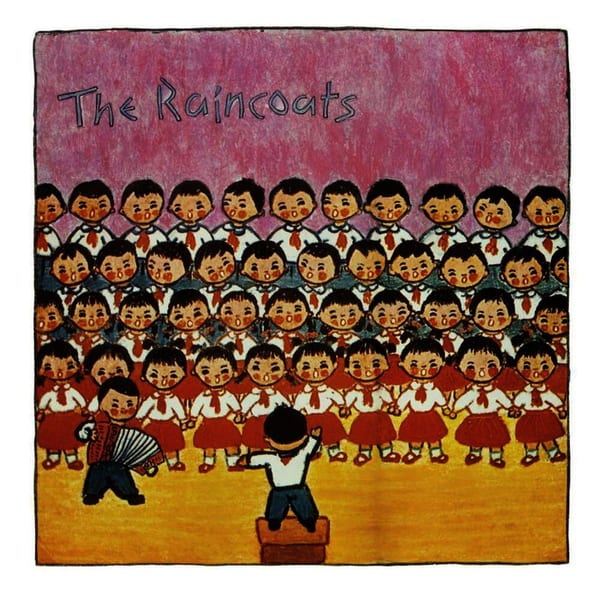
The Raincoats
Be the first to rate—Rough Trade released this in November 1979, produced by Geoff Travis and Mayo Thompson of the Red Krayola. Vicky Aspinall's violin saws across everything, the rhythms trip on purpose, and the cover of the Kinks' "Lola" turns a novelty song into something genuinely unsettled. Palmolive had just left the Slits to drum on it. Kurt Cobain's enthusiasm got the album reissued in the nineties, which is how most people found it, though it deserved better than arriving as a footnote to someone else's story.
- 10
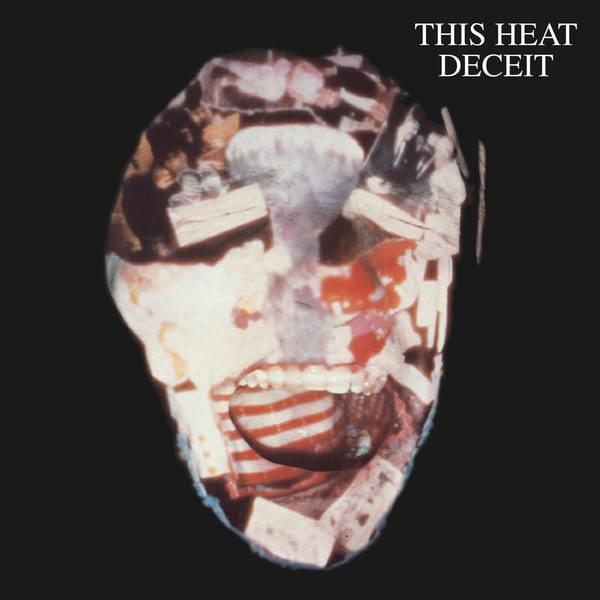
Deceit
Be the first to rate—Recorded in a disused meat pie factory in Brixton that the band converted and called Cold Storage, released by Rough Trade in 1981. Deceit is about nuclear war and English complacency, and it moves between tape collage, hammering drums and something close to folk singing without settling anywhere. Charles Hayward, Charles Bullen and Gareth Williams made two albums and stopped. This is the one that still frightens people.
- 11

Playing With a Different Sex
Be the first to rate—Birmingham's contribution, out on Human Records in May 1981, and the most direct record here about who does what to whom. Lesley Woods sings about domestic violence, faked orgasms and the women held in Armagh prison, over a band that plays taut and funk-adjacent without wasting a bar. Distributors in Northern Ireland refused to stock it because of "Armagh." It went to number one on the UK independent chart anyway.
- 12
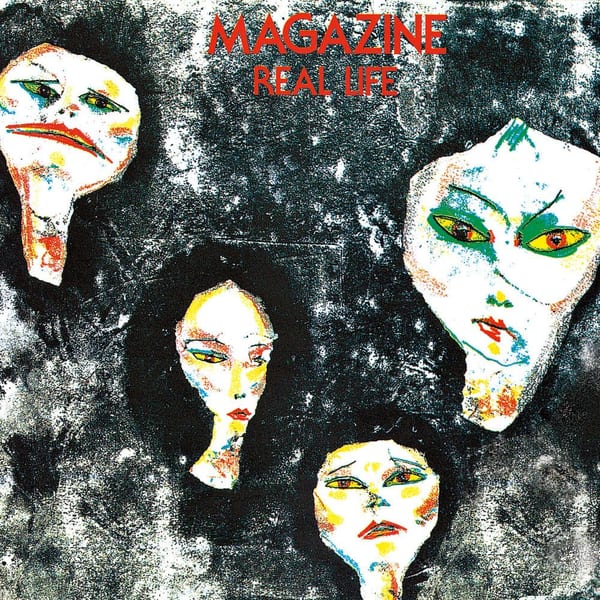
Real Life
Be the first to rate—Howard Devoto quit the Buzzcocks after one EP because he thought punk had already hardened into a formula, then made this. John Leckie produced it in 1978 at Abbey Road and on the Virgin mobile, and it has keyboards, guitar solos and a lyricist who had read too much: everything punk was supposed to have banned. "Shot by Both Sides" is the sound of a man working out that refusing to pick a side is also a position.
- 13
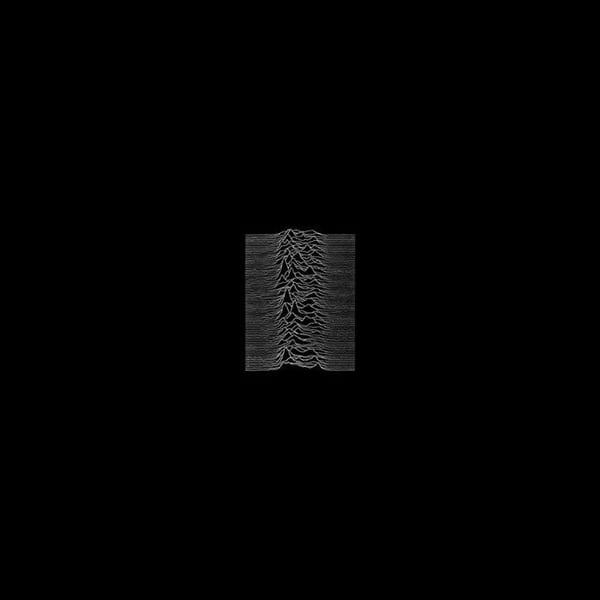
Unknown Pleasures
★ 4.8 · 5—The most famous record on this list and still stranger than its t-shirt. Martin Hannett took a fast, loud live band into Strawberry Studios in April 1979 and buried them in digital delay, room noise and space, a decision the band hated at the time. Factory released it that June in a sleeve with no band name on the front. Everything people mean when they say a record sounds like Manchester was settled here, by a producer the group was arguing with.
- 14
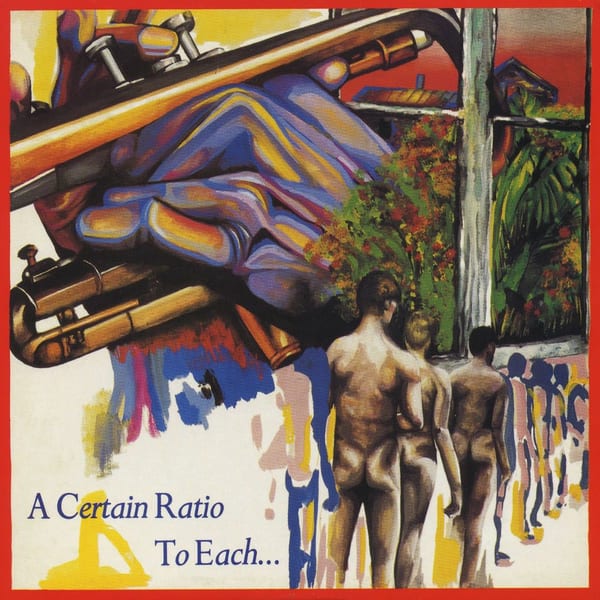
To Each...
Be the first to rate—Factory's other band, and the one that took funk seriously. Martin Hannett produced To Each... at Eastern Artists in New Jersey in 1981, which is why a Manchester album sounds like it was tracked in a warehouse in the wrong country. It went to number one on the UK independent chart and stayed on it for twenty weeks. ACR spent years being written off as Joy Division with congas, which is unfair to both bands.
- 15
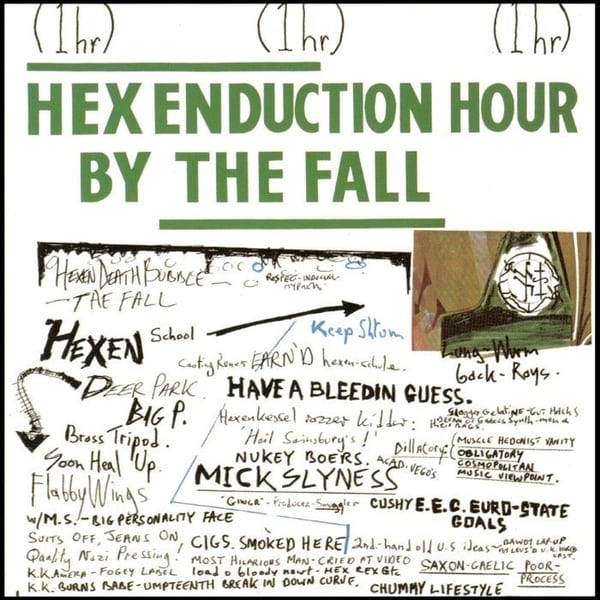
Hex Enduction Hour
Be the first to rate—An hour long, as advertised, with two drummers and Mark E. Smith at the exact point where the contempt was still funny. Kamera released it in 1982, part of it recorded in Iceland and part in a disused cinema in Hitchin. "The Classical" opens with a line so ugly it has trailed the band ever since. Of the roughly thirty Fall albums this is the one to start with, and the one most Fall obsessives never leave.
- 16
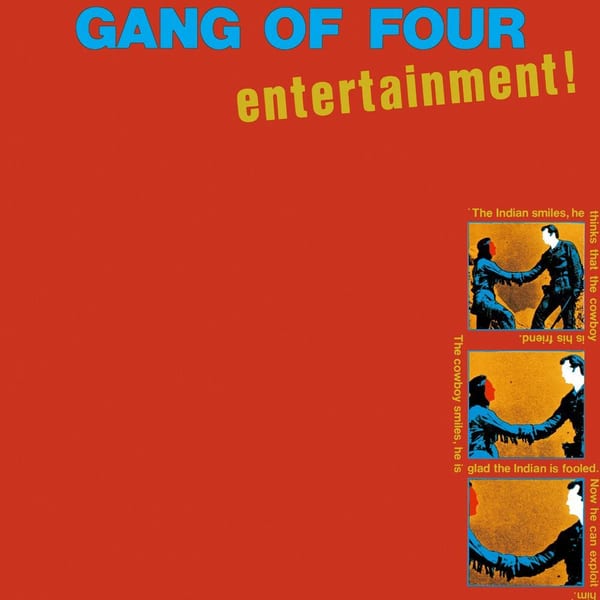
Entertainment!
Be the first to rate—Leeds art students who read Debord and then worked out how to make you dance to it. EMI released Entertainment! in 1979: Andy Gill playing guitar like a man flicking a light switch, Dave Allen's bass doing the melodic work, lyrics about how everything private has already been sold back to you. Half the guitar bands of the early 2000s lifted this record's moves and got the anger wrong.
- 17
See the Whirl
Be the first to rate—The other Leeds band, two bass players deep, and badly under-listened. The singles came first and remain the famous part, but See the Whirl (PRE Records, 1981, produced by Adam Kidron) is a real album, tighter and odder than the reputation suggests. Julz Sale trades lines with the rhythm section like she is winning an argument. It was their only LP.
- 18
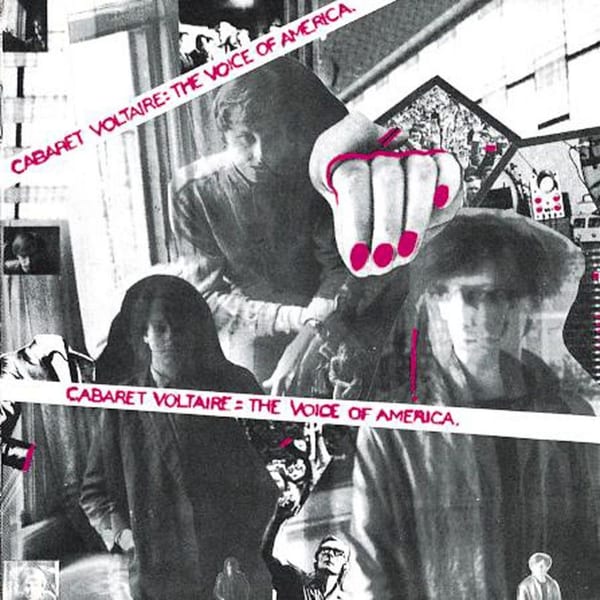
The Voice of America
Be the first to rate—Sheffield built its post-punk out of tape machines instead of guitars. Cut at the band's own Western Works over March and April 1980 and released by Rough Trade that July, The Voice of America splices television, newsreel and shortwave into rhythms that barely hold together. Chris Watson left soon after to record wildlife for the BBC, which makes a certain kind of sense. Put it next to any industrial record made since and it wins on discipline.
- 19
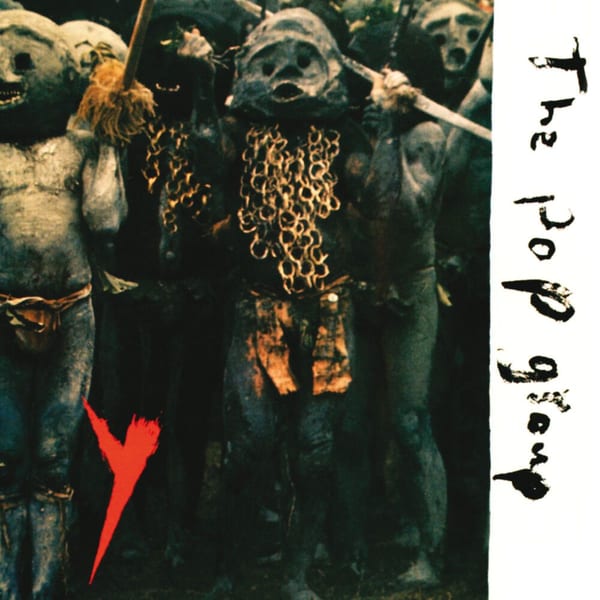
Y
Be the first to rate—Bristol, April 1979, and the first record to put free jazz, dub and political fury in one room without refereeing. Dennis Bovell co-produced for Radar, which is why the mixes keep dropping out from under you. Mark Stewart shouts like the building is on fire. The NME called it a brave failure at the time, and the NME was wrong.
- 20
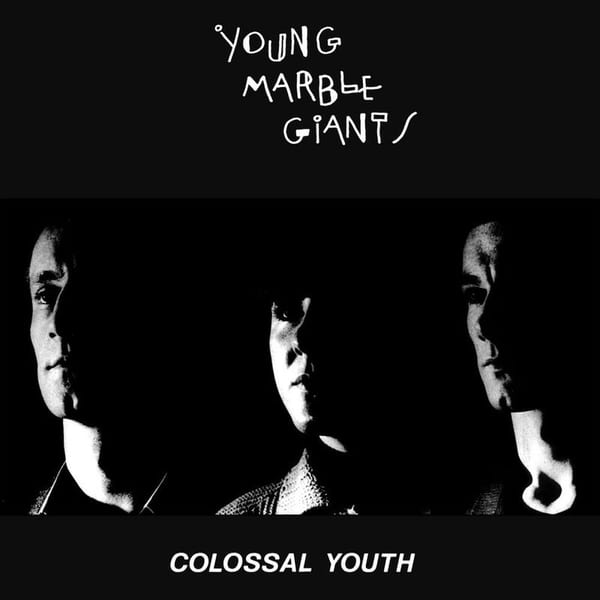
Colossal Youth
Be the first to rate—Everyone else here is loud. Three people from Cardiff made the quietest record of the era instead: a small drum machine, one clean guitar line at a time, and Alison Statton singing as though the neighbours are asleep. Rough Trade released it in 1980 and the band was finished by the following year. Nobody has improved on the formula since, though Beat Happening and most of twee pop tried.
- 21
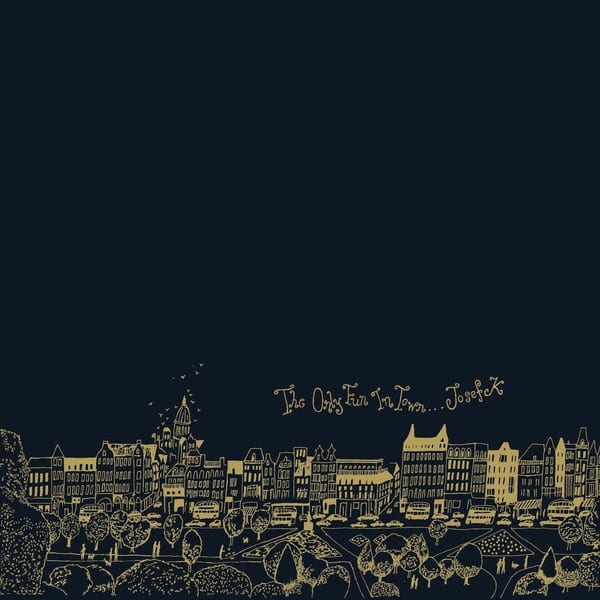
The Only Fun in Town
Be the first to rate—Postcard Records promised Scotland's answer to everything and only ever released one album, this one. Josef K recorded it in Brussels in April 1981, deliberately flat and trebly, after scrapping an earlier version they thought sounded too comfortable. Sounds gave it one star. The guitar sound Franz Ferdinand built a career on is essentially Paul Haig's, twenty years later and better funded.
- 22
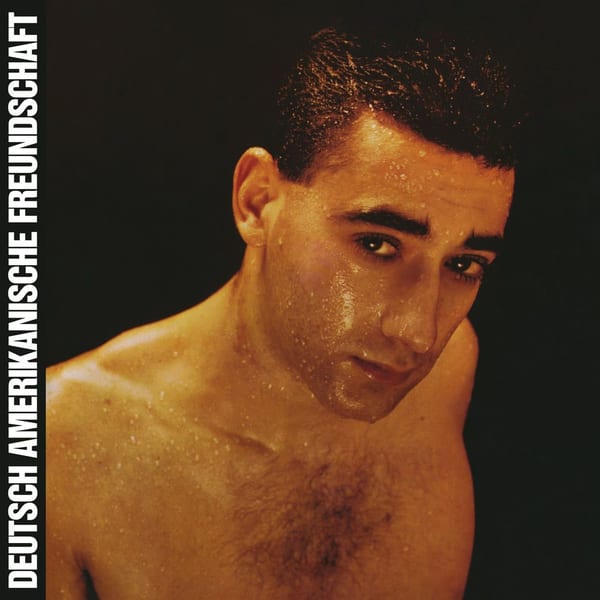
Alles ist gut
Be the first to rate—Dusseldorf, and the point where post-punk stops needing guitars at all. Conny Plank recorded it at his studio between December 1980 and January 1981, by which time DAF had shrunk to two people: Robert Gorl on drums and electronics, Gabi Delgado shouting. Virgin released it in 1981 and it spent forty-six weeks on the German chart. "Der Mussolini" instructs a dancefloor to dance like several dictators, and every EBM producer since owes it rent.
- 23
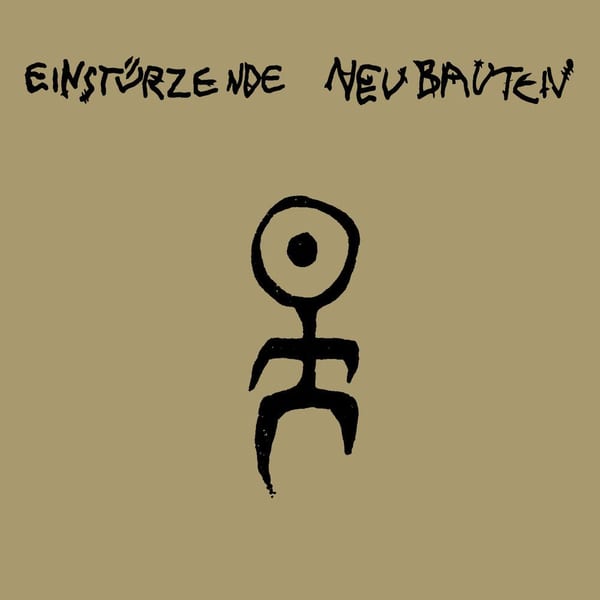
Kollaps
Be the first to rate—West Berlin, 1981, on ZickZack, made by a band that treated instruments as optional. Blixa Bargeld, N.U. Unruh and F.M. Einheit hit sheet metal, springs and power tools, then recorded the results with no apparent interest in whether you could sit through them. Kollaps is not hard listening because it is arty. It is hard listening because it hurts, which was the plan.
- 24
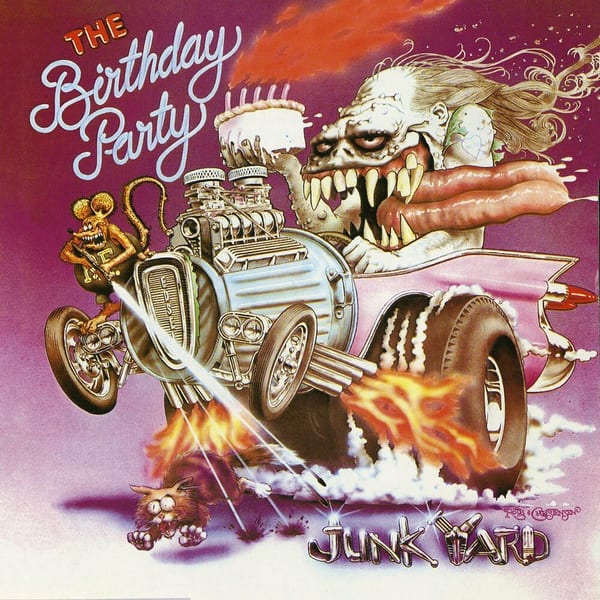
Junkyard
Be the first to rate—Melbourne's export, half recorded at AAV in Melbourne and half at Matrix in London, released by 4AD in July 1982. Nick Cave had not yet worked out what to do with his voice, so he mostly screams, and Rowland S. Howard's guitar handles the rest in rust and feedback. Junkyard is uglier than Prayers on Fire and better for it. The band came apart within eighteen months, which was always the trajectory.


Explore the sound
Artists in this guide
Lists with these albums
Read next
Best power pop albums: nineteen records with perfect songs and terrible luck
Beatles melody at Who volume, three minutes flat, almost never a hit. The canon of the genre that kept losing.
Best breakup albums: the ones that name names
Records made about one specific person walking out, not about sadness in general. Sinatra to Robyn, in the order they happened.
Best ambient albums: nineteen records for the far edge of quiet
From the Berlin School to the drone: the ambient canon, in chronological order, with no wallpaper allowed.
Best post-rock albums: eighteen records where rock stopped singing
The crescendo, the drone, the slow build — a guitar band's tools turned against the verse and chorus.
Got your own ranking? Build a list or tier of your own.