


Guides/A Riffiter guide
Midwest emo: the long genealogy, 1993 to the twinkle revival
Three decades of clean-tone guitars, open tunings, and voices that crack on purpose — first wave to the kids who rebuilt it.
Midwest emo runs from the noisy Chicago and Champaign bands of the mid-1990s through American Football's 1999 hush to the twinkle-tapping revival of the 2010s. This is the genealogy in 17 records, scene by scene and generation by generation.
Midwest emo was never really about the Midwest, and for most of its life it was barely called emo. It started as a regional accent on early-1990s post-hardcore — Cap'n Jazz screaming over guitars that twinkled instead of chugged — and hardened into a set of habits: open and alternate tunings, interlocking arpeggios played high on the neck, time signatures that wander, and a vocalist who sounds like he is reading a diary he wishes he had burned.
The lineage is unusually traceable because it kept running through the same few families. Tim and Mike Kinsella between them account for Cap'n Jazz, Joan of Arc, and American Football. Champaign, Illinois fed Braid and the Kinsella orbit. Seattle gave it Sunny Day Real Estate's louder, holier strain, and Texas produced Mineral. Then it went quiet for most of the 2000s and came back around 2007 as a download-era thing built on bedroom recordings, Bandcamp pages, and a finger-tapped guitar style fans nicknamed "twinkle."
These are the records that mark the turns. Rate the ones you have lived with, argue about the ones I got wrong, and use the order as a map rather than a verdict.
- 1
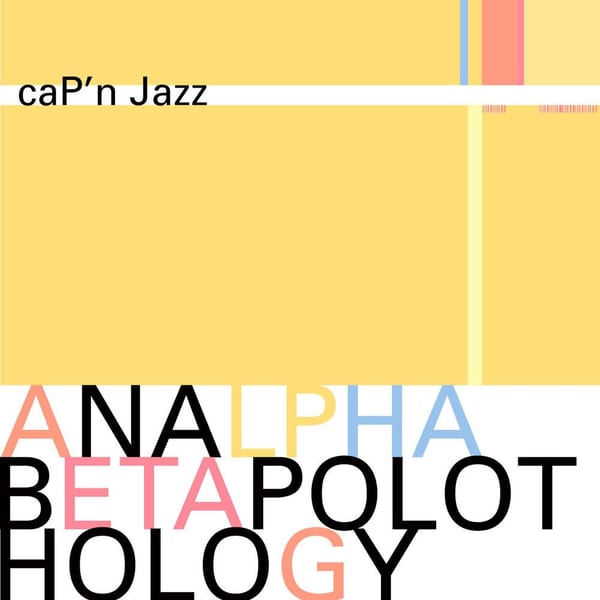
Cap'n Jazz — Analphabetapolothology (1998 comp; band active 1989–95)
Be the first to rate—Everything starts here. The Kinsella brothers' Chicago band lasted barely five years and left one chaotic LP, but this compilation is the genre's Rosetta Stone: Tim Kinsella's adenoidal yelp, Sam Zurick's running basslines, and guitars that arpeggiate where their hardcore peers would have power-chorded. It is messy, jubilant, and almost unlistenable to the uninitiated — which is exactly why the people who love it love it that much.
- 2
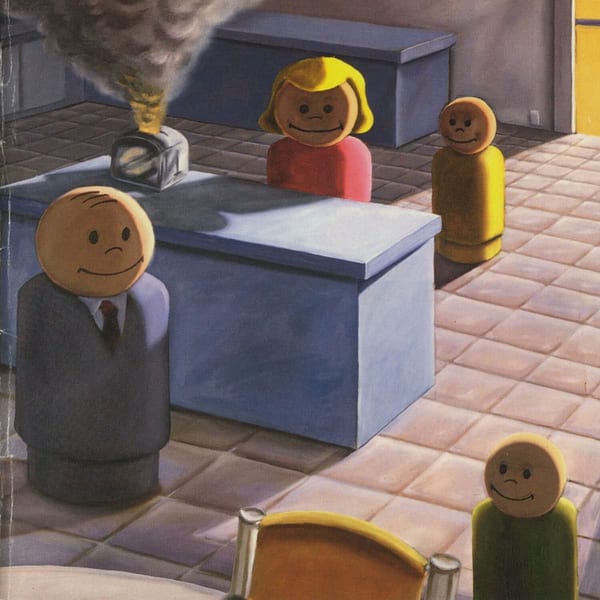
Sunny Day Real Estate — Diary (1994)
Be the first to rate—The loud, devotional wing of the family tree. Seattle's Sunny Day Real Estate built Diary out of dynamic swells and Jeremy Enigk's keening, near-religious vocals, and Sub Pop sold it to a grunge audience that didn't have a word for it yet. It is the record that made "emo" a thing labels chased, and most of what followed still sounds small next to it.
- 3
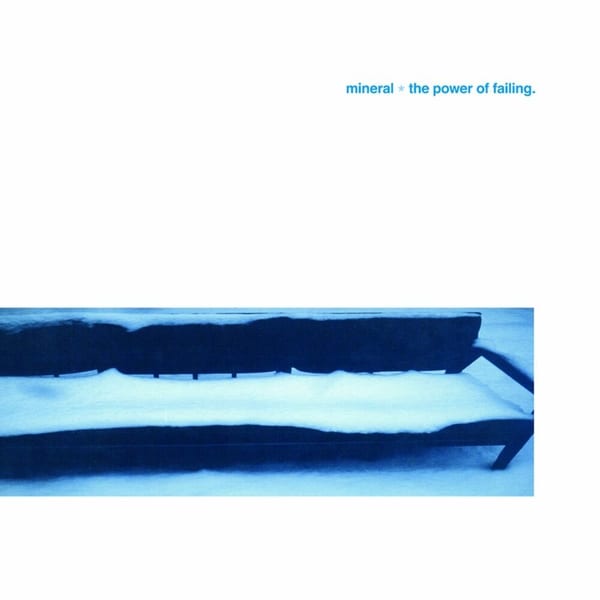
Mineral — The Power of Failing (1997)
Be the first to rate—Texas's contribution and the most openly heart-on-sleeve of the first wave. Chris Simpson sings like every line costs him something, the guitars build and crash on a loop, and the whole thing is so earnest it loops back around to overwhelming. RYM keeps it canon for a reason: it is the template a thousand revival bands copied without ever matching the conviction.
- 4
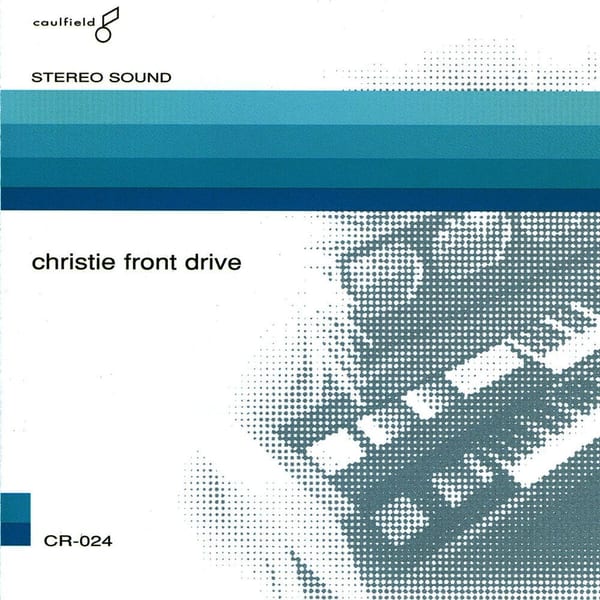
Christie Front Drive — Stereo (1996)
Be the first to rate—Denver's quietly influential entry, reverbed into a haze that prefigured the slowcore-adjacent end of the genre. Stereo is hushed and patient where the Texas and Seattle bands were explosive, and you can hear its DNA in everything from Mineral's slower songs to half the twinkle bands two decades later. An undersung pivot record.
- 5
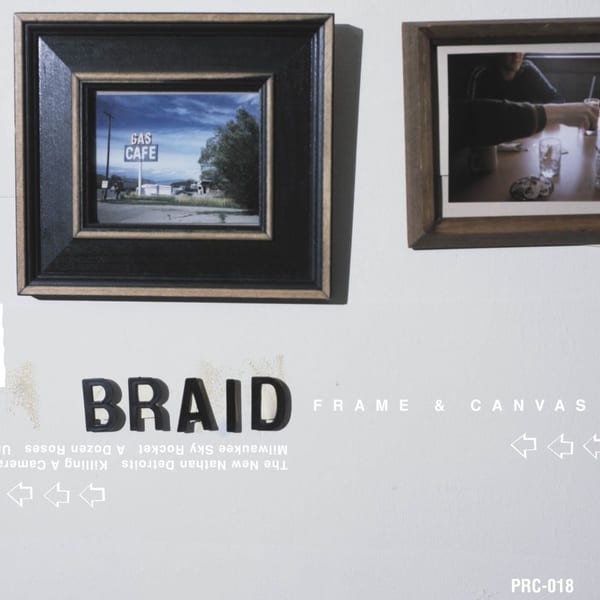
Braid — Frame & Canvas (1998)
Be the first to rate—Champaign, Illinois, the geographic and spiritual center of the whole thing. Frame & Canvas is the most muscular first-wave record — Bob Nanna and Chris Broach trading vocals over angular, tightly wound guitars produced by J. Robbins. It splits the difference between post-hardcore aggression and the melodic future, and it remains the band's high-water mark.
- 6
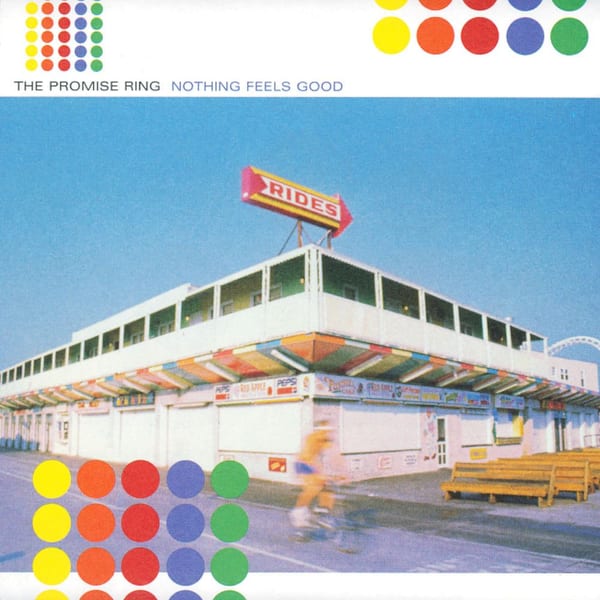
The Promise Ring — Nothing Feels Good (1997)
Be the first to rate—Milwaukee's Davey von Bohlen took the Cap'n Jazz blueprint (he was in it) and made it hooky, almost pop. Nothing Feels Good is where Midwest emo learned to write a chorus you could shout in a basement, and its title became shorthand for the entire sensibility. The lisp is a feature, not a bug.
- 7
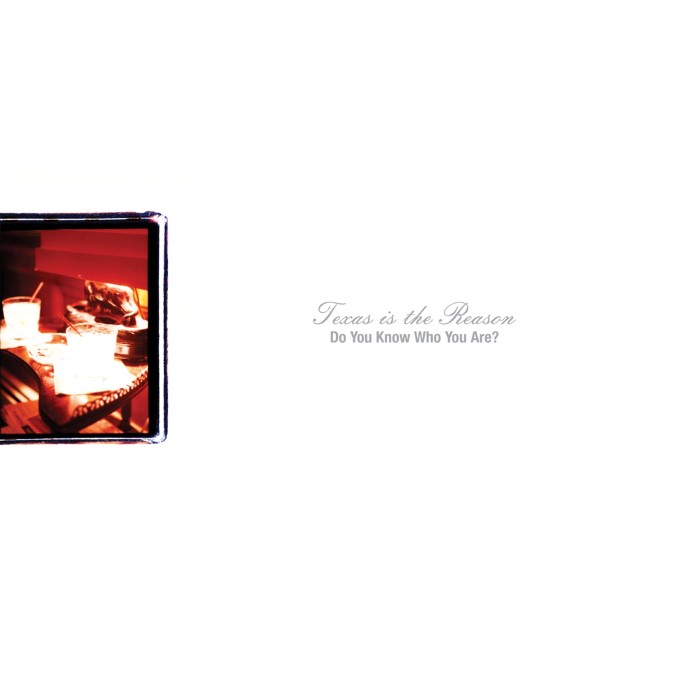
Texas Is the Reason — Do You Know Who You Are? (1996)
Be the first to rate—New York by way of the hardcore scene, but spiritually Midwest: melodic, mid-tempo, built on chiming guitars and Garrett Klahn's clear voice. They broke up at the cusp of a major-label deal and left exactly one album, which only deepened the cult. A bridge between Revelation-style post-hardcore and the genre's softer turn.
- 8
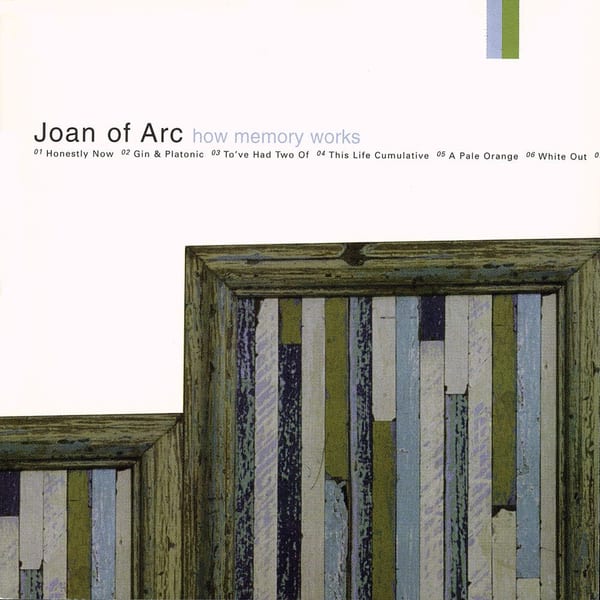
Joan of Arc — How Memory Works (1998)
Be the first to rate—Tim Kinsella's post–Cap'n Jazz project, and the experimental escape hatch out of emo entirely. Where his brother Mike went minimal, Tim went fractured: tape collage, electronics, lyrics that read like cut-up poetry. Most fans find Joan of Arc difficult, and the ones who don't tend to think it is the most interesting thing anyone in this lineage ever made.
- 9
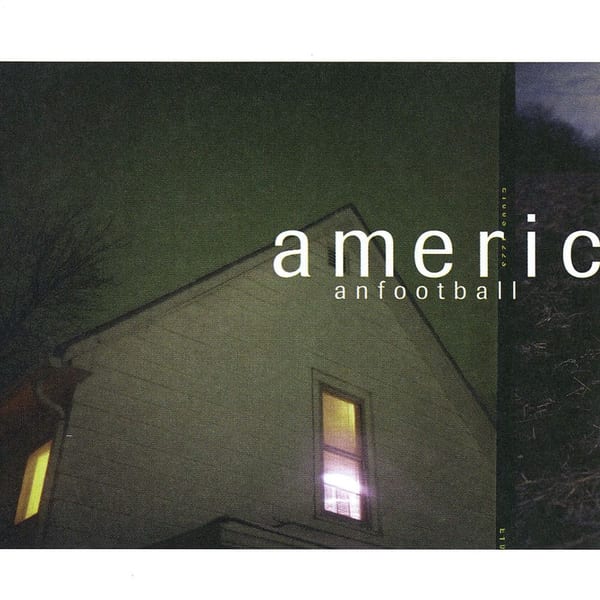
American Football — American Football (1999)
Be the first to rate—The keystone. Mike Kinsella, Steve Lamos, and Steve Holmes recorded nine songs of trumpet, looping clean-tone guitar in odd tunings, and unhurried 6/4 melancholy, then quietly broke up. The album did nothing on release and everything in retrospect. By the 2010s it was the single most cited blueprint in emo, and the house on the cover had become a literal pilgrimage site.
- 10
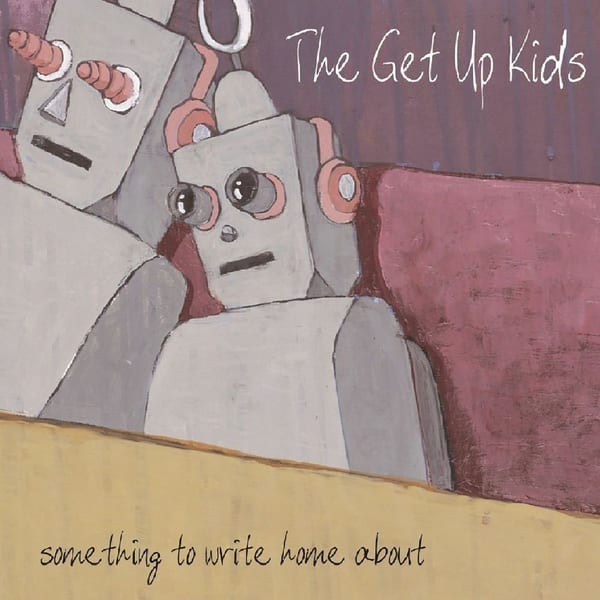
The Get Up Kids — Something to Write Home About (1999)
Be the first to rate—The poppiest first-wave touchstone and the one that arguably opened the gate for the 2000s mall-emo boom the purists disowned. Kansas City's Get Up Kids wrote propulsive, keyboard-touched songs that bands like Fall Out Boy openly idolized. Leave it off your shelf if you want, but you can't tell the story honestly without it.
- 11
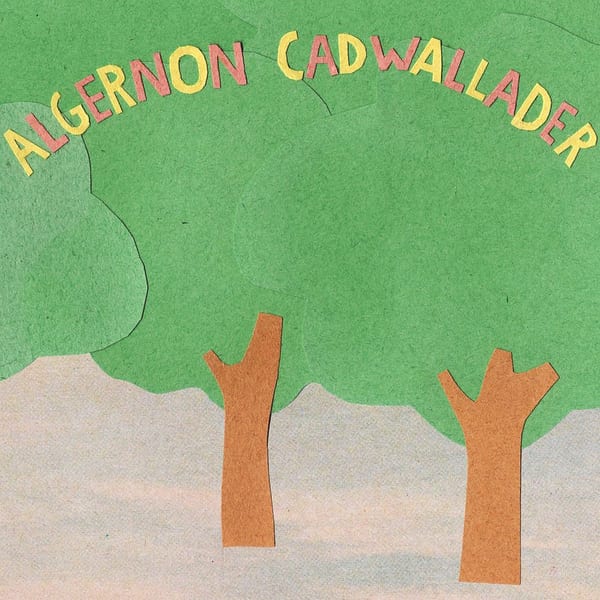
Algernon Cadwallader — Some Kind of Cadwallader (2008)
Be the first to rate—Year zero of the revival. Philadelphia's Algernon Cadwallader worshipped Cap'n Jazz so openly that Peter Helmis basically does a Tim Kinsella impression, and the noodly, tapped guitar lines became the literal template for "twinkle" emo. Every fourth-wave band that learned to play by ear off Bandcamp learned this record first.
- 12
The Brave Little Abacus — Just Got Back from the Discomfort We're Alright (2010)
Be the first to rate—The revival's strange, beloved outlier — a New Hampshire bedroom project stuffed with synths, sound collage, and Adam Demirjian's overdriven shriek. Barely anyone heard it at the time, and it became a posthumous cult monument that now sits among the highest-rated emo records of the era on RYM. Sentimental, hard to follow, and unlike anything around it.
- 13
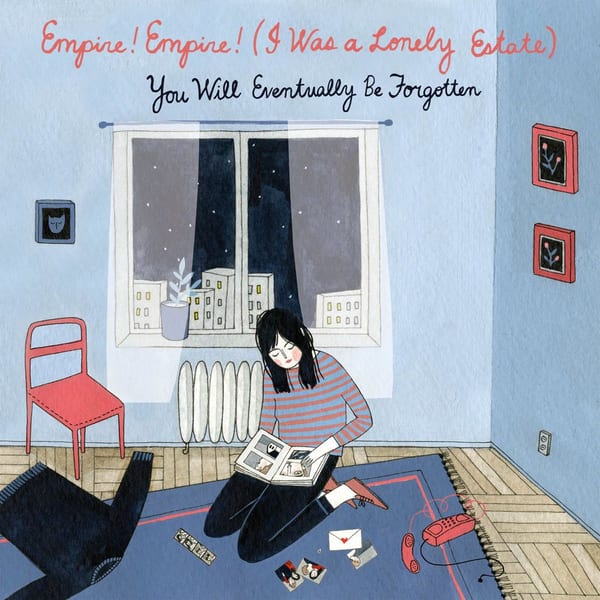
Empire! Empire! (I Was a Lonely Estate) — You Will Eventually Be Forgotten (2014)
Empire! Empire! (I Was A Lonely Estate)
Be the first to rate—Michigan's Empire! Empire! were the revival's true believers, with their split releases, their own DIY label, and song titles longer than some choruses. This is their most fully realized record: gauzy, reverbed, devotional in the Mineral tradition rather than the noodly Cap'n Jazz one. Proof the revival ran on more than one bloodline.
- 14
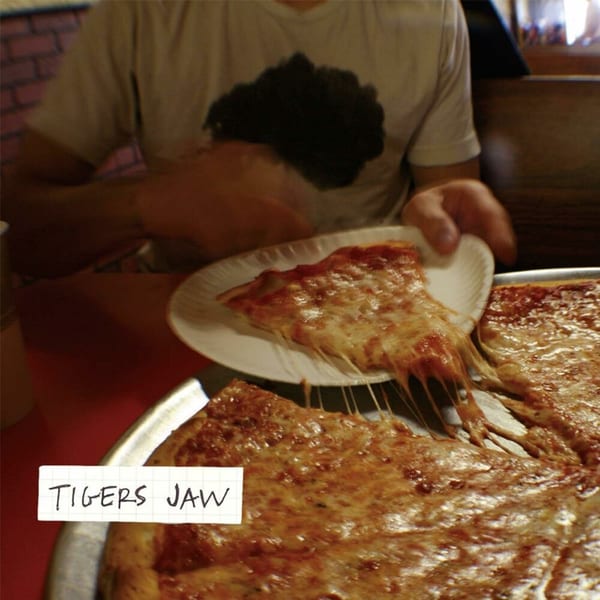
Tigers Jaw — Tigers Jaw (2008)
Be the first to rate—Scranton, Pennsylvania, and the more pop-punk-adjacent face of the revival. The self-titled record is hooky and unfussy, with the dual Ben Walsh / Brianna Collins vocals that became a signature. It is where a lot of younger listeners entered the genre, and "I Saw Water" remains a basement-singalong standard.
- 15
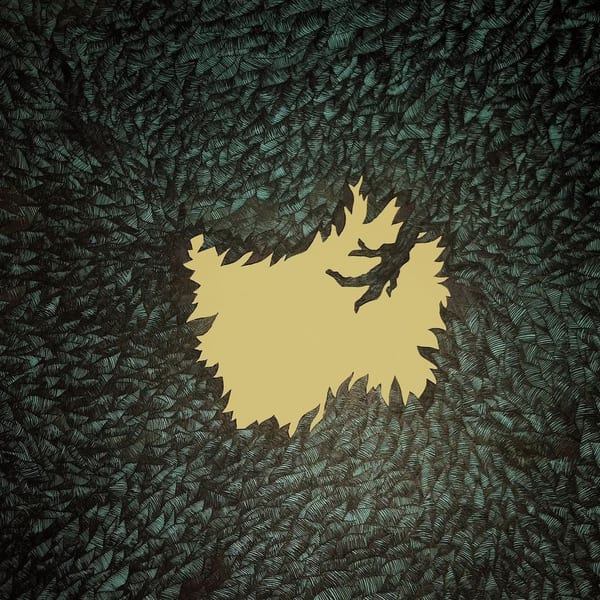
Hop Along — Get Disowned (2012)
Be the first to rate—Adjacent rather than central, and all the better for it. Frances Quinlan's voice, a controlled rasp that detonates into a scream, is one of the great instruments of the era, and Get Disowned drags emo's emotional logic toward something closer to literary indie rock. The genre's sharpest lyricist came up in this scene.
- 16
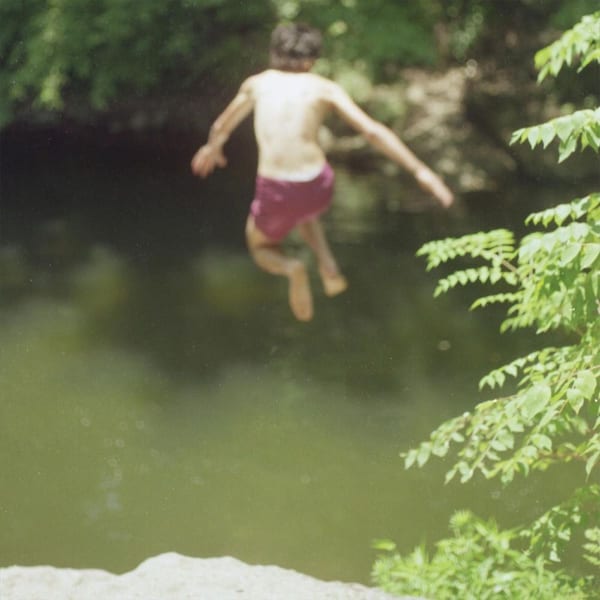
The World Is a Beautiful Place & I Am No Longer Afraid to Die — Whenever, If Ever (2013)
The World Is a Beautiful Place & I Am No Longer Afraid to Die
Be the first to rate—The revival's maximalist endpoint: a Connecticut collective playing post-rock-sized emo with horns, multiple vocalists, and crescendos big enough to earn the band's absurd name. Whenever, If Ever closed the loop, dragging the genre back toward the build-and-release dynamics of the first wave, just louder and more communal. A fitting place to end a map that keeps folding back on itself.


Explore the sound
Artists in this guide
Read next
Best city pop albums: eighteen records from the studio boom, 1977 to 2006
Sunshower to Tokyo Sniper, in order of release, with the session players and producers who actually built the thing.
The best albums of 2005: the year the blogs did the A&R
Nineteen records from the year Last.fm started keeping score and a band sold 125,000 albums out of an apartment.
The best debut albums of all time: 22 records that arrived finished
First albums that needed no apprenticeship, ranked, with an honest answer to the question that follows every one of them: did they ever beat it?
Best post-punk albums: 24 records, city by city
Post-punk was never one sound. It was a different argument in every town, and this is the map.
Got your own ranking? Build a list or tier of your own.