


Guides/A Riffiter guide
Best city pop albums: eighteen records from the studio boom, 1977 to 2006
Sunshower to Tokyo Sniper, in order of release, with the session players and producers who actually built the thing.
City pop is the funk- and AOR-inflected Japanese pop of the late 1970s and 1980s, made in Tokyo studios by a small circle of players and arrangers around Tin Pan Alley, Tatsuro Yamashita and Toshiki Kadomatsu. This guide covers eighteen essential albums in order of release, from Taeko Onuki's Sunshower (1977, Panam) and Yamashita's For You (1982, Air/RVC) to Mariya Takeuchi's Variety (1984, Moon), the album that carries "Plastic Love".
City pop was less a genre than an economy. Japan's record business had money in the late 70s and 80s, and a small circle of Tokyo players spent it in each other's studios: the Tin Pan Alley crowd first, then the generation around Tatsuro Yamashita and Toshiki Kadomatsu. The same drummer, the same bassist, the same arranger, on records credited to a dozen different singers. That's why these albums sound related even where the songwriting doesn't.
The Western version of the story starts around 2017 with a YouTube thumbnail of a Mariya Takeuchi sleeve. Fine door, terrible map. This list runs by year rather than by rank, and it names the players where they matter, because the players are the thread.
- 1
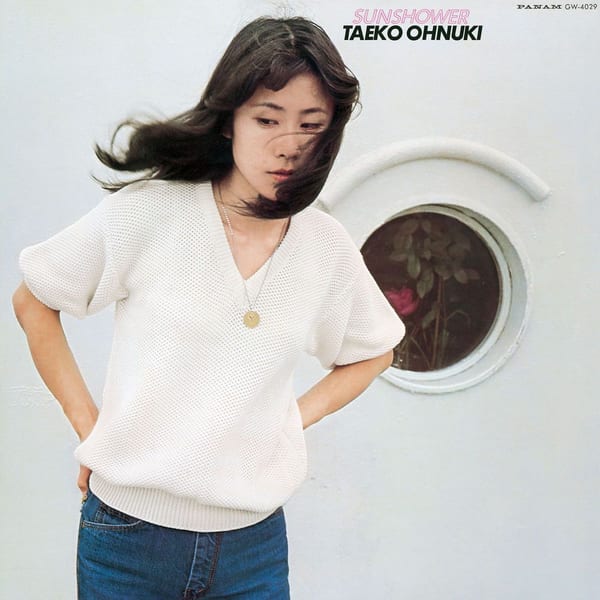
SUNSHOWER
Be the first to rate—Sugar Babe had broken up in 1976 having sold close to nothing, and Onuki's second solo album (25 July 1977, Panam) is what she did with the wreckage. Ryuichi Sakamoto arranged every track, Haruomi Hosono played bass, and the label flew drummer Chris Parker over from New York, which is why the rhythm section swings instead of shuffles.
It also sold badly. Nearly fifty years later it's the record most people use as their way in, and the one that pays back a good stereo.
- 2
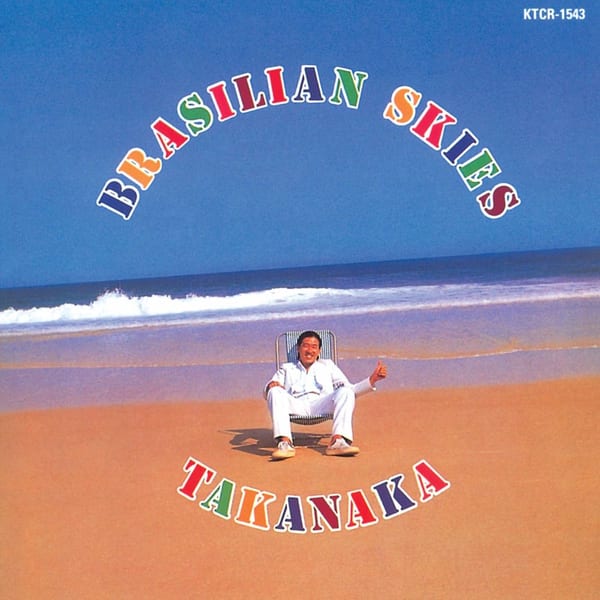
Brasilian Skies
Be the first to rate—Takanaka took the money from his fusion career and spent it on airfare. Half of Brasilian Skies (21 July 1978, Kitty) was cut at PolyGram's studio in Barra da Tijuca in Rio, the rest at Westlake in Los Angeles, with Ryuichi Sakamoto, Jeff Porcaro and Paulinho da Costa passing through the sessions. "Star Wars Samba" is exactly what the title says and somehow not a novelty.
- 3
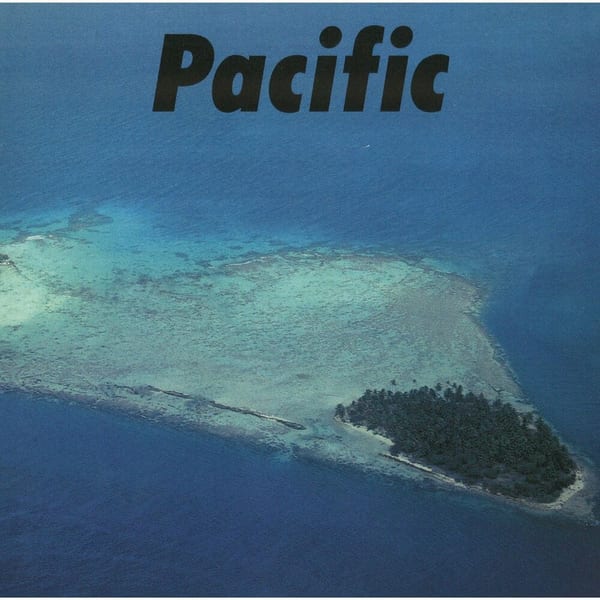
Pacific
Be the first to rate—Three men who had spent the decade on each other's sessions, Haruomi Hosono, Shigeru Suzuki and Yamashita, split an instrumental album about an imaginary island. It came out on 21 June 1978 as the first entry in CBS/Sony's Sound Image Series.
It closes with Hosono's "Cosmic Surfin'", which he re-recorded the following year with Yellow Magic Orchestra. Resort music made by people with nothing to prove, and the clearest single snapshot of how small this scene actually was.
- 4
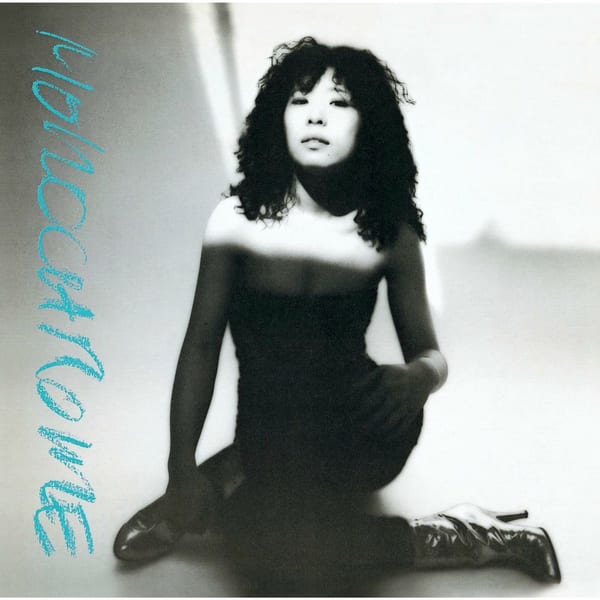
MONOCHROME
Be the first to rate—Yoshida sings backing vocals on half the records in this guide's orbit, Ride on Time included. Monochrome (1980, Alfa) is where she's the author: rhythm tracks cut at CBS/Sony Roppongi over the summer, Yasuaki Shimizu on saxophone, Mike Mainieri on vibes.
Harder and more gospel-shaped than the beach-and-highway default. If you think the genre is all pastel, start here and revise.
- 5
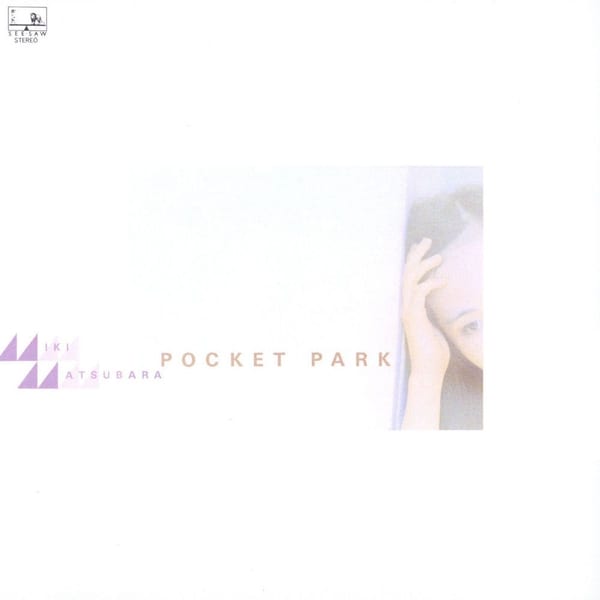
Pocket Park
Be the first to rate—Matsubara was nineteen when "Mayonaka no Door ~Stay With Me" reached No. 28 on Oricon in 1979, and Pocket Park (1980, See-Saw) is the album built around it. Then came the long second life: an Indonesian YouTuber's cover in October 2020 sent the song to the top of Spotify's Global Viral chart for twenty consecutive days.
Matsubara had quit music in 2000 after a cancer diagnosis and died in 2004, aged 44. The tracks around the famous one deserve some of that traffic.
- 6

A LONG VACATION
Be the first to rate—Ohtaki spent the late 70s failing commercially and studying Phil Spector. A Long Vacation (21 March 1981, Niagara/CBS Sony) sold over a million copies and won Best Album at the 23rd Japan Record Awards.
Hiroshi Nagai's cover painting handed the whole genre its visual grammar decades before Tumblr found it. Takashi Matsumoto, Ohtaki's old bandmate from Happy End, wrote nearly every lyric.
- 7
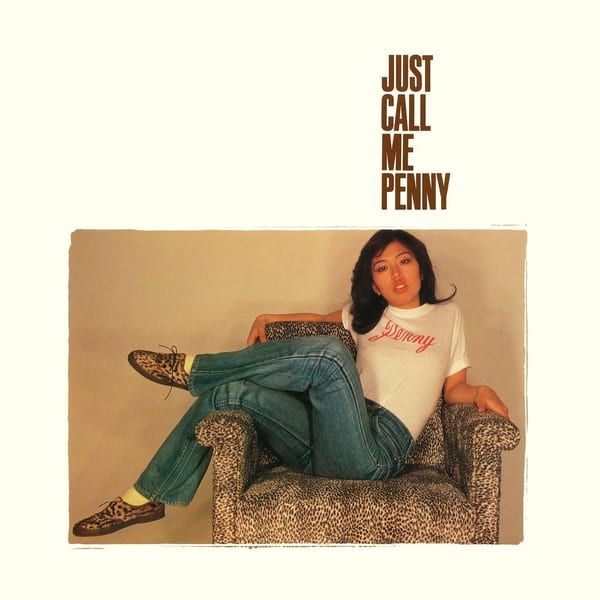
Just Call Me Penny
Be the first to rate—Tohyama debuted on Nippon Columbia on 25 May 1981 with a Japanese pop album backed by New York's 24th Street Band, and the seam shows in the best way: blue-eyed soul phrasing over a rhythm section with no interest in politeness. A digger's record rather than a hit, and it holds up better than most of the hits from that year.
- 8
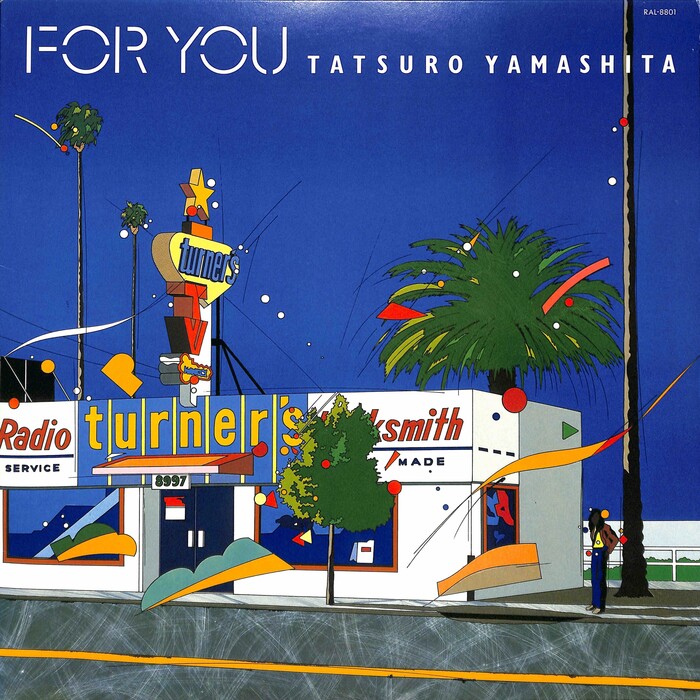
FOR YOU
Be the first to rate—The centre of gravity. Recorded at CBS/Sony's Roppongi studio and released 21 January 1982 on Air/RVC, For You went to No. 1 with 439,000 LPs sold and fixed Yamashita's public image as the summer guy for the next forty years.
Eizin Suzuki painted the cover after Hiroshi Nagai turned out to be busy with A Long Vacation. Jun Aoyama's drums and Koki Ito's bass are the sound most revivalists are really chasing.
- 9

Awakening
Be the first to rate—Sato talked Alfa into buying him a Linn LM-1, moved back to Japan and made Awakening (21 June 1982) close to single-handed, playing and programming nearly all of it. Wendy Matthews, a Canadian-Australian singer who later had hits in Australia, takes the vocals.
Toshiki Kadomatsu calls it his favourite record in the genre, which tells you where the rest of the decade came from.
- 10

midnight cruisin'
Be the first to rate—Released 21 October 1982 on Warner Pioneer's east west imprint, and later put back in print by Light in the Attic for the Western revival crowd. "Machi no Dolphin" is the way in, all saxophone and evening traffic. Hamada had written for other singers for years before this, and it shows in how efficiently the songs get where they are going.
- 11
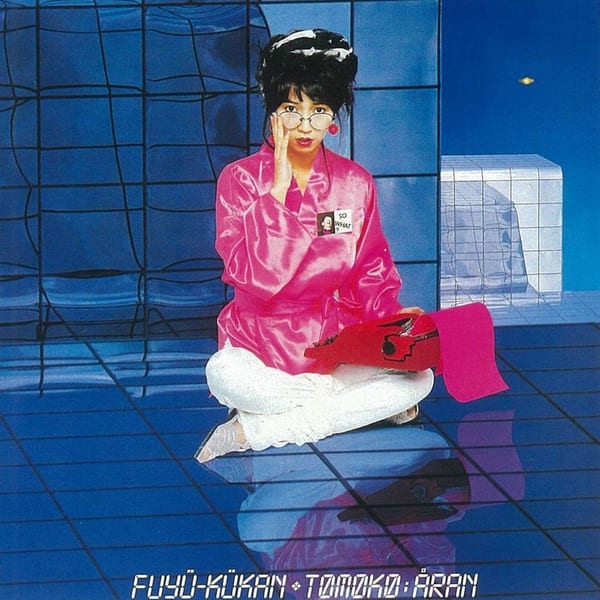
Fuyukukan
Be the first to rate—Aran's 1983 album for Warner Pioneer sat in obscurity until The Weeknd built "Out of Time" out of "Midnight Pretenders" in 2022, putting Aran and co-writer Tetsuro Oda on a Dawn FM credit. That song is why people arrive. The cold, drifting shape of everything around it is why some of them stay.
- 12
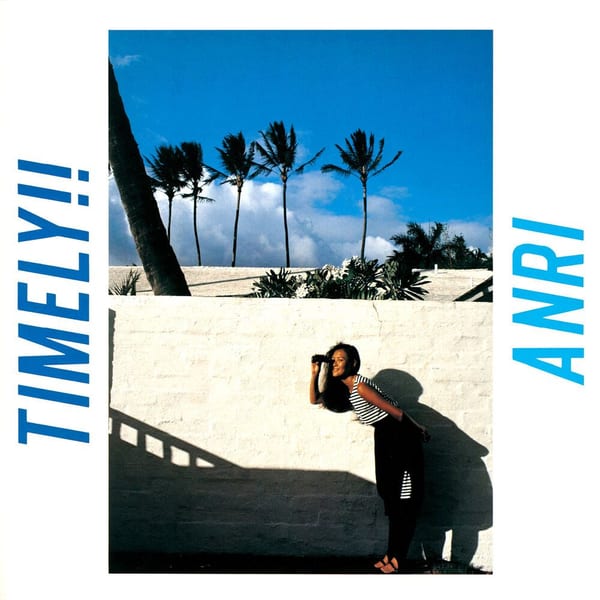
TIMELY!!
Be the first to rate—Anri had a career before Toshiki Kadomatsu started writing and arranging for her. This is where it got interesting. Timely!! (1983, For Life) went to No. 1 on Oricon and carries "Windy Summer" plus the Cat's Eye anime theme.
The pairing ran on through Wave (1985) and Meditation (1987), and it is the closest thing the genre has to a Bacharach and Warwick partnership.
- 13
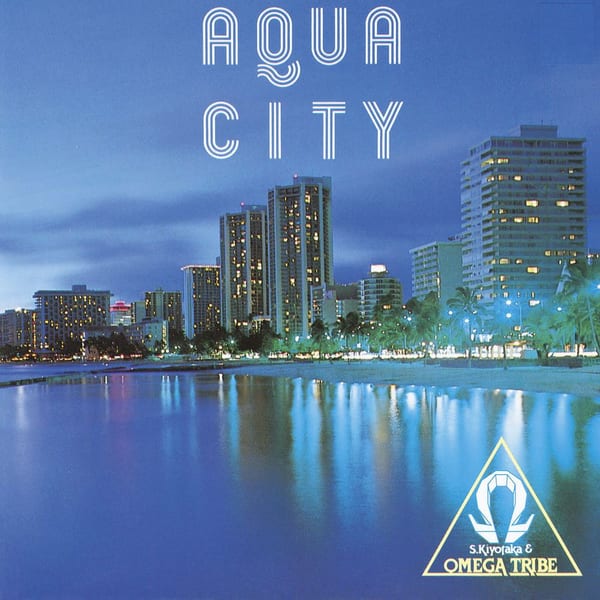
AQUA CITY
Be the first to rate—Kiyotaka Sugiyama's band won a Yamaha song contest as amateurs, got picked up by producer Koichi Fujita, and turned into the most efficient summer-pop machine in Japan. Aqua City (21 September 1983, Vap) followed the debut single "Summer Suspicion" and hit No. 4.
Manufactured in the best sense. Every record is built to the same specification, and the specification is very good.
- 14
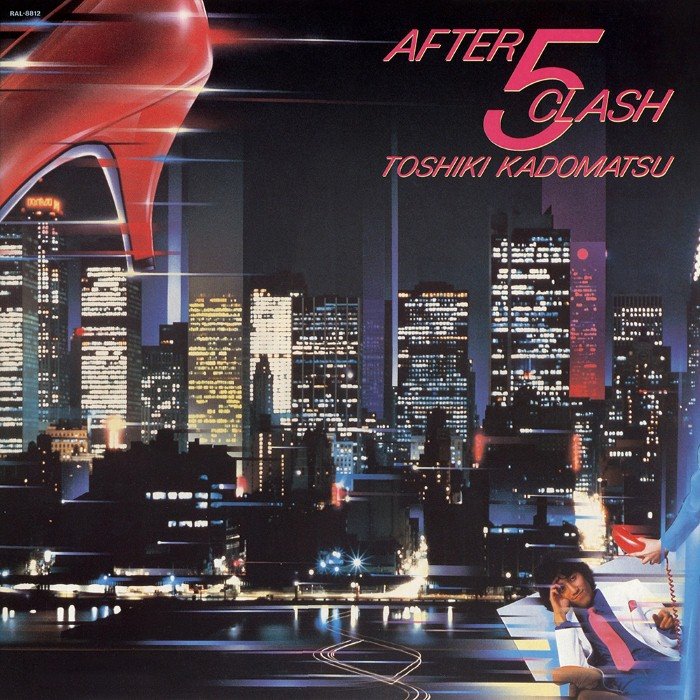
After 5 Clash
Be the first to rate—Kadomatsu debuted in 1981 with Sea Breeze and spent the next few years writing other people's hits. After 5 Clash (1984, Air/RVC) is his own catalogue catching up with his production work: busier, funkier and more restless than the Anri sessions he was running at the same time.
- 15
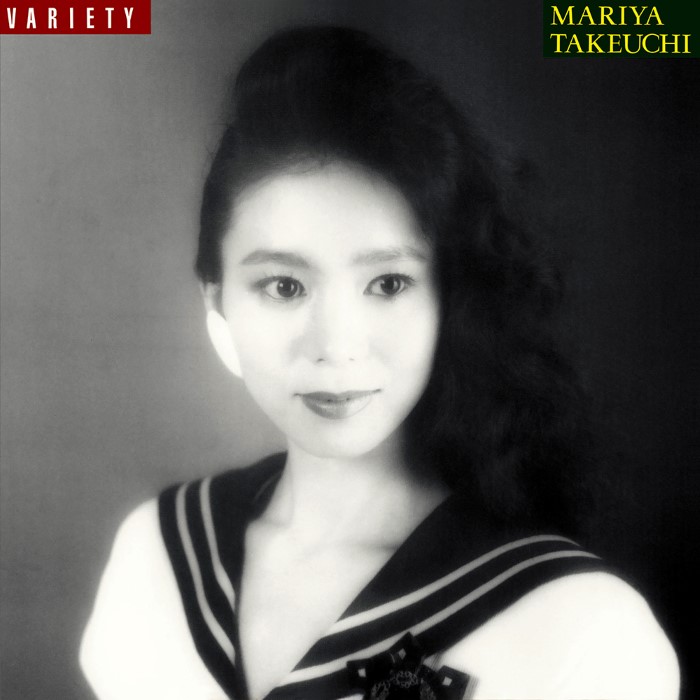
Variety
Be the first to rate—Takeuchi stopped recording in 1981 and came back in 1984 with the first album she wrote from end to end, produced by her husband Tatsuro Yamashita. It went to No. 1 with 316,000 copies and finished eleventh on the Oricon year-end chart.
"Plastic Love" was a modest single in 1985. Thirty-odd years later a YouTube upload turned it into the most recognisable Japanese pop song on earth. Variety is not a one-song album, and treating it like one is the most common mistake people make in this genre.
- 16
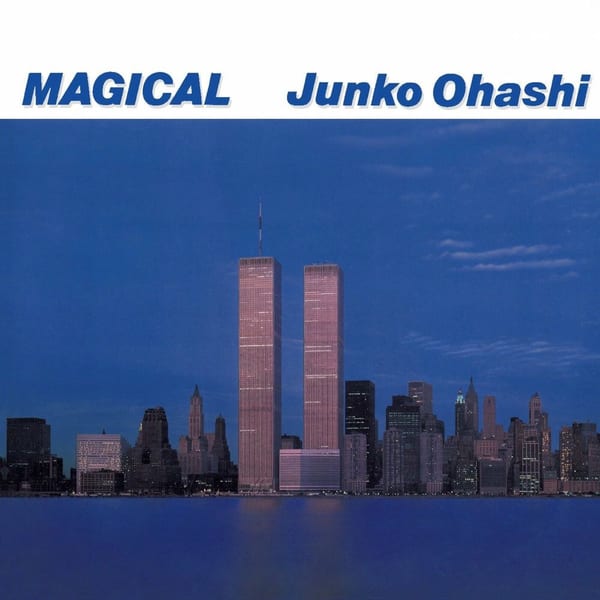
Magical Ohashi Junko No Sekai III
Be the first to rate—Ohashi has the biggest voice here by some distance, a full soul instrument that makes most city pop singers sound like they are being careful. Magical (1984) is the third volume of her Ohashi Junko no Sekai series, and it is the sleeve most collectors end up owning, because "Telephone Number" lives on it.
- 17
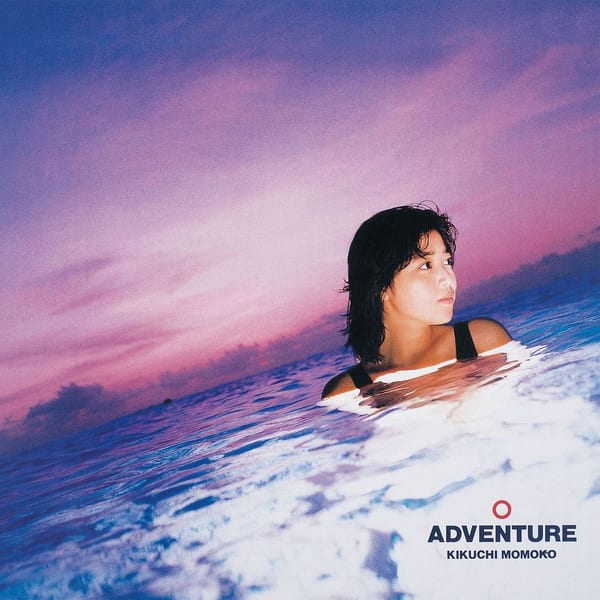
ADVENTURE
Be the first to rate—Kikuchi was a teen idol with seven consecutive No. 1 singles between 1985 and 1987, which normally gets you disqualified from lists like this one. Adventure (25 June 1986, VAP) is the argument against that snobbery: idol budgets buying the same arrangers and players the grown-up records used, with a singer who knows exactly how little to do.
- 18
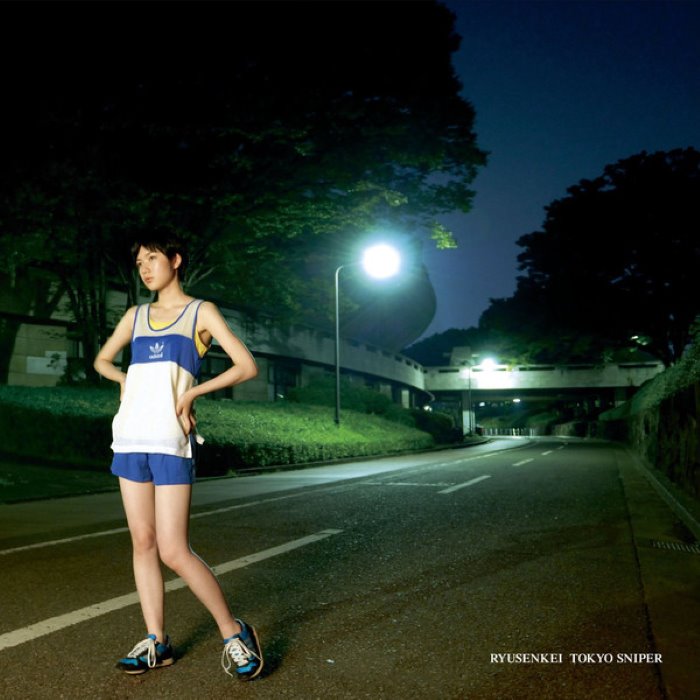
TOKYO SNIPER
Be the first to rate—Ryusenkei were doing this before the West noticed. Tokyo Sniper (18 October 2006, Happiness Records), sung by Hitomitoi, rebuilds the late-70s end of the genre rather than the neon-and-Ferrari version, which puts it nearer Onuki and Yoshida than "Plastic Love".
Proof that this was a living Japanese tradition the whole time we were discovering it through a recommendation sidebar.


Explore the sound
Artists in this guide
Read next
Screamo: the canon, from Gravity Records to the 2026 revival
Skramz, not Warped Tour. Twenty-two records that hold the line from San Diego in 1994 to Brighton this March.
Where to start with Swans: seventeen albums, in the order you should hear them
Michael Gira has spent forty years making music that punishes casual listening. Chronological order is the worst way in.
The best albums of 2005: the year the blogs did the A&R
Nineteen records from the year Last.fm started keeping score and a band sold 125,000 albums out of an apartment.
The best debut albums of all time: 22 records that arrived finished
First albums that needed no apprenticeship, ranked, with an honest answer to the question that follows every one of them: did they ever beat it?
Got your own ranking? Build a list or tier of your own.