

Guides/A Riffiter guide
Albums about grief: the records you reach for when someone dies
Mourning, set to music. Sixteen albums that don't fix the loss. They sit with you in it.
Grief is one of music's oldest subjects and one of the hardest to do honestly. This guide collects sixteen albums built around loss: Mount Eerie's A Crow Looked at Me (2017), Sufjan Stevens' Carrie & Lowell (2015), Nick Cave's Skeleton Tree (2016) and more, ranked loosely by how directly each one stares at the thing.
There's a kind of album you don't put on lightly. You wait until you need it, or until it's the only thing that fits the room. These are the records people return to after a death, not because they cheer you up, but because they refuse to lie about what's happening.
The best of them skip the easy moves. No uplift, no tidy lesson, no metaphor doing the heavy lifting. The ones near the top are almost unbearably plain about it: a man recording in the room his wife died in, a son singing his dead mother's name. Further down you'll find loss handled at more of a remove, which is its own kind of mercy.
Ranked, roughly, by how directly each one looks at the thing. Play them when you're ready. Rate them once you've lived with them.
- 1
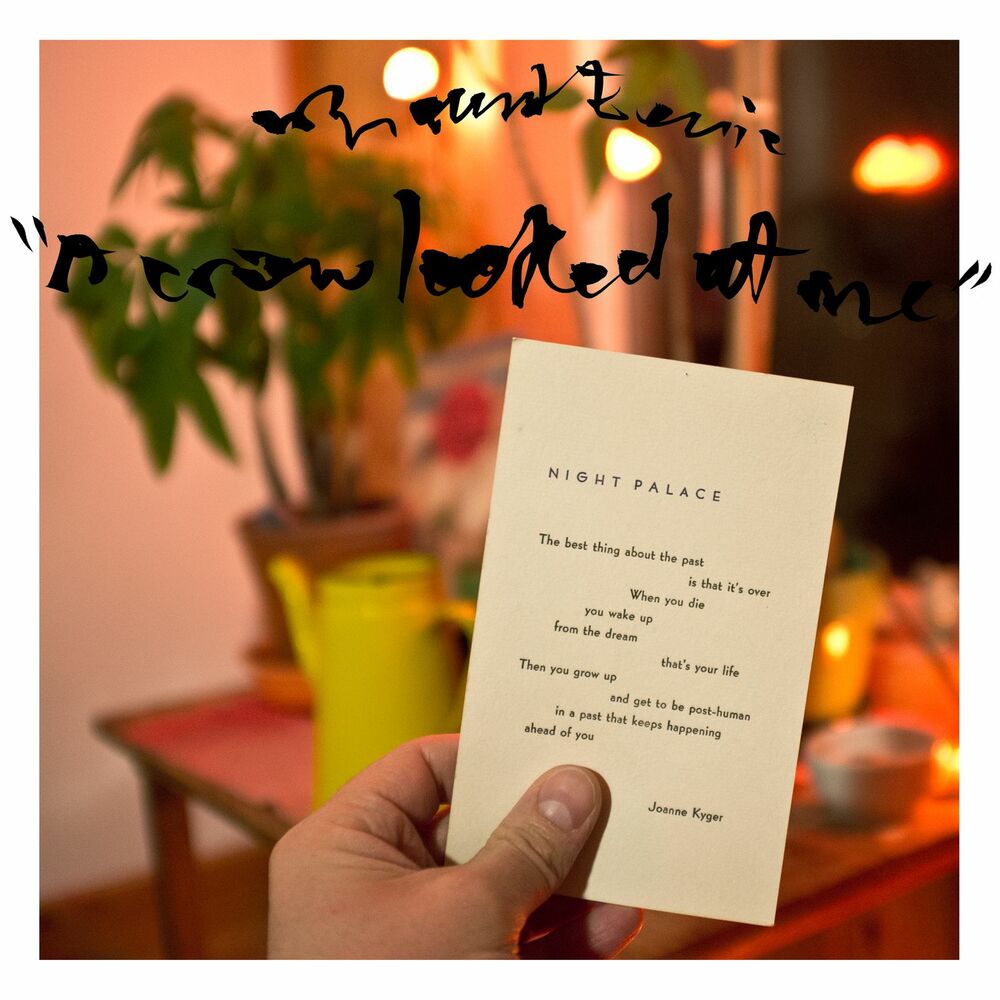
A Crow Looked at Me
Be the first to rate—Phil Elverum wrote and recorded these songs in the weeks after his wife, the artist Geneviève Castrée, died of pancreatic cancer in 2016. He used mostly her instruments, in the room where it happened. The opening line is "Death is real," and the album never softens. He names dates. He describes a parcel of her clothes arriving in the mail. He refuses every poetic out. It is the most direct record about loss anyone has made, and the hardest to recommend, because handing it to someone feels like handing them a wound.
- 2
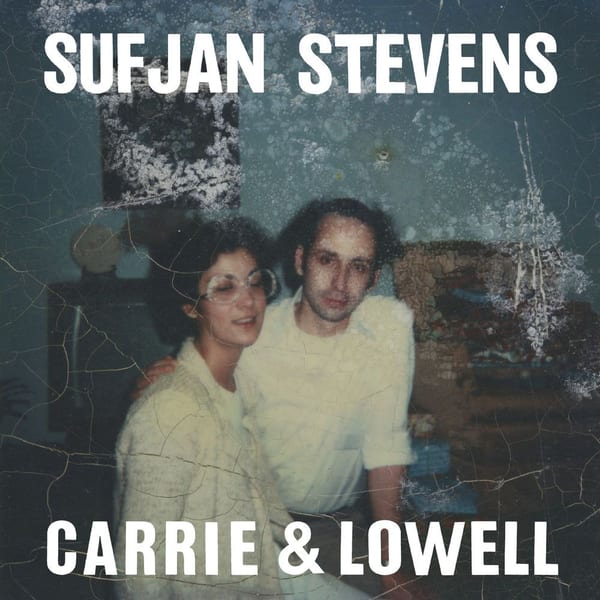
Carrie & Lowell
★ 4.8 · 5—Stevens' mother Carrie, who left when he was a child and struggled with addiction and mental illness, died in 2012. This 2015 album is him trying to mourn a person he barely knew. The arrangements are whisper-quiet, all fingerpicked guitar and double-tracked breath, and the writing swings between childhood memory and something close to suicidal despair. "Should I tear my eyes out now?" he asks on "The Only Thing," and means it. The most beautiful record on this list, which is part of why it's so hard to sit through.
- 3
Skeleton Tree
★ 4.0 · 2—Most of the lyrics were written before Cave's fifteen-year-old son Arthur fell to his death in 2015, but the album was finished after, and grief seeped backward through the whole thing. Cave's voice cracks and gropes. The songs barely hold their shape. "You fell from the sky, crash landed in a field," he sings on the opener, and you can't un-hear what it became. He released it alongside the documentary One More Time with Feeling because he couldn't face conventional press. This is the sound of a man caught mid-collapse.
- 4
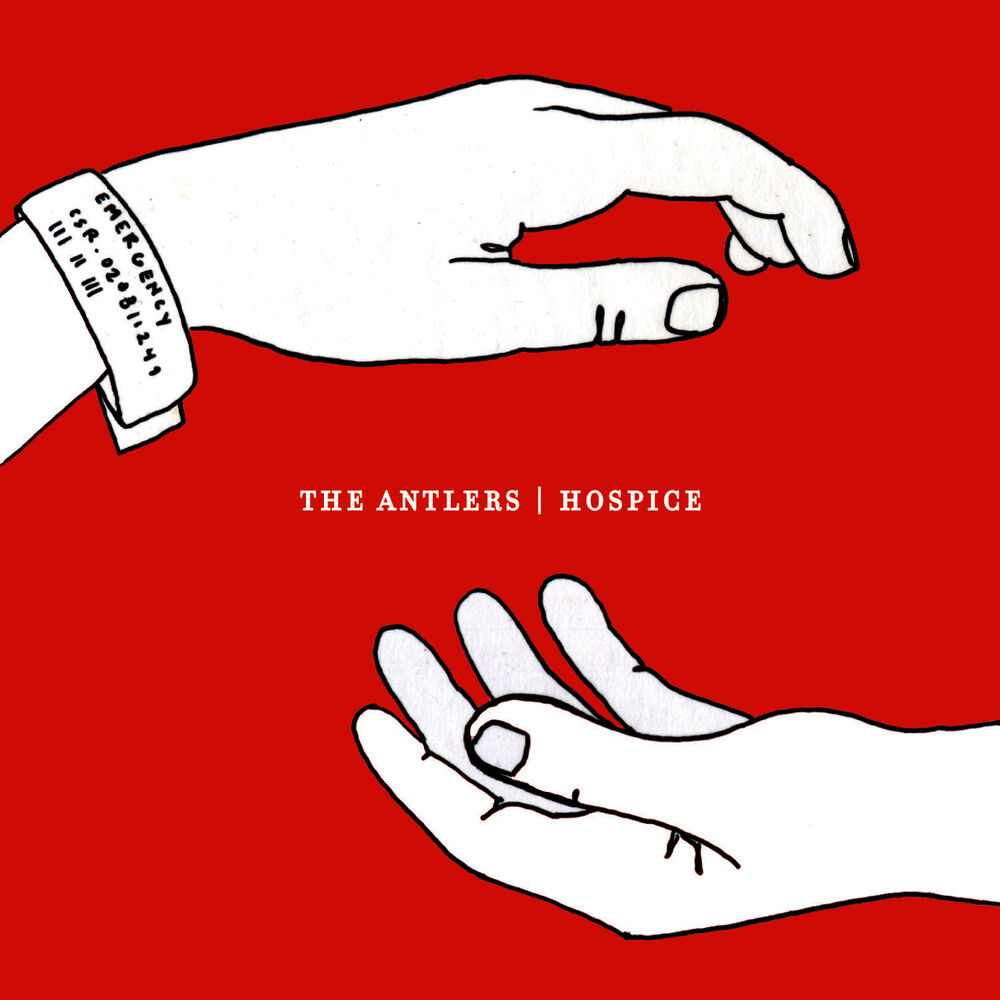
Hospice
Be the first to rate—A 2009 concept album about a hospice worker and a terminal bone-cancer patient, widely read as a metaphor for a doomed relationship. It works just as devastatingly as a literal account of watching someone die. Peter Silberman's falsetto goes from murmur to scream, and "Two" and "Bear" are about as much as a person can take in one sitting. It made the band's name and they've never quite escaped it. Few debuts carry this much damage.
- 5
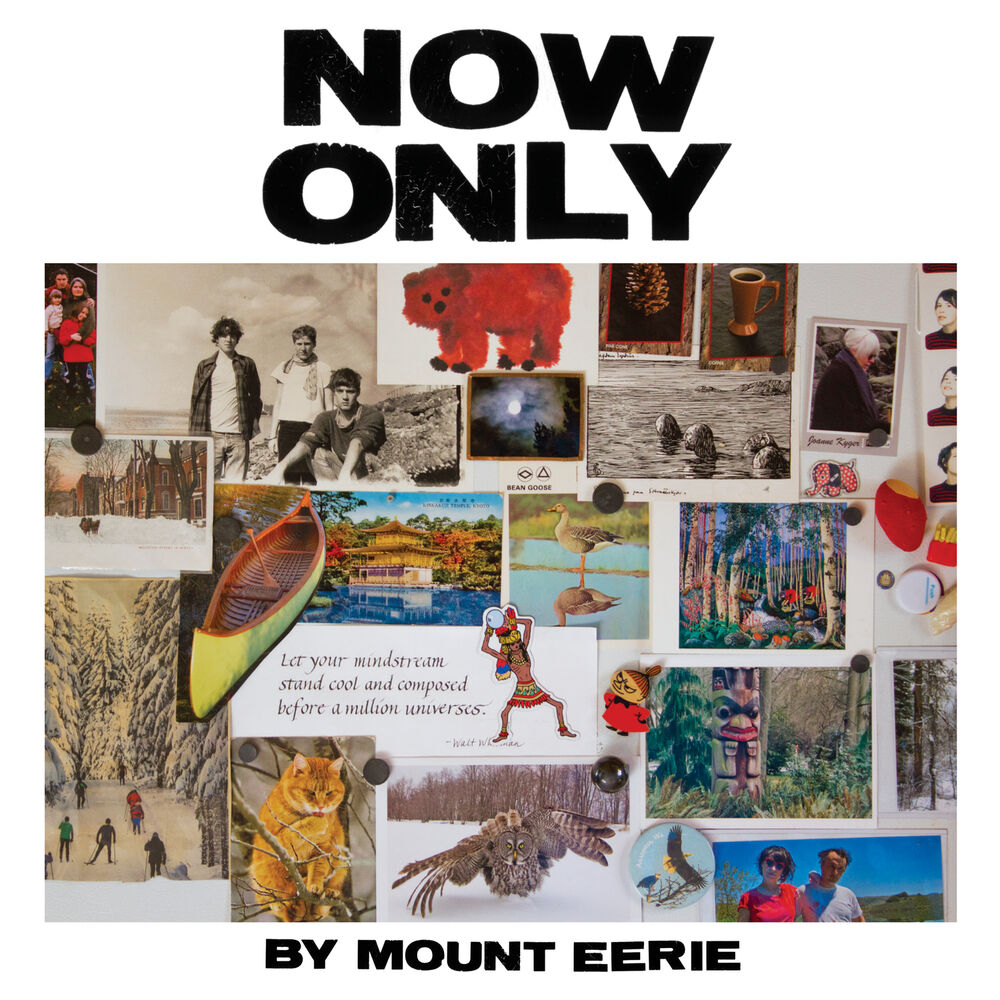
Now Only
Be the first to rate—The sequel to A Crow Looked at Me, from 2018, and a stranger, more sprawling record. Elverum is a year further out, and the grief has mutated. He's playing festivals, getting recognized for "songs about death," raising a daughter who's starting to forget her mother. The title track lurches from quiet acoustic confession into an almost upbeat refrain, which is exactly the disorientation of being alive again. Less of a gut-punch than its predecessor, more honest about the long, weird aftermath.
- 6

Benji
Be the first to rate—Mark Kozelek's 2014 album is grief by accumulation. Across these long, unspooling songs people keep dying: a second cousin in an aerosol-can explosion, a serial killer's victims, a friend's father, Kozelek's own aging parents he can't stop worrying about. The writing is conversational to the point of feeling like eavesdropping, and that's the trick. By the time he's begging his mother not to die on "I Can't Live Without My Mother's Love," the everyday-ness has worn you down completely.
- 7

Didn't It Rain
Be the first to rate—Jason Molina wasn't writing about a specific death here. He died young, in 2013, of alcohol-related organ failure, but few records carry this much dread of it. Recorded live to two-track in 2002 with the room mics open, it's stark Midwestern blues about debt, distance and the slow erosion of a person. Knowing how his story ended makes lines like "the real truth about it is no one gets it right" land like prophecy. The catalog's great document of grief you can feel coming.
- 8
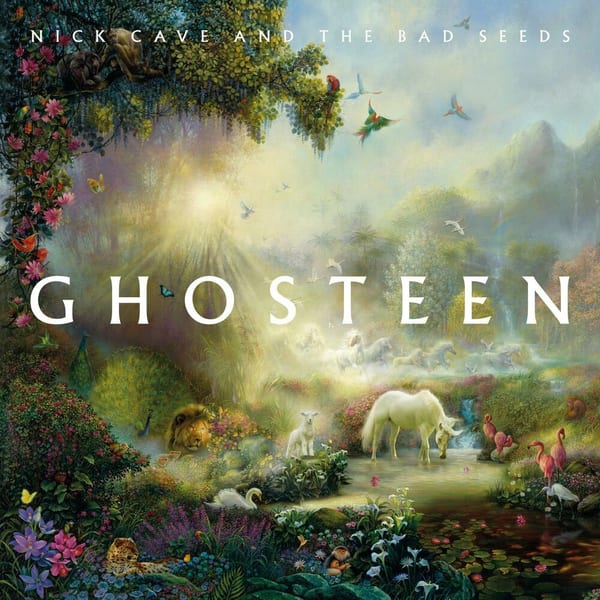
Ghosteen
Be the first to rate—Three years after Skeleton Tree, Cave came back with a double album that does what that record couldn't yet manage: it metabolizes the loss instead of just recording it. Almost no guitars, no drums, just synths, loops and Cave's voice floating over them, half-prayer and half-lullaby. "And I am here and you are where you are," he sings, addressing his son across an impossible distance. The most transcendent grief record ever made, and proof that the only way out is through.
- 9

Blackstar
★ 4.5 · 1—Bowie made this knowing he was dying and released it two days before he did, in January 2016, which reframes the whole thing as a staged farewell. "Look up here, I'm in heaven," he sings on "Lazarus," filming a video in which he retreats into a wardrobe. It's not self-pity. It's an artist arranging his own exit with total control, jazz musicians and all. Grief written from the inside, by the person about to be grieved.
- 10

The Greater Wings
Be the first to rate—Byrne's 2023 album was half-finished when her close collaborator and producer Eric Littmann died suddenly. She completed it anyway, and you can hear the seam where the project became a memorial. Lush, slow, harp-and-synth folk, with a voice that sounds like it's coming from another room. "I will not stray from loving you," she sings on the title track, and it doubles as a vow to the dead. A quieter, more recent entry that earns its place.
- 11

I Am a Bird Now
Be the first to rate—Anohni's 2005 breakthrough, recorded then as Antony, is less about a single death than about transformation, mortality and the people who don't survive their own lives. "Hope There's Someone" opens it with the most quietly terrifying meditation on dying alone in the catalog. Lou Reed, Boy George and Rufus Wainwright guest, but it's Anohni's trembling voice that carries it. Grief here is bound up with identity and survival, which makes it ache differently.
- 12
Ruins
Be the first to rate—Liz Harris recorded this on a piano in Portugal in 2011, mostly in single takes. You can hear frogs, rain, a microwave beeping. There's no named loss, but Ruins is soaked in the feeling of grief's aftermath: empty rooms, the residue of a relationship, time passing while you sit still. It's the most ambient record here, and the one that best captures the specific numbness that follows the worst of it. Mourning as a long, flat afternoon rather than a single event.
- 13
Capacity
Be the first to rate—Adrianne Lenker's 2017 album with Big Thief circles trauma, family and survival rather than a clean bereavement, but "Mary" and "Mythological Beauty," the latter about a near-fatal childhood accident and Lenker's mother, sit squarely in this territory. The band plays with a tenderness that keeps threatening to break. It's grief for the living, for what didn't quite kill you, which is its own load to carry.
- 14

Things We Lost in the Fire
Be the first to rate—Mimi Parker and Alan Sparhawk's slowcore had always sounded like mourning, but this 2001 album, made after Parker suffered a miscarriage, gives the dread a name. "Sunflower" opens with "When they found your body / giant X's on your eyes," sung in those impossibly gentle harmonies. Parker died of ovarian cancer in 2022, which has only deepened the way this record holds loss. Patient, hushed, devastating on a slow timer.
- 15

Magic and Loss
Be the first to rate—Reed wrote this 1992 album after two friends, including the songwriter Doc Pomus, died of cancer within a year, and it's an unfashionably direct meditation on watching people you love get sick and disappear. "There's a bit of magic in everything, and then some loss to even things out," he sings, dispensing with metaphor entirely. It got mixed reviews on release for being too plain, too unguarded. Decades on, that plainness is exactly why it lands.
- 16
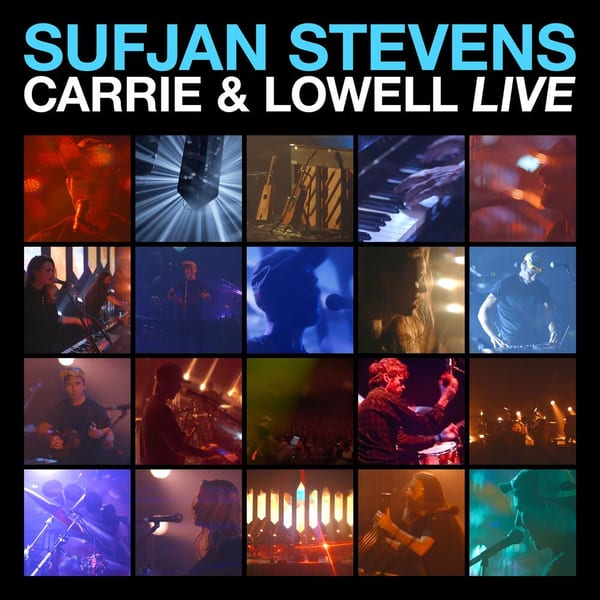
Carrie & Lowell Live
Be the first to rate—When the studio version of Carrie & Lowell wasn't quite enough, Stevens toured it, and this 2017 live document is what the songs become when a grieving man performs them night after night. Some tracks dissolve into long electronic codas. The restraint of the album gives way to catharsis. It's a rare case where the live record adds rather than dilutes, because grief, it turns out, doesn't sit still on a recording. The list ends here, with the songs finding their way back out into a room full of people.


Explore the sound
Artists in this guide
Lists with these albums
Read next
Dark jazz: the canon for 4 a.m.
Slow tempos, muted brass, and a sense that something bad already happened. The records that built doom jazz.
Midwest emo: the long genealogy, 1993 to the twinkle revival
Three decades of clean-tone guitars, open tunings, and voices that crack on purpose — first wave to the kids who rebuilt it.
Sophisti-pop: the canon for after midnight
Saxophones, fretless bass and heartbreak in expensive clothing — the most elegant music Britain made in the 1980s.
Before the crescendo: the first wave of post-rock, 1991–1996
The British records that earned the word — long before it meant a slow build and a loud ending.
Got your own ranking? Build a list or tier of your own.