


Guides/A Riffiter guide
Before the crescendo: the first wave of post-rock, 1991–1996
The British records that earned the word — long before it meant a slow build and a loud ending.
Critic Simon Reynolds coined "post-rock" in a March 1994 Mojo review of Bark Psychosis' Hex, describing British groups using rock instruments for non-rock ends. This guide maps that original wave — Talk Talk, Slint, Disco Inferno, Seefeel, Pram, Moonshake and the rest — before the term curdled into crescendo-and-payoff instrumentals.
Say "post-rock" now and most people picture a slow guitar build that detonates after seven minutes. That is one branch. It is not the root.
The word arrived in March 1994, when Simon Reynolds used it in a Mojo review of Bark Psychosis' Hex to name a clutch of mostly British bands who kept rock's instruments but threw out its grammar — no riffs as engines, no chorus as destination, timbre and texture treated as the actual content. Dub space, sampler editing, krautrock pulse, free-jazz drift, the studio as an instrument. For a few years it pointed at something genuinely undefined, before the Mogwai/Explosions lineage narrowed it to a shape.
This is that first wave: the records that earned the term. Two American forerunners sit at the front because the British groups were listening to them too. Everything after is the sound of guitar bands quietly deciding rock was a starting point, not a home.
- 1
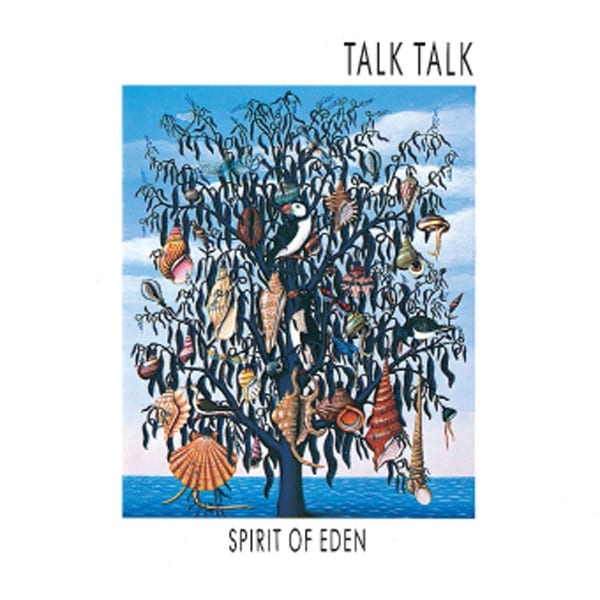
Spirit of Eden
★ 4.3 · 9—The patient zero. A synth-pop band with a top-10 single ("It's My Life") locked themselves in a converted church for a year, improvising in the dark to oil-projector light, and emerged with six tracks of silence, swell and dread that EMI had no idea how to sell. There is no post-rock without this — the studio-as-instrument, the refusal of the riff, the conviction that what a song withholds matters more than what it states.
- 2
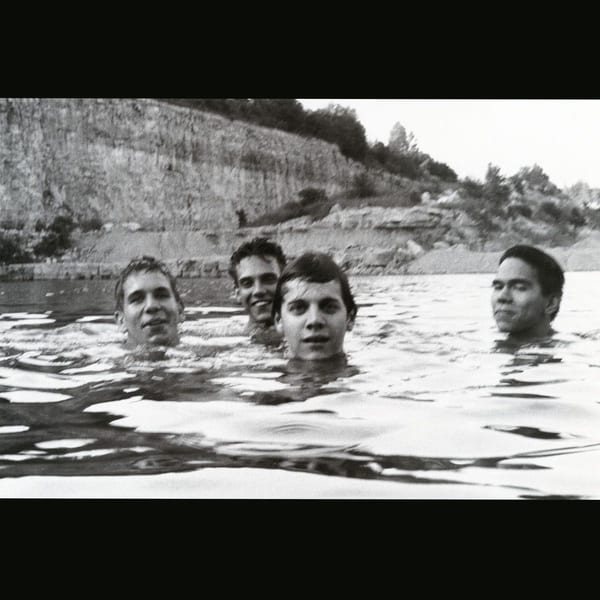
Spiderland
★ 4.6 · 10—The American counterweight. Six tracks of spoken menace, surgical quiet-loud dynamics and tuning that sounds like a nervous breakdown filed neatly. Recorded in 1990 by a band already falling apart, it became the Rosetta stone every later "loud-quiet-loud instrumental" act misread — they took the dynamics and left the dread. Start here, then notice how little anyone actually copied it correctly.
- 3
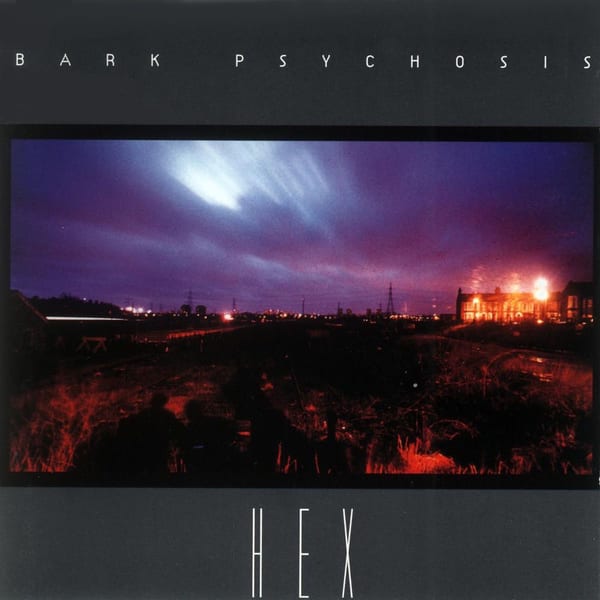
Hex
Be the first to rate—The record the word was invented for. Graham Sutton's group recorded much of it inside a Stoke Newington church at night, splicing dub bass, vibraphone, drum-machine pulse and slow-burning guitar into something with no precedent and no obvious genre. Reynolds heard it in 1994 and reached for "post-rock" to describe it. Forty minutes of nocturnal English melancholy that still sounds like it's being assembled in real time.
- 4
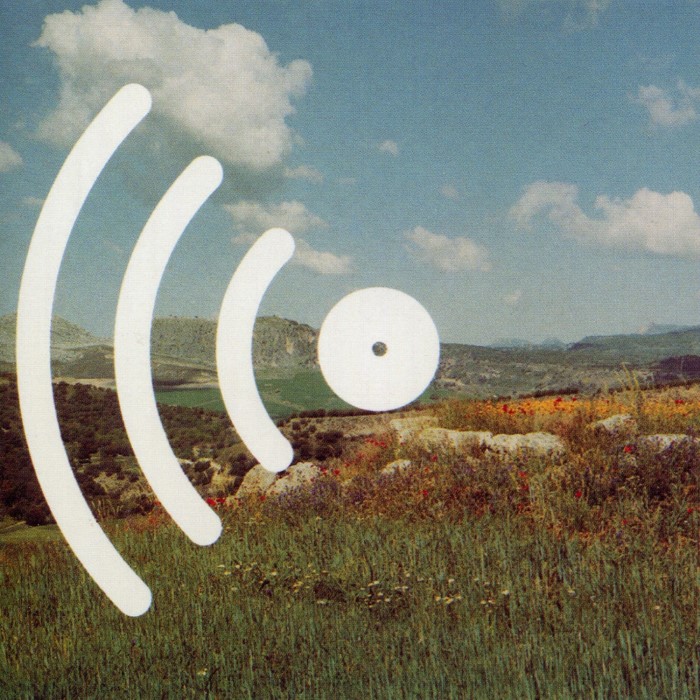
DI Go Pop
Be the first to rate—The most radical of the lot, and the most ignored at the time. Ian Crause routed every instrument through samplers, so a drum hit could trigger breaking glass, birdsong or a collapsing building — a guitar band playing the entire recorded world. 1994's D.I. Go Pop is despairing, overloaded, decades early; it sold almost nothing and predicted almost everything about sample-as-instrument music.
- 5
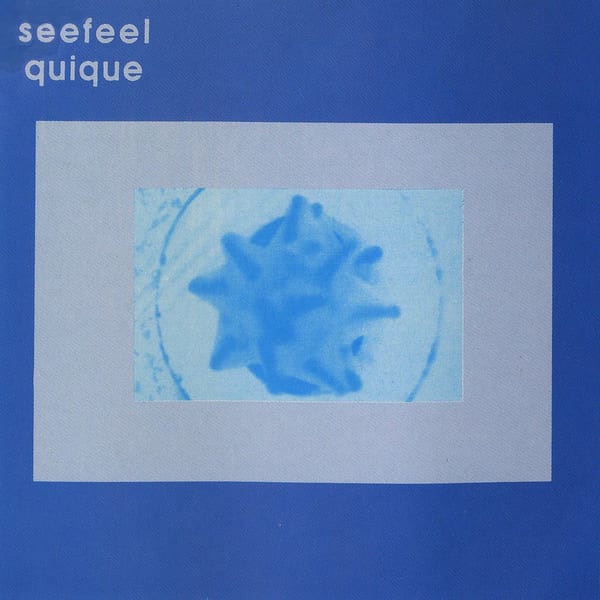
Quique
Be the first to rate—Shoegaze dissolving into techno in real time. Seefeel took the wash of My Bloody Valentine and slowed it into looping, pulsing ambient-dub — close enough to dance music that Warp signed them, close enough to rock that the guitars never quite disappear. Quique (1993) is the bridge between Loveless and Aphex Twin, and a reminder that early post-rock was as much about machines as guitars.
- 6
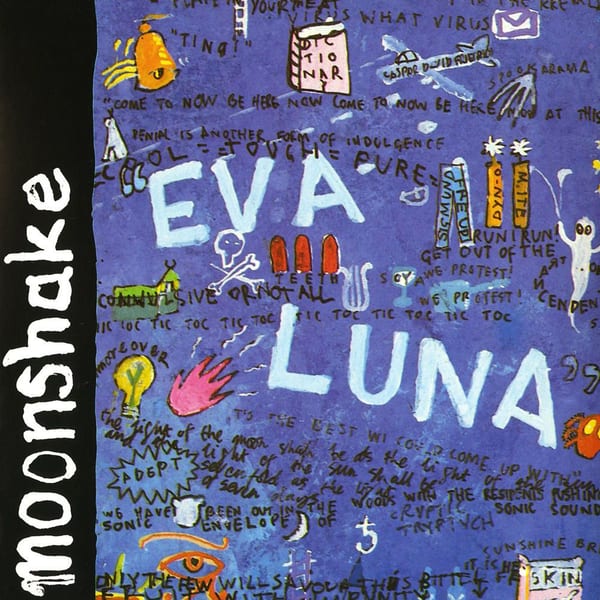
Eva Luna
Be the first to rate—Two singers, two visions, one sampler-driven groove. David Callahan's bark and Margaret Fiedler's drift traded off over Can-indebted loops and dub low-end on 1992's Eva Luna — abrasive where Seefeel was narcotic. The band split down those two voices, and both halves matter to this story: Callahan kept Moonshake noisy, Fiedler left to start something gentler.
- 7
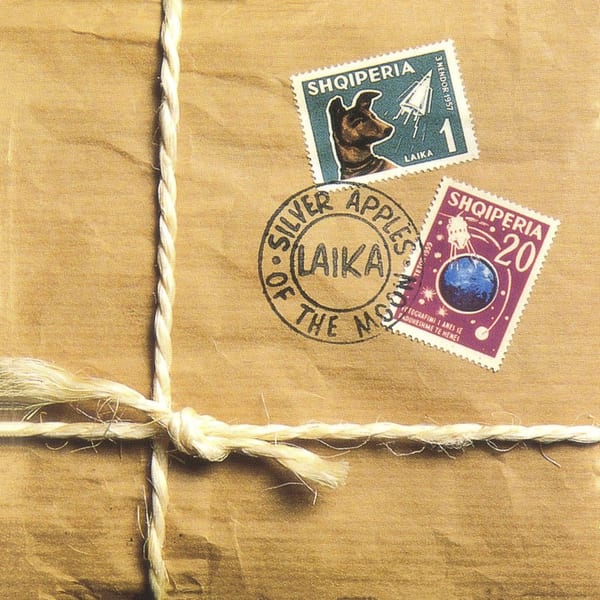
Silver Apples of the Moon
Be the first to rate—What Margaret Fiedler did next. Named for the doomed Soviet space dog and the Morton Subotnick piece, Laika folded trip-hop's headnod into Moonshake's loop science — programmed beats, treated guitars, Fiedler's cool voice floating over the top. 1994's Silver Apples of the Moon is post-rock that grooves, and one of the missing links between Bristol and Warp.
- 8
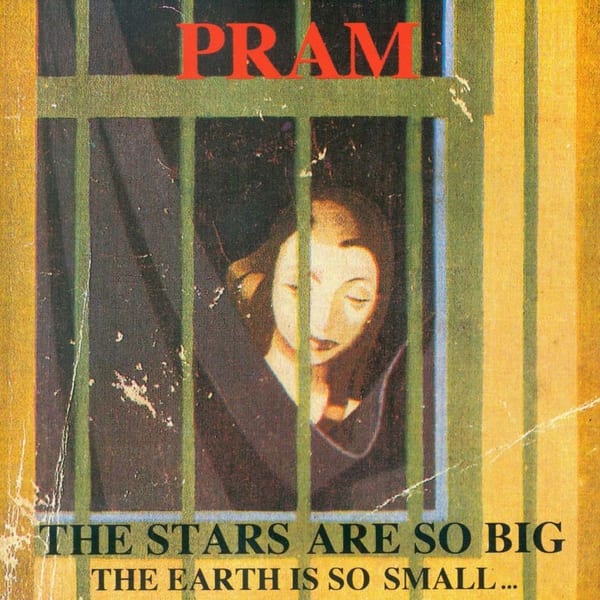
The Stars Are So Big The Earth Is So Small... Stay As You Are
Be the first to rate—Birmingham's strangest export: theremin, toy instruments, Rosie Cuckston's child-eerie voice and a homemade-orchestra clatter that sounds like a haunted nursery. Pram took the post-rock license — use any instrument, owe nothing to rock — and pointed it at something playful and unsettling rather than monumental. The 1993 debut is where their crooked little universe arrives fully formed.
- 9
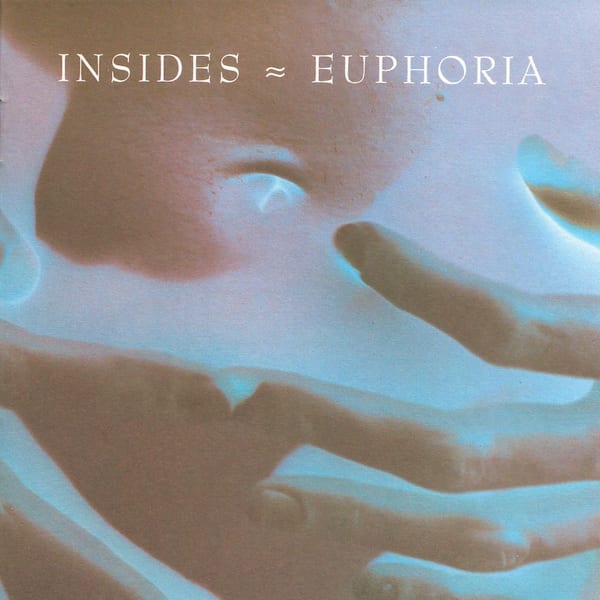
Euphoria
Be the first to rate—The quietest record here and one of the most overlooked. Kirsty Yates' near-whispered, painfully intimate lyrics over Julian Tardo's clicking, jazz-touched electronics — drum programming and treated guitar arranged with a watchmaker's restraint. 1993's Euphoria is post-rock as confession booth, proof the wave had a chamber-music wing as well as a noise one.
- 10
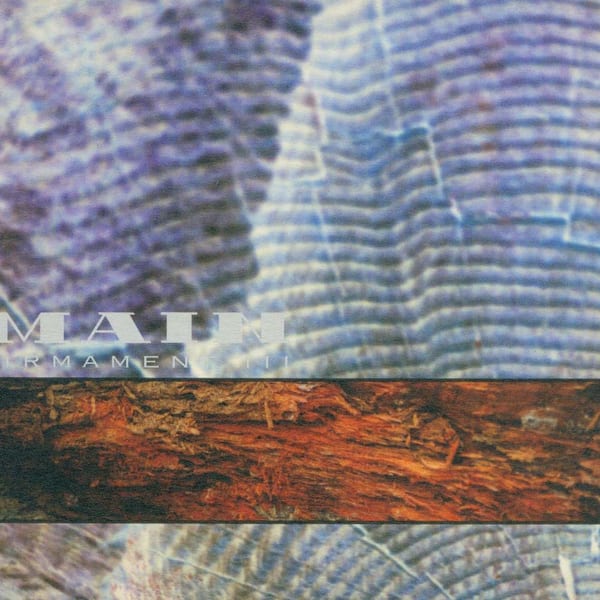
Firmament III
Be the first to rate—Robert Hampson dismantled his shoegaze band Loop and rebuilt it as Main — guitar reduced to grain, drone and processed hum, drifting toward pure sound art. The Firmament series strips rock down to its molecules; by Firmament III (1996) there's barely a recognizable instrument left. The far edge of the wave, where post-rock walks out of rock entirely and into ambient abstraction.
- 11
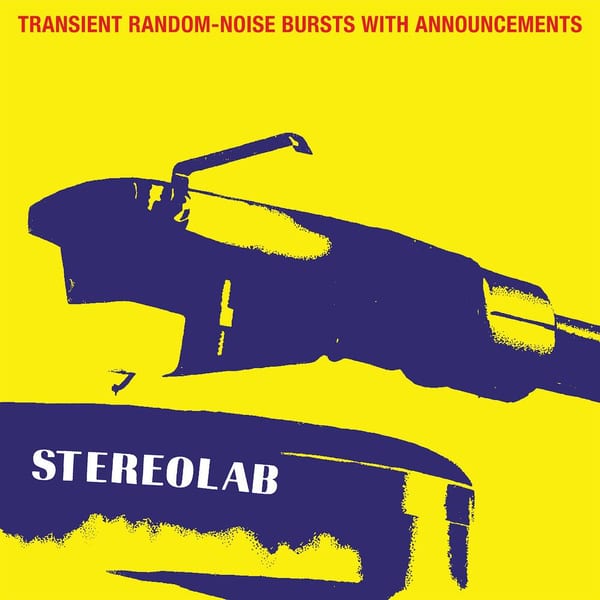
Transient Random-Noise Bursts With Announcements
Be the first to rate—Reynolds's term reached for them too: motorik krautrock pulse, Farfisa drone, French-pop melody and Marxist lyrics, all built on repetition rather than rock dynamics. 1993's Transient Random-Noise Bursts is the moment the groop locked their loop. They later became their own genre, but in 1993 they were squarely part of this conversation — rock instruments, anti-rock logic.
- 12
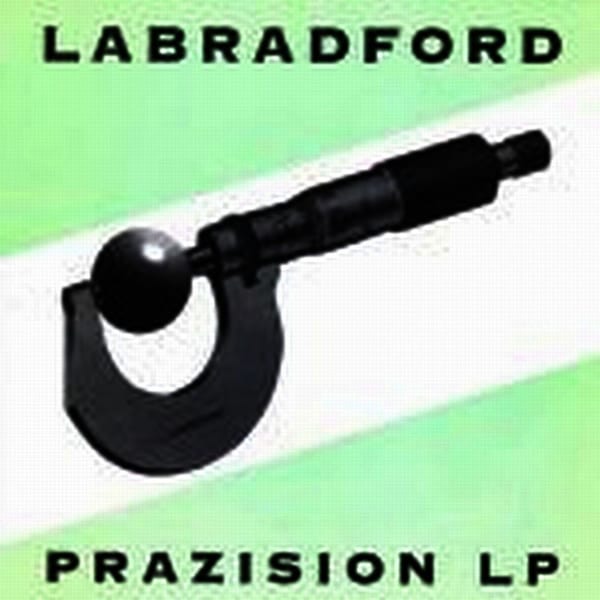
Prazision LP
Be the first to rate—The American answer, from Richmond, Virginia. Glacial analog-synth drones, sparse guitar, barely-there vocals — the sound of an empty room at 4am. 1993's Prazision LP helped define the slow, spatial American strand (it fed Kranky records and the whole Chicago-Richmond axis) that ran parallel to Britain's. Where the UK groups were busy with samplers, Labradford were busy with patience.
- 13
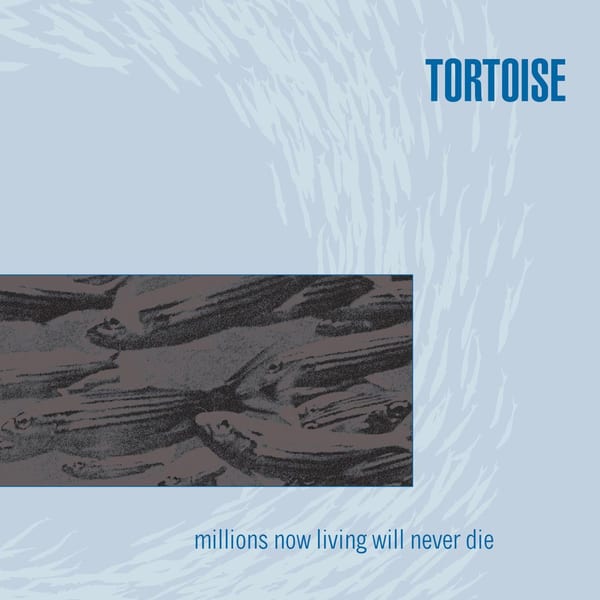
Millions Now Living Will Never Die
Be the first to rate—The Chicago pivot. Dub, krautrock, minimalism, jazz and marimba assembled by players from the post-hardcore scene — the twenty-one-minute "Djed" that opens 1996's Millions Now Living is a manifesto. This is where American post-rock got its own confident, groove-forward identity, and where the genre started to harden into something a scene could actually be built around.
- 14
69
Be the first to rate—The unacknowledged grandparents. This Black British duo were making weightless, dub-warped, genre-melting guitar music in the late '80s — they literally coined "dreampop" — and 1988's 69 prefigures half of everything else on this list. Reynolds's wave didn't appear from nowhere; A.R. Kane had already proven a guitar band could float free of rock's gravity.
- 15
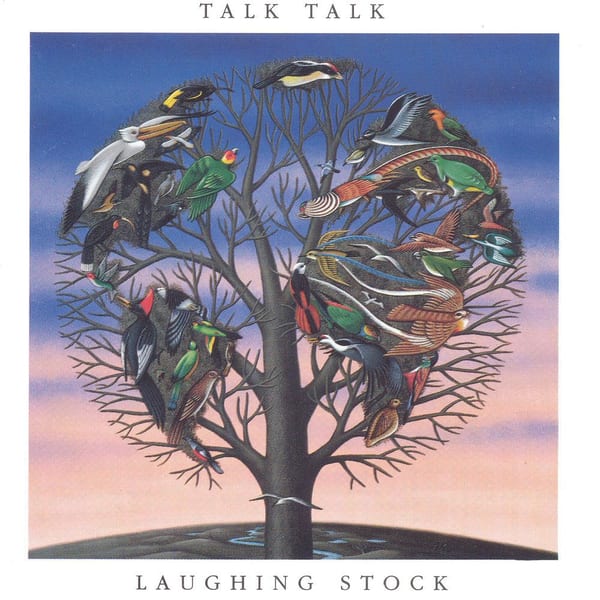
Laughing Stock
★ 5.0 · 1—The wave's closing statement and its highest peak. Mark Hollis and Lee Harris took Spirit of Eden's method further — improvising ensembles, hours of tape edited down to a few seconds of perfect silence-and-bloom. 1991's Laughing Stock is where the whole approach reaches its limit; Hollis made one solo album of even greater quiet, then stopped. There was nowhere left to go but out.


Explore the sound
Artists in this guide
Read next
The best albums of 2005: the year the blogs did the A&R
Nineteen records from the year Last.fm started keeping score and a band sold 125,000 albums out of an apartment.
The best debut albums of all time: 22 records that arrived finished
First albums that needed no apprenticeship, ranked, with an honest answer to the question that follows every one of them: did they ever beat it?
Best post-punk albums: 24 records, city by city
Post-punk was never one sound. It was a different argument in every town, and this is the map.
Best power pop albums: nineteen records with perfect songs and terrible luck
Beatles melody at Who volume, three minutes flat, almost never a hit. The canon of the genre that kept losing.
Got your own ranking? Build a list or tier of your own.