


Guides/A Riffiter guide
Dark jazz: the canon for 4 a.m.
Slow tempos, muted brass, and a sense that something bad already happened. The records that built doom jazz.
Dark jazz (also called doom jazz) takes the smoky noir of a film score, slows it past the point of comfort, and lets ambient and drone seep into the spaces between notes. The form has no real charts and almost no airplay, but a devoted following on RateYourMusic and Last.fm. This guide tracks it from Angelo Badalamenti's Twin Peaks through Bohren & der Club of Gore's Sunset Mission to the Dutch and French scenes that turned a mood into a genre.
There's a specific feeling dark jazz is after: the bar has closed, the streetlight outside is the only thing still working, and a trumpet is playing somewhere you can't quite locate. It isn't jazz the way Blue Note meant it. The improvisation is gone or buried, the tempos crawl, and the silence between phrases does as much work as the notes.
The genre never got a scene with a city attached, the way shoegaze got Thames Valley or trip-hop got Bristol. It assembled itself out of a few stubborn bands in Germany, the Netherlands and France who all happened to be chasing the same after-hours dread, plus one television composer who got there first without meaning to. What follows is the spine of it — the records a Last.fm scrobbler reaches for when nothing else is heavy enough and quiet enough at the same time.
- 1
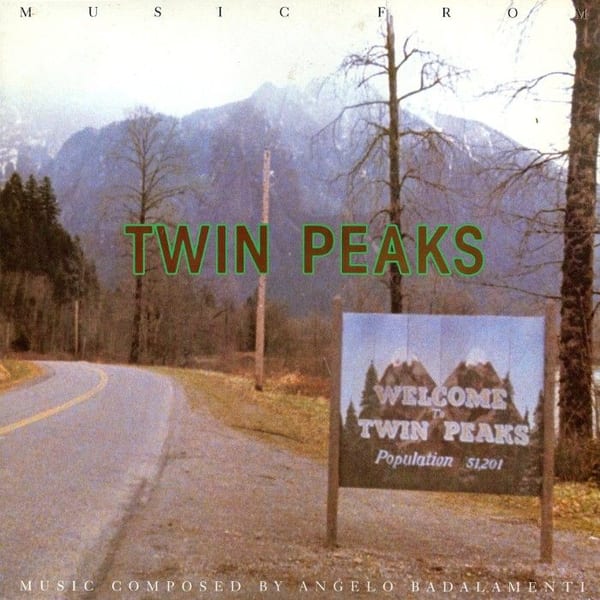
Twin Peaks
Be the first to rate—Every dark jazz musician you'll meet on this list cites the same patient zero. Badalamenti's 1990 score for David Lynch — finger-snap bass, the muted "Audrey's Dance" vibraphone, the syrupy menace of the main theme — wasn't jazz exactly, but it taught a generation that a slow, pretty melody could feel like a held breath before something terrible. The whole genre is, in some sense, an attempt to live inside this record permanently.
- 2
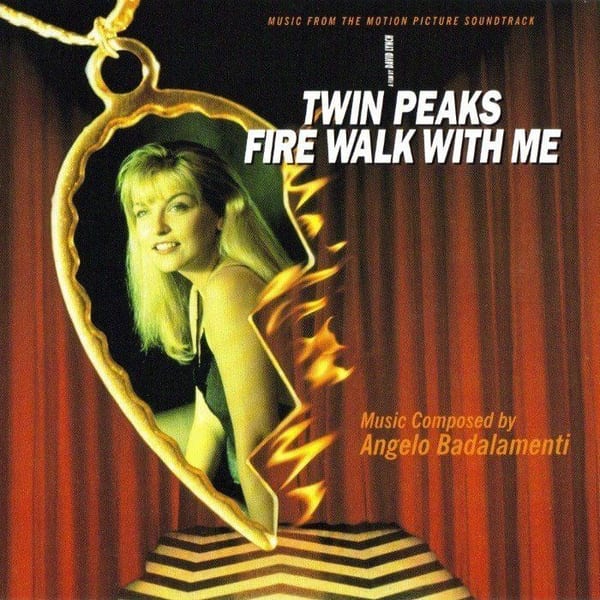
Twin Peaks: Fire Walk With Me
Be the first to rate—The 1992 film score is where Badalamenti goes genuinely dark. "The Pink Room" is the dark jazz blueprint in three minutes: a sleazy, lurching blues drowned in reverb and distortion, played at a tempo that feels narcotic. Bohren and the Kilimanjaro crowd would spend the next twenty years chasing exactly this — the sound of a band playing in a room you should not be in.
- 3
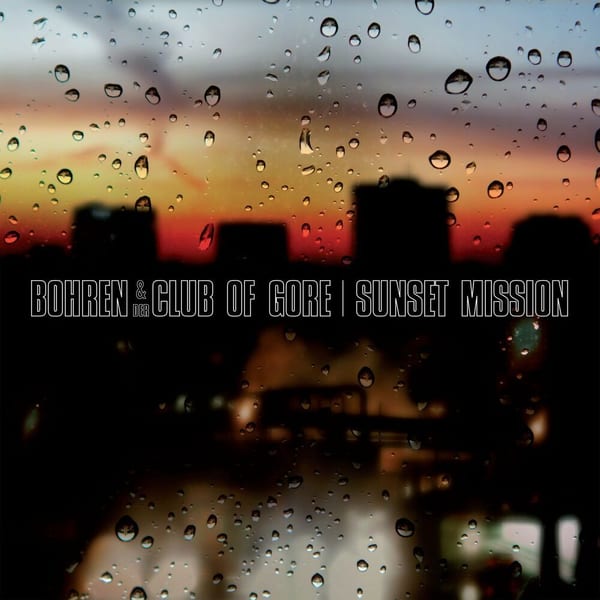
Sunset Mission
Be the first to rate—The genre's foundation stone. Four Germans who started as a hardcore band slowed everything down until they were playing a single chord per minute, and on Sunset Mission (2000) they added Christoph Clöser's saxophone and committed fully to the noir. Nothing on it goes faster than a funeral. If you only hear one dark jazz album, hear this one — it's the record that gave the others permission to exist.
- 4

Black Earth
Be the first to rate—If Sunset Mission was the prototype, Black Earth (2002) is the masterpiece. Its US reissue on Mike Patton's Ipecac label two years later is how most Americans found the band at all. "Midnight Black Earth" stretches a few mournful piano figures across nearly nine minutes and never once feels padded. Patient to the point of cruelty, and gorgeous because of it.
- 5
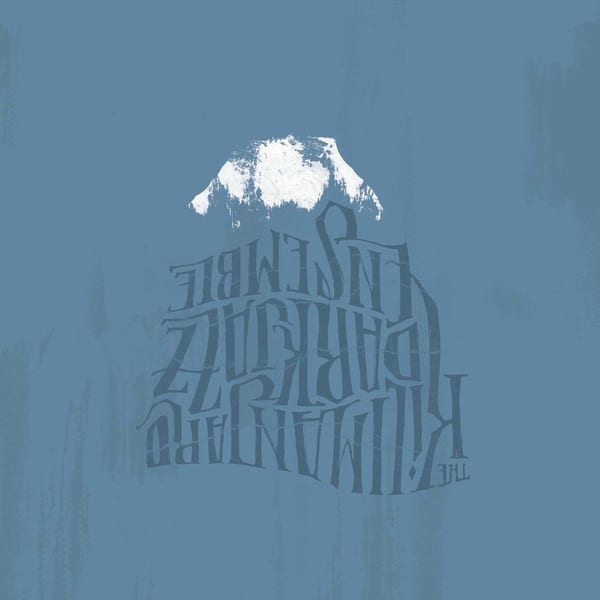
The Kilimanjaro Darkjazz Ensemble
The Kilimanjaro Darkjazz Ensemble
Be the first to rate—Where Bohren is a band slowing jazz down, this Dutch collective came at it from the other direction — they formed in 2000 to score silent films, then let the score eat the film. Their 2006 debut adds electronics, field recordings and outright drone to the recipe, so the brass keeps dissolving into static. It's the album that turned a Bohren-shaped mood into something with more rooms in it.
- 6
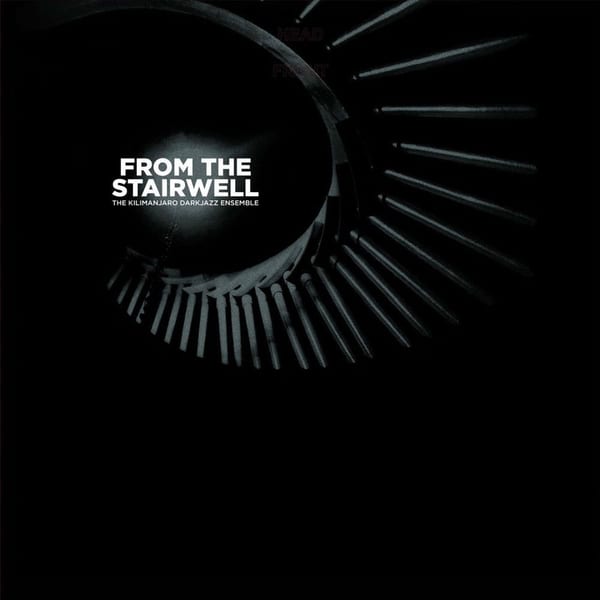
From the Stairwell
The Kilimanjaro Darkjazz Ensemble
Be the first to rate—Their 2011 album, and probably the most fully realized thing the Dutch scene produced. The trumpet of Gideon Kiers and the production swallow each other; tracks build to something that's nearly post-rock crescendo before pulling back into the murk. This is dark jazz at its most cinematic without a film attached — which is the whole trick.
- 7
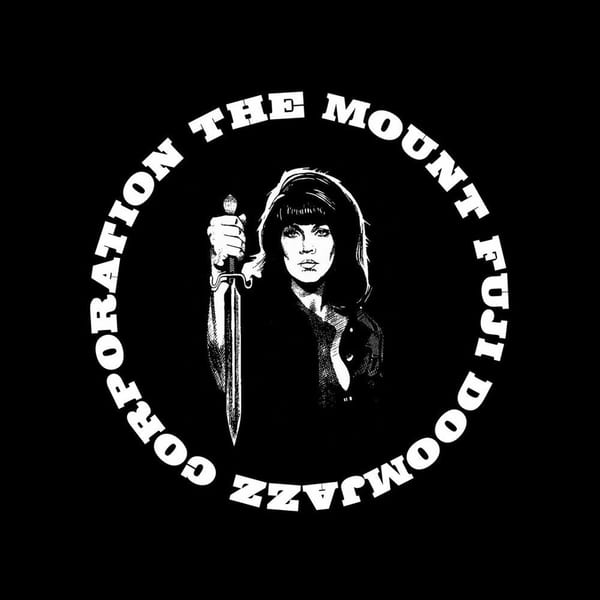
Succubus
The Mount Fuji Doomjazz Corporation
Be the first to rate—Same Dutch musicians, opposite method. Where Kilimanjaro composed in the studio, Mount Fuji is the fully improvised, doom-metal-adjacent alter ego — recorded live, in one take, with the amps cranked. Succubus (2010) is the heaviest thing in this guide, all low drone and sax skronk over a slow-motion sludge. Proof that "doom jazz" is not just a cute name.
- 8
Parole de Navarre
Be the first to rate—The French wing, and the most overtly Lynchian — they named themselves after Twin Peaks' FBI agent and aren't shy about it. Their 2007 debut runs the Bohren formula through processed saxophone and a heavier electronic haze, the brass treated until it sounds like it's coming through a wall. Smokier and stranger than the Dutch records, and underrated next to them.
- 9
Metamanoir
Be the first to rate—Their 2011 album pushes deeper into texture — the sax loops back on itself, the rhythms turn almost ritualistic, and the whole thing feels less like a band than a weather system. If Bohren is the genre's classicism and Mount Fuji its heaviness, Metamanoir is its most hypnotic, dissolving end. Put it on at 3 a.m. and lose an hour.
- 10
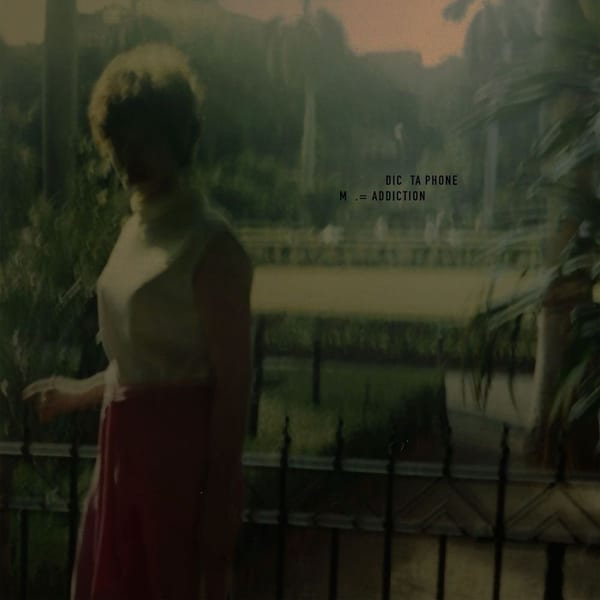
M.=addiction
Be the first to rate—Berlin's Dictaphone come at the mood from a chamber angle — clarinet, double bass, glitchy electronics — rather than the noir-jazz one, but M.=addiction (2002) belongs here for sheer late-night desolation. Oliver Doerell's arrangements are sparse to the point of feeling unfinished, in the best way. The bridge between dark jazz and the German electronic-chamber world it shares borders with.
- 11
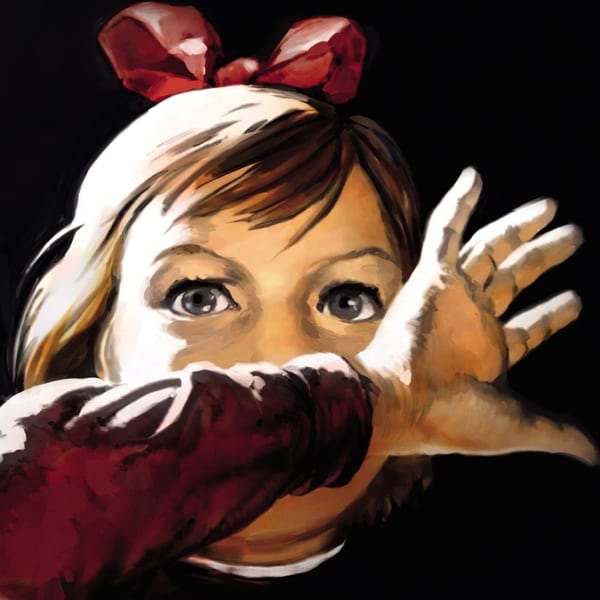
Bersarin Quartett
Be the first to rate—Not strictly jazz — Thomas Bücker is one man with samples and synths, not a quartet at all — but the 2010 debut earns its place as the genre's ambient cousin. It builds the same cinematic dread out of looped strings and muffled piano, a phantom film score for a movie that was never shot. Where dark jazz drifts when it's done with the brass.


Explore the sound
Artists in this guide
Read next
Screamo: the canon, from Gravity Records to the 2026 revival
Skramz, not Warped Tour. Twenty-two records that hold the line from San Diego in 1994 to Brighton this March.
Where to start with Swans: seventeen albums, in the order you should hear them
Michael Gira has spent forty years making music that punishes casual listening. Chronological order is the worst way in.
Best city pop albums: eighteen records from the studio boom, 1977 to 2006
Sunshower to Tokyo Sniper, in order of release, with the session players and producers who actually built the thing.
The best albums of 2005: the year the blogs did the A&R
Nineteen records from the year Last.fm started keeping score and a band sold 125,000 albums out of an apartment.
Got your own ranking? Build a list or tier of your own.