


Guides/A Riffiter guide
What is midwest emo? The essential albums, wave by wave
Twinkly guitars, cracked voices, Illinois basements: the genre's whole arc in twelve records.
Midwest emo is the strain of emo built on clean, intricate "twinkly" guitar lines, conversational vocals and indie-rock dynamics, born in the 1990s American Midwest. This guide maps its essential albums across every wave, from Sunny Day Real Estate's Diary (1994) to The Hotelier's Home, Like Noplace Is There (2014).
Ask three fans to define midwest emo and you'll get three answers and a fight about American Football. The short version: in the mid-90s, kids raised on hardcore started playing quieter, more intricate music about their feelings, and the sound that emerged (noodling clean guitars, half-shouted vocals, odd time signatures played in basements) became one of indie rock's most durable dialects.
The genre runs in waves: the 90s originators, the 2000s drought, the early-2010s "emo revival," and the post-2020 generation rediscovering all of it. These twelve albums are the spine.
- 1
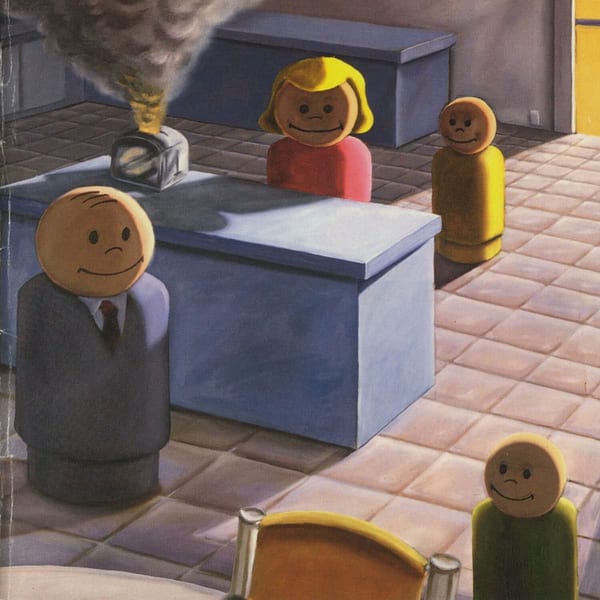
Diary
Be the first to rate—The bridge from post-hardcore into emo's second wave. Diary (1994, Sub Pop) gave the genre its dynamics (hushed verses detonating into soaring choruses) and Jeremy Enigk's strained tenor became the voice every emo singer inherited.
- 2
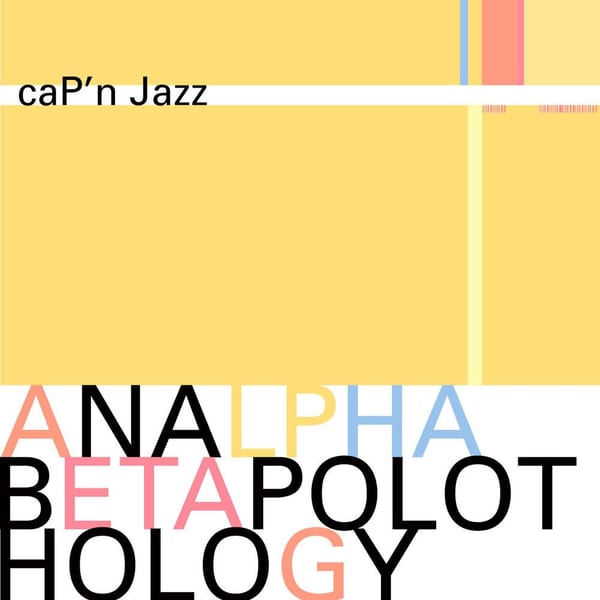
Analphabetapolothology
Be the first to rate—Chicago's Kinsella brothers played emo as joyful collapse: yelped non-sequiturs, songs falling over themselves. This 1998 compilation collects everything; half of midwest emo's later bands (American Football, Joan of Arc, Owen) trace straight back to it.
- 3
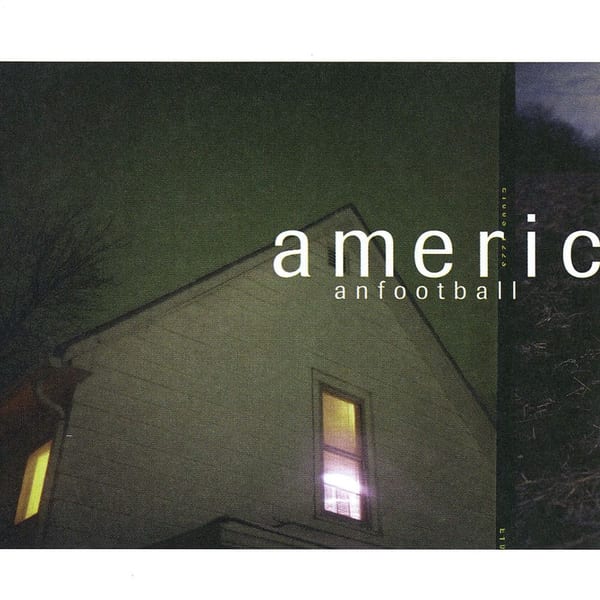
American Football
Be the first to rate—The genre's defining record and its most famous house. Math-rock guitar figures, trumpet, Mike Kinsella barely holding the notes, released to little notice in 1999, broken up by 2000, and slowly canonized into the most influential emo album ever made.
- 4
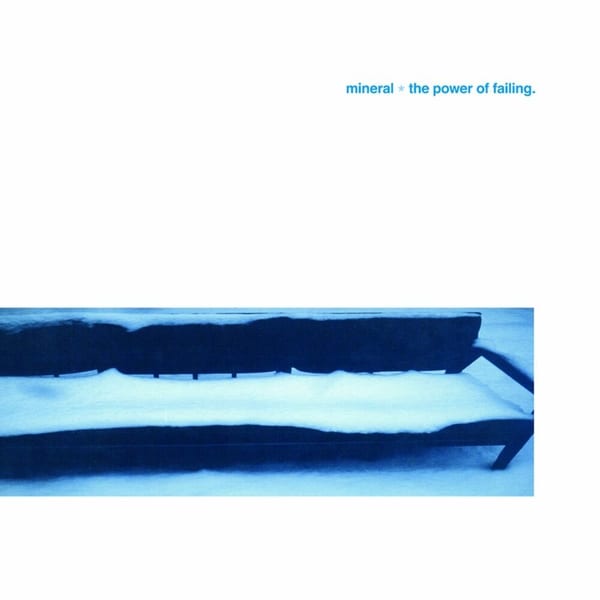
The Power of Failing
Be the first to rate—Austin, 1997: the loud, earnest pole of the genre. Every quiet-loud build on this record aims for catharsis and lands. If American Football is midwest emo's head, The Power of Failing is its chest.
- 5
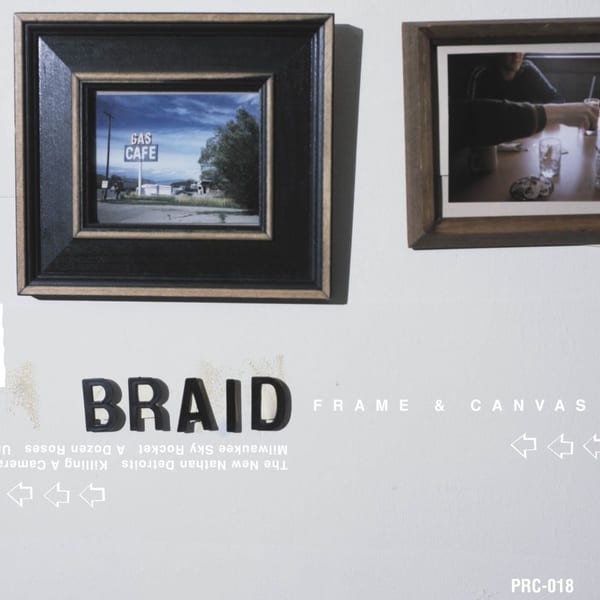
Frame & Canvas
Be the first to rate—The genre's rhythm section masterclass. Frame & Canvas (1998) is all stop-start urgency and dual vocals trading lines, emo that grooves. Reissued and remastered in 2022 because the demand never went away.
- 6
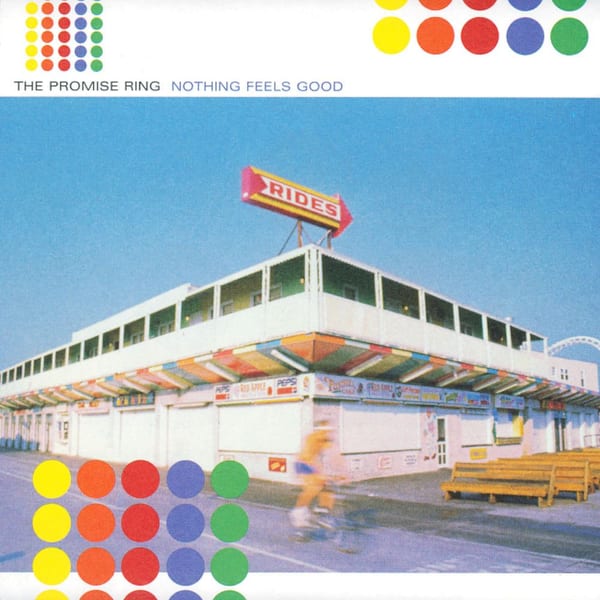
Nothing Feels Good
Be the first to rate—The poppiest of the first wave, Davey von Bohlen's lisp-edged hooks made 1997's Nothing Feels Good the scene's singalong record, and its title became shorthand for the whole genre's mood (and the title of its definitive book).
- 7
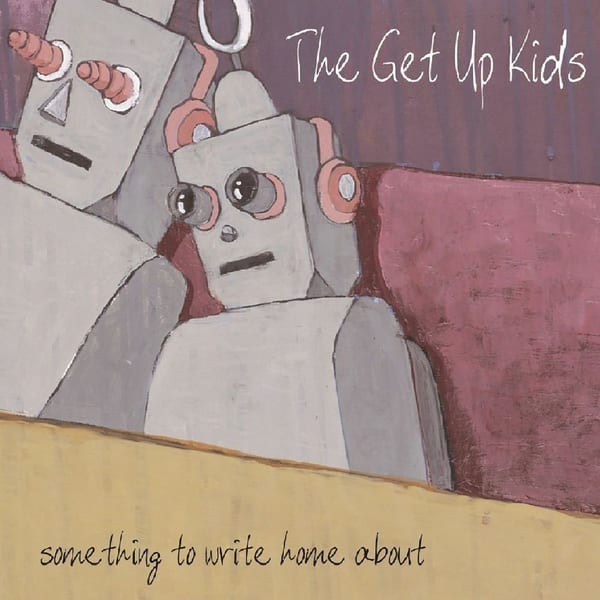
Something to Write Home About
Be the first to rate—Kansas City's 1999 power-emo touchstone: bigger choruses, Moog lines, heart permanently on sleeve. The record that carried the sound from basements toward Vagrant-era ubiquity, for better and worse, the blueprint for the 2000s.
- 8
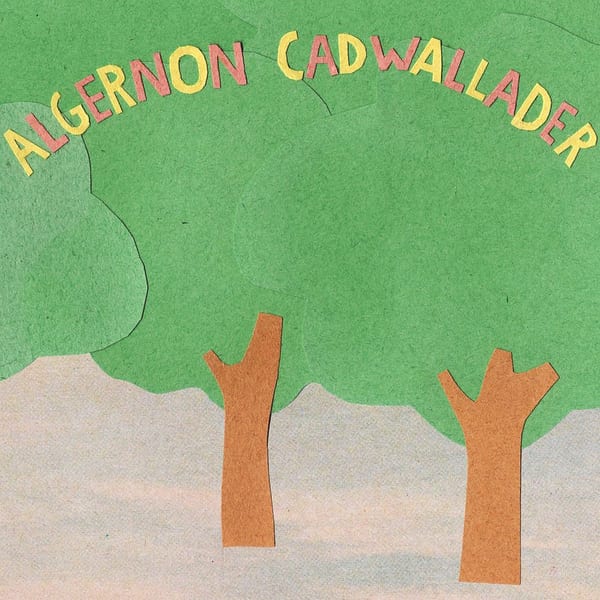
Some Kind of Cadwallader
Be the first to rate—Philadelphia, 2008: the spark of the revival. Cap'n Jazz worship played with total abandon, tapped riffs and shouted group vocals. It made twinkle cool again and announced that the fourth wave had started without anyone's permission.
- 9
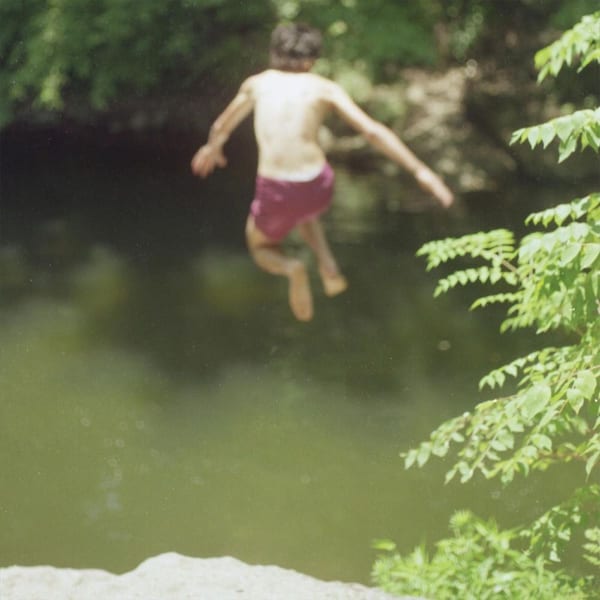
Whenever, If Ever
The World Is a Beautiful Place & I Am No Longer Afraid to Die
Be the first to rate—Revival emo at orchestral scale, eight-plus members, crescendos borrowed from post-rock, titles longer than choruses. Whenever, If Ever (2013) is the wave's most ambitious statement.
- 10
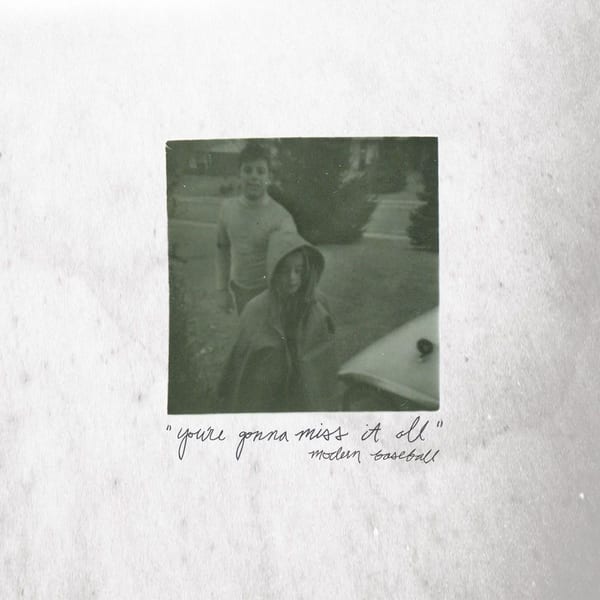
You're Gonna Miss It All
Be the first to rate—The revival's wry, extremely online heart. You're Gonna Miss It All (2014) turned group-chat anxiety and party small talk into hooks, and made Modern Baseball the scene's biggest crossover since the 90s.
- 11
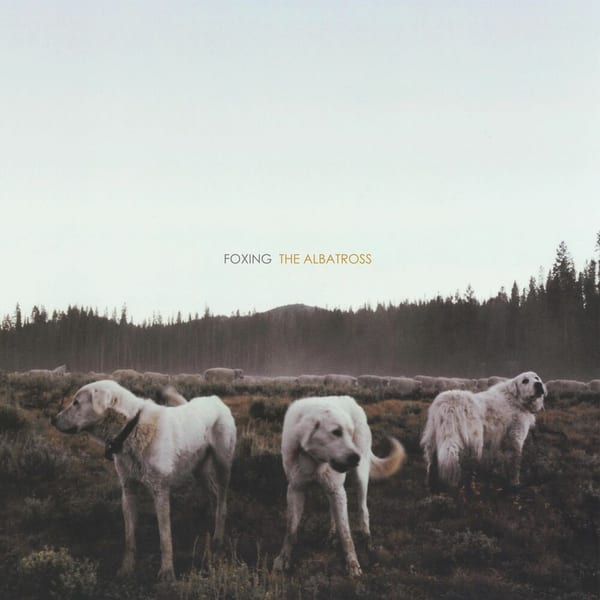
The Albatross
Be the first to rate—St. Louis, 2013: trumpet, falsetto, slow-burn builds, the revival's art-rock wing. "Rory" became the era's signature crying-along song, and Foxing kept evolving long after the wave crested.
- 12
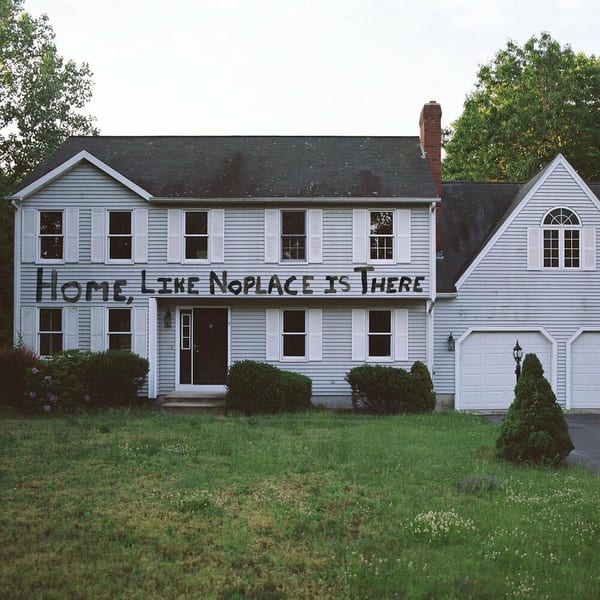
Home, Like Noplace Is There
Be the first to rate—The revival's masterpiece. Nine songs about grief, identity and care, opening with "An Introduction to the Album", a funeral speech that becomes a scream. Routinely ranked the best emo album of its decade, in any wave.


Explore the sound
Artists in this guide
Read next
Best shoegaze albums: sixteen records that hid the song inside the noise
From My Bloody Valentine's Loveless to the American revival — the foundational shoegaze canon, ranked.
The best albums of 1996: the year the weird stuff got funded
Twenty-one records from the last moment major labels and basement labels were both paying for the deep end. Ranked.
Jazz fusion: the essential albums of the electric decade
From Bitches Brew to Bright Size Life: fifteen records from the years jazz plugged in.
Bossa nova beyond 'The Girl from Ipanema': the essential albums
Seventeen records, 1959 to 1977, for anyone whose bossa shelf is one Stan Getz album deep.
Got your own ranking? Build a list or tier of your own.