


Guides/A Riffiter guide
The best albums of 1996: the year the weird stuff got funded
Twenty-one records from the last moment major labels and basement labels were both paying for the deep end. Ranked.
DJ Shadow's Endtroducing....., Fishmans' Long Season, Aphex Twin's Richard D. James Album and Belle and Sebastian's If You're Feeling Sinister all came out within nine weeks of each other in autumn 1996. This guide ranks 21 albums from that year across hip-hop, IDM, post-rock, indie pop and harsh noise, with the label and release date for each.
1996 is the year the record industry lost the plot in the most productive way possible. Grunge money was still sloshing around the majors, so Geffen and Elektra kept signing cheques for records that had no business on a major label. At the same time the independents had finally solved distribution: Drag City, Thrill Jockey, Warp, Rephlex, Relapse and Touch and Go could get a strange record into a shop in a month.
Napster was three years away and nobody knew the floor was about to give. What you get is twelve months in which a Sacramento crate digger, a Tokyo dub-pop band, a Glasgow bedsit songwriter and a Japanese noise musician with a fuzz box all made their career records. Here are 21 of them, in the order I would defend them. The comments are for telling me where I am wrong.
- 1
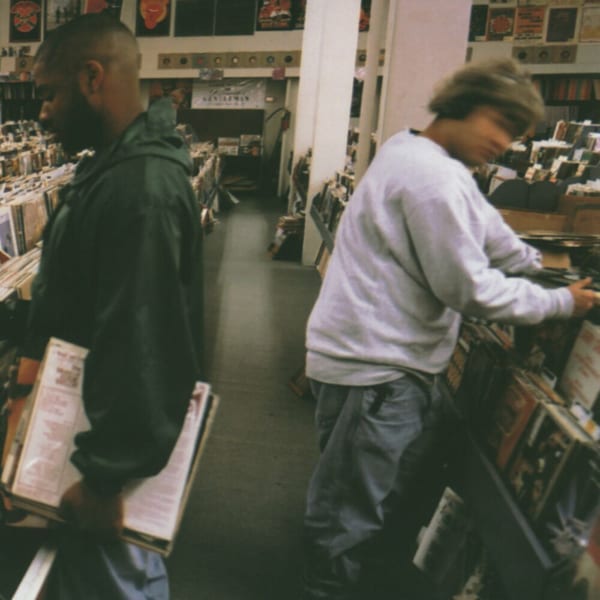
Endtroducing.....
Be the first to rate—Josh Davis built it on an Akai MPC60 out of records dug from the basement of a Sacramento shop, and Mo' Wax released it in September 1996. Guinness later credited it as the first album made entirely from samples, a claim worth arguing with and a decent shorthand for how it felt at the time. The technique is not what holds up. The melancholy is: a record assembled from other people's dead ends that ends up sounding like one person's interior life.
- 2
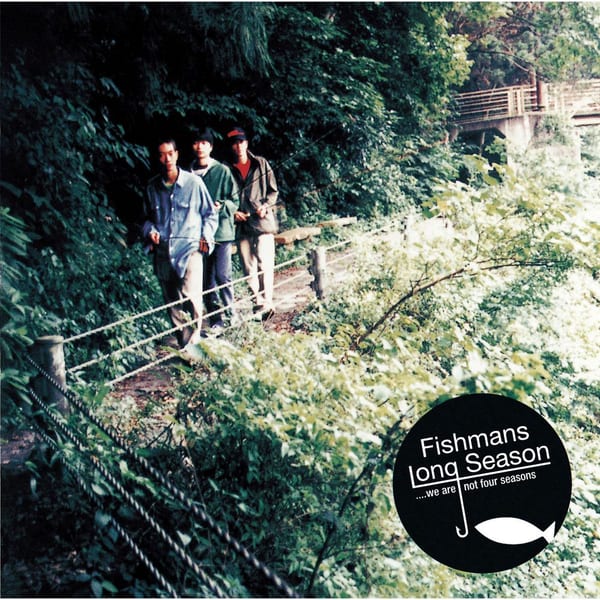
Long Season
Be the first to rate—One track, thirty-five minutes, five movements, out on Polydor in Japan in October 1996. Fishmans came up through the Tokyo dub and reggae scene and spent the mid-nineties stretching pop songs until they stopped behaving like songs. Shinji Sato died in 1999 at 33 and the band never replaced him, which is part of why this now carries the weight of a final statement it was never meant to carry. It is also the most beautiful thing anyone recorded that year.
- 3
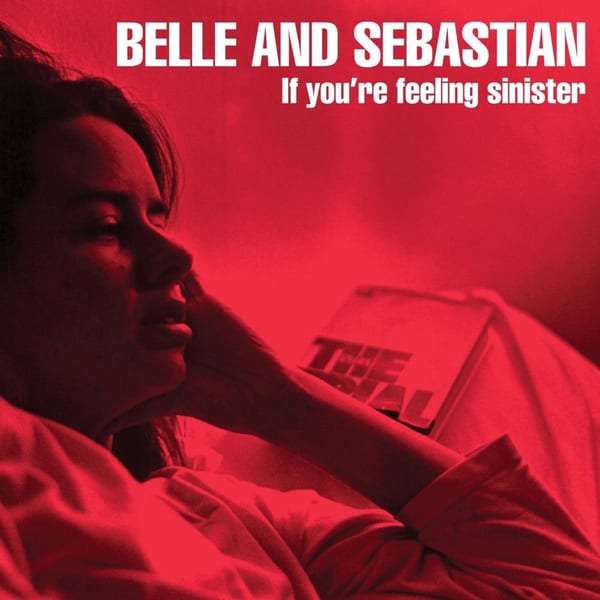
If You're Feeling Sinister
Be the first to rate—Their second album of 1996. Tigermilk arrived in June on Electric Honey, a label run out of a Glasgow college course, and by 18 November they were on Jeepster making the record people actually mean when they say Belle and Sebastian. Stuart Murdoch sings about church, illness, boredom and dying young in a voice soft enough that you can miss how cruel some of the lines are. The band have spent thirty years complaining the recording is thin. They are wrong.
- 4
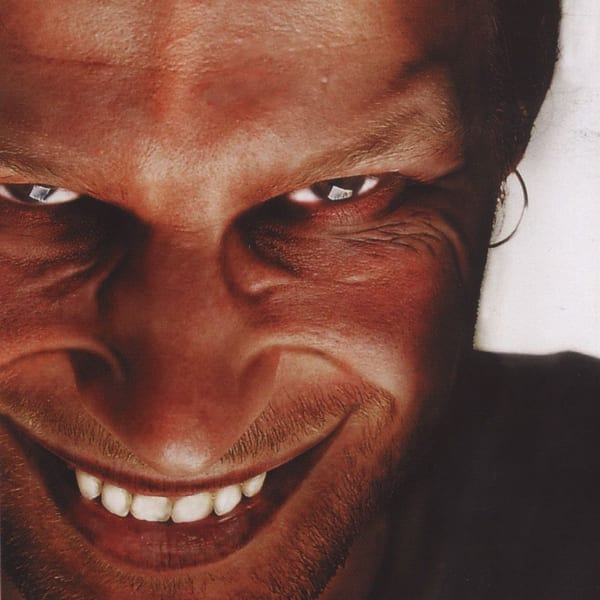
Richard D. James Album
★ 3.5 · 1—Thirty-three minutes on Warp, 4 November 1996, and the moment drill and bass stopped being a joke about programming speed. James put string samples and pitched choirs over drum patterns no human arm could play, then wrote real tunes underneath them. Most records this technical age badly. This one still sounds like a prank you can hum.
- 5
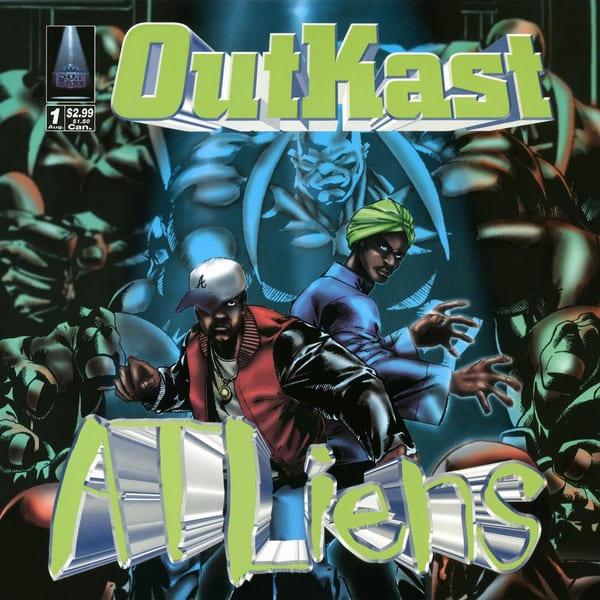
ATLiens
Be the first to rate—August 1996 on LaFace, and the point where André and Big Boi took most of the production away from Organized Noize and did it themselves as Earthtone III. It is colder and slower than the debut, with far more space in it and a permanent low hum of dread. It is also where the alien business stops being a costume: two kids from Atlanta who had been told rap only came from two coasts, describing what that isolation actually feels like.
- 6
Soundtracks for the Blind
★ 4.3 · 6—Two hours and twenty-one minutes across a double CD, out on Young God and Atavistic in October 1996 and intended as the end of the band. Michael Gira assembled much of it alone from Dictaphone recordings, found tape and abandoned sessions, so it plays less like an album than like a man emptying a drawer of every frightening thing he owns. Swans went dark for fourteen years afterwards. If you only know the 2010s reunion records, this is where they came from.
- 7
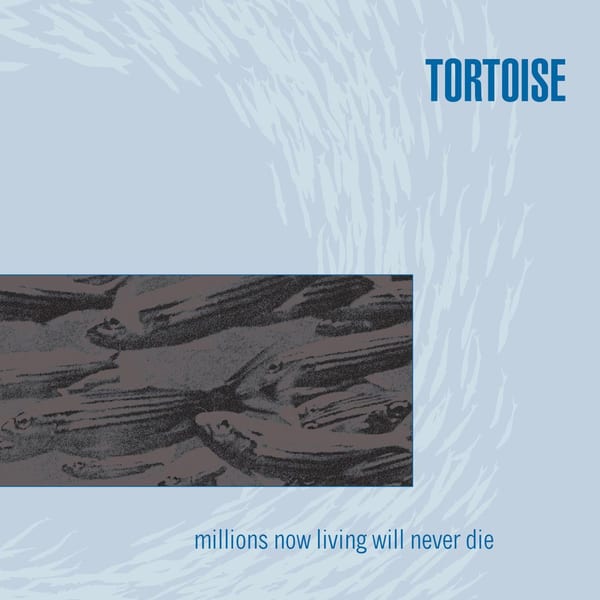
Millions Now Living Will Never Die
Be the first to rate—Thrill Jockey, 30 January 1996, and the album that got American shops to build a post-rock shelf. Side one is Djed, twenty-one minutes of dub bass and marimba with a tape splice halfway through that sounds exactly like a CD skipping. The title lifts an old Jehovah's Witness slogan, which tells you how much of this band's humour hid inside the seriousness.
- 8
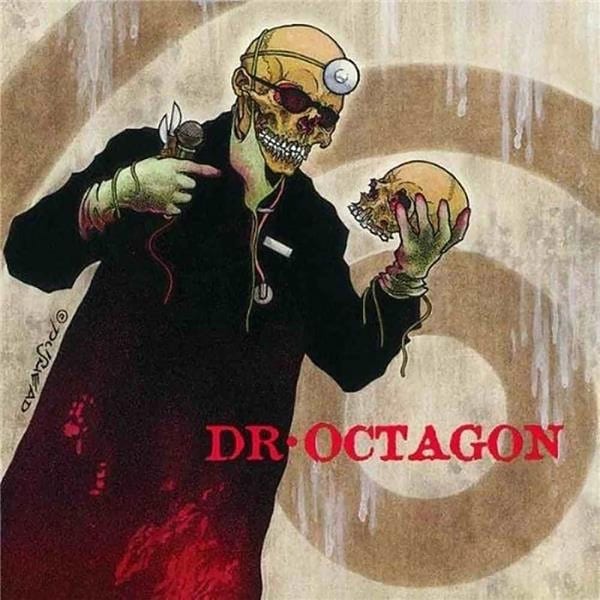
Dr. Octagonecologyst
Be the first to rate—Kool Keith as a time-travelling extraterrestrial gynecologist, with Dan the Automator building beats from horror strings and DJ Qbert scratching over the top. Bulk Recordings put it out in 1996; DreamWorks reissued it the following year once people worked out what they had. Thirty years on the jokes still land and the production still sounds like nothing else, a survival rate almost no comedy record manages.
- 9
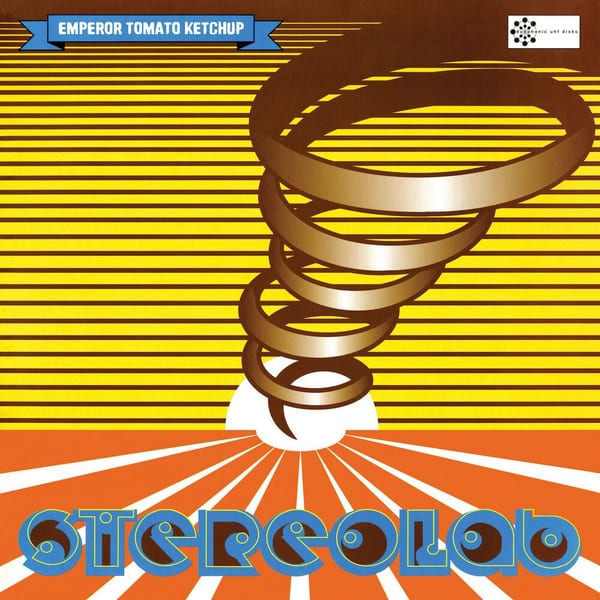
Emperor Tomato Ketchup
★ 4.4 · 6—Named after a Shuji Terayama film from 1971, recorded partly in Chicago with John McEntire of Tortoise at the desk, released in March 1996 by Duophonic in Britain and Elektra in the States. That last detail is the whole year in miniature: a major label paying to press a Marxist krautrock band's best record. Laetitia Sadier and Mary Hansen do the melodic work while the motorik underneath flatly refuses to develop, and the friction between those two facts is the trick.
- 10
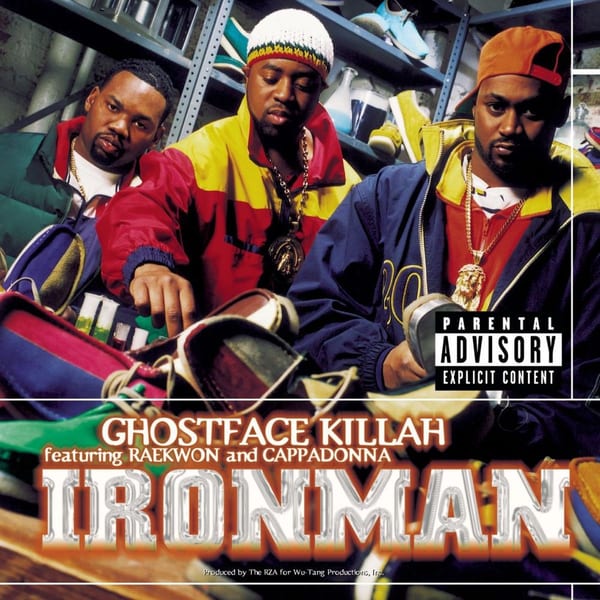
Ironman
Be the first to rate—October 1996 on Razor Sharp and Epic, RZA producing, Raekwon and Cappadonna on so much of it that it plays like a Wu group record wearing one man's name. The soul samples get looped at their most emotional bar and left there to bleed. Ghostface's writing is at its most cinematic and least literal here, and the run from Iron Maiden through Camay is as strong as anything in RZA's five-year plan.
- 11
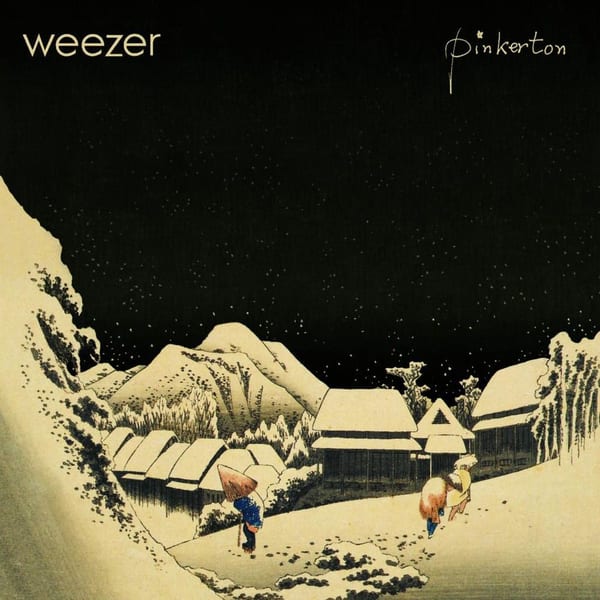
Pinkerton
Be the first to rate—DGC, September 1996, and a flop in both directions: Rolling Stone readers voted it the third-worst album of the year. Rivers Cuomo wrote it at Harvard with a leg brace on, and the discomfort is the material. It is a record about wanting things you should not want, sung by someone who knows it and says it anyway. It went platinum twenty years later, once the people it embarrassed had grown up.
- 12
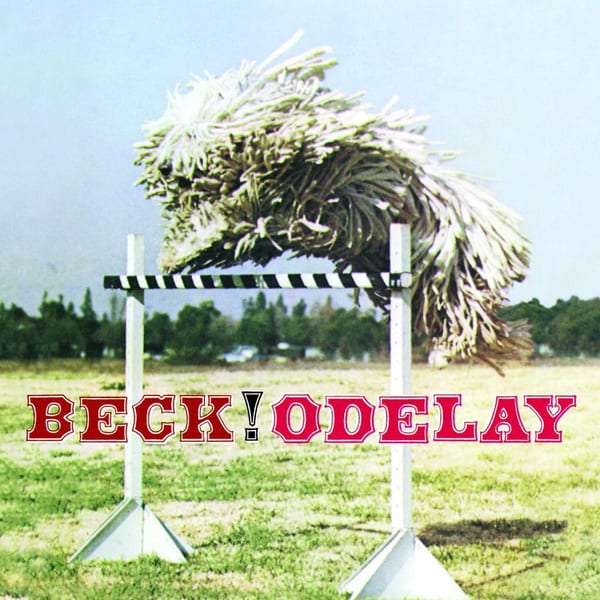
Odelay
Be the first to rate—The Dust Brothers built the beds, Beck piled everything he owned on top, DGC released it in June 1996 and it became an actual hit. What keeps it off the novelty shelf is how carefully the junk is arranged. Where the Loser era sounded like a shrug, this sounds like someone who has worked out that collage is a craft, and Jack-Ass and Ramshackle are where the sad songwriter underneath finally shows himself.
- 13
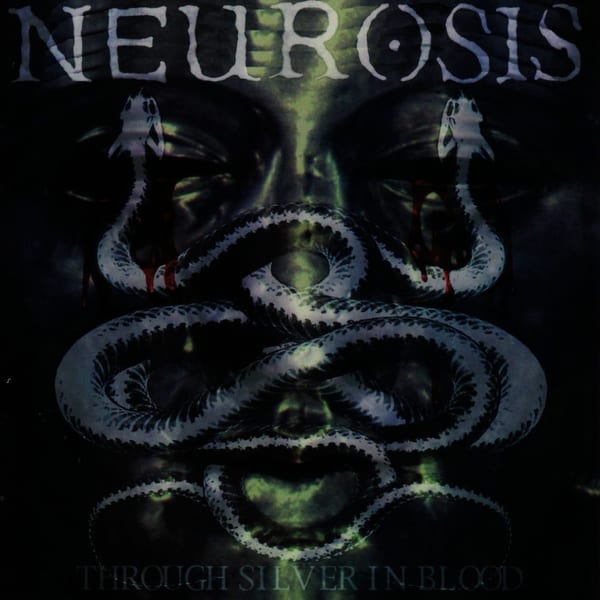
Through Silver in Blood
Be the first to rate—Relapse, April 1996. Neurosis started as an Oakland hardcore band and by this record had turned into something closer to ritual: tribal drums, drones, samples, riffs repeated well past comfort. Every post-metal band of the next two decades took something from it, usually the wrong thing. The title track is twelve minutes of a band realising that heaviness is a function of duration, not tempo.
- 14
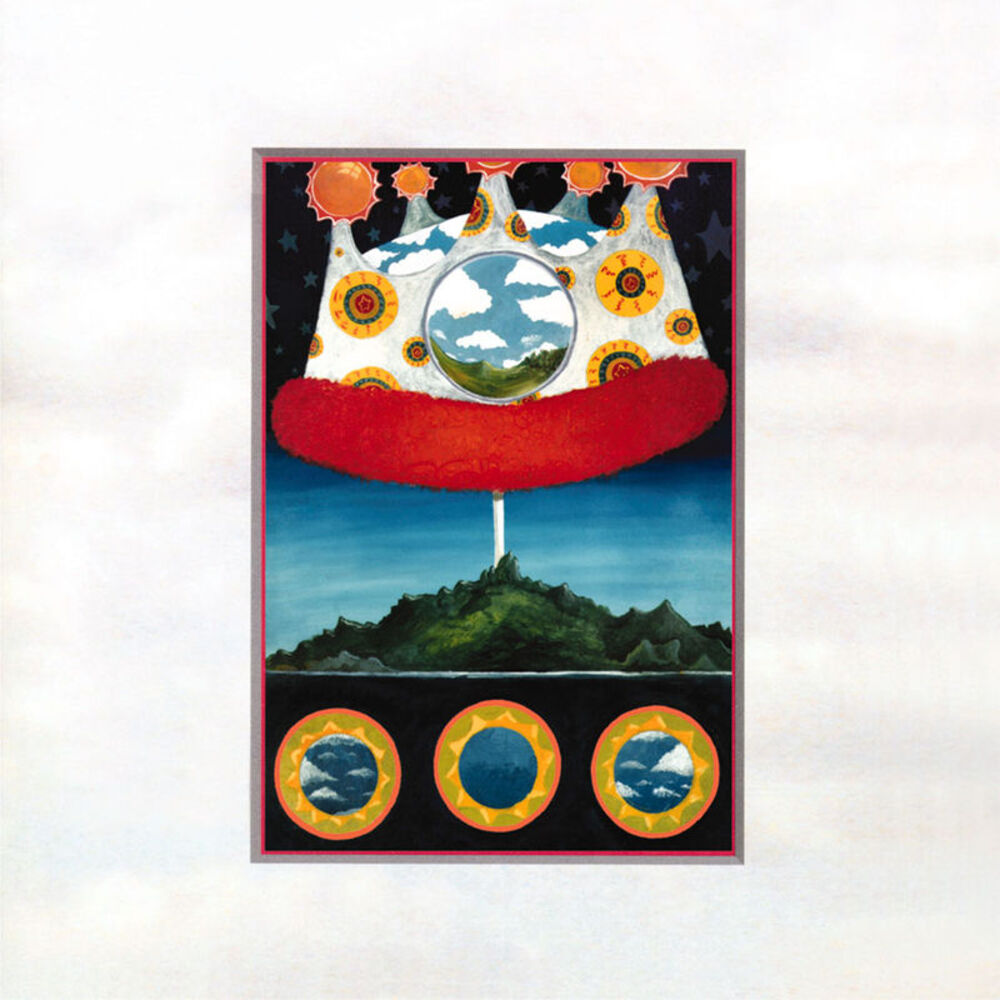
Dusk at Cubist Castle
Be the first to rate—Flydaddy, August 1996, and the first great Elephant 6 album: twenty-seven tracks of Beach Boys harmony and tape collage from a band in Athens, Georgia who wrote the songs for a film that does not exist. The first few thousand copies shipped with a second disc of ambient drones, Explanation II, which the band claimed would produce quadraphonic sound if you played both at once. Whether it works matters less than the fact that they meant it.
- 15
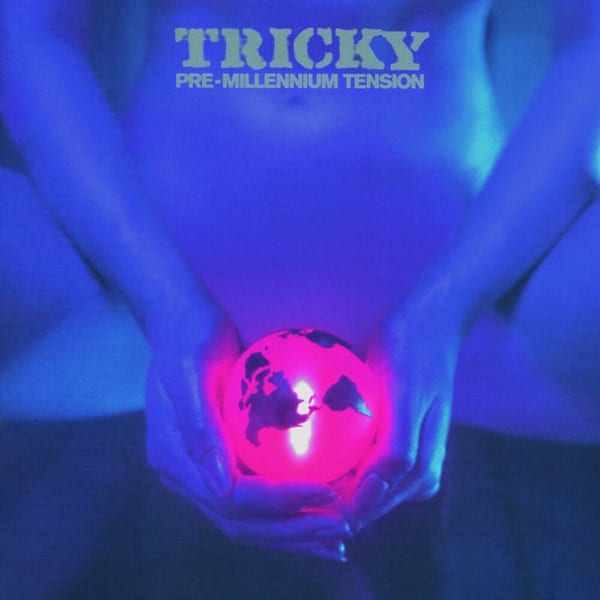
Pre-Millennium Tension
Be the first to rate—Three albums in under two years, counting Maxinquaye and the Nearly God detour, this one cut partly in Jamaica and released by Island in November 1996. Where Maxinquaye seduced, this flinches. Martina Topley-Bird sings like she is being overheard rather than recorded, and the mixes are cramped and dry, hostile to anything you would file under trip-hop. It is a man refusing to make his famous record twice.
- 16
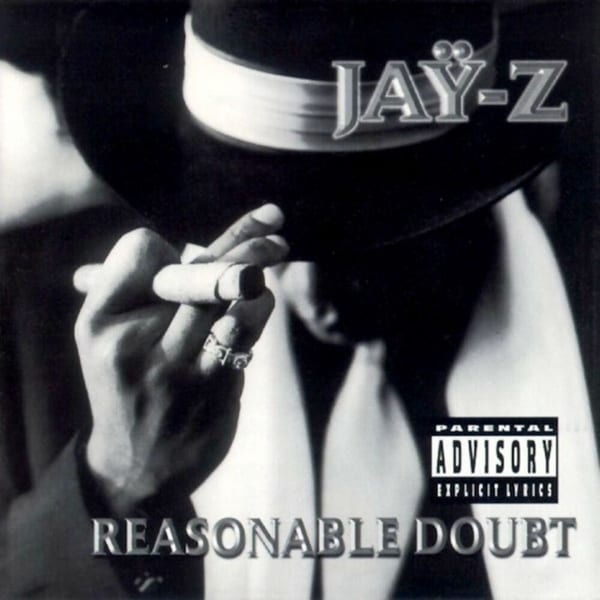
Reasonable Doubt
★ 4.3 · 2—June 1996 on Roc-A-Fella through Priority, because no major would sign him. Shawn Carter was 26 and rapping like a man who had decided this would be his only album, which is why it is so dense with detail and so uninterested in a chorus. DJ Premier, Ski and Clark Kent handle the beats. Nothing he has made since has this much doubt in it.
- 17
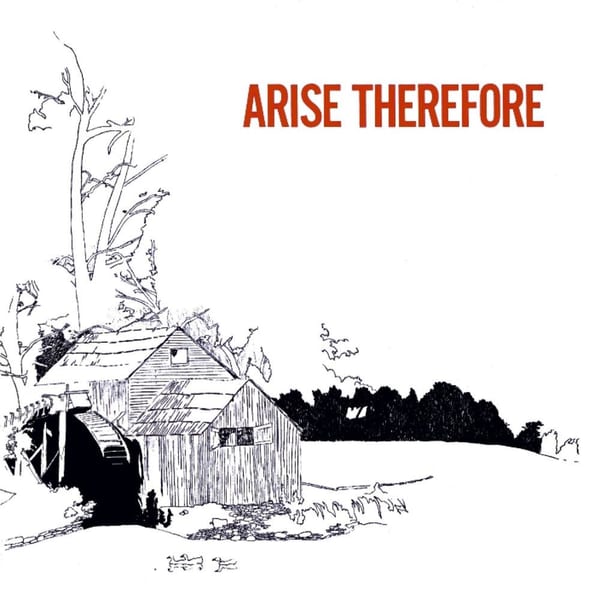
Arise Therefore
Be the first to rate—Credited to Palace Music in 1996 and filed under Will Oldham's later name now. Steve Albini recorded it at Pachyderm and Drag City released it that April. The drums are a cheap Maya-tone box ticking away like a hospital monitor while David Grubbs plays organ and Oldham sings about sex and God in the same flat voice. The bleakest thing in his catalogue, and the one his admirers keep circling back to.
- 18
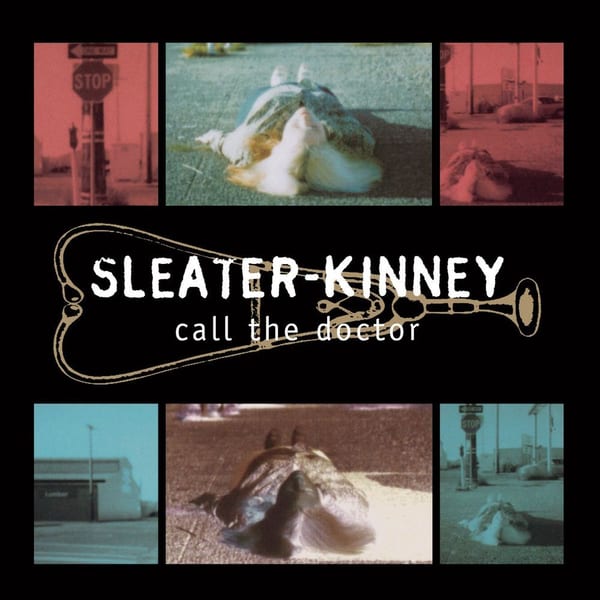
Call the Doctor
Be the first to rate—Chainsaw Records, March 1996, second album, made fast and cheap. Two guitars, no bass, Corin Tucker's vibrato doing the work a bass would have done. I Wanna Be Your Joey Ramone gets quoted more, but the title track is the actual argument: a song about being told what you are by people who decided before you arrived. This is where they stopped sounding like a side project.
- 19
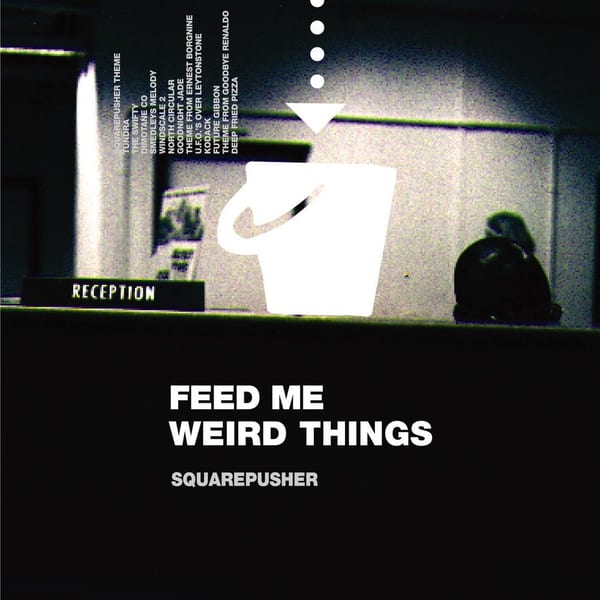
Feed Me Weird Things
Be the first to rate—Rephlex put it out in June 1996, which in practice meant Richard D. James vouching for it, and it is still the friendliest thing Tom Jenkinson has made. He plays the fretless bass himself over breakbeats chopped past the point of physical possibility, so it lands somewhere between fusion and jungle without embarrassing either. He spent the following decade getting harder to love. Start here.
- 20
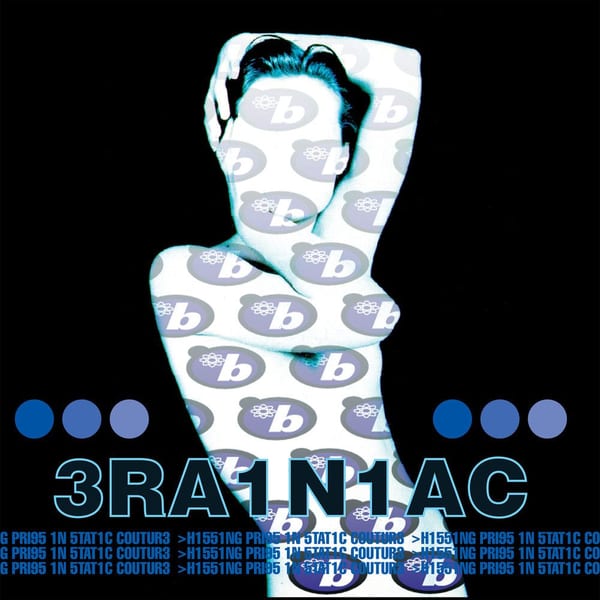
Hissing Prigs in Static Couture
Be the first to rate—Touch and Go, March 1996, produced by Eli Janney of Girls Against Boys. Brainiac made noise rock out of broken synths and Timmy Taylor's voice pushed through whatever was lying on the floor, and this is the one where the pop songs underneath finally push back through the damage. Taylor died in a car crash in May 1997 at 28. It still sounds like a transmission from a future that got cancelled.
- 21
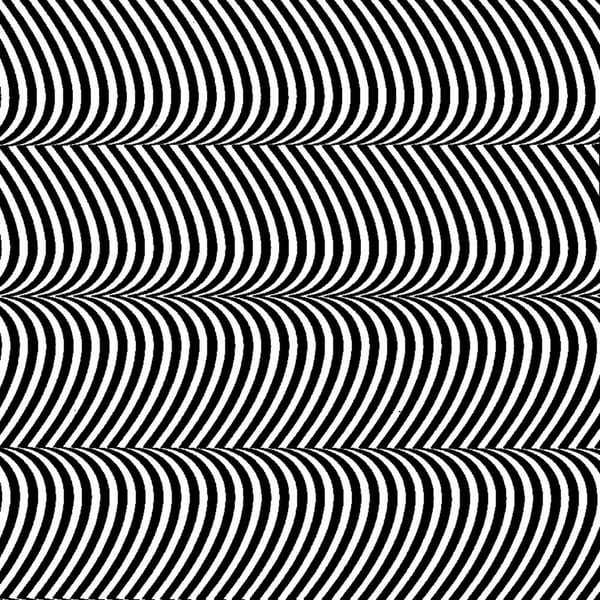
Pulse Demon
Be the first to rate—Recorded in Tokyo in late 1995 and released in May 1996 by Release Entertainment, a Relapse sublabel, which is how seventy-three minutes of harsh noise ended up racked next to death metal in American shops. Masami Akita used live noise and a fuzz box, no overdubs, no studio repair work. Play it to someone as a joke and there is a real chance they come back a week later having decided Woodpecker No. 2 is the best thing they heard all year. That is more or less how everyone in this scene arrived.


Explore the sound
Artists in this guide
Lists with these albums
Read next
Jazz fusion: the essential albums of the electric decade
From Bitches Brew to Bright Size Life: fifteen records from the years jazz plugged in.
Bossa nova beyond 'The Girl from Ipanema': the essential albums
Seventeen records, 1959 to 1977, for anyone whose bossa shelf is one Stan Getz album deep.
Neo-soul: the essential albums, from Brown Sugar to the Sault years
Thirty years of a genre almost nobody who made it wanted to be called that.
Freak folk: a canon for the New Weird America
The mid-2000s underground where American folk turned psychedelic and homemade again.
Got your own ranking? Build a list or tier of your own.