


Guides/A Riffiter guide
Neo-soul: the essential albums, from Brown Sugar to the Sault years
Thirty years of a genre almost nobody who made it wanted to be called that.
Neo-soul is the branch of R&B that grew in the mid-1990s around D'Angelo, Erykah Badu and Maxwell: live playing, hip-hop rhythm, 1970s soul harmony. The name was coined by manager Kedar Massenburg as a marketing tag, and most of the artists it stuck to have spent their careers rejecting it. These 19 albums run from Me'Shell NdegéOcello's Plantation Lullabies (1993) to the anonymous Forever Living Originals records of the 2020s.
Kedar Massenburg managed D'Angelo, and he needed a word. Radio in 1995 wanted R&B that sounded like R&B, and his artist was making something with live bass, church chords and a drummer who played slightly late on purpose. So he said "neo soul," and the word did its job so well that the people it described spent the next thirty years trying to shake it off. D'Angelo has said plainly that he never wanted it. Badu has spent decades making jokes at its expense.
Fine. The music still exists, and it has a shape you can trace. It starts with a bass player who signed to Madonna's label, runs through a two-year hang at Electric Lady where half a dozen classics got made by the same twenty people, goes underground for most of the 2000s, and comes back in the 2020s as anonymous British records with no press campaign and no faces.
Nineteen albums. Chronological, because this is a lineage and not a horse race. If your favourite is missing, the ratings are open and so are the comments.
- 1
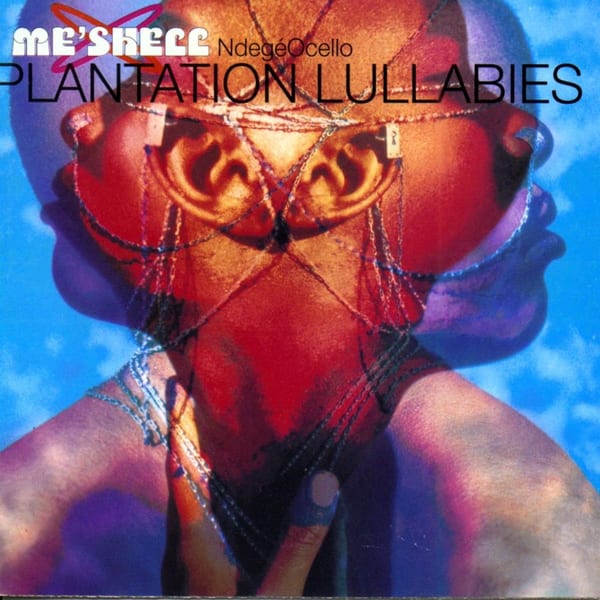
Plantation Lullabies
Be the first to rate—Before there was a word for it, there was this. NdegéOcello was a bass player first, and Plantation Lullabies (Maverick, October 1993) moves like a bass player's record: the low end carries the melody and everything else negotiates with it. She was the first artist signed to Madonna's Maverick label, which is a funny footnote for an album this uninterested in being pop.
It peaked at 166 on the Billboard 200 and then quietly became a founding document. Renee Graham of the Boston Globe later called it the first shot in the neo-soul movement, and she was right.
- 2
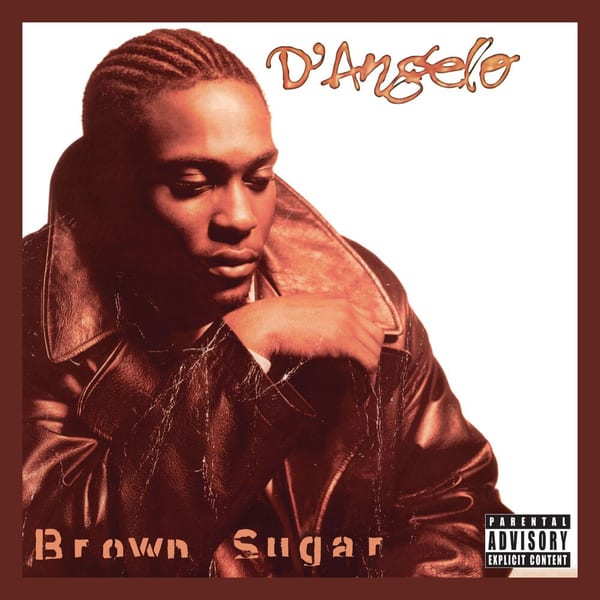
Brown Sugar
Be the first to rate—The record that made the label necessary. D'Angelo was 21, played most of it himself, and built the whole thing around a lazy, slightly stoned pocket that owed as much to hip-hop's swing as to Marvin Gaye's harmony. His manager Kedar Massenburg coined "neo soul" to sell it to a radio format that had no slot for it.
Twenty years of imitators later, Brown Sugar still sounds unhurried in a way almost nobody has copied properly. The hurry is the part everyone gets wrong.
- 3
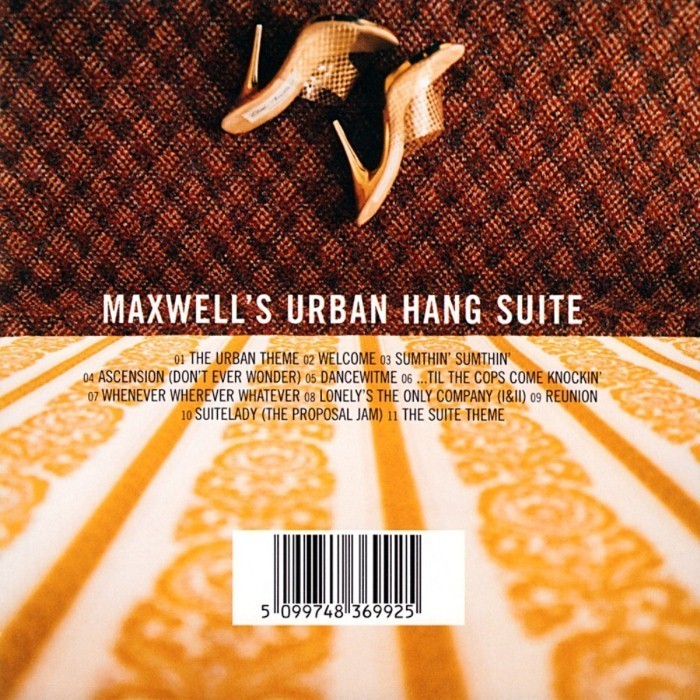
Maxwell's Urban Hang Suite
Be the first to rate—A concept album about one adult relationship, start to finish, released by Columbia in April 1996 by a 22-year-old from Brooklyn who dressed like he'd been sent from 1974. Maxwell stacked the deck: Leon Ware, who wrote most of Marvin Gaye's I Want You, worked on it, as did Stuart Matthewman out of Sade's band and Funk Brothers guitarist Melvin "Wah Wah Watson" Ragin.
It stiffed at first. Then "Ascension (Don't Ever Wonder)" hit that summer and the thing eventually went platinum. Of the mid-90s trinity it's the most sustained mood, and the one that rewards playing straight through.
- 4
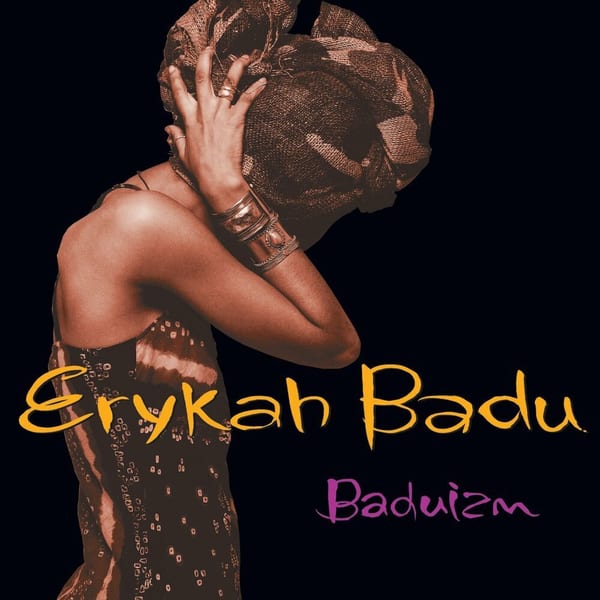
Baduizm
★ 3.8 · 3—February 1997, on Massenburg's Kedar imprint. Badu arrived with a voice people immediately compared to Billie Holiday and a delivery that had nothing to do with her, all sideways phrasing and half-swallowed consonants. The band is loose to the point of being rude about it.
Every woman who's made a record like this since has had to answer to Baduizm, which is a heavy thing to hang on a debut. It carries it.
- 5
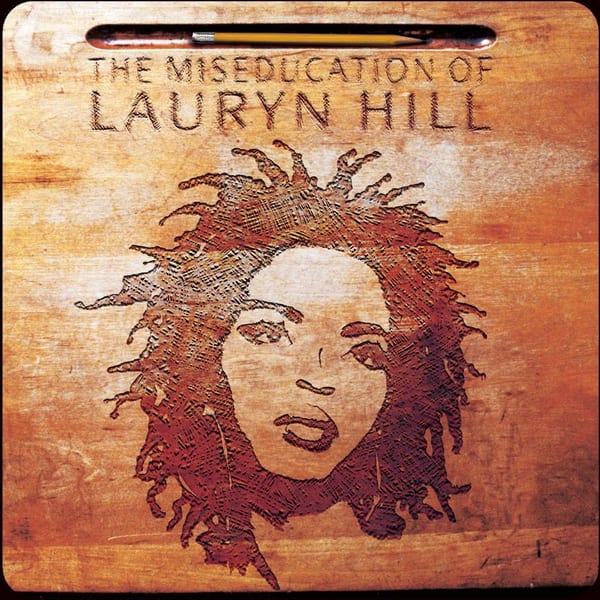
The Miseducation of Lauryn Hill
★ 4.8 · 6—Cut largely at Tuff Gong in Kingston in 1998, released on Ruffhouse/Columbia, and then it won Album of the Year, the first hip-hop record ever to do it. Whether Miseducation is neo-soul or a rap album with a singer on it is exactly the sort of argument this genre generates, and I'd say the answer is that the distinction was never real.
What's undeniable is how much of the decade after it is downstream. Also that she never made another studio album, which has done nothing to cool the mythology.
- 6
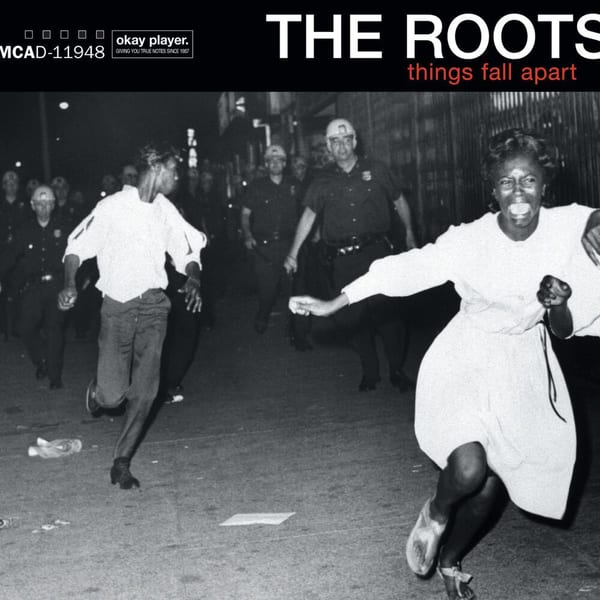
Things Fall Apart
★ 4.8 · 2—The Roots aren't a soul band, but Questlove was the switchboard for this entire scene, and Things Fall Apart (MCA, February 1999) is where the Soulquarians sessions at Electric Lady start showing up on record. Jill Scott wrote and sang the hook on "You Got Me" before the label swapped in Erykah Badu for name recognition, which tells you how much talent was in that building and how little the industry could read it.
Include it here because the drums are the argument. Everything else on this list is playing to that feel.
- 7
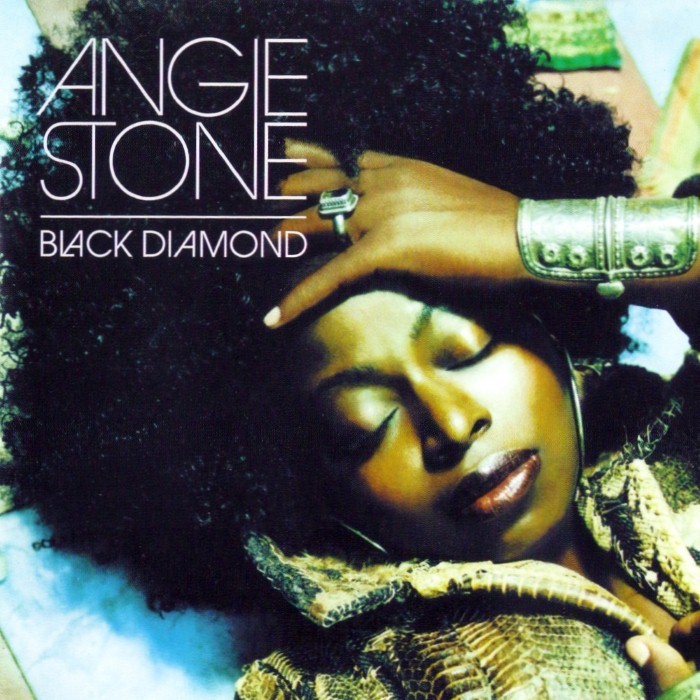
Black Diamond
Be the first to rate—Stone had already had one career: The Sequence, the Sugar Hill group who in 1979 became the first women to put out a rap record. Twenty years on she made Black Diamond (Arista, 1999), a grown, unfashionable, deeply Southern soul album that has aged better than most of what outsold it.
"No More Rain (In This Cloud)" builds off a Gladys Knight sample and is the sound of somebody who has genuinely been through it. Underrated then, underrated now.
- 8
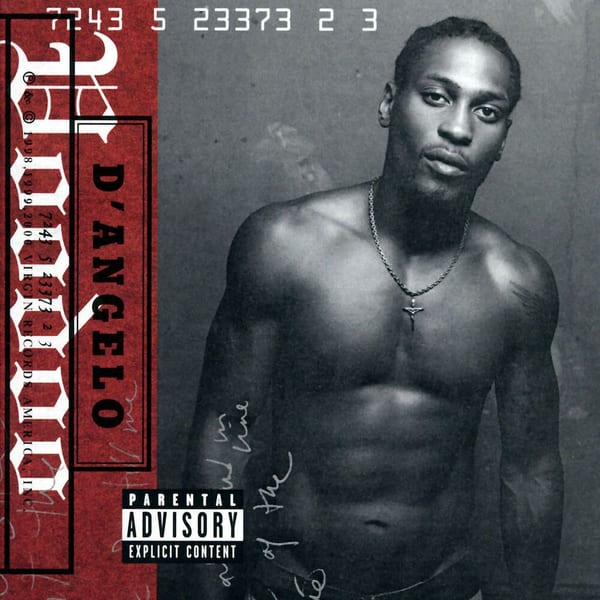
Voodoo
★ 4.5 · 11—Five years, most of them at Electric Lady, and the result is an album that seems to be actively resisting your attempts to enjoy it in a normal way. Questlove played deliberately behind the beat; D'Angelo layered vocals until they blur into one enormous choir of himself. January 2000, on Virgin.
Then the "Untitled (How Does It Feel)" video happened, the audience wanted the body rather than the record, and he disappeared for fourteen years. The best neo-soul album ever made, and the one whose success broke the person who made it.
- 9
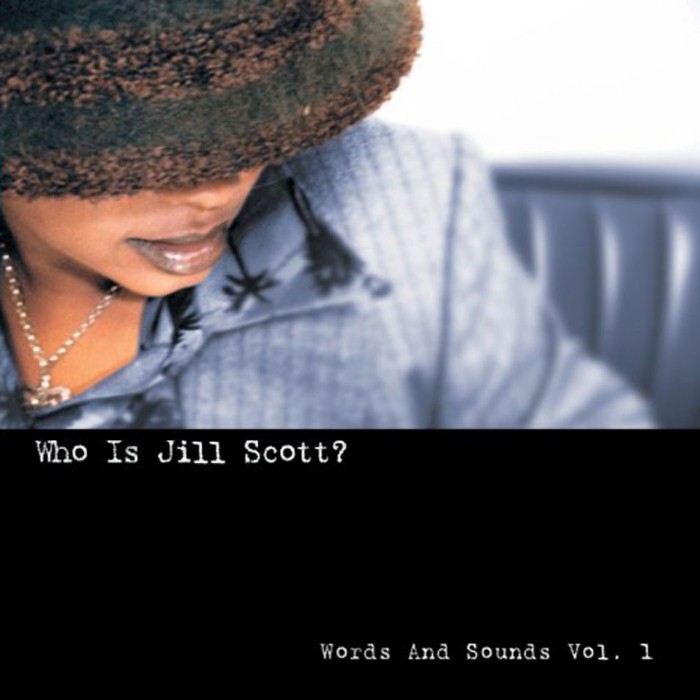
Who Is Jill Scott? Words and Sounds, Volume 1
Be the first to rate—Scott was a Philadelphia poet who did open mics, which is audible in every bar of this: the lines land on the beat the way spoken word does, slightly ahead or slightly wide of where a singer would put them. Hidden Beach put it out in July 2000, a small label with a very large record.
It's warm, it's funny, it's a full hour and it earns it. "A Long Walk" is the one everybody knows; "Love Rain" is the one people play twice.
- 10
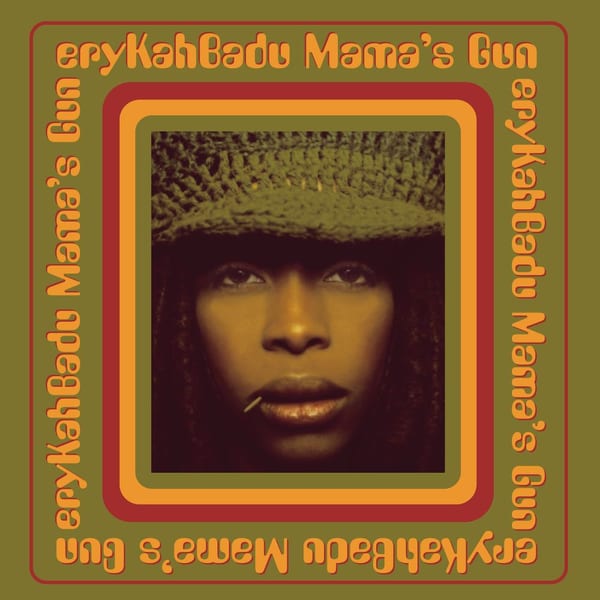
Mama's Gun
★ 4.3 · 6—Electric Lady again, November 2000, Motown. Where Baduizm floated, Mama's Gun digs in: "Bag Lady" and "Didn't Cha Know" ride Dilla-adjacent drums, and "Green Eyes" spends ten minutes moving through denial into rage without ever raising its voice much.
The closing stretch is the most honest breakup writing of the era, and it never once asks you to feel sorry for her.
- 11
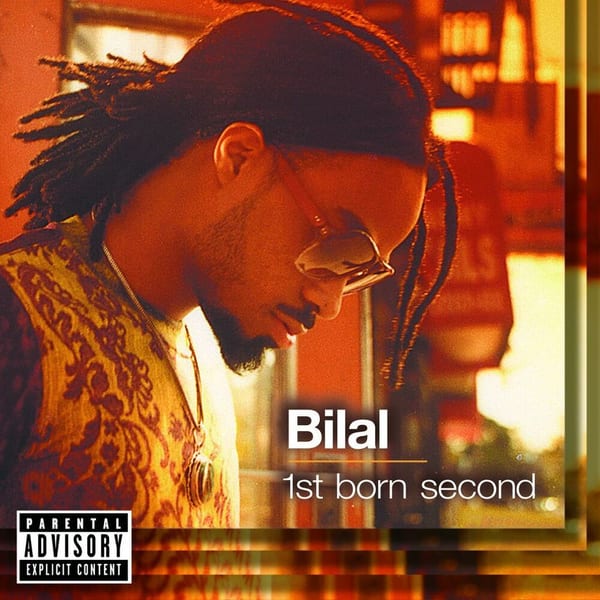
1st Born Second
Be the first to rate—Bilal came out of Philly and the New School with a four-octave range and no interest at all in using it politely. 1st Born Second (Interscope, 2001) is the Soulquarian scene's strangest official release: Dr. Dre and J Dilla both produce on it, and it still sounds like a jazz record having a nervous breakdown.
Then Interscope shelved the follow-up, Love for Sale, it leaked in 2006, and one of the great voices of the era spent a decade in label limbo. Start here, then go to Airtight's Revenge.
- 12
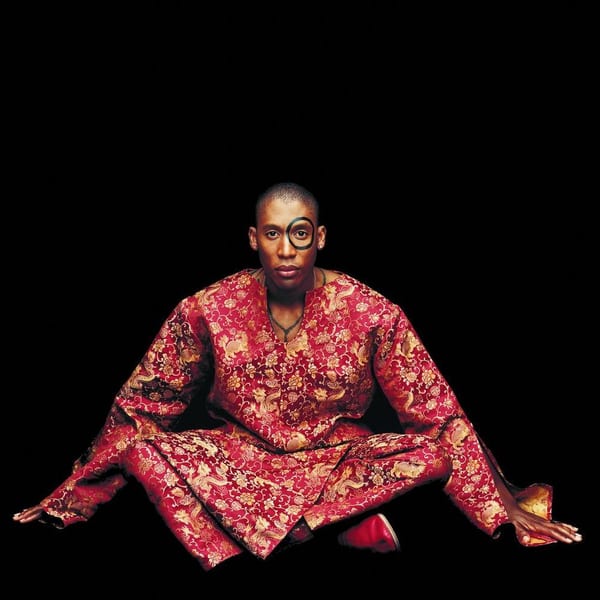
Instant Vintage
Be the first to rate—Saadiq had already written half of Tony! Toni! Toné!'s catalogue and produced for everyone else before he made a solo album, and Instant Vintage (Universal, June 2002) is him showing his whole hand. He called the sound "gospeldelic," which is a better genre name than neo-soul and never caught on.
Grammy-nominated, commercially modest, and quietly the record that other musicians on this list cite most. He was always the craftsman in the room.
- 13
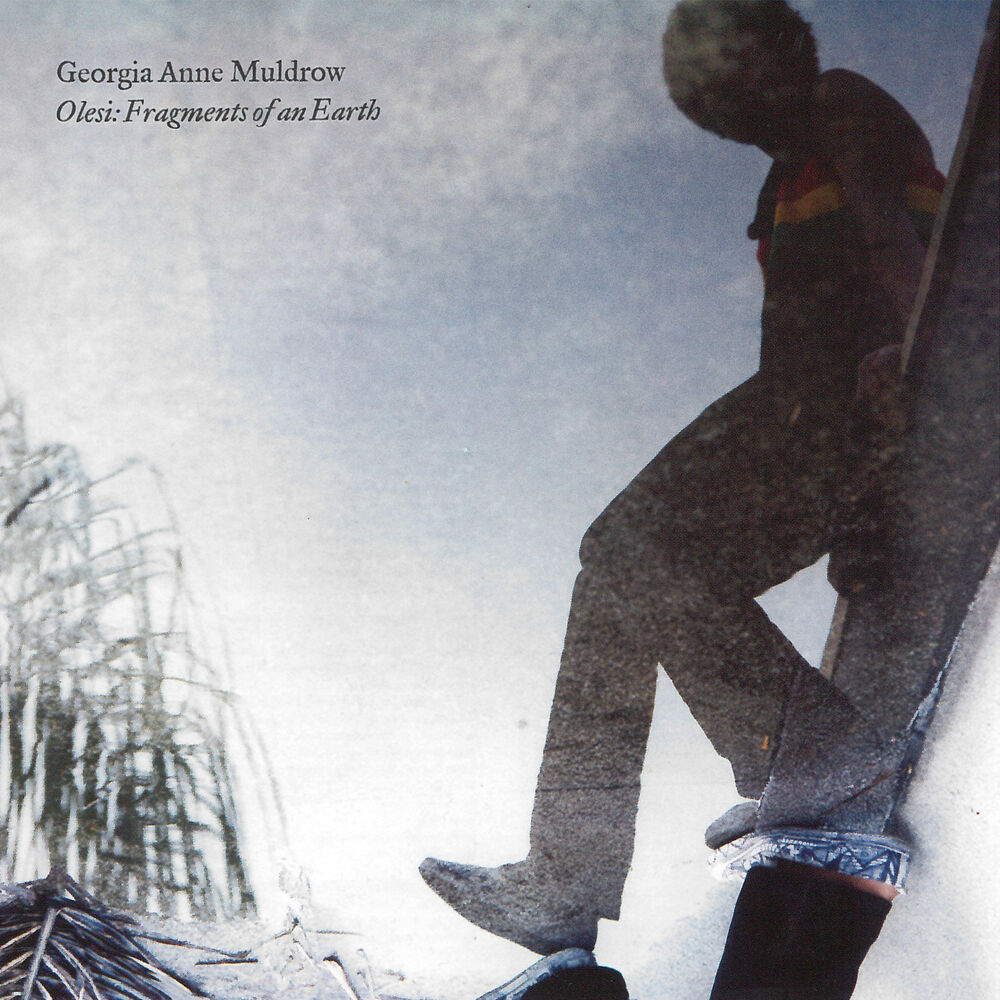
Olesi: Fragments of an Earth
Be the first to rate—By 2006 the majors had lost interest, and the music went where it always goes: to a label run by a DJ. Stones Throw put out Olesi in August 2006, 21 tracks, produced entirely by Muldrow with Peanut Butter Wolf as executive producer.
Free jazz, heavy low end, vocals stacked into something closer to a chorale than a lead. This is the record where the genre stops trying to be commercial and gets genuinely weird, and everything good in the 2010s comes through it.
- 14
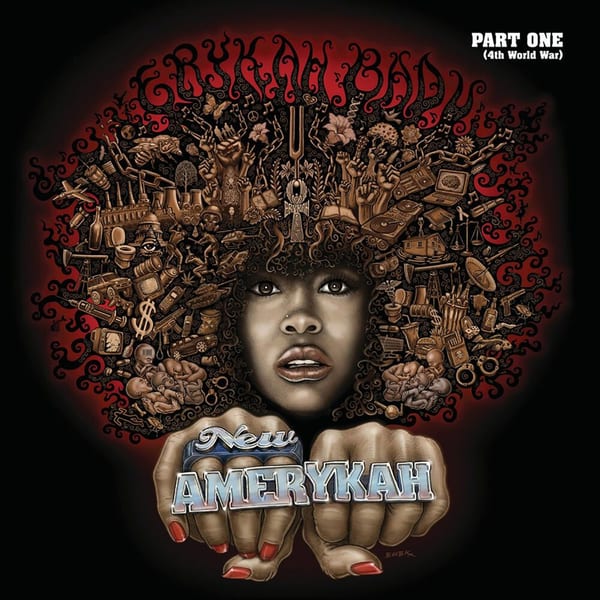
New Amerykah, Part One (4th World War)
Be the first to rate—February 2008, and Badu comes back angry and abstract. Madlib, 9th Wonder, Sa-Ra and Georgia Anne Muldrow all produce; the songs bleed into each other; "The Healer" is basically a Madlib beat with a sermon on it.
It's a political album that never bothers to make its politics legible, which is why it still sounds current. Part Two, two years later, is the pretty one. This is the important one.
- 15
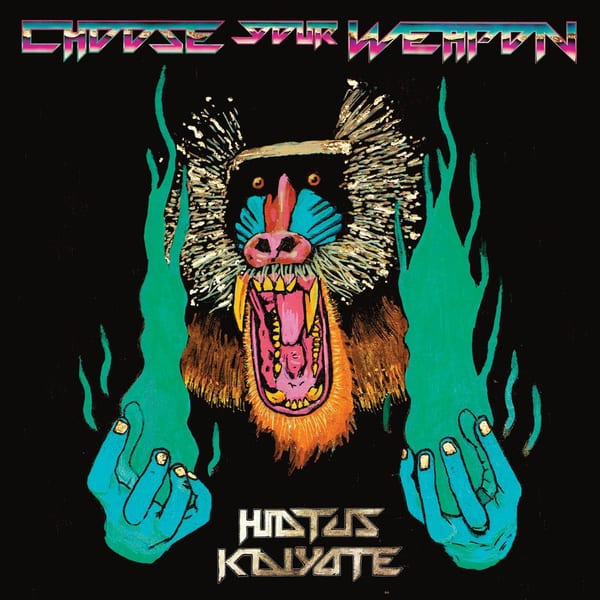
Choose Your Weapon
Be the first to rate—Four musicians from Melbourne, absurdly far from any of the scenes above, who worked out how to write soul songs in time signatures that shouldn't hold a groove. Choose Your Weapon (2015) is 70 minutes long and has no filler, which for a record this maximal is close to a miracle.
Then hip-hop came shopping. Kendrick took "Atari" for "DUCKWORTH.", Drake took "Building a Ladder" for "Free Smoke", Beyoncé and Jay-Z took "The World It Softly Lulls" for "713". Nai Palm writes the melodies everyone else wants to own.
- 16
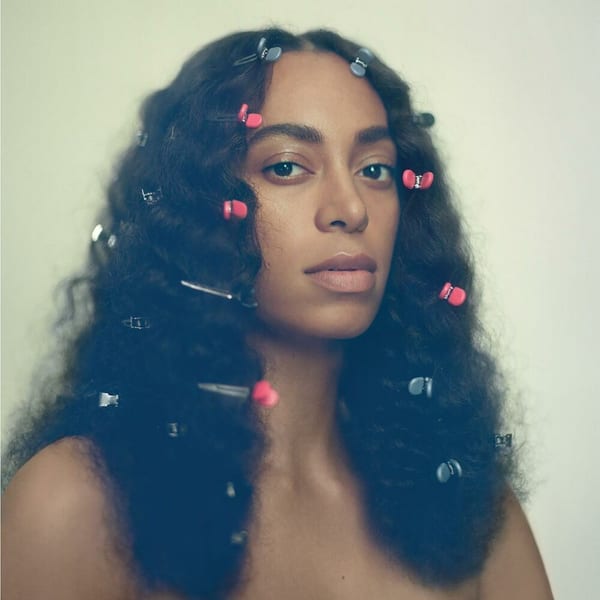
A Seat at the Table
★ 4.5 · 5—September 2016, Saint Records via Columbia, and her first number one album. Solange spent years being written about as a lesser sibling and then made a record so composed and so specific that the comparison stopped being possible.
The arrangements are spare on purpose, the interludes carry as much weight as the songs, and "Cranes in the Sky" is the best vocal anyone has cut about failing to outrun a feeling. It moved the ceiling on what a mainstream soul album was allowed to be.
- 17

UNTITLED (Rise)
Be the first to rate—No interviews, no photographs, and no credits beyond what listeners pieced together on their own: Inflo producing, Cleo Sol singing, Forever Living Originals releasing albums with numbers for names. UNTITLED (Rise) arrived in September 2020, three months after UNTITLED (Black Is), in a year when the pace alone felt like a statement.
Rise is the dance record of the pair, Afrobeat and post-punk bass and disco strings under gospel harmony. Anonymity as an artistic decision is usually a bit tiresome. Here it works, because the music genuinely doesn't need a face attached.
- 18
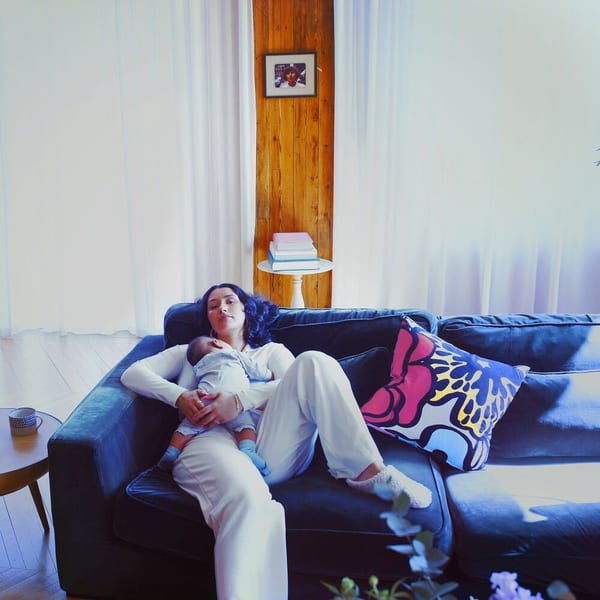
Mother
Be the first to rate—Sol released Mother in June 2021, months after having a child, and it is exactly the record that suggests: slow, warm, in no rush, produced by Inflo with the same live-room sound as the SAULT albums but a fraction of the volume.
British soul has a long history of being told it's a copy of the American thing. This is the album that ends that conversation. Play "Sunshine" and try to argue.
- 19
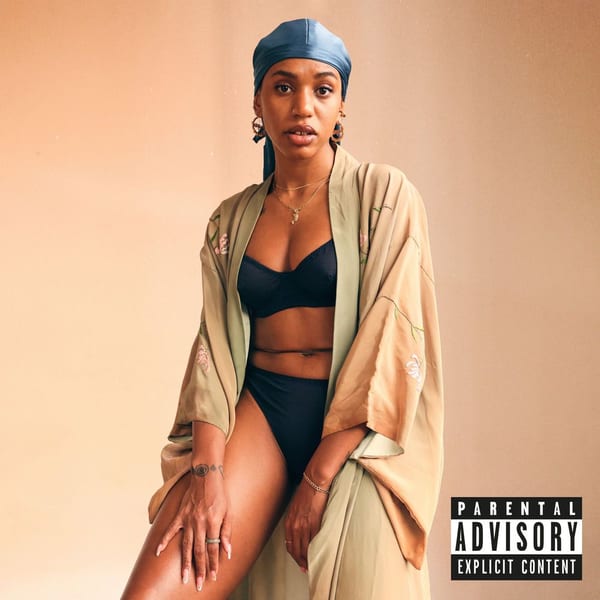
Remember Your North Star
Be the first to rate—Big Dada came back from a long dormancy with a new remit and put this out in June 2022. Bey wrote all of it, produced most of it, and runs eighteen tracks through half an hour, so songs end before you've settled into them. Some people find that maddening. I think it's the point.
Reggae, jazz, D'Angelo-shaped R&B, jokes in the middle of heartbreak. Thirty years on from Plantation Lullabies, the lineage is still producing records that don't sound like anything else on the shelf.


Explore the sound
Artists in this guide
Lists with these albums
Read next
Freak folk: a canon for the New Weird America
The mid-2000s underground where American folk turned psychedelic and homemade again.
Comedown: eighteen albums for the morning after
The after-hours canon — downtempo, ambient and dub-soaked records for the long descent from a big night.
Chamber pop: a canon for strings, horns, and the well-dressed sad song
The orchestral wing of pop, from the baroque-pop pioneers of 1967 to the indie composers who picked the string section back up.
Dub: eighteen records where the engineer became the author
King Tubby's four-track shack in Waterhouse, Lee Perry's Black Ark, Adrian Sherwood's London, and a broken filter in Berlin.
Got your own ranking? Build a list or tier of your own.