


Guides/A Riffiter guide
Chamber pop: a canon for strings, horns, and the well-dressed sad song
The orchestral wing of pop, from the baroque-pop pioneers of 1967 to the indie composers who picked the string section back up.
Chamber pop is the branch of pop and rock built on orchestral arrangement — strings, horns, harpsichord, vocal harmony — descended from the 1960s baroque pop of the Left Banke and Love and revived from the 1990s on by acts like the Divine Comedy, Sufjan Stevens and Joanna Newsom. This canon of eighteen records traces that lineage across five decades.
Two words get used almost interchangeably and shouldn't be. Baroque pop is the 1960s thing: rock bands who discovered the string quartet and the harpsichord and decided pop could carry the weight of a chamber ensemble. Chamber pop is what the 1990s and 2000s did with that inheritance, a deliberate reach for orchestration at a moment when everyone else was chasing lo-fi.
This canon runs the whole line. It starts with the teenagers and cult figures who built the vocabulary in 1967 and 1968, most of whom flopped and got rediscovered decades later. It ends with the indie composers who studied those records and picked the horns and strings back up. The connective tissue is a taste for arrangement as feeling, and a suspicion that three chords sometimes aren't enough.
- 1
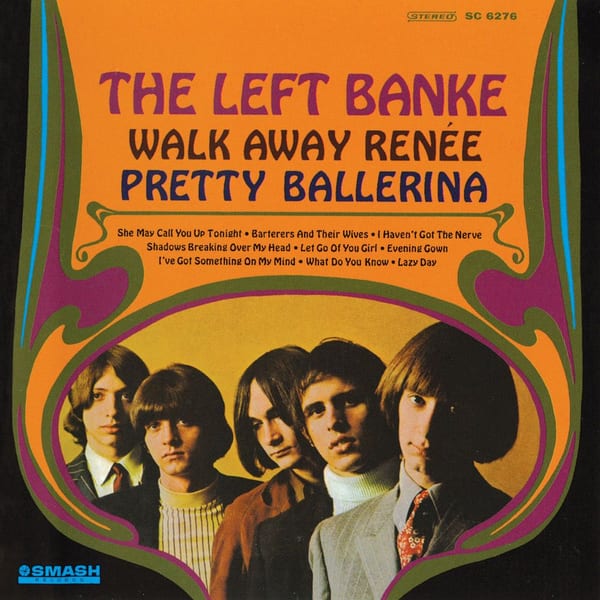
Walk Away Renée/Pretty Ballerina
Be the first to rate—The genre more or less begins here. Michael Brown was still a teenager when he built "Walk Away Renée" and "Pretty Ballerina" out of harpsichord, a string quartet and a crush on the bass player's girlfriend. The rest of the 1967 debut can't match those two singles, but those two singles handed everyone below a vocabulary they're still speaking.
- 2
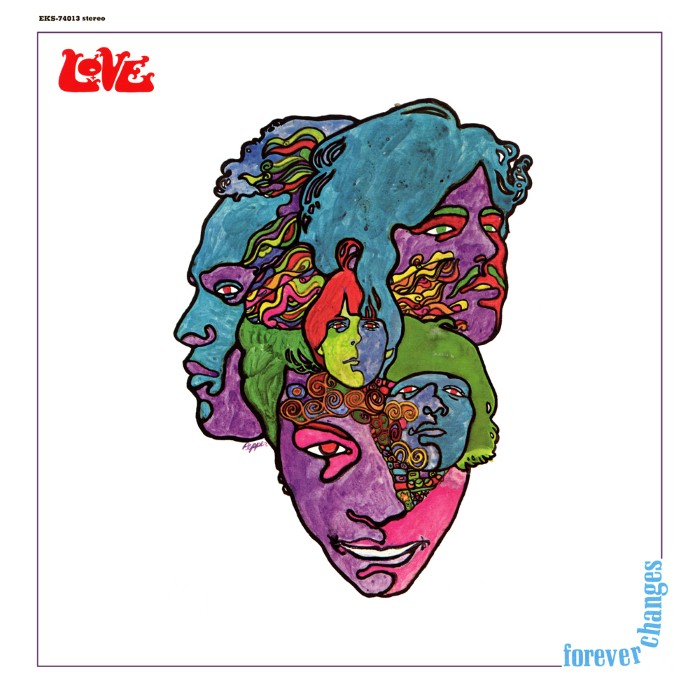
Forever Changes
Be the first to rate—Arthur Lee was convinced he'd die young and made a record to leave behind. Forever Changes wraps folk-rock songs in mariachi horns and David Angel's string charts, sweet on the surface and paranoid underneath. It sold poorly in 1967 and now sits near the top of every 60s list, one of the rare albums that fully earns the reputation.
- 3

Odessey and Oracle
Be the first to rate—Recorded at Abbey Road on a tight budget right after the Beatles vacated the room, Odessey and Oracle leans on Rod Argent's Mellotron and some of the richest vocal harmonies of the decade. The Zombies had already split by the time "Time of the Season" became a hit, so there was no band left to tour it. The misspelling on the cover was a mistake nobody bothered to fix.
- 4
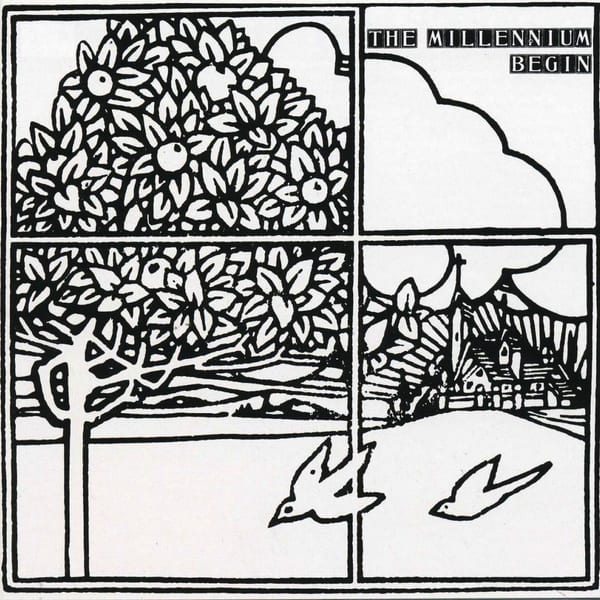
Begin
Be the first to rate—Curt Boettcher was a studio obsessive, and Begin is what happened once Columbia let him spend. It was reportedly the most expensive album the label had made to that point, a sunshine-pop confection of stacked harmonies and soft-focus production that then sold almost nothing. Crate-diggers found it decades later; most of the world still hasn't.
- 5
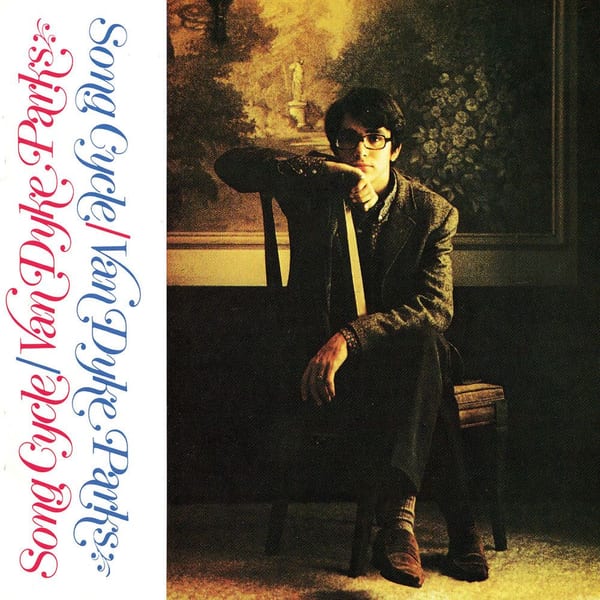
Song Cycle
Be the first to rate—Parks had just co-written Smile with Brian Wilson when Warner Bros handed him a budget and left him alone. Song Cycle is what he did with it: dense, allusive Americana packed with ragtime, show tunes and orchestral detours that ignore pop structure entirely. It flopped so badly the label ran an ad joking about the returns. It's also one of the strangest, most ambitious debuts anyone made in the 60s.
- 6
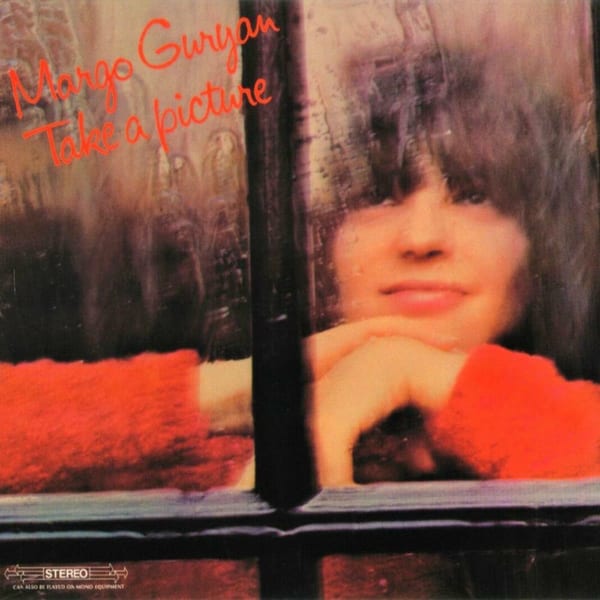
Take a Picture
Be the first to rate—Guryan trained as a jazz composer and only turned to pop after Brian Wilson's "God Only Knows" rearranged her priorities. Take a Picture was her one album, breathy and gentle and arranged with real care, and she refused to tour or promote it, so it disappeared on release. Reissues turned it into one of the great one-and-done cult records.
- 7
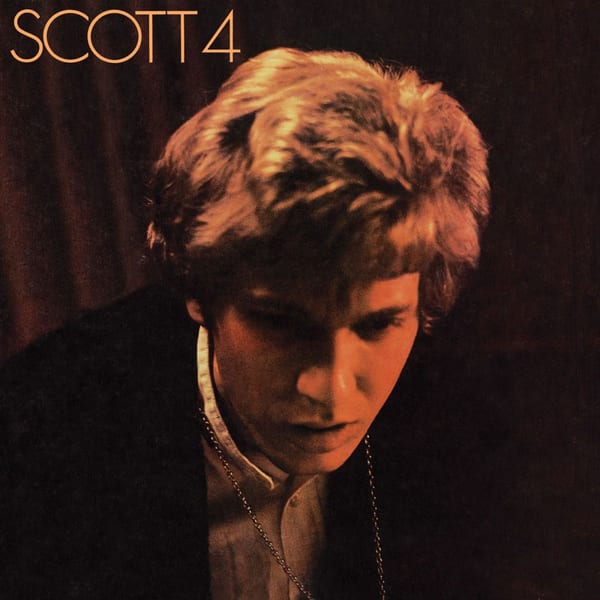
Scott 4
Be the first to rate—By his fourth solo album Walker had stopped covering Jacques Brel and written the whole thing himself, from a Bergman-inspired opener to a song about Stalinism. Scott 4 came out under his birth name, sold nothing and got deleted. It's now the one everyone points to, baroque pop with the ambition of art song and none of the schmaltz his early hits carried.
- 8
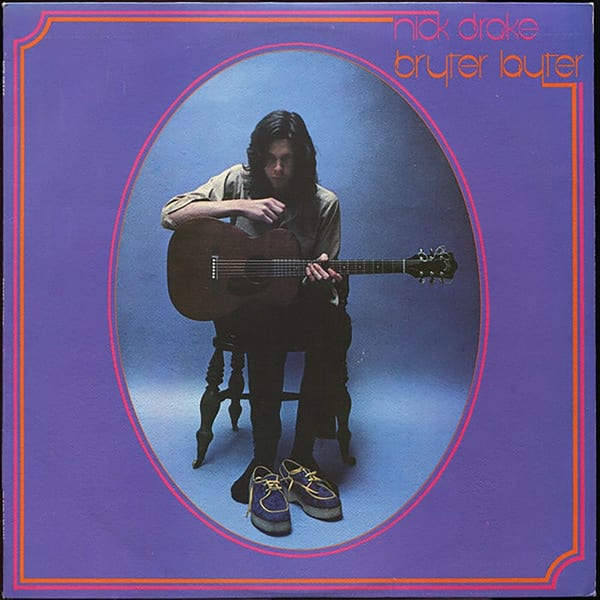
Bryter Layter
Be the first to rate—The most arranged of Drake's three albums, and the warmest. Robert Kirby's string charts and a loose jazz-folk band frame songs Drake half-buried under his own reticence, with John Cale turning up on two tracks. It sold pitifully while he was alive. If Pink Moon is the one people cry to, Bryter Layter shows how lush he could be when he let the room fill up.
- 9
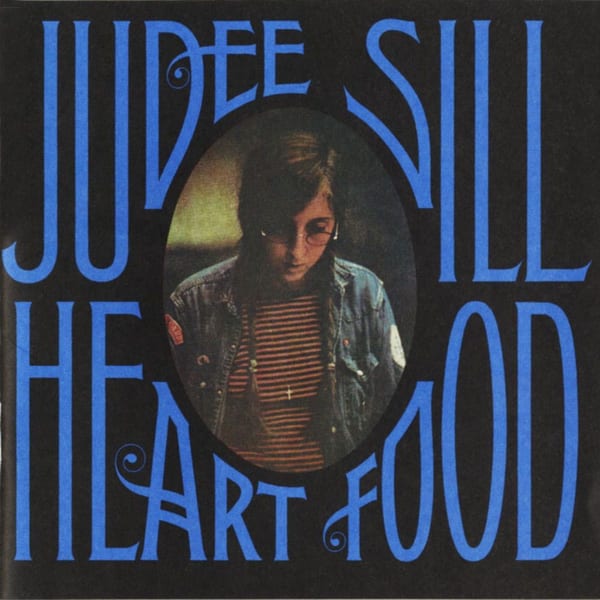
Heart Food
Be the first to rate—Sill arranged the orchestration on Heart Food herself, down to the Bach-inspired counterpoint that runs under "The Kiss." She folds gospel, country and baroque form into something genuinely her own, and it was the last thing she released before addiction and obscurity took her. That a record this beautiful went ignored in 1973 is one of the quieter tragedies in the story.
- 10
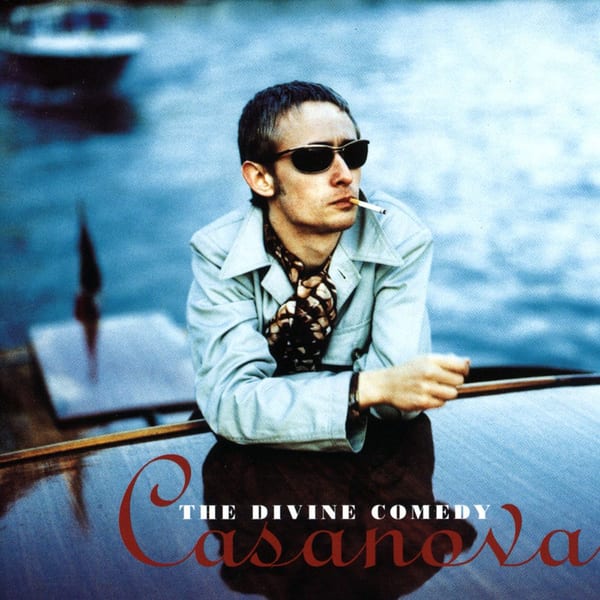
Casanova
Be the first to rate—Here's where the 90s revival announces itself. Neil Hannon writes like a man who has read too much and regrets none of it, and Casanova sets his arch, literate songs to full orchestral pop that owes an open debt to Scott Walker. "Something for the Weekend" was a genuine UK hit. Chamber pop as a named genre roughly dates from this record.
- 11
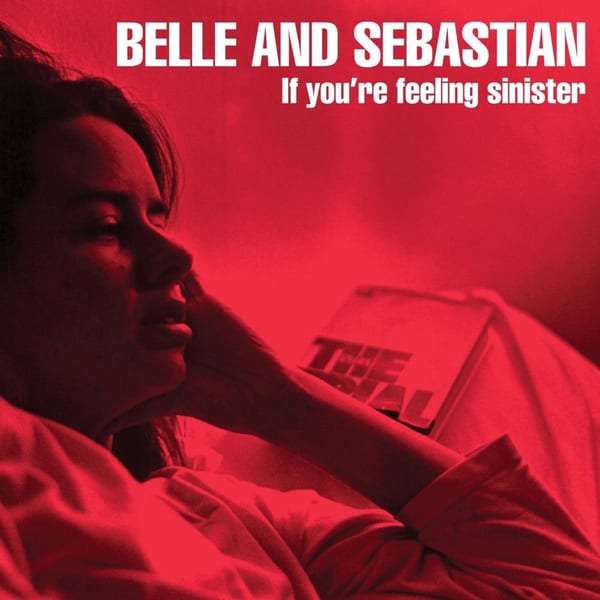
If You're Feeling Sinister
Be the first to rate—Stuart Murdoch's Glasgow group made twee a going concern, but Sinister is more than cardigans and cats. The arrangements are hushed and exact, trumpet and strings and piano brushed in around stories about churchgoers, dropouts and the sexually confused. It's a record that whispers, and a generation of indie bands spent the next decade trying to whisper as well.
- 12
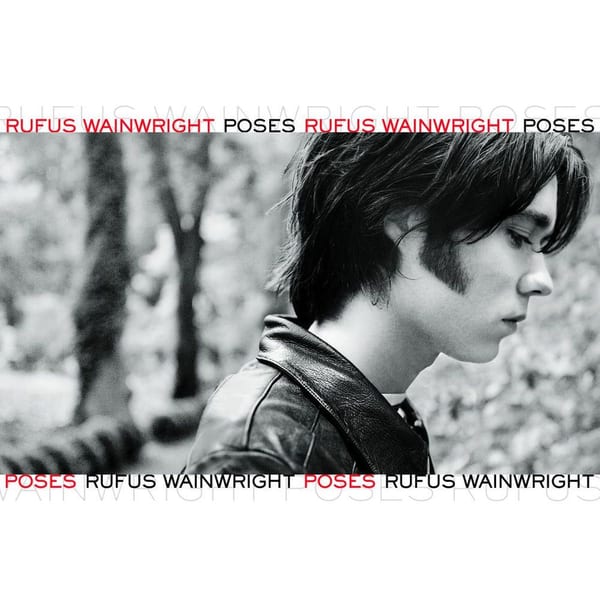
Poses
Be the first to rate—Wainwright grew up in a folk dynasty and wanted opera, which is roughly the tension Poses runs on. His second album piles up multi-tracked vocals and orchestral swells behind songs about decadence, hotel rooms and self-sabotage. Nobody else in 2001 was writing pop this ornate and meaning every overwrought second of it.
- 13
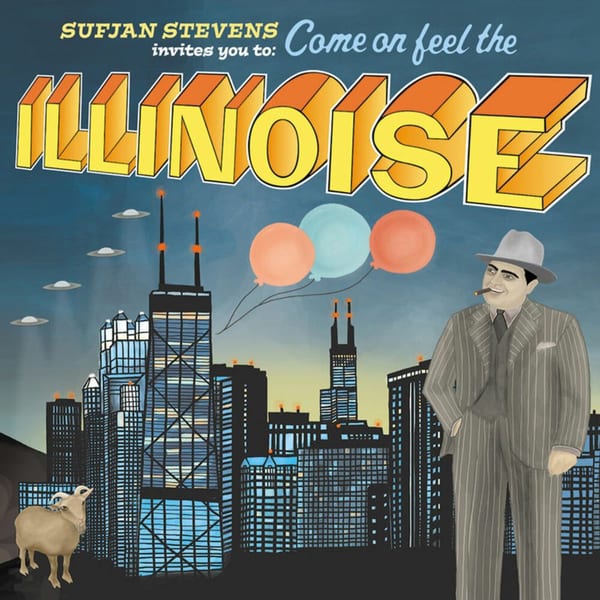
Illinois
★ 4.6 · 5—Illinois is chamber pop at its most maximal: banjo, strings, choirs, marching-band brass and song titles the length of paragraphs, all bent toward a scrapbook portrait of one state. Stevens arranged nearly all of it himself. It's the album that convinced a lot of people an indie musician could think like an orchestrator, and it still sounds like more work than anyone should reasonably attempt.
- 14
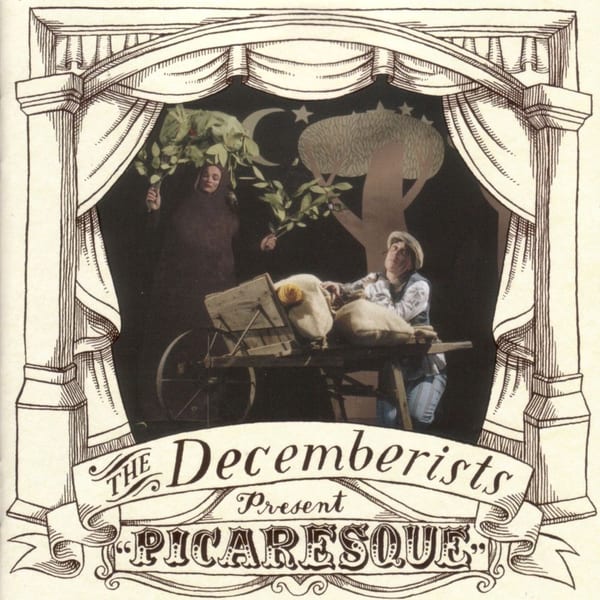
Picaresque
Be the first to rate—Colin Meloy writes about chimney sweeps, doomed sailors and Civil War spies, and Picaresque gives them the accordion, upright bass and string arrangements they demand. Chris Walla produced it mostly live in a converted church, which you can hear in the space around everything. It's the Decemberists album where the bookishness and the tunes finally pull the same weight.
- 15
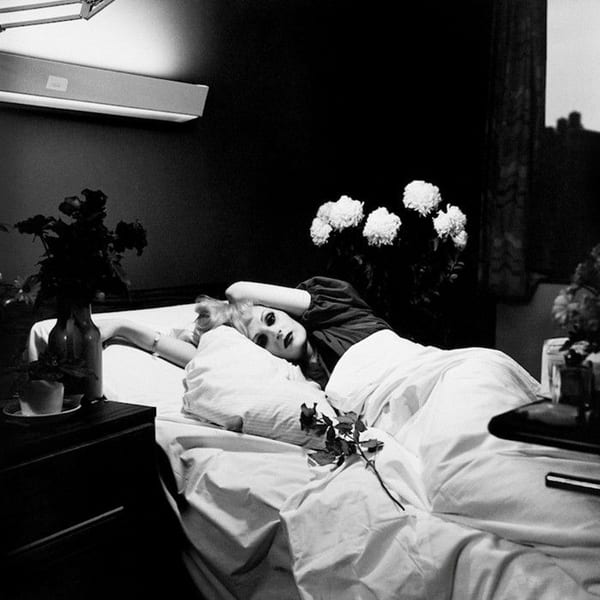
I Am a Bird Now
Be the first to rate—ANOHNI, then recording as Antony, has one of the great voices of the century, a quivering thing that can make three words land like a verdict. I Am a Bird Now frames it in spare piano and strings and a cast of guests including Lou Reed and Rufus Wainwright, across an album about transformation and mortality. It won the 2005 Mercury Prize and earned it outright.
- 16
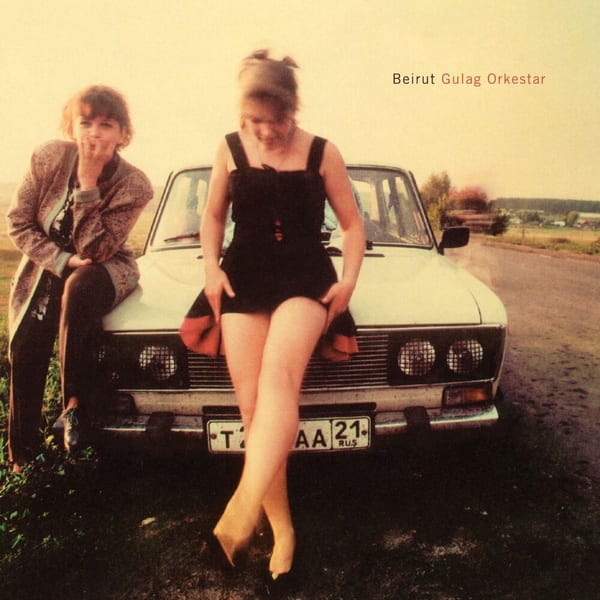
Gulag Orkestar
Be the first to rate—Zach Condon was around nineteen, home from a spell in Europe with a head full of Balkan brass bands, and he built most of Gulag Orkestar in his bedroom. Ukulele, trumpet, mandolin and that wobbling baritone conjure a mitteleuropean folk that never actually existed. This is chamber pop that skips the conservatory and heads straight for the town square.
- 17
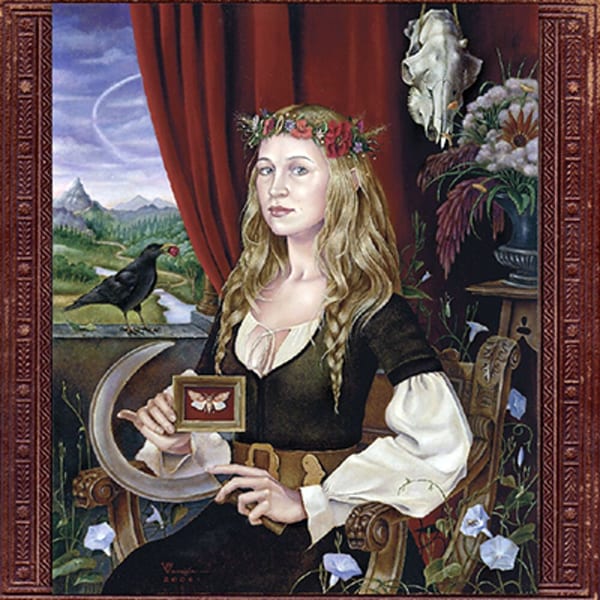
Ys
Be the first to rate—Five songs, roughly an hour, harp and voice wrapped in orchestral arrangements by none other than Van Dyke Parks, which is where the story folds back on itself. Steve Albini recorded the harp and vocals, Jim O'Rourke mixed, and Newsom's mythic, run-on lyrics do the rest. Ys asks a great deal and returns more; it's the most ambitious record anyone in this scene has attempted this century.
- 18
Heartland
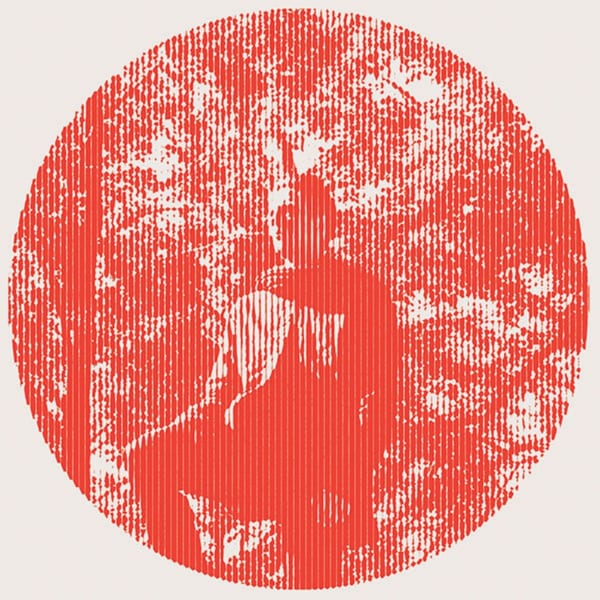
Be the first to rate—Pallett arranges strings for other people's records, from Arcade Fire to the Last Shadow Puppets, and on Heartland he turns that craft on himself. Layered violin loops meet a real orchestra behind a concept about a farmer arguing with his creator, who is Pallett. It's his first album under his own name after retiring the Final Fantasy alias, and the most fully realized thing he's made.


Explore the sound
Artists in this guide
Lists with these albums
Read next
Dub: eighteen records where the engineer became the author
King Tubby's four-track shack in Waterhouse, Lee Perry's Black Ark, Adrian Sherwood's London, and a broken filter in Berlin.
ECM: the essential albums of the most beautiful sound next to silence
Nineteen records from Manfred Eicher's label, 1970 to 2015, and how a Munich jazz imprint ended up owning a whole way of hearing a room.
Anadolu psych: a canon for the saz and the fuzzbox
Turkey's fuzz decade, the coup that ended it, and the people still working the seam fifty years on.
False endings: the songs that refuse to stay dead
Seventeen songs, in rough chronological order, that fake the finish before yanking the record back to life.
Got your own ranking? Build a list or tier of your own.