

Guides/A Riffiter guide
False endings: the songs that refuse to stay dead
Seventeen songs, in rough chronological order, that fake the finish before yanking the record back to life.
A chronological guide to seventeen songs built on the same trick: a fade, a silence, or a fake cadence that convinces you the track is over before it starts back up. It runs from the Beatles' “Strawberry Fields Forever” (1967) to 65daysofstatic's “Aren't We All Running?” (2004), across pop, prog, punk, metal and post-rock.
Every genre has its own version of this trick, and every genre found it for a different reason. Motown and pop singles from the '60s faked a fade because a record that surprised you twice got played twice as often. Prog bands used a false cadence to argue with their own endings instead of just accepting them. Metal and post-rock bands weaponized silence itself, holding a pause just long enough to make a room flinch before the riff lands again.
None of this is trivia for its own sake. A false ending is a compositional decision, and the seventeen songs below are ordered by year on purpose — you can watch the trick evolve, from a razor-blade tape splice in 1967 to a single hi-hat cue in 2004 doing the same job with none of the equipment.
- 1
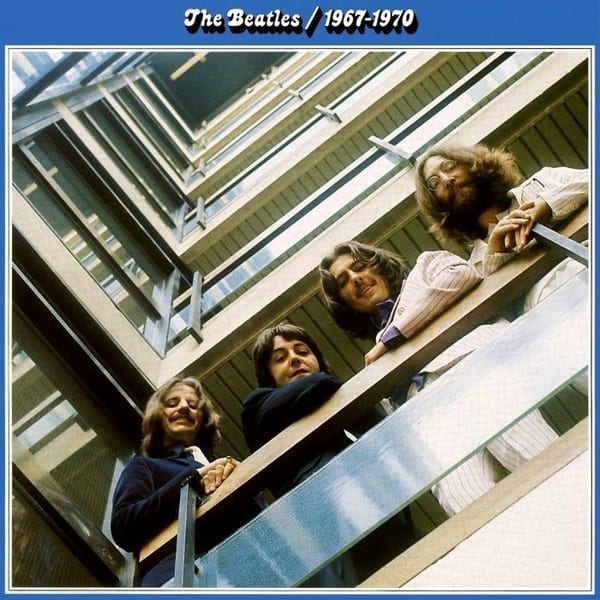
Strawberry Fields Forever
Be the first to rate—Two takes recorded weeks apart, in different keys and different tempos, get spliced together at the edit point people still argue about. The song winds down near the three-minute mark, then a rougher, slower mix creeps back in behind John Lennon's slurred ad-libs and Ringo Starr's heavier drumming. George Martin and Geoff Emerick pulled it off with a razor blade and a varispeed trick rather than a fade — which is also how a whole conspiracy industry got built on what people swore was 'I buried Paul.'
- 2
Helter Skelter
Be the first to rate—This one fakes its own collapse more than once, screeching to a stop before Paul McCartney drags it back up by the throat. It finally dies for real with Ringo Starr's complaint left on the tape: 'I've got blisters on my fingers!' Less a fade-out edit than a song that keeps refusing to lie down until somebody in the room admits defeat.
- 3

In the Court of the Crimson King
Be the first to rate—Seven minutes of mellotron and flute settle into what sounds like a closing cadence. Then the flute restates the melody once more and the band answers with a lurching, atonal version of the chorus that has no business following something so pretty. It's the move that taught a generation of Rock in Opposition and Canterbury bands that an ending could be argued with instead of accepted.
- 4

Suspicious Minds
Be the first to rate—Elvis and producer Chips Moman cut this at American Sound Studio as a tight single with a clean ending. RCA staff producer Felton Jarvis wasn't satisfied, so he spliced in a fifteen-second fade to near-silence and back before release, stretching the song out by almost a minute. Moman called it a scar on a record he considered finished; the public didn't care and handed Elvis his first number one in seven years.
- 5
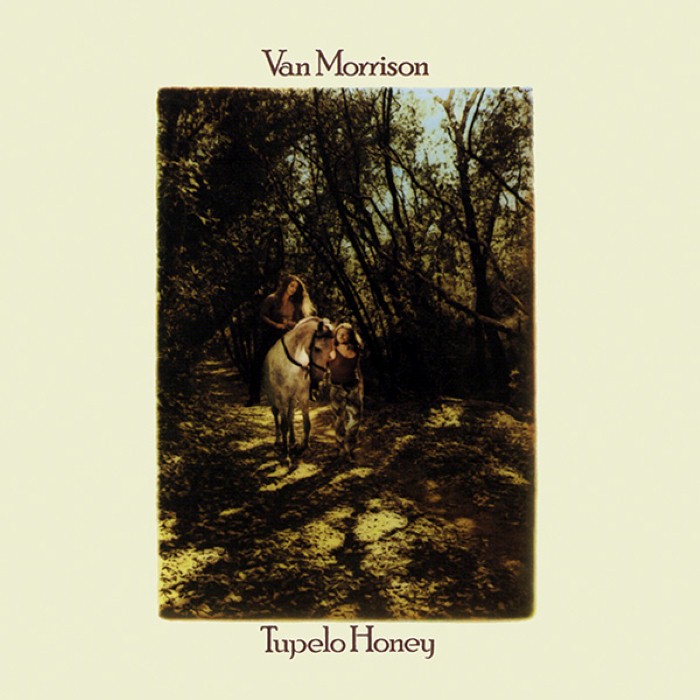
Wild Night
Be the first to rate—Morrison stops the band dead near the three-minute mark and holds the silence just long enough that you check the turntable. Then a horn-led coda swings in and closes the song harder than anything before it. Tupelo Honey gets remembered for its title track, but this is the one that actually plays with your sense of time.
- 6
Make Me Smile (Come Up and See Me)
Be the first to rate—The song is built from stop-start punctuation before it even gets to its ending: Duncan Mackay's rising keyboard intro, a flamenco guitar break that started life as Jim Cregan's soundcheck warm-up, a wordless middle eight that seems to belong to a different song entirely. By the time it sounds like it's wrapping up, it's already lied to you twice. UK listeners bought it anyway, all the way to number one.
- 7
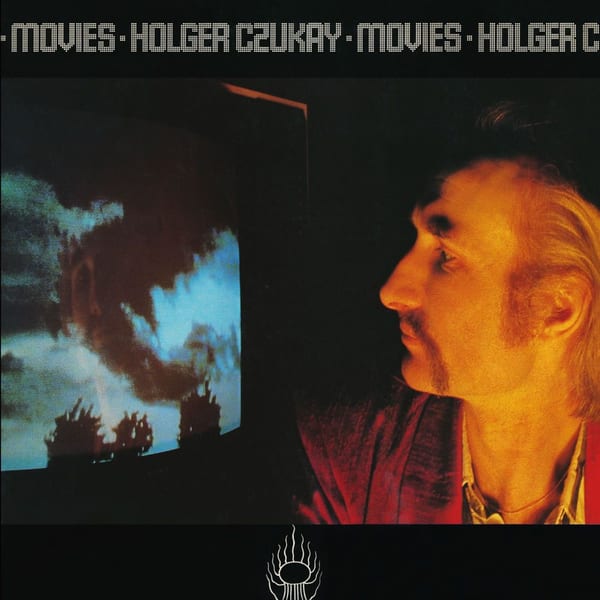
Persian Love
Be the first to rate—Czukay built the track around Can's rhythm section and a stack of Iranian pop songs he'd caught on short-wave radio, then spliced individual guitar notes by hand at Conny Plank's studio. The song sounds finished, sits in silence for a beat, and then a key change drags it back into motion — a trick that makes more sense once you realize the whole record is stitched together from edits pretending to be one take.
- 8
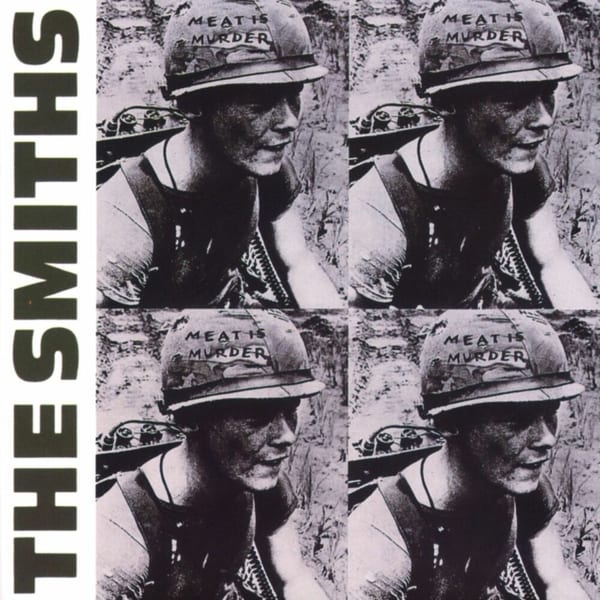
That Joke Isn't Funny Anymore
Be the first to rate—Meat Is Murder's grandest ballad fades nearly to nothing and then fades back in for a full minute of wordless coda, the same move the Beatles pulled on 'Helter Skelter,' slowed down and dressed in strings. This is the moment the song stops being a joke about anything.
- 9
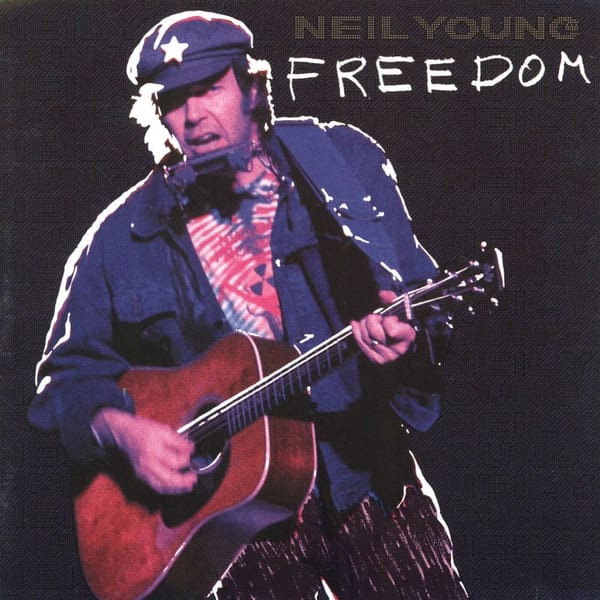
Rockin' in the Free World
Be the first to rate—Freedom closes with the electric version of the song that opened the record acoustic, and Young brings the band to a stop with maximum rock-star drama three separate times before finally letting the chorus have the last word. Every ending sounds final until it isn't, which is more or less the whole argument of the lyric.
- 10
November Rain
Be the first to rate—The piano ballad sounds over at the six-minute mark: strings resolving, Slash's solo apparently spent. Then it tears open another two minutes that are bigger than everything that came before. Use Your Illusion I is stuffed with excess from front to back; this is the one place the excess actually earns its runtime.
- 11
Sad But True
Be the first to rate—The Black Album's heaviest song holds a couple of seconds of dead air mid-track before the riff slams back in, a pause so brief that most radio edits never bothered cutting it. Metallica built an entire arena-rock career on knowing exactly how long a silence can hang before a crowd starts clapping too early.
- 12
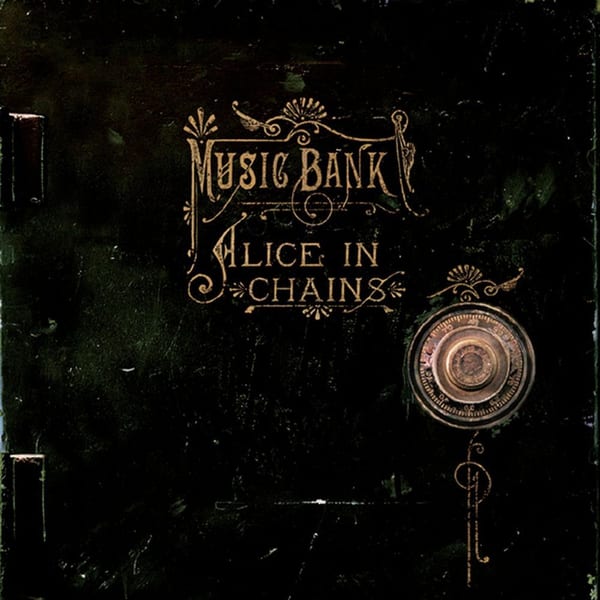
Rain When I Die
Be the first to rate—Dirt fades this one to complete silence for half a second, just long enough to think it's over, before Layne Staley comes back in for ten more seconds of moaning that sound closer to a haunting than a vocal take. The whole record spends its runtime finding new ways to make silence feel worse than noise.
- 13
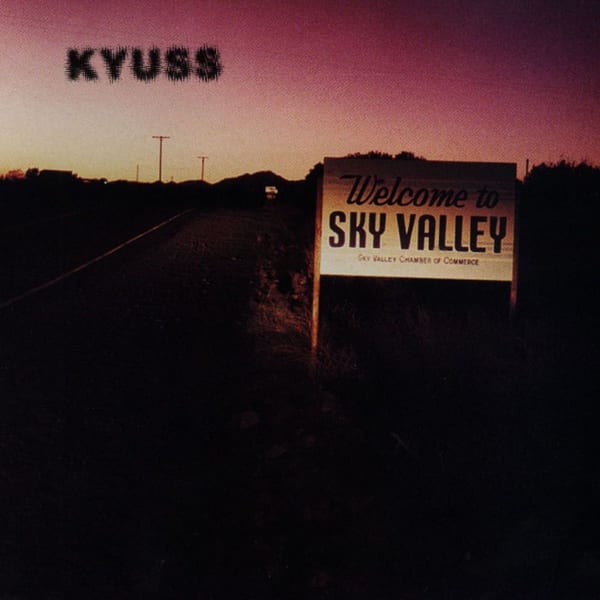
Supa Scoopa and Mighty Scoop
Be the first to rate—Kyuss stack roughly eight false endings on top of each other, each pause a little longer than the last, daring you to lift the needle before the riff crawls back one more time. Welcome to Sky Valley doesn't print song breaks between tracks for a reason — the band wanted you disoriented, and this is where the trick works best.
- 14
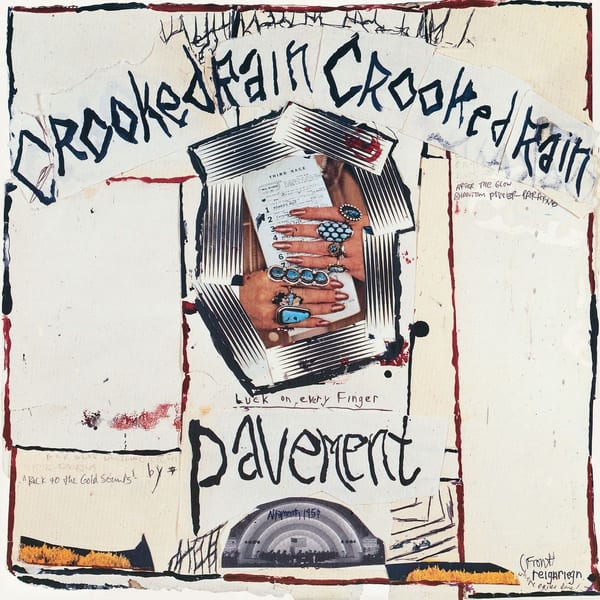
Elevate Me Later
Be the first to rate—The guitars stack up toward what sounds like a proper big-rock climax, the kind of ending a major label would have wanted, and then the band just keeps going, riffing for another thirty seconds as if the ending had been a joke they'd already gotten bored of. Crooked Rain, Crooked Rain is full of these small acts of sabotage against its own hooks.
- 15
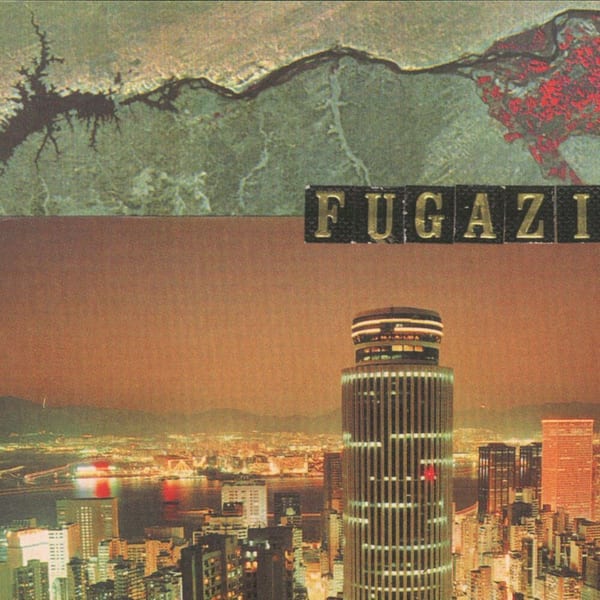
No Surprise
Be the first to rate—End Hits slows Fugazi down from hardcore tempo into something closer to dub, and 'No Surprise' cashes in the patience with a dead stop: five full seconds of silence before the band comes back with tight, stabbing hits that land harder for the wait. Ian MacKaye's mutter at the start of the song already warned you this one wasn't going to behave.
- 16
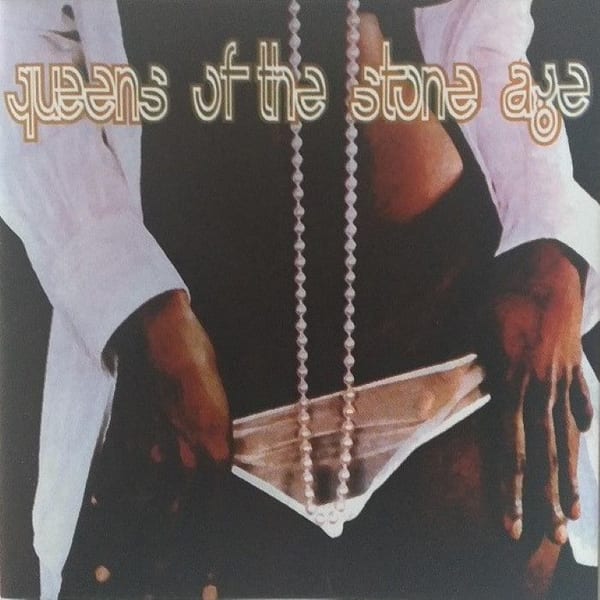
You Think I Ain't Worth a Dollar, But I Feel Like a Millionaire
Be the first to rate—QOTSA let this one thrash through and burn out in under ninety seconds, then scream it back to life for one more pass at the riff, as if the fade-out were a dare. Songs for the Deaf is sequenced like a car radio scanning stations, and this track plays like someone hit reverse by accident and decided they liked it.
- 17
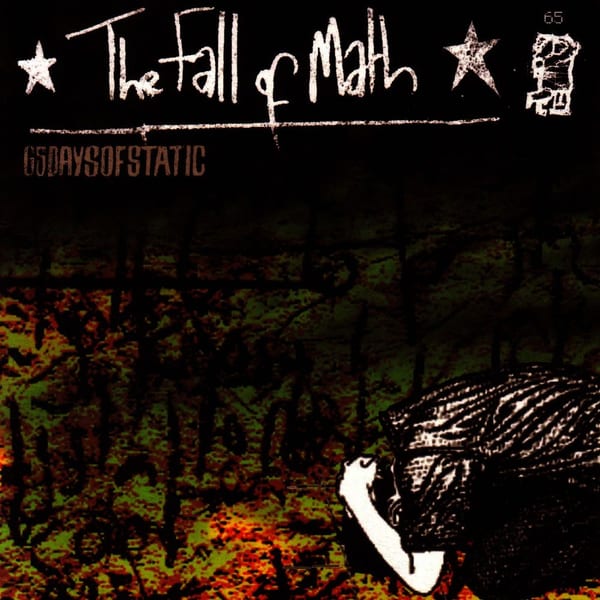
Aren't We All Running?
Be the first to rate—The Fall of Math closes with a keyboard intro that curdles into a rib-shaking crescendo, drops out almost entirely, and then gets pulled back from silence by a single hi-hat hit before the whole band piles back in for the actual ending. It's a post-rock record that keeps flinching from its own catharsis until this last track finally lets it happen.


Explore the sound
Artists in this guide
Read next
Anadolu psych: a canon for the saz and the fuzzbox
Turkey's fuzz decade, the coup that ended it, and the people still working the seam fifty years on.
The Dunedin Sound: Flying Nun and the jangle from the bottom of the world
Chiming guitars, buried vocals and cheap tape machines. How a cold university town in New Zealand wrote one of the blueprints for indie rock.
Doom metal: a canon for the slow and the heavy
From Black Sabbath's detuned tritone to funeral doom's hour-long dirges: the records that proved slowness could be the heaviest thing in metal.
Midwest emo: three waves of the twinkly guitar
Arpeggiated guitars, cracked voices, and the sound of the American basement, from Sunny Day Real Estate to the bands who grew up on them.
Got your own ranking? Build a list or tier of your own.