

Guides/A Riffiter guide
The Dunedin Sound: Flying Nun and the jangle from the bottom of the world
Chiming guitars, buried vocals and cheap tape machines. How a cold university town in New Zealand wrote one of the blueprints for indie rock.
The Dunedin sound was a jangly, lo-fi strain of guitar pop that grew out of Dunedin, New Zealand in the early 1980s, mostly documented by the Christchurch label Flying Nun Records, which Roger Shepherd founded in 1981. Built on chiming guitars, half-heard vocals and cheap four-track recorders, it became one of the templates the rest of the indie world quietly borrowed. This guide runs through 14 essential records, from The Clean's first EPs to the scorched noise of The Dead C.
Dunedin sits near the bottom of the South Island, a student town of maybe 100,000 people, closer to Antarctica than to anywhere with a music industry. In the early 1980s that isolation turned out to be the whole point. Nobody was coming to sign these bands, so they stopped waiting. They recorded onto cheap tape, pressed small runs, and passed the results around a scene where everyone played in three other bands.
What came out shared a texture more than a formula: guitars that rang instead of roared, vocals mixed low like the singer was embarrassed, a fondness for the Velvet Underground and 1960s pop filtered through punk's don't-need-permission shrug. Flying Nun, run out of a Christchurch record shop, caught most of it on tape before anyone thought it mattered.
It mattered. R.E.M., Pavement, Yo La Tengo and half the indie bands who came after were listening. Here are the records to start with.
- 1

Boodle Boodle Boodle
Be the first to rate—Everything starts here. The Clean's 1981 single "Tally Ho!" cost about sixty dollars to record and somehow reached number 19 on the New Zealand charts, which told Flying Nun there was an audience for this. The Boodle Boodle Boodle EP that followed is the founding document: David Kilgour's chiming guitar, Hamish Kilgour's clatter, Robert Scott's bass melodies, all of it loose and instantly hummable. It sold thousands on a label that barely existed yet.
- 2
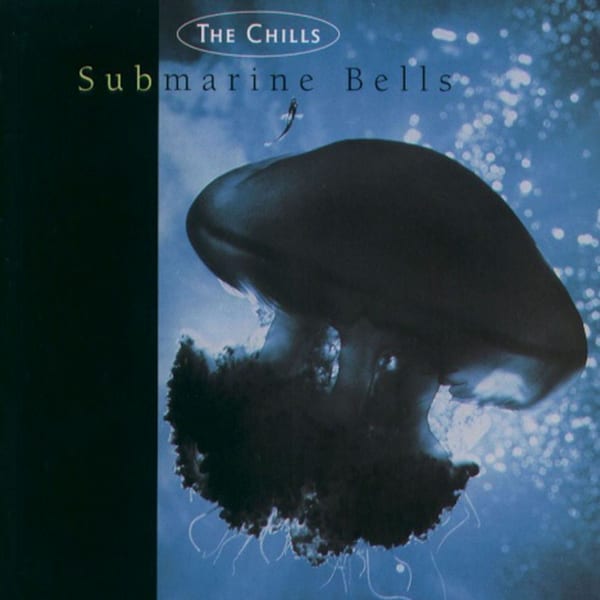
Submarine Bells
Be the first to rate—Martin Phillipps wrote pop songs too pretty and too sad for the scene that raised him. Submarine Bells (1990) was the major-label swing, cut for Slash after a decade of lineup changes that Phillipps outlasted the way other people outlast weather. "Heavenly Pop Hit" is exactly what its title claims and completely sincere about it. If you only take one melodic Dunedin record, this is the one that will follow you around.
- 3
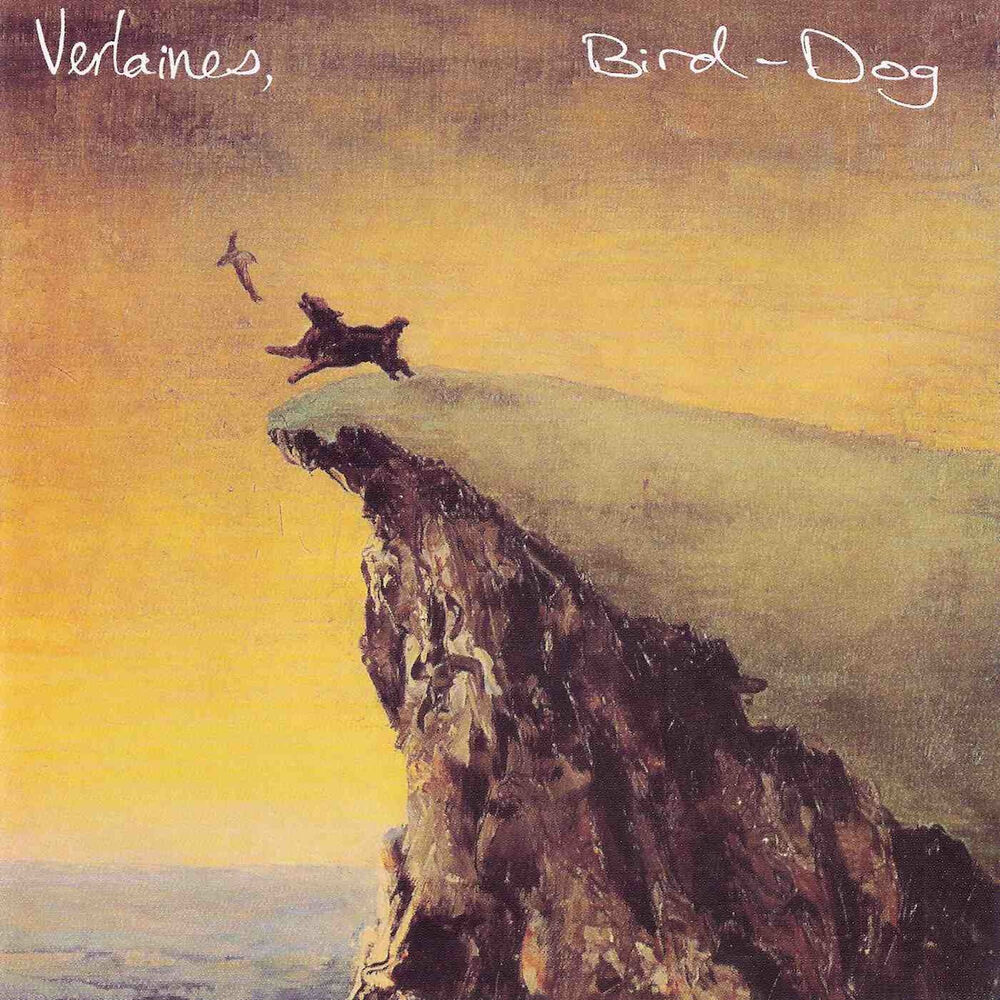
Bird Dog
Be the first to rate—Graeme Downes studied music seriously enough to end up teaching it, and it shows: The Verlaines wrote in odd meters and minor keys while everyone around them chased jangle. Bird-Dog (1987) is dramatic, literate guitar music that name-checks the French poet the band took its name from and means it. It rewards the kind of listener who reads liner notes, which is to say, you.
- 4
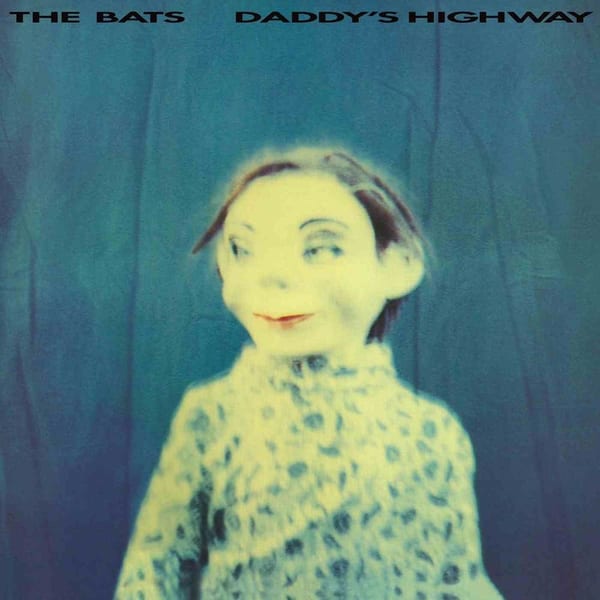
Daddy's Highway
Be the first to rate—Robert Scott played bass in The Clean and led The Bats on the side, and The Bats never really stopped. Daddy's Highway (1987) is the warmest record on this list, all interlocking guitars and Kaye Woodward's harmonies, songs about roads and weather that go down easy and stay for years. It is the sound of a band with nothing to prove and no reason to hurry.
- 5

Send You
Be the first to rate—Sneaky Feelings were one of the four bands on the 1982 Dunedin Double EP that put the scene on the map, and the odd one out even then. They loved harmony pop and Motown more than reverb and murk, which made Send You (1983) an outlier: cleaner, sweeter, arguing quietly with the whole aesthetic. Two singers who couldn't agree on much wrote some of the era's most tuneful songs while barely speaking.
- 6

Weeville
Be the first to rate—Chris Knox and Alec Bathgate came out of Toy Love, one of New Zealand's great punk bands, and then shrank the whole idea down to two men and a four-track. Tall Dwarfs recorded at home, on tape loops and household junk, years before anyone called that lo-fi a movement. Weeville (1990) is playful and strange and homemade in the best sense, an argument that you never needed the studio at all.
- 7
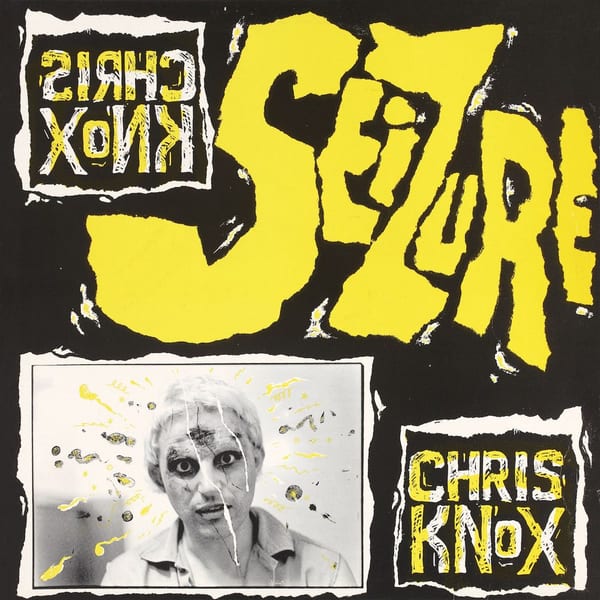
Seizure
Be the first to rate—Knox was the scene's live wire: cartoonist, provocateur, and the man behind the four-track that recorded half these bands. Seizure (1989) is his solo peak, and it holds "Not Given Lightly," a love song to his partner and children that New Zealand adopted as a standard. A stroke in 2009 largely ended his music, which makes this record's plainspoken tenderness hit harder now.
- 8

Hail
Be the first to rate—Shayne Carter had more menace than the jangle bands and knew it. Straitjacket Fits set his snarl against Andrew Brough's sweeter melodies, two writers pulling in different directions until the tension became the sound. Hail (1988) is where the Dunedin template gets loud and widescreen; "She Speeds" still detonates. Carter and Brough would fall out, because of course they would.
- 9
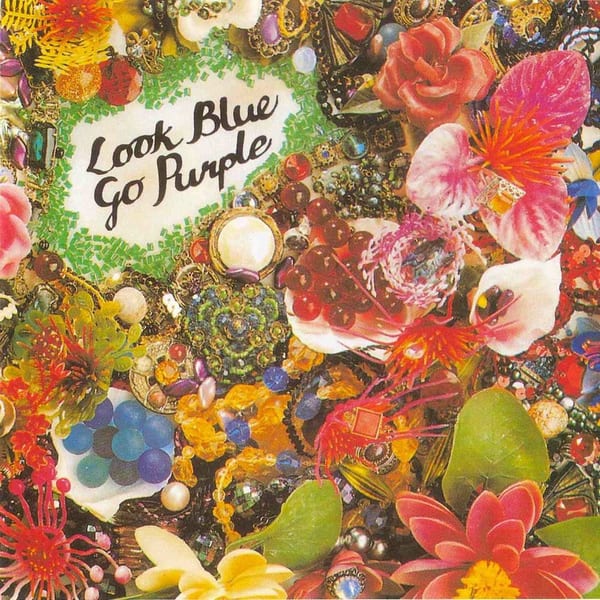
Look Blue Go Purple Compilation
Be the first to rate—Five women, three EPs, gone by 1988, and better than their brief run suggests. Look Blue Go Purple made hazier, dronier pop than most of their peers, all overlapping vocals and organ, and then everyone went off to other bands before the scene could pigeonhole them. This compilation gathers the lot. It is the great what-if of the whole story.
- 10
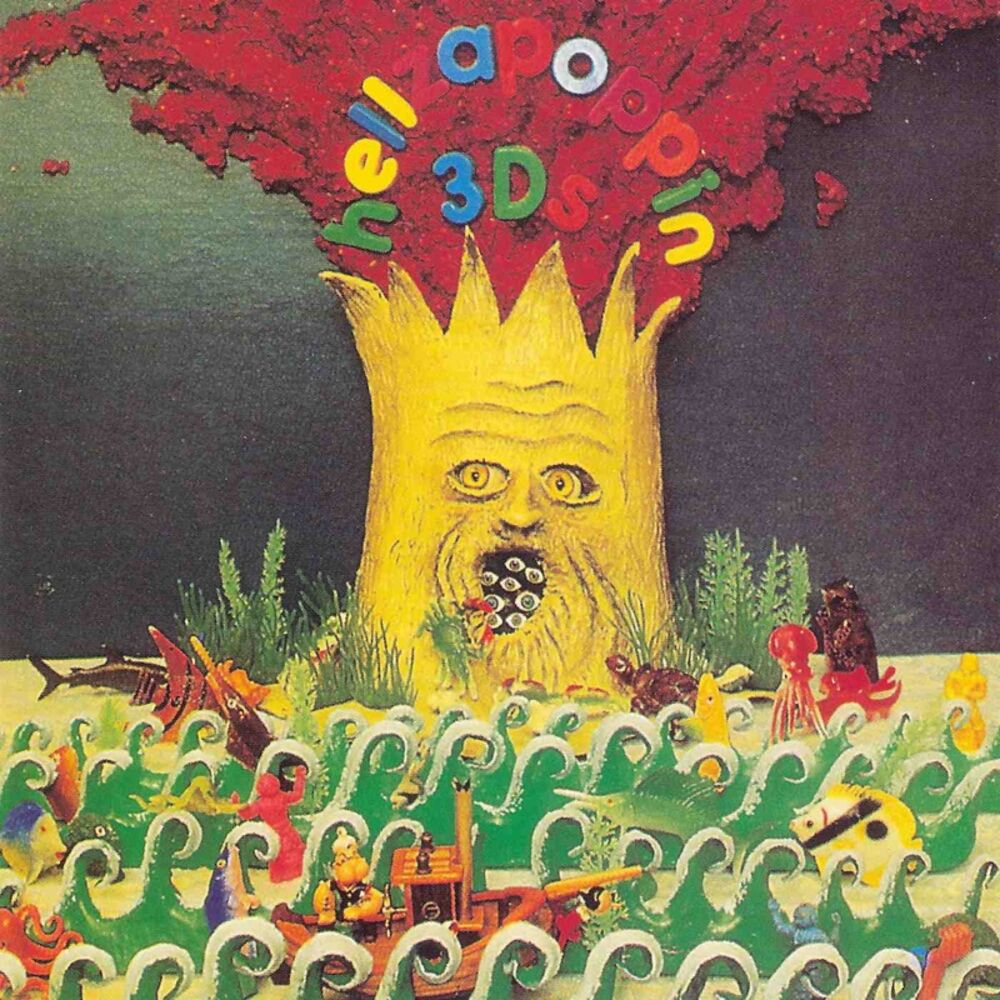
Hellzapoppin
Be the first to rate—By the early 1990s a younger crowd was roughing the jangle up. The 3Ds had two guitarists and a cartoonist's sense of chaos, and Hellzapoppin (1992) pushes the pretty melodies through fuzz and shout until they bristle. Denise Roughan and David Mitchell trade leads like they're daring each other. This is the Dunedin sound after it discovered volume and stopped apologizing.
- 11

Robot World
Be the first to rate—Before Bailter Space there was The Gordons, one of the loudest bands New Zealand produced, and that DNA carried over. Robot World (1993) trades jangle for slabs of guitar drone and motorik pulse, closer to Sonic Youth or shoegaze than to anything twee. Alister Parker's guitars sound like machinery running warm. Play it after the melodic records and hear the same scene reaching for the horizon.
- 12

The Size of Food
The Jean Paul Sartre Experience
Be the first to rate—The name was a joke that eventually got them a legal nudge, so they trimmed it to the JPS Experience. The band itself was no joke: The Size of Food (1989) is dreamy, psychedelic guitar pop that drifts where The Chills chime, less immediate and more atmospheric. It's the record for the night after the party, when you want the jangle blurred at the edges.
- 13
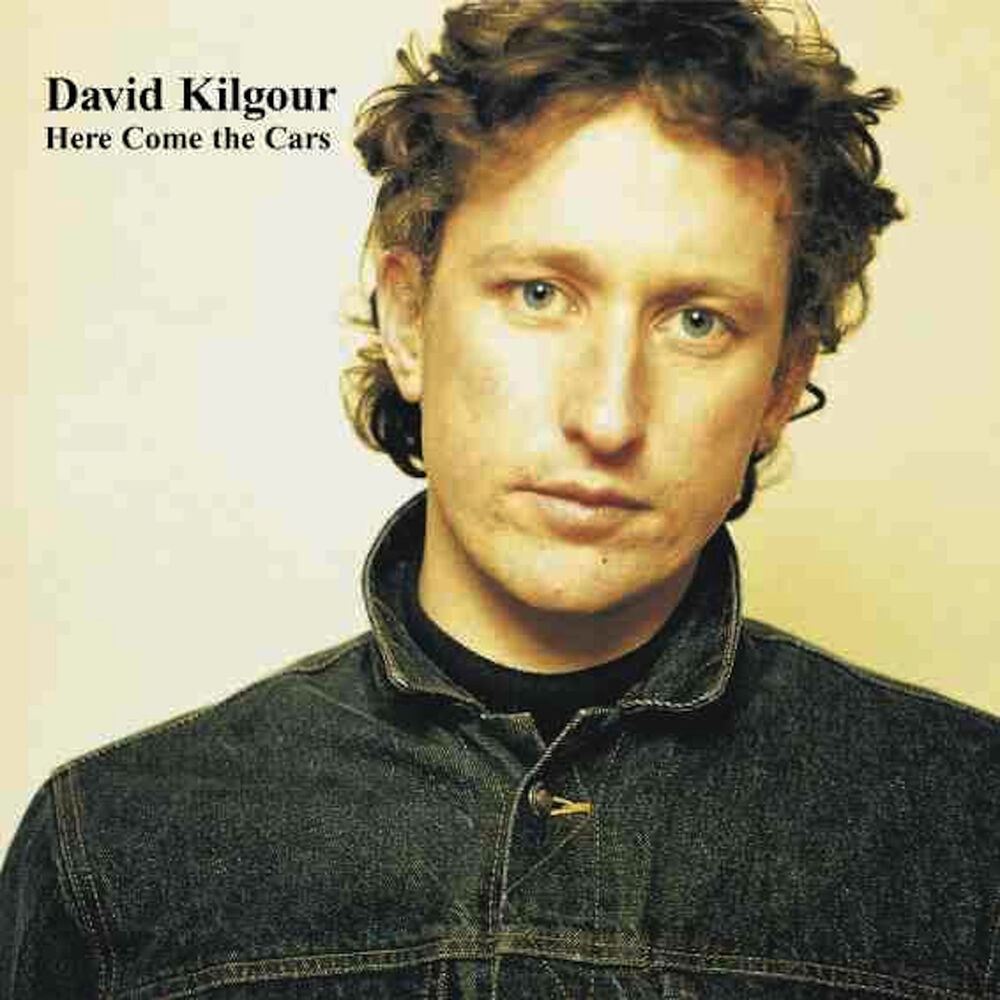
Here Come the Cars
Be the first to rate—The Clean never fully broke up so much as paused, and in the gaps David Kilgour made solo records that distilled his half of the band: the guitar tone, the unhurried melody, the sense that a good song doesn't need to raise its voice. Here Come the Cars (1991) is where that starts. If The Clean got you, this is the quieter, sunnier continuation.
- 14

Trapdoor Fucking Exit
Be the first to rate—And here's the scene's dark twin. The Dead C took the same cheap gear and pointed it at collapse: guitars falling apart, structure abandoned, recordings that sound like they're rotting in real time. Trapdoor Fucking Exit (1990) is confrontational and genuinely free, the point where Dunedin's DIY logic curdles into noise and drone. It's a hard door to walk through, and the one that most changed what came after.


Explore the sound
Artists in this guide
Read next
Anadolu psych: a canon for the saz and the fuzzbox
Turkey's fuzz decade, the coup that ended it, and the people still working the seam fifty years on.
False endings: the songs that refuse to stay dead
Seventeen songs, in rough chronological order, that fake the finish before yanking the record back to life.
Doom metal: a canon for the slow and the heavy
From Black Sabbath's detuned tritone to funeral doom's hour-long dirges: the records that proved slowness could be the heaviest thing in metal.
Midwest emo: three waves of the twinkly guitar
Arpeggiated guitars, cracked voices, and the sound of the American basement, from Sunny Day Real Estate to the bands who grew up on them.
Got your own ranking? Build a list or tier of your own.