


Guides/A Riffiter guide
Doom metal: a canon for the slow and the heavy
From Black Sabbath's detuned tritone to funeral doom's hour-long dirges: the records that proved slowness could be the heaviest thing in metal.
Doom metal grew out of Black Sabbath's slowest, darkest songs into a family of related styles: traditional doom, epic doom, death-doom, stoner and desert doom, sludge, drone, and funeral doom. This canon runs from Sabbath's Master of Reality (1971) through Candlemass, Sleep, Electric Wizard and Sunn O))) to modern bands like Pallbearer and Bell Witch.
Most of metal spent its history chasing speed. Thrash got faster, death metal got faster, and by the late 1980s a snare hit could arrive too quick to count. Doom went the other way. It took the slowest, darkest few minutes of Black Sabbath and decided that was the whole point: detune the guitar, drag the tempo, let one chord hang until it starts to feel like weather.
The reward for patience is a kind of heaviness that speed can't touch. A fast riff hits and moves on. A doom riff sits on your chest. What follows is one route through the genre, roughly in order of arrival, from the Birmingham factory floor where Tony Iommi lost his fingertips to the Seattle duos writing single tracks that outrun a feature film. It passes through every branch the family grew: trad and epic doom, the death-doom of the early 1990s, the desert and sludge scenes, drone, and the funeral doom that treats a riff like a grave being dug. Sixteen records. Play them loud and slow.
- 1
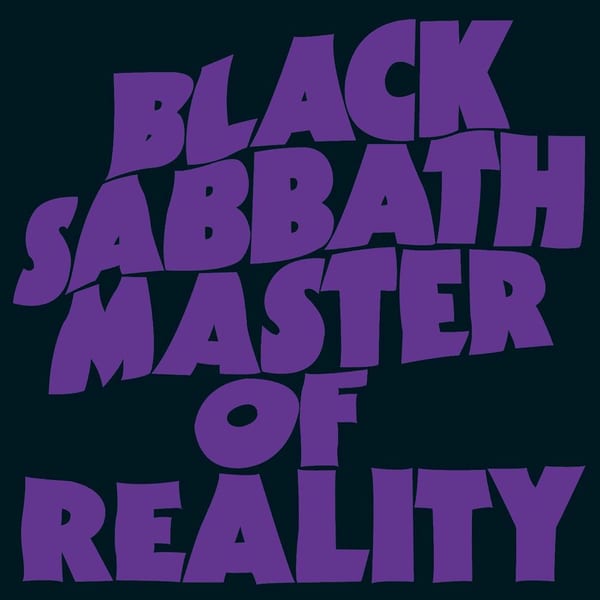
Master of Reality
★ 4.6 · 4—This is the source. After a factory press took the tips of two fingers on his fretting hand, Tony Iommi loosened his strings to ease the pain, and on Sabbath's third album (July 1971) he tuned everything down to C sharp. The music got darker and slower with it: "Sweet Leaf" opens on a cough and a riff that lurches, "Into the Void" moves like something heavy being shoved uphill. Every band below is a footnote to these 34 minutes.
- 2

Psalm 9
Be the first to rate—Chicago's Trouble turned up in 1984 with a debut so plainly in thrall to Sabbath that it wrapped occult menace around Christian lyrics, which earned them the unfortunate "white metal" tag. Ignore the label. Psalm 9 is traditional doom with a real engine, Eric Wagner's high wail riding riffs that know when to speed up and when to let the floor drop away. One of the handful of American bands who proved doom could be an identity, not just a tempo.
- 3
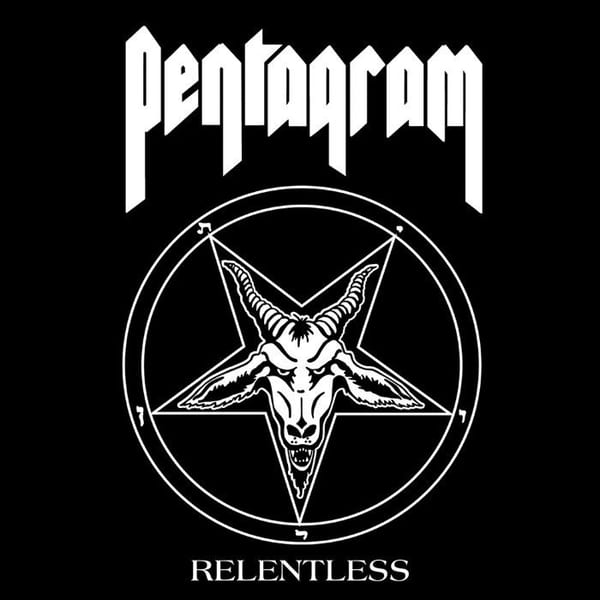
Relentless
Be the first to rate—Bobby Liebling had been writing these songs since the early 1970s, and Pentagram spent a decade blowing every shot at a record deal before this debut finally landed in 1985, later reissued as Relentless. The wait shows in the craft: "All Your Sins," "Sign of the Wolf," hooks polished by years of near misses. Liebling's life was a slow-motion disaster, which is part of why the cult around this record runs so deep. Proto-doom that had to outlast its own maker to reach you.
- 4
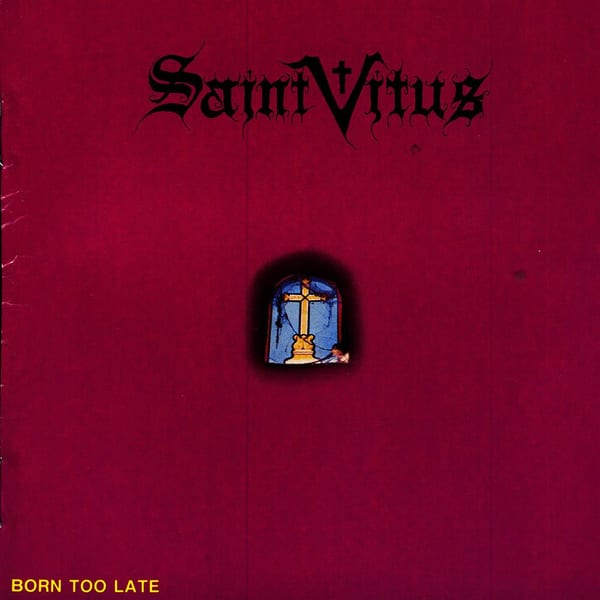
Born Too Late
Be the first to rate—Los Angeles, 1986, on Greg Ginn's SST label of all places, sharing a roster with Black Flag while playing at half their speed. Born Too Late is the first Saint Vitus album with Scott "Wino" Weinrich singing, and the title track is doom's great anthem of not fitting in: a man watching the world rush past and refusing to hurry after it. Slow, ugly, and proud of both.
- 5
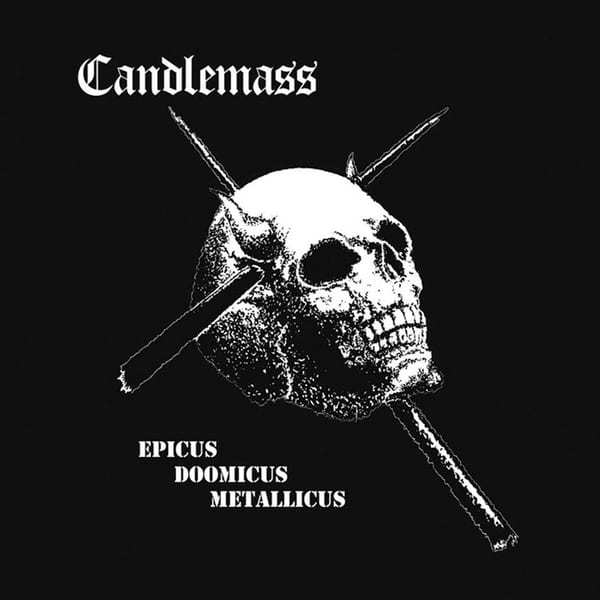
Epicus Doomicus Metallicus
★ 4.7 · 3—The Swedes didn't just play doom, they named a branch of it. Epicus Doomicus Metallicus (1986) handed the world the term epic doom and most of the sound: grand, operatic, built like a cathedral. Leif Edling wrote the riffs, and session singer Johan Längqvist delivered them with an almost classical weight before Messiah Marcolin took the mic on the follow-up. "Solitude" is still the genre's most beautiful dirge.
- 6
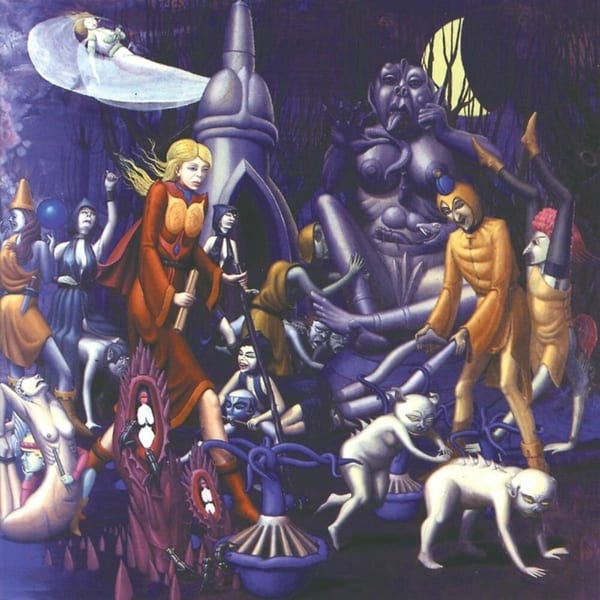
Forest Of Equilibrium
Be the first to rate—When Lee Dorrian quit Napalm Death, one of the fastest bands alive, he went and formed one of the slowest. Cathedral's 1991 debut is death-doom at a crawl, tempos so low the riffs seem to sag, Dorrian's roar echoing through them like a voice lost in a wet forest. The band would later speed up and turn psychedelic, but Forest of Equilibrium is pure dread. Few debuts commit this hard to a single feeling.
- 7
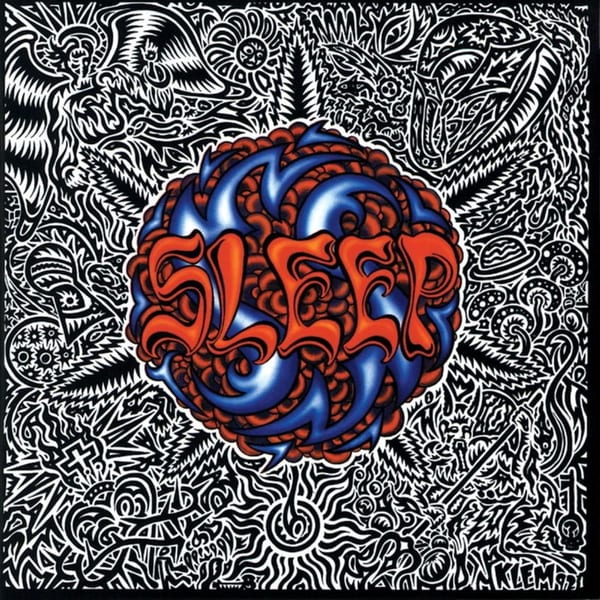
Sleep's Holy Mountain
Be the first to rate—Three friends from San Jose, a wall of amps, and a lot of weed. Sleep's Holy Mountain (1992) is the desert-doom blueprint, Sabbath riffs stretched out and worshipped rather than copied, Matt Pike's guitar fat enough to lean on. It also set up the legend that followed: Dopesmoker, a single hour-long track about a stoner caravan crossing the sand, so uncompromising that their label rejected it and the band fell apart. Start here, then go get lost in that one.
- 8
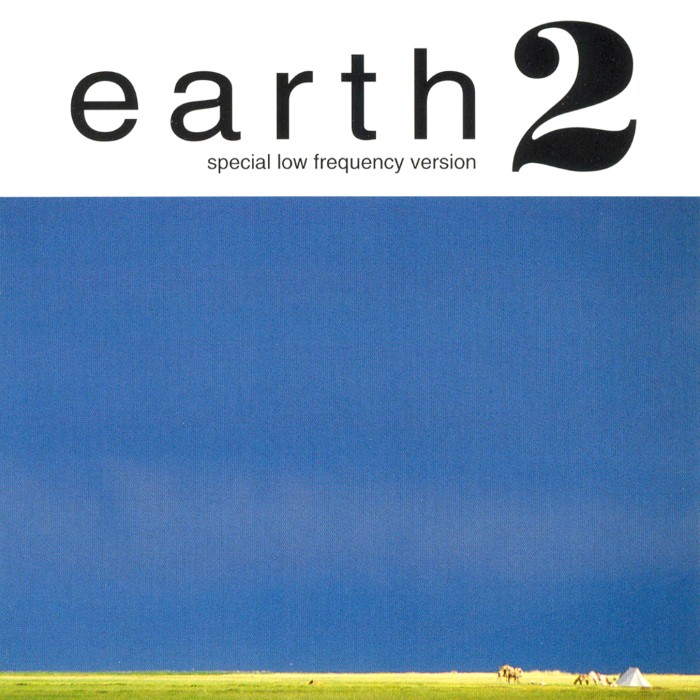
Earth 2: Special Low Frequency Version
Be the first to rate—Dylan Carlson took doom to its logical end and stripped almost everything away. Earth 2 (1993, subtitled Special Low Frequency Version) is three long pieces of detuned guitar and feedback with barely any drums and no singing, riffs slowed until they stop being riffs and turn into pure tone. This is where drone metal begins. Two years later a band would name itself Sunn O))) after Carlson's amp of choice and his project both.
- 9
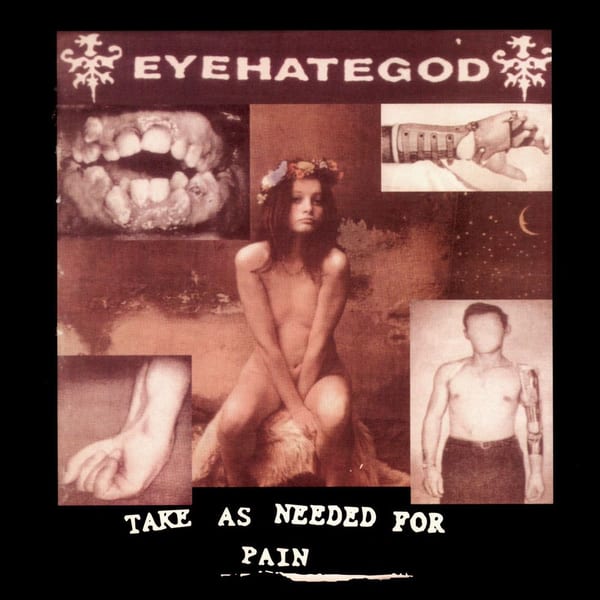
Take as Needed for Pain
Be the first to rate—New Orleans sludge is doom dragged through the swamp and left to rot, and Eyehategod are its filthy heart. Take as Needed for Pain (1993) welds Sabbath riffs to hardcore spite and pours feedback over the wound, Mike Williams snarling about addiction and Southern squalor from the bottom of a bottle. It is genuinely hard to sit through, which is the intended effect. Nothing else here feels this much like a bad morning.
- 10

Amplifier Worship
Be the first to rate—Boris named themselves after a Melvins song and have spent their career refusing to hold still, but Amplifier Worship (1998) is where the Japanese trio planted a flag in raw heaviness. Six long tracks of feedback, drone, and slow-motion collapse, the title a fair account of the method. They'd later play everything from pop to grindcore, and share a whole album with Sunn O))). This is the one to open the doom conversation.
- 11
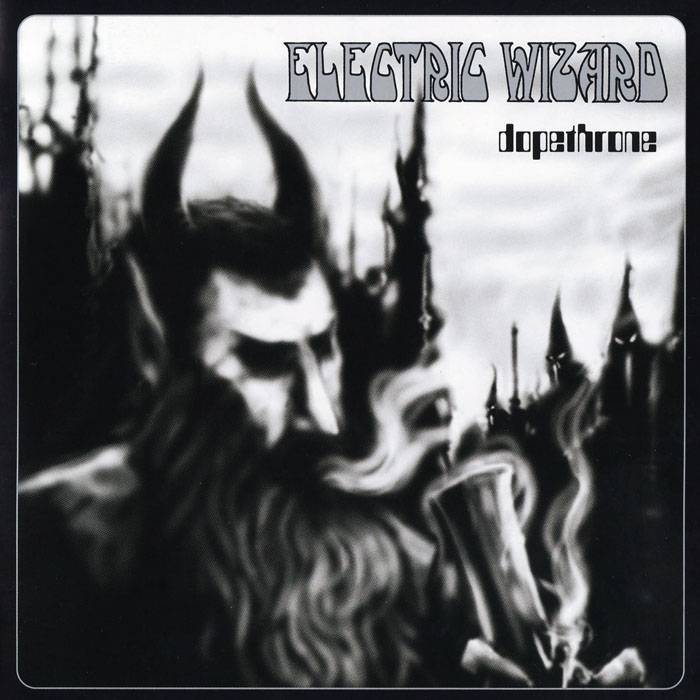
Dopethrone
Be the first to rate—People argue about the heaviest album ever made, and this is the one they keep circling back to. Dopethrone (2000), released on Lee Dorrian's Rise Above label, is Dorset's Electric Wizard at their most poisonous: Jus Oborn's riffs buried under fuzz and horror-film samples and enough cannabis worship to fog the room. Stoner doom rarely sounds this genuinely evil. Twenty-five years on, nobody has out-heavied it by trying harder.
- 12
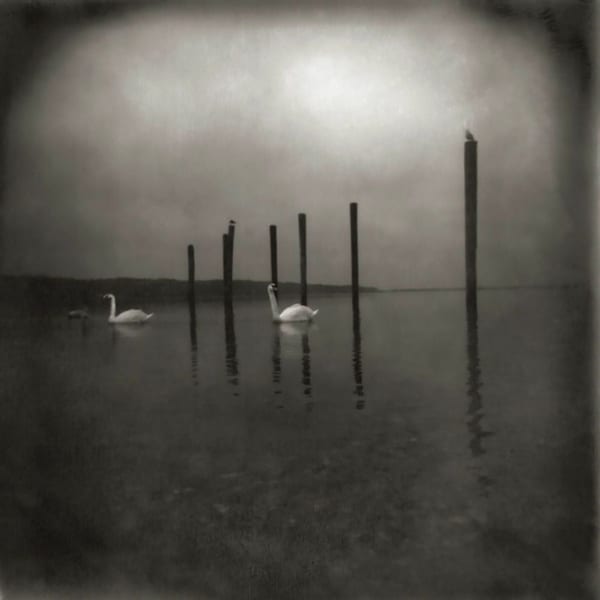
Conference of the Birds
Be the first to rate—When Sleep split, drummer Chris Hakius and bassist Al Cisneros carried on as Om and dropped the guitar entirely. Conference of the Birds (2006) is doom reduced to bass, drums, and Cisneros chanting like a man reading scripture, two side-long tracks that move at the pace of prayer. It shouldn't hold your attention for a second, and instead it's hypnotic. Doom as meditation rather than menace, a door the genre didn't know it had.
- 13
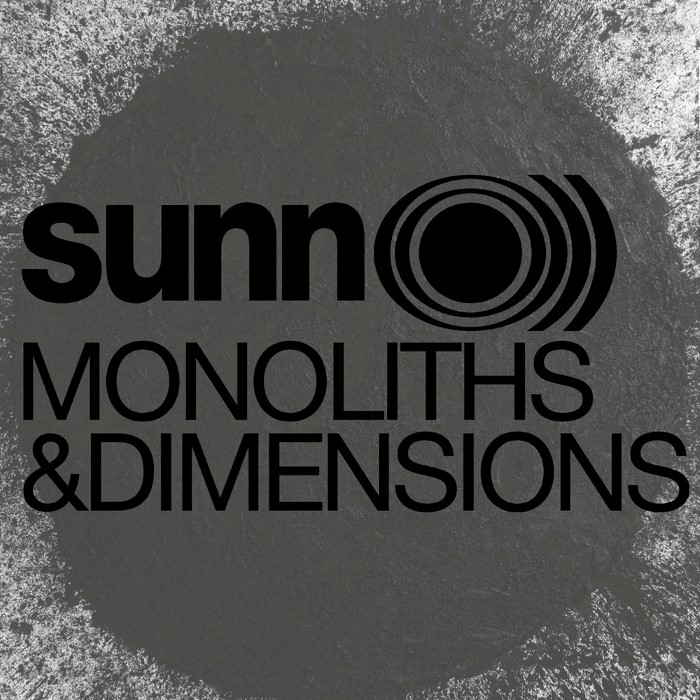
Monoliths & Dimensions
★ 4.3 · 3—By 2009, Stephen O'Malley and Greg Anderson had spent a decade making guitar drone so heavy it sat closer to sculpture than song. Monoliths & Dimensions is where they cracked it open: brass, a choir, arrangements by Eyvind Kang, and a closing tribute to Alice Coltrane. The robes and fog stayed, but the music turned strange and gorgeous, drone metal reaching toward the avant-garde. Their most ambitious record, and their best.
- 14
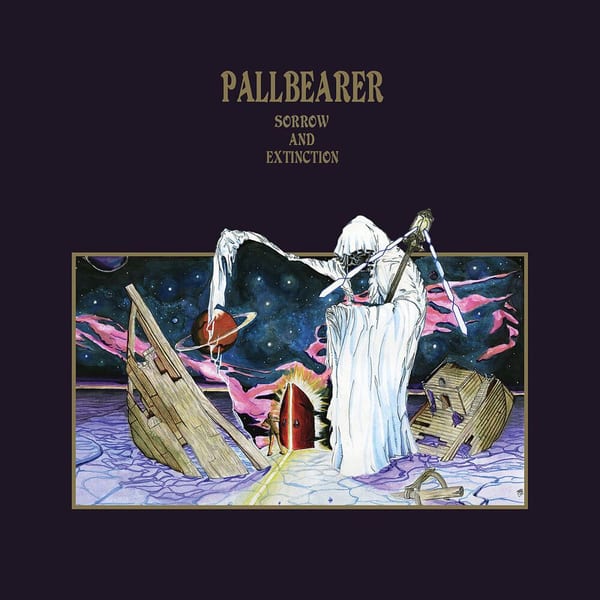
Sorrow and Extinction
Be the first to rate—For years doom prized ugliness. Pallbearer, out of Little Rock, brought back beauty. Their 2012 debut sings, actually sings, Brett Campbell carrying real melodies over slow riffs that ache instead of crush. It kicked off the 2010s doom revival and reminded everyone that grief, not only menace, was a mood the genre was built to hold. Cry to it.
- 15
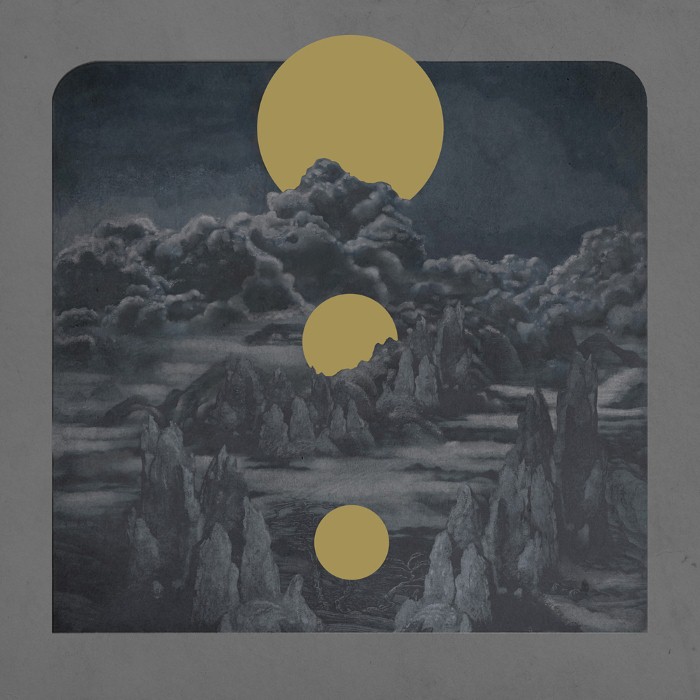
Clearing the Path to Ascend
Be the first to rate—Oregon's YOB, led by Mike Scheidt, make doom that reaches for something like transcendence without ever getting lighter. Clearing the Path to Ascend (2014) opens with an Alan Watts sample telling you to wake up, then spends four enormous tracks trying to earn it, riffs vast and searching, Scheidt's voice moving between a croon and a howl. The closer, "Marrow," is among the most moving 18 minutes in modern metal. Heavy and hopeful at once, which almost nobody pulls off.
- 16
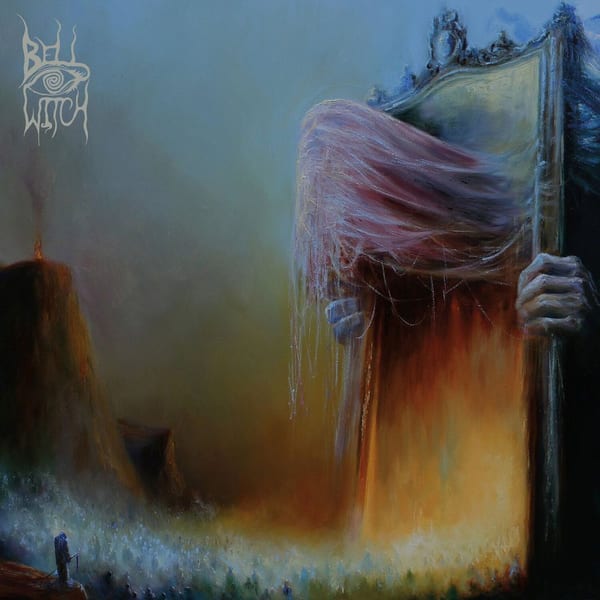
Mirror Reaper
Be the first to rate—A bass, a drum kit, and the longest goodbye in doom. Bell Witch built Mirror Reaper (2017) as one unbroken 83-minute piece, written after the death of their former drummer, Adrian Guerra, whose recorded voice returns near the end. Funeral doom usually keeps its subject at arm's length. This one grieves someone real, and it earns every slow minute. End the canon here, with the lights off.


Explore the sound
Artists in this guide
Read next
Anadolu psych: a canon for the saz and the fuzzbox
Turkey's fuzz decade, the coup that ended it, and the people still working the seam fifty years on.
False endings: the songs that refuse to stay dead
Seventeen songs, in rough chronological order, that fake the finish before yanking the record back to life.
The Dunedin Sound: Flying Nun and the jangle from the bottom of the world
Chiming guitars, buried vocals and cheap tape machines. How a cold university town in New Zealand wrote one of the blueprints for indie rock.
Midwest emo: three waves of the twinkly guitar
Arpeggiated guitars, cracked voices, and the sound of the American basement, from Sunny Day Real Estate to the bands who grew up on them.
Got your own ranking? Build a list or tier of your own.