


Guides/A Riffiter guide
Midwest emo: three waves of the twinkly guitar
Arpeggiated guitars, cracked voices, and the sound of the American basement, from Sunny Day Real Estate to the bands who grew up on them.
Midwest emo is the melodic, guitar-intricate strain of emo that grew out of the American Midwest in the mid-1990s, built on clean arpeggiated 'twinkly' guitars, unusual tunings, and confessional vocals. This guide runs the lineage across three eras: the mid-90s originators, the peak around American Football's 1999 debut, and the 2010s revival that turned the sound into a genre of its own.
"Midwest emo" is one of those tags that started as a joke and hardened into a canon. Not all of it came from the Midwest. Plenty came from Texas, from the coasts, from wherever a kid found a clean channel and an open tuning. What holds it together is a sound: guitars that chime and interlock instead of chug, drums that lean on odd time, and a voice that would rather crack than belt.
It ran in three rough waves. The mid-90s originators took the raw feeling of first-wave emo and made it prettier and knottier. American Football's 1999 debut froze the whole thing into a single glowing image. Then, after a decade of quiet, a generation who'd found those records on file-sharing sites and Tumblr built the revival that turned "twinkly" from an insult into a scene.
Rate as you go. These are records fans defend to the death, and the community score under each is settled by people doing exactly that.
- 1
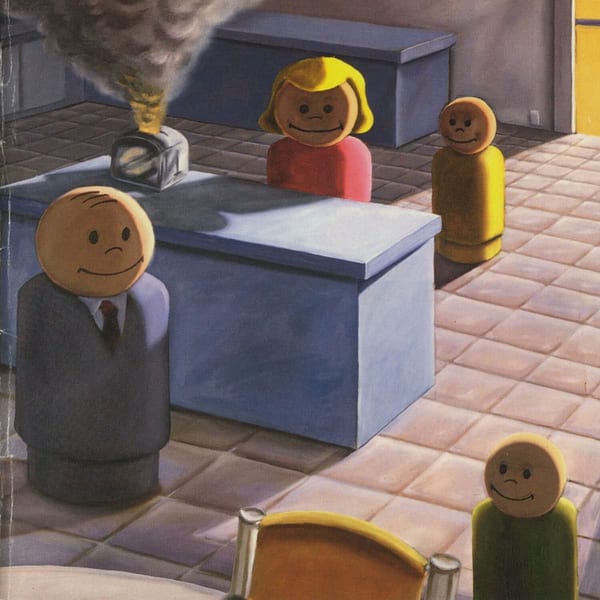
Diary
Be the first to rate—Seattle, 1994, on Sub Pop. This is the fuse. *Diary* isn't strictly Midwest emo, but nothing here happens without it. Jeremy Enigk's voice swoops from a murmur to a howl over guitars that shimmer more than they crash, and the whole thing feels like a private diary read too loud. Every band below grew up on it.
- 2
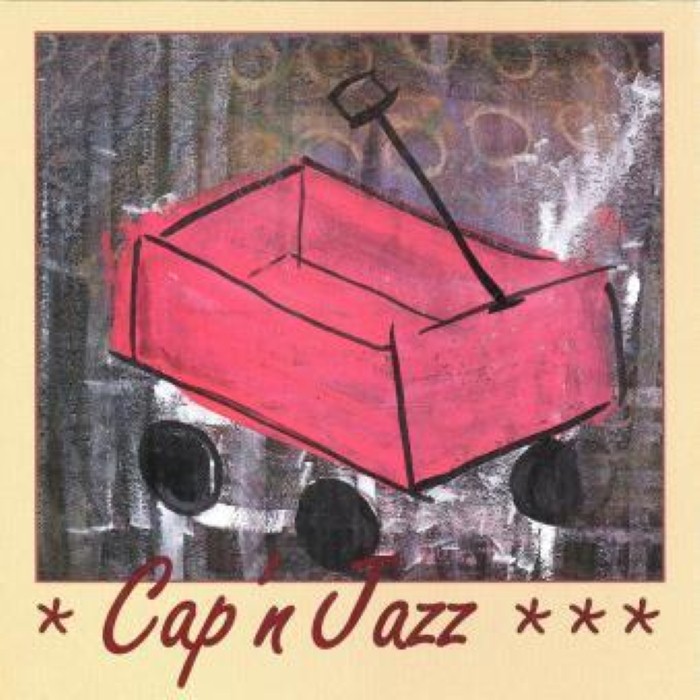
Burritos, Inspiration Point, Fork Balloon Sports, Cards in the Spokes, Automatic Biographies, Kites, Kung Fu, Trophies, Banana Peels We've Slipped on and Egg Shells We've Tippy Toed Over
Be the first to rate—Chicago teenagers, one gloriously chaotic record with a title longer than some of its songs. Tim Kinsella yelps and free-associates while the band lurches between hardcore and something far more tender. Half the players here (the Kinsella brothers, Davey von Bohlen, Victor Villarreal) go on to build the genre. This is the big bang.
- 3
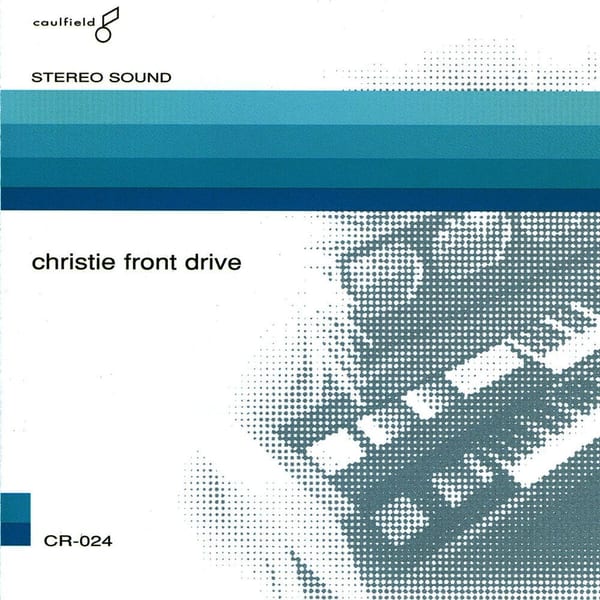
Stereo
Be the first to rate—Denver's quiet cornerstone, from 1997. *Stereo* runs slower and hazier than its peers, long reverbed songs that seem to melt at the edges. It never got the reissue-era worship American Football did, which is part of why the people who know it guard it. A foundational record hiding in plain sight.
- 4
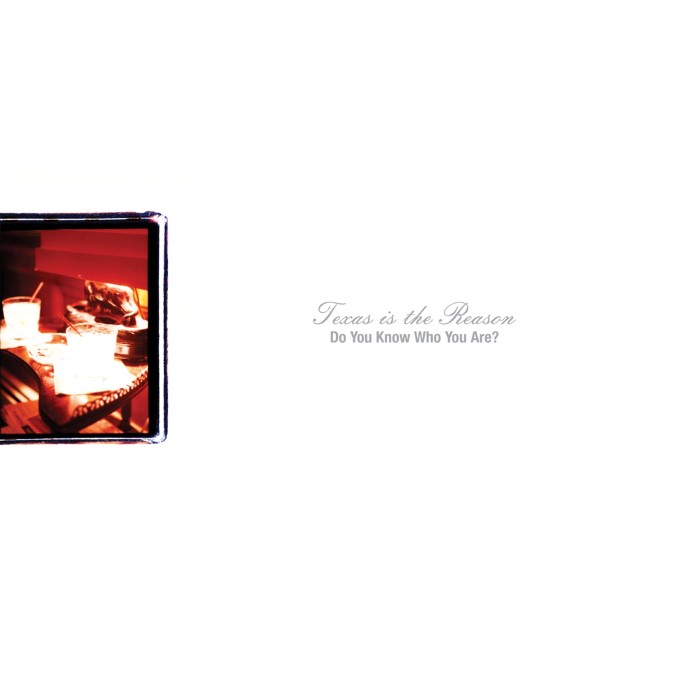
Do You Know Who You Are?
Be the first to rate—New York by way of the wider post-hardcore diaspora, 1996, and the band that proved this stuff could soar. *Do You Know Who You Are?* is muscular and melodic at once, all rising guitar lines and open-hearted delivery. They broke up almost immediately after, which only sealed the myth.
- 5
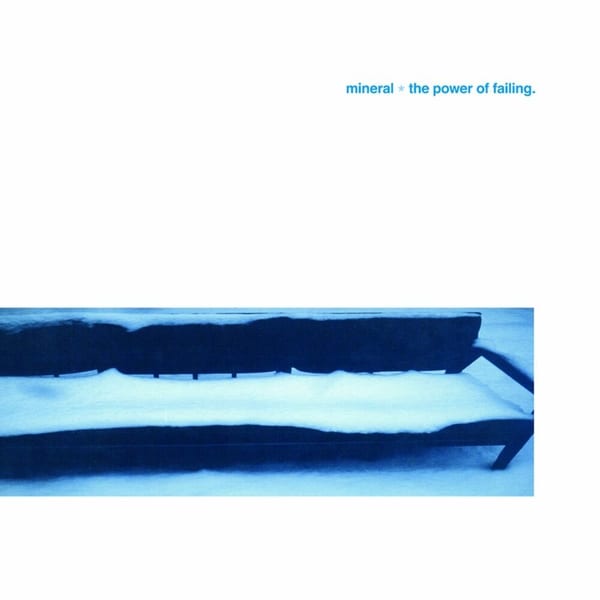
The Power of Failing
Be the first to rate—Austin, Texas, 1997. The loud, aching heart of the second wave. Chris Simpson sings like every line costs him something, and the band swings between whispered restraint and full collapse. *The Power of Failing* is emo as devotional music, and it still floors people who come to it cold.
- 6
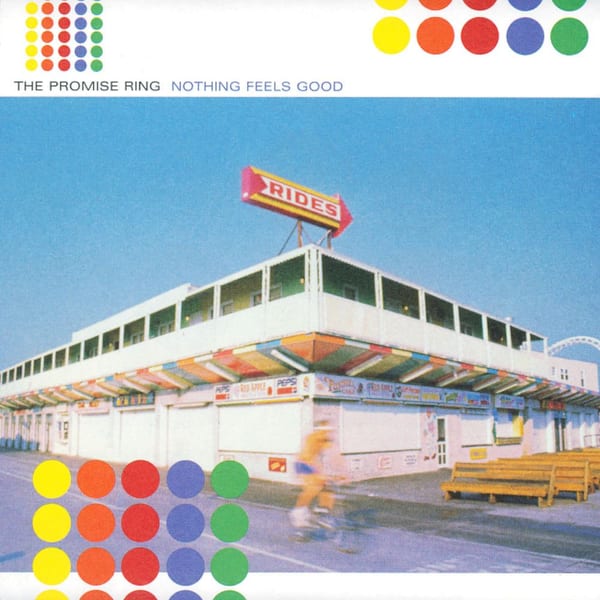
Nothing Feels Good
Be the first to rate—Milwaukee, 1997, and the record that later gave a book about emo its title. Davey von Bohlen sings with a lisp and a grin, sharpening Cap'n Jazz's mess into hooks you can actually hold. Brighter and poppier than Mineral, and no less influential. This is where emo learned to be catchy.
- 7
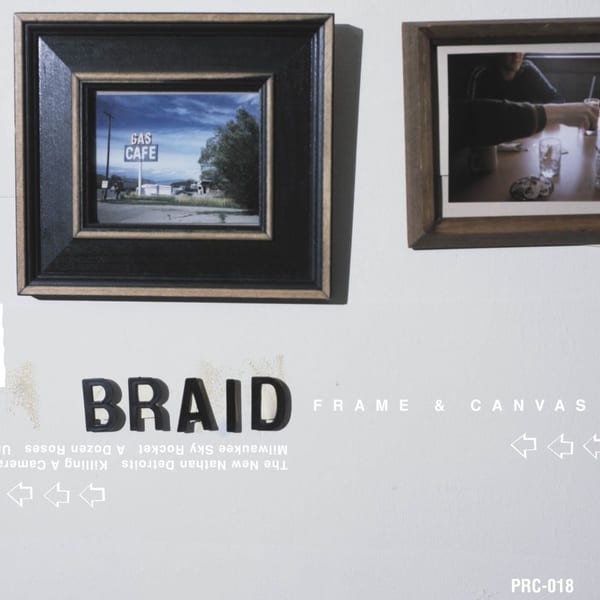
Frame & Canvas
Be the first to rate—Champaign, Illinois, 1998, produced by J. Robbins. The technical peak of the second wave: interlocking guitar parts, two vocalists stepping on each other, stop-start rhythms that shouldn't groove but do. If you want to hear where the "math" in later math-emo comes from, start here.
- 8

Something to Write Home About
Be the first to rate—Kansas City, 1999. The record that pushed the sound toward the mainstream and, whether they meant to or not, drew the map for a decade of pop-punk-adjacent emo. Big choruses, keyboards, heart on the sleeve. Purists roll their eyes; the songs win anyway.
- 9
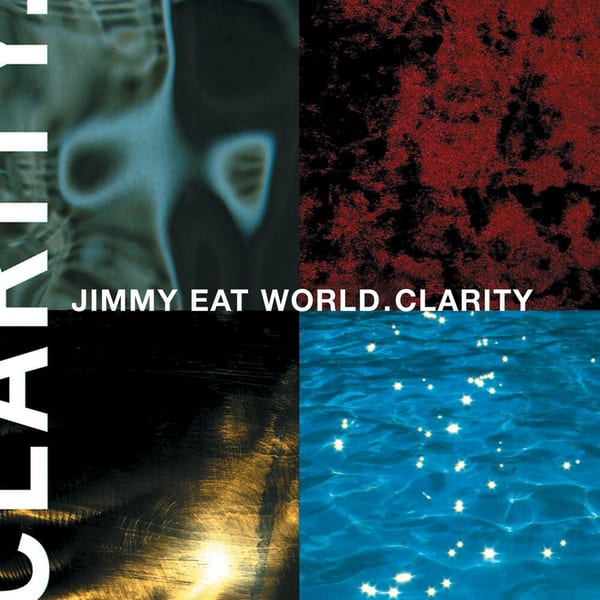
Clarity
Be the first to rate—Mesa, Arizona, 1999, the ambitious one. Before "The Middle" made them radio fixtures, Jimmy Eat World made *Clarity*, a lush, string-swept album that ends on a sixteen-minute closer. It flopped at the time and slowly became untouchable. The bridge between basement emo and something widescreen.
- 10
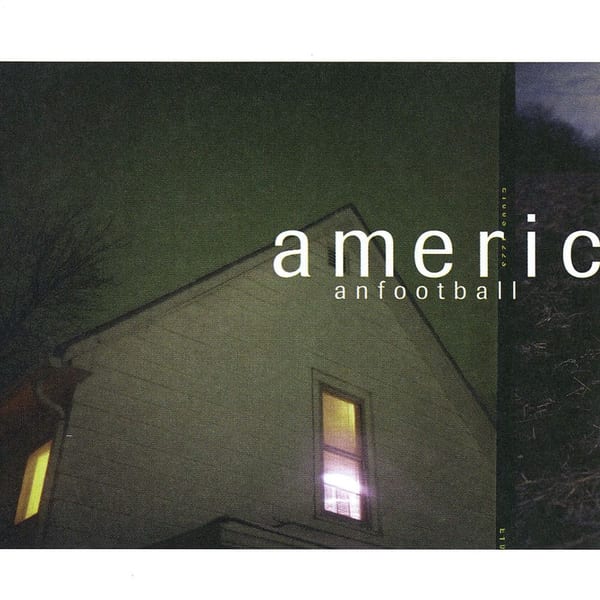
American Football
Be the first to rate—Urbana, Illinois, 1999. The still point the whole genre orbits. Three college kids, nine songs, one house on the cover, and guitars in tunings that turn melancholy into geometry. It sold nothing on release and became sacred text a decade later. When people say "twinkly," this is the sound they mean.
- 11
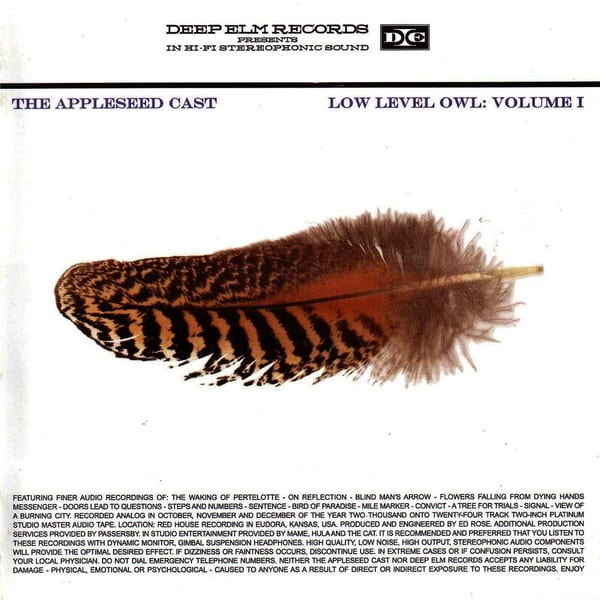
Low Level Owl: Volume 1
Be the first to rate—Lawrence, Kansas, 2001. This is where the genre reaches for the sky. *Low Level Owl* trades verse-chorus songs for tape loops, long instrumental drifts, and a headphone-deep atmosphere closer to post-rock than to Cap'n Jazz. Proof the twinkle could scale up into something vast.
- 12
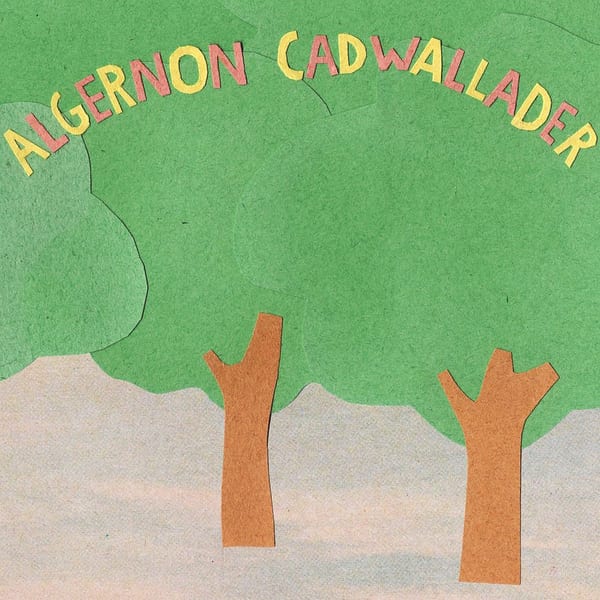
Some Kind of Cadwallader
Be the first to rate—Philadelphia, 2008, the record that lit the fuse on the revival. Algernon Cadwallader wore their Cap'n Jazz worship openly, all yelped vocals and finger-tapped guitar runs, and a wave of kids on the internet heard it as permission. Most of the bands below owe this one directly.
- 13
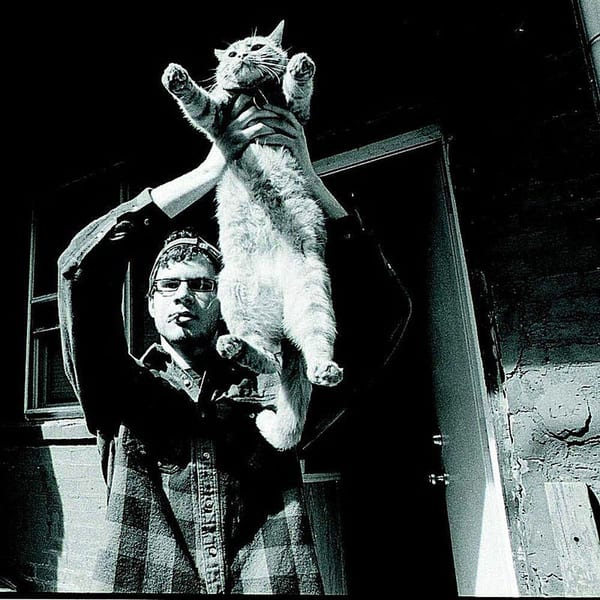
I Could Do Whatever I Wanted If I Wanted
Be the first to rate—Allentown, Pennsylvania, 2010, and gone almost as fast as they arrived. Snowing packed frantic tapping, throat-shredded vocals, and self-deprecating wit into songs that rarely outstayed two minutes. A cult favorite of the revival's messy early years, beloved partly because there's so little of it.
- 14
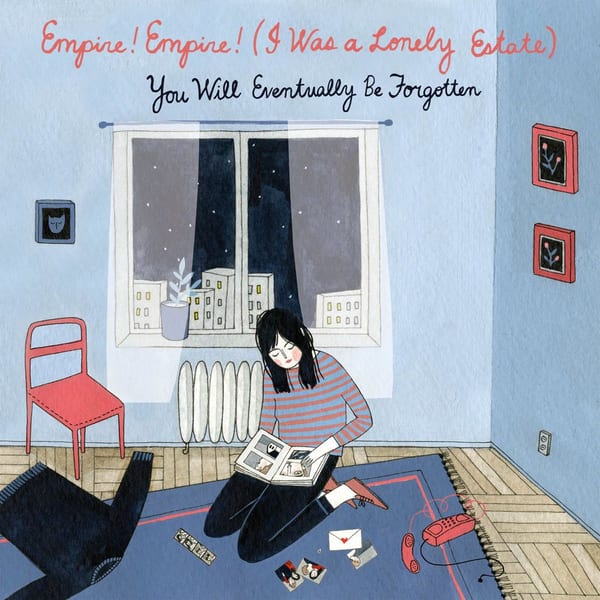
You Will Eventually Be Forgotten
Empire! Empire! (I Was A Lonely Estate)
Be the first to rate—Michigan, 2014, the revival's soft, sincere center. Keith Latinen sings about loss and distance in a small, trembling voice over guitars that ache more than they dazzle. Where a lot of revival bands chased speed, Empire! Empire! chased feeling, and ran their own label, Count Your Lucky Stars, to keep the scene alive.
- 15
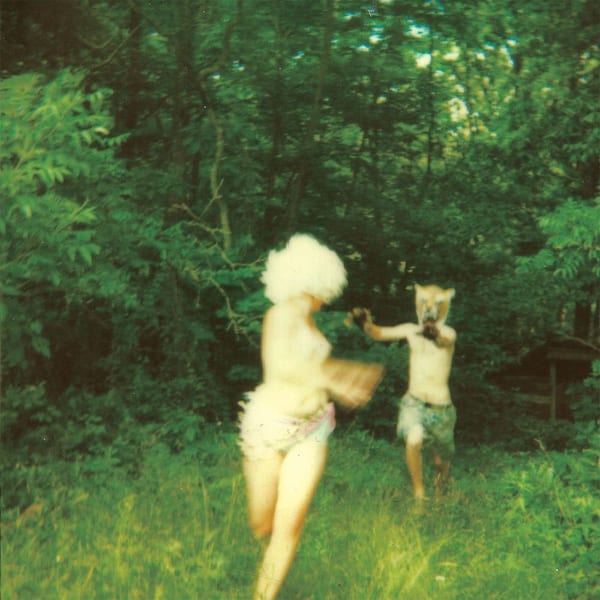
Harmlessness
The World Is a Beautiful Place & I Am No Longer Afraid to Die
Be the first to rate—Connecticut, 2015. Emo gone maximal. A rotating cast the size of a small orchestra turns the genre's intimacy into something sprawling and communal, layering strings, synths, and shouted group vocals. *Harmlessness* is the revival dreaming bigger than a basement.
- 16
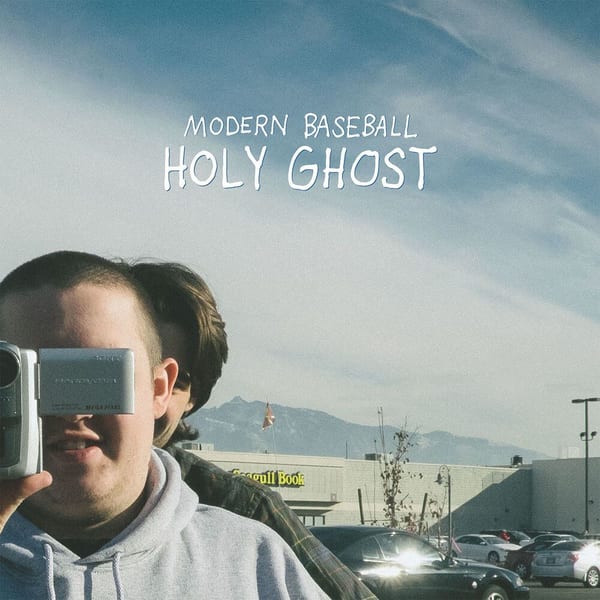
Holy Ghost
Be the first to rate—Philadelphia, 2016, the revival growing up. *Holy Ghost* splits its songwriting between Brendan Lukens and Jake Ewald, one wrestling with mental health in the open, the other with grief, and the wry dorm-room humor of their early records curdles into something braver. A fitting place to end: the kids who found these records online, making one of their own.


Explore the sound
Artists in this guide
Read next
Anadolu psych: a canon for the saz and the fuzzbox
Turkey's fuzz decade, the coup that ended it, and the people still working the seam fifty years on.
False endings: the songs that refuse to stay dead
Seventeen songs, in rough chronological order, that fake the finish before yanking the record back to life.
The Dunedin Sound: Flying Nun and the jangle from the bottom of the world
Chiming guitars, buried vocals and cheap tape machines. How a cold university town in New Zealand wrote one of the blueprints for indie rock.
Doom metal: a canon for the slow and the heavy
From Black Sabbath's detuned tritone to funeral doom's hour-long dirges: the records that proved slowness could be the heaviest thing in metal.
Got your own ranking? Build a list or tier of your own.