


Guides/A Riffiter guide
Anadolu psych: a canon for the saz and the fuzzbox
Turkey's fuzz decade, the coup that ended it, and the people still working the seam fifty years on.
Anadolu psych, also called Anatolian rock, ran roughly from 1968 to 1980 and put microtonal saz, Turkish folk melody and Western fuzz on the same record. Moğollar, Erkin Koray, Barış Manço, Selda Bağcan and Cem Karaca built it; the September 1980 military coup jailed, silenced or exiled most of them. This guide runs 13 albums, from the 1971 instrumental record that took a Charles Cros Grand Prix in Paris to the revival now working out of Istanbul, Amsterdam and Hamburg.
It gets described as a fusion, Turkish folk plus Western rock, one and one. That undersells the problem these bands actually had. The bağlama is fretted for intervals a guitar cannot reach, so everyone here had to decide what to bend: the instrument, the tuning, or the tune. Moğollar bent the Hammond. Erkin Koray put pickups on a saz. Feridun Hürel bolted a saz neck onto a guitar body and played the argument out on one instrument.
Underneath the wah pedals they were arguing about what Turkey should sound like, in a decade where that question could cost you your passport. Selda Bağcan did three stretches inside between 1981 and 1984. Cem Karaca was stripped of his citizenship and spent seven years waiting in Cologne. The coup scattered the scene, arabesk filled the hole it left, and the records went out of print until European collectors started paying rent money for the 45s.
Thirteen albums. Eight from the decade itself, five from the people who went back for it. The obvious omission is Edip Akbayram, whose 1977 Nedir Ne Değildir? belongs here and exists on streaming only as a scrambled reissue.
- 1
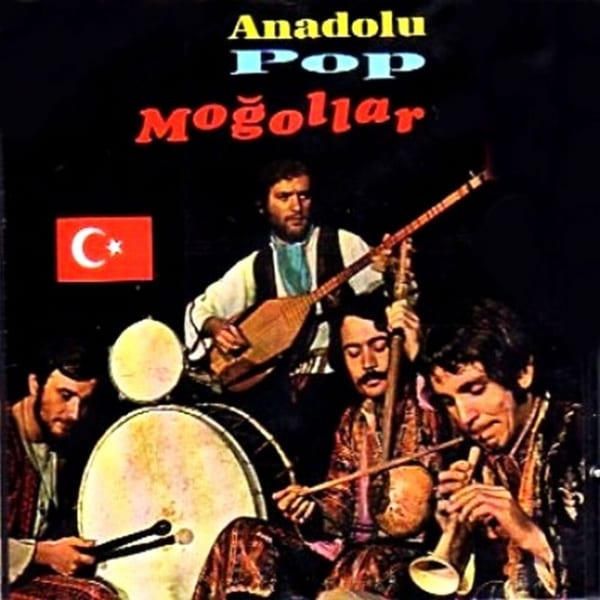
Anadolu Pop
Be the first to rate—Moğollar cut this in Paris for Guild International du Disque under a title nobody says twice, Les Danses et Rythmes de la Turquie d'hier à aujourd'hui, and Turkey reissued it as Anadolu Pop. The Charles Cros academy handed it a Grand Prix in 1971 and the French press reached for Pink Floyd, which was lazy but sold tickets.
It's instrumental, so there's no voice available to carry the Turkishness. The Hammond and the saz have to do it alone, circling each other for forty minutes without ever settling the argument. Everything below descends from this record.
- 2

Canım Kurban / Anadolu Dansı
Be the first to rate—Three brothers, a Diskotür 45, and the guitar Feridun Hürel built with a saz neck attached so the ornaments and the fuzz came out of the same piece of wood. "Canım Kurban" is why collectors know the name: a riff that struts like Cream raised on wedding music, with the wah pedal doing work a plectrum can't.
Their singles are easier to find than their LPs, which tells you how the Turkish business ran in 1973. The 45 paid. The album was a favour someone did you.
- 3
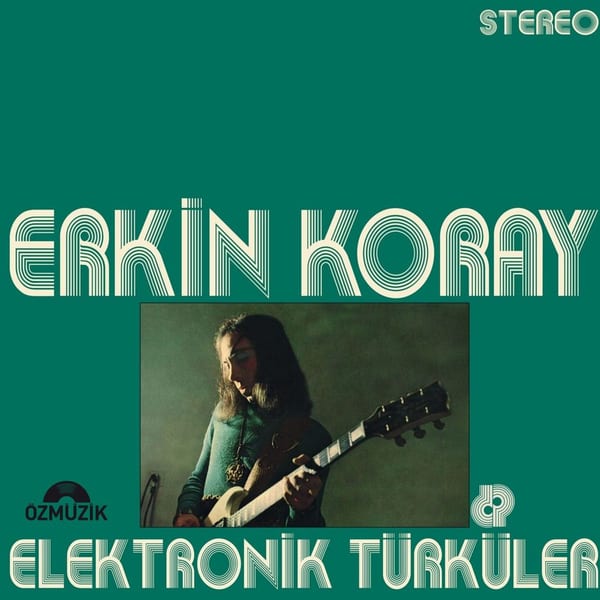
Elektronik Türküler
Be the first to rate—Koray got there first at most things: the first rock and roll played in Turkey, the first Turkish-language rock single with "Anma Arkadaş" in 1967, the first electric saz anybody took seriously. Elektronik Türküler is where being early stopped being trivia and became a record.
Eight tracks of traditional material shoved through fuzz and phase, and then "Türkü" closes it: nearly nine minutes with zurna, flute and bağlama players brought in to play the folk part straight while the band drifts somewhere else around them. Take one album off this list and take this one.
- 4
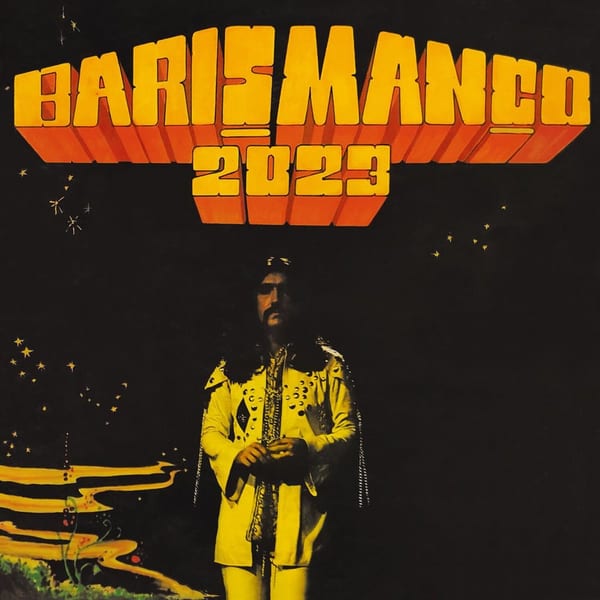
2023
Be the first to rate—Manço is the one Turkey actually loved, with the children's television, the moustache visible from orbit, and hits running across thirty years. 2023 is where he got greedy, and it's the better for it. He named it for the republic's centenary half a century before it arrived and handed most of the second half to "Baykoca Destanı", a folk epic in five parts.
Kurtalan Ekspres play it with synthesizers and drum machines sitting next to the destan, and the joins hold better than they have any right to. A pop star's prog album that isn't embarrassing.
- 5

Dünden bugüne
Be the first to rate—Ersen Dinleten had already sung with Moğollar, 3 Hür-El and Cem Karaca's Kardaşlar before he fronted Dadaşlar, which makes him the connective tissue of this entire list. He was also the best singer in it, a voice with smoke in the bottom of it that never oversells the misery.
The Dadaşlar records lean arabesk further than the Ankara-approved end of the scene ever did, and the drumming is knottier than the sleeve suggests. Collectors have been chasing this one for decades.
- 6

Türkülerimiz 3 - Vurulduk Ey Halkım Unutma Bizi
Be the first to rate—Selda came up as a physics student in Ankara playing quiet protest songs and ended up the most dangerous woman on Turkish radio. The title track is an address to the dead, sung flat and hard over Moğollar-schooled backing, and the state understood it exactly as intended. She was imprisoned three times between 1981 and 1984 and had her passport held until 1987.
The punchline arrived decades later: her 1976 recording "İnce İnce Bir Kar Yağar" got looped by Oh No, ended up under Mos Def's "Supermagic", and she found out watching the Grammys on television. A lawsuit followed.
- 7
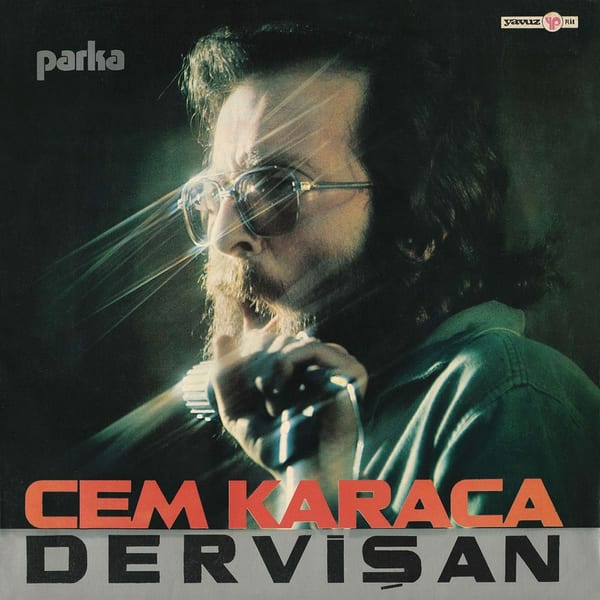
Parka
Be the first to rate—Parka is a 1977 compilation of 45s cut between 1969 and 1976, which sounds like a cop-out and is instead the best possible introduction. Karaca fronted four bands across those seven years, Apaşlar, Kardaşlar, Moğollar and Dervişan, and this collects the singles that make his case in each.
He was the scene's finest voice and its clearest target. After the 1980 coup there was a warrant, so he stayed in Cologne, lost his citizenship, and didn't come home until Özal's 1987 amnesty. He was 42 by then and the country he sang at had been rebuilt around his absence.
- 8
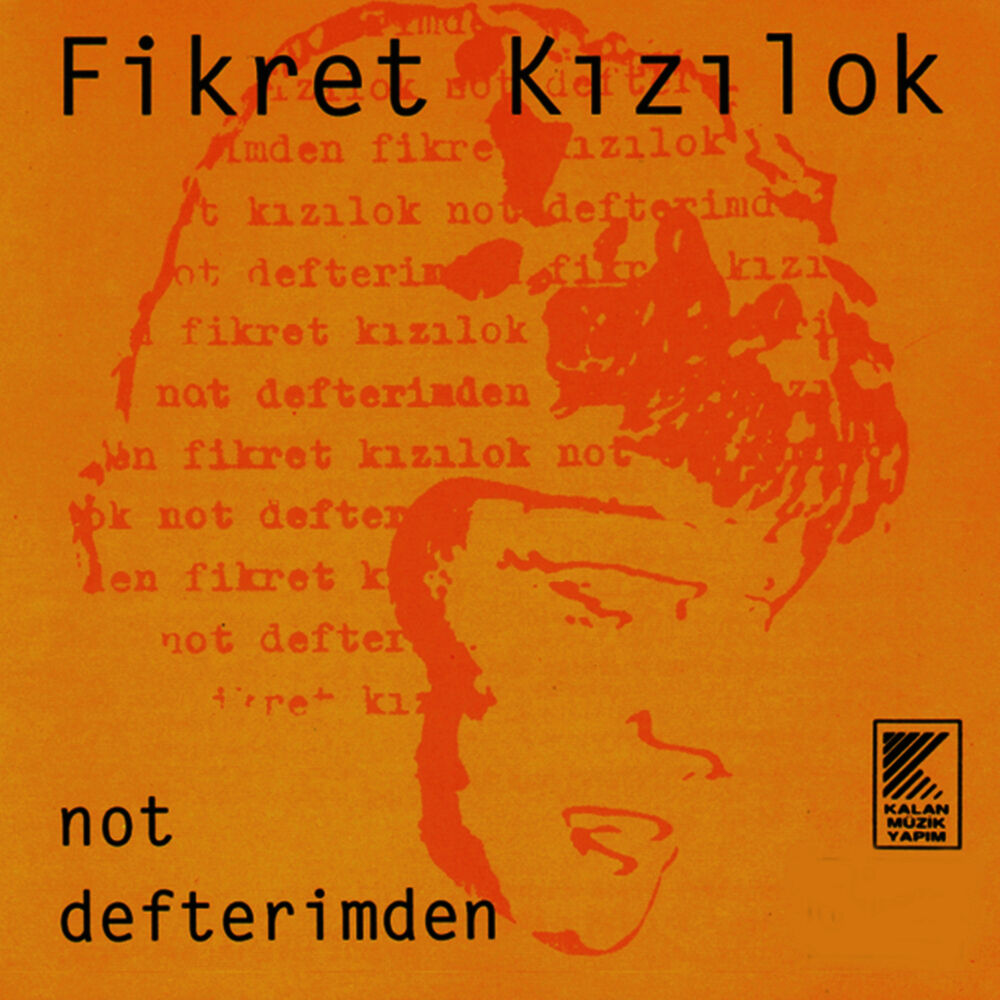
Not Defterimden
★ 5.0 · 1—Kızılok went and lived with Aşık Veysel to learn saz properly, then spent the rest of his career refusing to be the folk revivalist that qualified him to be. He was the first Turkish artist labels ran a bidding war over. He put sitar and tabla on Turkish pop before anyone asked him to.
Not Defterimden is the strangest thing on this list by a distance: poetry read over atonal drift, cut in the early seventies and released in 1977 to an audience that wanted the hits. It's barely rock at all. After the coup he stopped for three years, and the man who came back in 1983 wrote love songs.
- 9
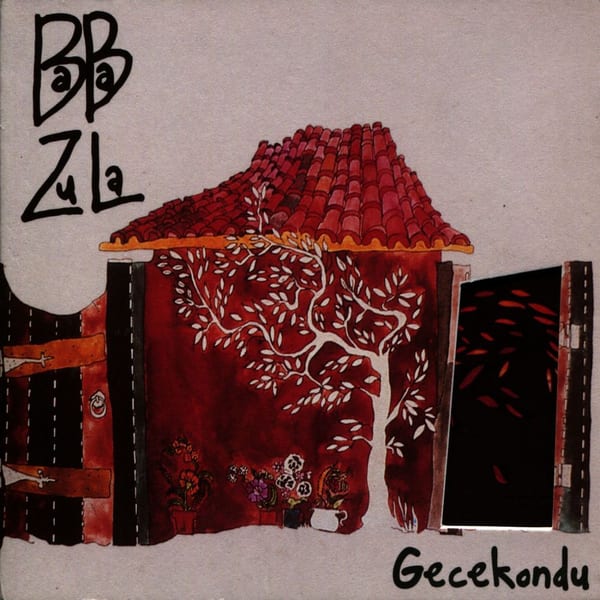
Gecekondu
Be the first to rate—Baba Zula picked the thread back up in Istanbul in the nineties, when doing so was neither fashionable nor nostalgic. Murat Ertel's electric saz runs through dub delay, the percussion involves wooden spoons, and the whole thing moves at the pace of a room rather than a song.
Gecekondu means squatter house, the thing you build overnight because the law says a roof up by morning is yours. That's a fair description of the method. They took the seventies apart and put it back together on a rhythm section the seventies never had.
- 10
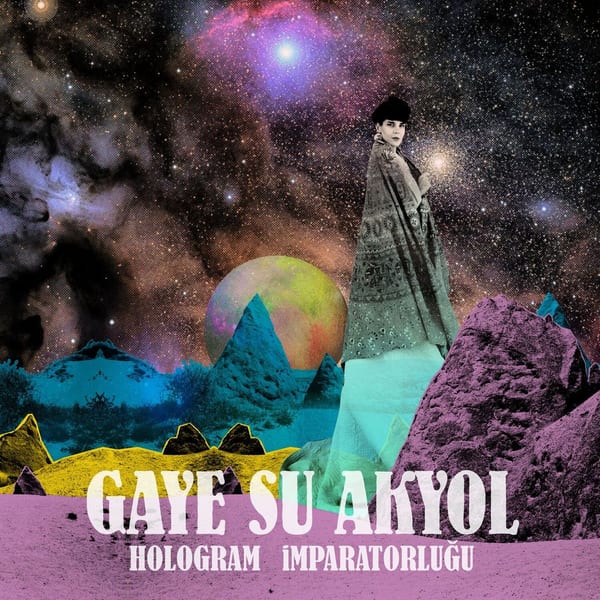
Hologram İmparatorluğu
Be the first to rate—Akyol's second album for Glitterbeat is the one that made the outside world look at Istanbul again, and it earns the attention by refusing to be a heritage act. Surf guitar, dub, Turkish classical phrasing and a punk's sense of when to stop are all in play, and none of it is quoting anybody.
Her voice is the argument. It has the weight of the classical tradition and none of its deference, and she uses it to sing about empire, illusion and getting out. The best Turkish rock record of the 2010s.
- 11
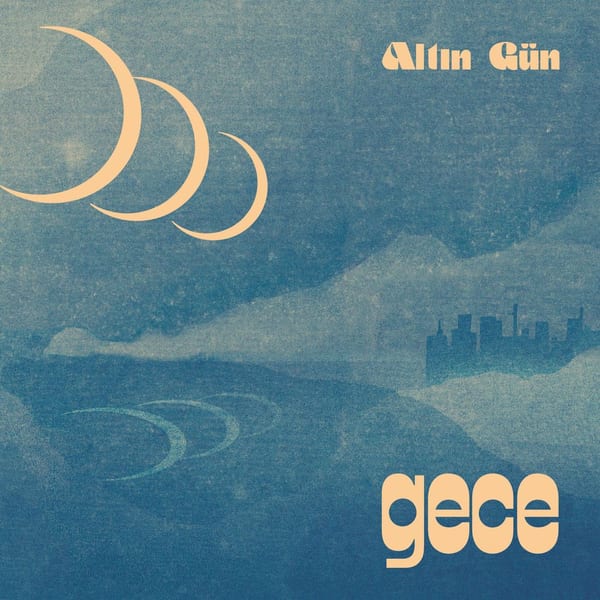
Gece
Be the first to rate—An Amsterdam band playing Anatolian folk, fronted by Merve Daşdemir and put together by bassist Jasper Verhulst after he heard the seventies records on tour. Gece got a Grammy nomination for Best World Music Album at the 2020 ceremony and lost to Angélique Kidjo, which is the least interesting fact about it.
The interesting one is that they play these tunes as dance music. The tempos are up, the organ is dirty, the arrangements are ruthless about the crescendo. Purists find it slick. Purists are welcome to the original 45s.
- 12
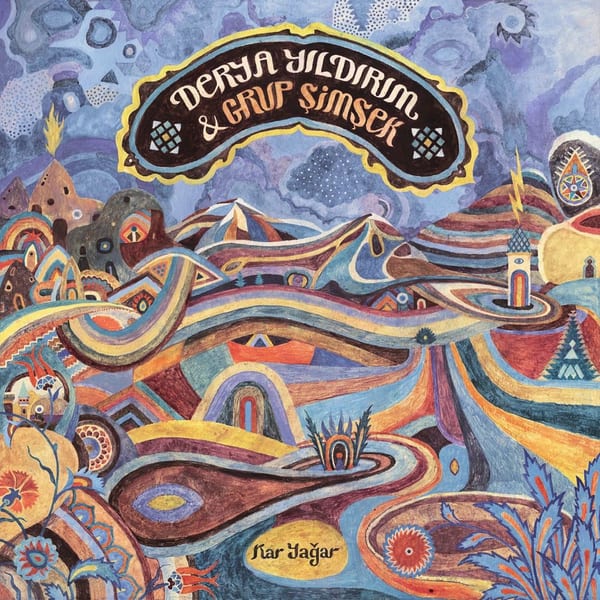
Kar Yağar
Be the first to rate—Yıldırım grew up in Hamburg and plays bağlama at a level that makes the instrument the lead voice rather than the local colour. Grup Şimşek is a genuinely mixed band, with Graham Mushnik's organ and Antonin Voyant's guitar answering her lines instead of accompanying them.
Their debut LP for Bongo Joe in 2019 puts folk interpretations next to their own writing and doesn't flag which is which. "Kurk" is where the method clicks: church organ, bağlama and electric guitar trading phrases over a groove that keeps threatening to become a dance and then does.
- 13
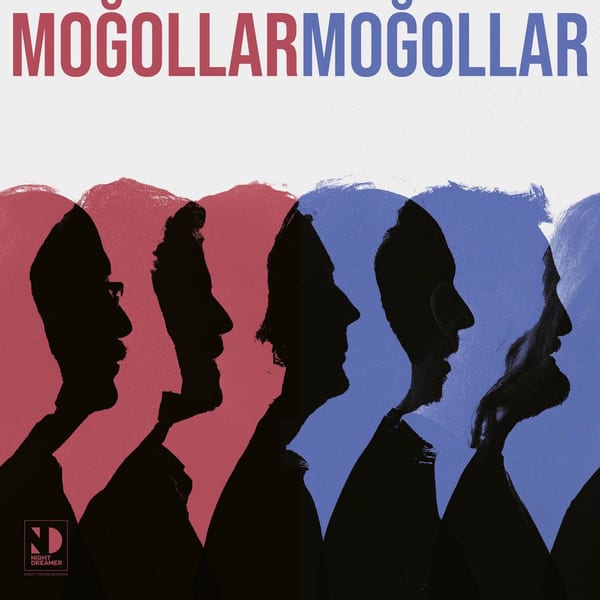
Anatolian Sun
Be the first to rate—Fifty years after Paris, Moğollar spent two days at Artone cutting their back catalogue direct to disc for Night Dreamer, with Baba Zula's Murat Ertel at the desk. No overdubs, no punching in, four sides in two days.
That's a stunt that could easily have produced a lap of honour. It produced the opposite: an old band playing "7-8 9-8" and "Gel Gel" faster and meaner than they did the first time, with a producer from the generation they made possible pushing them. A good place to end and a good place to start again.


Explore the sound
Artists in this guide
Lists with these albums
Read next
False endings: the songs that refuse to stay dead
Seventeen songs, in rough chronological order, that fake the finish before yanking the record back to life.
The Dunedin Sound: Flying Nun and the jangle from the bottom of the world
Chiming guitars, buried vocals and cheap tape machines. How a cold university town in New Zealand wrote one of the blueprints for indie rock.
Doom metal: a canon for the slow and the heavy
From Black Sabbath's detuned tritone to funeral doom's hour-long dirges: the records that proved slowness could be the heaviest thing in metal.
Midwest emo: three waves of the twinkly guitar
Arpeggiated guitars, cracked voices, and the sound of the American basement, from Sunny Day Real Estate to the bands who grew up on them.
Got your own ranking? Build a list or tier of your own.