


Guides/A Riffiter guide
ECM: the essential albums of the most beautiful sound next to silence
Nineteen records from Manfred Eicher's label, 1970 to 2015, and how a Munich jazz imprint ended up owning a whole way of hearing a room.
ECM was founded in Munich in 1969 by Karl Egger, Manfred Eicher and Manfred Scheffner, and released its first record, Mal Waldron's Free at Last (ECM 1001), in January 1970. Producer Manfred Eicher and engineer Jan Erik Kongshaug built a house sound distinctive enough that RateYourMusic lists "ECM Style Jazz" as a genre of its own, and in 1984 the label opened its New Series with Arvo Pärt's Tabula Rasa. This guide walks 19 essential ECM albums in order of release, from 1970 to 2015.
You can spot an ECM record across a shop. Fog on water, an empty road, a grey smear that could be weather or could be a printing fault, and the artist's name set small in a corner. Fifty years of that. The covers are the smaller half of it, though: the real signature is the room. Reverb used as architecture rather than decoration, two days to record and one to mix, Jan Erik Kongshaug behind the desk in Oslo for a huge stretch of the catalogue.
Manfred Eicher has never much liked the suggestion that he made a sound. He thinks he was recording honestly. RateYourMusic disagrees so completely that "ECM Style Jazz" is a genre tag you can sort a chart by, which has to be the strangest compliment a producer has ever received.
Both things are true. The method was narrow and the results weren't. One label holds Keith Jarrett coming apart on a broken piano in Cologne, Steve Reich's pulse machine, a Tunisian oud player mourning a poet, and a Swiss pianist who calls his own music zen-funk. Nineteen records below, oldest to newest. This isn't a beginner's ladder. It's a walk through what Eicher actually built, including the parts that don't match the postcard.
- 1

Free At Last
Be the first to rate—ECM 1001. Recorded in a single day at Tonstudio Bauer in Ludwigsburg on 24 November 1969, out the following January. Waldron was an American who had moved to Munich in 1967, Billie Holiday's pianist at the end of her life, and what he does here is worry a phrase until it stops being a phrase and turns into a pulse.
Nobody hearing this in 1970 would have predicted fog and Norwegians. It's a piano trio playing free-leaning bop with the lights on. The stubbornness that runs through the next fifty years is already in it.
- 2
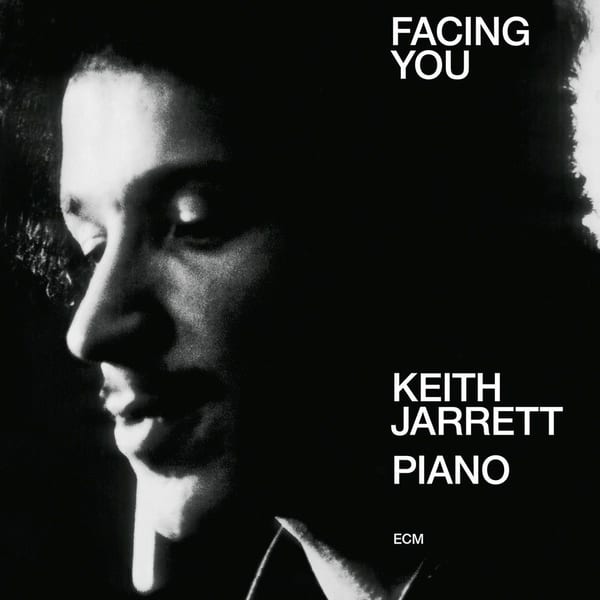
Facing You
Be the first to rate—Recorded November 1971, ECM 1017. Jarrett alone at a piano, no tunes anyone knew, nothing to hide behind, inventing the format he would spend the rest of his career inside.
It's tighter than The Köln Concert, harder, far less interested in comforting you, and roughly a tenth as famous. If Cologne is the only solo Jarrett you know, this is the correction.
- 3
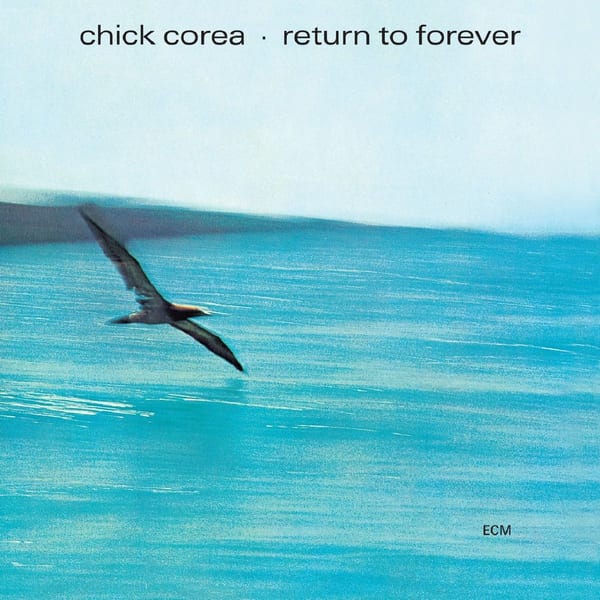
Return to Forever
Be the first to rate—Cut over two days in February 1972 with Flora Purim singing, Airto Moreira on percussion, Stanley Clarke on bass and Joe Farrell on flute and sax. ECM 1022, and the warmest thing the label ever put its name to: Rhodes floating over Brazilian rhythm, an accidental hit for an imprint that wasn't looking for one. A thousand fusion records tried to bottle this and got the sugar without the air.
- 4
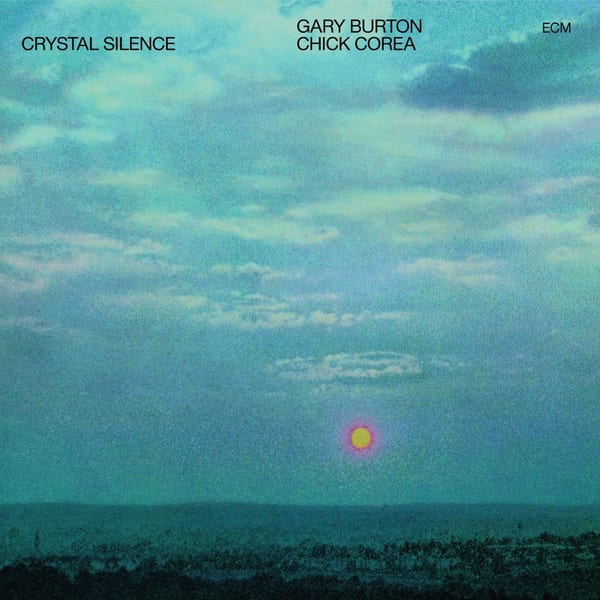
Crystal Silence
Be the first to rate—Corea and vibraphonist Gary Burton, recorded November 1972. No rhythm section, nothing to paper over the joins. Two instruments that begin dying the instant you strike them, recorded so that you hear them die.
This is where Eicher's fixation on the room stops being a style and becomes the actual subject of the record.
- 5
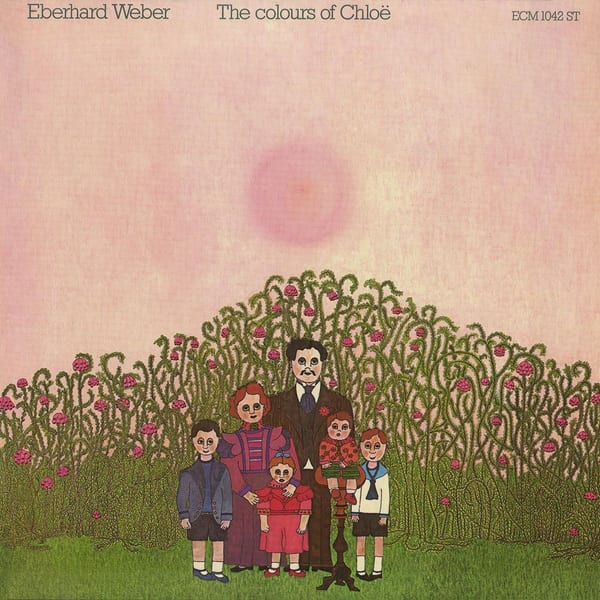
The Colours Of Chloë
Be the first to rate—Weber's debut, recorded December 1973 on his own five-string electric upright, with Rainer Brüninghaus on keys and a section of cellos borrowed from the Stuttgart radio orchestra. Bass as the lead voice, chamber strings where the horns should be.
If you want one record where the ECM sound gets built on purpose rather than stumbled into, take this one. Weber's tone is the reason a whole generation of European bassists sound the way they do.
- 6
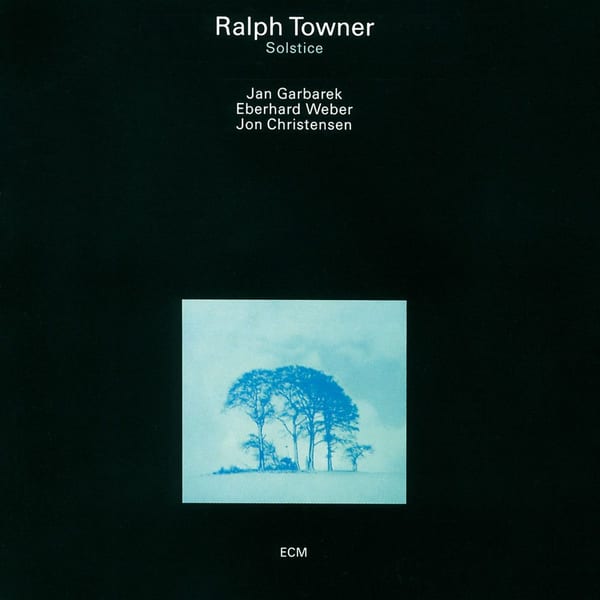
Solstice
Be the first to rate—December 1974: Towner on twelve-string and classical guitar, Jan Garbarek on saxophone, Eberhard Weber on bass, Jon Christensen on drums. That's less a band than the ECM first eleven, and Solstice is what they sound like with nobody supervising.
Folk-shaped tunes played with jazz reflexes, at altitude. AllMusic's four and a half stars are stingy.
- 7
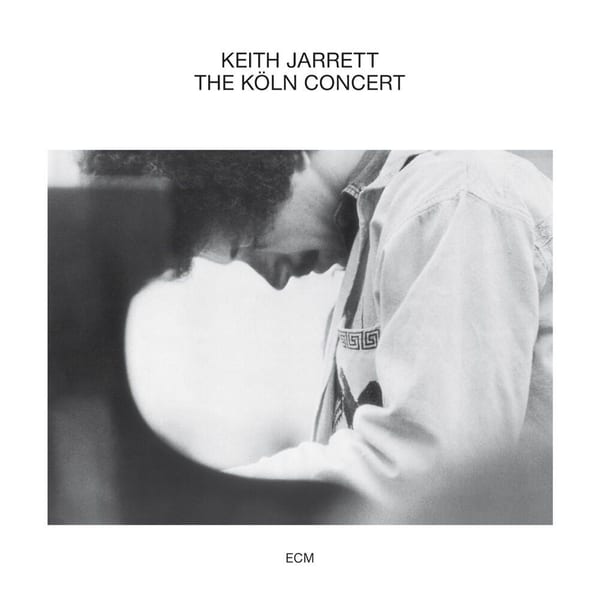
The Köln Concert
Be the first to rate—The most famous accident in jazz. On 24 January 1975 the Cologne opera house wheeled out a rehearsal baby grand instead of the Bösendorfer Jarrett had asked for: tinny top end, no bottom, pedals that didn't work. He was exhausted, his back hurt, and he nearly walked. Vera Brandes, who was 18 and had booked the show herself, talked him into playing at half past eleven at night.
He avoided the dead registers, leaned on ostinatos and his left hand, and sold about four million copies. Eicher's explanation is still the best one anyone has offered: it happened "because he could not fall in love with the sound of it." The Library of Congress added it to the National Recording Registry in 2025.
- 8
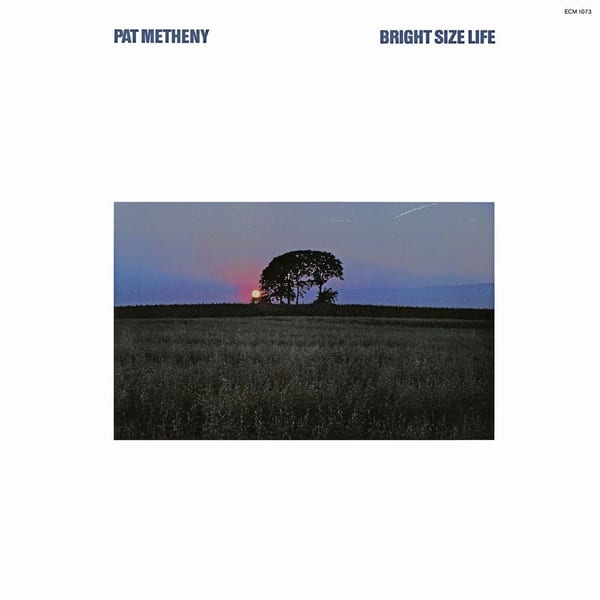
Bright Size Life
Be the first to rate—Metheny was 21, Jaco Pastorius played bass, Bob Moses drummed, and it moved roughly 900 copies. Recorded December 1975 at Tonstudio Bauer, released the following March, and so open you can hear the three of them deciding things in real time.
The chorused guitar tone arrives fully formed. The Ornette Coleman material at the end tells you which church Metheny attends. The Library of Congress caught up in 2020, only 44 years late.
- 9
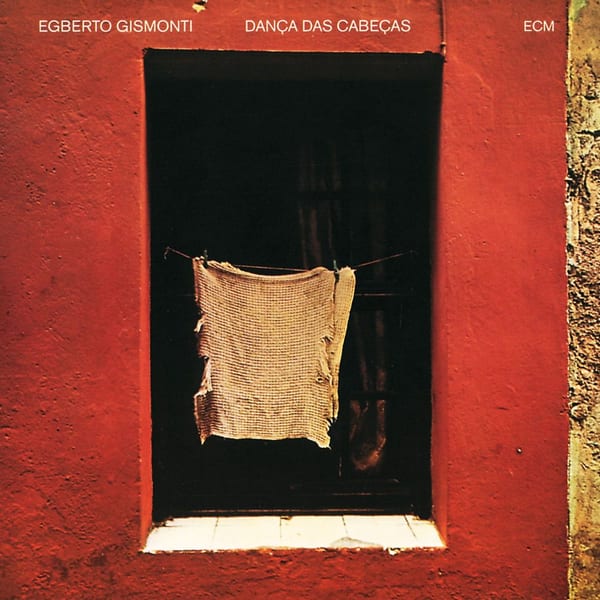
Dança Das Cabeças
Be the first to rate—Gismonti and Naná Vasconcelos, recorded across three days in November 1976, winner of the German Record Critics' album of the year. Gismonti's stated concept: two boys moving through thick forest, keeping 180 feet apart.
That's an odd thing to hand a listener and exactly the right one, because the whole record is distance and the calls across it. ECM's Brazilian wing starts here, and it's the label at its least European.
- 10
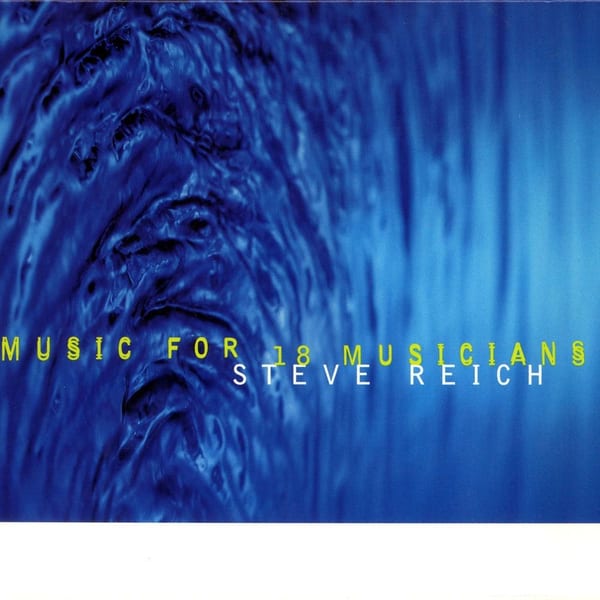
Music for 18 Musicians
Be the first to rate—Bigger labels had picked Reich up and fumbled him. Eicher, running a jazz imprint, put this out in April 1978, six years before ECM had a classical series at all. Recorded through 1976, after the Town Hall premiere that April.
It's the record that turned minimalism from an argument into a physical sensation. Every producer who has ever built a track out of pulsing cells is downstream of this session whether they know it or not, and that is a great many producers.
- 11

Codona
Be the first to rate—Collin Walcott on sitar and tabla, Don Cherry on trumpet, Naná Vasconcelos on berimbau and percussion. COllin, DOn, NAna, recorded September 1978.
In 1979 half the industry was inventing "world music" and getting it badly wrong. These three just played as equals and left the seams visible. First of three albums, and the one where the idea still has some danger in it.
- 12
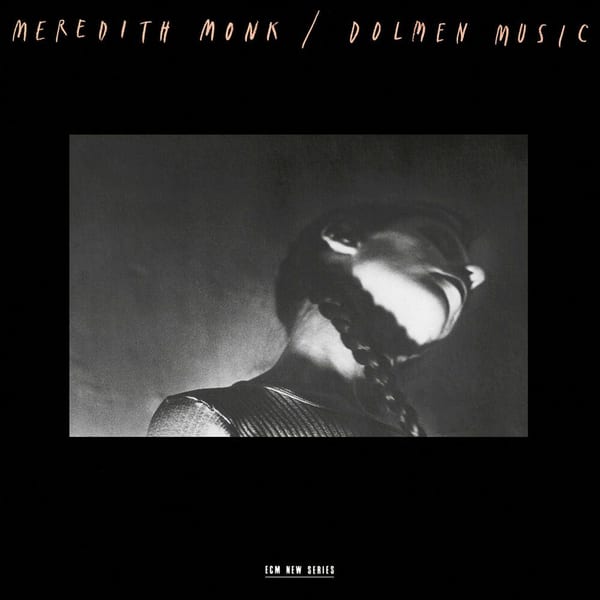
Dolmen Music
Be the first to rate—Monk using her voice as an instrument with no words attached, recorded across March 1980 and January 1981. It took the German critics' record of the year, and NME ranked it the 42nd best album of 1981, a sentence that could only be true in 1981.
Crate diggers know it for a different reason: DJ Shadow lifted the title piece and "Biography" for "Midnight in a Perfect World" on Endtroducing. The strangest record here and the one that has aged least.
- 13
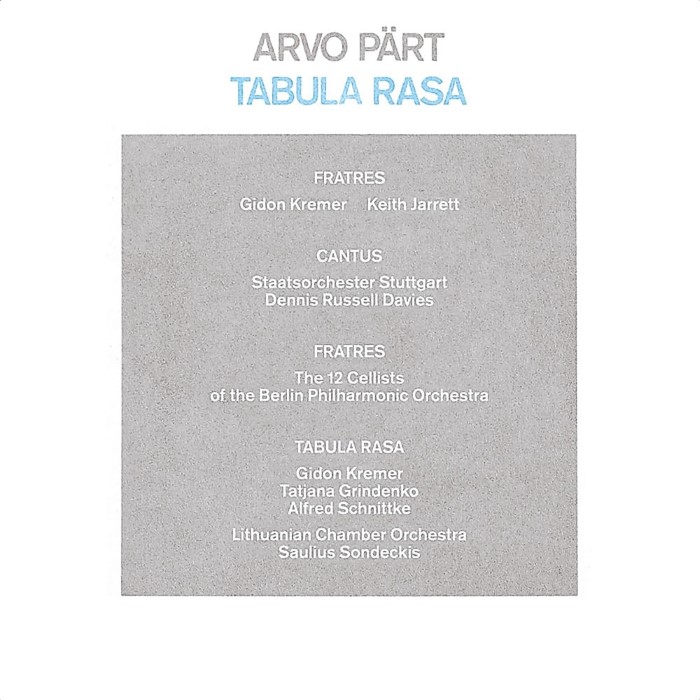
Tabula Rasa
Be the first to rate—ECM opened the New Series with this in 1984 and stopped being a jazz label. Gidon Kremer and Tatjana Grindenko play the title piece, Keith Jarrett turns up at the piano for "Fratres," Alfred Schnittke is in the room.
Pärt was barely known west of the Eastern bloc before it came out, and one of the most performed living composers afterwards. Not many records rearrange a career that completely.
- 14
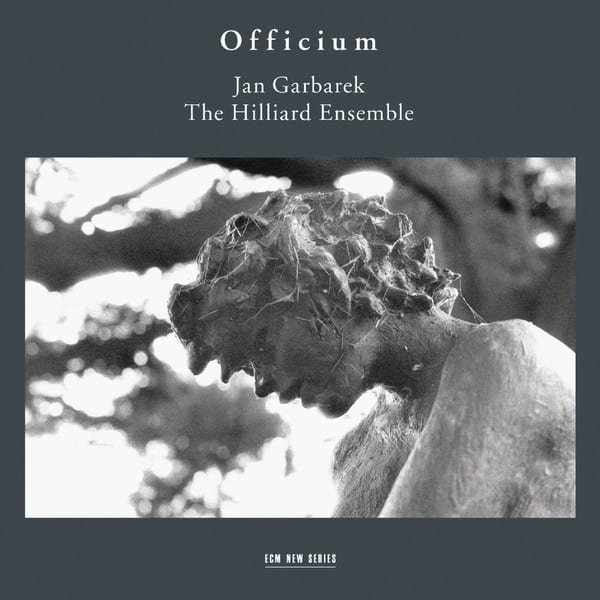
Officium
Be the first to rate—September 1993, in a monastery in Vorarlberg: four early-music singers working through Morales and Perotinus while Garbarek's saxophone circles them like weather.
It sold over 1.5 million copies, which for a programme of 12th to 16th century liturgical music with a jazz sax over the top is genuinely absurd. Early-music purists hated it. Jazz purists hated it. They lost.
- 15
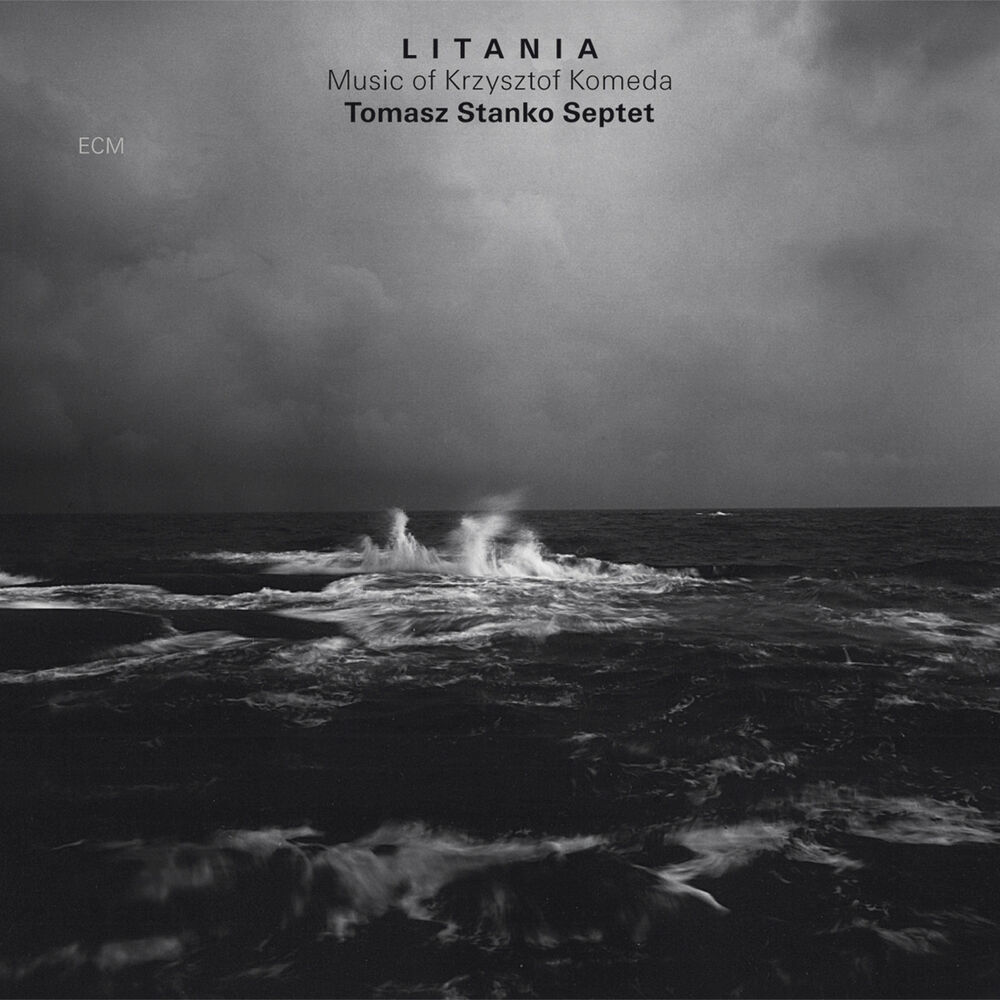
Litania: Music of Krzysztof Komeda
Be the first to rate—Stańko played in Krzysztof Komeda's band as a young man, and thirty years after Komeda's death ECM pushed him back into the material. Recorded February 1997 with a Scandinavian septet that included Bobo Stenson, Terje Rypdal, Palle Danielsson and Jon Christensen.
Komeda's film themes come back bruised and enormous. This is the best evidence that ECM's European jazz project was a real idea rather than a reverb preset.
- 16
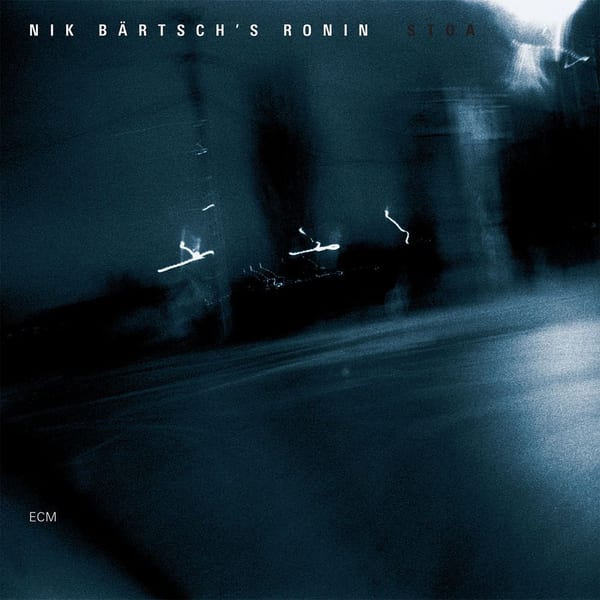
Stoa
Be the first to rate—Bärtsch calls it zen-funk and ritual groove music, which reads insufferably and plays brilliantly: interlocking cells, inhuman precision, grooves that shift by a millimetre and make you notice the millimetre. Recorded in France in May 2005 from pieces he wrote during a six-month stay in Japan.
This is ECM working out that it could be a rhythm label. It sits closer to Reich and Chicago post-rock than to anything with a saxophone in it.
- 17
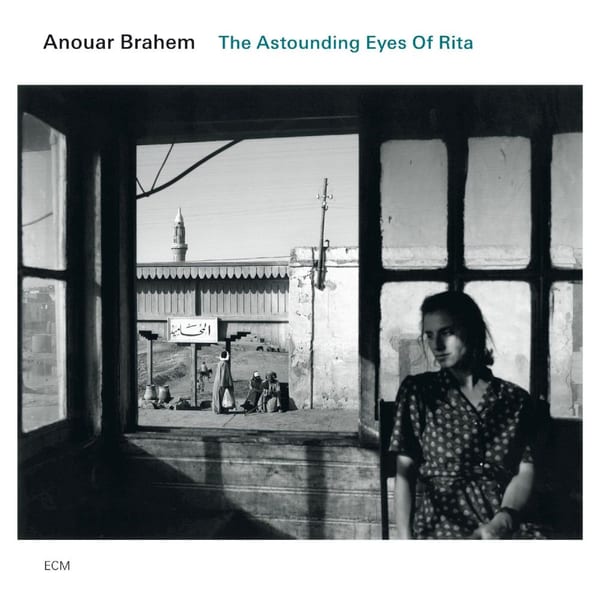
The Astounding Eyes Of Rita
Be the first to rate—Brahem's oud with Klaus Gesing's bass clarinet, Björn Meyer's bass and Khaled Yassine's darbouka, recorded in Italy in October 2008 and released the following September. It's dedicated to Mahmoud Darwish, who had died that August.
Quietly the angriest thing ECM put out in the 2000s. It doesn't rage. It moves like a procession, and it isn't consoling anybody.
- 18
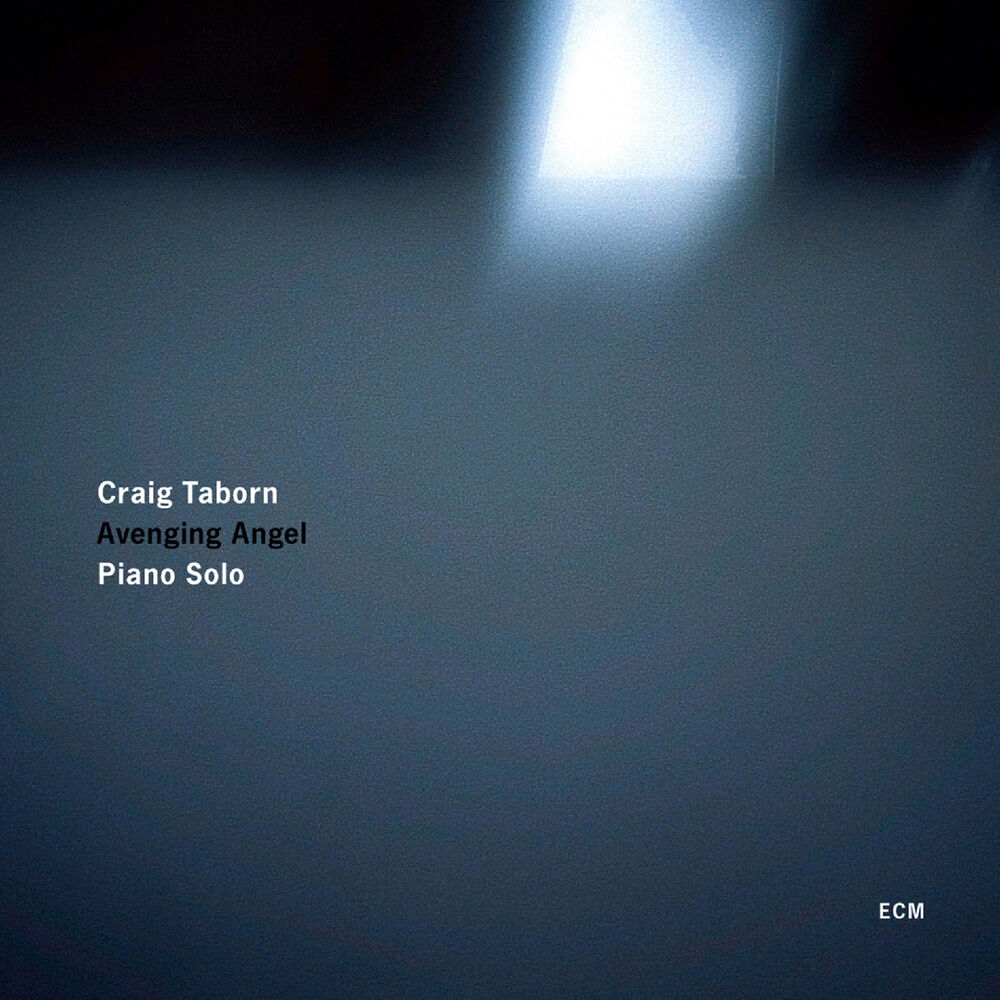
Avenging Angel
Be the first to rate—Taborn spent a decade as the man who made other people's records better: Roscoe Mitchell, Evan Parker, Michael Formanek. This is his solo piano debut, improvised end to end, and instead of melodies he sets a pattern going and picks at it until something gives.
Nothing lands where you expect. It's the least ingratiating record on this list, and forty years after Facing You it's the identical bet: one pianist, one room, no safety net.
- 19
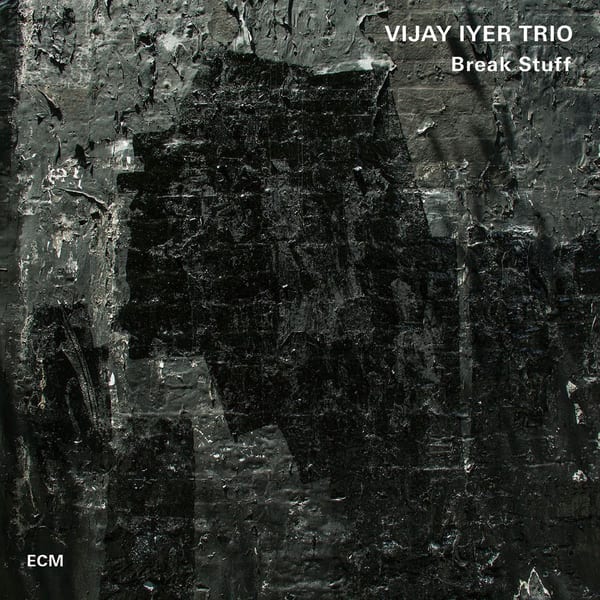
Break Stuff
Be the first to rate—January 2015, ECM 2420, with Stephan Crump on bass and Marcus Gilmore on drums. Proof that the label didn't calcify: Iyer's trio plays with a hip-hop sense of the pocket and a mathematician's ear for how a bar can be cut up, and Eicher's room treats the whole thing like chamber music.
There's a Monk tune on it ("Work"), a Strayhorn ("Blood Count") and a Coltrane ("Countdown"). None of them sound like tributes.


Explore the sound
Artists in this guide
Lists with these albums
Read next
Chamber pop: a canon for strings, horns, and the well-dressed sad song
The orchestral wing of pop, from the baroque-pop pioneers of 1967 to the indie composers who picked the string section back up.
Dub: eighteen records where the engineer became the author
King Tubby's four-track shack in Waterhouse, Lee Perry's Black Ark, Adrian Sherwood's London, and a broken filter in Berlin.
Anadolu psych: a canon for the saz and the fuzzbox
Turkey's fuzz decade, the coup that ended it, and the people still working the seam fifty years on.
False endings: the songs that refuse to stay dead
Seventeen songs, in rough chronological order, that fake the finish before yanking the record back to life.
Got your own ranking? Build a list or tier of your own.