
Guides/A Riffiter guide
Dub: eighteen records where the engineer became the author
King Tubby's four-track shack in Waterhouse, Lee Perry's Black Ark, Adrian Sherwood's London, and a broken filter in Berlin.
Dub started in Jamaica in the late 1960s, when sound-system crowds turned out to prefer the B-side instrumental “version” to the song itself. By 1973 it had become its own form, with engineers like King Tubby, Lee “Scratch” Perry and Errol Thompson playing the mixing desk as an instrument: vocals dropped out, rhythm drenched in echo. This guide follows 18 records along that line, from the disputed first dub LPs of 1973 and 1974 to the Berlin producers who rebuilt the form out of hiss and filter noise in 1998.
Nobody agrees on which record was the first dub album, and the argument is a decent way in. Herman Chin-Loy says it was his Aquarius Dub. Clive Chin says Java Java Java. Lee Perry's camp says Blackboard Jungle Dub, pressed in 300 copies and sold only in Jamaica. All of them landed in 1973, which tells you the form wasn't invented so much as it showed up. Several people reached the same idea at once because the idea was already lying around the studio.
That idea: the song is not the point. The rhythm is the point, and the singer is one more instrument you can mute. King Tubby worked it out in a shack in Waterhouse with a four-track and gear he'd wired himself, and once he had it, everyone from Kingston to Berlin was building off his blueprint.
Eighteen records below, roughly in the order they arrived. The last two aren't Jamaican and aren't reggae, which is the whole point of putting them there.
- 1
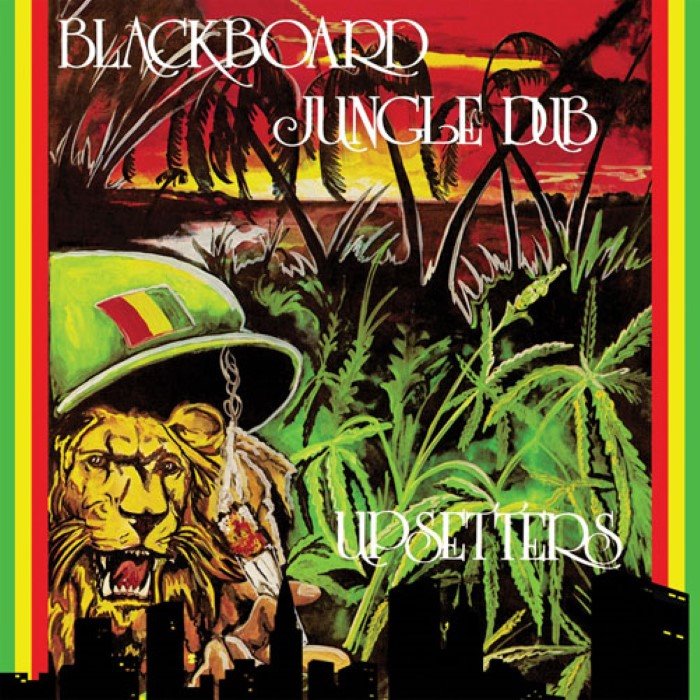
Blackboard Jungle Dub
Be the first to rate—Three hundred copies, sold only in Jamaica, mixed by Perry with King Tubby in 1973. They ran the rhythm in stereo, which had not really been done, and that one decision gave the echo somewhere to travel. Whether it was truly the first dub LP is an argument nobody wins in a bar. It's the first one that still sounds like it's arriving rather than departing.
- 2
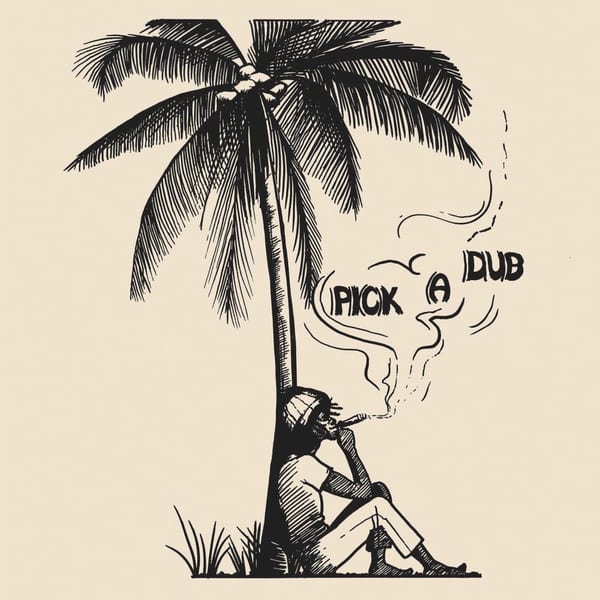
Pick A Dub (Deluxe Edition)
Be the first to rate—Hudson is the one who thought about the album. The 1973 records gathered versions onto vinyl; Pick a Dub was built as a dub record from the start, sequenced to hold a whole side rather than collect leftover B-sides. Everything that follows owes it the format.
- 3

King Tubby Meets The Upsetter At The Grass Roots Of Dub
Be the first to rate—One of two LPs Tubby put his own name on in 1974, this one worked up from Perry's rhythms. The two best dub minds in Jamaica on one record, though it plays less like a collaboration than a handoff: Perry builds the room, Tubby knocks it down. The filter sweeps here turned into a cliché because they were this good first.
- 4

Dub From the Roots
Be the first to rate—Tubby again, now on Bunny Lee's Aggrovators rhythms, and this is where you hear him treat subtraction as composition. Bass and drum hold the floor; everything else surfaces for a bar and gets yanked back into the reverb tank. Start here if you want to know what Tubby actually did, because there's nothing left in the mix to distract you from it.
- 5
Revolution Dub
Be the first to rate—Perry at the Black Ark before the Black Ark turned into a legend, splicing snatches of TV dialogue and his own muttering into the drops. Stranger and funnier than the Tubby records. Perry was never going for austerity; he wanted the mix to be a place with weather in it.
- 6

Yabby You Meets the Aggrovators at King Tubby's Studio
Be the first to rate—Vivian Jackson recorded as Yabby You, cut his Prophets rhythms with the Aggrovators, and handed the tapes to Tubby. These are the most haunted mixes in the guide. Whatever Jackson was hearing in his head, Tubby located it somewhere in the tape and pulled it to the front.
- 7

King Tubbys Meets Rockers Uptown
Be the first to rate—The one everybody names, and the consensus happens to be right. Pablo cut the rhythms at Randy's between 1972 and 1975, then carried the tapes to Tubby, who mixed them with Errol Thompson into something colder and roomier than anything before it. Steve Barrow's verdict is still the best summary going: it settled the question of whether a studio engineer could be as creative as the singers, the musicians and the producer. Pablo's melodica handles the haunting.
- 8
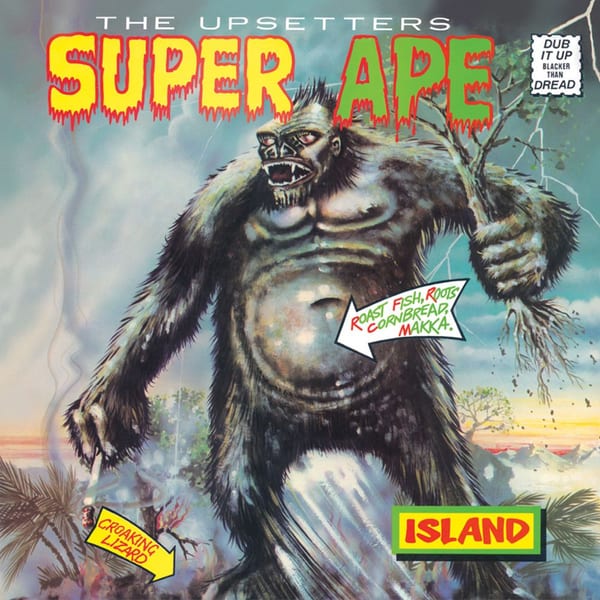
Super Ape
Be the first to rate—Out in Jamaica in July 1976 as Scratch the Super Ape on Perry's own Upsetter label, then internationally through Island a month later with the running order shuffled. Black Ark at full humidity: Boris Gardiner on bass, Chinna Smith on guitar, the Heptones singing from somewhere down the hall. Perry recorded that room so hard the room started answering back.
- 9
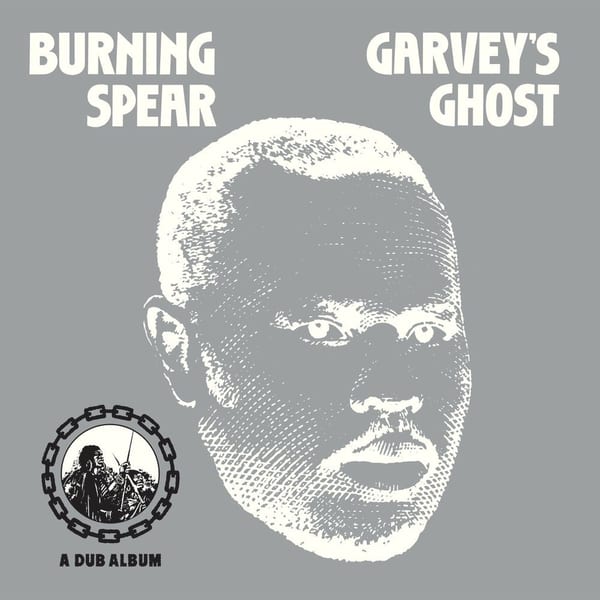
Garvey's Ghost
Be the first to rate—Island released Marcus Garvey in 1975 and its dub companion the year after, a commercial decision that produced art by accident. Peel Winston Rodney's voice off those songs and what's underneath turns out to be enormous, slow and close to geological. This is the dub album you hand to someone who says they don't like dub.
- 10
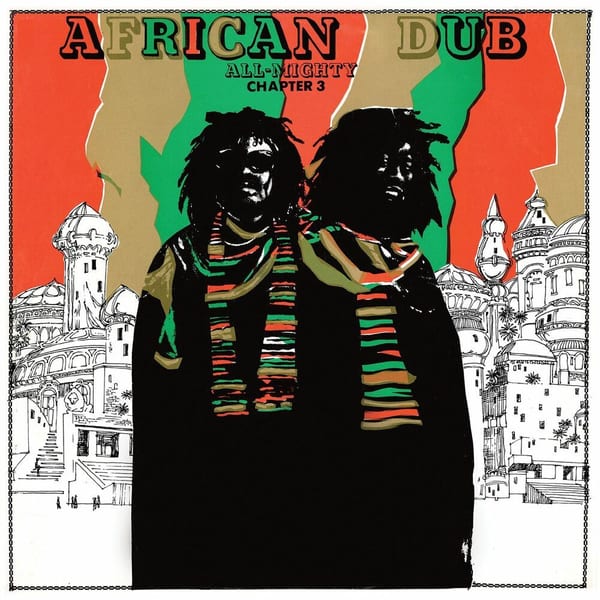
African Dub All-Mighty Chapter 3
Be the first to rate—Errol Thompson at the desk in 1978, and Thompson's dub is a cartoon: phones ring, glass shatters, doorbells go off in the middle of a drop. Purists have been sniffy about it for fifty years. They're wrong. This is the record proving dub could be playful without going weightless, and it sold like it.
- 11
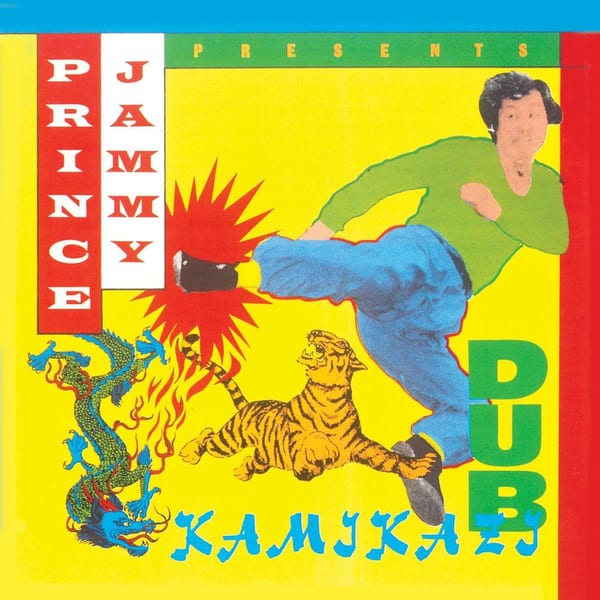
Kamikazi Dub
Be the first to rate—Tubby's protégé stepping out on Trojan in 1979, audibly deciding what to keep from the master and what to bin. Jammy would blow up the whole tradition in 1985 when “Under Me Sleng Teng” made rhythms digital, so hear this as the last work of a man still doing it by hand. Cleaner than Tubby, tighter, already glancing at the machine.
- 12
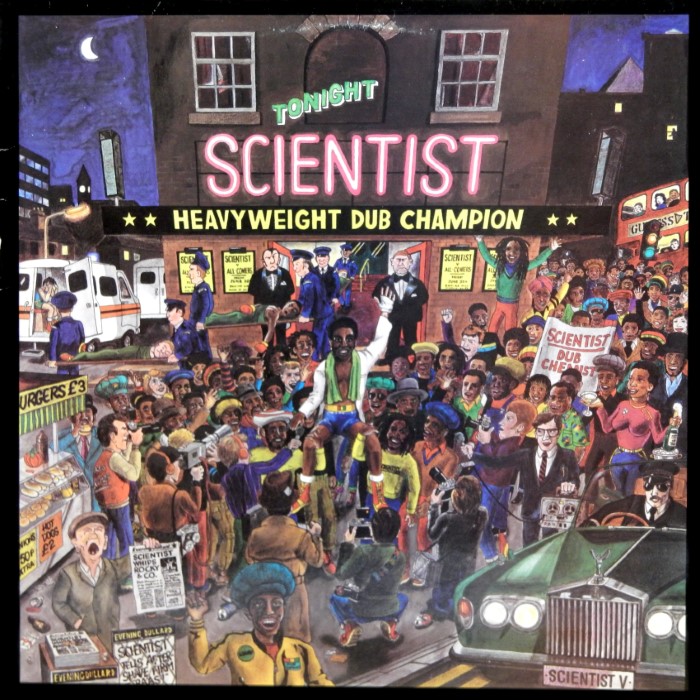
Heavyweight Dub Champion
Be the first to rate—Hopeton Brown was twenty. Junjo Lawes produced, the Roots Radics laid the rhythms at Channel One, and Scientist mixed them at Tubby's into a record of bleeps and boings that sound like an arcade cabinet coming apart down a staircase. The student out-weirding the teacher, which is how you know a tradition is in good health.
- 13

Starship Africa
Be the first to rate—Recorded in 1978, released in 1980 as the opening shot from 4D Rhythms, Adrian Sherwood mixing, Tony Henry of Misty in Roots on bass. It runs as one continuous transmission instead of a set of tracks. Dub leaves Jamaica here and comes back British and paranoid, and it never quite went home.
- 14
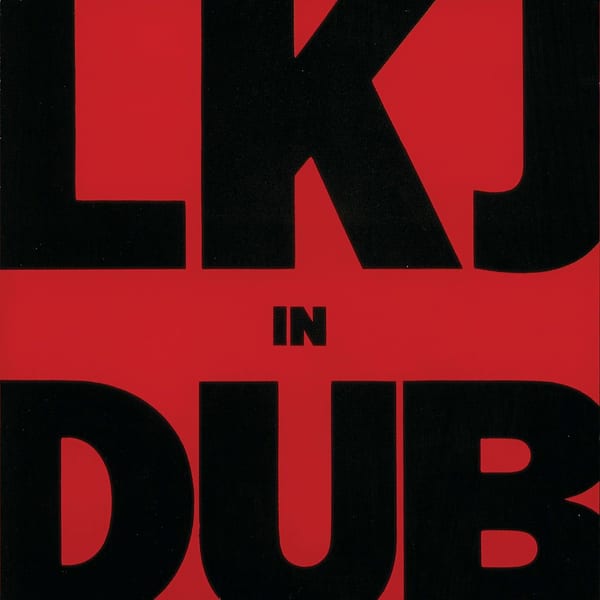
LKJ in Dub
Be the first to rate—Dennis Bovell takes Johnson's poems and removes the poet. What's left is Bovell's arrangements, always the secret weapon anyway, plus the hole where Brixton's sharpest voice used to be. The hole is the argument: the words were about being erased, so the dub erases them.
- 15
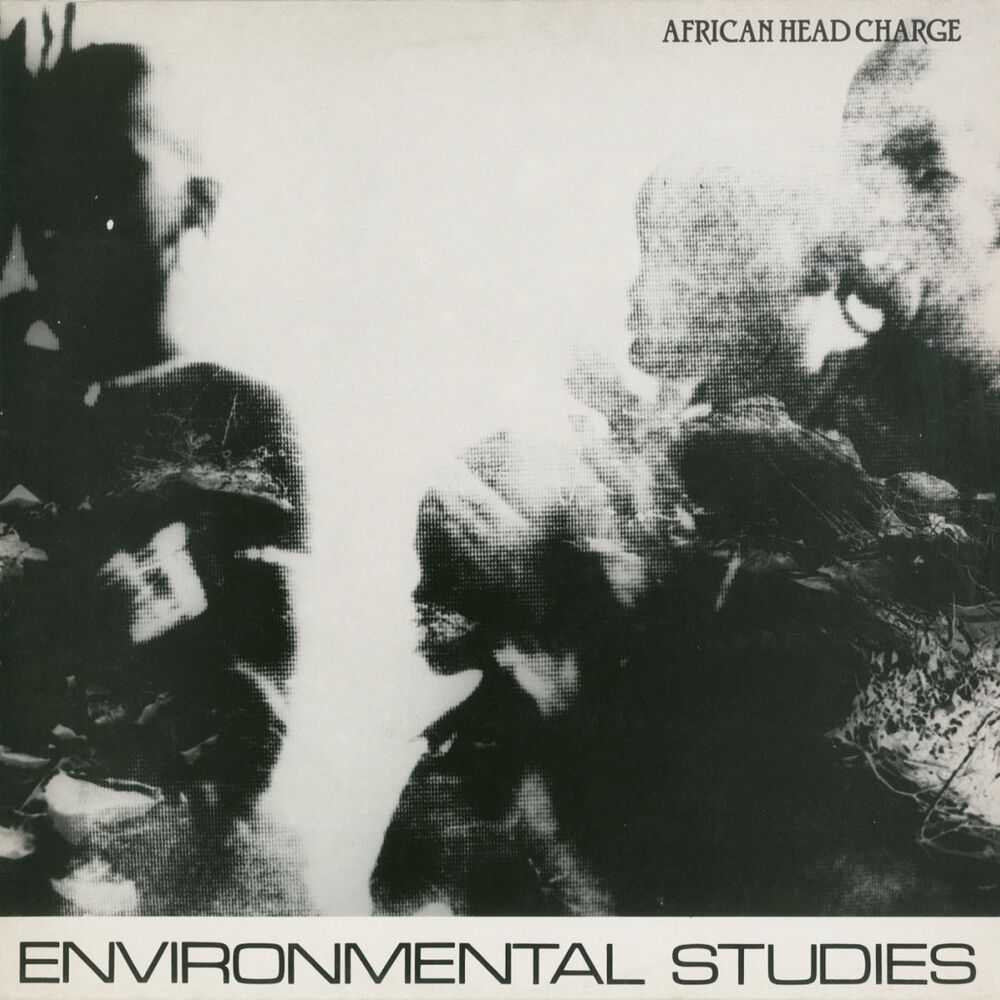
Environmental Studies
Be the first to rate—Sherwood and the percussionist Bonjo Iyabinghi Noah running quarter-inch tape loops and field recordings through heavy reverb over live playing. On-U Sound put it out in 1982 and it does not sound like 1982. Hyperdub and Tectonic were doing a version of this twenty-five years on and getting called visionary for it.
- 16
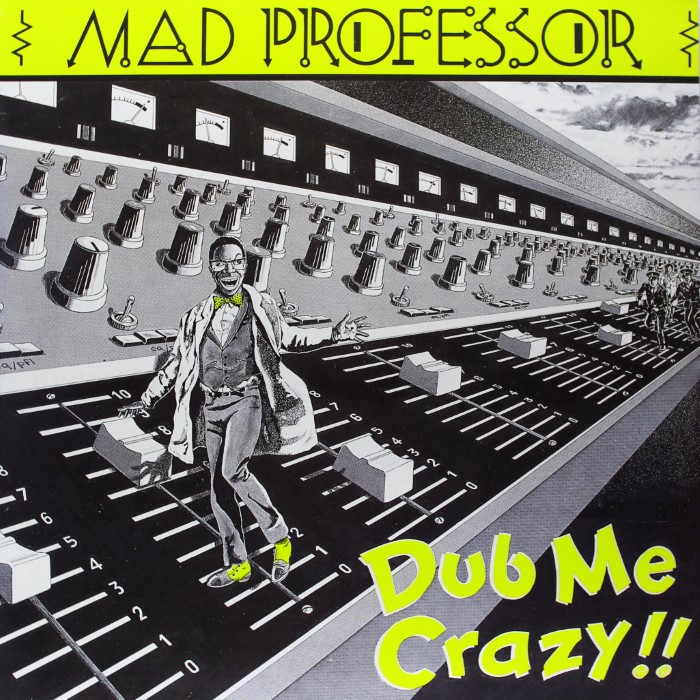
Dub Me Crazy, Part 1
Be the first to rate—Neil Fraser built the Ariwa studio inside his own house in south London and started a series that ran to twelve volumes. Volume one is where he figures out that British dub could be its own thing instead of an imitation: brighter, and much less reverent. He'd remix Massive Attack thirteen years later, which is a straight line from this record.
- 17
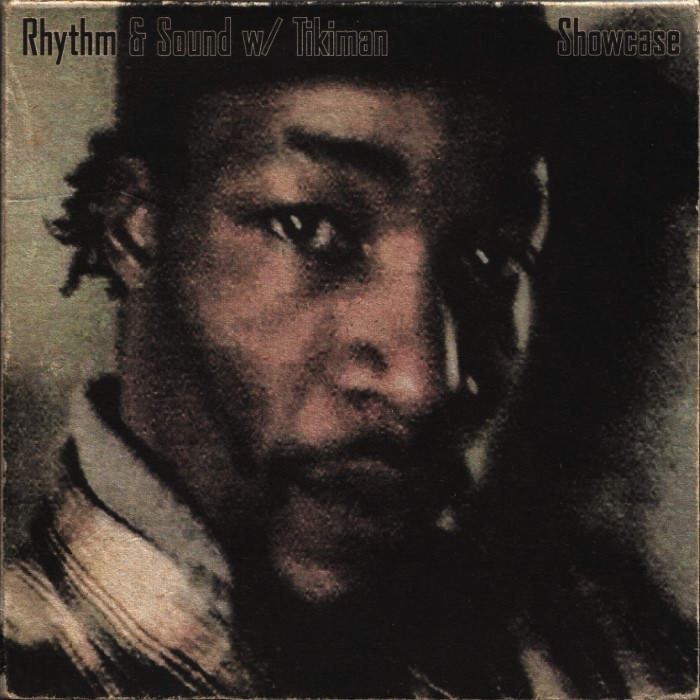
Showcase
Be the first to rate—Moritz von Oswald and Mark Ernestus, the Basic Channel pair, making reggae the way Berlin techno people make reggae: everything sanded back to bass, hiss, and a chord that arrives every four bars like weather moving through. No Jamaica in the sound and all of Jamaica in the method. Divisive on purpose, and the argument about it is better than most people's favourites.
- 18
1
Be the first to rate—Stefan Betke dropped a Waldorf 4-Pole filter (a gift from Thomas Fehlmann and Gudrun Gut), it broke, and the broken thing crackled. He took his name from it and got four albums out of the noise. 1 is dub with the reggae subtracted entirely, leaving the space and the malfunction. The clearest evidence that dub was never a genre. It was a technique, and it got loose.


Explore the sound
Artists in this guide
Read next
Chamber pop: a canon for strings, horns, and the well-dressed sad song
The orchestral wing of pop, from the baroque-pop pioneers of 1967 to the indie composers who picked the string section back up.
ECM: the essential albums of the most beautiful sound next to silence
Nineteen records from Manfred Eicher's label, 1970 to 2015, and how a Munich jazz imprint ended up owning a whole way of hearing a room.
Anadolu psych: a canon for the saz and the fuzzbox
Turkey's fuzz decade, the coup that ended it, and the people still working the seam fifty years on.
False endings: the songs that refuse to stay dead
Seventeen songs, in rough chronological order, that fake the finish before yanking the record back to life.
Got your own ranking? Build a list or tier of your own.