


Guides/A Riffiter guide
Freak folk: a canon for the New Weird America
The mid-2000s underground where American folk turned psychedelic and homemade again.
Freak folk, christened "New Weird America" by the critic David Keenan in a 2003 issue of The Wire, was the mid-2000s underground where acoustic music turned psychedelic and homemade again. This canon collects the essential records, from Vashti Bunyan's rediscovered 1970 debut through the Drag City signings and Brattleboro basements that gave the scene its shape.
The scene had a patron saint before it had a name. In 2000 a small British label reissued Just Another Diamond Day, a record from 1970 that had sold almost nothing and broken its maker's heart, and a generation of American oddballs heard their own future in it. Three years later the critic David Keenan wrote a cover story for The Wire, borrowing Greil Marcus's phrase about the "old, weird America" of Harry Smith's folk anthology and pointing it forward. The names piled up after that: New Weird America, free folk, freak folk, none of them sticking cleanly.
What held it together wasn't a sound so much as a permission. You could sing in a strangled falsetto, record in a bathroom, drone for eleven minutes on an open tuning, or dress a nursery rhyme in reverb until it turned menacing. The commercial peak was short. By 2007 the label had curdled into a fashion joke about beards and floral shirts, but the records held. Here are the fifteen that still do the work, arranged roughly as the scene found them.
- 1
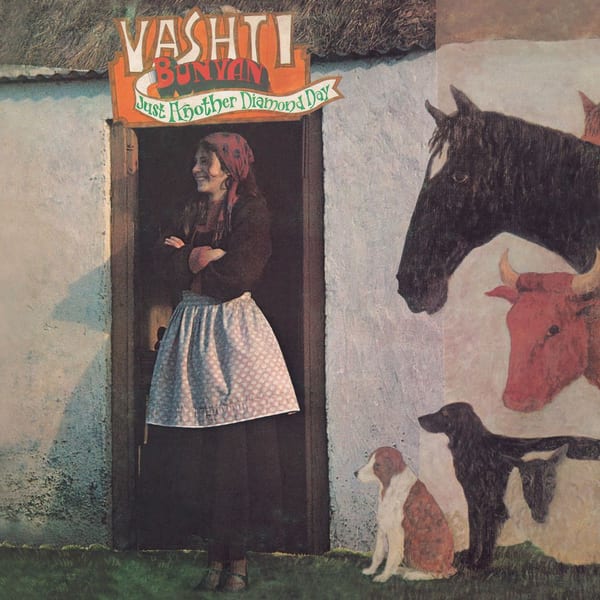
Just Another Diamond Day
Be the first to rate—Recorded in 1970 after a horse-drawn journey to the Outer Hebrides, ignored on release, and left to rot for three decades while its maker raised a family and assumed she'd failed. Spinney's 2000 reissue changed everything: this whispered, pastoral thing became the record every freak-folk kid measured themselves against. Bunyan came back for real in 2005, at nearly sixty, with Devendra and Joanna Newsom lining up to play on her second album.
- 2
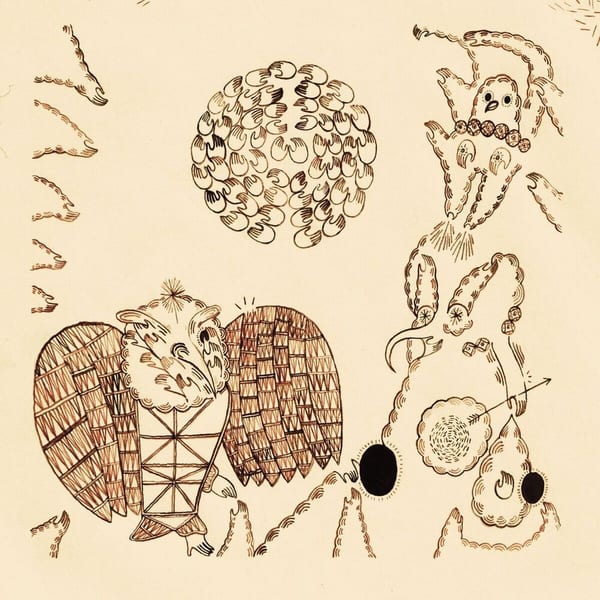
Rejoicing in the Hands
Be the first to rate—The scene's most visible face, warbling in a vibrato so extreme it split listeners down the middle. Rejoicing in the Hands (2004, Young God) is the one where the songs catch up to the voice: hushed nylon-string sketches that sound overheard rather than performed. The same year he curated Golden Apples of the Sun, the compilation that functioned as the movement's roll call.
- 3
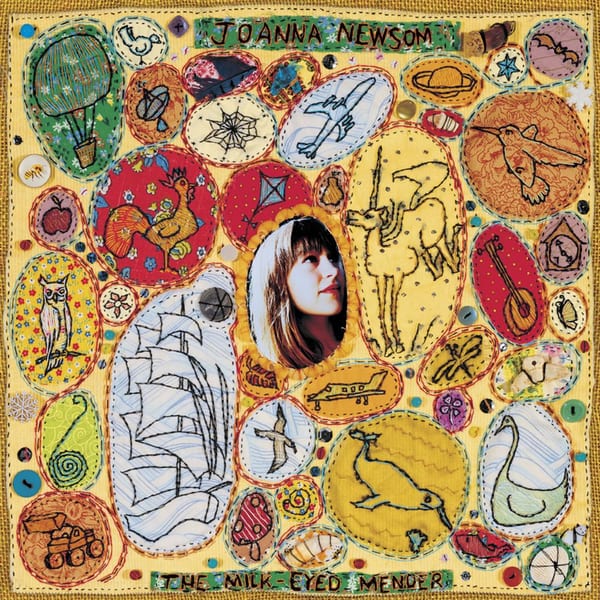
The Milk-Eyed Mender
Be the first to rate—A harpist with a voice people either surrendered to or fled from, and no in-between. Her 2004 Drag City debut is deceptively small: children's-song melodies, harpsichord, that unguarded yelp, hiding lyrics far stranger and sadder than the delivery lets on. It's the freak-folk record that most rewards the tenth listen, and the launchpad for the baroque leap of Ys two years later.
- 4
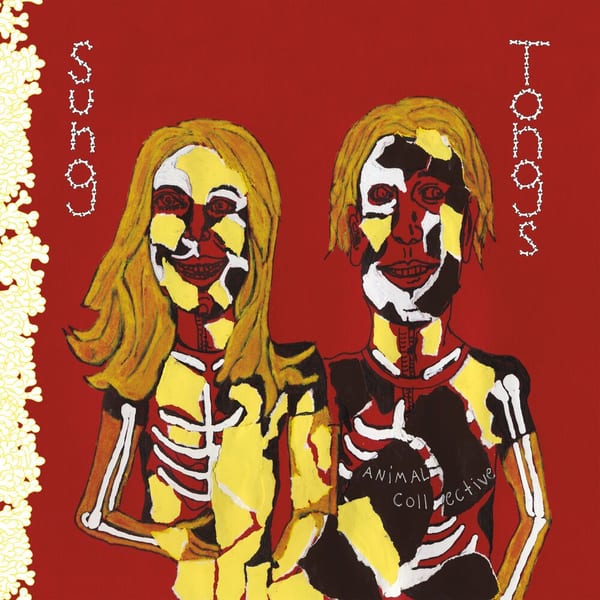
Sung Tongs
Be the first to rate—Avey Tare and Panda Bear alone with two acoustic guitars, a sampler, and a pile of vocal loops, making the loudest quiet record of 2004. Sung Tongs is where the band's chaos briefly resolved into song: campfire chants that fracture and reassemble mid-breath. Proof that freak folk could be as much about texture and repetition as about fingerpicking.
- 5
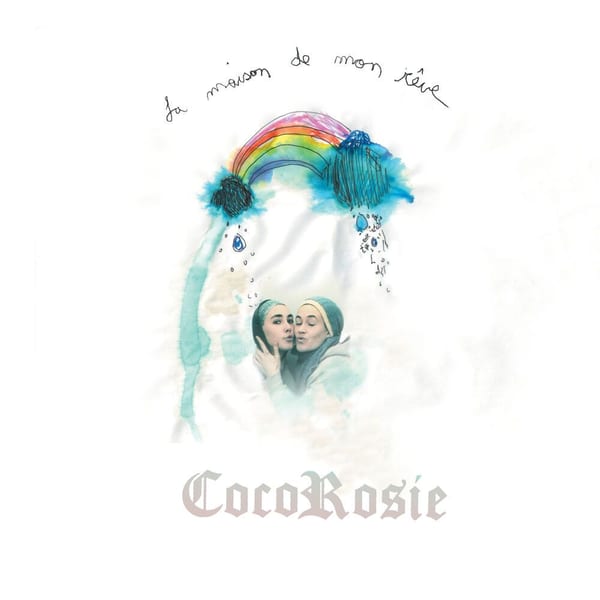
La Maison de Mon Rêve
Be the first to rate—Sisters Bianca and Sierra Casady recorded their 2004 debut in a Paris apartment bathroom, and it sounds like it: toy instruments, tape hiss, opera training colliding with blues and hip-hop cadence. Divisive then, divisive now. The whimsy tips into the uncanny fast, and nobody else made a record quite this homemade or this hard to place.
- 6
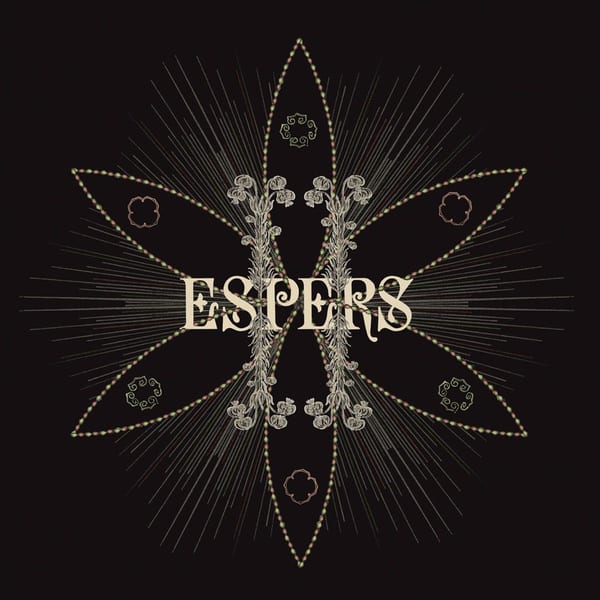
II
Be the first to rate—The Philadelphia contingent, led by Greg Weeks, who took the scene backward toward British acid folk: Pentangle, the Incredible String Band, Fairport at their darkest. II (2006) is heavier and more electric than the debut, with Meg Baird's voice floating over guitar drones that curl into something almost gothic. The most studied, least whimsical band in the whole movement.
- 7

School of the Flower
Be the first to rate—Ben Chasny's raga-folk project, where American Primitive fingerpicking meets the long, patient drone. School of the Flower (2005, Drag City) brings in Chris Corsano on drums and Comets on Fire noise, so the delicate guitar figures keep threatening to catch fire. This is the free-folk end of the spectrum, closer to Sandy Bull than to Simon & Garfunkel.
- 8

To Find Me Gone
Be the first to rate—Andy Cabic was Devendra's San Francisco running mate, and Vetiver held down the scene's gentlest, most craft-minded corner. To Find Me Gone (2006) is warm and unhurried, folk-rock built for a back porch, with none of the affectation the movement got mocked for. When the freak-folk fashion faded, these were the songs that quietly kept working.
- 9
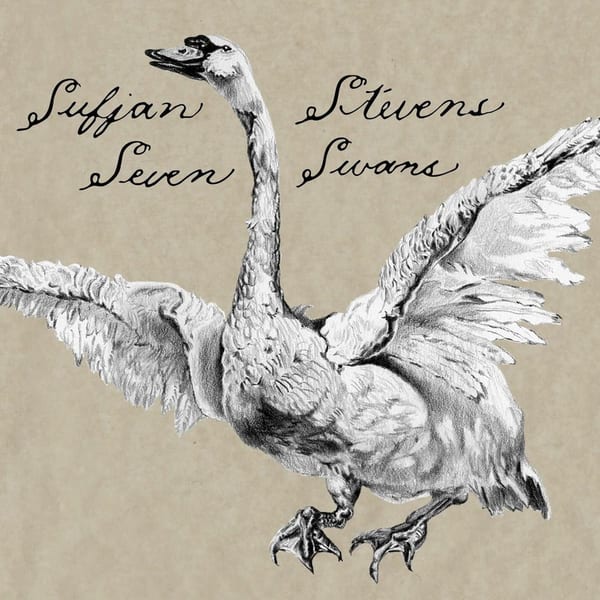
Seven Swans
★ 2.5 · 1—Recorded between his state-concept albums, Seven Swans (2004, Sounds Familyre) is Sufjan at his most naked: banjo, faith, and a tremble in the voice that never resolves into comfort. The Danielson connection ties him to the scene's outsider-Christian wing. It's the outlier here, the one folk record on the list that a stranger to this world could love on first pass.
- 10
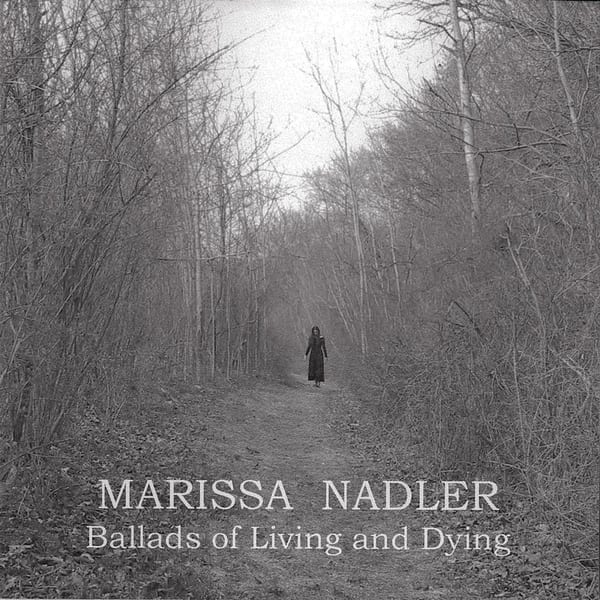
Ballads of Living and Dying
Be the first to rate—Nadler arrived fully formed on this 2004 debut: cathedral reverb, Poe and Neruda in the lyrics, murder ballads sung like lullabies. Where most of her peers chased whimsy, she went straight for the gothic, Appalachian death-folk dragged into a dream. Two decades on she's outlasted nearly everyone in this guide by refusing to lighten up.
- 11
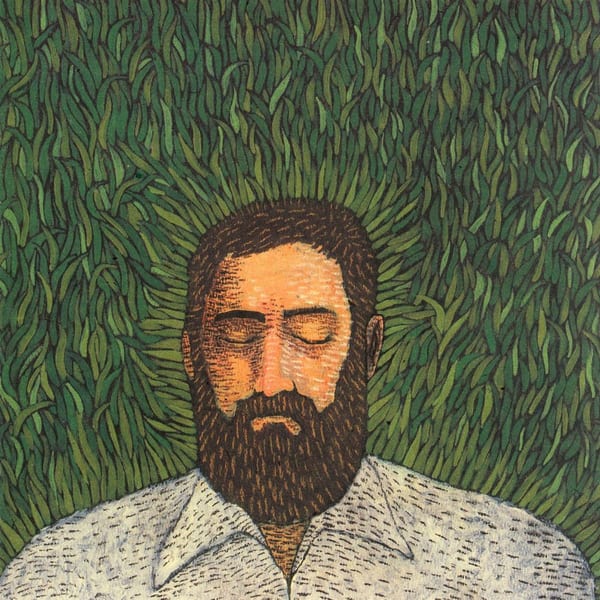
Our Endless Numbered Days
Be the first to rate—Sam Beam's first record was all four-track hiss; Our Endless Numbered Days (2004, Sub Pop) is the one where he steps into a real studio without losing the whisper. Brian Deck's production keeps it intimate while the arrangements bloom. Softer and more Southern than the East Coast weirdos, it's the freak-folk record that quietly sold to everyone else.
- 12
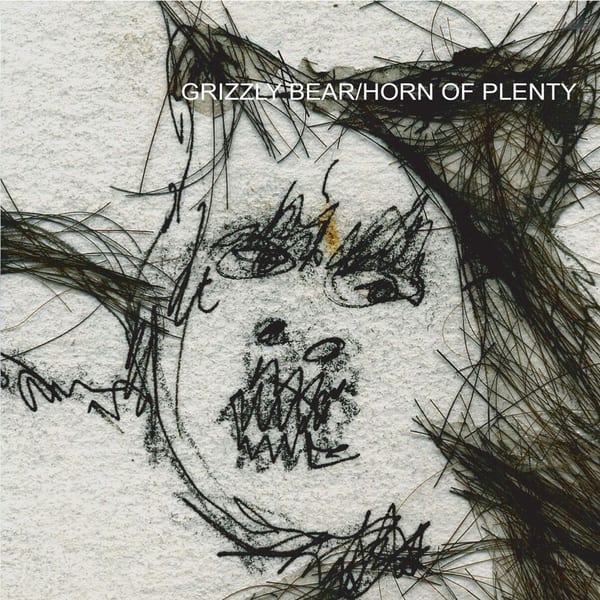
Horn of Plenty
Be the first to rate—Before the harmonies and the festival slots, Grizzly Bear was Ed Droste alone in a bedroom, and Horn of Plenty (2004, Kanine) is that project: smeared, lo-fi, half-dissolved folk songs surfacing through tape murk. It barely resembles the band they became. As a document of the moment, hazy and unsure of itself, it's one of the scene's most honest.
- 13
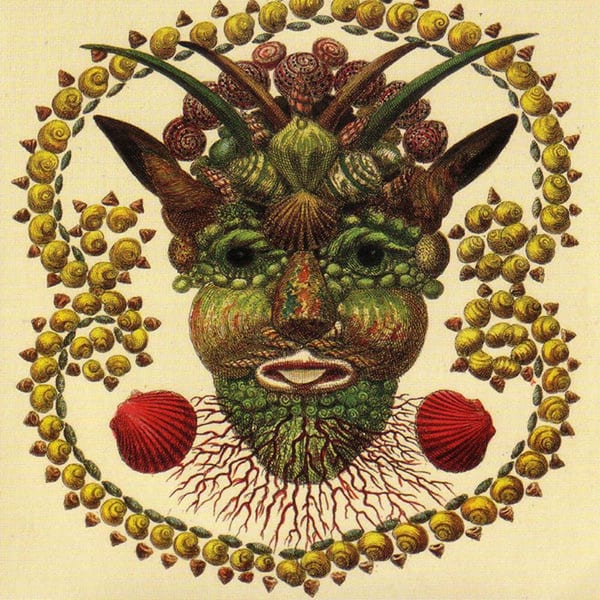
Akron/Family
Be the first to rate—Michael Gira's other Young God signing, and the most maximal band on this list. Their 2005 debut swings from fragile bedroom folk to communal gospel-noise blowouts, often inside a single song. Where the scene leaned inward and precious, Akron/Family opened the windows and let everyone shout. The freak in freak folk, taken literally.
- 14

Hazel Eyes I Will Lead You
Be the first to rate—A conservatory-trained soprano who bends her operatic instrument into something wild and warped, Foster is the scene's most genuinely strange singer. Hazel Eyes, I Will Lead You (2005, Locust) pairs that voice with reverb-drenched electric folk and lyrics that read like half-remembered hymns. Too odd for the crossover, which is exactly why the diehards never let go of her.
- 15
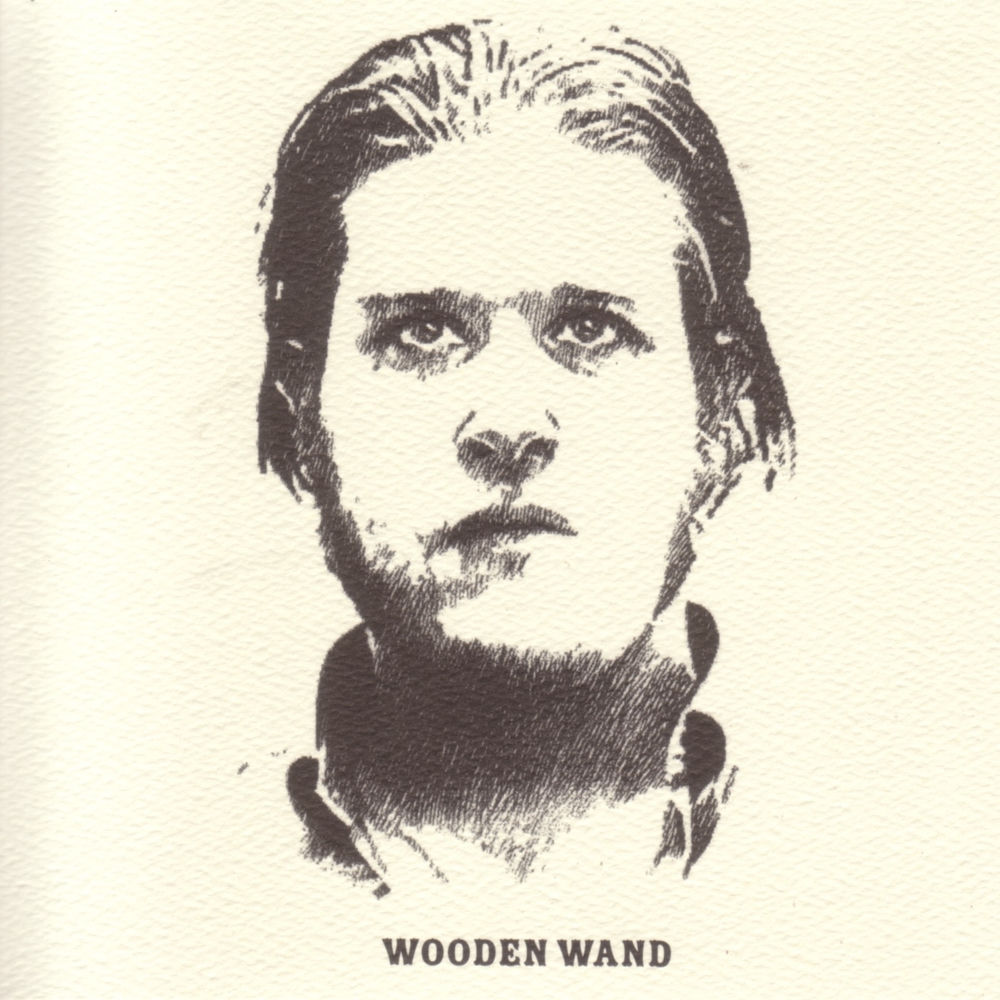
Harem of the Sundrum & the Witness Figg
Be the first to rate—James Jackson Toth came out of the Vanishing Voice, one of the genuinely uncompromising free-folk collectives, before paring down to something you could call songs. Harem of the Sundrum & the Witness Figg (2005) is his hinge record, biblical and cracked and half-improvised, caught between the drone commune and the singer-songwriter tradition. The deep end of the scene, for anyone who found the rest too pretty.


Explore the sound
Artists in this guide
Read next
Neo-soul: the essential albums, from Brown Sugar to the Sault years
Thirty years of a genre almost nobody who made it wanted to be called that.
Comedown: eighteen albums for the morning after
The after-hours canon — downtempo, ambient and dub-soaked records for the long descent from a big night.
Chamber pop: a canon for strings, horns, and the well-dressed sad song
The orchestral wing of pop, from the baroque-pop pioneers of 1967 to the indie composers who picked the string section back up.
Dub: eighteen records where the engineer became the author
King Tubby's four-track shack in Waterhouse, Lee Perry's Black Ark, Adrian Sherwood's London, and a broken filter in Berlin.
Got your own ranking? Build a list or tier of your own.