


Guides/A Riffiter guide
Jazz fusion: the essential albums of the electric decade
From Bitches Brew to Bright Size Life: fifteen records from the years jazz plugged in.
Jazz fusion was born around 1969, when Miles Davis, Tony Williams and John McLaughlin ran jazz through rock amplifiers and rock rhythm. This guide maps fifteen essential albums from its electric peak, roughly 1969 to 1977, from Bitches Brew and Emergency! to Weather Report's Heavy Weather and Pat Metheny's Bright Size Life.
For about eight years, the most restless music in America came from jazz players who got tired of performing quietly to seated rooms. They plugged in, hired rock drummers, and went after the volume and the crowd that rock already had. Purists called it a sellout at the time. Plenty of them still do, and they're wrong.
Fusion has a clean birth year, 1969, and a fuzzier ending somewhere in the late seventies, when the fire cooled into the polished smooth-jazz that gave the whole word a bad name. What follows is the good decade: fifteen records that fed jazz through rock and got back something neither one could make alone. Think of it as a genealogy rather than a ranking, and read it top to bottom.
- 1
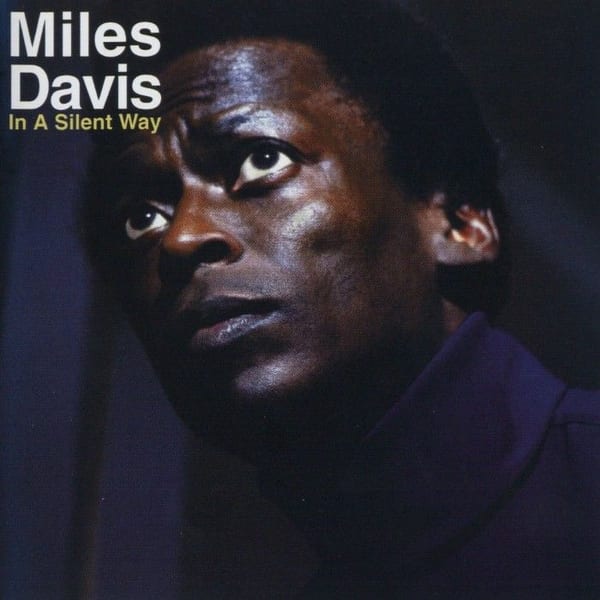
In a Silent Way
Be the first to rate—The quiet birth. Recorded in a single February 1969 session, then sculpted by producer Teo Macero out of hours of tape into two side-long pieces. Three keyboardists (Hancock, Corea, Zawinul) hover over McLaughlin's clean guitar, and nobody solos to prove a point. Fusion started as a hush before it ever got loud.
- 2
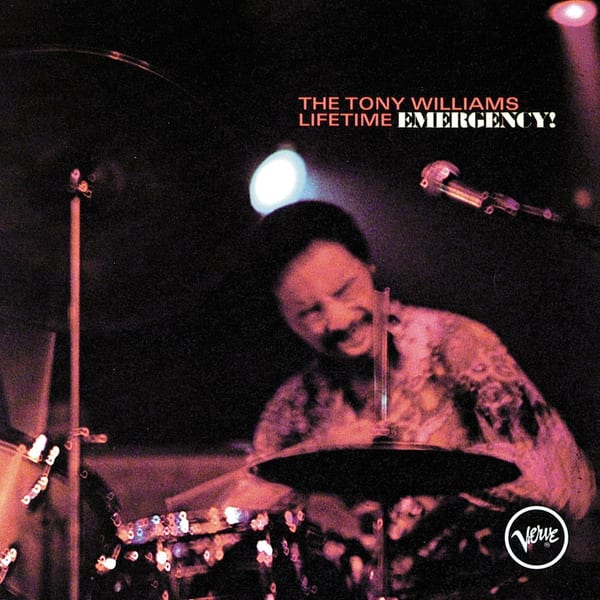
Emergency!
Be the first to rate—Miles' 23-year-old drummer got there first and went the opposite way: full volume. A power trio with John McLaughlin and organist Larry Young, released on Polydor in September 1969. It was recorded badly and mixed worse, and it still sounds like a door being kicked off its hinges. The record that actually lit the fuse.
- 3
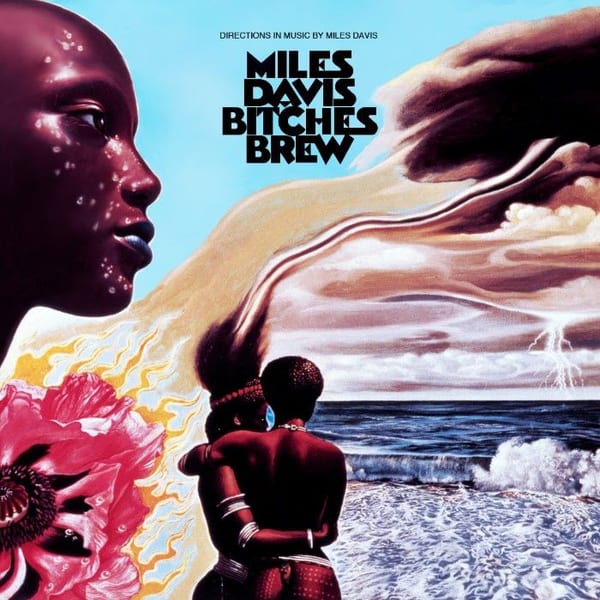
Bitches Brew
Be the first to rate—The explosion everyone remembers. A sprawling double LP built from electric bass, wah guitar and Macero's tape edits, aimed squarely at the audience filling rock arenas. It sold like a rock record and split the jazz establishment down the middle. Six months earlier fusion was a rumor; this made it a movement.
- 4
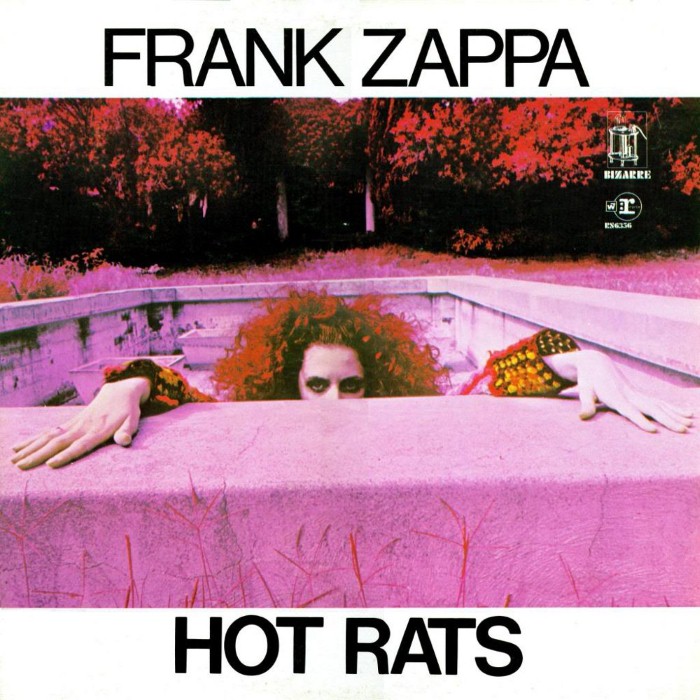
Hot Rats
Be the first to rate—Fusion arriving from the rock side of the room. Zappa's mostly-instrumental 1969 solo record is dense with overdubs, with Jean-Luc Ponty's violin and Ian Underwood's reeds blowing over blues-rock frames. The opener, 'Peaches en Regalia,' is the kind of tune the genre keeps rediscovering by accident.
- 5
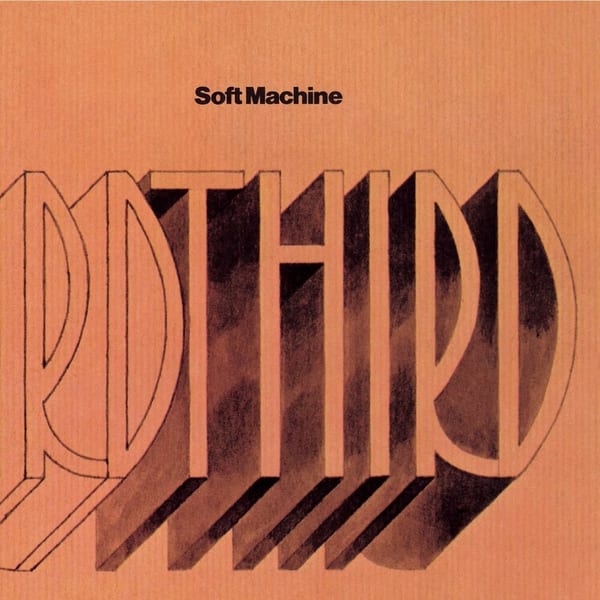
Third
Be the first to rate—Britain's Canterbury scene took a different road to the same place. Four side-long tracks find the band drifting out of psych-pop and into jazz, powered by Elton Dean's saxes and Mike Ratledge's fuzzed organ. 'Moon in June' is the last time Soft Machine let anyone sing; after this they went fully instrumental and never looked back.
- 6
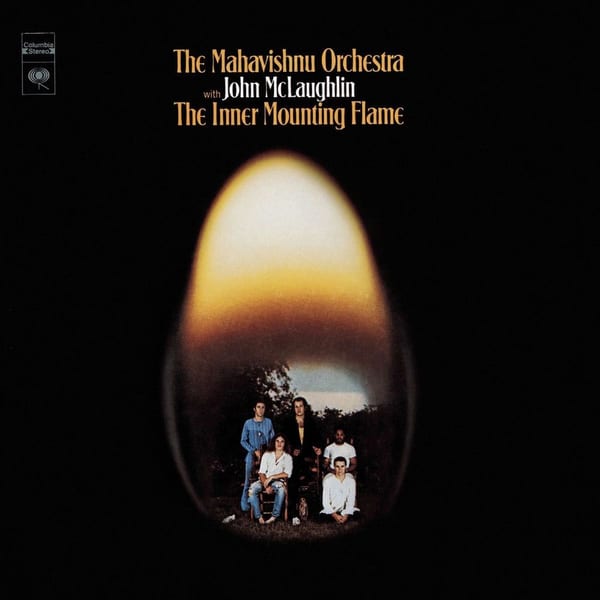
The Inner Mounting Flame
Be the first to rate—McLaughlin's own band, and the point where speed and volume peaked. Billy Cobham's double-kick drumming, Jerry Goodman's electric violin, meters that switch without warning. This is fusion as a physical event, but played with a precision that keeps it from being a mere stunt. The blueprint every prog-metal band eventually traced.
- 7
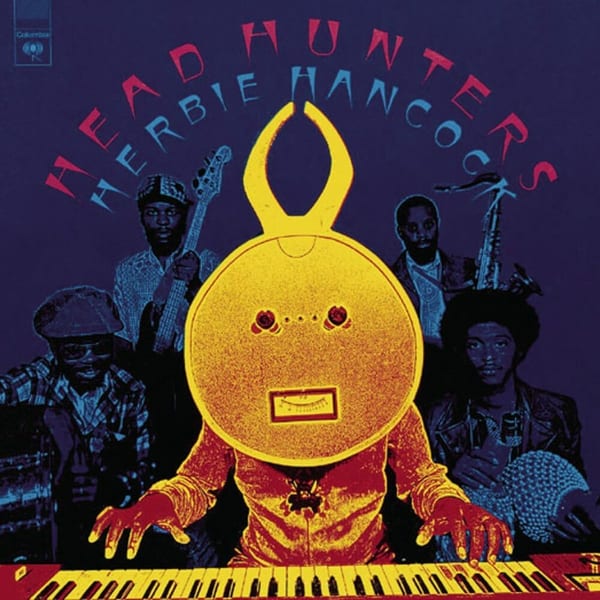
Head Hunters
Be the first to rate—The funk turn. Hancock dropped the free-floating abstraction of his Mwandishi band for the Clavinet strut of 'Chameleon' and outsold every jazz record that came before it. Proof that fusion could move a body and not just a mind, and the reason so much hip-hop later went digging through his catalog.
- 8
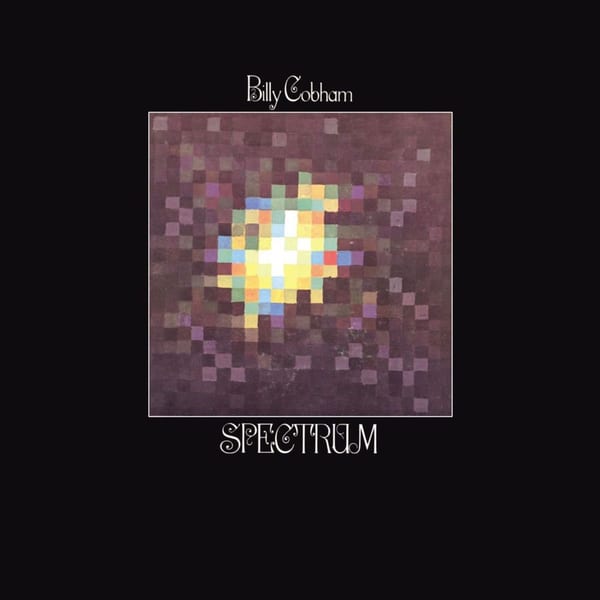
Spectrum
Be the first to rate—The Mahavishnu drummer's 1973 solo shot on Atlantic, with Jan Hammer's Moog and a barely-known Tommy Bolin on guitar. 'Stratus' became one of the most sampled breaks in hip-hop, which tells you how hard the thing hits. A drummer's record, but never only for drummers.
- 9
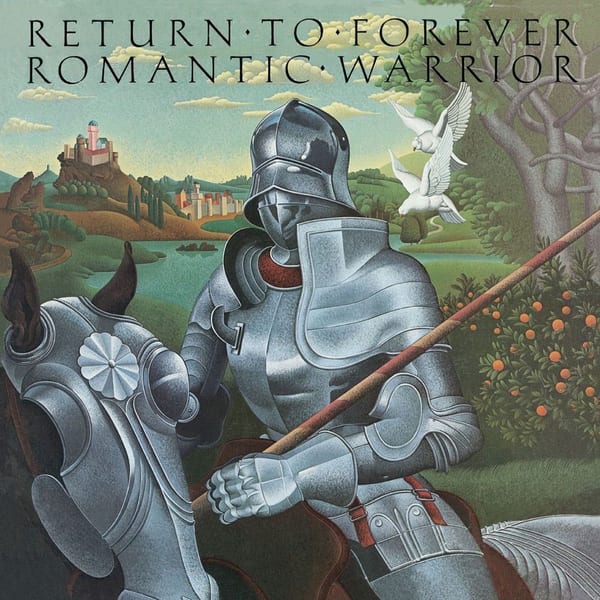
Romantic Warrior
Be the first to rate—The prog apex. Chick Corea, Stanley Clarke, Lenny White and Al Di Meola playing chamber music dressed up as a sword fight, all unison runs and hairpin turns. It is technique flaunted for its own sake and completely unashamed of it. Love it or hate it, nobody executed the maximal version of fusion better.
- 10
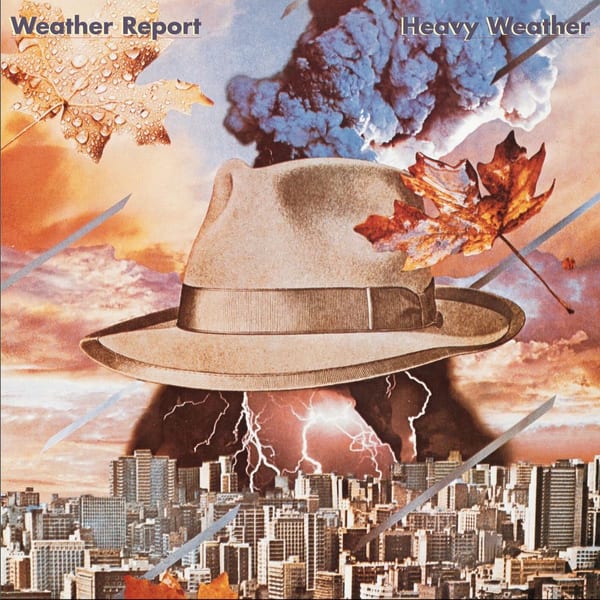
Heavy Weather
Be the first to rate—The crossover. Joe Zawinul's 'Birdland' handed fusion a genuine hit, catchy enough for radio and clever enough to survive it. But the record belongs to Jaco Pastorius, whose fretless bass rewrote what the instrument could be. The last great fusion album that a mass audience actually bought.
- 11
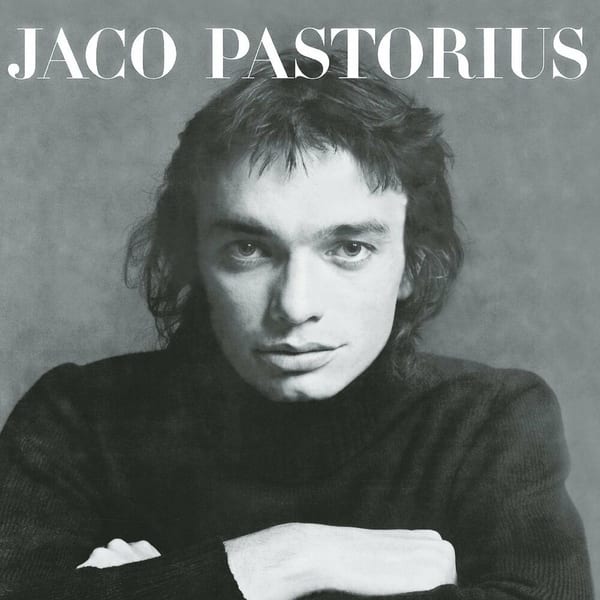
Jaco Pastorius
Be the first to rate—The 1976 debut where the bass stopped keeping time and started singing lead. 'Portrait of Tracy' is built from harmonics and empty space; 'Donna Lee' is bebop taken faster than most players can think. Every bassist who came after has stolen from it, whether they admit it or not.
- 12
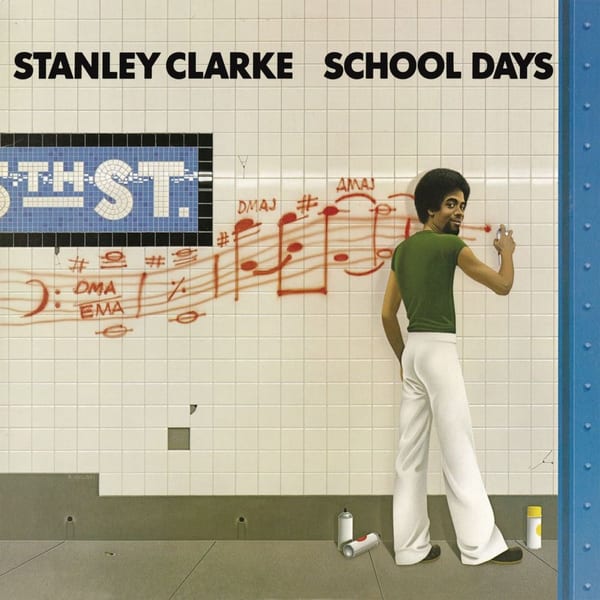
School Days
Be the first to rate—The other bass revolution, electric and slapped hard. Where Jaco sang, Clarke punched, turning the low end into a lead voice through sheer physical force. The title track is still the first serious thing most fusion bassists learn, and the one they use to show off.
- 13
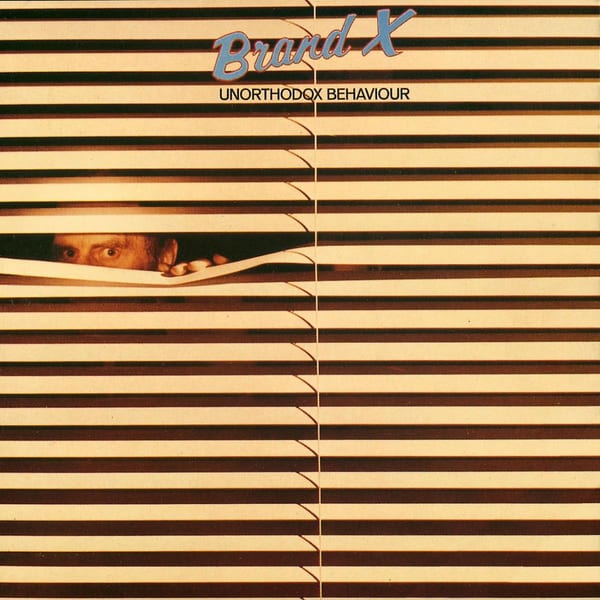
Unorthodox Behaviour
Be the first to rate—Britain's answer, from 1976 on Charisma, with Phil Collins drumming between Genesis records and Percy Jones bending a fretless bass like a rubber band. Looser and funnier than its session-musician pedigree suggests, it proves fusion didn't have to be a grim endurance test. Sometimes it could just be four players enjoying themselves.
- 14
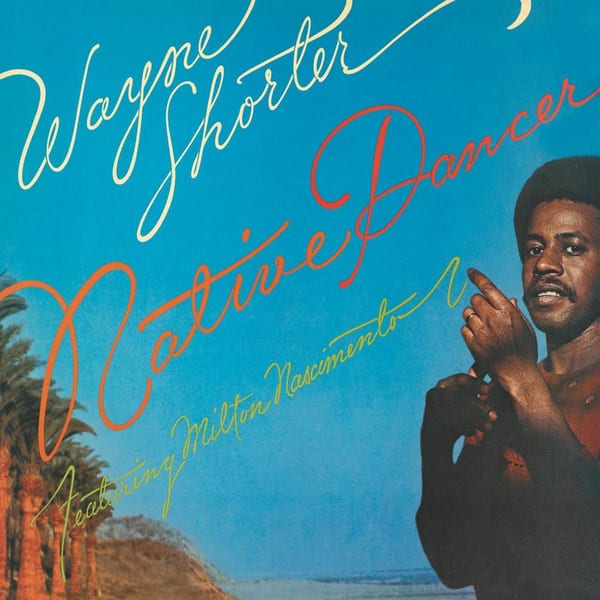
Native Dancer
Be the first to rate—The tender counter-argument. Shorter split the 1975 record with Brazilian singer Milton Nascimento, trading fusion's muscle for warmth and actual songs. No pyrotechnics, no cutting contests, just melody and air. The quiet proof that the genre didn't have to shout to matter.
- 15
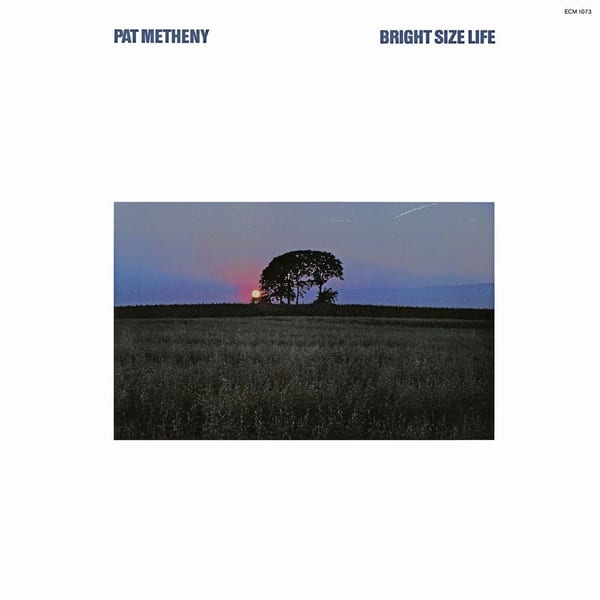
Bright Size Life
Be the first to rate—Metheny's debut at 21, on ECM, a clean-toned trio with Jaco on bass and Bob Moses on drums. It steers fusion away from bombast and toward space and Midwestern light. This is where the next generation started, and where a lot of the players who came up in the eighties learned that restraint could be its own kind of virtuosity.


Explore the sound
Artists in this guide
Lists with these albums
Read next
Bossa nova beyond 'The Girl from Ipanema': the essential albums
Seventeen records, 1959 to 1977, for anyone whose bossa shelf is one Stan Getz album deep.
Neo-soul: the essential albums, from Brown Sugar to the Sault years
Thirty years of a genre almost nobody who made it wanted to be called that.
Freak folk: a canon for the New Weird America
The mid-2000s underground where American folk turned psychedelic and homemade again.
Comedown: eighteen albums for the morning after
The after-hours canon — downtempo, ambient and dub-soaked records for the long descent from a big night.
Got your own ranking? Build a list or tier of your own.