


Guides/A Riffiter guide
Bossa nova beyond 'The Girl from Ipanema': the essential albums
Seventeen records, 1959 to 1977, for anyone whose bossa shelf is one Stan Getz album deep.
Bossa nova started with a rhythm João Gilberto worked out on an acoustic guitar: his single 'Chega de Saudade' in July 1958, then the Odeon LP of the same name in March 1959. This guide follows the music from that record through the Verve years, the Brazilian reaction against the export version, and the albums that outlived the fashion.
Nothing has done more damage to bossa nova's reputation than its own biggest hit. 'The Girl from Ipanema' spent sixty years soundtracking hotel lobbies, and a lot of listeners filed the entire genre under pleasant background music without ever hearing what João Gilberto was actually doing with his right hand.
What he was doing was radical. He took a full samba percussion section, a batucada with a dozen players in it, and compressed the whole thing into one guitar and a voice pitched barely above speech. That compression is the genre. Everything below either extends that idea or argues with it. A couple of them just got rich off it.
Seventeen albums, roughly in order. A few are famous. Most aren't, and the gap between those two groups is where the good listening lives.
- 1
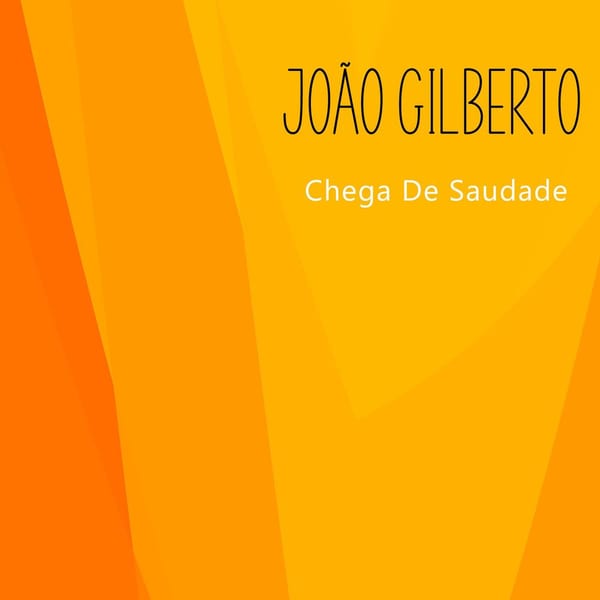
João Gilberto — Chega de Saudade (1959)
Be the first to rate—Gilberto's guitar turns up first on Elizeth Cardoso's Canção do Amor Demais in 1958, playing on two tracks and quietly rewriting Brazilian rhythm while nobody was watching. His own single of 'Chega de Saudade' came that July and was the hit; this Odeon LP followed in March 1959.
The voice sits just above a whisper with no vibrato in it, hanging behind or ahead of the beat while the guitar handles what a room full of percussionists used to. Everything after this record is a response to it.
- 2
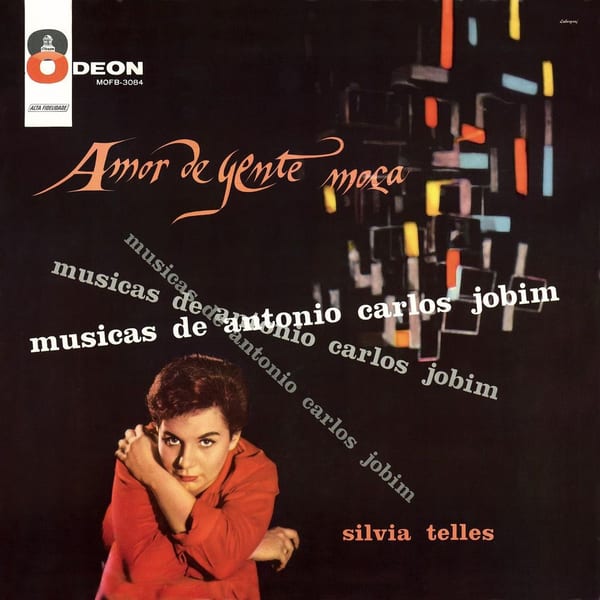
Sylvia Telles — Amor de Gente Moça (1959)
Be the first to rate—An entire LP of Jobim songs, on Odeon, with arrangements by Lindolpho Gaya and Aloysio de Oliveira directing. Telles was the singer Jobim trusted first, before any of this had a name or a market.
She died in a car crash in December 1966 at 32, and that is a large part of why the least-known great voice of the era is the one who got there earliest. Start here rather than with any of the compilations bearing her name.
- 3

Carlos Lyra — Bossa Nova (1960)
Be the first to rate—Recorded in 1959, out on Philips the following May. Lyra had already given Gilberto 'Lobo Bobo' for the first album, and he was the movement's political conscience: within a couple of years he was writing for the student left's cultural wing while his friends were signing American contracts.
His songs swing harder than the genre's reputation suggests. 'Maria Ninguém' alone should have made him famous outside Brazil.
- 4
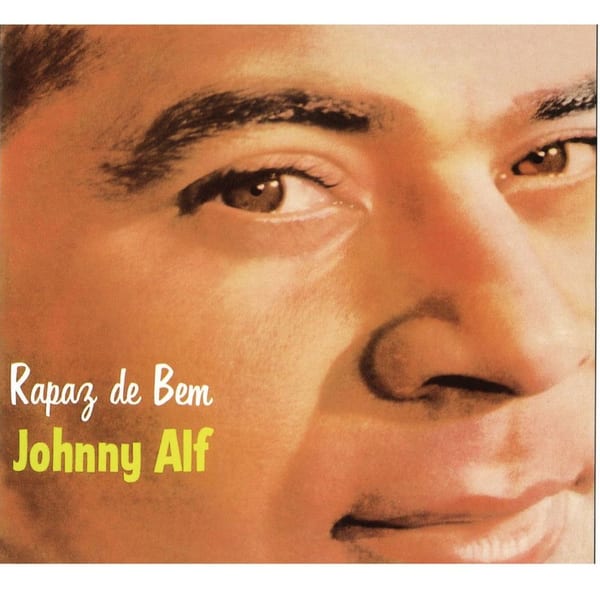
Johnny Alf — Rapaz de Bem (1961)
Be the first to rate—Alf was playing this music in Copacabana clubs before it had a label attached, with Jobim and Roberto Menescal in the audience taking notes. He wrote the title song in the early fifties and cut it as a single mid-decade.
By the time RCA Victor gave him a full album in 1961, with Maestro Nelsinho arranging, the students he had taught were international news and he was not. The record is a piano player's bossa: harmonically greedy, closer to Sinatra's phrasing than to Gilberto's murmur.
- 5
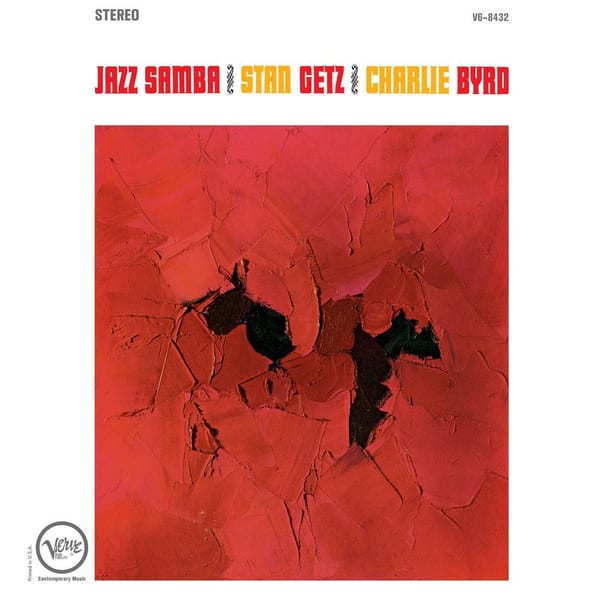
Stan Getz & Charlie Byrd — Jazz Samba (1962)
Be the first to rate—The American front door. Byrd brought the records back from a State Department tour, Getz put his tone on them, and Verve had a number one album on the Billboard chart, which almost never happens to jazz.
It is not really a bossa nova record and Brazilian musicians noticed. It is a very good jazz record about bossa nova, and it opened every door the next ten years walked through.
- 6
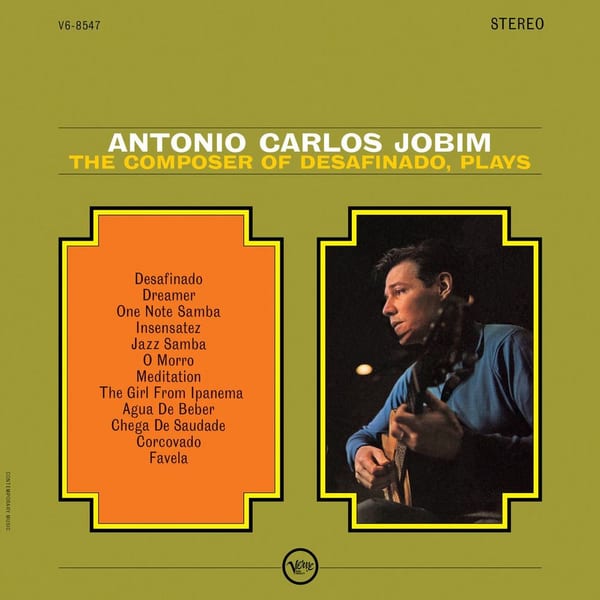
Antônio Carlos Jobim — The Composer of Desafinado, Plays (1963)
Be the first to rate—Jobim in New York as a bandleader rather than a name in someone else's credits, produced by Creed Taylor with Claus Ogerman arranging. Mostly instrumental, mostly his own songs, played with an economy that makes the later orchestral records sound busy.
If you only know Jobim as a songwriter other people cover, this is where you hear what he heard.
- 7
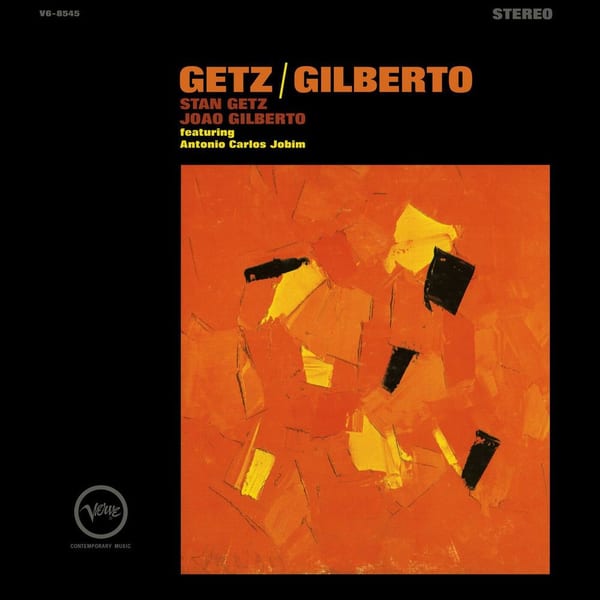
Stan Getz & João Gilberto — Getz/Gilberto (1964)
Be the first to rate—Recorded in March 1963, held back a year, then it won Album of the Year at the 1965 Grammys and turned a Rio neighbourhood into a global brand. Astrud Gilberto was in the studio as João's wife, not as a hired singer, and sang the English verse of 'Garota de Ipanema' anyway.
The famous one deserves its reputation, mostly because Gilberto refuses to play along with the occasion. He sings exactly as quietly as he does everywhere else while a jazz industry assembles itself around him.
- 8
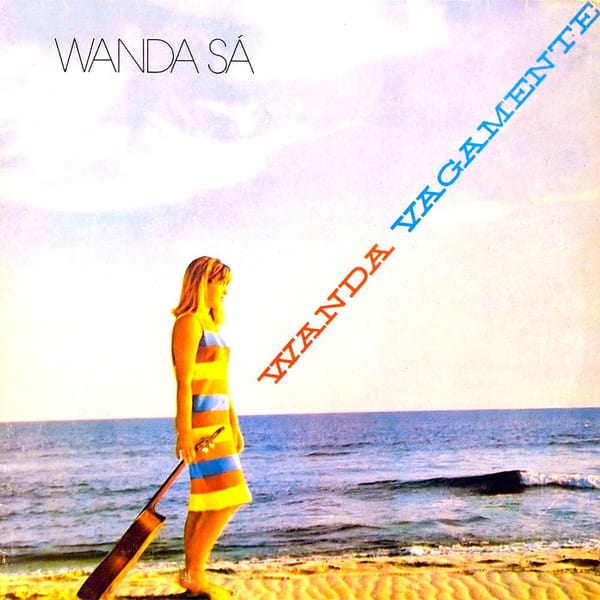
Wanda Sá — Vagamente (1964)
Be the first to rate—Nineteen years old on RGE, with some of Eumir Deodato's earliest arranging work behind her. The record carries first recordings of songs by Edu Lobo, Francis Hime and Marcos Valle, which makes it a decent map of who was about to matter.
Her guitar and voice move together in a way that is closer to Gilberto than almost anyone else managed without sounding like an imitation.
- 9

Nara Leão — Opinião de Nara (1964)
Be the first to rate—Bossa nova had partly been invented in her family's Copacabana apartment, and by 1964 she wanted out of it. After the March coup she turned toward samba from the hills, recording Zé Kéti and Cartola while her old circle went on writing about the sea.
This is the album where the genre's own muse says the pretty version is not enough anymore. It reads as a betrayal or a conscience depending on which side of 1964 you stand on.
- 10
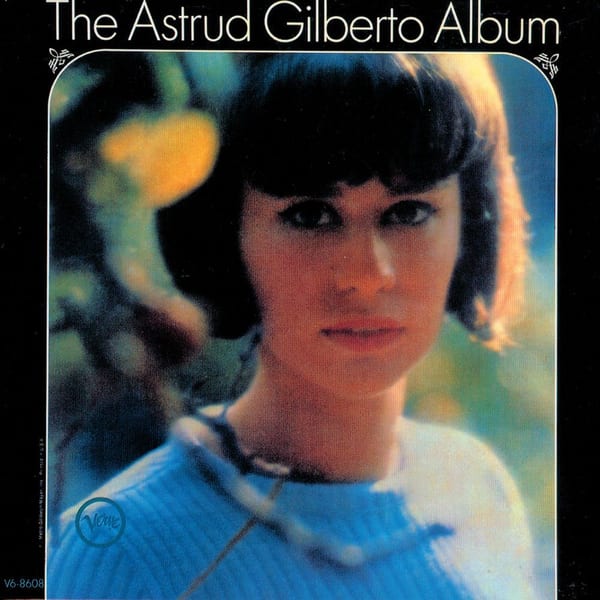
Astrud Gilberto — The Astrud Gilberto Album (1965)
Be the first to rate—Verve had a hit voice and no album to put it on, so they made one. The flatness people mistake for amateurism is the point: she never pushes, never decorates, and the songs come through unbothered.
Critics were snobbish about her for decades. Listen to anyone else try this and the snobbery collapses.
- 11
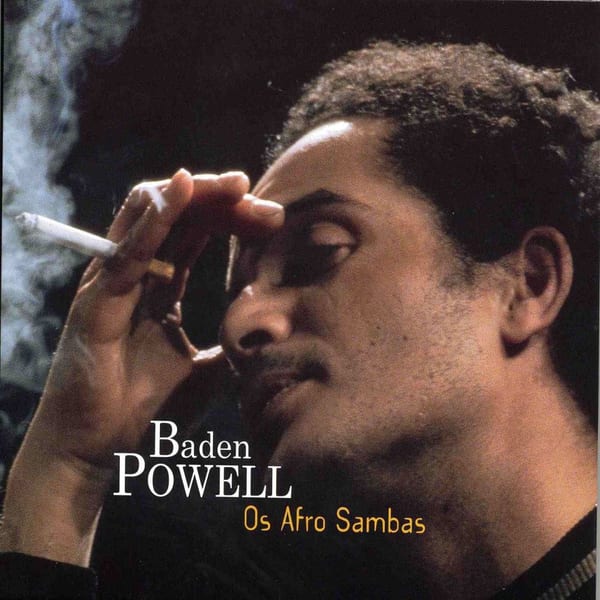
Baden Powell & Vinicius de Moraes — Os Afro-Sambas (1966)
Be the first to rate—Vinicius came back from Bahia obsessed with candomblé songs and samba de roda; Powell had the guitar technique to build something out of that obsession. Forma released it in 1966 with Quarteto em Cy singing.
It is the heaviest thing anyone made under the bossa nova banner: ritual music with the harmonic sophistication of the Copacabana crowd and none of their lightness. Start with 'Canto de Ossanha' and see if you can leave.
- 12
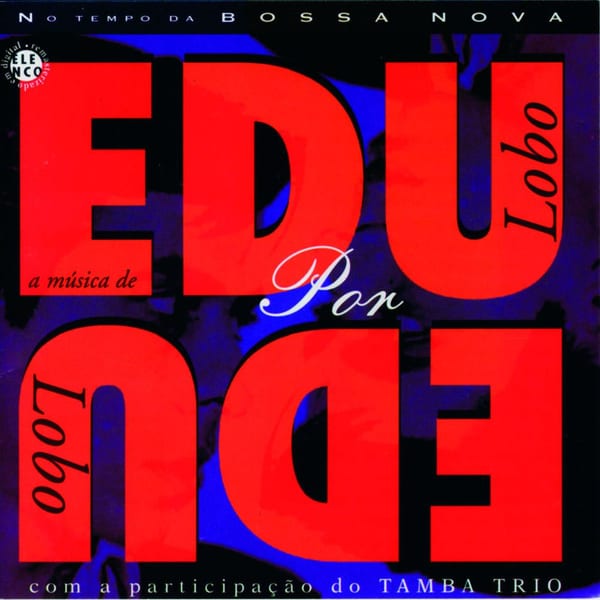
Edu Lobo & Tamba Trio — Edu Lobo por Edu Lobo (1967)
Be the first to rate—Luiz Eça on piano, Bebeto on flute and bass, Hélcio Milito on drums: the trio that dragged bossa toward jazz and could actually play at that level. Here they back Edu Lobo, the best of the younger songwriters, on his own material.
This is the samba-jazz wing at full strength, and it swings far too hard for anybody's dinner party.
- 13
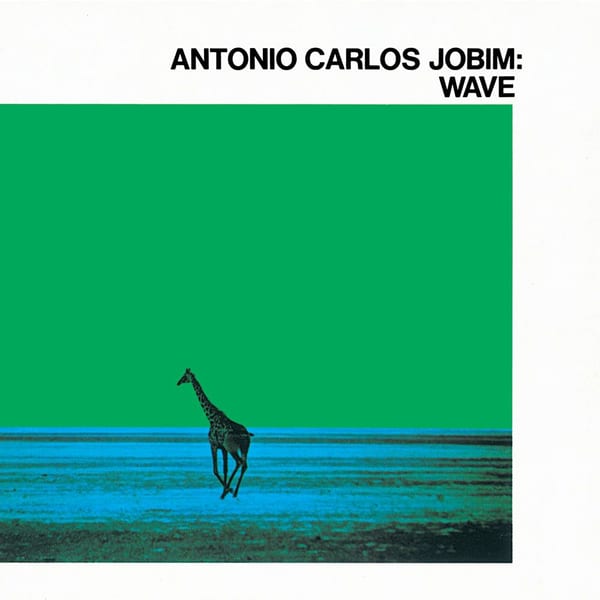
Antônio Carlos Jobim — Wave (1967)
Be the first to rate—A&M, produced by Creed Taylor, arranged and conducted by Claus Ogerman, with Ron Carter on bass and Urbie Green on trombone. It reached number five on the jazz albums chart and 114 on the Billboard 200, which for an instrumental Brazilian record in 1967 is remarkable.
The title track is the most covered thing Jobim wrote after 'Ipanema' and a better song. Ogerman's strings could have drowned it and instead they get out of the way.
- 14
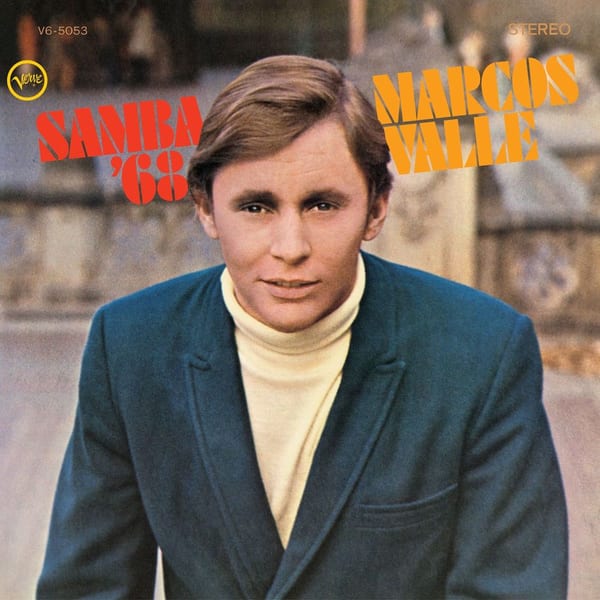
Marcos Valle — Samba '68 (1968)
Be the first to rate—Valle's Verve export record, sung in English with Anamaria Valle and arranged by Eumir Deodato. On paper it is exactly the sort of cash-in the previous decade had trained everyone to expect.
In practice Valle was too good a writer to phone it in, and 'So Nice' has outlived every album that borrowed its idea. He is also still making excellent records, which nobody in 1968 would have predicted.
- 15
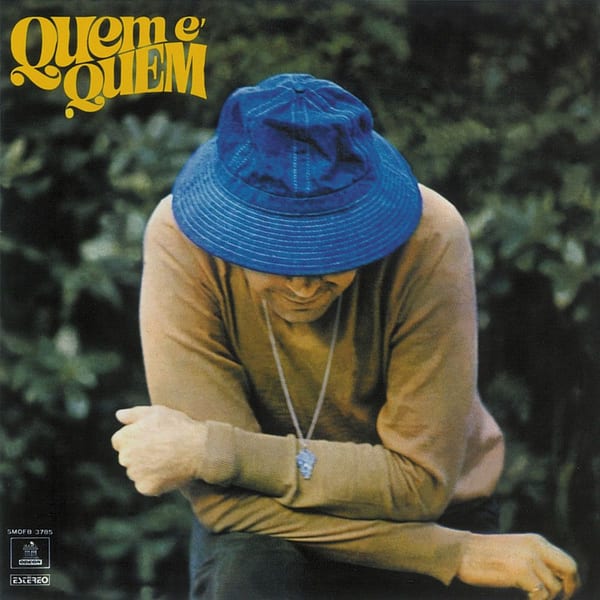
João Donato — Quem É Quem (1973)
Be the first to rate—Donato came home after ten years in the United States and made his strangest, warmest album, produced by Marcos Valle and Milton Miranda for Odeon. It is also the first time anyone hears him sing, having spent his career as a pianist people hired.
Bossa nova by then had been declared dead several times. This sounds like a man who never noticed and kept going somewhere sideways instead.
- 16

Elis Regina & Antônio Carlos Jobim — Elis & Tom (1974)
Be the first to rate—Recorded at MGM Studios in Los Angeles between 22 February and 3 March 1974, with César Camargo Mariano arranging, as Philips' gift for Regina's tenth year on the label. The sessions nearly collapsed more than once; the two of them argued their way through it.
What came out is the best-sung Jobim record in existence. Regina takes songs everybody had heard a hundred times and makes them sound dangerous again.
- 17
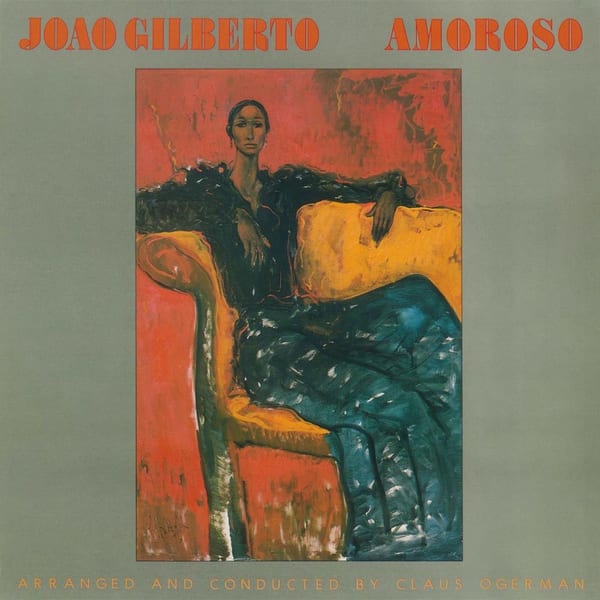
João Gilberto — Amoroso (1977)
Be the first to rate—Cut in New York and Hollywood over the winter of 1976 into 1977, produced by Tommy LiPuma, with Claus Ogerman writing the strings. Warner Bros. wanted a crossover and got one, though not quite the kind they had in mind.
Gilberto sings Estate and 'S Wonderful as though the orchestra behind him were an inconvenience he has decided to tolerate. Nearly twenty years after Chega de Saudade, the method has not shifted an inch. That is either stubbornness or a complete artistic system, and I have never been able to decide which.


Explore the sound
Artists in this guide
Read next
Neo-soul: the essential albums, from Brown Sugar to the Sault years
Thirty years of a genre almost nobody who made it wanted to be called that.
Freak folk: a canon for the New Weird America
The mid-2000s underground where American folk turned psychedelic and homemade again.
Comedown: eighteen albums for the morning after
The after-hours canon — downtempo, ambient and dub-soaked records for the long descent from a big night.
Chamber pop: a canon for strings, horns, and the well-dressed sad song
The orchestral wing of pop, from the baroque-pop pioneers of 1967 to the indie composers who picked the string section back up.
Got your own ranking? Build a list or tier of your own.