


Guides/A Riffiter guide
Best shoegaze albums: sixteen records that hid the song inside the noise
From My Bloody Valentine's Loveless to the American revival — the foundational shoegaze canon, ranked.
Shoegaze took shape in England between roughly 1988 and 1993: distorted, effects-drowned guitars, vocals mixed down into the haze, and bands who stared at their pedalboards on stage instead of the crowd. This ranked guide runs from My Bloody Valentine's Loveless (1991) and Slowdive's Souvlaki (1993) through the wider British golden age and out to the American cult records that kept the sound breathing.
The British press meant "shoegazing" as an insult. The bands barely moved on stage, heads down over rows of effects pedals, and a journalist decided that reticence was the whole story. The joke stuck, then outlived everyone who told it.
What the label actually described was a method: take a loud rock band, bury the melody under layers of distortion and reverb until the guitars stop sounding like guitars and start sounding like weather, and push the singing so far down that the words become another texture. Done badly it's mud. Done right it's some of the most physical music ever committed to tape.
This is the foundational canon — the late-'80s blueprint, the 1990–93 golden age when a dozen bands were chasing the same cloud, and the two 2000s American records that dragged the sound back from the dead. If you want the current wave instead, the scene rebuilding this sound right now lives in [The new shoegaze](/guides/the-new-shoegaze-a-canon-forming-in-real-time). Ranked, loosely, by how often I come back to them.
- 1
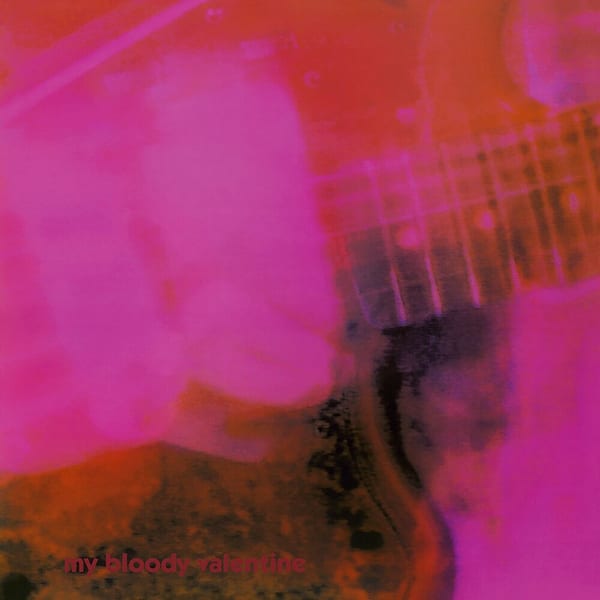
Loveless
★ 4.6 · 11—The one everything else is measured against. Kevin Shields spent roughly two years and a reported nineteen studios chasing his "glide guitar" — bending the tremolo arm mid-strum so the pitch swims like heat off tarmac — and the bill reportedly helped shove Creation Records toward ruin. Released in November 1991, it still doesn't sound like anyone else, because nobody else was unhinged enough to spend two years building it. Rate it 5 and you're in good company; it is the genre's founding text and its ceiling at once.
- 2
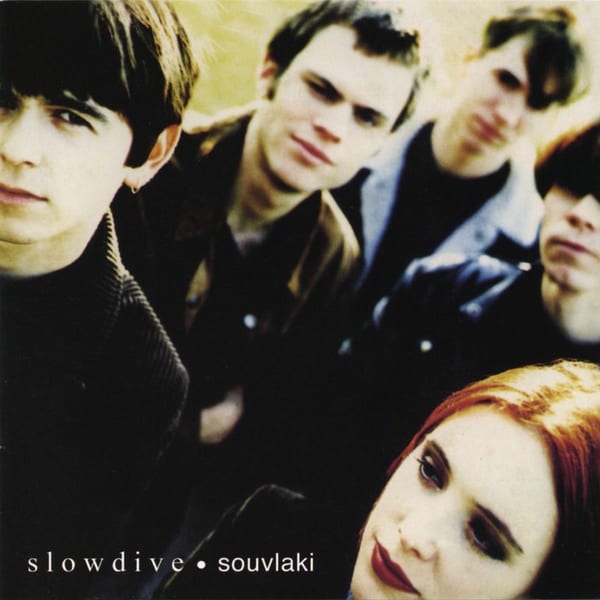
Souvlaki
Be the first to rate—The British weeklies buried it in 1993 — one Melody Maker line about preferring death to hearing it became infamous — and the reappraisal has been merciless ever since. Neil Halstead and Rachel Goswell traded the wall of noise for actual heartbreak, and Brian Eno turned up to co-write two tracks. "Alison" and "When the Sun Hits" are the sound of shoegaze admitting it was always pop underneath. Second only to Loveless, and closing the gap every year.
- 3
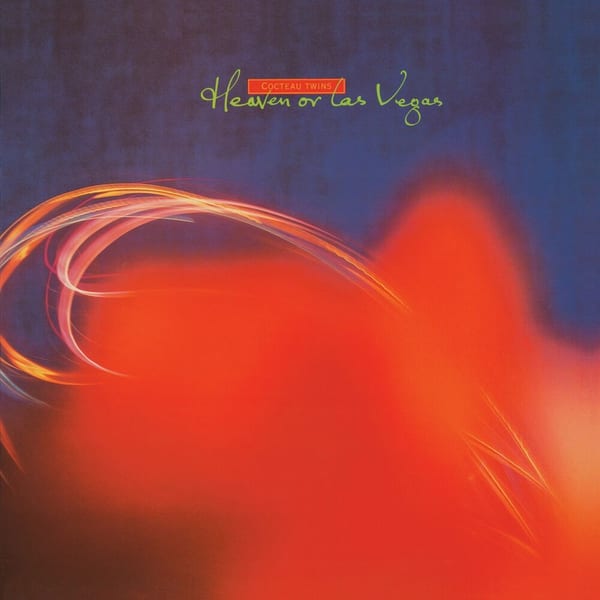
Heaven or Las Vegas
★ 4.5 · 7—Not strictly shoegaze — this is the parent species, dream pop — but no wall of noise gets built without Robin Guthrie's chorus-drenched guitars and Elizabeth Fraser's glossolalia leading the way. Released on 4AD in September 1990, made while the couple's relationship and Guthrie's addiction were collapsing, it's their warmest and most beloved record. Fraser sings words that mostly aren't words and it lands harder than most lyricists manage.
- 4
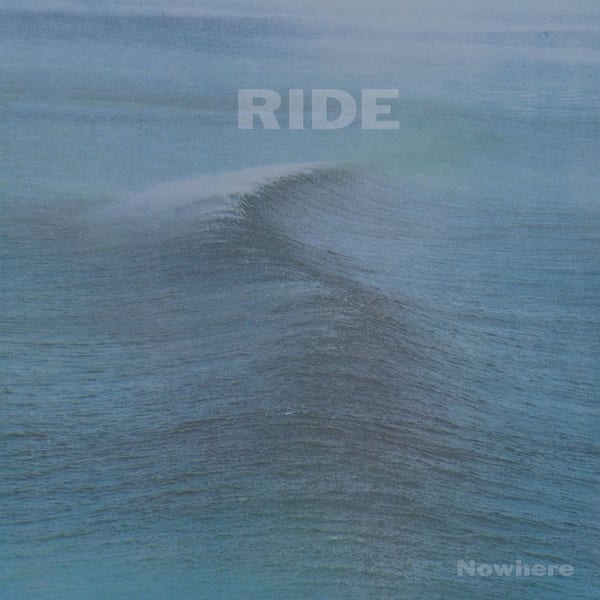
Nowhere
Be the first to rate—The Oxford four-piece's 1990 debut is the golden age in a single sleeve: that grey wave on the cover, guitars that crest and crash, Mark Gardener and Andy Bell harmonizing over the top. "Vapour Trail" and "Seagull" keep the songwriting legible where MBV dissolves it, which is exactly why Nowhere is the better on-ramp. Creation's other great shoegaze bet, and the one that aged into pure momentum.
- 5
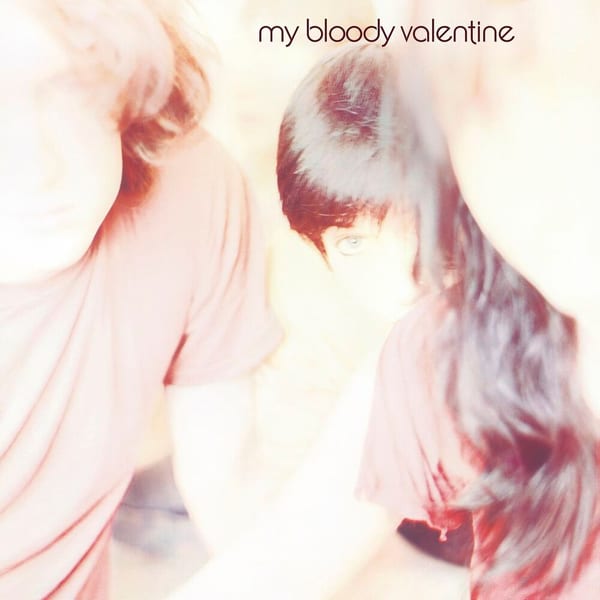
Isn't Anything
Be the first to rate—Before the myth, the blueprint. The 1988 debut proper is where Shields first melts the guitars in real time — looser and more violent than Loveless, closer to the Dinosaur Jr. noise it grew out of. It should have been the destination; Shields treated it as a rough sketch, then spent three years perfecting the idea. Play it right after Loveless and you can hear the whole language being invented.
- 6
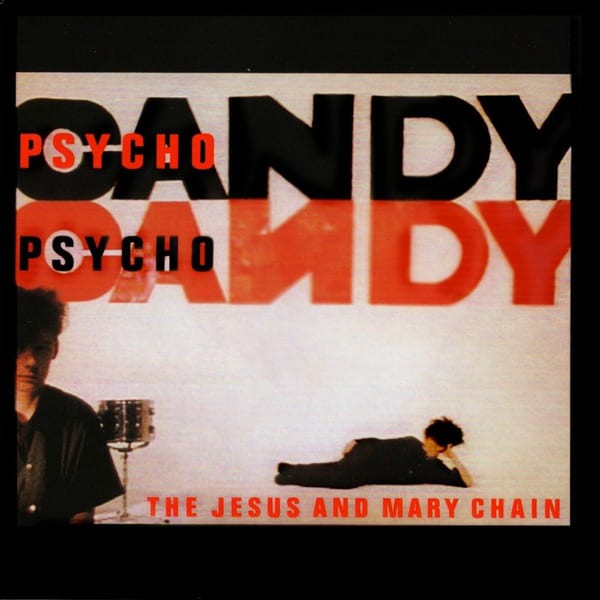
Psychocandy
Be the first to rate—The proto-record, and the reason any of this happened. On their 1985 debut the Reid brothers welded Beach Boys and girl-group melodies to a wall of feedback so harsh their early gigs ended in riots. Strip the squall and "Just Like Honey" is a perfect pop song; leave it on and you've got the founding gesture — sweetness half-drowned in noise — that every band below spent a decade refining.
- 7
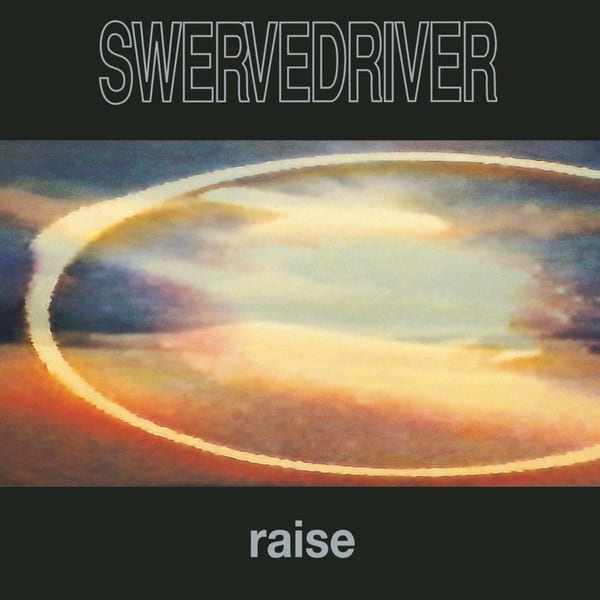
Raise
Be the first to rate—The heaviest name in the scene, and the one the shoegaze tag never quite fit. Swervedriver came out of Oxford in 1991 pointing their pedals at American highways instead of the sky — "Rave Down" and "Son of Mustang Ford" hit like Dinosaur Jr. driving a muscle car through Creation's front door. If the softer end of this list bores you, start here.
- 8
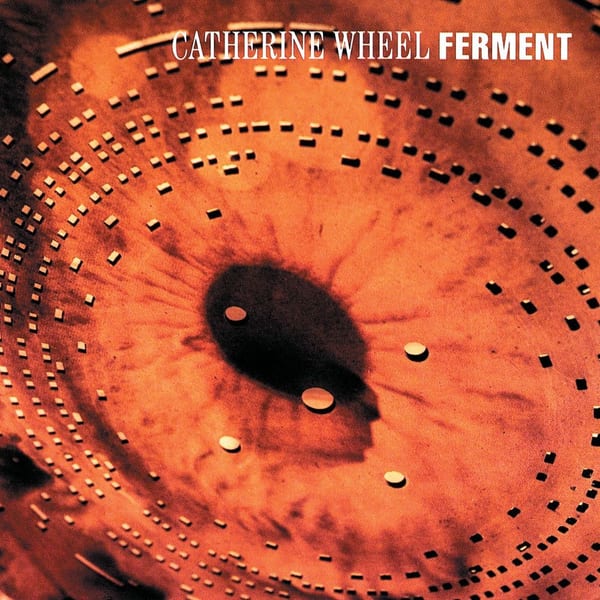
Ferment
Be the first to rate—Great Yarmouth's contribution, from February 1992, and one of the genre's most underrated debuts. Rob Dickinson wrote songs with actual choruses and let the guitars do the drowning — "Black Metallic" is a seven-minute slow burn that earns every second. Heavier and more anthemic than their peers, which is probably why the American college-rock crowd took to them first.
- 9
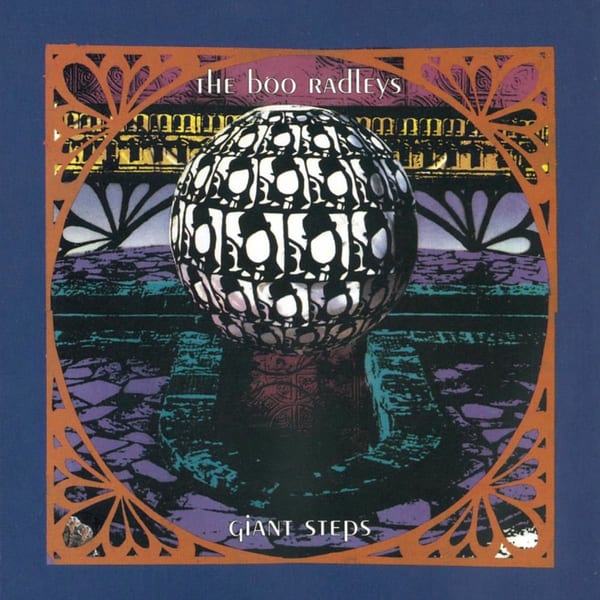
Giant Steps
Be the first to rate—Martin Carr treated shoegaze as a starting point and then blew straight past it. This 1993 sprawl folds in dub, brass, psychedelia and pop into a seventeen-track album that has no business holding together and somehow soars. Years before "Wake Up Boo!" made them briefly famous, this was the ambitious one — the record that proved the scene could think bigger than a single texture.
- 10
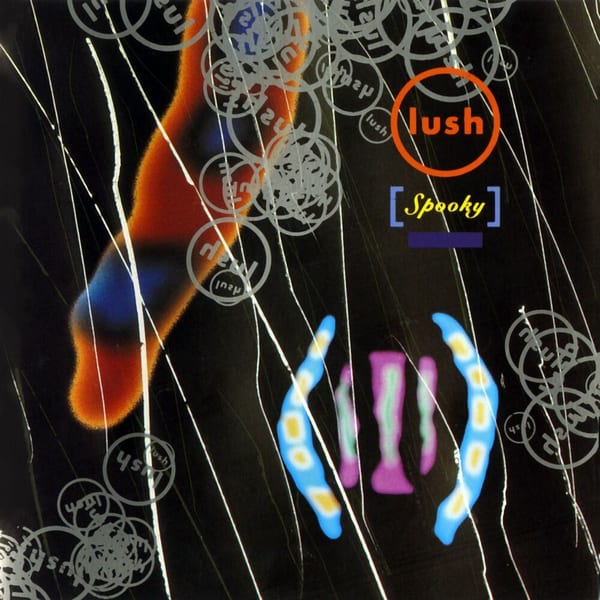
Spooky
Be the first to rate—Robin Guthrie produced it, and you can hear him reaching for the same shimmer he built for Cocteau Twins — some fans think he buried Lush's songs in it. Ignore them. Miki Berenyi and Emma Anderson's 1992 debut is gorgeous and strange, guitars turned to fog around two voices that refuse to disappear. "For Love" is the one that survives every reappraisal.
- 11
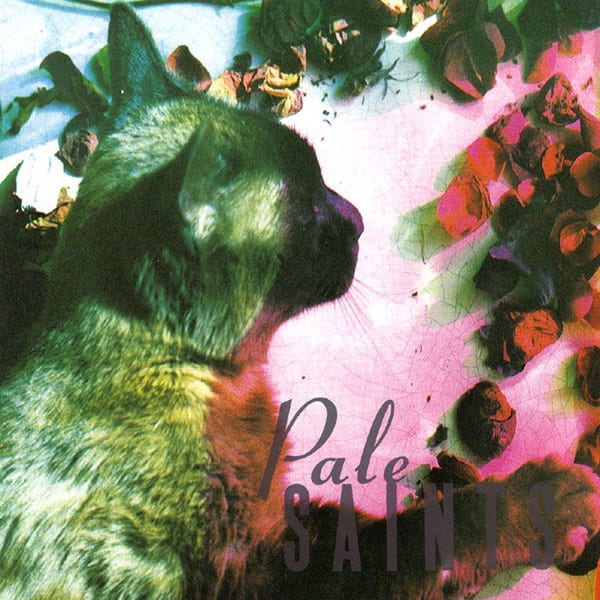
The Comforts of Madness
Be the first to rate—The most fragile record on this list, out on 4AD in February 1990. Ian Masters sang in a high, unnerved falsetto over guitars that lurch between lullaby and squall, and John Peel adored them. It never got the acclaim of its labelmates, which is the usual fate of the band that was a little too odd for its own scene. Worth the dig.
- 12
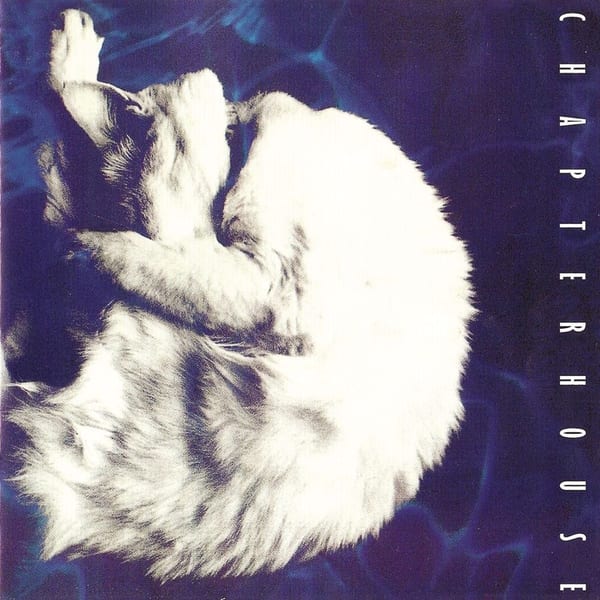
Whirlpool
Be the first to rate—Reading's entry, from 1991, and the one that leaned into groove where its peers leaned into drift. "Pearl" rides a baggy, Madchester-adjacent rhythm under the guitar haze — proof the scene could dance if it wanted to. The press turned on them fast and unfairly; Whirlpool has aged into one of the era's most quietly reliable records.
- 13
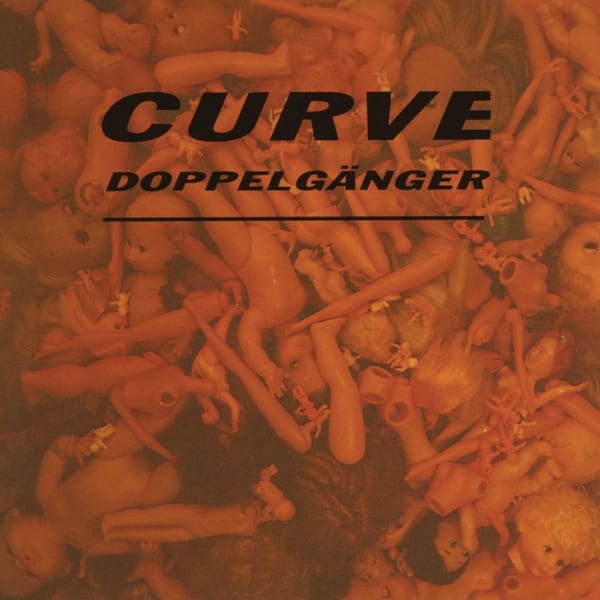
Doppelgänger
Be the first to rate—The dark, electronic cousin. Toni Halliday and Dean Garcia built their 1992 debut on programmed beats and industrial menace as much as guitar, which put them slightly outside the shoegaze club and made them sound years ahead of it. Halliday's voice is a blade where most of the scene chose blur. If you find the golden age too dreamy, Curve are the antidote.
- 14
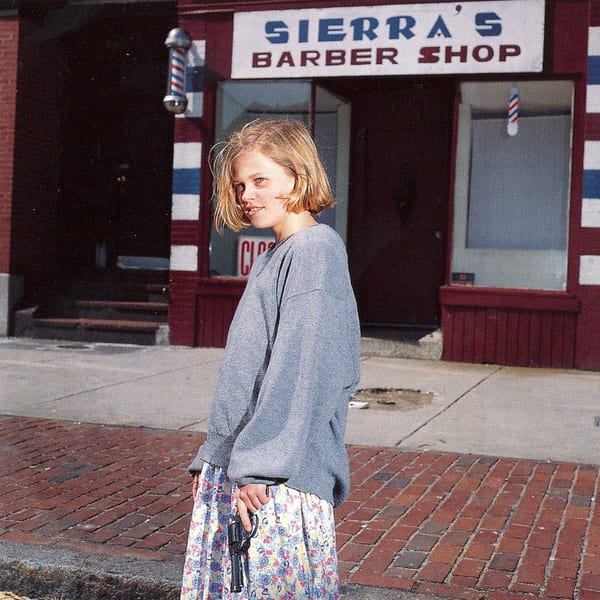
Delaware
Be the first to rate—Boston's answer, and one of the first American bands to run with the British template — enough that the UK press adopted them briefly as their own. This 1992 debut is scrappy and bright where the English records are polished, boy-girl vocals over guitars that fizz rather than crush. "Winona" is the cult single. They broke up almost immediately, then reunited three decades later to more love than they ever got the first time.
- 15
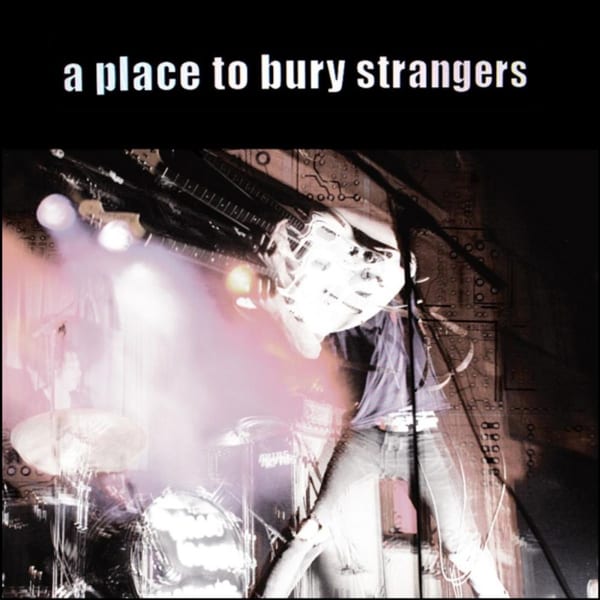
A Place to Bury Strangers
Be the first to rate—The revival's loud end. Oliver Ackermann builds effects pedals for a living (his Death By Audio boxes are on half the records made since), and this 2007 Brooklyn debut sounds like it — Jesus and Mary Chain violence pushed into the red until the songs nearly break. "The loudest band in New York" was a marketing line that happened to be true. Proof the noise never actually died; it just moved to Williamsburg.
- 16
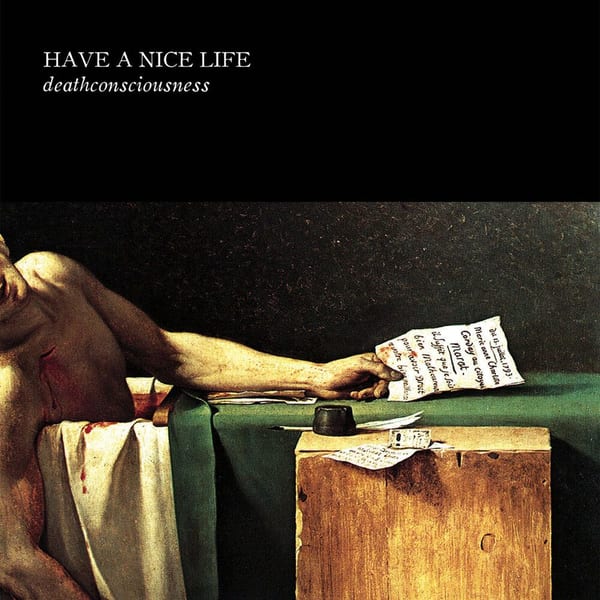
Deathconsciousness
Be the first to rate—The internet-era cult monster, and the record that pulled a new generation into all of the above. Dan Barrett and Tim Macuga made this 2008 double album in a Connecticut bedroom on almost no budget, welding shoegaze to post-punk, drone and genuine dread. It sold nothing on release and then spread by word of mouth across forums until it became one of the most worshipped underground records of its decade. The bridge from the pedalboard scene to whatever comes next.


Explore the sound
Artists in this guide
Lists with these albums
Read next
The best albums of 1996: the year the weird stuff got funded
Twenty-one records from the last moment major labels and basement labels were both paying for the deep end. Ranked.
Jazz fusion: the essential albums of the electric decade
From Bitches Brew to Bright Size Life: fifteen records from the years jazz plugged in.
Bossa nova beyond 'The Girl from Ipanema': the essential albums
Seventeen records, 1959 to 1977, for anyone whose bossa shelf is one Stan Getz album deep.
Neo-soul: the essential albums, from Brown Sugar to the Sault years
Thirty years of a genre almost nobody who made it wanted to be called that.
Got your own ranking? Build a list or tier of your own.