


Guides/A Riffiter guide
Tropicália: cannibal pop made under a dictatorship
Brazil's most fearless generation devoured rock, samba and the avant-garde while the generals watched. Sixteen records from the movement and the fallout.
Tropicália was the Brazilian movement that fed bossa nova and samba through electric rock, musique concrète and pop art in the late 1960s, as a military dictatorship tightened its hold. Caetano Veloso and Gilberto Gil were jailed and exiled for it; the records made by them, Gal Costa, Os Mutantes, Tom Zé and their fellow travellers between 1968 and 1976 remain some of the most adventurous pop ever cut. This guide runs from the 1968 manifesto album to the work made in London exile and the long aftermath.
In 1967 a handful of young Brazilians decided their country's music had grown too well-behaved. The protest singers wanted acoustic guitars and pure roots; Caetano Veloso and Gilberto Gil walked onto a televised song festival with electric guitars and got booed off for it. They named what they were doing after a Hélio Oiticica installation and built it on a 1920s idea from the modernist Oswald de Andrade: antropofagia, cultural cannibalism. Swallow the foreign thing, the Beatles and the fuzz pedal and the concrete poem, and digest it into something that could only be Brazilian.
The dictatorship that had seized power in 1964 was not amused. After the AI-5 decree of December 1968 closed off what was left of free expression, Caetano and Gil were arrested, held for months and pushed into exile in London. As a card-carrying scene the movement barely lasted two years. The records it left behind, and the ones its members made once it scattered, have hardened into something like scripture for crate-diggers. This is where to start.
- 1

Tropicália: ou Panis et Circensis (1968)
Be the first to rate—The closest thing the movement has to a founding document, recorded by the whole crew at once. Caetano Veloso, Gilberto Gil, Gal Costa, Os Mutantes, Tom Zé and the older bossa star Nara Leão all turn up, with Rogério Duprat arranging it like a pop-art answer to Sgt. Pepper's. Half the lyrics come from poets Torquato Neto and Capinan rather than the singers. Treat it less as an album than a mission statement you can dance to, then chase every name on the sleeve into their own records.
- 2
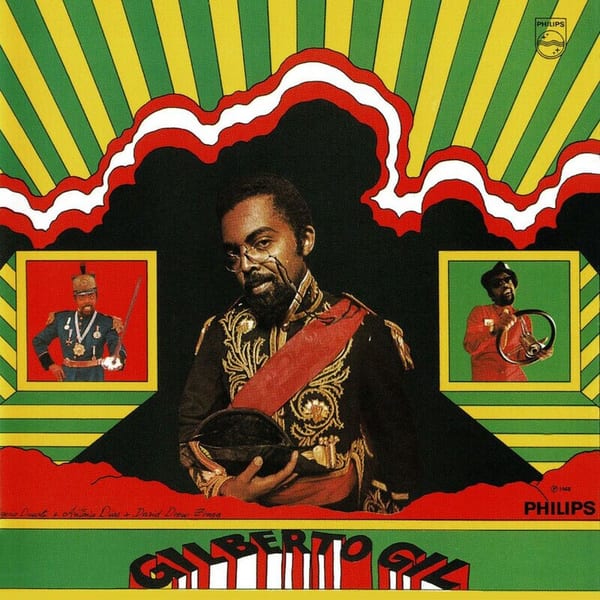
Gilberto Gil (1968)
Be the first to rate—Gil's debut opens with 'Domingo no Parque,' the song he took to the 1967 Record festival with Os Mutantes behind him, berimbau crashing into Duprat's orchestral stabs. The whole record swings between northeastern folk and studio futurism without treating either as a compromise. This is a man who grew up on accordion forró deciding the electric guitar belonged to him too.
- 3
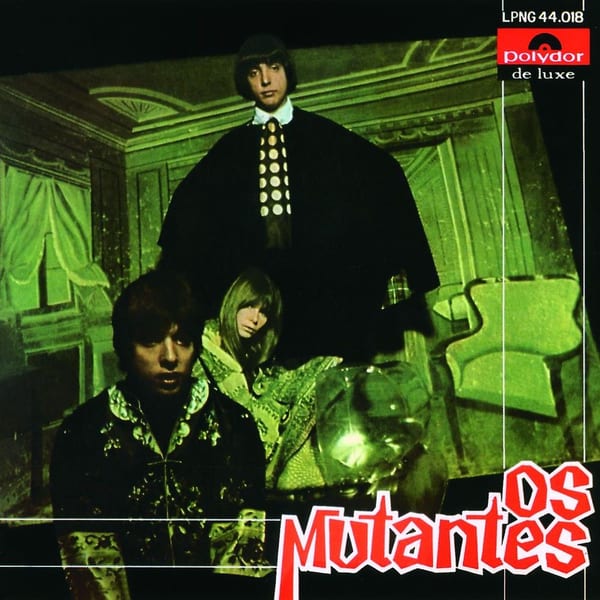
Os Mutantes
Be the first to rate—Three teenagers from São Paulo (Arnaldo Baptista, Sérgio Dias and Rita Lee) whose older brother built the homemade effects, all of it aimed straight at bossa nova. 'Bat Macumba' shrinks a chant into a word puzzle; 'Panis et Circenses' floats up and then winds down like a tape dying in the machine. They were the movement's mischief, the ones who treated the studio as the main instrument. Decades later both Kurt Cobain and Beck were openly begging them to reunite.
- 4
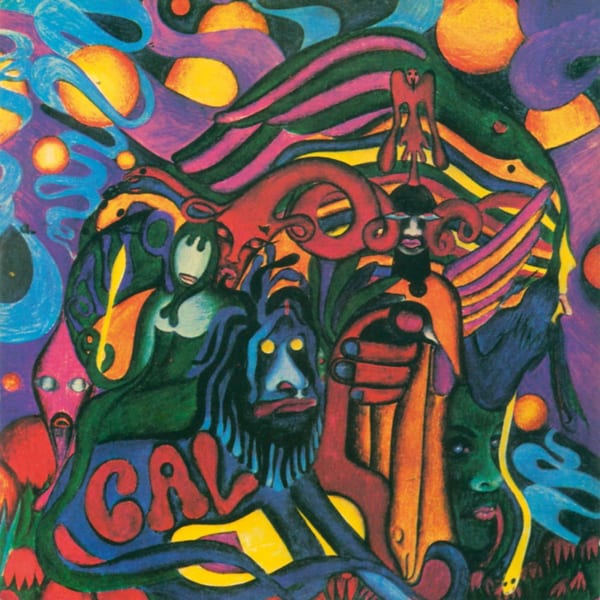
Gal Costa
Be the first to rate—Gal had the voice the movement kept writing for. Her solo debut hands 'Baby' its definitive reading, the lyric printed on a candy wrapper in the artwork, and opens with Caetano's 'Não Identificado.' Where the men handled the manifestos, she handled the seduction, and the songs are sharper for it. Within a few years she would push that same voice all the way into screaming.
- 5
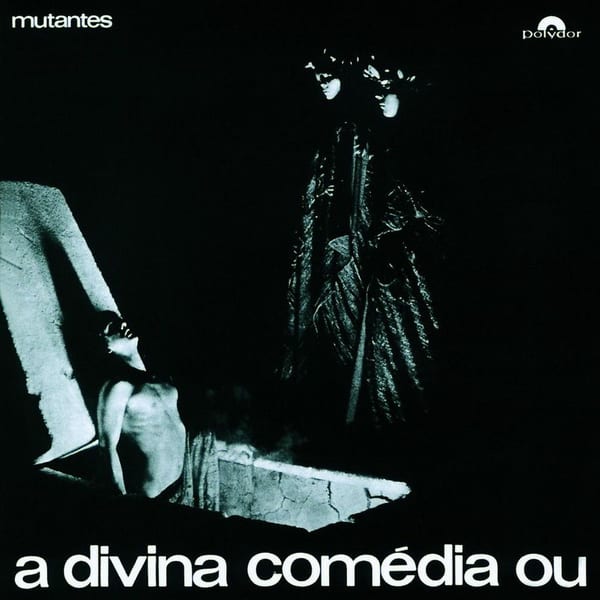
A divina comédia ou ando meio desligado
Be the first to rate—By 1970 the trio had drifted out of the headlines and into their own psychedelic deep end. The long jams and the warped humor point to a band following the studio wherever it led, with the festival crowds long gone. It asks more patience than the debut and pays it back. If the first album is the calling card, this is the one you keep coming back to.
- 6
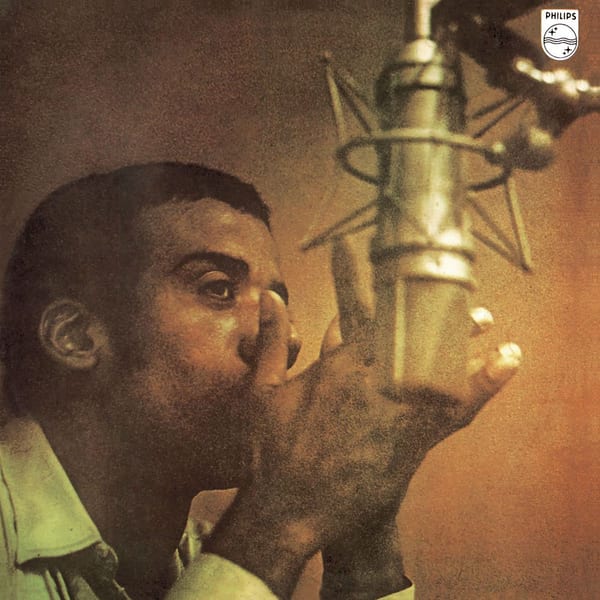
Força bruta
Be the first to rate—Ben never signed up to the movement, but he was chasing the same fusion through a different door. Cut overnight with the percussion group Trio Mocotó, Força Bruta is loose, warm samba-rock built on handclaps and one hypnotic groove per song. It sounds like a party at 4am that refuses to end. Few records in any language feel this good in the body.
- 7
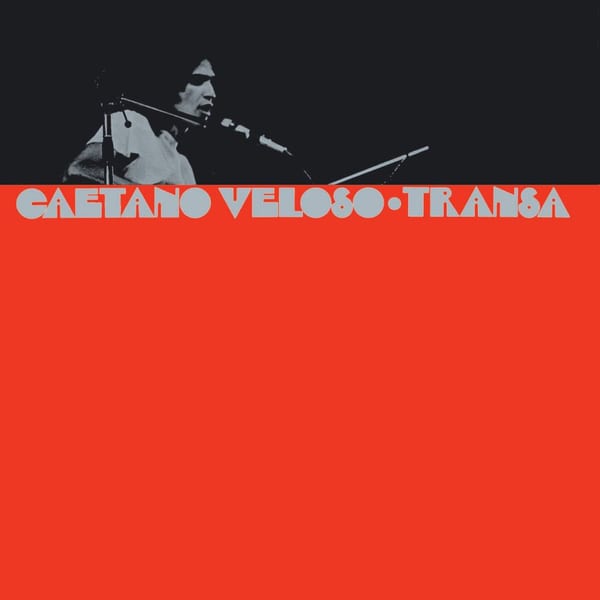
Transa
Be the first to rate—Homesickness pressed onto vinyl. Made during Caetano's London exile in 1972, Transa threads samba through folk-rock on long tracks like 'You Don't Know Me' and 'Triste Bahia,' switching between English and Portuguese mid-line. The band plays loose and the mood stays bruised. It is the warmest and the loneliest thing he ever recorded.
- 8
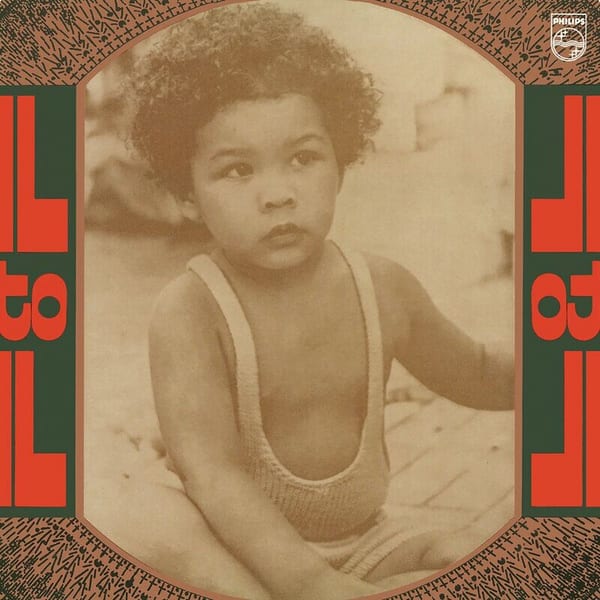
Expresso 2222
Be the first to rate—Gil came back from London in 1972 and made his most generous album. The title track dreams up a train running from 1976 to anywhere better than now, which under censorship counted as a position. 'Back in Bahia' tells the exile story without code. After all the experiments, this is Gil reminding the room he could just write hits when he felt like it.
- 9
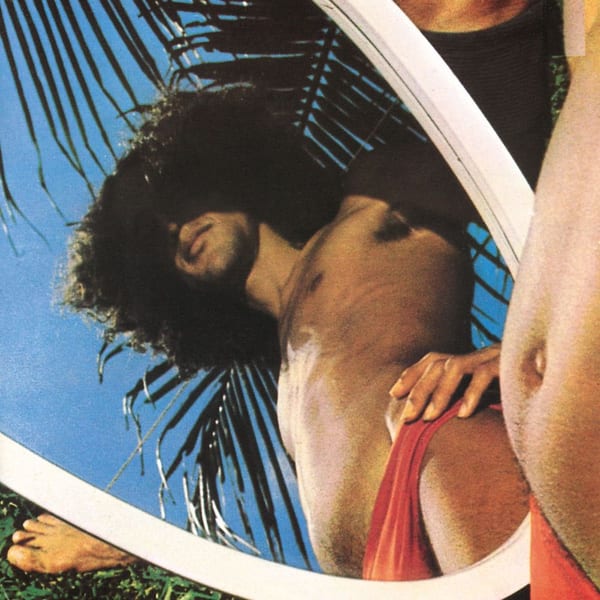
Araçá Azul
Be the first to rate—The famous flop. Recorded in a single week at the only 8-track studio in the country, Araçá Azul is Caetano gone fully avant: tape collage, concrete poetry, a cappella fragments, barely a thing you could call a song. It became the most-returned LP of its era, buyers carrying it back to the shop in disgust. It was also the bravest swing of his career, and time has treated it far better than 1972 did.
- 10
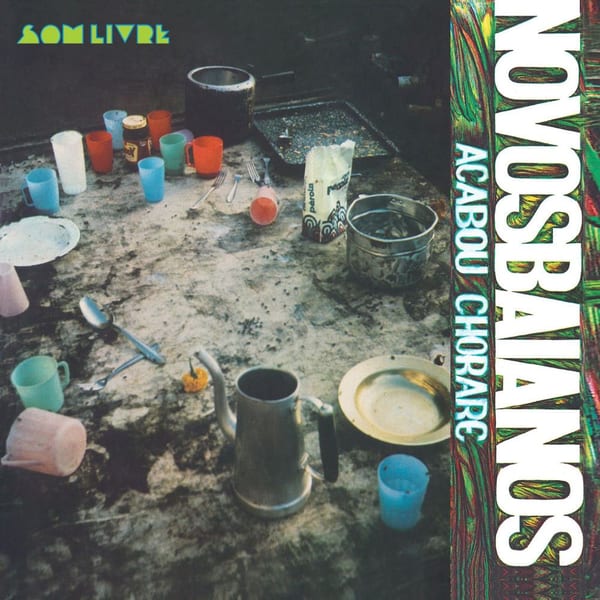
Acabou Chorare
Be the first to rate—A commune of Rio hippies who worshipped Hendrix until João Gilberto sat them down and taught them samba. The 1972 result fuses rock, choro and samba so easily you stop hearing the joins. Rolling Stone Brasil voted it the greatest Brazilian album ever made in 2007 and barely anyone objected. 'Brasil Pandeiro' on its own earns the ranking.
- 11
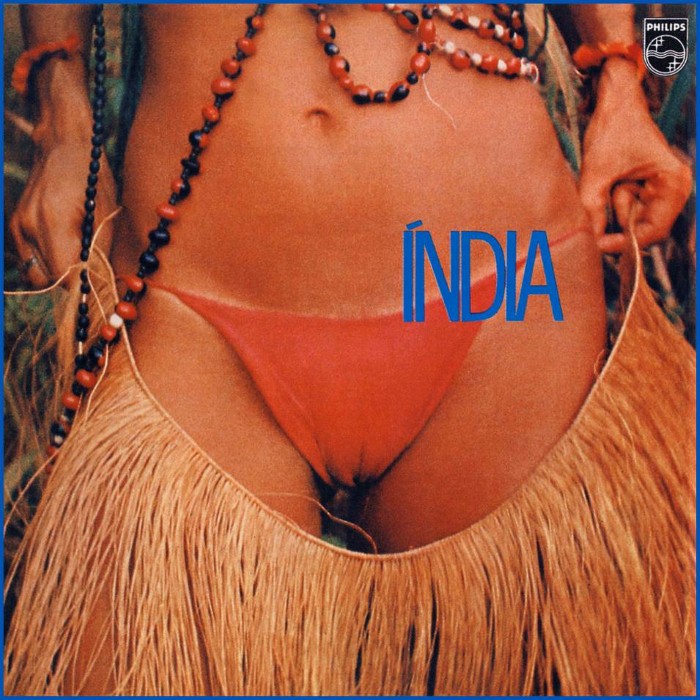
Índia
Be the first to rate—By 1973 Gal was the movement's loose cannon. Índia struck the regime as obscene, so the close-up of her in a bikini got the cover sold inside an opaque blue bag. The music is just as daring, from the slow burn of the title track to her ferocious 'Volta.' This is a singer with nothing left to prove and clearly enjoying it.
- 12
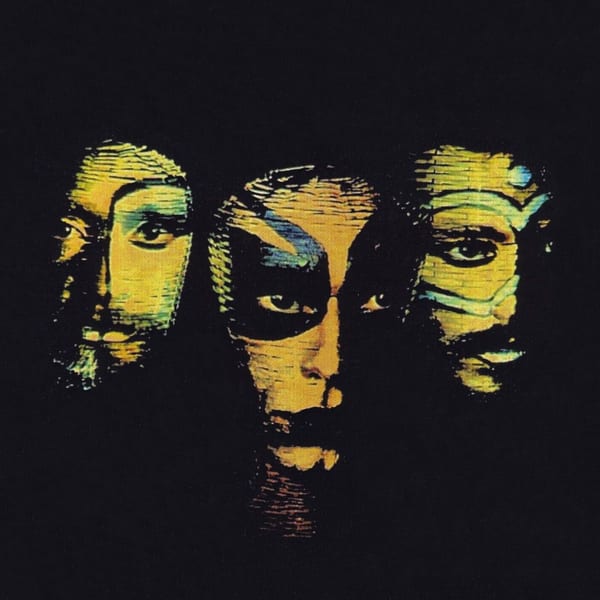
Secos & Molhados
Be the first to rate—Tropicália's theatrical grandchild. The 1973 debut wrapped surreal arrangements around Ney Matogrosso's countertenor and full face paint, glam rock run through Portuguese poetry. It outsold almost everyone, past a million copies, while the original tropicalistas were still rebuilding their careers. Camp as armor, three years before Bowie made the same idea safe at home.
- 13
Todos os Olhos
Be the first to rate—Zé was the movement's odd engineer, the one who treated a song like a machine to take apart. Todos os Olhos, from 1973, is full of cheap-sounding inventions and jokes smuggled past the censors, starting with a cover image that is filthier than it first looks. He was too strange to sell and nearly disappeared. The disappearing turned out to be a head start.
- 14
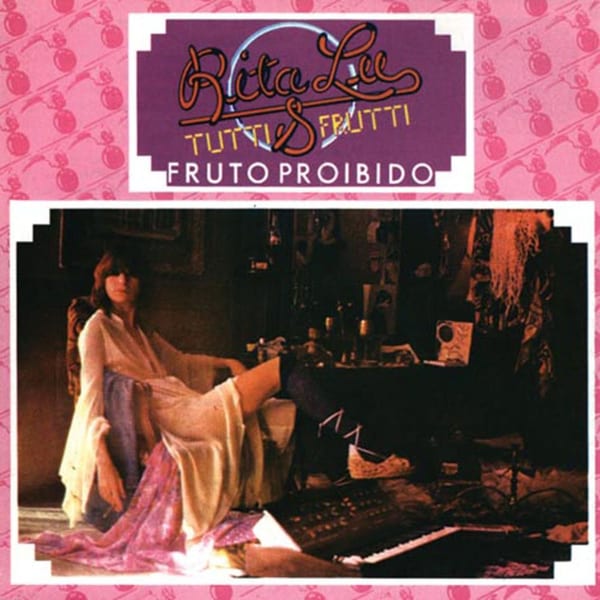
Fruto proibido
Be the first to rate—Pushed out of Os Mutantes, Rita Lee joined forces with the band Tutti Frutti and more or less drew up the blueprint for Brazilian rock. Fruto Proibido, from 1975, is leaner and harder than anything the Mutantes attempted, all hooks and nerve. 'Ovelha Negra' turned into a generational anthem. She would end up outselling every man on this list.
- 15
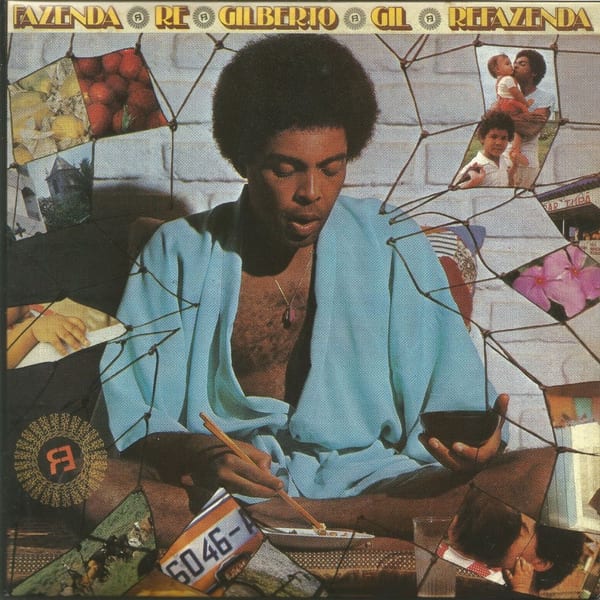
Refazenda
Be the first to rate—After the noise, the quiet. Refazenda, from 1975, opens Gil's 're-' trilogy with a turn toward acoustic roots, Bahian spirituality and easy grooves. It is the proof that the movement was never only about provocation. Tropicália swallowed the world; here is Gil digesting it slowly on a back porch.
- 16
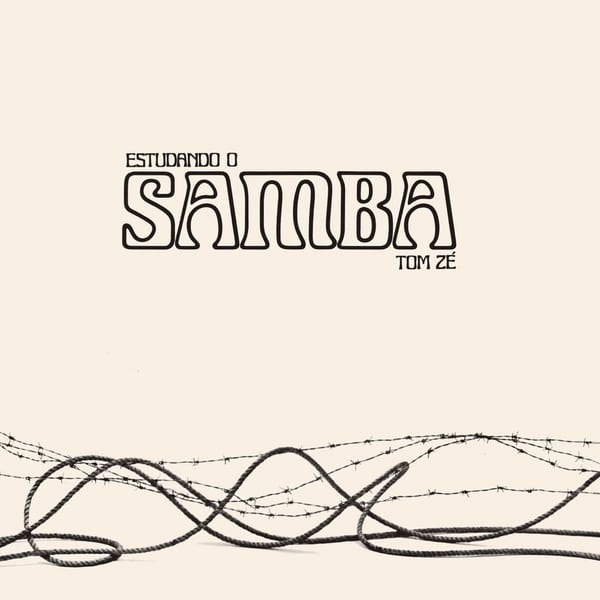
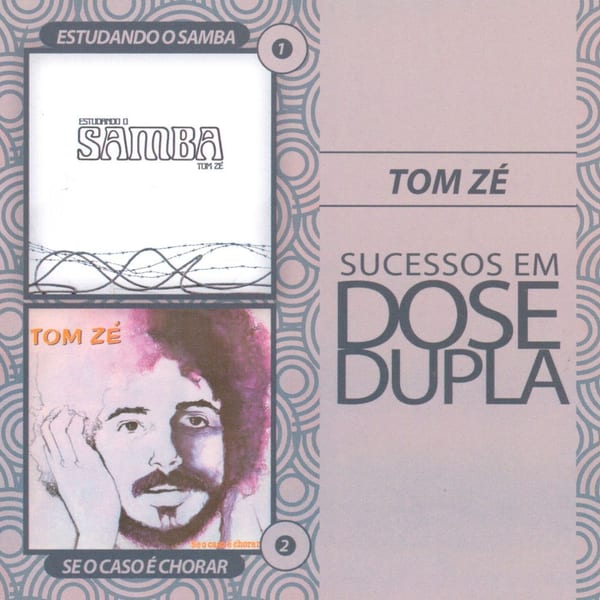
Estudando o samba
Be the first to rate—The record that brought him back. Estudando o Samba (1976) takes samba apart and rebuilds it into something jittery and modern, years before any sampler could do the same work. It sat forgotten until David Byrne found a copy and reissued it on Luaka Bop in 1990, restarting Zé's career when he was in his sixties. The plainest evidence that the movement's weirdest member was also its most forward-looking.


Explore the sound
Artists in this guide
Read next
Heavenly voices: the ethereal wave canon
Voice as weather, words as texture: the 4AD lineage and the American underground that carried it.
The aesthetics of failure: a guide to glitch and microsound
When the machines started making music out of their own errors: clicks, cuts, skips and dropout, from Oval's scratched CDs to the lowercase quiet of 12k.
Coldwave: a canon for the cold machine
From Adrian Borland's grey London to French provincial gloom to the synth-driven revival — the records that made detachment a sound.
Zeuhl: a canon for the celestial racket
Magma invented a genre, a mythology and a language nobody speaks. Here's how to actually listen to it.
Got your own ranking? Build a list or tier of your own.