Guides/A Riffiter guide
Coldwave: a canon for the cold machine
From Adrian Borland's grey London to French provincial gloom to the synth-driven revival — the records that made detachment a sound.
Coldwave is post-punk's chilliest dialect: drum machines, single-finger synth lines, reverbed guitar and flat, unhurried vocals. The form took shape in early-1980s Britain and France (The Sound, Section 25, Trisomie 21, Asylum Party) and was reborn after 2010 by acts like Lebanon Hanover, Drab Majesty and She Past Away. These 18 albums trace the whole arc.
Coldwave never had a hit. It barely had a press cycle. For decades it lived on traded cassettes, in Discogs want-lists and in the kind of Rate Your Music user reviews that run three paragraphs about a band that sold 400 copies. That obscurity is half the appeal, and it's also why the genre keeps getting rediscovered: every few years a new wave of listeners finds the same grey, mechanical, heartbroken records and acts like they've uncovered a secret.
The ingredients barely changed across forty years. A cheap drum machine kept time without breathing. A synth held one line instead of a melody. The guitar drowned in reverb, the bass did the actual singing, and the vocalist sounded like they'd given up on being heard. What did change was geography — London to Lille to Istanbul to Texas — and the way each generation read that detachment, first as despair, later as style. Here's the canon, kept in roughly the order it happened.
- 1
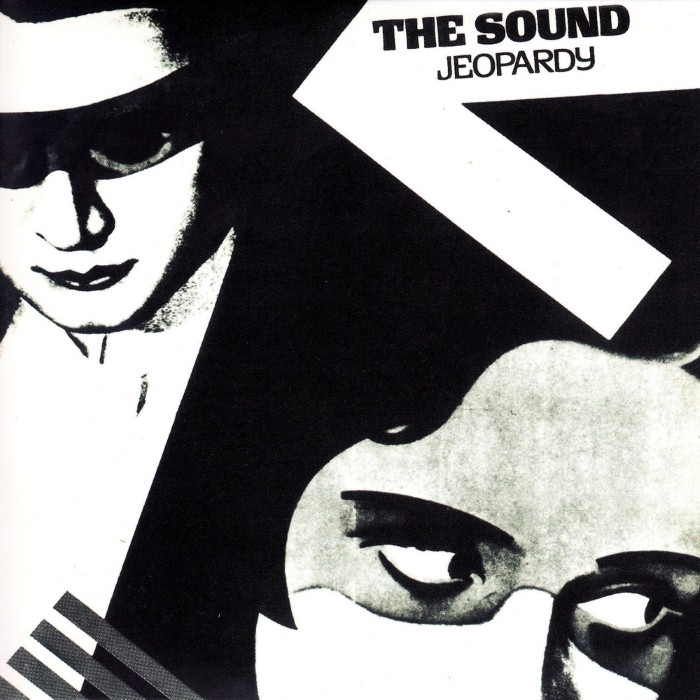
Jeopardy
Be the first to rate—The 1980 debut by Adrian Borland's band, cut for almost nothing and still one of post-punk's most quietly devastating records. Borland wrote about depression with a clarity that made the rest of the scene look coy, and the lean, anxious arrangements here gave coldwave its emotional template before anyone had the word for it.
- 2
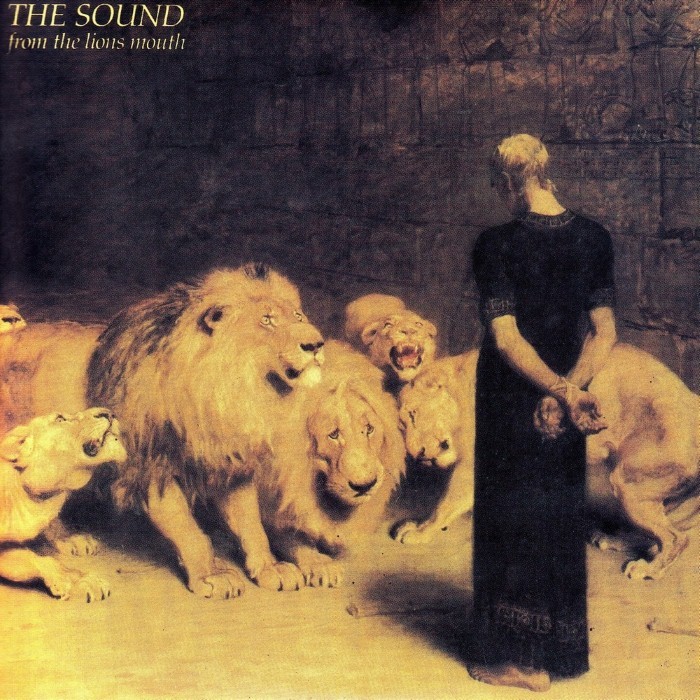
From the Lions Mouth
Be the first to rate—1981, and the band reached for grandeur without losing the chill — bigger choruses, organ swells, Borland's voice climbing toward something it never quite reaches. It should have made them stars. It didn't, and the gap between this album's quality and its reception is the central tragedy of Borland's career, which ended by suicide in 1999.
- 3
Always Now
Be the first to rate—Factory's coldest signing. Produced by Martin Hannett and Ian Curtis-adjacent in mood, the 1981 debut is bleak, bass-led and claustrophobic, packaged in a Peter Saville sleeve you had to unfold like a map. Where Joy Division had drama, Section 25 had pure grey pressure — the Factory sound stripped of its romance.
- 4
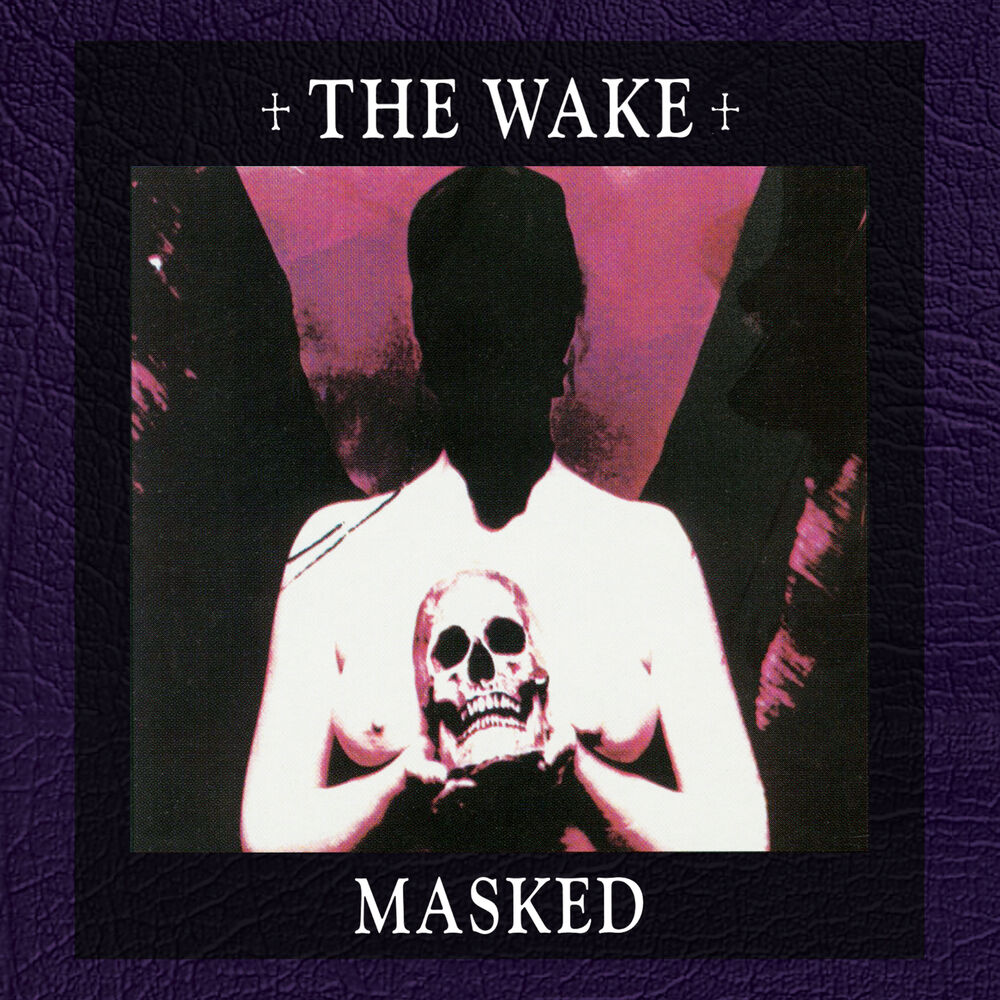
Masked
Be the first to rate—The Glasgow Factory band's later incarnation, but the DNA runs straight back to their 1982–83 peak: dry drum machines, Caesar's deadpan, melodies that hide behind the rhythm. The Wake were always too understated to break out, which is exactly why coldwave obsessives keep them close.
- 5
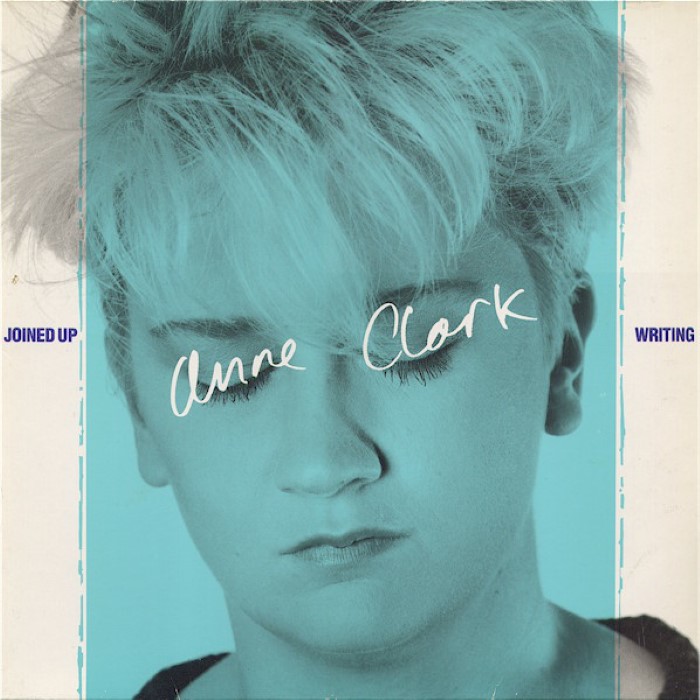
Joined Up Writing
Be the first to rate—Clark recited rather than sang, spoken-word dread laid over sequenced synths — 1984's “Our Darkness” is the closest the genre got to a club anthem. She turned poetry readings into electronic records and proved coldwave's flat affect could carry as much weight as any belted vocal.
- 6

Le Repos Des Enfants Heureux
Be the first to rate—The 1983 record that anchors the entire French coldwave myth. The Lille brothers Lomprez built it from tinny drum machines, icy guitar and a sense of provincial melancholy that feels specifically European. “The Last Song” became the scene's unofficial hymn; the album remains the place every coldwave deep-dive eventually arrives.
- 7
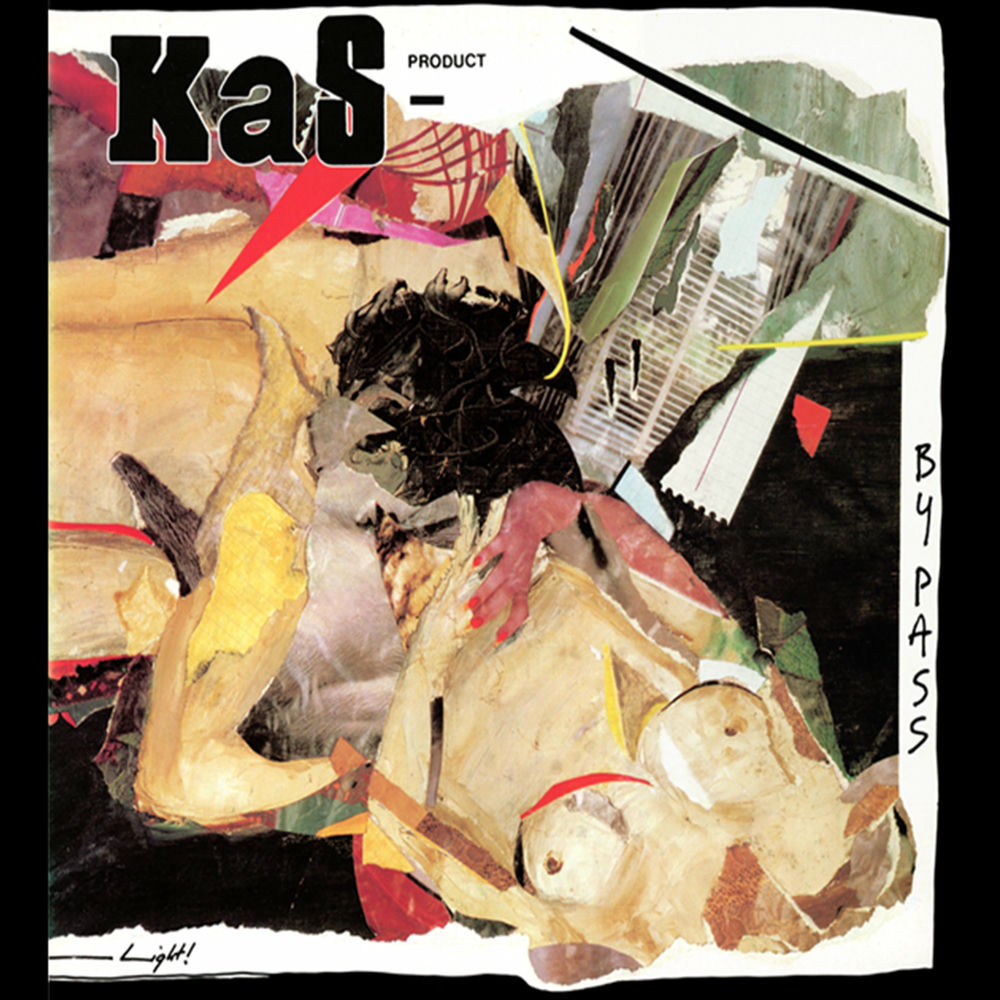
BY PASS
Be the first to rate—Mona Soyoc's scorched vocals over Spatsz's analog synths — French electropunk at its most abrasive. By 1983 they'd pushed coldwave somewhere colder and meaner than their peers, closer to Suicide than to The Cure. Spiky, sexual, slightly unhinged, and still wildly ahead of its moment.
- 8
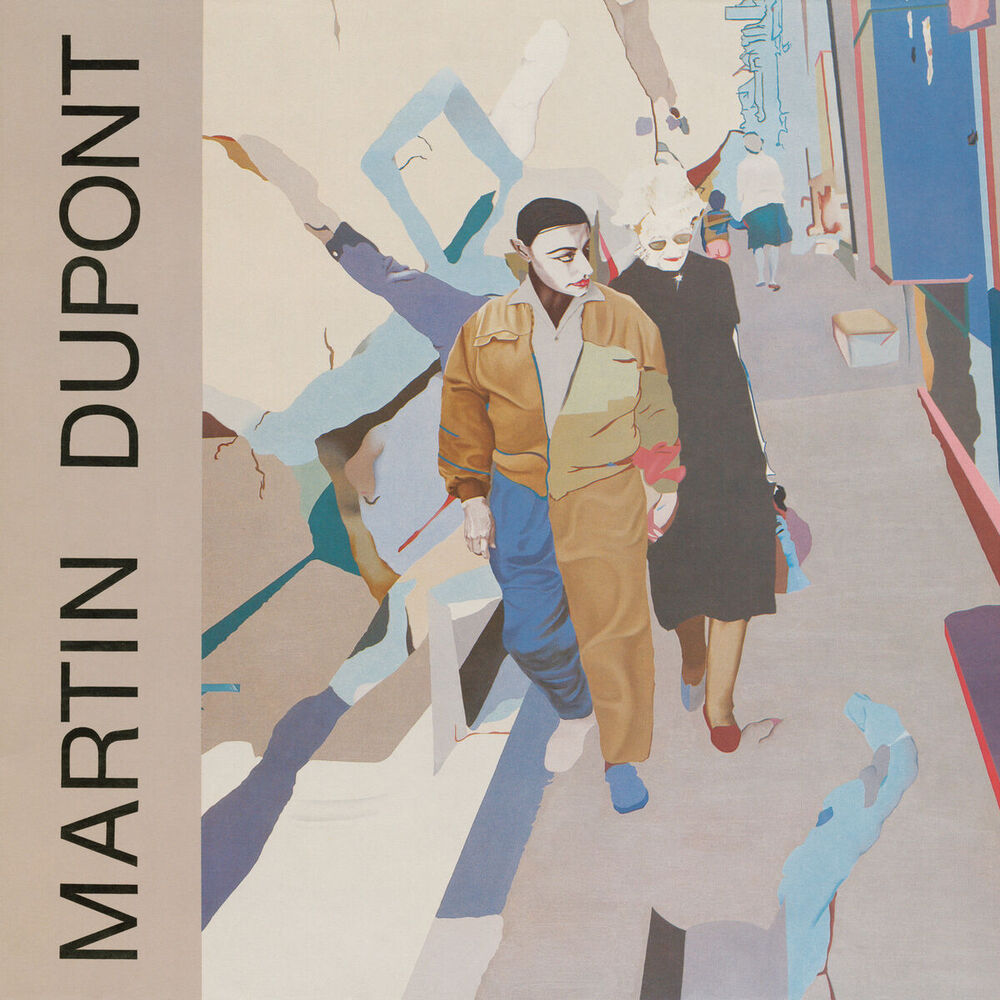
Just Because...
Be the first to rate—Marseille's great DIY secret. The 1984 debut is homemade synth-pop with the warmth turned down, all drum-machine shuffle and hesitant vocals, reissued decades later when minimal-wave diggers finally caught up. The kind of record that explains why people still pay €60 for an original pressing.
- 9

Picture One
Be the first to rate—Before the more famous Borderline, this 1988 set introduced the trio's blend of chiming guitar and electronic gloom. Asylum Party leaned more gothic than most French coldwave, but the detachment is intact — pretty, mournful, and built to soundtrack staring out of a train window in the rain.
- 10
Sounds in the Attic
Be the first to rate—Parisians who took early Sisters of Mercy as a starting point and made it greyer and more fragile. The 1989 debut sits at the hinge where French coldwave tipped into full goth; the guitars jangle, the drum machine never blinks, and the melancholy is total.
- 11

Medusa
Be the first to rate—Dutch, signed to 4AD, and built on the seam between coldwave and the darkwave that grew out of it. 1986's Medusa swaps guitars for swelling synths and dancefloor pulse, pointing the way toward the goth-club sound the revival generation would inherit wholesale.
- 12

Love Comes Close
Be the first to rate—Wesley Eisold, ex-hardcore, walking into the synth-pop tradition in 2009 like he'd always lived there. Love Comes Close is the record that told a new American audience this music existed — gleaming, romantic, indebted to New Order and Anne Clark in equal measure, and the spark for everything that followed.
- 13

Tomb For Two
Be the first to rate—Larissa Iceglass and William Maybelline, trading vocals in deadpan English over the most minimal drum-machine-and-bass setups imaginable. 2013's Tomb For Two is revival coldwave at its purest: cheap, bleak, funny in a way the originals rarely were, and the album that made the modern scene feel like a scene.
- 14
Belirdi Gece
Be the first to rate—Turkish darkwave that sings in Turkish and sounds like it was beamed from 1983. The 2012 debut pairs Volkan Caner's cavernous baritone with stiff drum machines and a guitar tone lifted straight from early Cure. Proof the coldwave template travels — and gets stranger and better when it does.
- 15
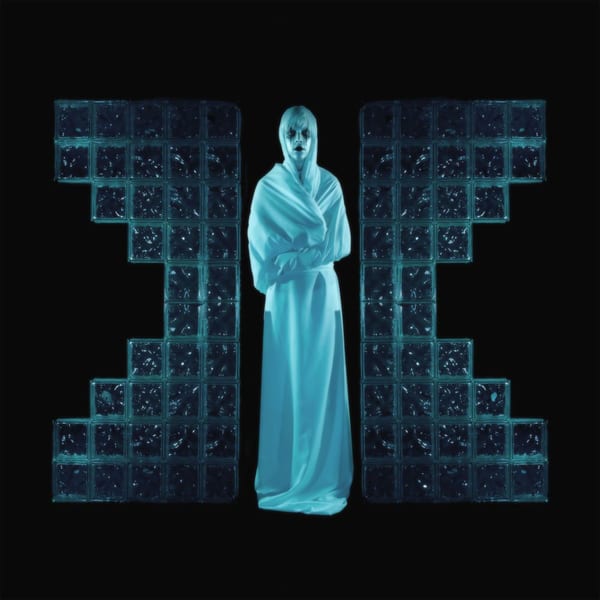
The Demonstration
Be the first to rate—Deb Demure's androgynous alien act could read as gimmick if the songs weren't this good. 2017's The Demonstration is widescreen, chorus-drenched coldwave that sounds enormous while staying emotionally frozen — the revival record that pulled the genre out of the basement and onto bigger stages.
- 16

Yr Body Is Nothing
Be the first to rate—Jae Matthews and Augustus Muller drag coldwave toward the techno floor — pounding, sweaty, and far more physical than the genre usually allows. The 2016 debut keeps the flat vocals and analog menace but builds them for movement, the missing link between minimal wave and the dark dancefloor.
- 17

Ceremony
Be the first to rate—Texas-Mexican darkwave with a clean, modern sheen and an old soul. 2019's Ceremony is meticulous — every reverb tail placed, every synth line patient — and it became a gateway record for a younger, online generation discovering the whole lineage backward from here.
- 18

Choke
Be the first to rate—Portland's Tobias Grave singing through addiction and recovery over guitars that owe everything to The Sound and The Cure. 2016's Choke is coldwave with the wound left open — less posed than much of the revival, which is exactly why it lands. The genre's flat affect cracking just enough to bleed.


Explore the sound
Artists in this guide
Read next
Zeuhl: a canon for the celestial racket
Magma invented a genre, a mythology and a language nobody speaks. Here's how to actually listen to it.
Albums about grief: the records you reach for when someone dies
Mourning, set to music. Sixteen albums that don't fix the loss. They sit with you in it.
Dark jazz: the canon for 4 a.m.
Slow tempos, muted brass, and a sense that something bad already happened. The records that built doom jazz.
Midwest emo: the long genealogy, 1993 to the twinkle revival
Three decades of clean-tone guitars, open tunings, and voices that crack on purpose — first wave to the kids who rebuilt it.
Got your own ranking? Build a list or tier of your own.