


Guides/A Riffiter guide
Heavenly voices: the ethereal wave canon
Voice as weather, words as texture: the 4AD lineage and the American underground that carried it.
Ethereal wave grew out of 4AD's early-1980s roster, where reverb-drenched guitar and wordless soprano vocals mattered more than lyrics. Cocteau Twins, This Mortal Coil and Dead Can Dance fixed the template; by the 1990s the sound had crossed to the American label Projekt and acts like Lycia and Love Spirals Downwards. This guide tracks 17 albums, 1983 to 2005.
Most genres are named for a rhythm or a city. Ethereal wave is named for a feeling: the sense that a voice has stopped delivering information and started behaving like weather. Elizabeth Fraser sang in something close to glossolalia, and the rest of the form took the hint. Soprano lines you can't transcribe. Guitars run through enough delay to turn into fog. Drum machines kept low and patient underneath.
The origin is specific. 4AD in London, the start of the 1980s, where Ivo Watts-Russell's roster and his own studio project This Mortal Coil set the template. The American chapter is just as real. By the early '90s the scene had migrated to Sam Rosenthal's Projekt label in the States, where Lycia, Love Spirals Downwards and a dozen quieter acts kept the lights on through a decade that mostly wanted distortion instead.
The albums below run from the 4AD source to that American afterlife. A few of them sat at a few hundred listeners for years. They reward the people who go looking.
- 1
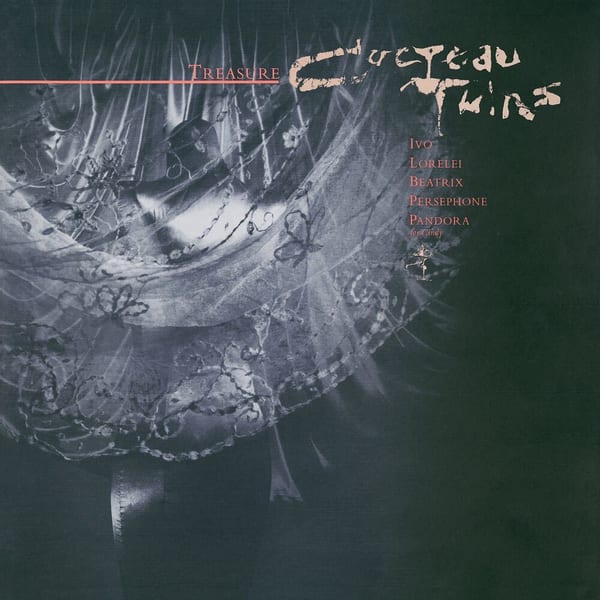
Treasure
Be the first to rate—The record that fixes the whole vocabulary. By 1984 Robin Guthrie's guitar had become pure halo and Elizabeth Fraser had abandoned plain English for a private language. Track titles like "Lorelei" and "Pandora" are the closest thing to a lyric sheet you'll get. Everything ethereal wave does later, it does because Treasure did it first.
- 2
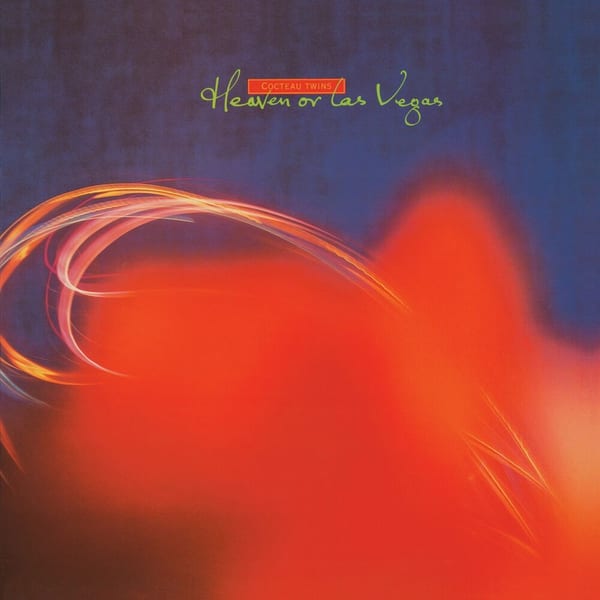
Heaven or Las Vegas
★ 4.5 · 7—Their 1990 peak, and the one to start with if you start anywhere. The fog lifts just enough that you can almost make out words, and Fraser, pregnant and then a new mother across the sessions, sings with a warmth the earlier records held back. 4AD's biggest seller, and still the genre's most beloved single album on RYM.
- 3
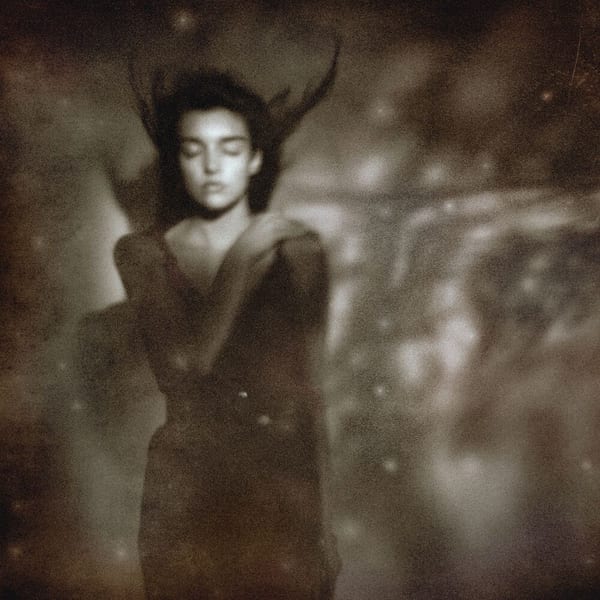
It'll End in Tears
Be the first to rate—Not a band so much as Ivo Watts-Russell directing the 4AD house as a repertory company. The 1984 debut turned cover versions into something funereal and weightless: Tim Buckley's "Song to the Siren," sung by Fraser over Guthrie's guitar, is the moment most people remember. This is where the studio itself becomes the lead instrument.
- 4

Filigree & Shadow
Be the first to rate—The 1986 double album, longer and stranger than its predecessor, drifting between vocal set-pieces and instrumental tone poems. Less consistent than the debut, more ambitious. This is where This Mortal Coil stops being a covers project and starts sounding like a séance. Go here once the debut has its hooks in you.
- 5
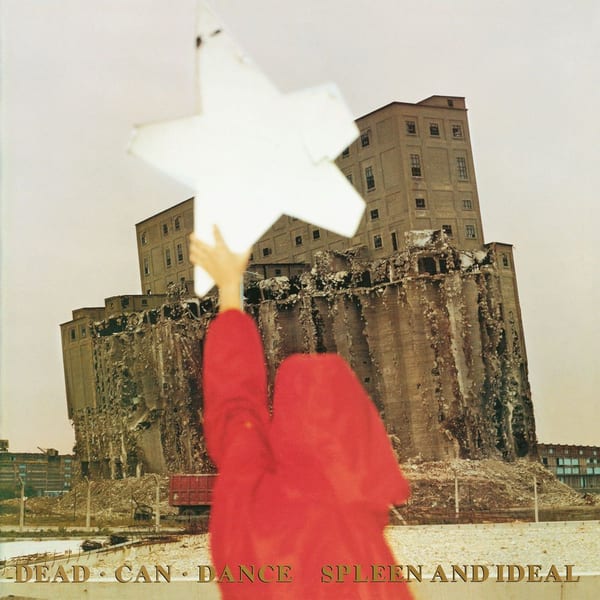
Spleen and Ideal
Be the first to rate—Their 1985 turn away from post-punk and toward the cathedral. Lisa Gerrard's contralto, and her invented language-less vocal lines, meets cello and timpani and a sense of medieval grandeur. RYM tends to file it under neoclassical darkwave, but this is the record where ethereal wave grows a spine.
- 6
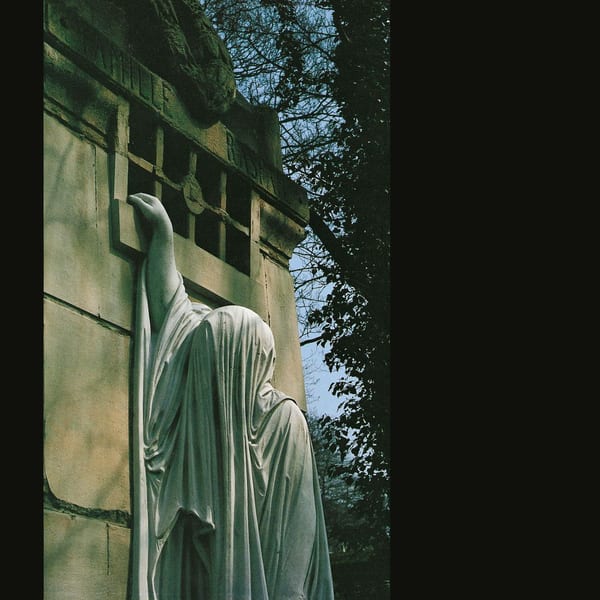
Within the Realm of a Dying Sun
Be the first to rate—1987, and the most severe thing in the catalog. Brendan Perry's gothic baritone holds one side of the album, Gerrard's wordless flights the other, an orchestra strung between them. It moves like a funeral procession and never once apologizes for being this solemn. The high-water mark for the lineage's grand-scale ambition.
- 7

Extractions
Be the first to rate—The forgotten 4AD instrumentalists, mostly wordless by design, dub-inflected, all texture and atmosphere. This 1985 LP is what the label's signature sound looks like with the voice taken out entirely, which makes it the clearest X-ray of the form anywhere. Robin Guthrie produced; the Cocteaus were clearly paying attention.
- 8
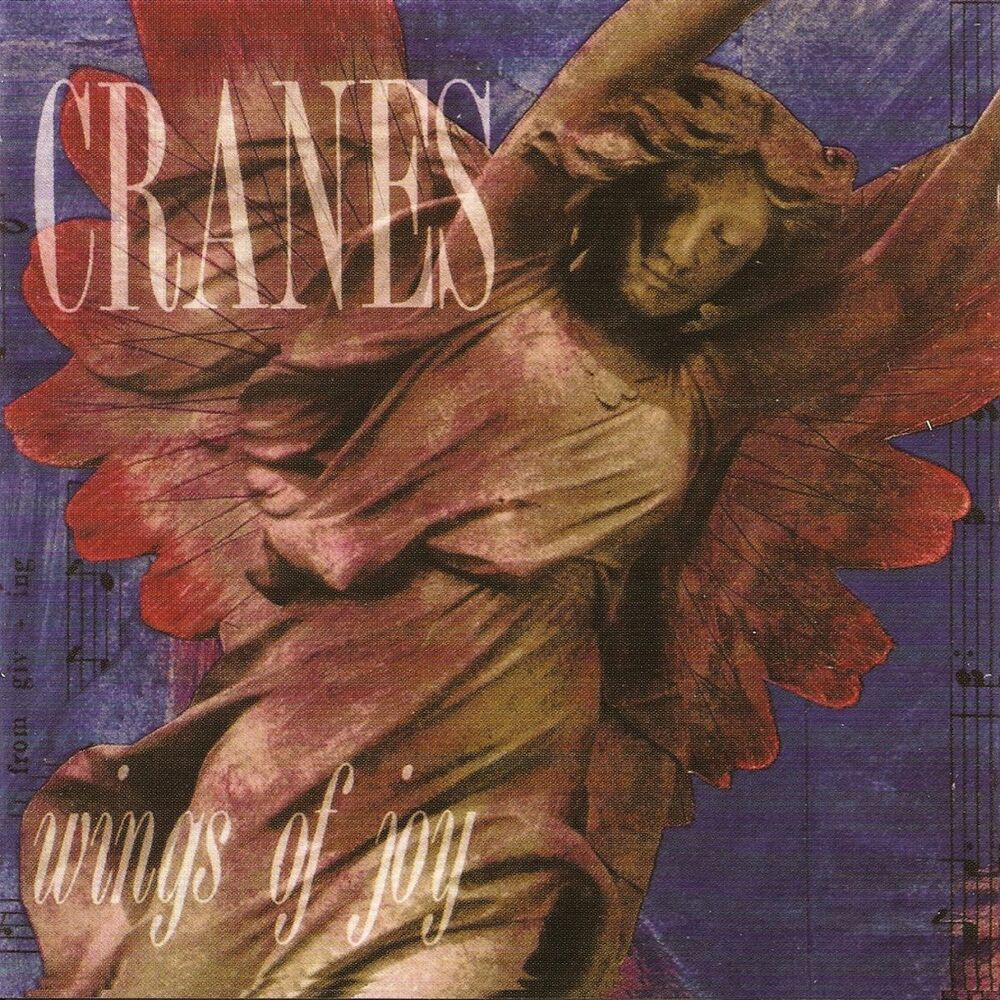
Wings of Joy
Be the first to rate—Alison Shaw's child-like, helium soprano is the most divisive voice in this whole guide. You surrender to it or you bounce off it hard, no middle ground. The 1991 debut wraps that voice in slow, heavy, almost doom-paced arrangements. Proof the ethereal could be unsettling instead of pretty.
- 9

Livonia
Be the first to rate—4AD's first American signing, recorded in a Michigan bedroom and assembled by Ivo from Warren Defever's home tapes. The 1990 debut is fragmentary and dreamlike, Karin Oliver's vocals floating in and out of focus. The hinge record: where the British house style crosses the Atlantic and starts to mutate into something looser.
- 10
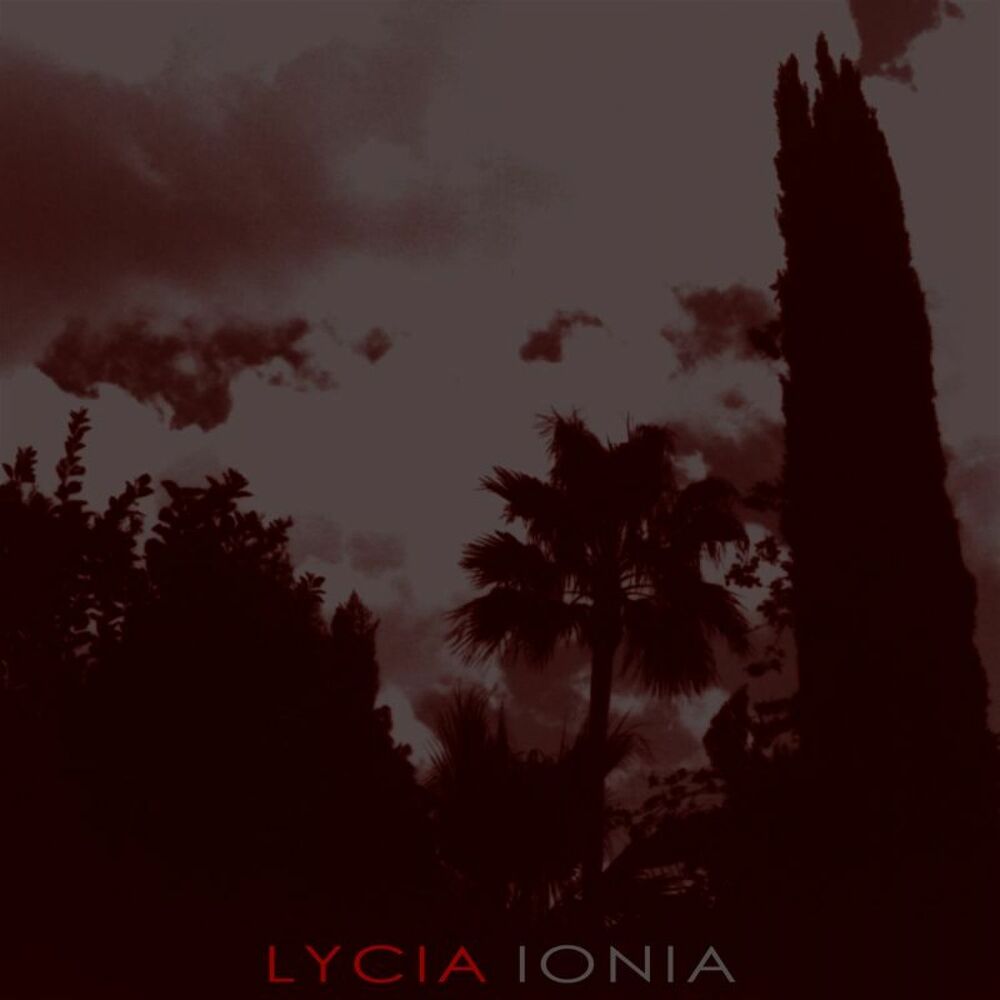
Ionia
Be the first to rate—The American underground's answer, formed in Arizona in 1988. Mike VanPortfleet's 1991 album runs colder and more glacial than anything on 4AD, drum machines like distant traffic, guitars like wind across an empty parking lot. Ethereal wave rebuilt from the desert up, with all the warmth scraped off.
- 11
Cold
Be the first to rate—The title is the thesis. This 1996 double album is Lycia at their most desolate: ninety minutes of frozen, slow-burning atmosphere, with Tara VanFlower's vocals added as a second ghost in the mix. The genre's great winter record, and the one Projekt-era fans defend hardest.
- 12

Idylls
Be the first to rate—Projekt's flagship act, and the prettiest thing on the label. Suzanne Perry's wordless vocals sit over Ryan Lum's chiming guitar, and the 1992 debut is almost aggressively gorgeous: a direct American descendant of the Cocteaus with none of the menace. This is where ethereal wave becomes purely a balm.
- 13

Ardor
Be the first to rate—The 1994 follow-up, warmer and more assured, with Perry's voice mixed forward as the lead instrument it always wanted to be. The band drifted toward downtempo and trip-hop on later records, but Ardor is the form held at its most concentrated. The Projekt sound at full bloom.
- 14

Light and Shade
Be the first to rate—Another Projekt cornerstone. Dru Allen's operatic soprano over goth-leaning, processional arrangements; the 1991 album leans closer to the darkwave side of the family. The voice-as-instrument logic is identical to the rest of this list, though. Underrated even within a scene that's underrated by default.
- 15

fortune his sleep
Be the first to rate—Seattle's contribution, and a quieter one. Dara Rosenwasser's voice is breathier and more human-scaled than the genre's usual sopranos, and the 1995 album trades grandeur for intimacy. That makes it the rare ethereal wave record that feels like it's being sung to one person in a small room. A genuine sleeper.
- 16

Eating the Sea
Be the first to rate—Michael Plaster's one-man project for Projekt, and the saddest entry here by some distance: bare arrangements, a low male voice, a fog that never burns off. The 1994 debut takes the ethereal palette and points it inward at depression. Not pretty so much as quietly wrecked.
- 17
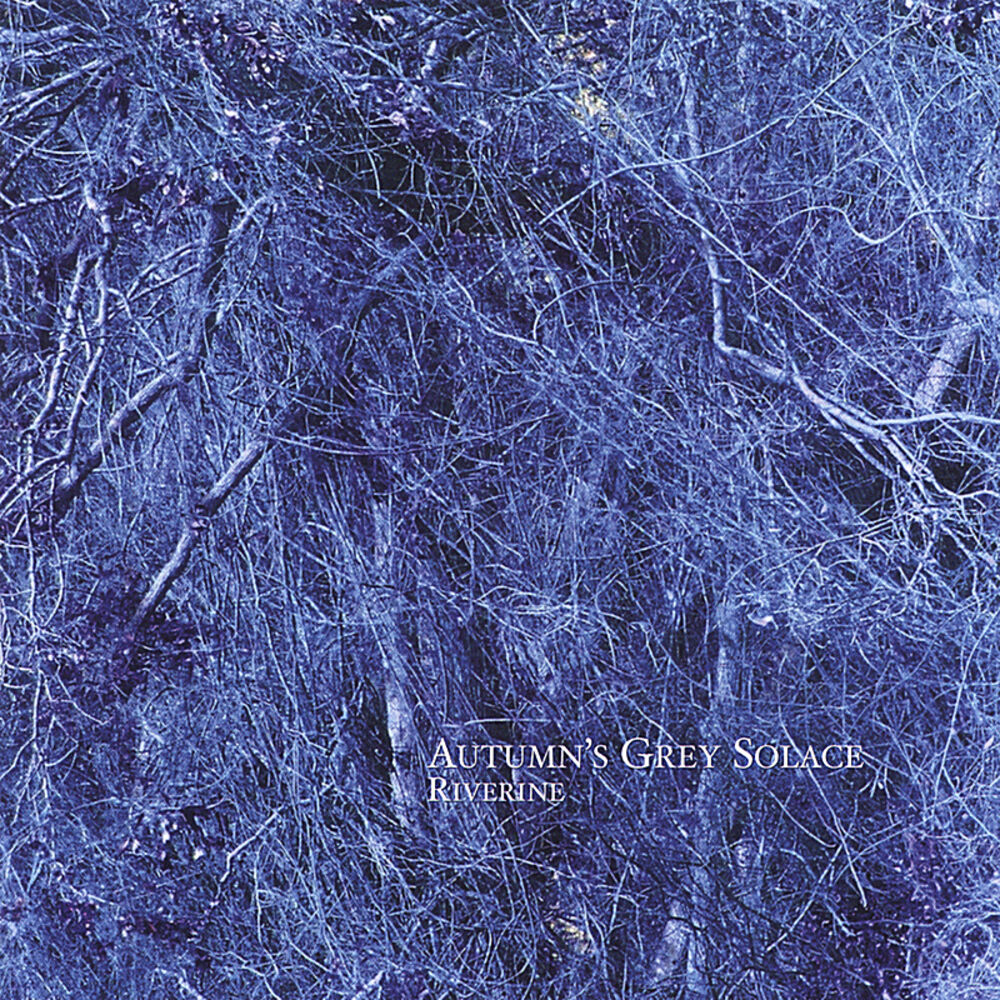
Riverine
Be the first to rate—The latecomer who proved the form still had life in 2005. Erin Welton's soprano over Scott Ferrell's layered guitar, explicitly a Cocteau Twins descendant and unembarrassed about it. Long after most of the originals had moved on, Autumn's Grey Solace kept quietly perfecting the recipe, one album after another.

Explore the sound
Artists in this guide
Lists with these albums
Read next
The aesthetics of failure: a guide to glitch and microsound
When the machines started making music out of their own errors: clicks, cuts, skips and dropout, from Oval's scratched CDs to the lowercase quiet of 12k.
Coldwave: a canon for the cold machine
From Adrian Borland's grey London to French provincial gloom to the synth-driven revival — the records that made detachment a sound.
Zeuhl: a canon for the celestial racket
Magma invented a genre, a mythology and a language nobody speaks. Here's how to actually listen to it.
Albums about grief: the records you reach for when someone dies
Mourning, set to music. Sixteen albums that don't fix the loss. They sit with you in it.
Got your own ranking? Build a list or tier of your own.