Guides/A Riffiter guide
The aesthetics of failure: a guide to glitch and microsound
When the machines started making music out of their own errors: clicks, cuts, skips and dropout, from Oval's scratched CDs to the lowercase quiet of 12k.
Glitch is the electronic music of the late 1990s built from the sounds digital audio was supposed to hide: skips, clicks, dropout, signal error. This guide traces it from Oval's scratched CDs and Mille Plateaux's Clicks_+_Cuts series through Fennesz's melted guitars and the clinical minimalism of Raster-Noton, down to the near-silence of microsound and lowercase.
In the mid-1990s a few producers noticed that the failures of digital audio were more interesting than its successes. A scratched CD didn't just stop; it stuttered into loops nobody composed. A DSP plug-in pushed past its limits spat out clicks and grit. Kim Cascone gave the idea a name in his 2000 essay "The Aesthetics of Failure," and the term that stuck was glitch.
What follows isn't a single sound so much as a family of them. There's the playful end (Oval, Mouse on Mars), the rhythmic dub-techno end (Pole, Vladislav Delay), the clinical Raster-Noton end (Alva Noto, Ryoji Ikeda), the guitar-into-haze end (Fennesz), and the near-silent floor of microsound (Taylor Deupree, Richard Chartier). They all start in the same place. The error is the instrument.
These are RYM-catalogued, much-argued records. Rate them, fight about which Mille Plateaux year was the peak, and tell us what we left out.
- 1

Systemisch
Be the first to rate—Markus Popp's method was almost a prank. Paint a few marks on the underside of a CD, let the player choke, record the stutter. Systemisch (1994) turned that accident into long, drifting loops that breathe. Nobody really argues about where glitch starts. It starts here, with a damaged disc treated as a compositional tool.
- 2
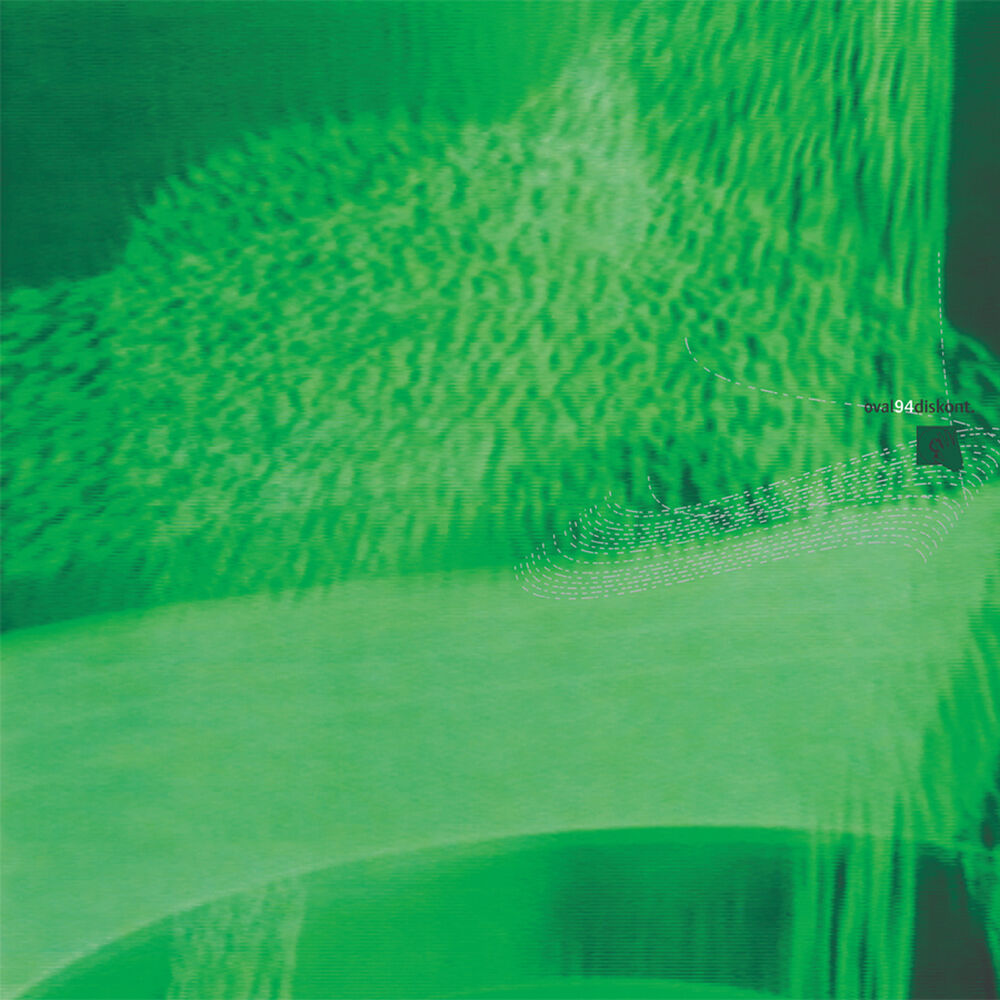
94diskont.
Be the first to rate—The follow-up is the one most people reach for first. "Do While" runs for 24 minutes on a single warm, broken loop that never resolves and never needs to. 94diskont. (1995) is glitch's first masterpiece and still its most welcoming, proof that music made from error can be genuinely pretty.
- 3
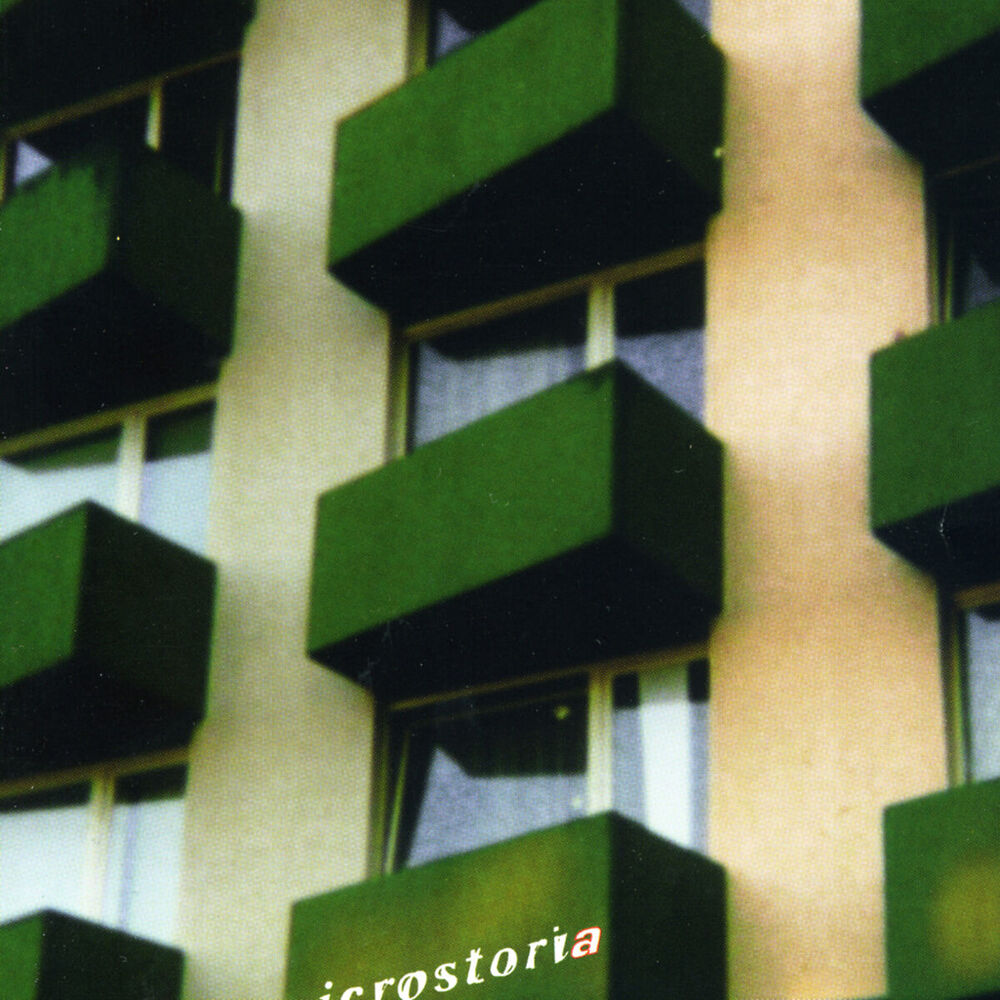
Init Ding
Be the first to rate—Popp again, this time with Mouse on Mars' Jan St. Werner. init ding (1996) is gentler than Oval, all soft synth wash and tiny rhythmic faults, the missing link between glitch and ambient. It points straight at the laptop-ambient wave that arrives a few years later.
- 4

1
Be the first to rate—Stefan Betke named himself after a broken Waldorf 4-Pole filter that only emitted crackle. Across the 1 / 2 / 3 trilogy (1998 to 2000) he built whole tracks on that hiss, dub basslines drifting under a constant rain of static. This is the rhythmic, King Tubby-haunted wing of glitch, and Pole 1 is the place to start.
- 5
Multila
Be the first to rate—Sasu Ripatti's deep, dubby variant pushes glitch into something closer to weather. Multila (2000, reissued by Chain Reaction) dissolves techno into long, fogged drifts where the rhythm keeps slipping out of focus. Heavier and wetter than the German clicks, and one of the genre's most quietly hypnotic records.
- 6
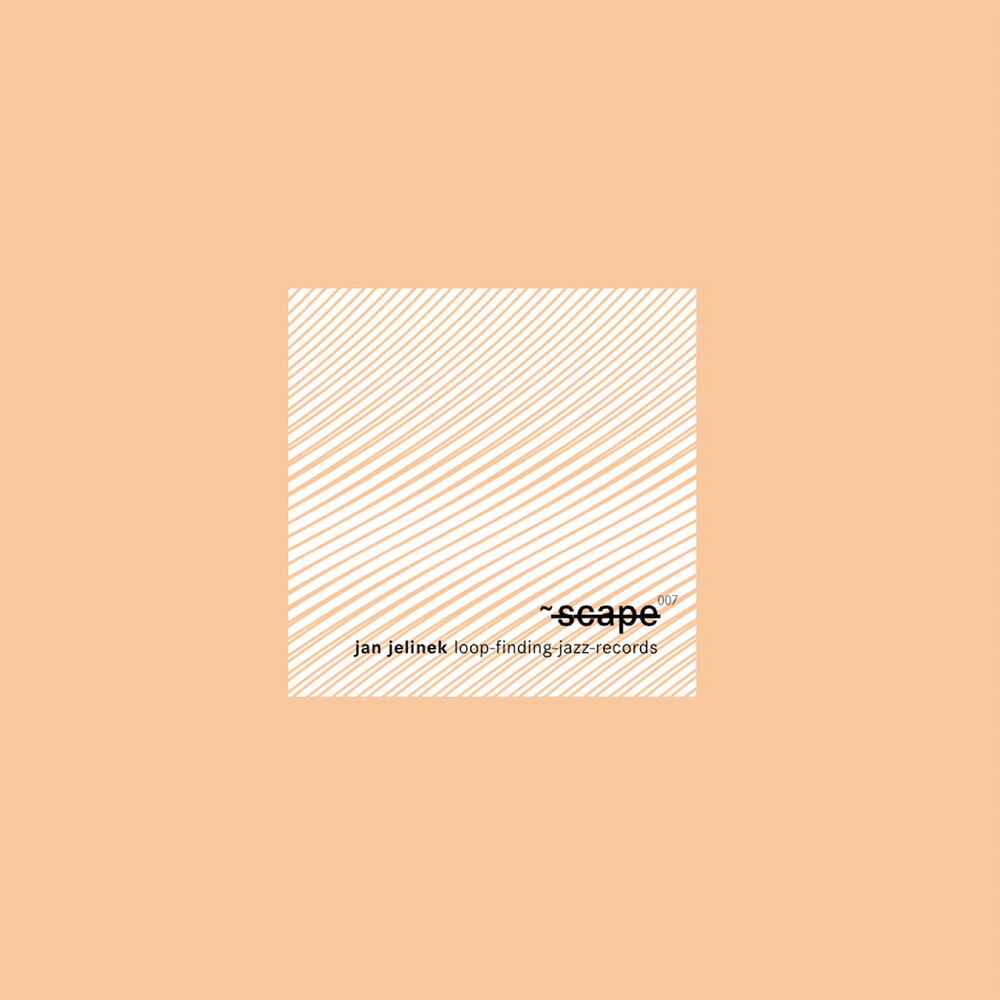
Loop-Finding-Jazz-Records
Be the first to rate—Jelinek sampled old jazz LPs, then crushed the fragments until you couldn't tell what they were, just a soft, granular pulse. Loop-Finding-Jazz-Records (2001) is the warm, sample-based end of the spectrum, microhouse you can almost fall asleep to. A genuine RYM favorite, and deservedly.
- 7

Textstar
Be the first to rate—Jelinek's pop-leaning alter ego (the name means "colors"). The Textstar singles collection sprays clicks and chopped soul samples into something that nearly grooves, house music with the floor missing. The most fun entry on this list, and the one that ages best at a party.
- 8

Endless Summer
Be the first to rate—Christian Fennesz ran a guitar through software until it melted, then let real melody surface through the haze. Endless Summer (2001, Mego) is the genre's crossover record, the moment glitch stopped being a lab experiment and started sounding like memory. If you only hear one album here, hear this one.
- 9

Niun Niggung
Be the first to rate—The Düsseldorf duo are glitch's pranksters: rubbery, melodic, allergic to seriousness. Niun Niggung (1999) bounces clicks and analog squelch off actual tunes, closer to a cartoon than a clinic. Proof the aesthetic could be joyful instead of austere.
- 10

Transform
Be the first to rate—Carsten Nicolai's Raster-Noton label is the clinical wing, glitch as architecture. Transform (2001) builds tracks from sine tones and tiny digital ticks arranged with an engineer's precision, more interested in structure than warmth. Cold on purpose, and beautiful for it.
- 11

dataplex
Be the first to rate—Ikeda treats sound the way a mathematician treats numbers. dataplex (2005) is built from sine waves, pulses and frequencies pushed to the edge of hearing, music that doubles as data. The most rigorous, least sentimental record here, and a piece of sound design that hangs in galleries as easily as it sits on a turntable.
- 12
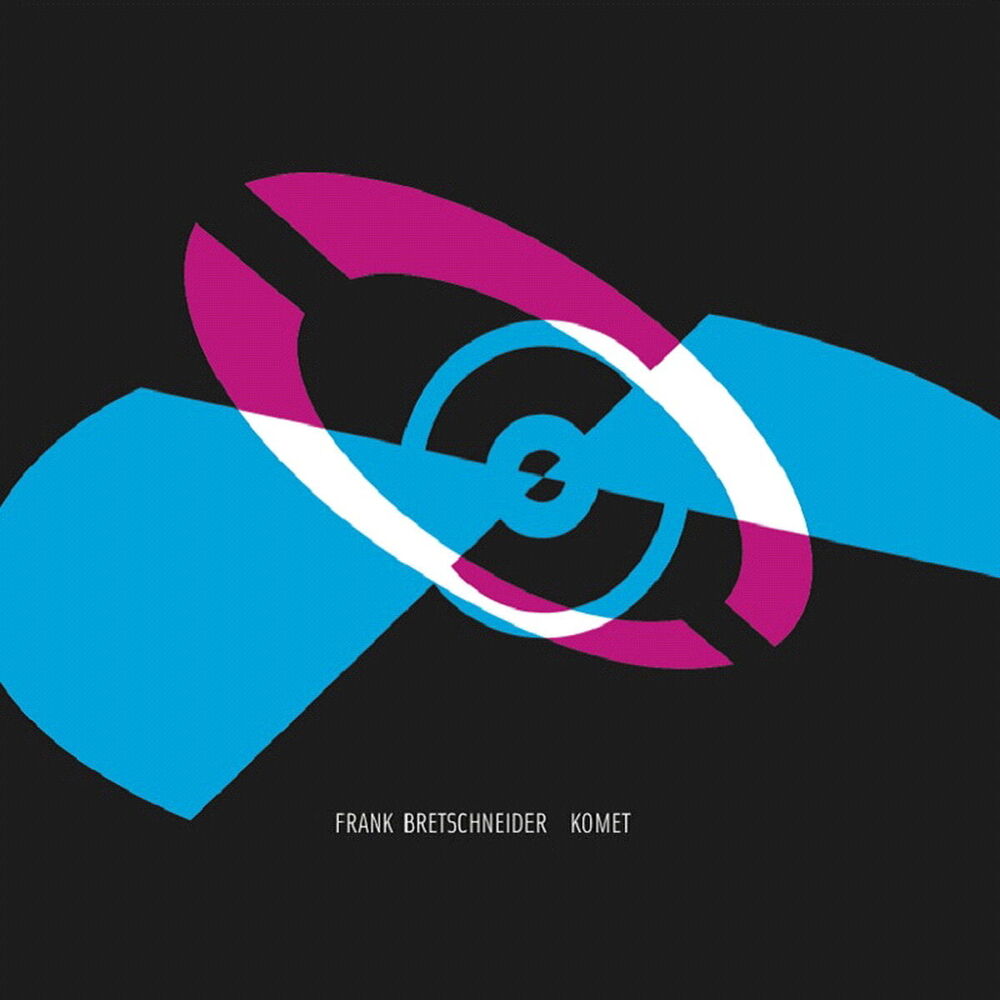
Komet
Be the first to rate—Another Raster-Noton founder, Bretschneider works in clean lines and dry rhythm. Komet (2010) is all crisp ticks and minimal pulse, the sound of a metronome that learned to swing. If Alva Noto is the architect, Bretschneider is the engineer making sure every click lands on the grid.
- 13
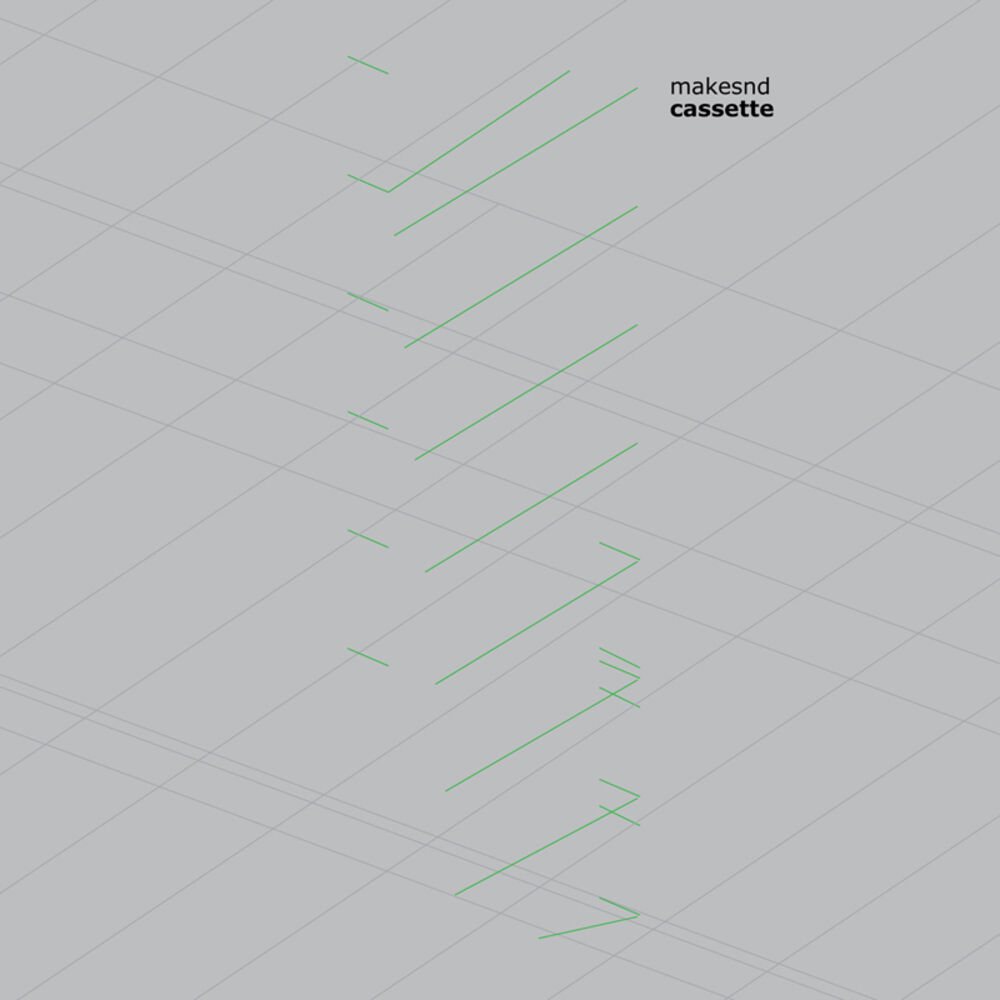
makesnd cassette
Be the first to rate—The Sheffield duo (Mark Fell and Mat Steel) made glitch you could almost dance to: tiny, jittery rhythms with a strange emotional pull underneath the math. makesnd cassette (2002 on Mille Plateaux) is the British answer to the German labels, warmer than it has any right to be.
- 14

The Amateur View
Be the first to rate—Where glitch meets the live band. Motorik basslines, real drums, and a fine mist of digital clicks over the top. The Amateur View (1999) is the post-rock-adjacent corner of the scene, krautrock filtered through a laptop. The bridge between this list and a Tortoise record.
- 15

The Rose Has Teeth In The Mouth Of A Beast
Be the first to rate—Drew Daniel and M.C. Schmidt build tracks from absurd source sounds: a rat cage, a balloon, snipped hair. The Rose Has Teeth (2006) turns musique concrète into glitch-pop portraits, each track a tribute to a queer cultural figure. The wittiest, most conceptual record here, and the one that smuggles in actual songs.
- 16

Stil.
Be the first to rate—Deupree runs 12k, the label that took glitch down to a whisper. Stil. (2002) loops a few tiny sounds for an hour, so quiet you lean in, the "lowercase" extreme where the error becomes a held breath. Microsound at its most patient, and a record that rewards a real pair of headphones.
- 17

Of Surfaces
Be the first to rate—The far floor of the genre. Chartier's work lives in near-silence: faint tones, room hiss, sounds you might mistake for your own ears. Of Surfaces (2002) is barely there on purpose, the point at which glitch dissolves into the act of listening itself. Start quiet; turn it up slowly.
Explore the sound
Artists in this guide
Read next
Coldwave: a canon for the cold machine
From Adrian Borland's grey London to French provincial gloom to the synth-driven revival — the records that made detachment a sound.
Zeuhl: a canon for the celestial racket
Magma invented a genre, a mythology and a language nobody speaks. Here's how to actually listen to it.
Albums about grief: the records you reach for when someone dies
Mourning, set to music. Sixteen albums that don't fix the loss. They sit with you in it.
Dark jazz: the canon for 4 a.m.
Slow tempos, muted brass, and a sense that something bad already happened. The records that built doom jazz.
Got your own ranking? Build a list or tier of your own.