


Guides/A Riffiter guide
1986: the year the majors came shopping
Forty years on, from Rough Trade's injunction to Def Jam's first platinum plaques.
1986 is the year major labels started paying for the American underground: Hüsker Dü's Candy Apple Grey came out on Warner Bros., Metallica's Master of Puppets went gold for Elektra with no single, no video and no radio, and Run-DMC's Raising Hell became the first platinum rap album. This guide ranks 26 records released that year, from The Queen Is Dead and Reign in Blood to Peter Gabriel's So and Legião Urbana's Dois.
In March 1986 Warner Bros. released a Hüsker Dü album. Two weeks before that, Elektra put out Master of Puppets, which had no single and no radio play, and went gold anyway. In May, Profile Records, a New York indie you could have fit in a van, moved a million copies of Raising Hell. The money had found the underground, and 1986 is the year you can watch it arrive.
Capitol did the same thing to thrash that autumn, buying Peace Sells out of a $25,000 Combat session and paying to have it remixed. The stranger part is what stayed put. While the majors were writing cheques, the records that would actually shape the next decade were still coming out on small labels with no marketing budget: Big Black on Homestead, Butthole Surfers on Touch and Go, Bad Brains and Sonic Youth on SST. Nobody at a label was going to pay for Atomizer. Everybody spent the nineties borrowing from it.
Twenty-six albums from 1986, ranked by how much of them still holds weight rather than by what they sold at the time.
- 1
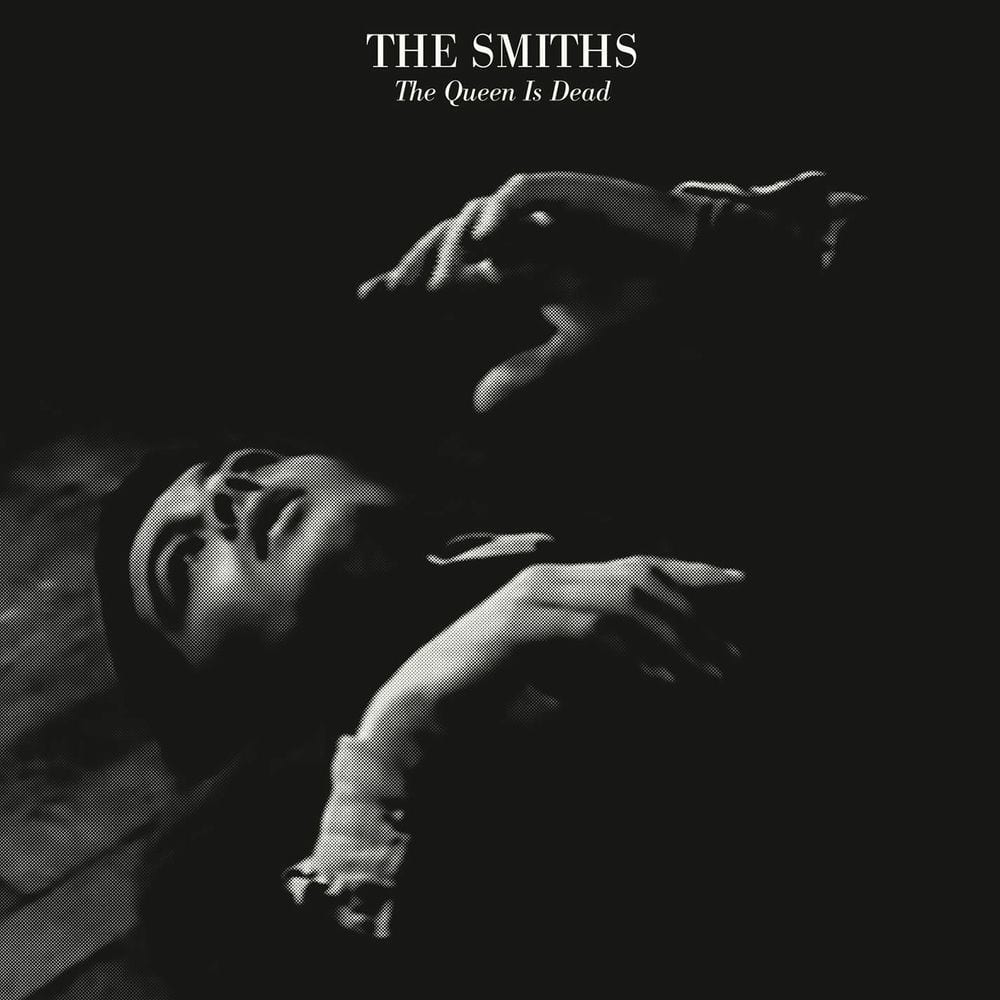
The Queen Is Dead
★ 4.2 · 18Rough Trade's injunction kept this on the shelf for months while the band shopped itself to other labels; it finally appeared on 16 June 1986, and the Smiths were out of their contract by July. Morrissey is funnier here than he ever was again, and bleaker: "Frankly, Mr Shankly" and "I Know It's Over" sit ten minutes apart on the same side.
Marr does the heavy lifting. The guitar on "There Is a Light That Never Goes Out" has no business sounding that weightless under a lyric about wanting to die in traffic.
- 2
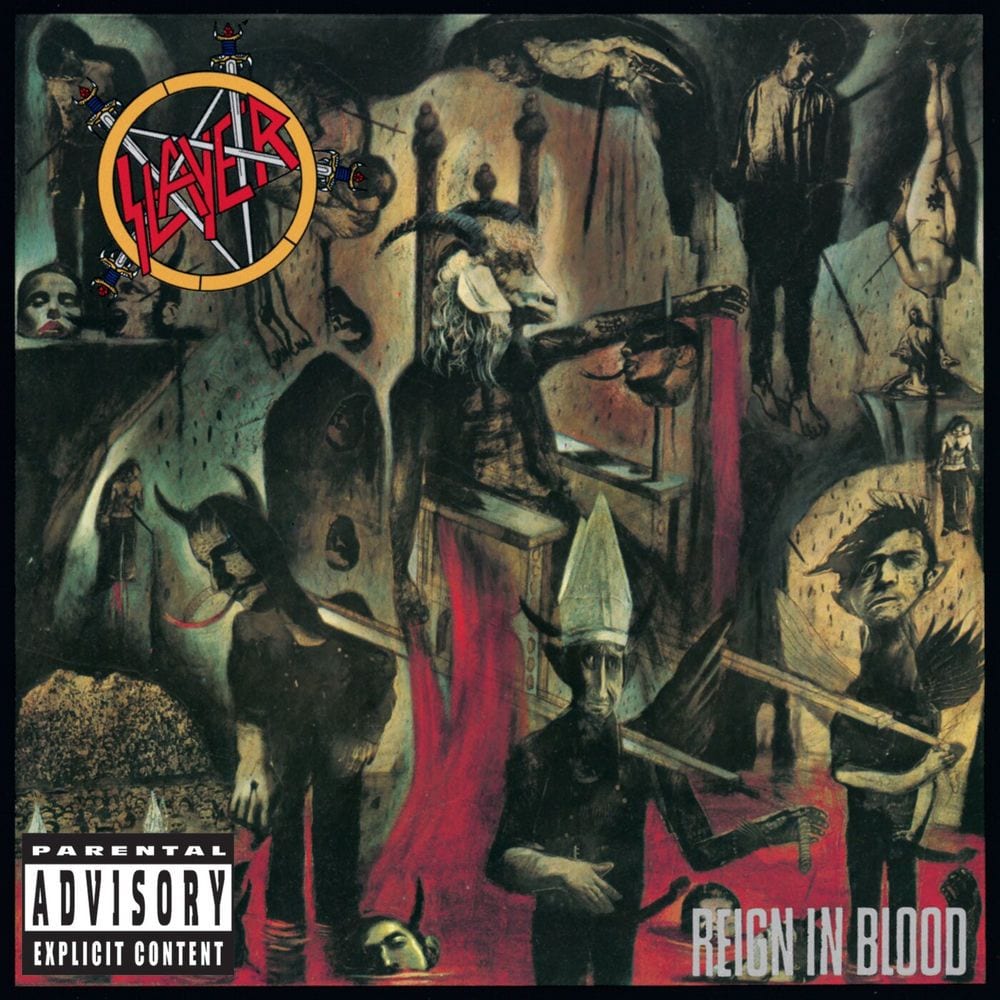
Reign in Blood
★ 4.7 · 23Twenty-nine minutes, ten songs, and Rick Rubin taking the reverb off thrash so the guitars sit dry and up front. Columbia read the lyric sheet for "Angel of Death" and refused to distribute it; Geffen picked it up on 7 October 1986 and then quietly kept it off their release schedule.
Every extreme metal record since has been graded on how fast it gets to the point. This is the record that set the clock.
- 3
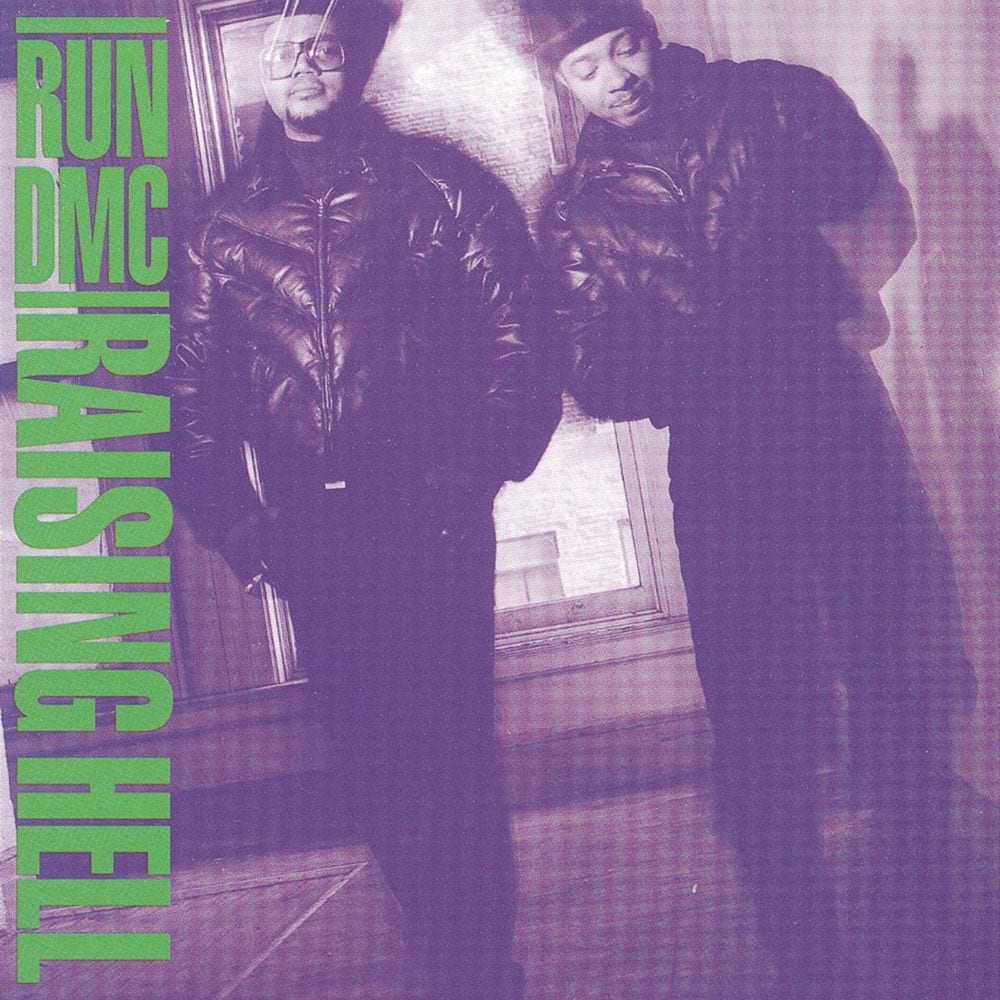
Raising Hell
Be the first to rateReleased 15 May 1986 on Profile, produced by Russell Simmons and Rick Rubin: the first rap album to be certified platinum, and the first to top Billboard's R&B albums chart. "Walk This Way" got the headlines and it's the least interesting thing here.
Go to "Peter Piper" instead, where Jam Master Jay makes two turntables and a Bob James break sound like a full band. The industry read the sales figures and concluded rap had no ceiling. They were right for once.
- 4
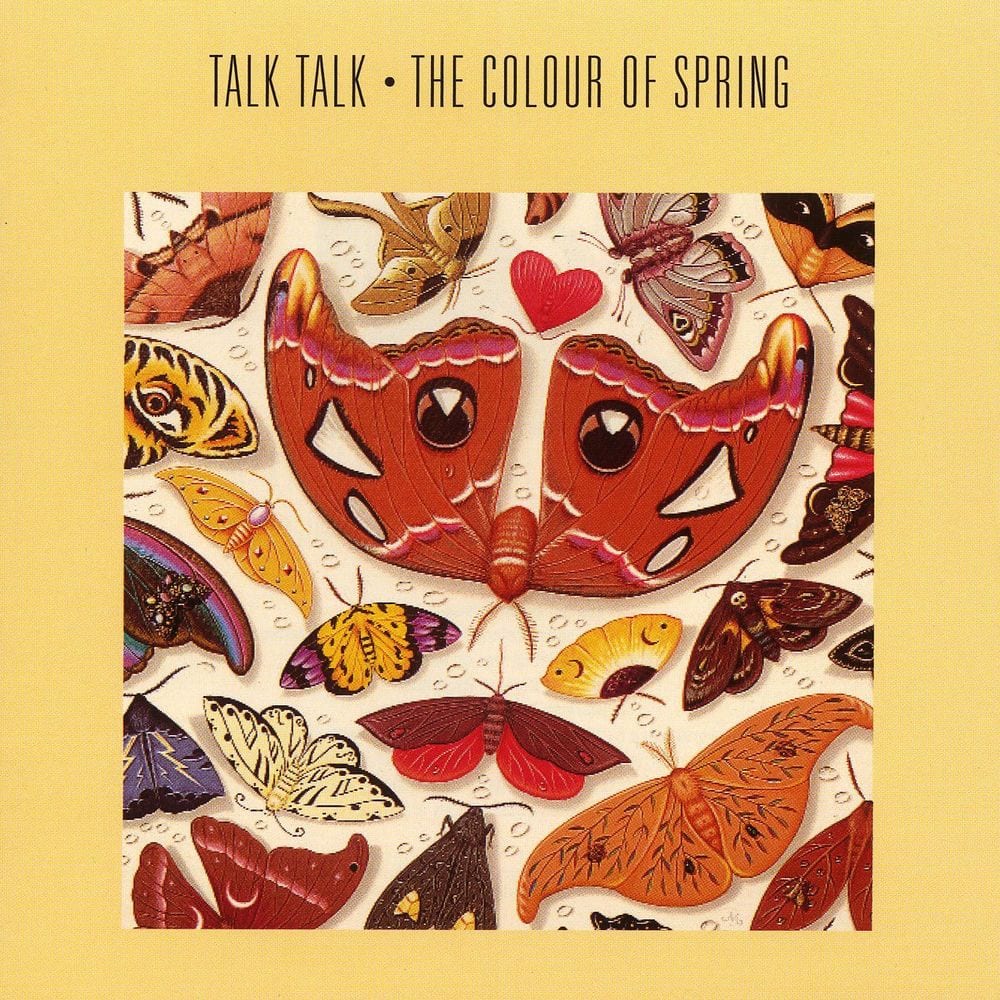
The Colour of Spring
Be the first to rateFebruary 1986, EMI, and the last Talk Talk album a marketing department could do anything with. "Life's What You Make It" was a genuine hit; "April 5th" and "Chameleon Day" are a synth-pop band walking out the side door.
Its commercial success bought Mark Hollis the open-ended studio time that became Spirit of Eden. EMI financed its own worst nightmare and never quite forgave him.
- 5
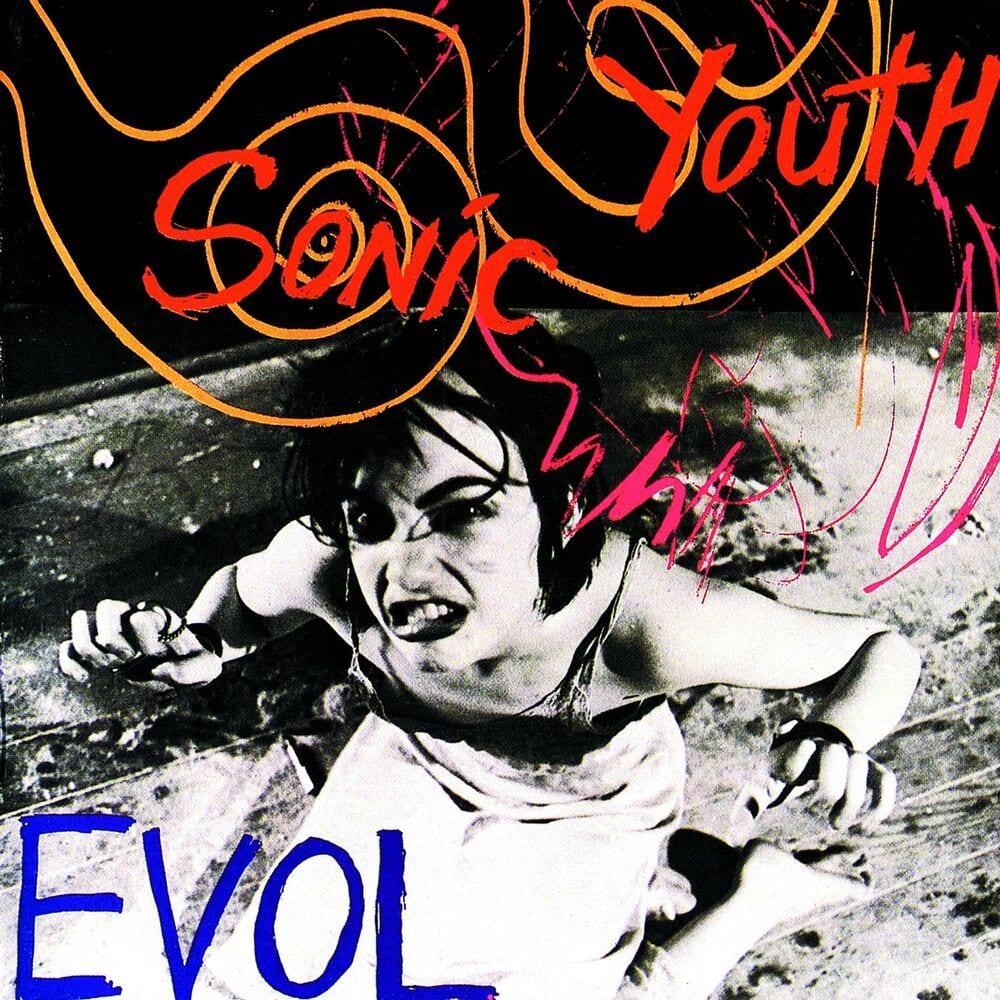
EVOL
Be the first to rateTheir first with Steve Shelley behind the kit, and you can hear the band stop lurching and start driving. Released on SST in May 1986, with Mike Watt playing bass on "In the Kingdom #19" while Lydia Lunch's car-crash narration runs over the top.
It ends with "Expressway to Yr Skull", seven minutes that dissolve into tuning-fork drone. Half the American guitar music of the next fifteen years starts in that fade.
- 6
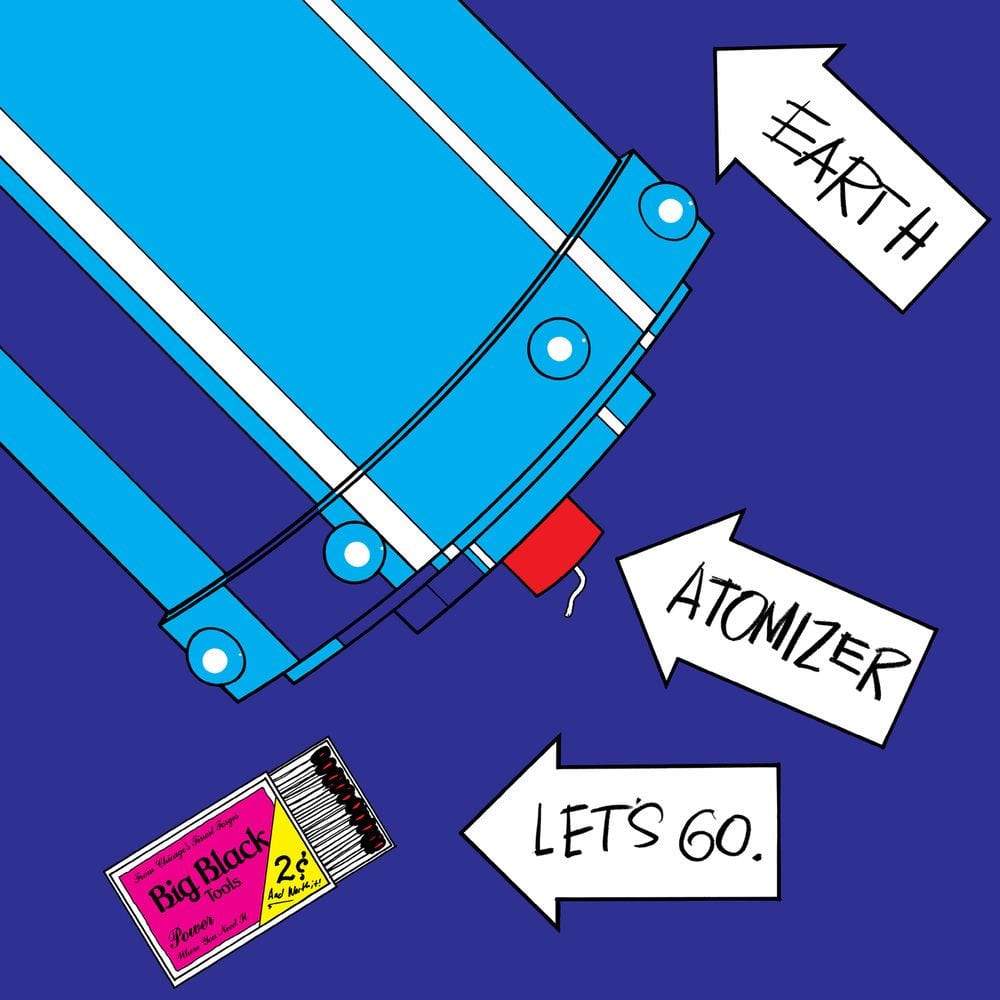
Atomizer
★ 5.0 · 1Steve Albini, Santiago Durango, Dave Riley and a Roland drum machine they credited as a band member. Homestead put it out in 1986 and no major label was ever going to come near it, which is why it still sounds unclaimed.
"Kerosene" is the one people quote — small town, nothing to do, two options. The horror in these songs is reportorial, not theatrical, and that's what makes it land.
- 7
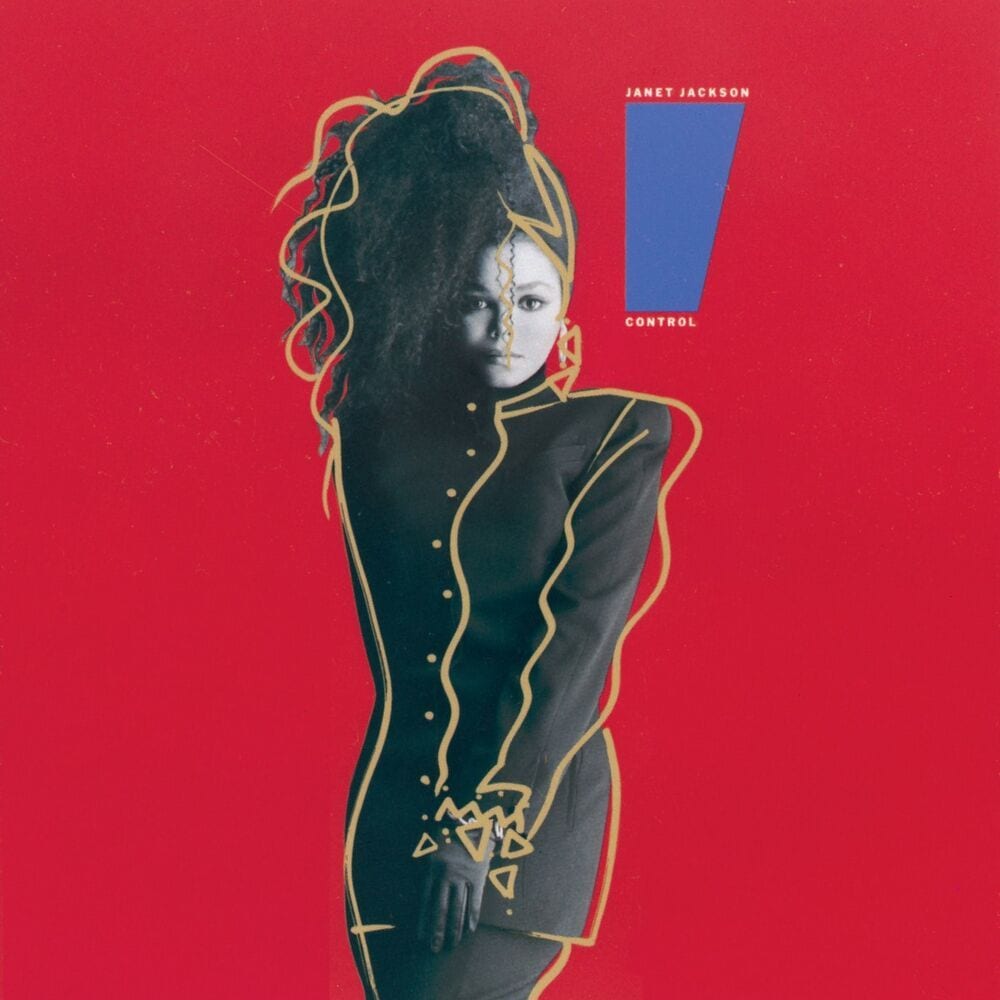
Control
★ 4.5 · 1Recorded at Flyte Tyme in Minneapolis with Jimmy Jam and Terry Lewis, out on A&M on 4 February 1986. Five of its singles reached the top five of the Hot 100, which is the boring way to describe what happened.
What matters is the drum programming: hard, dry, mixed so far forward that the rhythm section is machines and nothing else. New jack swing spends the rest of the decade working out the implications.
- 8
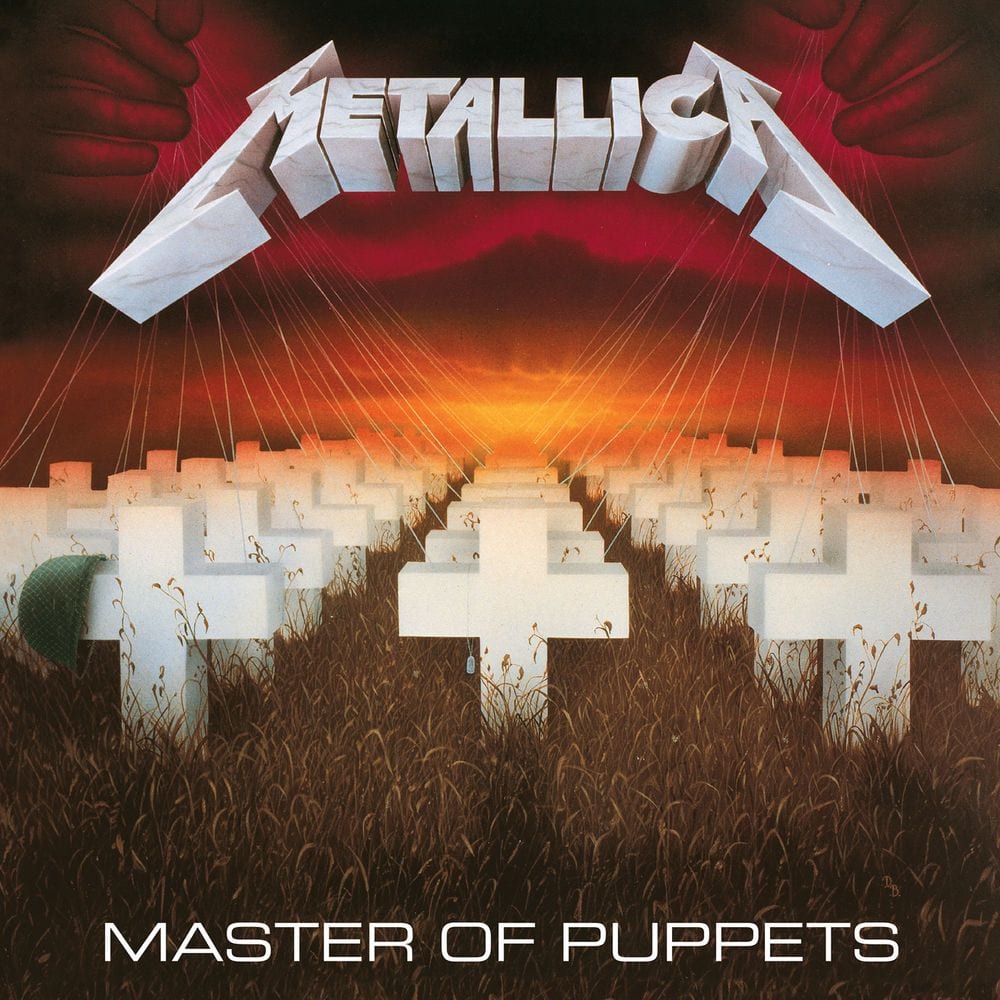
Master of Puppets
★ 4.2 · 305Cut at Sweet Silence in Copenhagen with Flemming Rasmussen, out on Elektra on 3 March 1986. It reached number 29 on the Billboard 200 and went gold without a single, a video or radio support, which in 1986 was not supposed to be possible.
Cliff Burton died on tour that September, and this is the last thing he played on. The album is eight songs about being someone else's instrument, and it moves like a band that knows it.
- 9
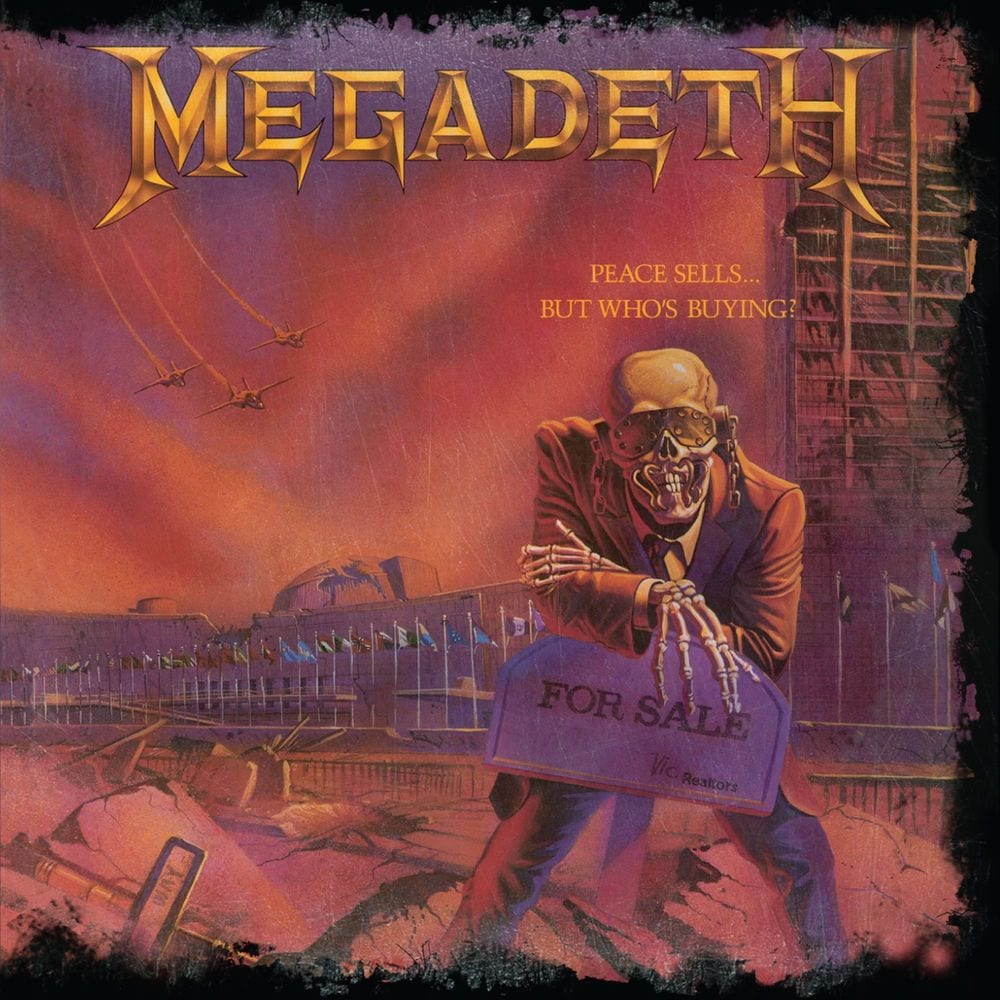
Peace Sells... But Who's Buying?
★ 3.6 · 43Combat Records started this album on a $25,000 budget and Capitol bought the rights out from under them, hired Paul Lani to redo the mix, and released it on 25 September 1986. It stopped at 76 on the Billboard 200 and only reached platinum years later, which is the slow-motion version of the story Master of Puppets tells in one quarter.
Dave Ellefson's bass figure at the top of the title track ended up as the MTV News theme, and Mustaine's account is that the band were dropped from it just before the royalties would have started. The playing is quicker and fussier than anything else in thrash that year, and Mustaine writes like a man reading back a court transcript he disagrees with.
- 10
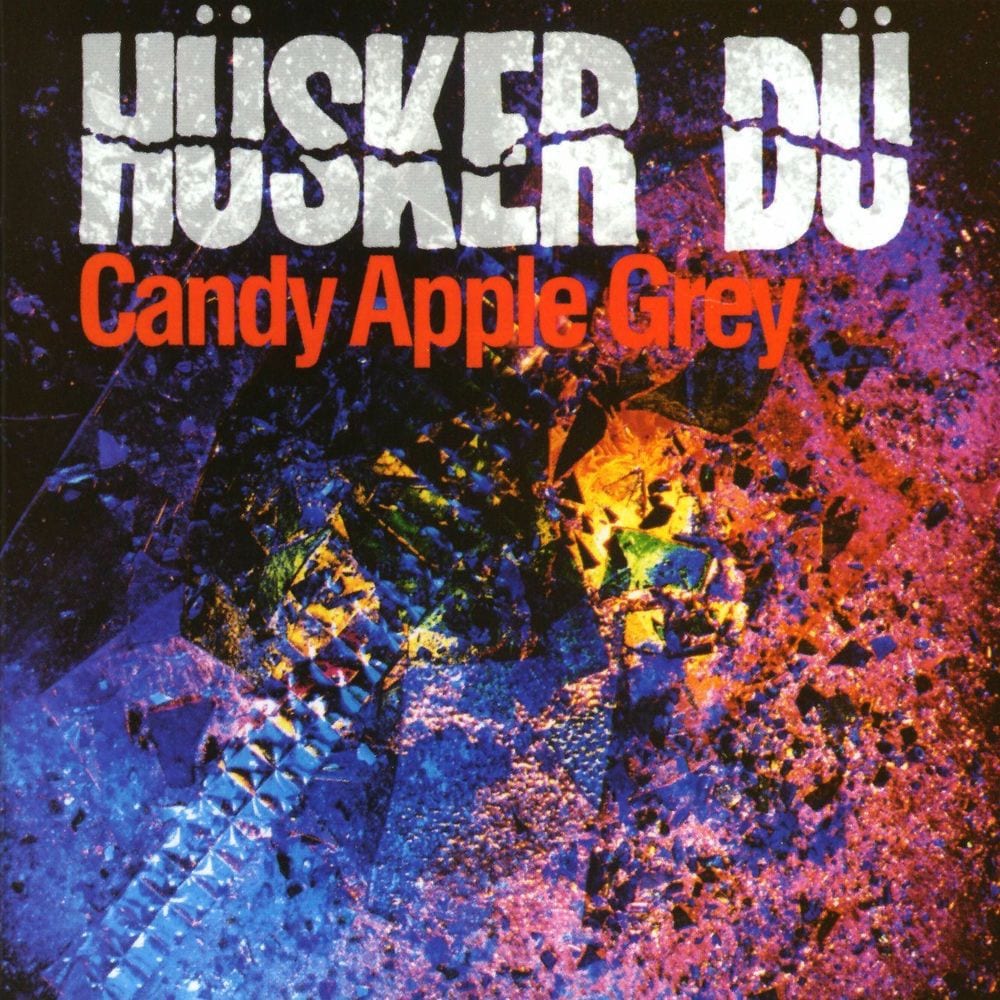
Candy Apple Grey
Be the first to rate17 March 1986, Warner Bros., the first Hüsker Dü album on a major and the moment the American hardcore underground stopped pretending it wanted to stay poor. They kept creative control and used it to make their saddest record.
"Hardly Getting Over It" and "Too Far Down" are Bob Mould and Grant Hart writing about exhaustion and burial with the distortion pulled back. It's not their best album. It's the one where the ground shifts.
- 11
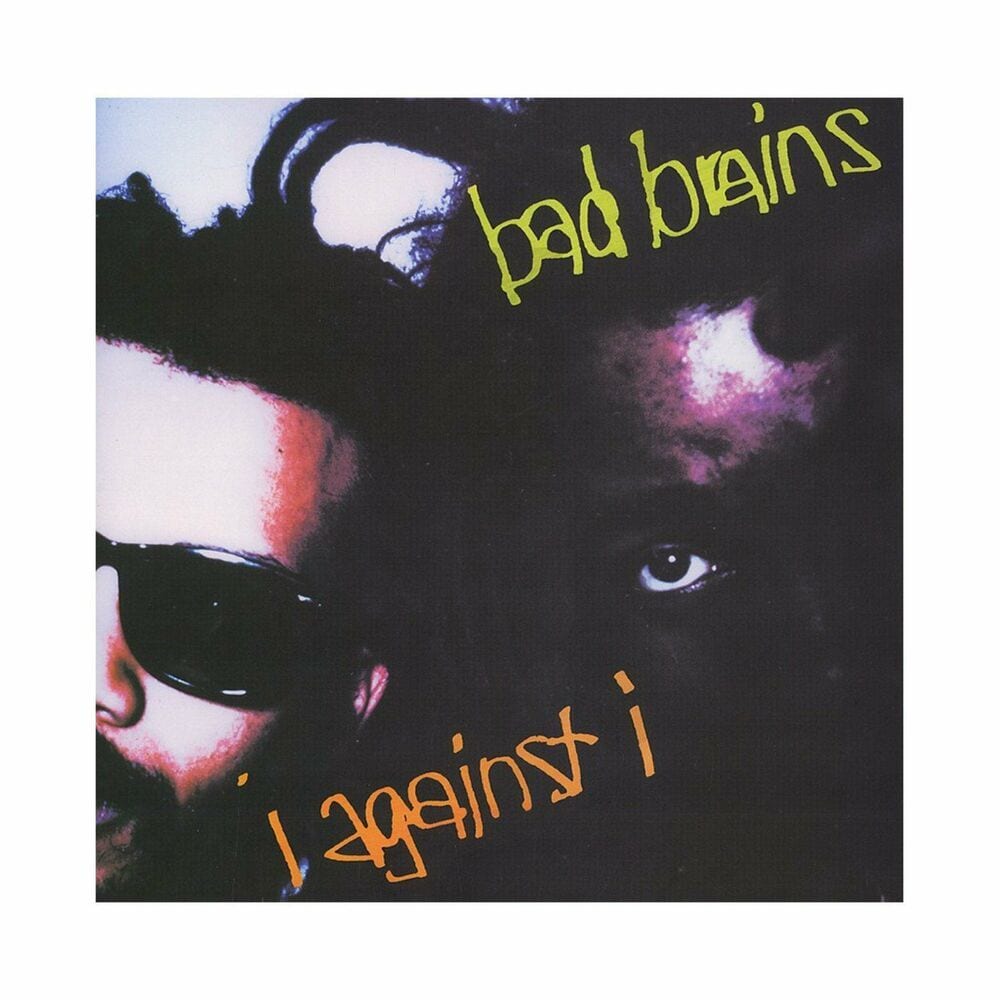
I Against I
Be the first to rateThis is where hardcore turns elastic: funk in the low end, metal in the riffs, H.R. singing instead of shouting. SST released it on 21 November 1986, produced by Ron Saint Germain.
H.R. was in Lorton Reformatory during the sessions, so he sang "Sacred Love" down a telephone line, unscrewing the mouthpiece to cut the room noise. It sounds like it was phoned in from another planet, which is close enough to true.
- 12
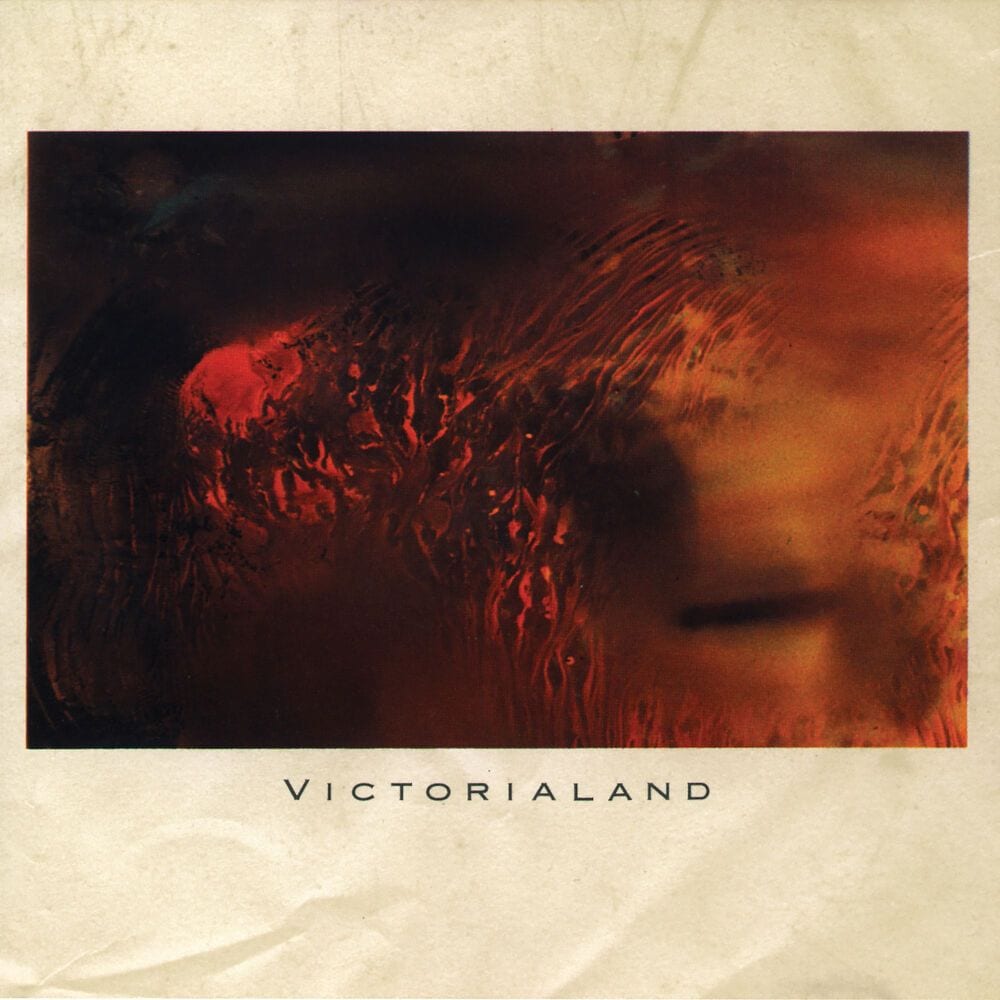
Victorialand
Be the first to rateMade as a duo in April 1986 while Simon Raymonde was busy with This Mortal Coil, so Elizabeth Fraser and Robin Guthrie built it out of acoustic guitar, tape and almost no percussion. Richard Thomas of Dif Juz adds saxophone and tabla to "Lazy Calm" and "Feet-Like Fins".
It is the quietest thing 4AD released that decade and the one that ages best. Nothing on it is trying to be a single, and the absence of drums makes Fraser's voice do all the structural work.
- 13
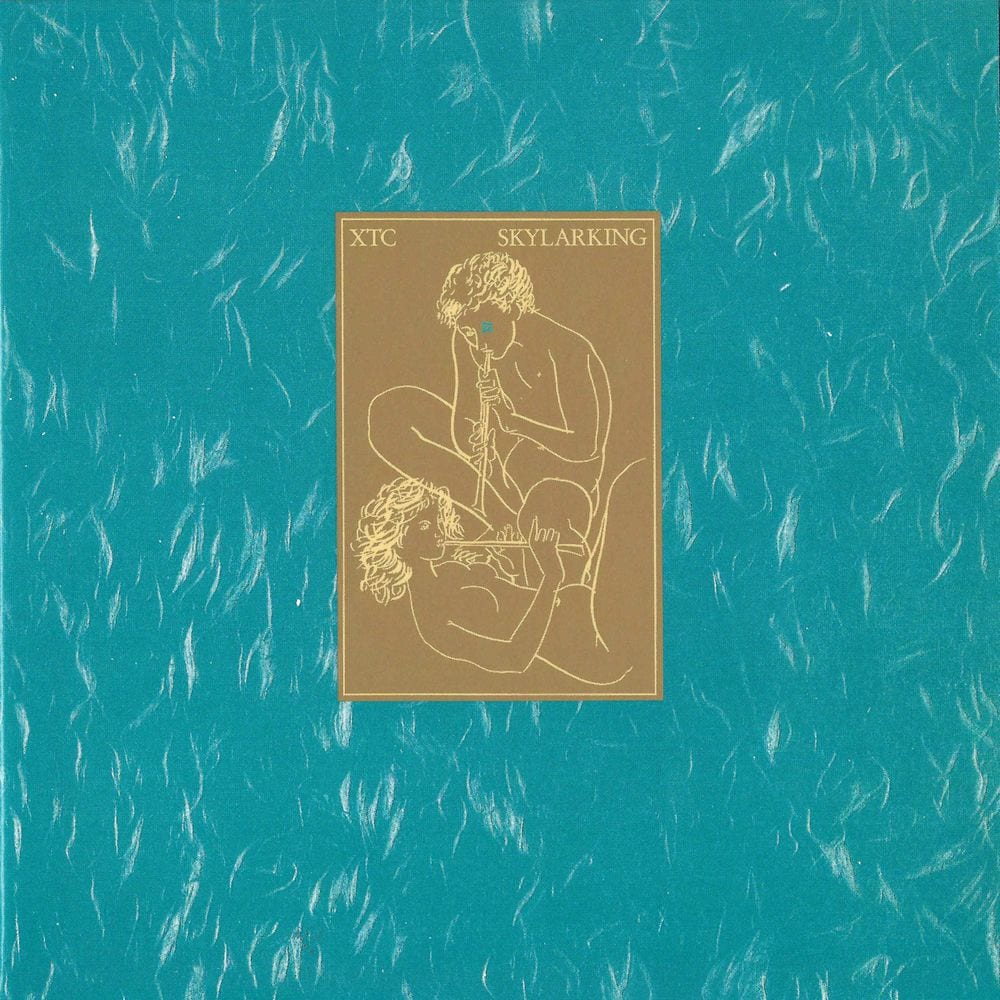
Skylarking
★ 3.5 · 2Virgin had told XTC the next record needed to move 70,000 copies or the contract was over, then sent a band who no longer toured to Todd Rundgren's studio in Woodstock. Rundgren sequenced the album and spent the sessions arguing with Andy Partridge about nearly all of it. It came out on 27 October 1986, Virgin at home and Geffen in the States.
"Dear God" was left off the original pressing for being too much for American listeners. American college radio found it anyway on the back of the "Grass" single and played it until Geffen reissued the album with the song restored, at which point the station phone lines filled with complaints and one bomb threat. The record around it moves from morning to nightfall in one unbroken arc, which is why the credit argument has never been settled.
- 14
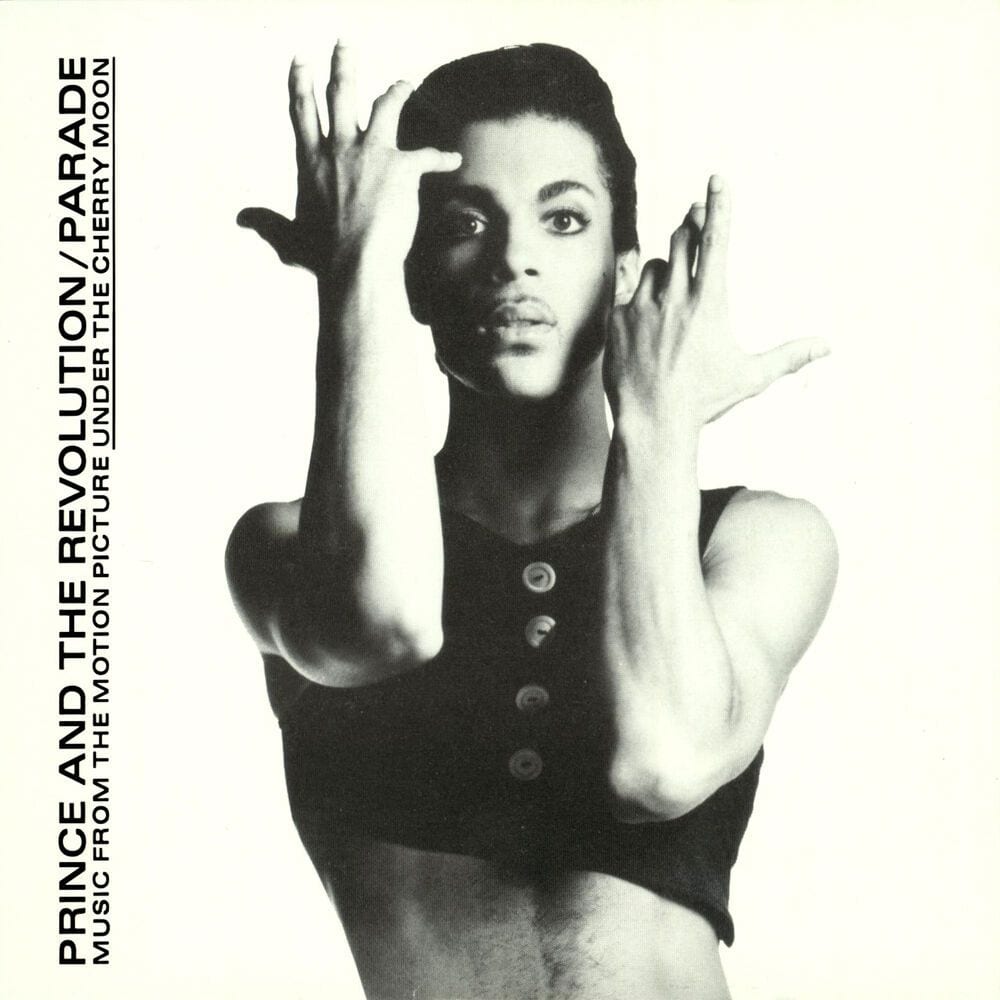
Parade - Music from the Motion Picture Under the Cherry Moon
★ 3.8 · 5Nominally the soundtrack to Under the Cherry Moon, a film nobody needs to see, and released on 31 March 1986 as the last album with the Revolution. Clare Fischer's orchestrations were recorded without Prince ever meeting him, which is a strange way to make a record and it works.
"Kiss" is on here, stripped to a guitar scratch and a falsetto, with the bass part deleted. The rest of side two is where the band starts coming apart, and Prince makes that audible on purpose.
- 15
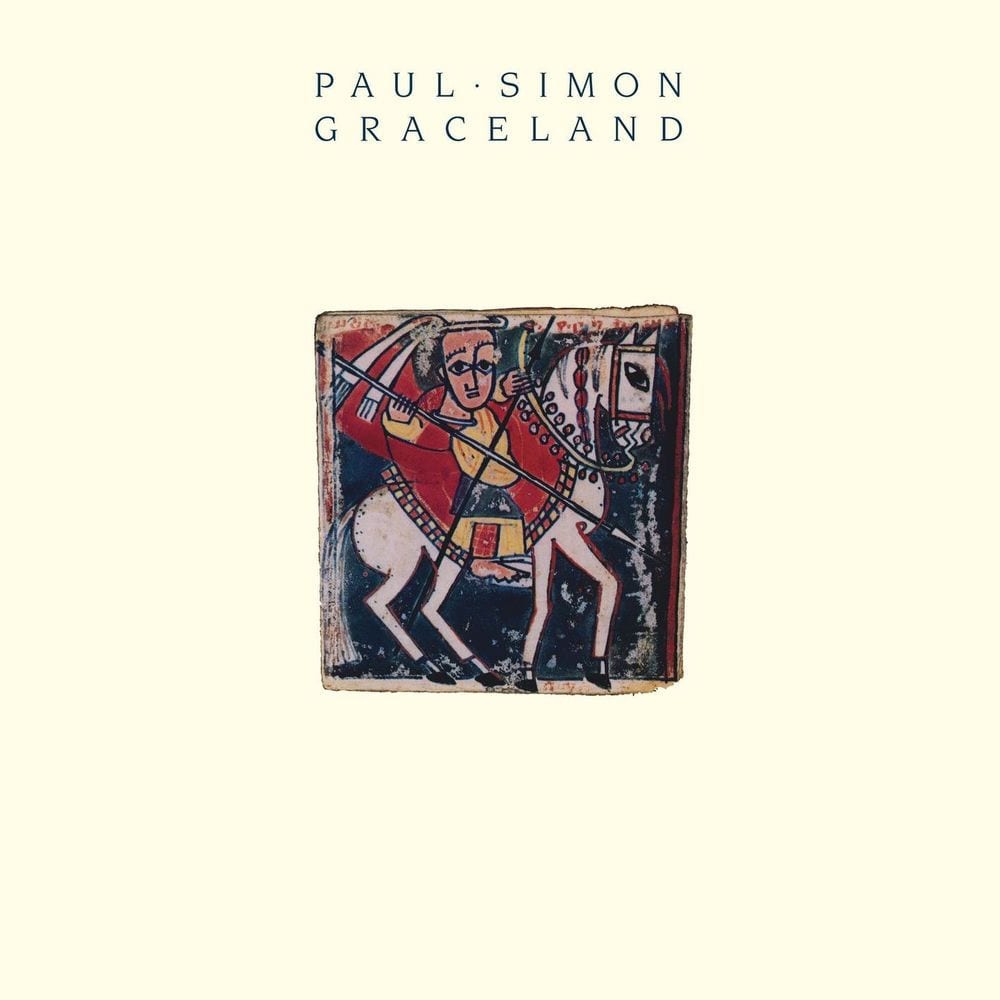
Graceland
★ 4.6 · 4Released 25 August 1986 after sessions in Johannesburg that broke the UN cultural boycott, and won Album of the Year at the following Grammys while the ANC and the anti-apartheid movement were still arguing with him about it. Both of those facts belong on the record.
The music holds up because the South African players are not decoration: Bakithi Kumalo's fretless bass and Ladysmith Black Mambazo's harmonies drive the songs, and Simon writes over them rather than on top of them.
- 16
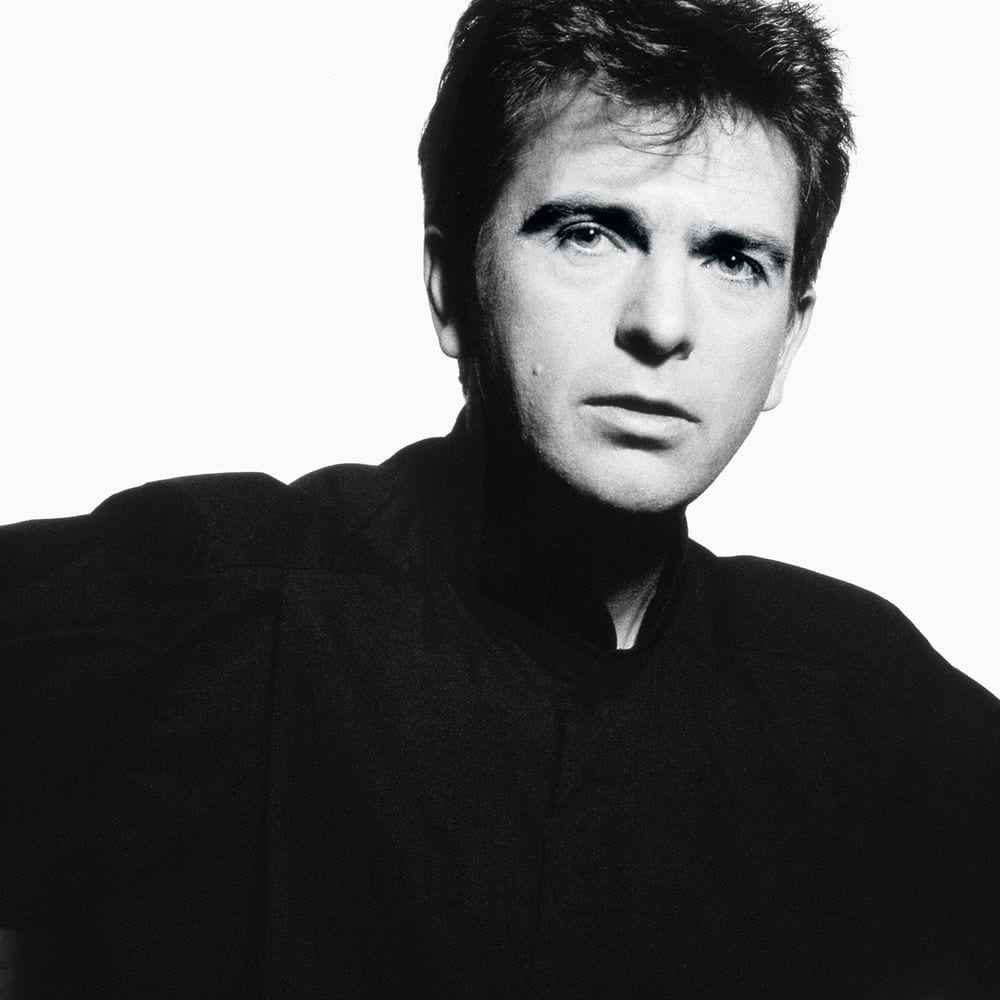
So
★ 3.8 · 5The first solo album Gabriel gave a title rather than a number, produced with Daniel Lanois and out on 19 May 1986 through Charisma and Geffen. "Sledgehammer" reached number one on the Hot 100 on 26 July and the record it pushed aside was "Invisible Touch", by the band he had walked out of eleven years earlier.
The hits are the least interesting part of it. "Mercy Street" is dedicated to Anne Sexton and keeps the volume down to almost nothing for six minutes, and "Don't Give Up" is a song about being out of work in which Kate Bush plays the consoling half with no lift in her voice at all. Gabriel got the audience Genesis had and then spent it on this.
- 17
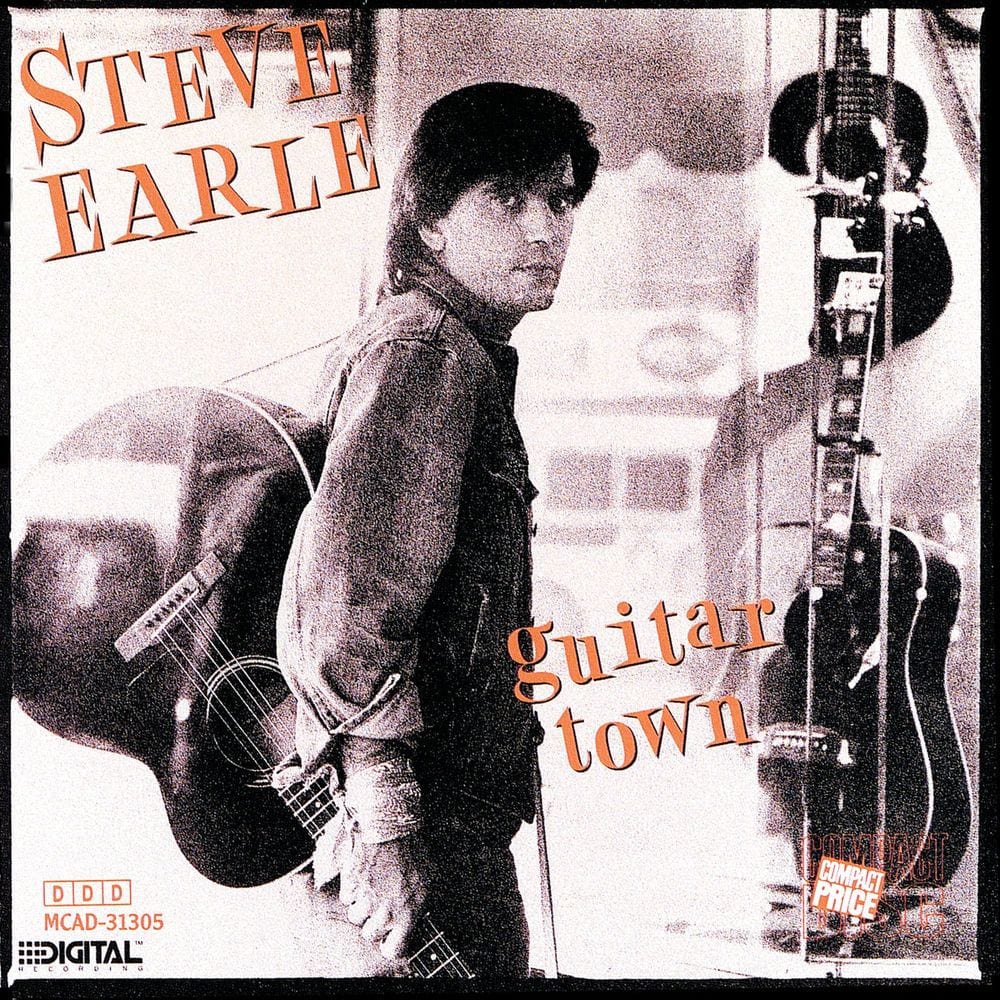
Guitar Town
★ 3.0 · 1MCA put this out on 5 March 1986 and it went to number one on the country albums chart, which tells you Nashville had briefly run out of ideas and let a rock writer in. The title track stopped at seven on the country singles chart.
Earle sings about interstates, factory work and getting out, in the plainest language available. Country radio spent the next four years chasing this sound and then decided it preferred hats.
- 18
Throwing Muses
Be the first to rateThe first American band signed to 4AD, released in September 1986, with Kristin Hersh and Tanya Donelly still teenagers. The songs change time and mood mid-verse without ever sounding like showing off.
Hersh wrote most of it out of a period of severe illness and the record refuses to make that decorative. "Hate My Way" is still one of the most frightening things on a British indie label from that decade.
- 19
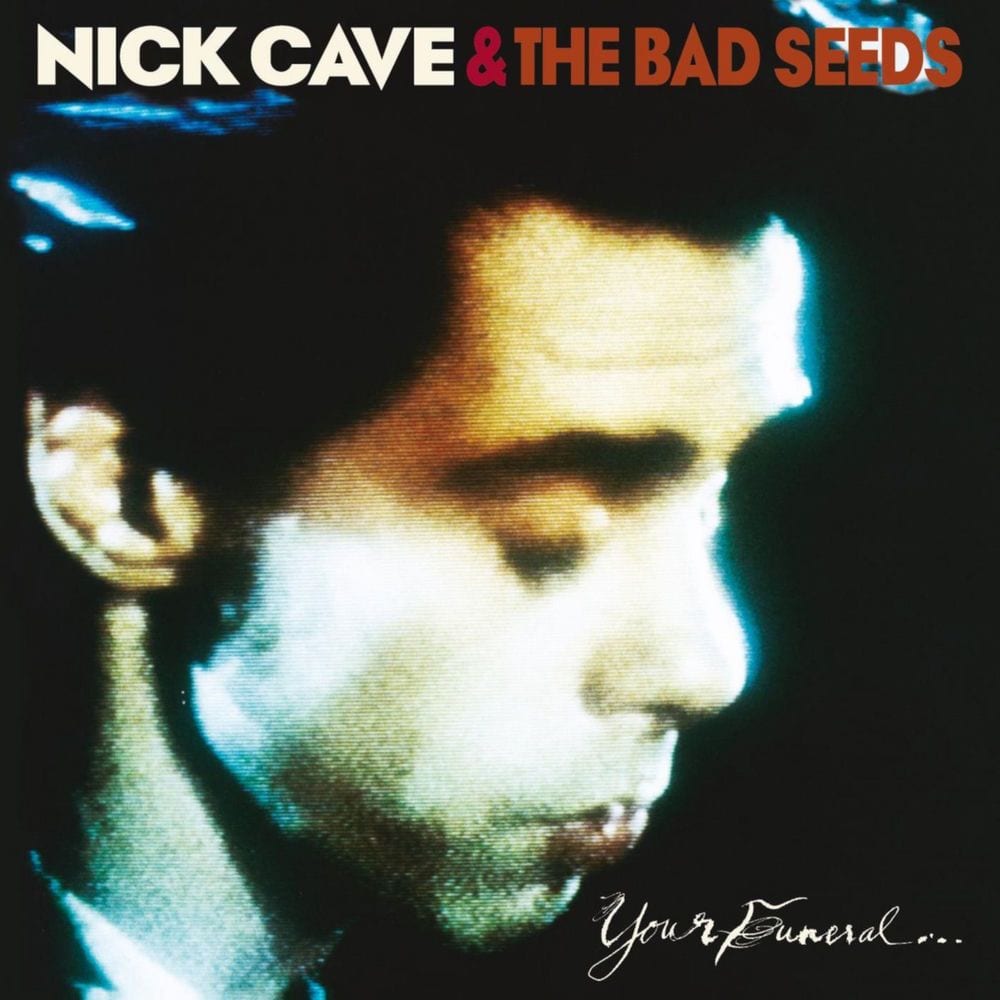
Your Funeral… My Trial
Be the first to rateRecorded at Hansa in Berlin in July 1986, finished at the Strongroom in London, out on Mute on 3 November. Cave was deep in heroin and Berlin and the record does not tidy that up.
"The Carny" is the centrepiece: six minutes of collapsing carnival music with Blixa Bargeld and Mick Harvey building a circus out of rubble. Everything Cave has done since with narrative and dread starts here.
- 20
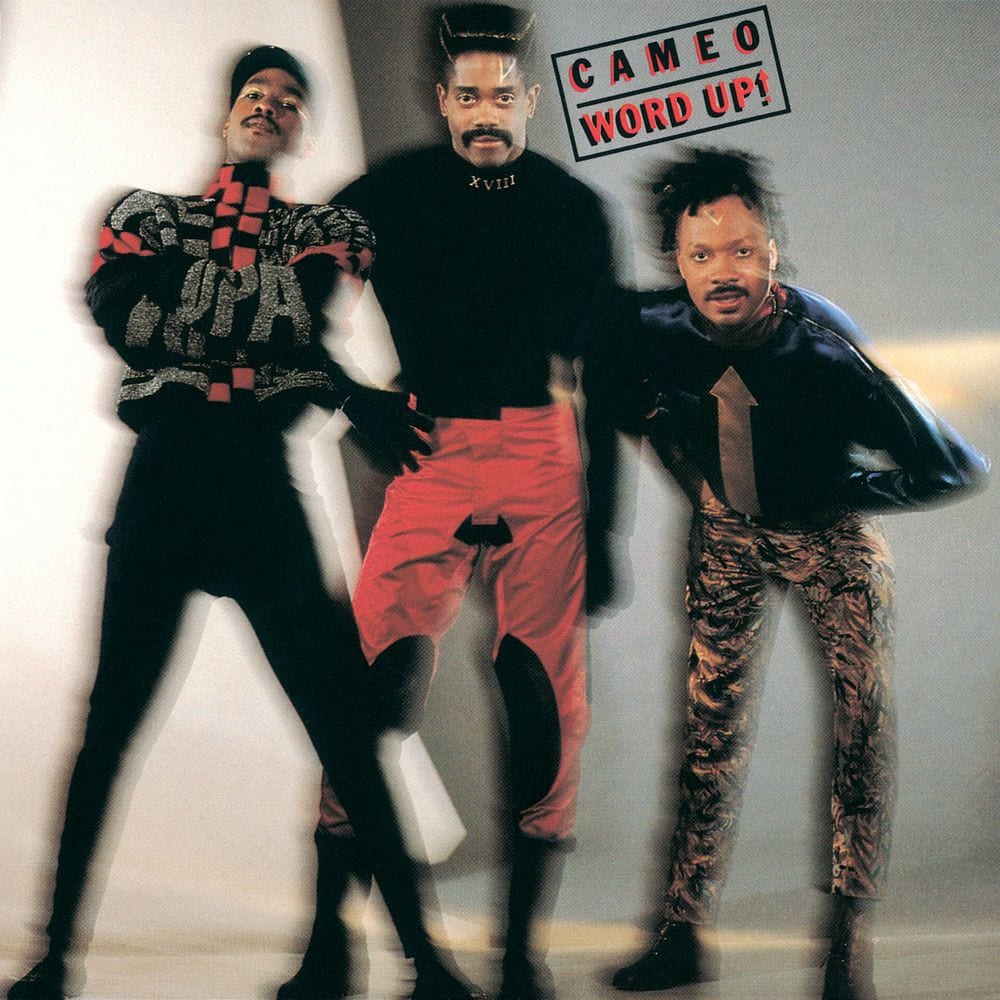
Word Up
Be the first to rateLarry Blackmon's thirteenth Cameo album, out 9 September 1986 on Atlanta Artists, number one R&B and platinum. The title track is a synth bass, a whistle and a hi-hat, and it has been sampled and covered for forty years without losing anything.
Blackmon had cut the band down from a dozen players to three and put on the red codpiece. Funk in 1986 needed to sound stranger than the machines it was competing with, and this did.
- 21
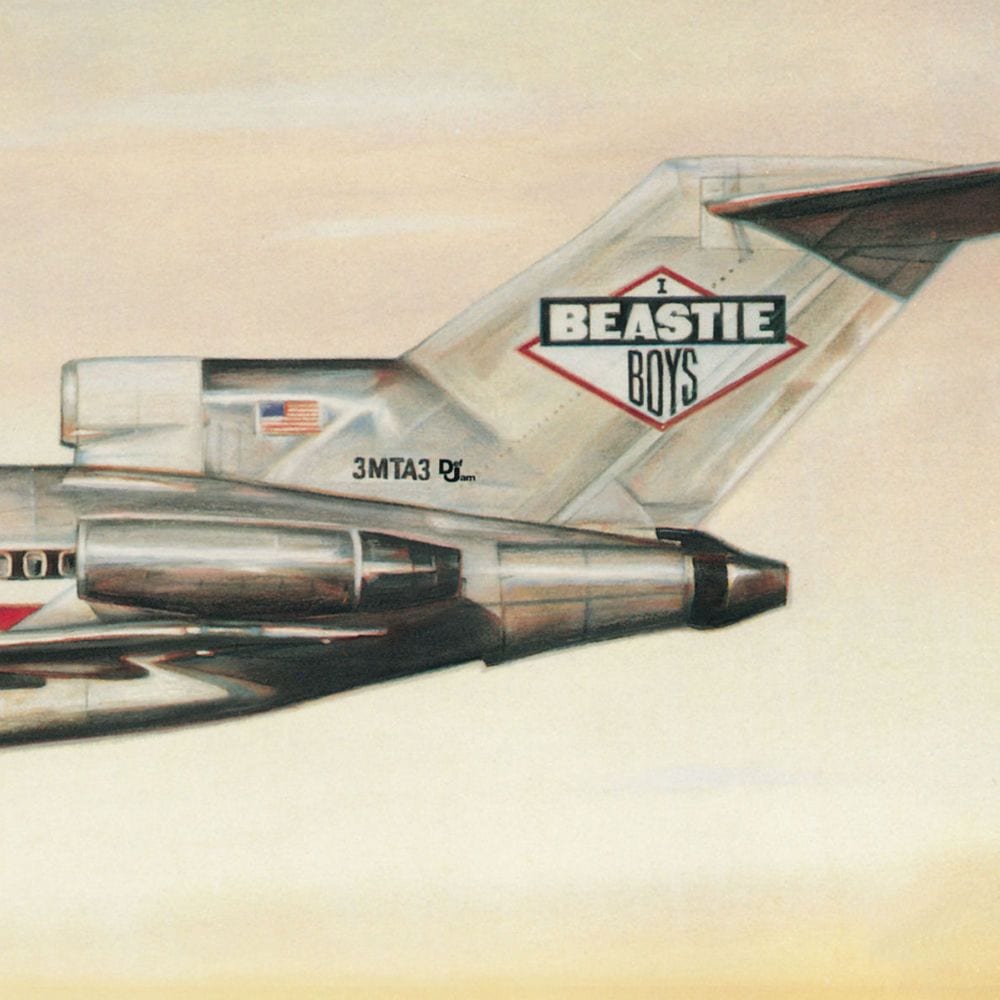
Licensed to Ill
★ 3.9 · 7Rick Rubin produced this the way you'd produce AC/DC, and Def Jam released it on 15 November 1986. It became the first rap album to top the Billboard 200 the following March, which is the commercial hinge the whole year points at.
The jokes have aged badly and the group said so themselves for the rest of their careers. The drums have not aged at all: "Rhymin & Stealin" still hits like a door coming off.
- 22
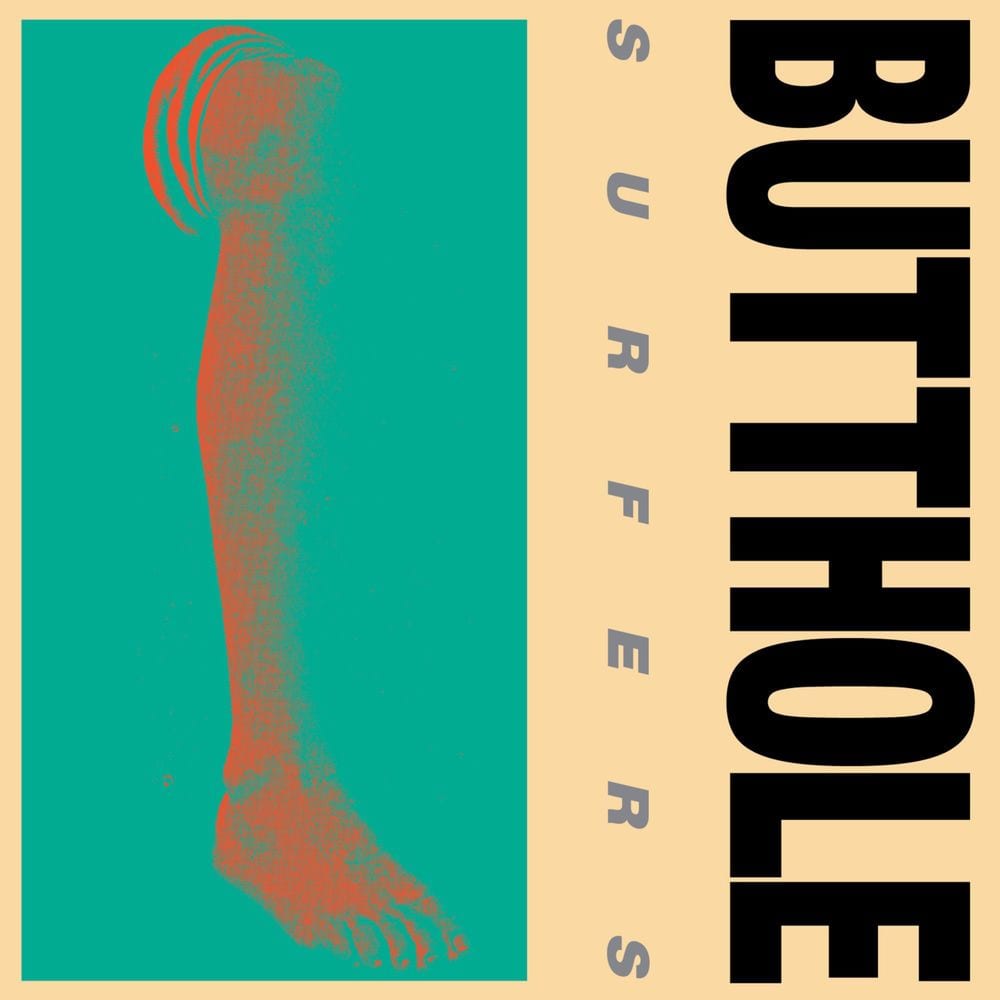
Rembrandt Pussyhorse
Be the first to rateBy some distance the least hospitable record here. Touch and Go put it out in 1986: tape manipulation, detuned piano, and Gibby Haynes processed until he sounds like equipment failure.
Then they cover "American Woman" as if it were a hostage video. It's a record about how thin the membrane is between a rock band and a broken machine, and it never lets you settle.
- 23

II & III
Be the first to rateSanta Cruz, 1986, on their own Pitch-A-Tent label: ska, Eastern European folk instrumentals and deadpan country, arranged with no apparent regard for what a band is supposed to pick. Their bluegrass version of Sonic Youth's "I Love Her All the Time" is the year's best in-joke and also a genuinely good cover.
It got a fortieth-anniversary reissue this year with a previously unreleased live set from Lincoln, Nebraska, recorded on the R.E.M. tour in October 1986. The live disc is the argument that they were a real band, not a novelty.
- 24
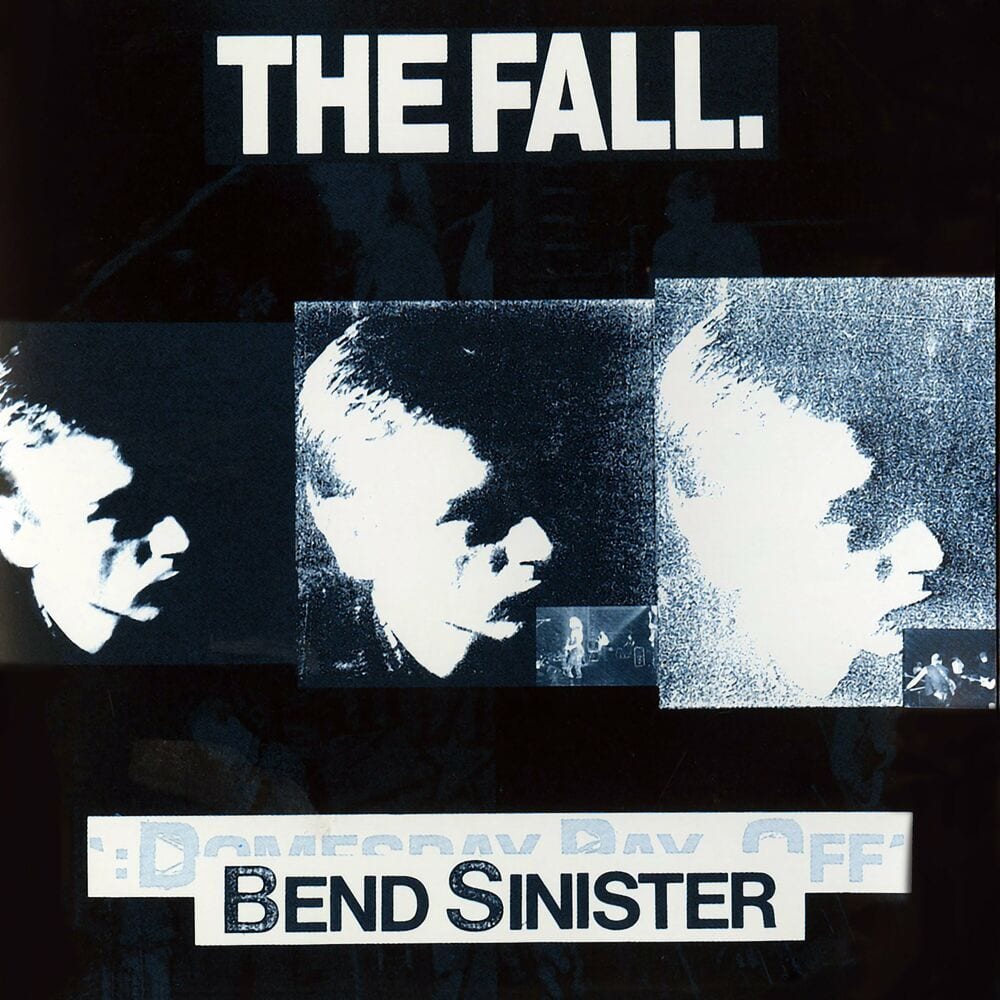
Bend Sinister
Be the first to rateJohn Leckie produced three Fall albums and never did a fourth, having drawn the line at Mark E. Smith's demand that some tracks be mastered off a cassette he'd been carrying around in a Walkman. Beggars Banquet released it on 29 September 1986.
Karl Burns had been sacked days before the sessions started, so the album was built without a settled drummer and sounds it, in the best way. Brix's pop instincts and Smith's contempt for polish reach a working truce here that lasted about a year.
- 25
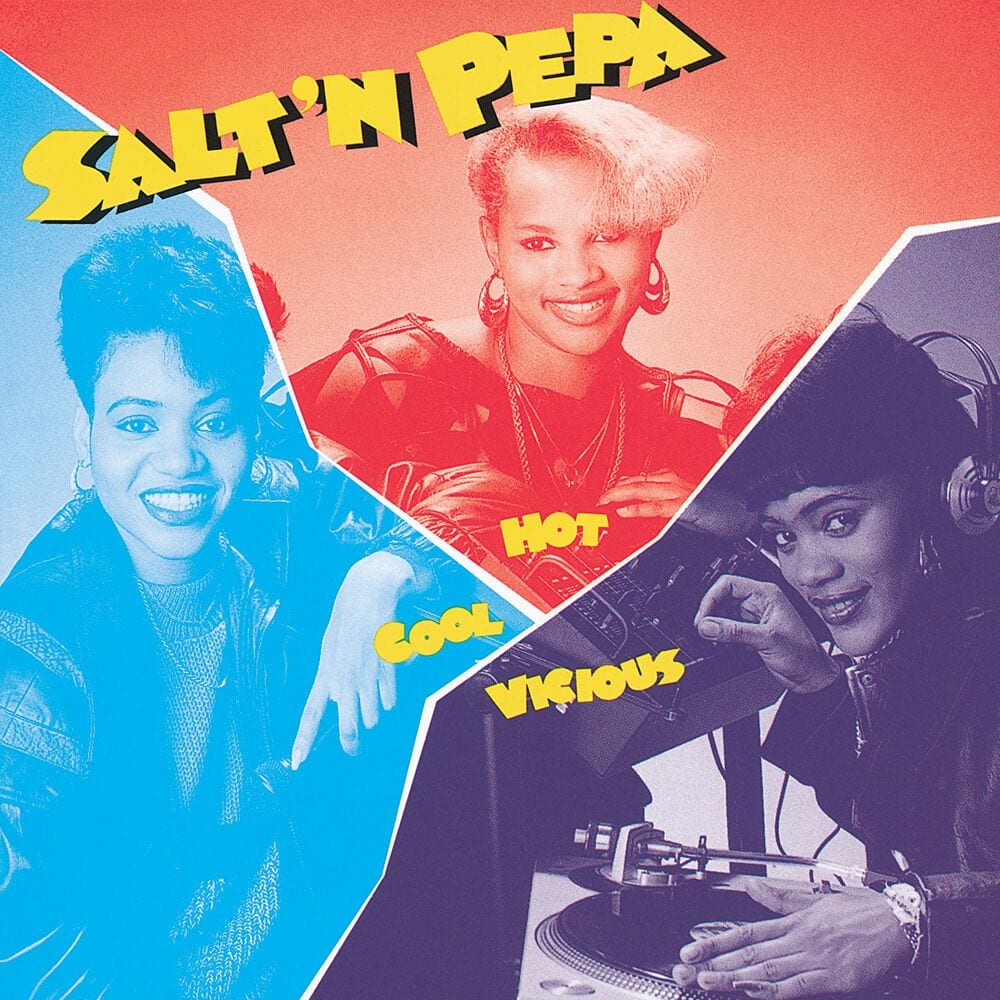
Hot, Cool & Vicious
★ 3.5 · 1Cheryl James and Sandra Denton rap about men the way male rappers had spent a decade rapping about women, and the record is much funnier than its reputation. Hurby Azor produced; Next Plateau released it on 8 December 1986, and it became the first album by a female rap act to go gold and then platinum.
"Push It" wasn't even on the original pressing. A Cameron Paul remix broke on radio in 1987 and got bolted onto a reissue, which is how the biggest song of their career turned up as an afterthought.
- 26
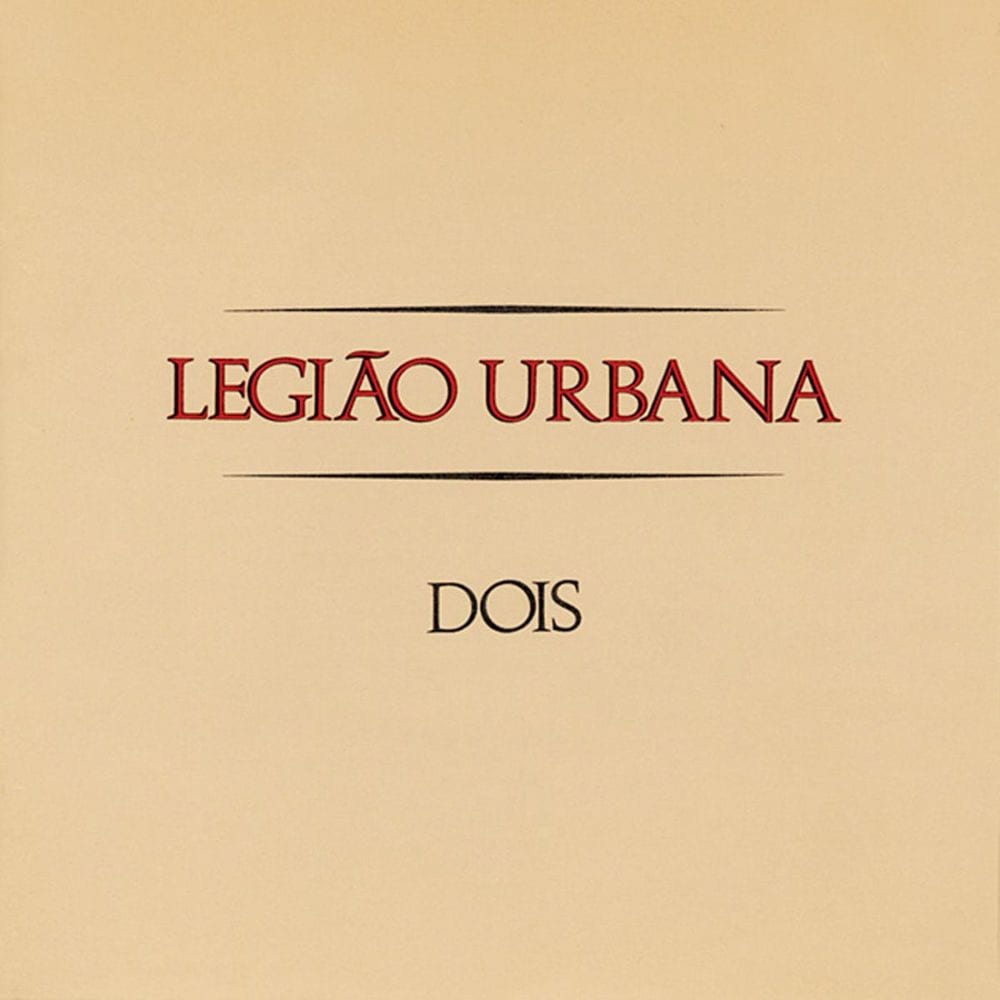
Dois
Be the first to rateBrasília, July 1986, EMI-Odeon, produced by Mayrton Bahia, and one of the most-sold Brazilian rock records ever made — well past a million copies. Renato Russo writes about the country's first post-dictatorship years without ever making it a slogan.
"Eduardo e Mônica" tells a whole relationship in five minutes with no chorus at all. If your picture of 1986 stops at the English-speaking world, start here.


Explore the sound
Artists in this guide
Lists with these albums
- Metal records that did the job I gave them@asdaylightdies · ♥ 4
- Records I know every word to and cannot play a note of@leilau · ♥ 4
- Rolling Stone's metal top 25, tiered properly@minaz · ♥ 4
- studio records only, loudest end first@razorsedge · ♥ 4
- Track one does all the work here@crookedhead · ♥ 4
- What survived the storage purge@elifr · ♥ 4
Read next
Scary albums: 17 records that still frighten on a Tuesday afternoon
No werewolves, no organ stabs, no Halloween party. Seventeen records from 1968 to 2019 that scare you with the lights on, and what each one uses to do it.
Def Jux: 16 albums from The Cold Vein to the record El-P finished for a friend
Eleven years, one Brooklyn producer's taste, and a catalog that made New York rap sound like it was coming through a broken radio.
Southern gothic music: 18 albums, and somebody always ends up in the river
Murder ballads, plywood devils, Memphis tapes and a Denver preacher's grandson. The sound of a literary label, from 1958 to now.
Rock nacional: 19 albums, and eight of them belong to Spinetta or Charly García
Oktubre turned 40 on 4 October. This is the Argentine canon it sits in, from a song written outside a bar toilet in 1967 to the La Plata indie bands still working the same ground.
Got your own ranking? Build a list or tier of your own.