


Guides/A Riffiter guide
SST Records: the label that built the American underground
From Black Flag's first LP to the seeds of grunge. Sixteen albums from the engine room of 1980s US punk.
SST Records, founded by Black Flag guitarist Greg Ginn in 1978, was the engine room of the 1980s American underground. It put out early albums by Black Flag, Minutemen, Hüsker Dü, Sonic Youth, Dinosaur Jr. and Soundgarden, and these 16 records trace its arc from hardcore's birth to the first stirrings of grunge.
Greg Ginn started SST in 1978 to release his own band, because nobody else would. The name came from Solid State Tuners, the ham-radio electronics business he'd run by mail order since high school. For a few years in the middle of the decade it became the most important record label in America that almost no one with money had heard of.
What SST built wasn't a sound so much as a network: a touring circuit, a distribution pipeline, and a permission slip for bands who didn't fit anywhere. Hardcore was only the starting point. By 1987 the same catalog held doom metal, warped country, sound collage and the loud-quiet template half of Seattle would borrow. The label overreached and curdled. Unpaid royalties drove most of these bands out, and the legal fights are uglier than the myth lets on. But the run from 1981 to 1987 is one of the great hot streaks in the history of independent music. Here's the map.
- 1
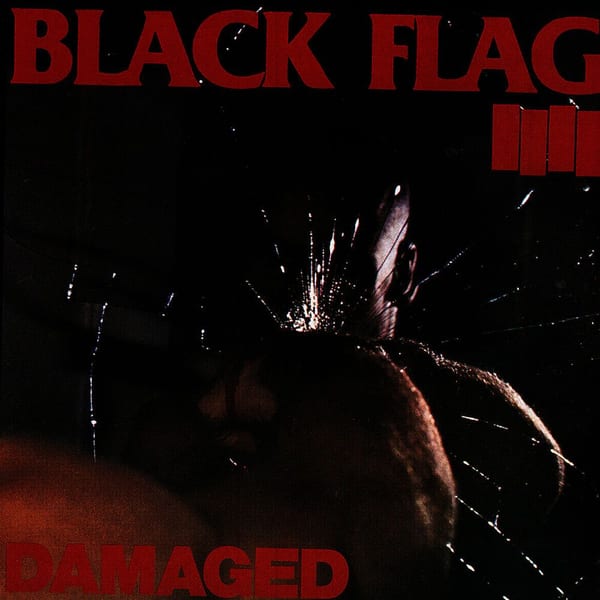
Damaged
Be the first to rate—The album that gave the label its spine. Damaged (1981) was Black Flag's first full-length and Henry Rollins' debut behind the mic, and it's hardcore at its most paranoid and depressive rather than its most political. MCA's distribution chief called it an "anti-parent record" and refused to ship it, so SST put it out themselves. "Rise Above," "Depression," "TV Party." The sound of suburban dread with no exit.
- 2
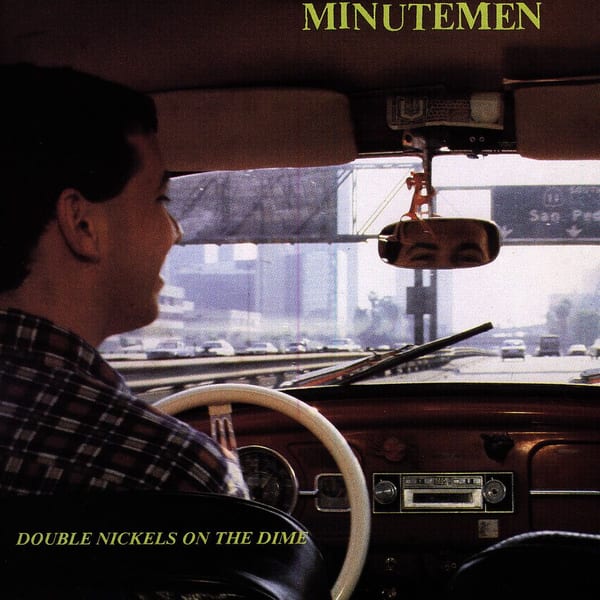
Double Nickels on the Dime
Be the first to rate—Forty-five songs, most under two minutes, none wasting a note. The San Pedro trio of D. Boon, Mike Watt and George Hurley folded funk and free jazz into punk's economy on this 1984 double LP, and the title is a joke about driving the speed limit (double nickels, 55) on the 110 freeway. Watt has admitted it was partly an arms-race answer to Hüsker Dü's double album. It remains the most generous record SST ever released.
- 3
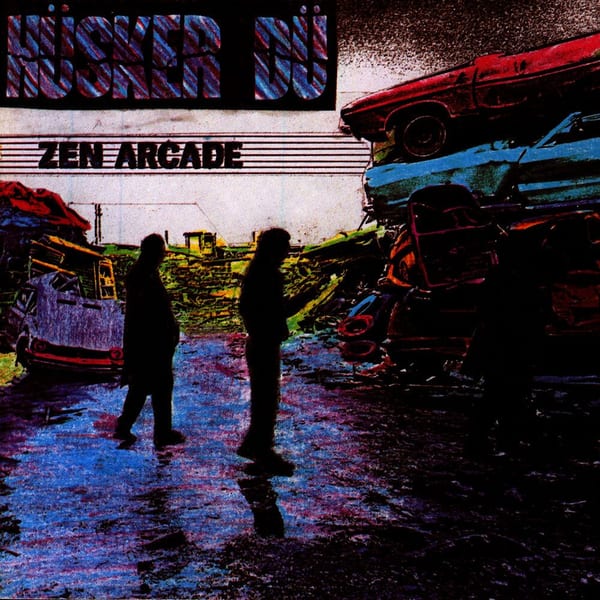
Zen Arcade
Be the first to rate—The album Double Nickels was racing. Hüsker Dü's 1984 concept double follows a kid running from a broken home and finding the world outside worse, told in 23 songs cut fast and cheap over a couple of days. Bob Mould's guitar runs as a single distorted sheet; Grant Hart's melodies keep surfacing through it. The closing 14-minute instrumental "Reoccurring Dreams" was a single live take they couldn't afford to redo.
- 4
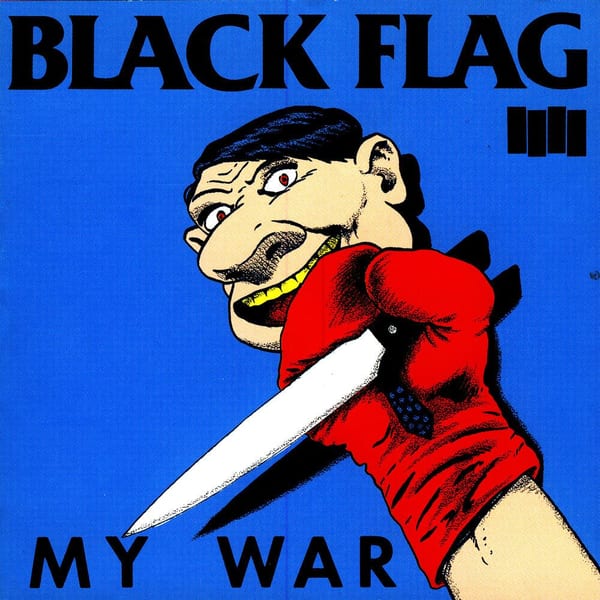
My War
Be the first to rate—After two years frozen by a lawsuit, Black Flag came back slower and meaner. Side B of My War (1984) is three long, dragging dirges that the hardcore kids hated and the next generation studied like scripture. The Melvins heard it, the Seattle bands heard it, and sludge metal essentially starts here. Greg Ginn played the bass himself under the alias Dale Nixon.
- 5
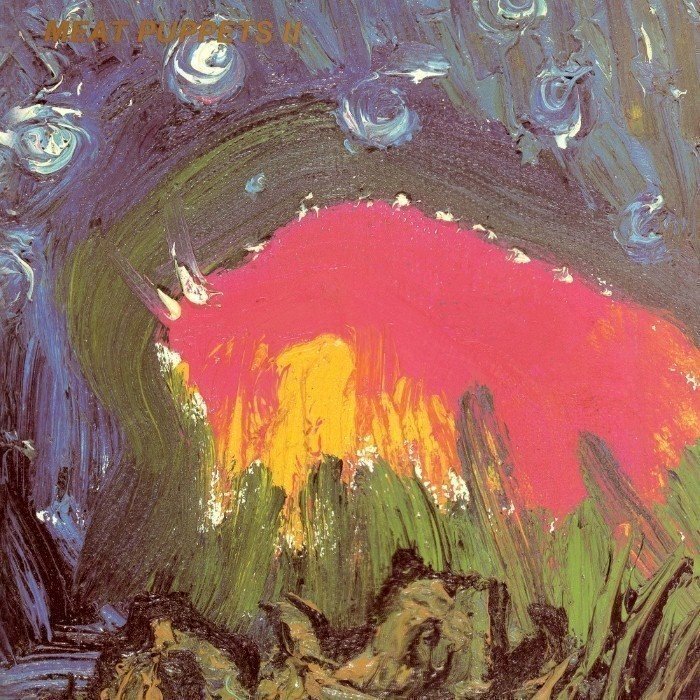
Meat Puppets II
Be the first to rate—A hardcore band that took acid and never quite came back. The Kirkwood brothers' Phoenix trio turned punk speed into smeared psychedelic country on this 1984 record, with Curt's slurred, sunstruck melodies wandering off-key on purpose. Most people met it secondhand: Nirvana played "Plateau," "Oh, Me" and "Lake of Fire" with the Kirkwoods on MTV Unplugged in 1993, and a cult record became a footnote in a famous one.
- 6
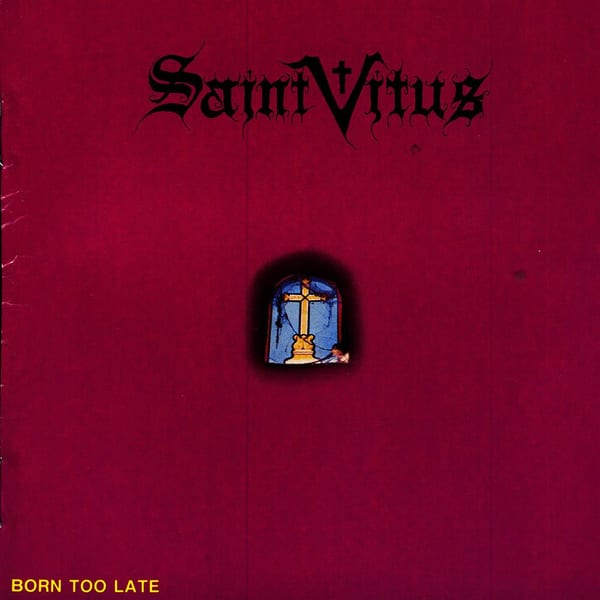
Born Too Late
Be the first to rate—Doom metal on a hardcore label, which made no commercial sense and total artistic sense. Born Too Late (1986) is Scott "Wino" Weinrich's first album as Saint Vitus' singer, and the title track is a Black Sabbath crawl about being an outcast born into the wrong decade. Nobody wanted slow, heavy worship music in 1986. That's exactly why it sounds untouched now.
- 7
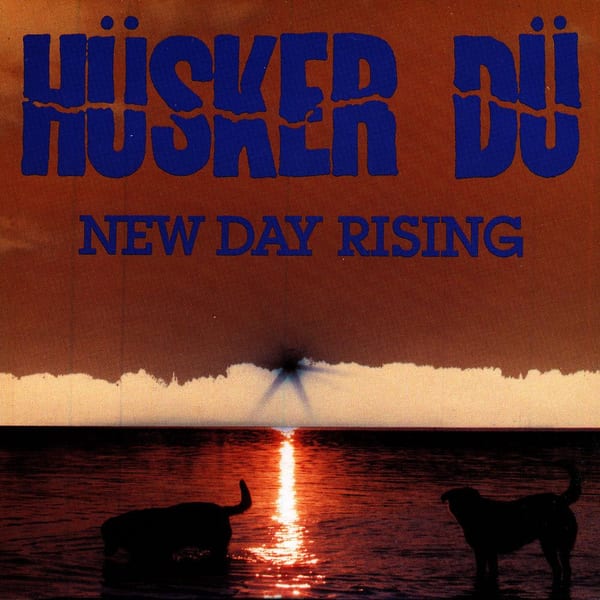
New Day Rising
Be the first to rate—The pop instincts winning. New Day Rising (1985) sharpens the melodies buried in Zen Arcade's noise, and "Celebrated Summer" is as close as American hardcore got to a pure pop song without surrendering the volume. This is the bridge: a year later the band signed to Warner and dragged the whole underground toward the majors with them.
- 8
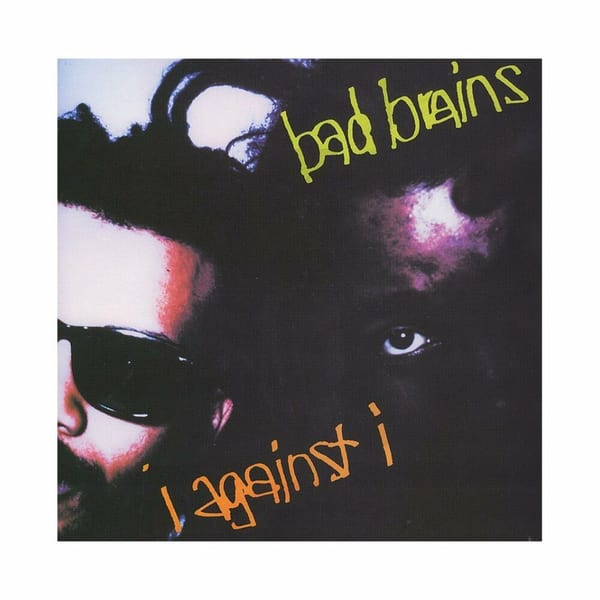
I Against I
Be the first to rate—The DC band who could outplay everyone, finally building something to hold all of it. I Against I (1986) fuses their impossible hardcore speed with metal, funk and reggae, and H.R.'s voice does things no punk singer had any right to. Proof that a hardcore band could grow up without going soft, and most who tried only managed one of those.
- 9
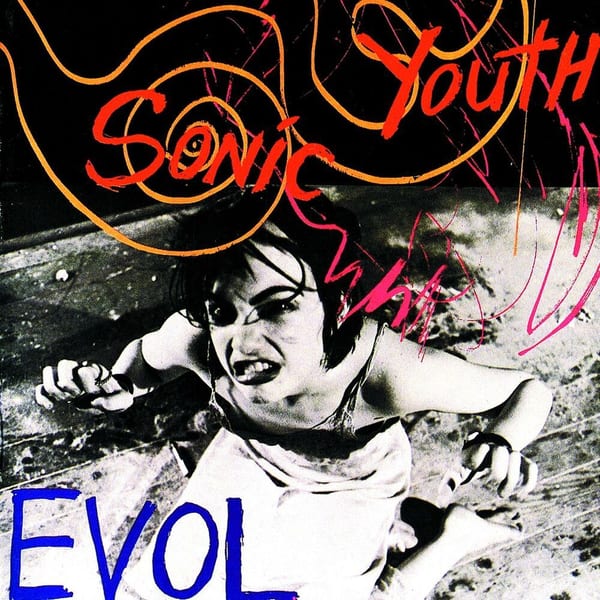
EVOL
Be the first to rate—The point where the noise turned seductive. EVOL (1986) was Sonic Youth's first with drummer Steve Shelley, and their detuned New York skronk starts arranging itself into something you could call songs. It ends with "Expressway to Yr Skull," a slow Reagan-era death trip Neil Young once called the best guitar song ever written. The art-damage and the beauty stop fighting here.
- 10
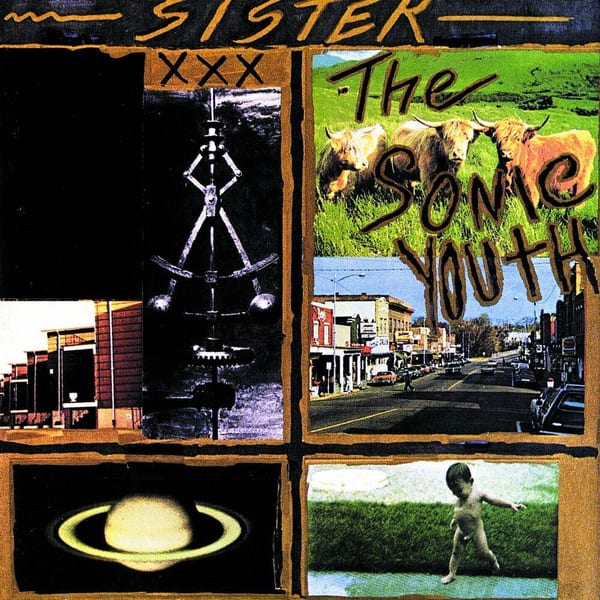
Sister
★ 4.3 · 2—If EVOL was the thaw, Sister (1987) is the bloom. Loosely haunted by Philip K. Dick and the twin sister who died in his infancy, it's the album where the prepared guitars and the pop hooks lock fully together. "Schizophrenia" opens it like a door swinging in wind. Everything that made Daydream Nation possible is already here, tighter and stranger.
- 11
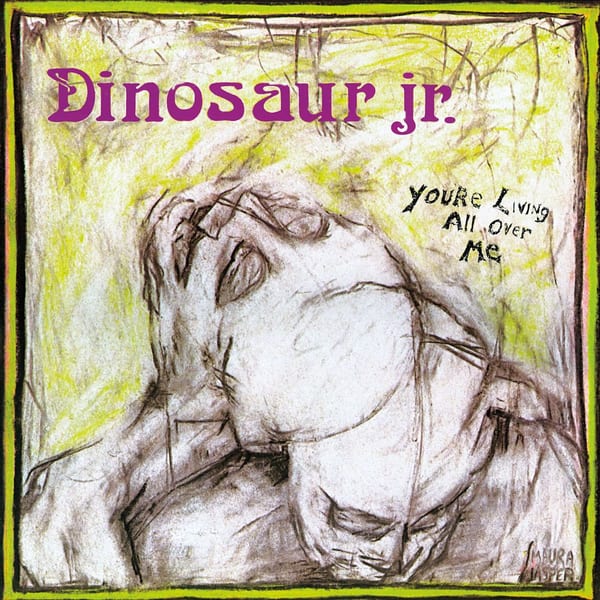
You're Living All Over Me
Be the first to rate—The loudest melodies of the decade. On their 1987 second album J Mascis buries Lou Barlow's bass under a guitar tone like a collapsing building, then writes hooks sweet enough to survive the avalanche. The volume-and-tenderness formula here ran through the next fifteen years of indie rock. The tension between Mascis and Barlow ran straight into Sebadoh.
- 12

Ragin', Full-On
Be the first to rate—Born from a death and a fan letter. After D. Boon was killed in a van crash in December 1985, Mike Watt had quit music for good, until a 22-year-old Ohio kid named Ed Crawford turned up in San Pedro and talked him and George Hurley into a new band. Ragin', Full-On (1986) is the result: looser and more limber than the Minutemen, a man learning how to keep going.
- 13
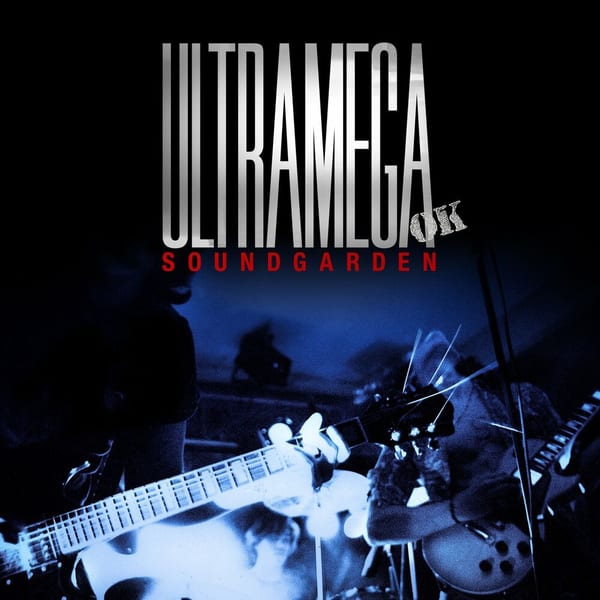
Ultramega OK
Be the first to rate—Grunge incubating in plain sight. Before Sub Pop and the majors, Soundgarden made their debut album for SST in 1988: Sabbath riffs filtered through punk, Chris Cornell's range already absurd. It earned a Grammy nomination for Best Metal Performance, then the band spent decades hating the mix so much they re-recorded the whole thing in 2017. The songs were always there.
- 14

Even If and Especially When
Be the first to rate—The Northwest before the gold rush. Out of Ellensburg, Washington, the Screaming Trees played psychedelic garage rock with Mark Lanegan's tar-black baritone riding over the Conner brothers' churn. This 1987 SST album gave them their first real platform, years before grunge made the region a brand. Lanegan already sounds like a man who has seen the ending.
- 15

Escape from Noise
Be the first to rate—The label's prankster fringe. The Bay Area collective built Escape from Noise (1987) out of tape loops, found sound and culture-jamming, and its centerpiece, "Christianity Is Stupid," loops a ranting preacher into something between comedy and threat. They later staged a hoax tying the song to a fake axe murder. Four years on, a sample fight with U2 nearly bankrupted them. SST was the only place this fit.
- 16
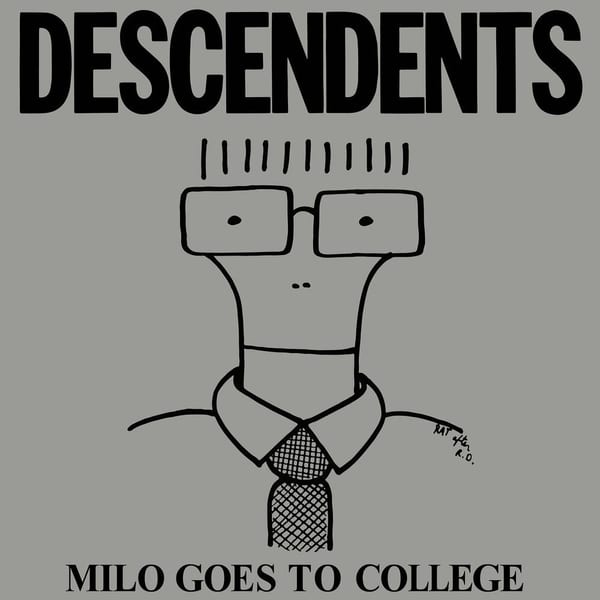
Milo Goes to College
Be the first to rate—The melodic root of everything pop-punk owes a debt to. Manhattan Beach's Descendents wrote fast, lovesick, hooky songs about coffee and rejection, and the 1982 title is literal. Singer Milo Aukerman left the band to study biology. It came out on New Alliance, the Watt-and-Boon label SST later absorbed, which makes it family. Bad Religion, Green Day and a thousand others are downstream of this.


Explore the sound
Artists in this guide
Lists with these albums
Read next
Tropicália: cannibal pop made under a dictatorship
Brazil's most fearless generation devoured rock, samba and the avant-garde while the generals watched. Sixteen records from the movement and the fallout.
Heavenly voices: the ethereal wave canon
Voice as weather, words as texture: the 4AD lineage and the American underground that carried it.
The aesthetics of failure: a guide to glitch and microsound
When the machines started making music out of their own errors: clicks, cuts, skips and dropout, from Oval's scratched CDs to the lowercase quiet of 12k.
Coldwave: a canon for the cold machine
From Adrian Borland's grey London to French provincial gloom to the synth-driven revival — the records that made detachment a sound.
Got your own ranking? Build a list or tier of your own.